Support

Tezpur

About

Welcome to Tezpur, a captivating city often hailed as the "Cultural Capital of Assam." Nestled on the northern banks of the mighty Brahmaputra River, this scenic destination offers a perfect blend of mythology, history, and natural beauty. Known as the "City of Eternal Romance" due to the legendary love story of Usha and Aniruddha, Tezpur possesses a unique charm that sets it apart from other towns in the region.

Located in the northeastern part of India, the city is surrounded by lush tea gardens and rolling hills, creating a serene atmosphere for travelers. With a population of approximately 102,500 residents, it serves as a significant commercial and administrative hub while maintaining a peaceful, small-town vibe. The climate here is generally pleasant, making it a delightful stopover for those exploring the diverse landscapes of Assam.
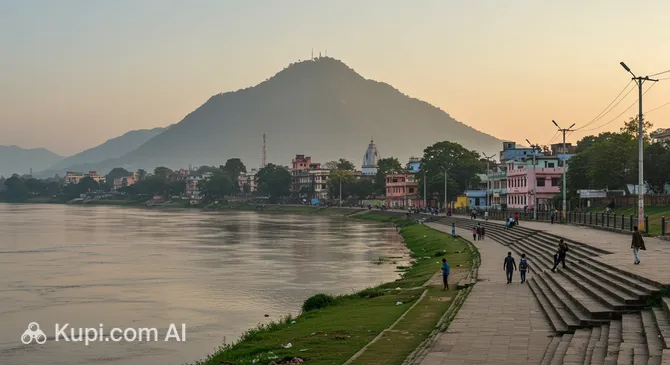
Tezpur. Source: Kupi.Binoculars

The fascinating history of Tezpur is deeply rooted in ancient folklore and archaeological significance. The name itself, which translates to "City of Blood," references a mythical battle between Lord Krishna and Lord Shiva. Beyond the legends, the city boasts tangible heritage sites that attract history buffs and spiritual seekers alike. Agnigarh, a hillock offering panoramic views of the river and the town, is one of the most popular spots, beautifully landscaped to retell local legends through sculptures.

Tezpur is also home to the ancient Mahabhairab Temple, dedicated to Lord Shiva, which stands as a testament to the region's architectural heritage. For a relaxing afternoon, visitors often head to Chitralekha Udyan (Cole Park), a picturesque park featuring medieval stone carvings and water sports facilities. Whether you are passing through on your way to the Himalayas or staying to explore, Tezpur invites you to experience its rich culture and breathtaking river sunsets.

Weather Overview

Understanding the weather in Tezpur is essential for planning a comfortable visit, as the city experiences distinct seasonal changes. The climate is generally subtropical, characterized by warm, humid summers and cool, pleasant winters. During the warmest months from June to August, the average temperature hovers around 28°C to 29°C, with daytime highs reaching up to 31.5°C.

Rainfall is a significant factor during the middle of the year; from May through September, the city experiences a high number of wet days, peaking at 30 days of rain in July. In contrast, the winter season from November to February is significantly drier and cooler, making it a popular time for outdoor activities. January is typically the coldest month, with average temperatures dropping to 17.5°C and lows around 12°C. Overall, expect warm summers with frequent rain and mild, dry winters.

Interesting Facts

Beyond the scenic river views and mythological tales, Tezpur holds fascinating stories that weave together modern history, engineering dreams, and local pride. Here are a few intriguing facts about this charming city that often go unnoticed by the casual visitor.

  • A Haven for History: Tezpur holds a special place in modern history as the location where the 14th Dalai Lama was warmly received in 1959 after escaping from Tibet. It was here that he made his first public appearance and statement to the international press on Indian soil.

  • A General's 200-Year-Old Dream: The impressive Kolia Bhomora Setu bridge over the Brahmaputra River is named after a legendary Ahom General, Kalia Bhomora Phukan. He had attempted to construct a bridge at this exact strategic location more than two centuries ago, gathering massive rocks that can still be seen in the river today.

  • Prized Sweetness: The city is famous for the Tezpur Litchi, a variety of fruit celebrated for its distinct quality, fleshy pulp, and sweetness. It is so unique to the region that it has been awarded a Geographical Indication (GI) tag, marking it as an authentic local treasure.

  • Mysterious Ruins: The Bamuni Hills are home to scattered stone carvings and sculptures dating back to the 9th and 10th centuries. These intricate ruins resemble the Gupta period's art style, suggesting that Tezpur was once a flourishing center of artistic excellence long before the modern era.

How to Get There

Reaching Tezpur involves a journey through the scenic landscapes of Assam, often connecting via nearby major transport hubs. While the city is well-connected by road, air travel is a popular choice for those coming from further afield. For a detailed breakdown of all travel options and routes, you can read more about how to get to Tezpur to plan your trip effectively.

For those arriving by air, the region is served by several convenient gateways located in neighboring cities. Itanagar Airport (HGI) in Itanagar is the closest option, situated approximately 91.6 km away. The transfer from there typically involves a scenic drive of around 2 hours and 40 minutes. Alternatively, Dimapur Airport (DMU) in Dimapur offers another viable route, located roughly 129.7 km from Tezpur with a travel time of about 3 hours and 35 minutes. Travelers may also consider flying into Rowriah Airport (JRH) in Jorhat, which is about 137.9 km away.

For clarity, here is a summary of the main airports:

Airport Name City Passenger Traffic Km from City
Dimapur Airport Dimapur Medium 129.7
Itanagar Airport Itanagar Medium 91.6
Rowriah Airport Jorhat Small 137.9
Shillong Airport Shillong Small 133.0
Trashigang (Yonphula) Trashigang Very Small 143.4

Beyond air travel, Tezpur is well-integrated into the regional road network. Buses and private taxis frequently ply the routes connecting the city to Guwahati and other major towns in Assam. The scenic drive offers a glimpse into the lush greenery of the region, making the road trip an enjoyable part of the experience for many visitors.

Main Attractions

Tezpur is a treasure trove of archaeological ruins, mythological legends, and natural splendor. The city's attractions offer a journey through time, from ancient temple remnants to scenic parks that celebrate the region's rich history. Here are some of the key places that make Tezpur a fascinating destination for travelers.

One of the most iconic landmarks is Agnigarh, a hillock steeped in romance and mythology. According to legend, this was the fortress where Princess Usha was kept in isolation by her father, King Banasura. Today, it has been transformed into a beautiful park with a spiral stairway encircling the hill. Tourists flock here not just for the folklore, but for the breathtaking panoramic views of the Brahmaputra River and the Kalia Bhomora Setu bridge. The landscaped garden, adorned with sculptures depicting the ancient love story, makes it a perfect spot for a leisurely evening walk.

For those interested in spiritual heritage and architecture, the Mahabhairab Temple is a must-visit. Situated atop a small hill in the northern part of the city, this ancient temple is believed to have been established by King Banasura himself. It houses one of the largest and oldest Shiva Lingas in the world, carved from living stone. The temple ambiance is serene and spiritually uplifting, drawing devotees and history enthusiasts alike to admire its structure and the deep cultural roots it represents.

Another gem in the heart of the city is Chitralekha Udyan, historically known as Cole Park. This picturesque park acts as an open-air museum, preserving exquisite stone carvings and medieval sculptures rescued from various ruin sites across the region. Apart from its historical value, the park offers a tranquil environment with a central lake where visitors can enjoy boating. Its lush green walkways and the famous Bhomoraguri inscription make it an ideal place for families and nature lovers to relax.

Just a short distance from the main town lies the archaeological site of Da-Parbatia, famous for its ancient door frame dating back to the 6th century A.D. This site is significant as it showcases the influence of the Gupta School of Art in Assam. The intricately carved stone door frame, featuring the river goddesses Ganga and Yamuna, is considered one of the finest examples of early medieval art in the region. It is a quiet, evocative spot that offers a glimpse into the artistic excellence of a bygone era.

Local Cuisine

Exploring the local cuisine in Tezpur is a delightful journey into the heart of authentic Assamese flavors. The food culture here is defined by simplicity, the use of fresh, local herbs, and a distinct preference for fermentation over heavy spices. Rice is the staple grain, typically served as part of a traditional thali, which is a platter featuring various curries, lentils, and chutneys. A meal here often begins with Khar, a unique alkaline dish prepared from the ashes of sun-dried banana peels, usually cooked with raw papaya or pulses, which serves as a palate cleanser and digestive aid.

One of the most iconic dishes you must try is Masor Tenga, a light and tangy fish curry that perfectly captures the region's love for river fish. The sourness typically comes from tomatoes, dried mangosteen, or the local favorite, Ou Tenga (elephant apple). For meat lovers, Duck Meat Curry (Haahor Mangxo) is a celebrated delicacy, often cooked with ash gourd or bamboo shoots to create a rich, aromatic flavor. Another comfort food staple found in almost every household and local eatery is Aloo Pitika, a simple yet soul-satisfying mash of boiled potatoes, mustard oil, onions, and green chilies.

When it comes to beverages, Tezpur's location amidst lush plantations makes it an excellent place to enjoy a cup of robust Assam tea. Whether at a roadside stall or a refined cafe, the tea here is fresh and invigorating. On the traditional side, you might encounter locally brewed rice beers like Apong or Judima, which are integral to the indigenous communities and are often served during festivals or in specialty ethnic restaurants.

The dining scene in Tezpur ranges from humble "Rice Hotels" serving wholesome home-style meals to vibrant street food stalls. In the evenings, the markets bustle with vendors selling steaming plates of momos and chowmein, reflecting the region's proximity to the hills and its cross-cultural influences. If you visit during a festival like Bihu, keep an eye out for traditional sweets like Pitha (rice cakes) and Laru (coconut or sesame balls), which offer a sweet conclusion to the city's savory offerings.

Travel Tips

To ensure your journey to the "City of Eternal Romance" is as smooth as it is memorable, a little preparation goes a long way. These practical tips will help you navigate local customs, logistics, and daily life in Tezpur with ease.

  1. Clothing and Gear: The climate in Assam can be quite humid, so pack breathable cotton clothing for the summer months (April to September). If you are visiting in winter (November to February), bring light woolens or jackets, as evenings can get chilly. Since Tezpur is home to several sacred sites like the Mahabhairab Temple, modest dress is essential; always cover your shoulders and knees, and slip-on shoes are convenient as you must remove them before entering religious precincts.

  2. Transportation: There is no metro system here; the best way to get around is by auto-rickshaws or cycle rickshaws. They are abundant and perfect for navigating the town's relatively short distances. Ride-hailing apps are not as prevalent or reliable as in big metros, so it is customary to negotiate the fare with the driver before starting your journey. For day trips to nearby tea gardens or wildlife parks, renting a private taxi for the day is the most comfortable option.

  3. Finances: The local currency is the Indian Rupee (INR). While major hotels and upscale restaurants accept credit and debit cards, cash is king in local markets, small eateries, and for transport. ATMs are widely available across the town center, but it is wise to carry smaller denomination notes for tips and small purchases. A daily budget can be quite modest here compared to major Indian cities.

  4. Health and Safety: As Tezpur is located in a region with lush vegetation, mosquito repellent is an absolute must-have to protect against insect-borne illnesses, especially during the monsoon. Pharmacies are generally well-stocked, but few remain open 24/7, so carry personal prescriptions with you. The city is generally safe for tourists, but it is advisable to stick to well-lit main roads after dark and avoid isolated areas near the riverbanks late at night.

  5. Communication: The primary language is Assamese, but Hindi and English are widely understood, especially in hospitality and commerce. A local SIM card (like Jio or Airtel) is highly recommended for data connectivity; you can purchase one at local mobile shops with a passport and visa copy. Google Maps works well for navigation, but locals are often the best source for directions.

  6. Local Etiquette: Assamese culture is warm and hospitable. A polite "Namaste" with folded hands is the standard greeting. When visiting someone's home, it is polite to remove your shoes at the door. If you are eating with your hands—a common local practice—always use your right hand, as the left is considered unclean for food.

  7. What to Avoid: Tezpur has a significant military presence due to its strategic location. Strictly avoid taking photographs or videos of military bases, personnel, vehicles, or the airport area, as this is prohibited and can lead to serious legal complications. Always look for "No Photography" signs before pulling out your camera.

  8. Sunset Awareness: A unique aspect of Northeast India is the early sunrise and sunset. In winter, it can get dark as early as 4:30 PM. Plan your outdoor sightseeing, especially visits to parks like Agnigarh or Chitralekha Udyan, for the morning or early afternoon to maximize daylight hours.

By keeping these simple guidelines in mind, you can focus on soaking up the rich history and natural beauty of the region. Tezpur is a welcoming city, and a respectful, well-prepared traveler will find themselves quickly embraced by its charm and hospitality.

Entertainment & Nightlife

While Tezpur is primarily known for its historical significance and serene daytime atmosphere, its nightlife offers a pleasant surprise for those looking to unwind after sunset. The city does not boast the high-energy, all-night clubbing scene found in India's major metros; instead, it offers a more relaxed and sophisticated evening culture. The nightlife here revolves around cozy lounge bars, restaurant-pubs, and vibrant street food hubs where locals gather to socialize over good music and great food.

The most bustling areas for evening entertainment are centered around Mission Chariali and the Main Road. These districts serve as the commercial heart of the city and remain lively well into the evening. Here, you will find a mix of modern eateries and classic establishments that cater to a diverse crowd, from families enjoying a late dinner to groups of friends seeking a laid-back drink. The atmosphere is generally casual and welcoming, with most venues operating until around 10:00 PM or 11:00 PM.

For those seeking a quality drink and a comfortable ambiance, Zoral Bar at the KRC Palace Hotel is a standout choice. Widely regarded as one of the best spots in town, it offers a refined setting perfect for a quiet evening or a business meeting. Another popular venue is Magnolia Bar & Restaurant, known for its friendly service and extensive menu that pairs well with local and international spirits. If you prefer a place with a bit more local buzz, Oasis Restro Bar near the police station provides a lively environment where you can enjoy hearty appetizers alongside your beverages.

Beyond bars and dining, evening entertainment in Tezpur often includes catching the latest Bollywood or regional blockbuster. The city has seen the rise of modern multiplexes like Gold Cinema and SVF Cinemas, which offer a comfortable movie-going experience with contemporary amenities. For a more traditional evening, a walk through the night markets offers a sensory delight, with the aroma of steaming momos and spicy chowmein filling the air as vendors set up their stalls along the busy streets.

When planning a night out, timing and transportation are key. Public transport, such as auto-rickshaws and tempos, is readily available during the day but tends to become scarce after 8:30 PM or 9:00 PM. It is highly advisable to arrange a private taxi or have a vehicle at your disposal if you plan to stay out late. While Tezpur is generally safe, it is a quiet town by night; sticking to well-lit main roads and avoiding isolated areas is recommended for a hassle-free experience.

Daytime entertainment in the city complements its evening charm, offering a mix of culture and leisure. Visitors can explore the rich heritage at the district museum or enjoy a peaceful afternoon at the various parks and amusement centers that dot the landscape. Whether you are exploring ancient ruins by day or sipping a cocktail by night, Tezpur offers a balanced and memorable travel experience.

Parks & Museums

Tezpur offers a refreshing mix of verdant landscapes and cultural repositories, making it a delightful destination for those who appreciate both nature and history. The city is dotted with scenic lakes, well-maintained gardens, and institutions that preserve the rich heritage of the region, providing a peaceful escape from the bustle of daily life.

Padum Pukhuri is one of the city's most beloved green spaces, centered around a historic lotus pond that has been a landmark for generations. An island situated in the middle of the lake is connected by a charming iron bridge, making it a picturesque spot for evening strolls. Tourists, especially families, enjoy the toy train rides and the musical fountain that comes alive in the evenings. It is an ideal location to relax and watch the reflection of the city lights dance on the water.

Another significant natural attraction is Chitralekha Udyan (Cole Park), which serves as both a botanical garden and an open-air museum. While known for its historical ruins, the park is also a hub for recreational activities. Visitors can enjoy paddle boating on the horseshoe-shaped lake or simply wander through the lush lawns and walkways. The park's diverse collection of ancient sculptures set against a backdrop of manicured greenery creates a unique atmosphere where history meets leisure.

For a deep dive into the region's past, the Tezpur District Museum is an essential stop. Housed in the historic Dak Bungalow, which was built during the British colonial era, the museum showcases a fascinating array of artifacts. Visitors can explore galleries filled with ancient manuscripts, silver coins, and textiles that trace the cultural evolution of Assam. It is particularly interesting for history enthusiasts keen to see rare stone sculptures and inscriptions salvaged from nearby archaeological sites.

While not a traditional museum, the Bamuni Hills function as an impressive open-air gallery of ancient art. The site features extensive ruins of stone carvings and pillars from the 9th and 10th centuries, showcasing the Gupta period's architectural brilliance. Walking among these scattered remnants offers a tangible connection to the city's artistic ancestry, allowing visitors to admire the intricate craftsmanship of friezes and brackets that have withstood the test of time.

Among the city's historical landmarks, Hazara Pukhuri stands out as a monumental feat of ancient engineering. Excavated in the 9th century during the reign of King Harjjar Varman of the Mleccha dynasty, this massive tank covers over 70 acres and is famous for its high embankments. It is a serene spot for a quiet walk and offers a glimpse into the grand scale of water management systems used by early rulers. The reservoir is surrounded by tall trees, providing a cool, shaded environment perfect for birdwatching or a peaceful afternoon break.

For a truly authentic experience away from the main tourist trail, head to Ganesh Ghat on the banks of the Brahmaputra River. While Agnigarh offers famous views, this smaller, riverside spot is where the locals go to watch the sunset in peace. It is less crowded and offers an intimate view of the river's vastness, often accompanied by the soothing sounds of temple bells ringing in the distance.

Getting Around

Tezpur is a compact and navigable city where the public transport system is entirely road-based. Unlike larger metropolises, there is no metro, tram, or train network for intra-city travel. Instead, the transportation infrastructure relies heavily on a mix of intermediate public transport vehicles, such as auto-rickshaws, electric rickshaws, and buses. This informal yet efficient network ensures that most parts of the city and its outskirts are easily accessible to visitors.

The most popular and convenient way to get around is by auto-rickshaw. You will find them at designated stands near major landmarks like the ASTC Bus Station, Mission Chariali, and the market areas. For short distances within the city center, cycle rickshaws and modern e-rickshaws (often locally called "Totos") are ubiquitous. These are eco-friendly, quiet, and perfect for navigating the narrower lanes or enjoying a leisurely ride to attractions like Chitralekha Udyan. For budget-conscious travelers, shared three-wheelers, known locally as Tempos, run on fixed routes along main roads and are the lifeline for daily commuters.

City buses do operate in Tezpur, managed by both the Assam State Transport Corporation (ASTC) and private operators. However, these buses are typically used for connecting the city center to suburban areas, the university, or nearby towns rather than for short hops within the central business district. The buses are generally color-coded or clearly marked with their destination in the local language, so it is helpful to ask the conductor for assistance if you are unsure of the route.

The payment system across all modes of transport is strictly cash-based. There are no travel cards, smart passes, or tap-to-pay systems available for local transit. When using buses or shared Tempos, you pay the conductor or driver directly after boarding or upon exiting; fares are fixed and very affordable. For reserved auto-rickshaws and cycle rickshaws, there are no meters. It is standard practice to negotiate and agree on a fare before you step into the vehicle to avoid misunderstandings later. Carrying small denominations of currency is highly recommended, as drivers often struggle to provide change for large notes.

Ride-hailing apps have a limited presence compared to major hubs and may not always be reliable for quick intra-city trips. Consequently, traditional taxis are the best alternative if you prefer a private car. These can be hired from designated taxi stands or arranged through your hotel for day trips. Renting a car with a driver is a popular option for tourists wishing to visit multiple sites in comfort, while self-drive rentals are less common.

Operating hours for public transport are generally from early morning, around 6:00 AM, until approximately 8:30 PM or 9:00 PM. After this time, finding a Tempo or bus becomes difficult, and even auto-rickshaws may be scarce. If you plan to stay out late for dinner, it is wise to pre-arrange your return transport. Walking is also a viable and pleasant option, particularly in the winter months, as many of the central attractions, markets, and parks are located within a reasonable distance of each other.

A unique aspect of transport in this riverfront city is the ferry service. While primarily used to connect to the southern bank of the Brahmaputra River or for reaching river islands, taking a local ferry can be a scenic experience in itself. These boats usually operate during daylight hours only. Always ensure you board authorized ferry services at designated ghats for safety.

Accommodation

Where to Stay:

Tezpur offers a welcoming but modest selection of accommodation options, catering primarily to budget-conscious travelers and those seeking mid-range comfort. Unlike major metropolitan hubs, the city does not feature ultra-luxury international hotel chains. Instead, visitors will find a mix of reliable private hotels, government-run tourist lodges, and family-operated guesthouses. These establishments are known for their warm Assamese hospitality and generally provide all the essential amenities needed for a comfortable stay.

When choosing a location, most tourists prefer to stay around the city center and Mission Chariali. This area serves as the commercial heart of the town and is incredibly convenient for accessing the ASTC Bus Station, local markets, and dining spots. Staying here places you within a short auto-rickshaw ride of major attractions like Chitralekha Udyan and the Mahabhairab Temple. For those seeking a quieter atmosphere with scenic vistas, there are a few properties located closer to the Brahmaputra riverfront, offering a peaceful retreat with beautiful views of the water, especially at sunset.

Accommodation prices in Tezpur are generally quite reasonable. Budget travelers can find clean, basic rooms at very affordable rates, while mid-range hotels offer additional comforts such as air conditioning, Wi-Fi, and in-house restaurants. In terms of booking, while the top-tier hotels are listed on major online travel platforms, many smaller establishments and government lodges still rely on direct bookings via phone or walk-ins. However, relying on walk-ins can be risky during busy periods.

Booking Tip: As Tezpur is a strategic stopover for travelers heading to Arunachal Pradesh and a destination in its own right, rooms can fill up fast during the peak winter season (November to February) and during major festivals like Bihu. It is highly recommended to book your accommodation at least a few weeks in advance to ensure availability.

Nearby Cities

Nearby Cities:

Tezpur's location on the northern banks of the Brahmaputra makes it an excellent base for exploring the wider region of Assam and the neighboring foothills. The city is well-connected to several other interesting towns and administrative hubs, allowing travelers to easily extend their journey into the diverse landscapes of Northeast India. Whether you are interested in historical sites, tea gardens, or hill stations, the surrounding areas offer plenty of options for day trips or onward travel.

One of the closest neighbors is Dhekiajuli, a historically significant town known for its contribution to the Indian independence movement and its surrounding tea estates. A bit further south lies Nagaon, a major commercial center in central Assam that serves as a gateway to the famous Kaziranga National Park. For those looking to venture into the Himalayas, Tezpur is a key transit point for reaching Itanagar, the capital of Arunachal Pradesh, known for its rich tribal heritage and the historic Ita Fort.

Travelers can also explore Hojai, a town often associated with the trade of agarwood and perfumes, or head towards the hills to visit Diphu. As a quiet hill station, Diphu offers a peaceful retreat with opportunities for trekking and experiencing the local culture of the Karbi Anglong district. These destinations provide a mix of cultural and natural attractions within a few hours' drive.

Here is a summary of the nearby cities, their distances from Tezpur, and their approximate populations:

City Name Population Distance (km)
Dhekiajuli 33,460 31
Nagaon 147,137 35
Hojai 47,147 72
Itanagar 59,490 94
Diphu 61,797 111

Shopping & Souvenirs

Shopping in Tezpur offers a delightful mix of traditional Assamese culture and modern convenience. While the city may not boast the sprawling luxury malls found in metropolitan hubs, it provides a genuine experience where visitors can discover authentic local products. The shopping scene here is characterized by vibrant street markets, family-run establishments, and a growing number of modern complexes. It is an excellent place to purchase regional specialties, particularly traditional textiles and locally produced tea, which reflect the rich heritage of Assam.

The heart of the city's commercial activity lies in Chowk Bazar. This bustling area is the primary shopping district where locals and tourists alike converge to find everything from clothing and accessories to household goods. Walking through the narrow, lively lanes of Chowk Bazar gives you a true sense of the town's energy. Another key area is the Main Road, which stretches through the town center and is lined with a variety of showrooms, electronic stores, and branded outlets, offering a more conventional shopping experience.

For those looking for a modern retail environment, locations like the Tribeni Complex and Sohum Shoppe offer a curated selection of branded apparel and lifestyle products. These establishments provide a comfortable, air-conditioned respite from the outdoor heat and are popular destinations for fashion and accessories. While extensive mall complexes are less common, modern amenities are available, and moviegoers can enjoy the latest films at standalone multiplexes such as Gold Cinema, which are situated conveniently within the city.

The local markets are where the true charm of Tezpur's commerce shines. Apart from the daily hustle of Chowk Bazar, there are smaller vegetable and produce markets where you can see the bounty of the fertile Brahmaputra valley. These markets are vibrant with fresh fruits, including the famous Tezpur litchis in season, and locally grown vegetables. They offer a great opportunity for photographers and culture enthusiasts to observe the daily life of the residents.

When it comes to souvenirs, Assam Tea is undoubtedly the top purchase. Surrounded by lush tea gardens, the city offers high-quality loose-leaf tea and packaged blends that make for perfect gifts. Another must-buy is the traditional Assamese silk, specifically Muga (golden silk) and Pat silk. You can find exquisite Mekhela Chadors (traditional attire) and sarees in local handloom shops. Additionally, cane and bamboo handicrafts, such as the Japi (traditional conical hat), are lightweight and iconic souvenirs to take home.

Most shops in Tezpur typically open around 10:00 AM and close by 8:30 PM or 9:00 PM. While the main markets remain open all week, some smaller establishments may have reduced hours on Sundays. Cash remains the most widely accepted mode of payment, especially in smaller stalls and local markets. However, modern showrooms, hotels, and larger stores generally accept credit and debit cards, and digital payment methods like UPI are becoming increasingly popular across the city.

Regarding tax-free shopping, tourists should note that there is no specific tax refund scheme available for international visitors in Tezpur. Prices displayed usually include the Goods and Services Tax (GST). Bargaining is common and expected in street markets and smaller standalone shops, but prices in branded showrooms and department stores are fixed.

Reached the end of the page?

That means the route is fully explored