Support

Silchar

About

Silchar is a charming city nestled in the lush state of Assam, often referred to as the "Island of Peace" due to its serene environment and harmonious cultural blend. As the headquarters of the Cachar district, this bustling town serves as an essential gateway to the neighboring states of Mizoram and Manipur. Visitors traveling to India will find Silchar to be a significant hub of trade and education in the scenic Barak Valley.

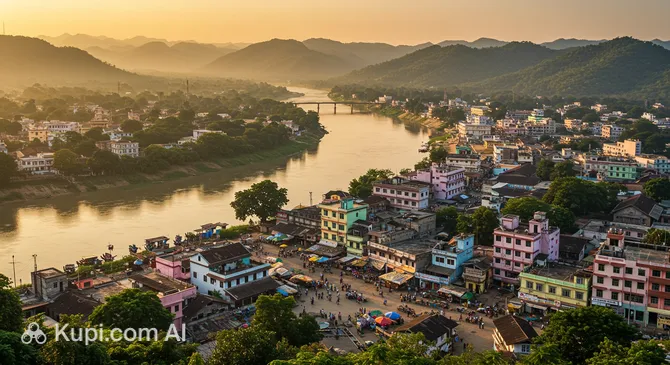
Situated on the picturesque banks of the Barak River, the city is surrounded by rolling hills and vibrant greenery. With a population of approximately 172,000 residents, Silchar balances the energy of a growing urban center with the tranquility of nature. The climate here is typically tropical, characterized by heavy monsoons that contribute to the region's fertile landscape and agricultural abundance.

Silchar. Source: Kupi.Binoculars

Exploring the history of Silchar reveals a fascinating tapestry of the past, including its connection to the ancient Dimasa Kingdom. The city preserves traces of its heritage while embracing modern development, making it an intriguing destination for history buffs and casual travelers alike.

One of the city's defining features is its sprawling tea gardens, which offer a glimpse into the region's tea production legacy and provide stunning backdrops for photography. Tourists should also visit Khaspur, located nearby, to see the majestic ruins of the Dimasa kings' palace. For a relaxing afternoon, Gandhibag Park serves as a popular recreational spot in the heart of the city.

Whether you are drawn by the allure of endless tea estates, historical architecture, or the warm hospitality of the locals, Silchar offers a memorable experience. It is a perfect stop for those looking to explore the hidden gems of Northeast India.

Weather Overview

Silchar experiences a distinct climate pattern with significant variations in rainfall throughout the year. The weather in Silchar is generally characterized by warm summers and mild winters, making it accessible for travelers during most seasons.

During the warmer months from April to October, temperatures typically range between 21°C and 30°C. This period coincides with the monsoon season, where the city sees frequent rainfall, with July and August recording up to 30 wet days each. Conversely, the winter months of December and January are much drier and cooler, with average temperatures hovering around 17°C to 19°C and minimums occasionally reaching 12°C. Visitors should expect warm, humid conditions with frequent rain in the summer and cool, dry weather during the winter.

Interesting Facts

Beyond the scenic tea gardens and river views, Silchar holds several fascinating historical records and local legends that surprise many visitors. This city is not just a trade hub but a place of significant cultural milestones and ancient mysteries.

  • Silchar is historically recognized as the birthplace of the modern game of Polo. The world's first Polo Club was established here in 1859 by British tea planters and military officers, marking the city's unique contribution to global sports history.

  • The city is deeply connected to the historic Language Movement of 1961. It was at the Silchar railway station that 11 martyrs sacrificed their lives to protect the official status of the Bengali language, an event that is solemnly commemorated every year and shapes the local identity.

  • According to local mythology, the Maniharan Tunnel located nearby has ancient origins linked to the epic Mahabharata. Legend suggests that this tunnel was once used by Lord Krishna, and the area remains a popular spot for pilgrims who believe the Triveni river flowing there is a holy confluence.

How to Get There

Reaching Silchar is relatively straightforward, as the city serves as a significant gateway to the southern part of Assam and the neighboring states. Whether you prefer air travel or a scenic journey by road or rail, there are several options available. For a detailed overview of all travel routes, you can read more about how to get to Silchar to plan your trip effectively.

The most convenient and direct way to arrive is via Kumbhirgram Airport (IXS), which is the primary airport serving the city. Located approximately 22 km from the city center, it handles a steady flow of domestic flights connecting the region to major Indian hubs. Once you land, the journey to downtown Silchar by taxi or bus takes roughly an hour, depending on traffic.

If direct flights are unavailable, travelers might consider flying into airports in neighboring cities, though it is important to note the logistical challenges. Imphal Municipal Airport (IMF) in Imphal and Aizawl Airport (AJL) in Aizawl are geographically situated about 113 km and 111 km away, respectively. However, due to the rugged, mountainous terrain of Northeast India, the road transfers from these airports involve winding paths and take significantly longer than the straight-line distances suggest. Travelers choosing these routes should be prepared for a long, albeit scenic, drive through the hills that can take several hours.

For clarity, here is a summary of the main airports in the vicinity:

Airport Name City Passenger Traffic Km from City
Imphal Municipal Airport Imphal High 113.3
Sylhet Civil Airport Sylhet Medium 92.8
Aizawl Airport Aizawl Medium 111.4
Kumbhirgram Airport Silchar Medium 22.0
Shillong Airport Shillong Low 125.7

Besides air travel, Silchar is well-connected by an extensive railway network and roadways. The city's railway station is a key junction in Northeast India, offering scenic train rides through the lush hills of Assam. Road trips are also popular, with buses and private taxis available from nearby capital cities like Guwahati and Shillong, providing a visually captivating approach to the "Island of Peace."

Main Attractions

Silchar offers a delightful mix of historical ruins, spiritual sanctuaries, and natural beauty, making it a rewarding destination for travelers exploring Assam. The city and its surroundings are dotted with sites that reflect the rich cultural heritage of the Barak Valley, ranging from ancient royal remains to serene lakes set amidst tea gardens.

One of the most significant historical sites is Khaspur, located roughly 20 kilometers from the city center. Once the capital of the Dimasa Kachari kings, this area is famous for its well-preserved architectural ruins. Visitors can explore the majestic Lion Gate, the Sun Gate, and the remains of the King's Temple. The structures are surrounded by ancient trees and offer a quiet atmosphere where history enthusiasts can imagine the grandeur of a bygone era.

For those seeking spiritual solace, the Sri Kancha Kanti Devi Temple is a must-visit attraction situated in Udharbond, a short drive from Silchar. This revered temple is dedicated to a powerful Mother Goddess, believed to be a fusion of Goddess Durga and Goddess Kali. Legend has it that the original deity appeared in a dream to a local king, leading to the temple's construction. Today, the golden idol attracts devotees from far and wide who come to offer prayers and seek blessings.

Nature lovers and photographers will find Dolu Lake to be a perfect retreat. Nestled within a sprawling tea estate, this picturesque lake provides a tranquil setting for a relaxing afternoon. The reflection of the surrounding greenery in the calm waters creates a stunning visual, making it a popular spot for picnics and nature walks away from the bustle of the main town.

Another intriguing site is the Maniharan Tunnel, located near the Bhuvan Hill. This spot is steeped in mythology, with local beliefs linking it to the epic Mahabharata. It is said that the tunnel was used by Lord Krishna, and the nearby Triveni stream is considered holy by pilgrims. The combination of natural rock formations and local legends makes it a fascinating place for those interested in the mystical side of the region's geography.

Local Cuisine

The culinary landscape of Silchar is a delightful reflection of the Barak Valley's cultural diversity, offering a unique fusion of Bengali heritage and Assamese traditions. The local food is known for its robust flavors, characterized by the use of fresh river fish, aromatic herbs, and distinct fermentation techniques that set it apart from other regional cuisines.

A true signature delicacy of this region is Chungar Peetha, a traditional rice cake prepared by stuffing sticky rice inside a hollow bamboo stem and slow-cooking it over a fire. This process infuses the rice with a distinct, woody aroma that is highly prized by locals. For those with an adventurous palate, Shutki (dried fish) is a staple ingredient. It is often prepared as a spicy chutney or a rich curry called Shidol, packing an intense umami punch that defines the authentic taste of the valley. Additionally, fish curries cooked with bamboo shoots offer a tangy and savory experience that highlights the region's love for fresh, local produce.

No culinary exploration in Silchar is complete without indulging in the local beverage culture. Being in the heart of tea country, a cup of strong, aromatic Assam tea is the standard way to begin and end the day. In the humid summer months, visitors can also find refreshing glasses of lassi and fresh sugarcane juice being sold by street vendors to beat the heat.

The food culture in Silchar is vibrant and accessible, ranging from bustling street corners to family-run eateries. The city's streets are dotted with stalls selling steaming baskets of Momos and crispy Puchkas (a local variant of pani puri), which are popular evening snacks for residents. For a full meal, tourists often visit the local "rice hotels"—unassuming establishments that serve wholesome, home-style thalis featuring rice, dal, vegetable stir-fries, and fish, providing a genuine taste of local hospitality.

Travel Tips

Welcome to Silchar, the bustling heart of the Barak Valley. To help you navigate this culturally rich city and enjoy its tea-scented breeze without a hitch, here are some practical tips to keep in mind while planning your journey.

  1. Clothing and Gear: Since Silchar experiences high humidity and significant rainfall, especially from April to October, pack breathable cotton clothing and a sturdy umbrella or raincoat. If you visit during the winter (December to January), bring a light jacket or sweater, as evenings can get chilly. For visits to temples like the Sri Kancha Kanti Devi Temple, dress modestly; shoulders and knees should be covered.
  2. Transportation: The most convenient way to get around the city is by auto-rickshaw. They are ubiquitous and serve as the primary mode of public transport. For shorter distances, cycle rickshaws are a charming and eco-friendly option. Unlike major metros, ride-hailing apps may have limited availability here, so it is often better to hire a local taxi for day trips or negotiate the fare with auto drivers beforehand.
  3. Finances: The currency is the Indian Rupee (INR). While hotels and larger restaurants in Silchar accept credit and debit cards, cash is king for street food, local markets, and rickshaw fares. ATMs are plentiful in the city center, but it is wise to carry small denominations when exploring rural areas or tea gardens. A daily budget of 2,000–3,000 INR is usually sufficient for a comfortable mid-range experience.
  4. Health and Safety: As a tropical region, mosquitoes can be a nuisance, so packing a good insect repellent is essential. Stick to bottled or filtered water to avoid stomach issues. Pharmacies are widely available in the main market areas, but for 24-hour service, look for shops near the Silchar Medical College and Hospital. The city is generally safe, but standard precautions like avoiding poorly lit areas late at night apply.
  5. Communication: The primary language spoken here is Bengali (specifically the Sylheti dialect), which differs from the Assamese spoken in the rest of the state. However, Hindi is widely understood, and English is commonly spoken in hotels, banks, and tourist spots. A simple "Namaskar" works wonders as a greeting. For connectivity, major networks like Airtel and Jio offer good 4G coverage throughout the city.
  6. Local Etiquette: The people of Silchar are known for their warmth and hospitality. It is customary to remove your shoes before entering someone's home or a place of worship. When interacting with locals, a polite demeanor is highly valued. If you are invited for tea—which happens often in this tea-growing region—accepting it is a sign of respect and friendship.
  7. What to Avoid: Avoid engaging in heated discussions about local politics or language issues, as the region has a complex history regarding these topics. Also, refrain from taking photographs of people, especially in rural areas or tea estates, without asking for their permission first.
  8. Local Tip: Be mindful of the "Bandh" culture (strikes) that can occasionally occur in the region. Before planning a long road trip to nearby states like Mizoram or Manipur, check with your hotel reception or local news for any travel advisories to ensure your route is clear.

Armed with these tips, you are ready to explore the "Island of Peace" with confidence. Whether you are sipping fresh tea or exploring ancient ruins, Silchar promises a travel experience full of warmth, history, and natural beauty.

Entertainment & Nightlife

Silchar offers a laid-back and culturally rich entertainment scene that reflects the leisurely pace of life in the Barak Valley. Unlike the bustling metros of India, the nightlife here is not defined by loud nightclubs or all-night parties but rather by cozy evenings spent dining with family and friends. The city comes alive in the late afternoon, with locals gathering at markets and eateries to unwind after a day's work.

The heart of the city's evening activity is concentrated around Central Road and Club Road. These areas are lined with restaurants, small cafes, and shopping centers that remain open until around 10:00 PM. For those looking to enjoy a drink or a fine dining experience, the options are mostly found within the city's established hotels. Hotel Borail View is a popular choice, offering a comfortable atmosphere where visitors can enjoy local and multi-cuisine dishes accompanied by beverages. It is a great spot to experience the local hospitality in a refined setting.

Another notable establishment is the historic Cachar Club. Established during the British colonial era, this venue retains an old-world charm and serves as a social hub for the city's residents. While access might be restricted to members or guests for certain facilities, it remains a landmark of Silchar's social history. For a more modern entertainment experience, Goldighi Mall is the go-to destination. It houses Gold Cinema, where tourists can catch the latest Bollywood or regional movies in a comfortable, air-conditioned environment.

Travelers should be aware that the city goes to sleep relatively early. Most shops and restaurants shut their doors by 10:00 PM or 11:00 PM. The dress code is generally casual and modest; smart-casual attire is appropriate for hotel restaurants. In terms of prices, entertainment in Silchar is quite affordable compared to larger Indian cities. A dinner for two at a nice restaurant will typically cost between 800 to 1,500 INR.

Regarding safety and transport, Silchar is generally safe for evening strolls in busy areas like Central Road. However, public transport, particularly auto-rickshaws, becomes scarce after 9:00 PM. It is highly recommended to arrange a taxi or a private vehicle through your hotel if you plan to stay out late. Walking in well-lit, populated areas is fine, but venturing into quiet neighborhoods late at night is best avoided.

During the day, entertainment options lean towards cultural and recreational activities. Apart from exploring the tea gardens, visitors can spend time at the District Library to learn more about the region's literary heritage or enjoy a leisurely boat ride on the Barak River. The city's local markets also offer a vibrant glimpse into the daily life of the locals, providing plenty of photo opportunities and chances to taste authentic street snacks.

Parks & Museums

Silchar offers a delightful blend of natural beauty and deep-rooted heritage, making it a unique destination for travelers who appreciate both greenery and history. While the city is often celebrated for its scenic river views, its parks and cultural sites provide a more intimate understanding of the local lifestyle and the region's storied past.

The most prominent green space in the city is Gandhibag Park, situated in the heart of Silchar. Named after Mahatma Gandhi, this park is not just a recreational area but a site of immense emotional significance for the locals. It houses the Shahid Minar, a memorial dedicated to the eleven martyrs who sacrificed their lives during the Language Movement of 1961. For tourists, the park offers a peaceful environment for evening walks and features a delightful toy train that is a hit with children. During the annual Gandhi Mela, the park transforms into a vibrant cultural hub, hosting exhibitions and stalls showcasing local handicrafts that reflect the artistic spirit of the valley.

Beyond the urban parks, the city's landscape is defined by its lush tea estates, which function as vast, open-air green spaces. A drive through areas like the Kumbhirgram Tea Estate offers an unfiltered look at the region's primary industry. These verdant gardens provide a stunning, manicured backdrop for nature lovers and are perfect for a quiet sunset stop, allowing visitors to breathe in the fresh, tea-scented air that defines Assam.

The cultural scene in Silchar is preserved within its modest but meaningful institutions. The Barak Museum in the Malugram area is a dedicated space aiming to protect the region's artifacts and cultural history. Although compact, it provides a valuable glimpse into local heritage. Complementing this is the District Library, which serves as the town's intellectual center. It houses a repository of regional literature and occasionally hosts cultural exhibitions, offering visitors insight into the literary traditions of the Barak Valley.

While the architectural ruins of Khaspur, the serene Dolu Lake, and the mythological Maniharan Tunnel are popular excursions located on the outskirts, the city's central parks and museums offer a convenient and enriching cultural experience for those staying within the town limits.

Getting Around

The public transport system in Silchar is primarily road-based and informal, differing significantly from the structured networks found in larger metropolitan areas. There is no metro, tram, or trolleybus system in the city. Instead, residents and visitors rely heavily on a combination of auto-rickshaws, cycle rickshaws, and minibuses to navigate the town and its suburbs. These modes of transport are abundant, affordable, and offer a convenient way to reach most corners of the city, including narrow lanes where larger vehicles cannot pass.

Auto-rickshaws serve as the backbone of local mobility. They operate in two distinct ways: as shared vehicles running on fixed routes and as private hires ("reserve") for direct trips to a specific destination. Shared autos are a very cost-effective option, picking up and dropping off passengers along main roads. For a more comfortable and private journey, you can hire an entire auto-rickshaw, but it is essential to negotiate the fare before starting the trip, as meters are rarely used. Cycle rickshaws are also extremely popular for short distances, offering a leisurely pace that allows you to soak in the local atmosphere.

For longer distances within the city and to connecting neighborhoods, private minibuses and town buses are available. These buses are generally crowded but provide the cheapest mode of travel. They follow set routes through major commercial and residential areas. While they lack air conditioning and modern amenities, they are reliable for getting from one main junction to another during the day.

The payment system across all forms of local public transport is strictly cash-based. There are no travel passes, smart cards, or digital ticketing apps for city buses or rickshaws. Travelers should carry a sufficient amount of cash in smaller denominations, as drivers often struggle to provide change for high-value notes. Fares for shared transport are fixed and generally known by locals, so asking a fellow passenger about the standard price can help you avoid overpaying.

Operating hours for public transport typically span from early morning, around 6:00 AM, until late evening. However, the availability of buses and shared autos drops significantly after 8:00 PM or 9:00 PM. If you plan to travel late at night, it is advisable to arrange transportation in advance. While app-based cab services have a limited presence compared to major hubs, traditional taxis can be hired from designated stands or arranged through your hotel for day trips or airport transfers.

For tourists, the most practical approach is to use cycle rickshaws for exploring the city center and markets, as they can easily navigate traffic and stop on demand. Walking is also a viable option for short distances, especially in the cooler winter months. If you prefer driving yourself, car rental services are available, though they usually come with a driver; self-drive options are scarce. Bike rentals are not a standard feature of the city's transport landscape, so relying on hired vehicles remains the best choice for flexibility.

Accommodation

Accommodation in Silchar primarily caters to business travelers and tourists passing through to neighboring states, offering a range of options that are functional and comfortable. The city does not boast ultra-luxury resorts or international 5-star chains; instead, visitors will find a solid selection of budget lodges, government guest houses, and mid-range hotels that provide good value for money. The hospitality here is warm, and the amenities in the better establishments are sufficient for a pleasant stay.

The most convenient area to stay is the city center, particularly around Central Road and Club Road. Staying in this vicinity places you within walking distance of the main markets, restaurants, and transport hubs. For those arriving by train and looking for a quick stopover, there are several budget hotels located near the Silchar Railway Station in the Tarapur area. However, the central business district offers a livelier atmosphere and better access to the city's evening social life.

While the city lacks sprawling luxury properties, there are a few well-regarded hotels that offer a higher standard of comfort, often classified as 3-star or premium business hotels. These establishments typically feature air-conditioned rooms, in-house restaurants serving local and multi-cuisine food, and conference facilities. Hotel Borail View is widely considered one of the premier options in town, known for its reliable service and comfortable amenities, making it a favorite among corporate travelers and families alike.

For budget travelers and backpackers, Silchar offers numerous affordable lodges and guest houses. These provide basic amenities—clean beds and attached bathrooms—at very economical rates. It is worth noting that some of the smaller, budget-friendly establishments may not be listed on major international booking platforms. In such cases, direct booking via phone or finding a room upon arrival is a common practice.

Booking Tip: While finding a room is generally easy, it is advisable to book in advance if you are visiting during the wedding season (typically winter) or major festivals like Durga Puja, when the demand for local accommodation spikes. Prices in Silchar are generally reasonable, with budget rooms available for a few hundred rupees and mid-range comfort starting from around 2,000 to 3,500 INR per night.

Nearby Cities

For those looking to explore the surroundings, Silchar serves as an excellent base for day trips to several interesting nearby locations.

One of the most accessible destinations is Karimganj, located just a short drive away. This border town is famous for its agricultural landscapes and wetlands, particularly the magnificent Son Beel. As the second-largest seasonal wetland in Asia, it offers breathtaking views, especially during the monsoon when it transforms into a vast lake, making it a haven for birdwatchers and nature lovers.

For travelers willing to undertake a longer journey or a short weekend visit, Shillong in Meghalaya is a stunning option. Known as the "Scotland of the East," it captivates visitors with its rolling hills, colonial architecture, and spectacular waterfalls like Elephant Falls. The cool climate and vibrant cafe culture provide a refreshing contrast to the plains of Assam.

Another fascinating nearby city is Aizawl, the capital of Mizoram. Perched on ridges overlooking the Tlawng River valley, it is known for its clean streets, disciplined traffic, and rich Mizo culture. The scenic drive through the mountains to reach this hill station is an adventure in itself, rewarding travelers with panoramic vistas of the lush hill ranges.

City Population Distance (km)
Aizawl 293,416 122
Imphal 264,986 117
Shillong 143,229 122
Karimganj 56,854 43
Dharmanagar 45,887 81

These nearby destinations offer a glimpse into the diverse culture and landscapes of the region, ranging from serene wetlands to misty hill stations.

Shopping & Souvenirs

Shopping in Silchar offers a delightful blend of bustling traditional bazaars and emerging modern retail spaces. As a significant trade hub in the Barak Valley, the city provides a unique opportunity to explore local commerce, where centuries-old trading practices coexist with contemporary trends. While it may not be a metropolis filled with high-end luxury boutiques, visitors can find an array of authentic local products, textiles, and handicrafts that reflect the rich cultural tapestry of India's Northeast.

The heartbeat of the city's commercial activity is undoubtedly Central Road. This vibrant stretch is lined with a diverse range of shops selling everything from clothing and electronics to jewelry and books. It is the perfect place to take a stroll and soak in the energetic atmosphere of the town. Adjacent to it is Club Road, another key shopping district known for its restaurants and lifestyle stores. These areas are pedestrian-heavy and serve as the primary go-to spots for both locals and tourists looking for everyday essentials or special purchases.

For those preferring a more modern and air-conditioned shopping experience, Goldighi Mall stands out as the premier destination. Located centrally, it is one of the few organized shopping complexes in the city, housing various branded retail outlets, a food court, and a cinema. It provides a comfortable respite from the outdoor heat and is a popular hangout spot for the younger crowd and families on weekends.

To truly experience the local flavor, a visit to Fatak Bazar is essential. This is the oldest and largest wholesale and retail market in Silchar, where the chaotic charm of an Indian bazaar comes to life. Here, narrow lanes are packed with vendors selling fresh produce, spices, colorful textiles, and household goods. It is a sensory overload in the best possible way, offering a glimpse into the daily lives of the residents. Bargaining is a common practice here, so visitors should feel free to negotiate prices for a fair deal.

When it comes to souvenirs, Silchar has several unique offerings. The region is famous for its high-quality Assam Tea, and buying fresh loose-leaf tea or packaged blends from local vendors is a must for any visitor. Another distinctive local craft is the Sheetalpati (cool mat), made from the Murta plant. These mats are renowned for their cooling properties and intricate weaving, making them a perfect eco-friendly gift. Additionally, travelers can look for traditional cane and bamboo handicrafts, as well as handloom textiles that feature designs influenced by the neighboring states of Manipur and Mizoram.

Most shops in Silchar typically open around 10:00 AM and close by 9:00 PM or 10:00 PM. Markets like Fatak Bazar may start earlier in the morning. Sunday is the standard weekly holiday, and many shops may remain closed or open only for half the day. In terms of payment, cash remains the most widely accepted mode of transaction, especially in local markets and with street vendors. However, digital payment methods like UPI and mobile wallets are gaining rapid popularity and are accepted almost everywhere. Credit and debit cards are generally accepted in shopping malls, hotels, and larger retail showrooms.

Tourists should be aware that formal tax-free shopping or VAT refund schemes for international visitors are generally not available in Silchar. The prices displayed are usually inclusive of all local taxes. It is advisable to keep small denominations of currency handy for smoother transactions in local bazaars and for transport.
Reached the end of the page?

That means the route is fully explored