Support

Imphal

About

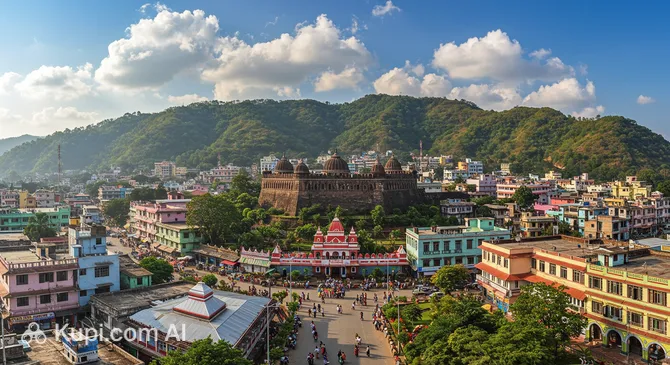
Imphal, the bustling capital of Manipur, is a city where ancient traditions seamlessly blend with the rhythms of modern life. Nestled in the heart of the Imphal Valley and surrounded by ranges of majestic hills, this scenic destination offers a unique glimpse into the cultural tapestry of northeastern India. With a population of approximately 265,000 residents, it serves as a vibrant political, cultural, and commercial hub for the region.

The city holds a significant place in the region's heritage, having served as the seat of the powerful Kingdom of Manipur for centuries. Visitors interested in the deep roots of this area will find that the history of Imphal is rich with tales of royalty and resilience. The past is palpable in the city's architecture and the enduring customs of its people.

Imphal. Source: Kupi.Binoculars

One of the most compelling attractions is the Kangla Fort, an expansive archaeological site that was once the royal palace and remains a symbol of Manipuri glory. Another truly unique feature is the Ima Keithel, or "Mother's Market," which is renowned as the largest market in the world run entirely by women. This bustling bazaar is not just a place to buy local handicrafts and fresh produce, but also a vibrant center of social life. Additionally, sports enthusiasts often visit the Mapal Kangjeibung, the oldest living polo ground in the world, reflecting the sport's origins in this very valley.

With its pleasant climate, lush green surroundings, and welcoming atmosphere, Imphal is an inviting destination for travelers seeking something off the beaten path. Whether you are exploring its historical landmarks or enjoying the local cuisine, the city promises a memorable and enriching experience.

Weather Overview

Travelers planning a visit to Manipur will generally find the climate to be moderate and salubrious, avoiding the extreme heat found in many other parts of the country. To help organize your itinerary and packing list, it is useful to review the detailed forecast for the weather in Imphal. The city experiences distinct seasonal variations, ranging from cool, dry winters to warm, humid monsoons.

The winter months, particularly December and January, are characterized by crisp and pleasant days. During this time, the average temperature drops to around 13.5°C, with nightly lows reaching approximately 7.5°C. This season is notably dry, with months like January seeing as few as 3 wet days, providing excellent conditions for outdoor sightseeing.

Conversely, the summer and monsoon season brings warmer temperatures and abundant rainfall. From June through August, average temperatures hover between 23°C and 24°C. This period is significantly wetter; July and August can experience up to 29 wet days each, transforming the surrounding valley into a lush, green landscape.

Interesting Facts

Beyond the main attractions, Imphal holds many fascinating secrets that highlight its global historical significance and unique cultural fabric. Digging a bit deeper into the city's past and present reveals surprising details that make this destination truly one-of-a-kind.
  • A Turning Point in World War II: While often overlooked in general history books, the Battle of Imphal was a pivotal moment in global history. In a 2013 poll conducted by the National Army Museum in London, the combined battles of Imphal and Kohima were voted as "Britain's Greatest Battle," surpassing famous conflicts like D-Day and Waterloo due to their strategic importance in halting the advance into India.

  • Strict Traditions of the Mother's Market: While many know that Ima Keithel is run entirely by women, fewer are aware of the strict social customs that govern it. By tradition, only married women are allowed to operate stalls here. The rights to these stalls are highly coveted and are typically passed down through generations, often from mother-in-law to daughter-in-law, maintaining a distinct matrilineal economic heritage.

  • The Original Game of Polo: The modern sport of polo has its direct ancestry in the traditional Manipuri game known as Sagol Kangjei. It was here in the 19th century that British officers first witnessed the game, codified its rules, and subsequently introduced it to the rest of the world, transforming a local martial exercise into an elite international sport.

  • Home of the Dancing Deer: Just a short distance from the city lies the world's only floating national park, Keibul Lamjao. This unique ecosystem floats on the waters of Loktak Lake and is the only natural habitat of the Sangai, or "dancing deer." This rare subspecies has evolved hooves specifically adapted to walk on the floating biomass, known locally as phumdis.

How to Get There

Reaching the capital of Manipur is an adventure in itself, offering travelers a chance to witness the stunning landscapes of Northeast India. While the city is tucked away in a valley surrounded by hills, it is well-connected by air and road. For those planning their journey, you can find detailed information and all ways to reach the city on our dedicated transport page.

The most convenient and popular way to arrive is via the Imphal Municipal Airport (IATA: IMF). Located just 7 km south of the city center, it is the primary gateway to the region. The airport is well-connected with major Indian cities like Delhi, Kolkata, and Guwahati. A taxi ride from the airport to the city center typically takes about 30 minutes, making it a hassle-free entry point for tourists. This facility handles a significant volume of travelers annually, serving as a vital regional hub.

If direct flights to Imphal are unavailable, travelers might consider airports in neighboring cities, though this involves a longer subsequent journey by road through mountainous terrain. Kumbhirgram Airport (IATA: IXS) in the city of Silchar is located approximately 98 km away. Another option is Dimapur Airport (IATA: DMU) in Dimapur, situated about 120 km from Imphal. It is important to note that travel times from these airports can be significant due to the winding hill roads.

For clarity, here is a summary of the main airports serving the region:

Airport Name City Passenger Traffic Km from City
Imphal Municipal AirportImphalLarge7.0
Aizawl AirportAizawlMedium171.8
Kumbhirgram AirportSilcharMedium97.7
Dimapur AirportDimapurSmall120.1
Kalemyo AirportKalemyoSmall180.0

Currently, Imphal does not have its own operational railway station, although a major railway project is underway to connect the city to the national network. For now, the nearest major railhead is the Dimapur Railway Station in Nagaland, located roughly 215 km away by road (note that the direct distance is shorter, but the road journey is longer). Travelers arriving by train in Dimapur usually take a bus or shared taxi to Imphal, a scenic journey that winds through the hills and offers beautiful views of the countryside.

Main Attractions

Imphal offers a fascinating array of sites that reflect its status as a historical capital and a cultural melting pot. While the city center is bustling, many of its key landmarks provide peaceful retreats into history and spirituality. Visitors will find that the attractions here are deeply connected to the identity and heritage of the Manipuri people.

Kangla Fort is undoubtedly the most significant historical site in the city. Located on the banks of the Imphal River, it served as the seat of the Kingdom of Manipur for centuries until the British occupation. Today, it is a sprawling archaeological park surrounded by impressive moats. Inside the complex, travelers can explore a mix of ancient and colonial history, including the ruins of the citadel, the holy ponds, and the reconstructed temples. The majestic Shaung (dragon) statues at the entrance stand as proud symbols of the state's heritage, making it a perfect spot for history buffs and photographers.

For a serene and poignant experience, the Imphal War Cemetery is a must-visit. Managed by the Commonwealth War Graves Commission, this beautifully landscaped site commemorates the soldiers who fought and died in the Battle of Imphal during World War II. The cemetery is renowned for its tranquil atmosphere, with rows of bronze plaques and well-manicured lawns set against a backdrop of distant hills. It stands as a solemn reminder of the city's pivotal role in global history, offering a quiet space for reflection.

Shree Govindajee Temple is another architectural gem and a spiritual hub for the region. Located near the royal palace, this historic Vaishnavite temple is famous for its twin gold-plated domes and spacious paved courtyard. It is dedicated to Lord Krishna and serves as the epicenter of religious festivities in the city. Visitors are often welcomed by the sounds of traditional devotional music and the rhythmic beating of drums, especially during morning and evening prayers, providing a vibrant glimpse into local religious practices.

To gain a deeper understanding of the region's diverse cultural fabric, a visit to the Manipur State Museum is highly recommended. Situated near the Polo Ground, the museum houses a rich collection of artifacts that span the state's history, archaeology, and natural history. Highlights include the ethnology gallery, which showcases the costumes and lifestyles of various tribal communities, and the open-air display featuring the Hiyang Hiren, a magnificent 78-foot-long royal boat used in traditional races.

Local Cuisine

The culinary landscape of Imphal is a delightful exploration of distinct flavors, characterized by its reliance on fresh, organic ingredients and healthy cooking methods. Unlike the heavy, oil-laden curries found in other parts of the country, Manipuri cuisine focuses on steaming, boiling, and fermentation to preserve the natural nutrients and taste of the produce. The local food is known for its aromatic herbs, the fiery heat of the U-morok (King Chilli), and the distinct savory punch of Ngari, a fermented fish that forms the backbone of many traditional dishes.

For a true taste of the region, travelers must try Eromba, a beloved staple found in almost every household. This flavorful dish consists of boiled vegetables mashed together with fermented fish and chilies, creating a spicy and texture-rich accompaniment to rice. Another comfort food is Kangshoi, a healthy vegetable stew cooked with dried fish and fresh herbs, served piping hot. For something lighter, Singju is a popular spicy salad made from finely chopped seasonal greens, lotus stems, and raw vegetables, often seasoned with roasted seeds or fermented fish.

No meal in Imphal is complete without indulging in the famous Chak-hao Kheer. This visually striking purple pudding is made from the region's indigenous black rice, slow-cooked in milk and sweetened to perfection. It is not only delicious but also packed with antioxidants. Street food enthusiasts should also look out for Paknam, a savory cake made from gram flour, herbs, and vegetables (sometimes with fish), wrapped in a banana leaf and steamed or roasted over a slow fire.

When it comes to beverages, the region has a strong tradition of brewing. Sekmai Yu is a renowned local rice wine, crafted traditionally in the nearby village of Sekmai. It is celebrated for its smooth taste and cultural significance, often compared to premium sake. For non-alcoholic options, the local Red Tea (Cha-angangba) is a common sight, usually served black and sweetened, perfect for warming up on a cool morning. Fresh fruit juices, particularly pineapple and lemon, are also widely available due to the abundance of local orchards.

To experience the authentic food culture, a visit to the Ima Keithel (Mother's Market) is essential. Amidst the bustling trade, you will find women vendors serving fresh local snacks like Bora (crispy fritters) and hot tea. For a full meal, many local "rice hotels" and restaurants in the city center serve the traditional Manipuri Thali, a platter offering a little bit of everything, allowing you to sample a wide array of flavors in one sitting.

Travel Tips

Welcome to Imphal! To help you navigate this culturally rich and historically significant city with ease, we have compiled a set of practical guidelines. These tips are designed to ensure your journey through the capital of Manipur is as smooth, respectful, and enjoyable as possible.

  1. Clothing and Gear: Since the weather can be quite variable, packing layers is the best strategy. For winter visits (November to February), bring warm woolens and jackets, as evenings get chilly. If you are visiting during the monsoon, waterproof footwear and a sturdy umbrella are essential. When visiting religious sites like the Shree Govindajee Temple, dress modestly by covering your shoulders and knees, and be prepared to remove your shoes and socks before entering.

  2. Transportation: The most common way to get around Imphal is by auto-rickshaw. They are ubiquitous and convenient for short distances, though they rarely run on meters, so you must negotiate the fare before getting in. Ride-hailing apps are not widely reliable here compared to major Indian metros. For day trips to places like Loktak Lake, hiring a private taxi or a car with a driver for the day is the most comfortable option.

  3. Finances: The local currency is the Indian Rupee (INR). While hotels and upscale restaurants accept credit cards, cash is king in Imphal. You will definitely need small bills for shopping at the Ima Keithel market and for paying auto-rickshaw drivers. ATMs are available in the city center, but they can occasionally run out of cash, so it is wise to withdraw sufficient funds when you have the chance.

  4. Health and Safety: Imphal is generally safe for tourists, but it is a city that goes to sleep early. Most shops close by sunset, and the streets become quiet shortly after, so it is best to complete your outdoor activities by evening. Carry mosquito repellent, especially if you are visiting the lake areas or during the rainy season. Pharmacies are easily found near major hospitals like RIMS, but carrying a basic first-aid kit is always recommended.

  5. Communication: The primary language is Meiteilon (Manipuri), but English is understood in hotels, tourist spots, and by many younger locals. Learning a simple greeting like "Khurumjari" (Hello/Respects) goes a long way in breaking the ice. For connectivity, major networks like Jio and Airtel offer the best coverage. Note that due to security regulations, getting a new SIM card locally might require detailed documentation, so it is easier to have an active roaming plan.

  6. Local Etiquette: The people of Manipur are known for their politeness and hospitality. When greeting elders or meeting someone for the first time, a gentle bow with hands folded (Namaste style) is respectful. If you are buying from the women vendors at the markets, be polite and avoid overly aggressive bargaining, as these stalls are part of a dignified and historic tradition.

  7. What to Avoid: Do not take photographs of military personnel, vehicles, or checkpoints. Manipur is a sensitive border region with a significant security presence, and unauthorized photography in these areas can lead to questioning and confiscation of your device. Always ask for permission before photographing locals, particularly in rural areas.

  8. Additional Tip: align your schedule with the sun! In Northeast India, the sun rises and sets much earlier than in the rest of the country. Daylight can break as early as 4:30 AM in summer, and it gets dark by 4:30 PM in winter. To maximize your sightseeing, start your days early and plan to unwind or enjoy a quiet dinner once the sun goes down.

By keeping these practical points in mind, you can focus on soaking in the vibrant culture and stunning landscapes of Imphal. The city has a unique rhythm, and embracing it will surely make your visit a memorable adventure.

Entertainment & Nightlife

Entertainment in Imphal is a unique experience that differs significantly from the late-night party culture of India's major metropolitan cities. The nightlife here is more subdued, culturally immersive, and revolves largely around community gatherings, evening markets, and relaxed dining. While the city traditionally goes to sleep quite early, recent initiatives have sparked a growing evening scene, offering travelers pleasant ways to unwind after a day of sightseeing.

The centerpiece of the city's evening entertainment is the Imphal Evening, also known as the Night Plaza. Located along the avenue in front of the historic Kangla Fort, this area comes alive on weekends. The street is pedestrianized, transforming into a vibrant promenade filled with food stalls, local handicrafts, and live musical performances. It is the most bustling district after dark, drawing families, youths, and tourists alike. The atmosphere here is festive yet safe, offering a perfect opportunity to sample local street food like bora (fritters) and grilled delights while enjoying the cool evening breeze.

For those seeking a more sit-down experience with good ambiance, the city's hotel-based restaurants and cafes are the primary venues. Rita Café, located within The Classic Hotel, is a popular spot for both locals and visitors. It offers a comfortable setting for an evening meal or coffee, blending modern service with local hospitality. Another excellent venue is Forage, a contemporary restaurant known for its chic decor and "farm-to-table" approach, serving dishes that highlight fresh local produce in a stylish setting. These venues typically operate until around 9:00 PM or 10:00 PM, which is considered late by local standards.

Practical planning is essential to enjoy the evening offerings in Imphal. The "night" starts early here; the best time to head out is between 6:00 PM and 8:00 PM. Most commercial establishments and independent restaurants close by 8:00 PM or 9:00 PM. Dress codes are generally casual and conservative; smart casual is appropriate for dining at hotel restaurants. Prices are very reasonable compared to other Indian state capitals, with a hearty dinner for two at a nice venue often costing between 800 to 1,500 INR.

Regarding safety and transport, it is advisable to stick to well-lit and populated areas like the Night Plaza or the city center near the main market. While the main avenues are safe for early evening walks, the streets empty out quickly. Public transport and auto-rickshaws become scarce after sunset. It is highly recommended to arrange a taxi or a private car through your hotel for your return journey, rather than relying on finding a ride on the street.

During the daylight hours, Imphal offers several other forms of entertainment beyond historical sightseeing. The Manipur Science Centre is an engaging place for families and science enthusiasts, featuring interactive exhibits and a planetarium. Nature lovers can visit the Manipur Zoological Garden at Iroisemba, located a short drive from the city center. It provides a chance to see the rare Sangai deer in a protected environment, nestled at the foot of pine-covered hillocks, offering a peaceful retreat before the evening activities begin.

Parks & Museums

Imphal is not only a historical stronghold but also a city deeply connected to nature and artistic expression. Beyond its bustling markets and ancient forts, the capital offers a refreshing array of green spaces and specialized museums that preserve the region's unique heritage. For travelers, exploring these venues provides a quieter, more intimate look into the soul of Manipur, ranging from world-class horticultural feats to private galleries that narrate the state's epic past.

Nature lovers should prioritize a visit to the Khonghampat Orchidarium, located just a short drive from the city center. This sprawling garden is a paradise for botanists and photographers, housing hundreds of orchid varieties, including several rare species endemic to the region. The best time to visit is during the blooming season in April and May, when the grounds transform into a vibrant tapestry of colors and fragrances. Another fascinating green space is the Samban-Lei Sekpil Garden, famous for the "Sekpil," a towering topiary structure. This marvel of pruning and dedication has earned recognition in the Guinness World Records, showcasing the local passion for gardening and nature.

While the State Museum covers general history, Imphal's private galleries offer a deeply personal artistic perspective. The RKCS Art Gallery is a cultural treasure trove, featuring a vast collection of oil paintings that chronicle the history, mythology, and lifestyle of Manipur. A guided tour here often feels like walking through a visual storybook of the kingdom's past. Equally captivating is the Three Mothers Art Gallery (Thongam Biswajit), renowned for its intricate sculptures carved from single pieces of driftwood and roots. The artist's ability to reveal mythological figures and complex forms from raw wood is truly mesmerizing and unique to this region.

For those interested in historical landmarks related to the global conflicts that touched this valley, Red Hill (Maibam Lokpa Ching) is a significant site. Located on the outskirts, it was the scene of a fierce battle during World War II. Today, it houses the Imphal Peace Museum, which is dedicated to the memory of the conflict and the enduring value of reconciliation. The site stands as a solemn monument to peace, featuring Japanese war relics and offering panoramic views of the surrounding landscape.

Insider Tip: If you are visiting the Three Mothers Art Gallery, try to engage with the curators or the artist if available; the stories behind the sculptures are often as compelling as the art itself. Also, for a serene sunset experience away from the crowds, the view from the top of Red Hill offers a contemplative vantage point over the valley.

Getting Around

Public transport in Imphal is distinct from the highly structured systems found in larger metropolitan areas. The city does not have a metro, tram, or suburban railway network. Instead, the transportation system is primarily road-based, informal, and relies heavily on a mix of private buses, minivans, and omnipresent three-wheelers. For a tourist, navigating this network offers an authentic slice of local life, though it requires a bit of adaptability and patience.

The most common and convenient mode of transport is the auto-rickshaw. These three-wheeled vehicles are the lifeline of the city and operate in two distinct ways. Shared autos run on fixed routes along major avenues, functioning much like a bus service. They are extremely affordable and efficient for getting from one neighborhood to another. Alternatively, you can hire a private auto-rickshaw for a direct journey to a specific destination. This offers more comfort and flexibility, allowing you to reach doorstep locations that shared routes might not cover.

For slightly longer distances or travel to the outskirts, minibuses and larger private buses are available. You will often see vehicles like the "Tata Magic" or "Winger" serving as shared shuttles. These are popular with locals for commuting between the city center and residential suburbs. While they can be crowded, they are a reliable way to travel if you are heading towards major landmarks or the airport road. Cycle-rickshaws are also available, particularly in the congested market areas like Ima Keithel, offering a slow, eco-friendly way to navigate short distances through narrow lanes.

The payment system in Imphal is almost exclusively cash-based. There are no travel cards, smart passes, or mobile ticketing apps for public transport. Passengers simply pay the driver or a conductor directly. For shared autos and buses, the fares are fixed and generally very low, ranging from 10 to 30 INR depending on the distance. If you hire a private auto-rickshaw, there are no meters; the fare must be negotiated and agreed upon before you step into the vehicle. It is essential to carry small denominations of currency, as drivers often struggle to provide change for large bills.

Travelers should be aware of the operating hours, which differ significantly from other cities. Public transport in Imphal starts early in the morning but also winds down quite early. The availability of shared autos and buses drops sharply after sunset, which can be as early as 4:30 PM or 5:00 PM in winter. By 7:00 PM or 8:00 PM, finding public transport on the street can be difficult. It is highly advisable to plan your movements during daylight hours or arrange for a reliable return ride if you are dining out late.

Regarding alternatives, app-based cab aggregators (like Uber or Ola) are not the standard means of travel here. While local taxi services exist, they typically operate from designated stands or must be booked via telephone or through your hotel. For a hassle-free experience, especially if you plan to visit attractions outside the city limits like Loktak Lake, renting a car with a driver for the day is the most recommended option. This provides the freedom to explore at your own pace without worrying about the early cessation of public transit services.

Accommodation

Accommodation in Imphal has evolved significantly in recent years, offering a range of options that cater to different travel styles and budgets. While the city is not yet a hub for ultra-luxury international chains, it boasts a solid selection of comfortable mid-range hotels, charming boutique properties, and budget-friendly guesthouses. The hospitality sector here is known for its warmth, with many establishments providing a cozy, home-like atmosphere that reflects the welcoming nature of the Manipuri people.

For most tourists, the best area to stay is in the city center, particularly near the Kangla Fort and the main market areas like Thangal Bazar. Staying here places you within walking distance of major attractions, restaurants, and transport links. This central zone is bustling and convenient, making it ideal for first-time visitors who want to be in the thick of things. Alternatively, those seeking a quieter experience might prefer hotels located slightly on the outskirts, near the airport or the Khuman Lampak Sports Complex, where the environment is more serene and spacious.

Travelers looking for premium comfort will find excellent service at the city's top-tier establishments. Classic Grande is widely regarded as the premier address in town, offering modern amenities, a swimming pool, and views of the Baruni Hills. It is a member of the Radisson Individuals brand, ensuring a high standard of quality. Another well-known option is The Classic Hotel, located right across from the Kangla Fort, which serves as a landmark in itself and is a favorite for business and leisure travelers alike. For a more intimate vibe, the Aurora Boutique Hotel offers stylish interiors and personalized service in a central location.

Booking Tip: If you plan to visit during the famous Sangai Festival, which typically takes place in the last ten days of November, it is crucial to book your accommodation months in advance. The city sees a massive influx of visitors during this cultural extravaganza, and hotels often run at full capacity.

In terms of pricing, Imphal is generally affordable compared to other state capitals. Budget guesthouses and homestays can range from 1,000 to 2,000 INR per night, offering basic but clean facilities. Mid-range hotels typically charge between 2,500 and 4,500 INR, while the premium properties usually start upwards of 5,500 INR. While major hotels can be booked via popular online travel platforms, many smaller guesthouses and homestays still rely on direct phone bookings or walk-ins, so it is often helpful to call ahead to confirm availability.

Nearby Cities

For those looking to explore the surroundings, Imphal serves as an excellent base for day trips to several interesting nearby locations:

Thoubal is one of the closest and most accessible destinations for a quick excursion. Located just a short drive from the capital, it is historically significant as the site of the last battle of independence for Manipur against the British. Visitors often head to the Khongjom War Memorial to pay their respects or enjoy a peaceful afternoon by the scenic Thoubal River, which is perfect for picnics and outdoor activities.

Kohima, the capital of the neighboring state of Nagaland, makes for a compelling visit for history and culture enthusiasts. While the journey involves a drive through winding hill roads, the destination offers the famous Kohima War Cemetery, a poignant reminder of World War II that complements Imphal's own historical sites. The city is also the gateway to exploring rich Naga tribal traditions and the Kisama Heritage Village.

City Population Distance (km)
Silchar 172830 117
Dimapur 122834 124
Kohima 99039 97
Diphu 61797 125
Thoubal 45947 20

These nearby destinations offer a glimpse into the diverse culture and landscapes of the region.

Shopping & Souvenirs

Shopping in Imphal is a vibrant experience that offers much more than just retail therapy; it is a deep dive into the rich cultural and artistic heritage of Manipur. Unlike the generic mall culture found in many metropolitan cities, the shopping scene here is dominated by bustling open-air markets and specialized emporiums that showcase the region's exquisite craftsmanship. The city is particularly famous for its handloom textiles, intricate bamboo and cane products, and unique pottery, making it a paradise for travelers seeking authentic and handcrafted souvenirs.

The commercial heartbeat of the city lies in its two main avenues: Paona Bazar and Thangal Bazar. These parallel streets are lined with a mix of modern shops, traditional outlets, and roadside stalls. Paona Bazar is the go-to destination for fine silks, handloom products, and local fashion. It is where you can find high-quality traditional attire and modern garments. On the other hand, Thangal Bazar offers a more chaotic but fascinating mix of household goods, electronics, and wholesale items, providing a glimpse into the daily trade of the local residents.

While Imphal is deeply rooted in traditional trade, it has seen the emergence of modern shopping complexes. Though you will not find massive international shopping malls, smaller arcades like the Gambhir Singh Shopping Arcade offer a variety of branded clothing and accessories. These spots provide a more conventional shopping environment for those looking for contemporary fashion or standard retail conveniences amidst the traditional landscape.

The crown jewel of shopping in Imphal is undoubtedly the Ima Keithel, or Mother's Market. As the world's largest market run exclusively by women, it is an essential stop for any visitor. Located in the heart of the city, this sprawling complex is divided into three main buildings. Here, you can buy everything from fresh seasonal vegetables and dried fish to vibrant textiles and household tools. It is the best place to interact with local artisans and purchase goods directly from the source, supporting the local matrilineal economy.

When it comes to souvenirs, Imphal offers a treasure trove of unique items. The most popular buy is the Manipuri Handloom, particularly the Phanek (a traditional sarong-like skirt) and the Innphi (a delicate, transparent shawl). Another must-buy is Longpi Pottery (Nungbi), a distinctive black stone pottery made without a potter's wheel, which is both functional and decorative. Additionally, products made from Kauna (a type of water reed), such as mats, baskets, and cushions, are lightweight, durable, and beautifully woven.

Travelers should plan their shopping trips with the local schedule in mind. Shops in Imphal close relatively early compared to other Indian cities, with most shutters coming down by 6:00 PM or 7:00 PM as the sun sets. While some larger stores in Paona Bazar may accept credit and debit cards, cash is still the preferred mode of payment, especially in the Ima Keithel and smaller handicraft stalls. It is advisable to carry sufficient small denominations to make transactions smoother.

Regarding tax refunds, there is no specific tax-free shopping scheme for international tourists in Imphal. The prices quoted usually include all local taxes (GST). However, the cost of locally produced handicrafts and textiles is generally very reasonable, offering excellent value for the quality of workmanship involved.
Reached the end of the page?

That means the route is fully explored