Support

Aizawl

About

Perched dramatically along the steep ridges of the lush hills in the northeastern part of India, Aizawl is a city that captivates visitors with its unique vertical layout and serene atmosphere. As the capital of the state of Mizoram, it serves as the political and cultural heart of the region, offering a distinct blend of modernity and deep-rooted traditions. Unlike the chaotic pace of many bustling metropolises, Aizawl is known for its discipline, cleanliness, and the breathtaking scenery that surrounds it on all sides.

Geographically, the city sits at an elevation of approximately 1,132 meters above sea level, ensuring a mild, sub-tropical climate that remains pleasant throughout the year. With a population of nearly 300,000 residents, it is a lively yet cozy destination where the clouds often descend to meet the streets. The Tlawng River flows quietly in the valley below, adding to the picturesque setting that makes this hill station a photographer's paradise.
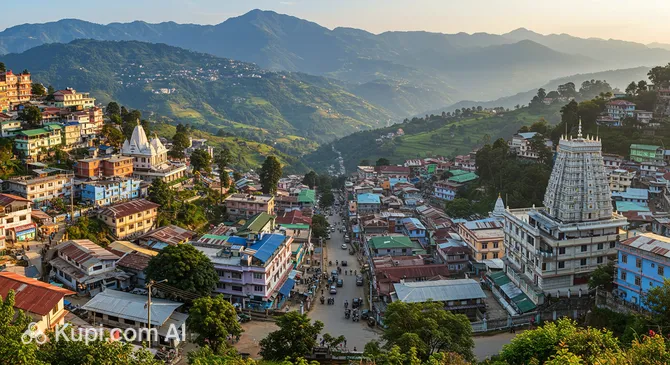
Aizawl. Source: Kupi.Binoculars

The city is not just about scenic views; it is also a place with a rich past. To fully understand how this former fortified post evolved into a peaceful and vibrant capital, exploring the history of Aizawl is highly recommended. The local culture is dominated by the Mizo people, who are known for their hospitality, music, and vibrant festivals like Chapchar Kut, which fills the air with joy and traditional dance.

Travelers should not miss the opportunity to visit the Durtlang Hills, which offer the best panoramic views of the city spread out over the ridges. Another architectural marvel is Solomon's Temple, a grand white structure set amidst green surroundings. For a taste of local life, a walk through Bara Bazar provides a colorful experience where you can find traditional woven garments and local handicrafts.

Whether you are seeking a tranquil retreat in nature or a cultural immersion in one of the country's most unique regions, Aizawl welcomes you with open arms. It is a destination that promises fresh mountain air, friendly smiles, and memories that will last a lifetime.

Weather Overview

Due to its elevation, the city enjoys a moderate climate throughout the year, avoiding the extreme heat found in the plains below. Generally, visitors can expect warm summers with frequent rain and cool, dry winters. To plan your activities effectively, it is helpful to understand the seasonal shifts that define the weather in Aizawl.

The winter months from December to February are typically the driest and coolest, with average temperatures ranging from 16.1°C to 18.5°C. Nights can be chilly, dropping to around 10°C, but rainfall is minimal, with only about 3 wet days per month. As spring arrives in March and April, the days become warmer, with maximum temperatures climbing up to 31.9°C, creating a pleasant atmosphere for outdoor exploration.

From May through September, the region experiences its monsoon season. During this period, humidity rises and rainfall becomes very frequent; July and August can see rain on up to 30 days of the month. Despite the wet conditions, temperatures remain stable, averaging around 26°C. The rains begin to subside in October, leading into a pleasant autumn with cooling temperatures and fewer wet days.

Interesting Facts

Beyond its breathtaking landscapes and vertical architecture, Aizawl harbors unique cultural traits and geographical distinctions that surprise many visitors.

  • The Silent City: Unlike the chaotic noise typical of many urban centers, Aizawl is famous for its exceptionally quiet traffic. Drivers adhere to strict lane discipline on the narrow, winding hill roads and rarely use their horns, creating an unexpectedly peaceful atmosphere.

  • Shops of Trust: The region is renowned for the tradition of Nghah Lou Dawr, or "shops without shopkeepers," found along the highways near the city. Farmers leave their fresh produce with a price list and a collection jar, trusting customers to pay for what they take—a testament to the incredible honesty of the local community.

  • A Geographical Landmark: The Tropic of Cancer runs directly through the district. A specific marker stands at Maawk, located just a short drive south of the city center, making it a unique spot where you can stand exactly on this major latitude line.

  • A Hub of Education: Aizawl is the capital of a state that consistently boasts one of the highest literacy rates in India, often exceeding 90%. This deep value for education is reflected in the city's vibrant social life and the articulate, well-informed nature of its residents.

How to Get There

Traveling to the scenic capital of Mizoram is an adventure that rewards visitors with breathtaking views of the lush hills of Northeast India. While the mountainous terrain presents a unique landscape, connectivity to the region has improved, offering options for both air travel and scenic road trips. For a detailed guide on transport options and routes, you can read more about how to get to Aizawl.

The most convenient and direct way to arrive is via Aizawl Airport (IATA: AJL), also known as Lengpui Airport. Located approximately 15.5 km from the city center, it serves as the primary aviation hub for the state. A taxi or bus ride from the airport to the heart of the city winds through picturesque landscapes and connects travelers to major hubs like Kolkata and Guwahati. This domestic airport handles a steady flow of passengers and is the best choice for saving time.

If direct flights are unavailable, travelers often fly into Kumbhirgram Airport (IATA: IXS) in the city of Silchar, situated in the neighboring state of Assam. This airport is about 133.6 km away from Aizawl. However, due to the winding mountain roads, the journey from Silchar to Aizawl by taxi or shared sumo is a long scenic drive that takes several hours. Another alternative is Agartala Airport (IATA: IXA) in Agartala, roughly 151.5 km away. The road trip from Agartala is also quite lengthy, involving a significant duration of travel through the hills.

For clarity, here is a summary of the nearest airports:

Airport Name City Passenger Traffic Km from City
Agartala Airport Agartala High 151.5
Sylhet Civil Airport Sylhet Medium 161.1
Aizawl Airport Aizawl Medium 15.5
Kumbhirgram Airport Silchar Medium 133.6
Kalemyo Airport Kalemyo Low 148.9

For those who prefer land travel, it is important to note that Aizawl does not have its own railway station. The nearest major railhead is located in Silchar, Assam. From the Silchar railway station, visitors must continue their journey by road, using taxis, buses, or private vehicles to climb the hills into Mizoram. The road trip via National Highway 54 is visually stunning but requires patience due to the mountainous terrain.

Main Attractions

Aizawl is a city where nature and culture intertwine seamlessly. While the lush hills provide a stunning backdrop to every street, the city's specific landmarks offer a deep dive into the history, architecture, and spiritual life of the Mizo people. Here are some of the most interesting places to visit during your stay.

For those interested in the region's heritage, the Mizoram State Museum in Zarkawt is an essential stop. This well-curated facility houses a fascinating collection of artifacts that chronicle the history of the Mizo tribes. Visitors can explore exhibits displaying traditional textiles, ancient weaponry, and musical instruments, as well as galleries dedicated to the local flora and fauna. It provides a comprehensive cultural context that enriches the rest of your trip.

One of the most striking architectural landmarks in the city is Solomon's Temple. Located in the Kidron Valley area, this massive white structure is built from marble and stands as a testament to local faith and dedication. The temple complex is renowned for its grandeur and capacity to hold thousands of people. Its pristine white facade contrasts beautifully with the surrounding greenery, making it a peaceful and photogenic site for tourists to explore.

A unique modern attraction is KV Paradise, often referred to locally as the "Taj Mahal of Mizoram." Situated in the Durtlang area, this three-story mausoleum was built by a husband in loving memory of his wife. The monument offers spectacular views of the city from its terraces. Inside, visitors can see a collection of the wife's personal belongings, including her wardrobe, which tells a touching personal story of love and loss amidst the scenic hills.

Just a short drive from the city center lies Reiek Tlang, a magnificent peak that attracts nature lovers and adventure seekers. Rising to nearly 1,500 meters, it offers breathtaking panoramic views of the surrounding valleys and, on clear days, the plains of Bangladesh. At the base of the peak, there is a Heritage Village featuring traditional Mizo huts, allowing visitors to step back in time and see how the local chieftains and villagers lived in the past.

Local Cuisine

The culinary landscape of Aizawl offers a distinct departure from the heavy curries and spices often associated with Indian cuisine. Mizo food is defined by its simplicity, reliance on fresh local ingredients, and healthy cooking methods, primarily boiling and steaming. The flavors are subtle yet distinct, often enhanced by the use of bamboo shoots, aromatic herbs, and locally grown chilies. For travelers, dining here is an opportunity to taste dishes that are rustic, nutritious, and deeply rooted in the region's agricultural traditions.

One of the most ubiquitous dishes you must try is Bai. This is a flavorful stew made from boiling assorted vegetables, spinach, and bamboo shoots with pork sauce or fermented soybeans. It is a staple in almost every household and serves as a perfect accompaniment to steamed rice. Another signature delicacy is Vawksa Rep, which is smoked pork cooked with local herbs and leafy greens. The smoking process gives the meat a rich, earthy aroma that is highly prized in Mizo culture. For a hearty one-pot meal, look for Sawhchiar, a rice porridge cooked with meat, usually pork or chicken, which is both filling and comforting.

The street food culture in Aizawl is vibrant and offers quick, tasty bites. A local favorite is Sanpiau, a popular snack made from rice porridge topped with fresh coriander, onions, crushed black pepper, and a tangy fish sauce. You will often find vendors selling this piping hot dish in busy areas like Zarkawt or near the markets. It is an affordable and delicious way to experience the local palate while exploring the city.

When it comes to beverages, tea is an integral part of social life, enjoyed throughout the day. While Mizoram is a dry state with strict regulations on alcohol, the region has gained recognition for its local grape wine, known as Zawlaidi. Produced from grapes grown in the misty hills of the Champhai district, this premium wine is a source of local pride and makes for a sophisticated drink to accompany a meal or to take home as a souvenir.

Dining in Aizawl is generally a casual and cozy affair. Most eateries are small, family-run establishments that offer home-style cooking in a clean and welcoming environment. Tourists should be aware that the city goes to sleep early; restaurants and street stalls often close by early evening, so it is advisable to plan dinners accordingly. Whether you are eating at a roadside stall or a hotel restaurant, the hospitality is warm, and the food is served with genuine care.

Travel Tips

Visiting Aizawl is a refreshing experience, but its unique geography and distinct cultural norms require a bit of preparation to fully enjoy. To help you navigate the steep streets and local customs of this peaceful hill station, here are some practical tips for your journey.

  1. Clothing and Gear: Since Aizawl is a hill station, the weather can be unpredictable. It is best to pack layers—light cottons for the day and a warm jacket or sweater for the evenings, which can get chilly even in summer. Comfortable, sturdy walking shoes are an absolute must, as the city is built on steep ridges and you will likely do a lot of walking on inclined roads. If you plan to visit churches or religious sites, dress modestly.

  2. Transportation: The city does not have a metro or tram system. The primary mode of transport is the local taxi, which you can hire exclusively or on a shared basis. Ride-hailing apps like Uber or Ola are generally not available here, so you will need to rely on taxi stands. Be prepared for traffic jams, but notice the incredible discipline—drivers stick to their lanes and rarely overtake recklessly.

  3. Finances: The currency used is the Indian Rupee (INR). While major hotels and some larger restaurants accept credit cards, cash is king in Aizawl, especially for street food, local markets like Bara Bazar, and small taxis. ATMs are available in the main city areas like Zarkawt, but it is wise to carry enough cash when venturing to outskirts. Tipping is not mandatory but is appreciated for good service.

  4. Health and Safety: Aizawl is considered one of the safest cities in India for tourists, including solo female travelers. Pharmacies are readily available in the city center, but few stay open late at night, so carry personal essential medications. The terrain is steep, so pace yourself to avoid exhaustion. Tap water is not recommended for drinking; stick to bottled or filtered water.

  5. Communication: The primary language is Mizo, but due to the high literacy rate, English is widely spoken and understood, making communication relatively easy for international tourists. Learning a simple greeting like "Chibai" (Hello) will go a long way in earning smiles from the locals. Mobile networks are generally good within the city, and SIM cards can be purchased at local shops with proper identification.

  6. Local Etiquette: The people of Aizawl are known for their politeness and community spirit. One of the most famous unwritten rules is the "No Honking" policy; drivers almost never use their horns, maintaining a peaceful atmosphere. Visitors should respect this silence. Additionally, Sunday is strictly observed as a day of rest and worship. The entire city shuts down, including shops and transport, so plan your activities accordingly.

  7. What to Avoid: Do not expect a vibrant nightlife or bars. Mizoram is a dry state with strict regulations regarding alcohol; public consumption is prohibited and can get you into legal trouble. Also, avoid loud or boisterous behavior in public spaces, as the local culture values quiet dignity and respect.

  8. Early Hours: Life in Aizawl starts early and ends early. Most shops and markets close by 6:00 PM or 7:00 PM. If you need to buy supplies or eat dinner, do not leave it for late at night. Plan your day to start with the sunrise to make the most of the daylight hours.

By keeping these tips in mind, you will find it easy to blend in with the disciplined and welcoming rhythm of Aizawl. Enjoy the fresh mountain air, the silent streets, and the warm hospitality that make this city truly special.

Entertainment & Nightlife

Entertainment in Aizawl differs significantly from the high-energy nightlife found in metropolitan cities. As the capital of a state that often observes strict prohibition laws, the city does not have a conventional scene of nightclubs, pubs, or discos. Instead, the evening culture here is defined by a serene atmosphere, a deep love for music, and cozy gatherings. The "nightlife" is less about partying until dawn and more about enjoying the spectacular views of the lit-up vertical city, dining in warm cafes, and experiencing the rich musical heritage of the Mizo people.

The most bustling areas in the evening are typically around Zarkawt and Chanmari. These neighborhoods serve as the commercial heart of the city and remain active slightly longer than other parts. Here, you will find locals enjoying evening snacks and socializing. The view of Aizawl at night is an attraction in itself; from high vantage points like the Durtlang Hills, the city looks like a cascade of glittering stars against the dark mountains, offering a perfect backdrop for a peaceful night walk or a photography session.

For those looking to dine out or hang out in the evening, the options are centered around restaurants and cafes rather than bars. Chopstyks is a popular venue among both locals and tourists, offering a mix of Chinese, Indian, and Tibetan cuisine in a relaxed setting. It is a great place to unwind after a day of sightseeing. Another notable spot is Red Pepper, which is famous for its authentic Mizo dishes. While these venues do not operate late into the night—often closing by 8:00 PM or 9:00 PM—they provide a warm environment to experience local hospitality and flavors.

Music is the soul of entertainment in Mizoram. While you may not find dance clubs, the local culture is steeped in song. You might stumble upon impromptu guitar sessions in cafes or community halls, as singing is a favorite pastime for the youth. Occasionally, live music events or concerts are held during festivals like Chapchar Kut or the Anthurium Festival, transforming the quiet city into a vibrant hub of melody and dance. Keep an eye out for posters or ask locals about any ongoing musical events during your stay.

Practical planning is essential for enjoying your evenings here. The city shuts down early, and finding public transport after 7:00 PM can be extremely difficult. Taxis are the primary mode of transport, but they become scarce as the night progresses. It is highly advisable to arrange a return ride in advance or stay within walking distance of your hotel. In terms of safety, Aizawl is exceptionally safe, and walking at night is generally secure, though the streets can be dark and steep.

During the day, entertainment options focus on nature and culture. Apart from the museums and viewpoints, visitors can enjoy a day out at the Aizawl Zoological Park, located in Lungverh, to see rare species like the Hoolock Gibbon. For a more relaxed afternoon, the grassy slopes of Reiek Tlang offer a perfect setting for a picnic with breathtaking views of the surrounding valleys, providing a wholesome contrast to the quiet evenings.

Parks & Museums

Immersed in the verdant hills of Mizoram, Aizawl offers a refreshing escape where nature serves as the city's living room. While the steep urban terrain is densely packed, the city is dotted with recreational centers and green pockets that provide a welcome respite for both locals and travelers. These spaces are not just about scenic beauty; they are community hubs where the fresh mountain air can be enjoyed in a relaxed atmosphere.

For those seeking tranquility combined with panoramic vistas, the Beraw Tlang Tourist Centre is a premier destination located on the eastern side of the city. It acts as a popular recreational hub, offering breathtaking views of the surrounding valleys and the winding roads below. The area is well-equipped with comfortable cottages and cafeterias, making it an ideal spot for a leisurely afternoon picnic or a quiet sunset viewing away from the city's hustle.

Located within the same vicinity is the Mizoram Science Centre, a facility that blends education with curiosity. It is designed to foster a scientific temper among visitors, featuring a range of interactive exhibits and a 3D theater. It is a particularly engaging stop for families, offering a fun way to learn about modern science while enjoying the scenic backdrop of the center's hilltop location.

Another delightful green space is Infinite Ainawn Park, often cited as one of the city's most family-friendly recreational areas. Nestled in a scenic setting, this park features well-maintained gardens and play zones, creating a joyful atmosphere for children and a relaxing environment for adults. It captures the community spirit of Aizawl, serving as a gathering place for social activities and relaxation.

For an authentic local experience, head to Bung Picnic Spot, situated approximately 15 kilometers from the city. It is a favorite weekend getaway for Aizawl residents, known for its lush greenery and peaceful ambiance. Packing a lunch and spending the day here offers a genuine slice of local leisure life, far removed from the typical tourist trail.

If you have more time to explore the outskirts, Paikhai is another excellent option for nature lovers. Located about 16 kilometers north of the city, this quiet picnic spot is less crowded and offers a serene environment surrounded by nature. It is perfect for those looking to unwind completely and enjoy the silence of the hills before returning to the vibrant energy of the capital.

Getting Around

Navigating Aizawl is a unique experience defined by its steep, winding terrain and the disciplined driving culture of its residents. The city does not have a metro, tram, or train system; instead, the public transport network relies entirely on road-based vehicles that are well-suited to the hilly topography. The most common and efficient ways to get around are taxis, city buses, and the increasingly popular two-wheeler taxis.

Taxis are the backbone of the city's transport system. You will see them everywhere, typically small hatchbacks like the Maruti Alto or 800, which are perfect for navigating the narrow, inclined streets. A unique feature of Aizawl is the shared taxi system, locally known as travelling on a "contri" (contribution) basis. This allows you to share a ride with other passengers going in the same direction and pay only a fraction of the full fare. If you prefer privacy, you can hire the entire vehicle, but be prepared to pay the full rate.

For a quicker and more adventurous way to beat the traffic, look for Two-Wheeler Taxis. These are motorcycle taxis that have become extremely popular for their ability to weave through congestion. You can easily identify the riders by their distinct yellow helmets. They are generally cheaper than car taxis and are an excellent option for solo travelers who want to reach their destination fast. While ride-hailing apps are emerging in the region, they are not as ubiquitous as in major metros, so hailing a ride from the street is the standard practice.

City Buses offer the most economical way to travel. They operate on fixed routes covering major neighborhoods and the city center. While they are budget-friendly, they can get crowded during peak hours and may move slowly due to the incline and traffic. Buses are a great way to experience local life, but if you are in a hurry or carrying heavy luggage, a taxi is a more practical choice.

The payment system in Aizawl is predominantly cash-based. There are no travel cards or integrated transport passes. You pay the driver directly upon reaching your destination. It is highly recommended to carry small denominations of the local currency, as drivers may not always have change for large notes. For two-wheeler taxis and shared cabs, the rates are often fixed for specific distances or zones, so it is helpful to ask a local or your hotel about the approximate fare beforehand.

One of the most remarkable "special features" of Aizawl's transport is the culture itself. Aizawl is famous as the "Silent City" because drivers almost never use their horns, despite the heavy traffic. Lane discipline is strictly followed, and cars will wait patiently behind one another without overtaking recklessly. As a tourist, it is important to respect this etiquette; avoid urging your driver to honk or rush. Additionally, be aware that public transport shuts down early. Most buses and taxis stop operating by 6:00 PM or 7:00 PM, so plan your return journey well before evening sets in.

For alternatives, walking is an option for short distances, but be prepared for a workout as the roads are often very steep. Car rentals for self-driving are less common due to the challenging driving conditions, and most tourists prefer hiring a car with a local driver who is experienced with the hill roads. If you are arriving by air, note that the airport is about an hour's drive from the city, and there is no direct city bus service; you will need to book a pre-paid taxi or a shared sumo from the airport counter.

Accommodation

Where to Stay:

Accommodation in Aizawl is generally practical and comfortable, catering largely to domestic travelers and adventure seekers. Unlike major metropolitan cities, you will not find ultra-luxury international hotel chains here. Instead, the city offers a range of solid mid-range hotels, budget guest houses, and government-run tourist lodges that provide warm hospitality and essential amenities. The focus is often on cleanliness and functionality rather than opulence, fitting perfectly with the unpretentious nature of the region.

When choosing a location, the central neighborhoods are the most convenient for tourists. Areas like Zarkawt and Chanmari are excellent choices as they are situated in the heart of the city, offering easy access to the main markets, taxi stands, and restaurants. Staying here means you are never far from the local buzz. For those who prefer a quieter environment with better scenery, the ridge areas such as MacDonald Hill or Chaltlang offer accommodations with spectacular views of the city lights and the surrounding hills.

A unique feature of accommodation in Mizoram is the presence of state-run Tourist Lodges. These facilities are maintained by the tourism department and are often located in prime spots with the best views, such as in Chaltlang or Beraw Tlang. They are reliable, affordable, and offer a safe environment for families and solo travelers alike. Alongside these, there are several private hotels that provide modern comforts like Wi-Fi and in-house dining, serving as a comfortable base for exploring the state.

Booking Tips: It is highly recommended to book your accommodation in advance, especially if you are visiting during the peak winter season (November to January) or during major festivals like Chapchar Kut in March. During these times, the best rooms fill up quickly due to the influx of visitors and dignitaries.

Prices and Payment: The price range for a stay in Aizawl is generally moderate. Budget travelers can find clean rooms at very reasonable rates, while "luxury" in this context refers to the higher-end mid-range hotels which are still quite affordable compared to other Indian capitals. While many established hotels accept credit cards and online bookings, smaller guest houses and lodges may prefer cash or direct bank transfers. It is always wise to carry sufficient cash for incidental expenses during your stay.

Nearby Cities

For those looking to explore the surroundings, Aizawl serves as an excellent base for day trips to several interesting nearby locations:

Located approximately 93 kilometers from the capital, Lunglei is the second-largest city in Mizoram and a perfect destination for nature lovers. Its name translates to "Bridge of Rock," referring to a unique rock formation found along the Nghasih stream. Lunglei is celebrated for its scenic beauty and the Khawnglung Wildlife Sanctuary, offering a peaceful retreat and a chance to experience the lush landscapes of the region away from the bustle of the main city.

Another significant destination is Silchar, situated in the neighboring state of Assam. While the journey involves a scenic drive through winding mountain roads, this city in the Barak Valley serves as a vital trade hub and offers a distinct change in atmosphere. Visitors can explore the sprawling tea gardens that characterize the area or visit the historical ruins at Khaspur, making it a fascinating spot for a short cultural excursion.

City Population Distance (km)
Agartala 522,613 146
Silchar 172,830 122
Lunglei 57,011 93
Karimganj 56,854 131
Dharmanagar 45,887 92

These nearby destinations offer a glimpse into the diverse culture and landscapes of the region.

Shopping & Souvenirs

Shopping in Aizawl offers a vibrant and authentic glimpse into the lifestyle of the Mizo people. Unlike the sprawling retail landscapes of metropolitan cities, the shopping scene here is intimate, community-driven, and deeply rooted in tradition. Visitors will not find an abundance of international luxury brands; instead, the city is a treasure trove of hand-woven textiles, intricate bamboo crafts, and fresh local produce. The experience is as much about cultural immersion as it is about purchasing goods, with the steep, winding streets serving as open-air aisles for eager shoppers.

The commercial heartbeat of the city is undoubtedly Bara Bazar. Located in the center of town, this sprawling market area lines the main road and its connecting alleyways. It is the primary district where locals shop for everything from daily groceries and traditional garments to household tools. Walking through Bara Bazar can be an intense sensory experience, with vendors selling colorful vegetables, smoked meats, and clothing side-by-side. For a slightly more organized shopping environment, the streets of Zarkawt and Chanmari also feature a variety of boutiques and stores selling fashion, footwear, and electronics.

While Aizawl is not known for massive modern shopping complexes, the Millennium Centre in the Dawrpui area stands out as the city's version of a shopping mall. It is a multi-story building that houses hundreds of small shops under one roof. Here, tourists can find a mix of modern clothing, mobile accessories, cosmetics, and traditional items in a more comfortable, indoor setting. It serves as a popular hangout spot for the local youth and is a good place to visit if you want to browse a wide range of products in one location.

For those interested in traditional markets, Bara Bazar remains the most interesting destination. Apart from the main street, the inner lanes reveal the true character of the region. You will see elderly women selling organic produce from the hills, including local chilies, bamboo shoots, and herbs. The market is also the best place to witness the daily trade of the Mizo community, offering a lively atmosphere that is perfect for photography and people-watching.

When it comes to souvenirs, the most prized item to bring back is the Puan, a traditional colorful skirt worn by Mizo women. These are hand-woven with intricate patterns and are available in various qualities, from simple cotton to expensive silk. Another iconic item is the Khumbeu, a ceremonial bamboo hat made of waterproof wild Hnahthial leaves, which is both a symbol of Mizo identity and a practical accessory. Bamboo and cane handicrafts, such as baskets and decorative items, are also excellent buys, reflecting the skilled craftsmanship of the state.

Travelers should be mindful of the unique operating hours in Aizawl. Shops typically open around 9:00 AM or 10:00 AM but close remarkably early, often by 6:00 PM or 7:00 PM. It is important to complete your shopping before the evening sets in. Furthermore, the entire city observes a strict shutdown on Sundays, with almost all shops and markets closed for the day of rest. Payment is predominantly made in cash, especially in markets and smaller stalls. While some larger stores in the Millennium Centre may accept cards or digital payments, carrying sufficient cash is highly recommended.

Regarding tax-free shopping, there is no specific tax refund scheme available for tourists in Aizawl. The prices displayed are generally final and inclusive of all local taxes. Bargaining is not a major part of the culture here compared to other parts of India; prices are often fixed or negotiated only slightly, reflecting the honest and straightforward nature of the local trade.

Reached the end of the page?

That means the route is fully explored