Support

Guwahati

About

Guwahati. Source: Kupi.Binoculars

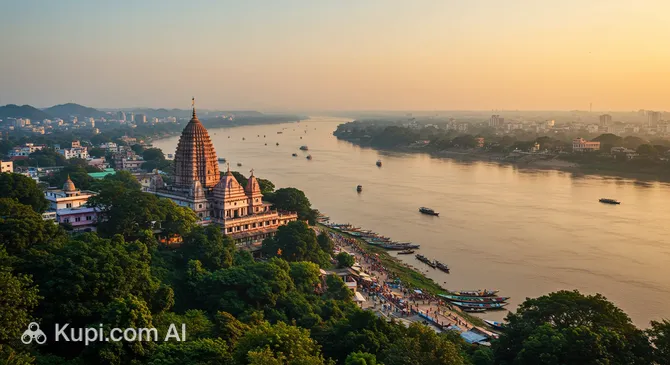
Welcome to Guwahati, a vibrant metropolis that serves as the perfect introduction to the enchanting North East region of India. Sprawling along the banks of the majestic Brahmaputra River, this bustling city in the state of Assam effortlessly blends ancient traditions with modern dynamism. As the largest urban center in the region, it acts as a crucial commercial and cultural hub, offering travelers a lively atmosphere filled with colorful markets and busy streets.

The city's unique geography is characterized by rolling green hills and the expansive river, creating a picturesque backdrop for its population of over 1.1 million inhabitants. The climate is generally subtropical, with pleasant winters and a lush, green monsoon season that brings the surrounding landscape to life.

Deeply rooted in myths and legends, the city was formerly known as Pragjyotishpura, or the "City of Eastern Light." Exploring the history of Guwahati reveals a rich tapestry of dynasties and cultural evolution that has shaped its current identity. Visitors can sense this enduring heritage in the numerous ancient temples scattered across the landscape, which have earned it the nickname "City of Temples."

Among the must-visit sites is the revered Kamakhya Temple, perched atop Nilachal Hill, which draws pilgrims and tourists from far and wide. For a serene escape, a boat ride to Umananda Island—often cited as the smallest inhabited river island in the world—offers stunning views and tranquility. The riverfront also comes alive at sunset, making a cruise on the Brahmaputra an unforgettable experience.

Whether you are passing through on your way to other northeastern states or staying to explore its hidden gems, Guwahati promises a memorable journey full of warmth, culture, and discovery.

Weather Overview

Travelers planning a visit should be aware that the weather in Guwahati varies significantly depending on the season, offering distinct experiences throughout the year. The climate is generally humid and subtropical, characterized by a long, rainy monsoon season and a pleasant, dry winter. During the peak summer months from June to September, temperatures average around 28°C, with daily highs often reaching 31°C. This period also brings the heaviest rainfall, particularly in July, which can see precipitation on up to 30 days of the month.

In contrast, the winter season from November to February provides much cooler and drier conditions, making it an excellent time for outdoor activities. January is typically the coldest month, with average temperatures dropping to 17.6°C and nighttime lows around 12°C. Rainfall is scarce during this period, with months like November and December seeing almost no precipitation. Expect warm summers with occasional heavy rain and cool, comfortable winters perfect for sightseeing.

Interesting Facts

Beyond the bustling streets and river views, Guwahati holds fascinating secrets that reveal its deep spiritual and ecological significance. Here are a few intriguing facts that make this city truly unique.
Kamakhya Temple. Source: Kupi.Binoculars
  • The Bleeding Goddess: The Kamakhya Temple is famous for the Ambubachi Mela, a festival that celebrates the menstruation of the goddess. During this time, the temple remains closed for three days, and it is believed that the subterranean spring inside the sanctum turns red, symbolizing the deity's fertility and feminine power.

  • A Vital Wetland: The Deepor Beel Wildlife Sanctuary is the only Ramsar site in the state of Assam. This permanent freshwater lake is not only a paradise for birdwatchers hosting numerous migratory species but also serves as a regular corridor for wild Asian elephants from the nearby forests.

  • Global Tea Hub: The Guwahati Tea Auction Centre is one of the busiest and largest tea trading facilities in the world. It frequently records some of the highest prices for specialty teas globally, playing a pivotal role in the economy of the tea-rich region.

  • City of Astrology: While many know its ancient name, Pragjyotishpura, translates to "City of Eastern Light," fewer know it specifically refers to its history as a center for astrology. The Navagraha Temple, dedicated to the nine celestial bodies, stands as a testament to the city's ancient reputation for astronomical research.

How to Get There

Guwahati serves as the primary gateway to Northeast India, offering excellent connectivity to the rest of the country and neighboring regions. Whether you are arriving by air, rail, or road, the city is well-equipped to welcome travelers. For a detailed overview of all travel options and routes, you can read more about how to get to Guwahati.

While most visitors fly directly into the city's main hub, Lokpriya Gopinath Bordoloi International Airport, there are other regional airports in the vicinity that might suit specific travel itineraries. One of the closest alternatives is Shillong Airport (IATA: SHL), located in the neighboring state of Meghalaya. Although the airport is only about 53 km from Guwahati in a straight line, the journey involves navigating winding, mountainous roads. Consequently, the drive typically takes between 2.5 to 3 hours, offering scenic views but requiring more travel time than the distance suggests.

Another option for travelers exploring the wider region is Kumbhirgram Airport (IATA: IXS), situated in the city of Silchar. It is located at a geodesic distance of about 185 km from Guwahati, but travelers should be aware that the road connectivity involves traversing difficult, hilly terrain. The drive from Silchar to Guwahati is demanding and generally takes approximately 10 to 12 hours. This route is best suited for those who plan to visit the southern districts of Assam before making their way to the capital.

For clarity, here is a summary of the main airports in the vicinity:

Airport Name City Passenger Traffic Km from City
Sylhet Civil Airport Sylhet Medium 128.9
Kumbhirgram Airport Silchar Medium 184.5
Shillong Airport Shillong Small 53.1
Gelephu Gelephu Small 150.1
Trashigang (Yonphula) Trashigang Small 127.8

Guwahati is also the undisputed railway hub of Northeast India. The Guwahati Railway Station is a major junction that connects the city to virtually all major metropolitan areas in India, including Delhi, Kolkata, Mumbai, and Chennai. Several premium trains like the Rajdhani Express and Shatabdi Express serve this station regularly. Additionally, the city is well-linked by a network of National Highways, making it accessible by bus or private vehicle from neighboring states and cities.

Main Attractions

Guwahati is a treasure trove of spiritual, natural, and cultural landmarks. While the city is famous as the "City of Temples," it also offers serene wetlands and scenic waterfalls that provide a perfect escape for nature lovers. Here are some of the top attractions to explore during your visit.

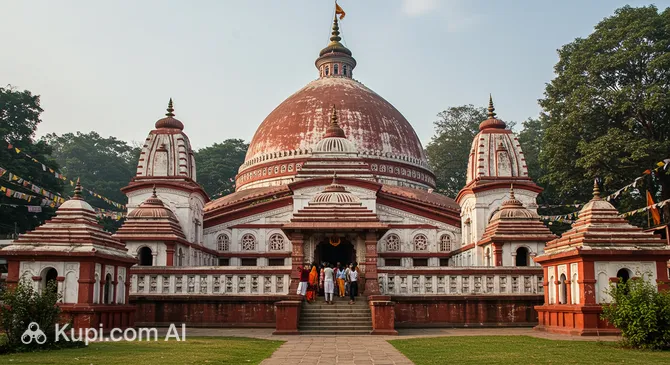
Undoubtedly the most iconic landmark in the city is the Kamakhya Temple. Perched high on Nilachal Hill, this ancient temple is one of the 51 Shakti Peethas and holds immense spiritual significance for pilgrims. Apart from its religious importance, the temple complex is an architectural marvel with its beehive-shaped shikhara and stone carvings. Visiting this site offers not only a glimpse into the region's rich history but also panoramic views of the sprawling city below.

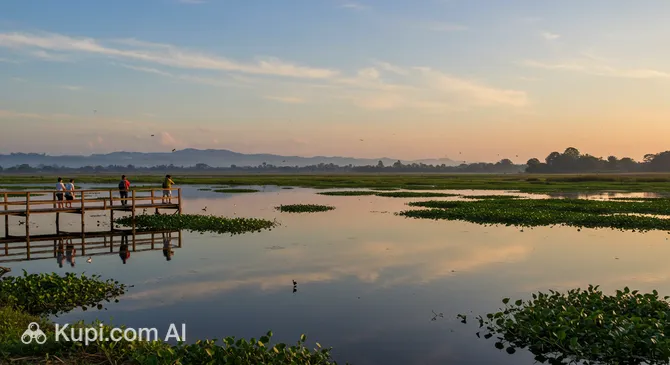
For those seeking tranquility and a connection with nature, the Deepor Beel Wildlife Sanctuary is an absolute must-visit. As a designated Ramsar site, this permanent freshwater lake is a haven for birdwatchers, attracting a vast array of migratory and resident birds. It is an idyllic spot to witness a breathtaking sunset or simply enjoy the peaceful surroundings away from the urban bustle.

Deepor Beel Wildlife Sanctuary. Source: Kupi.Binoculars

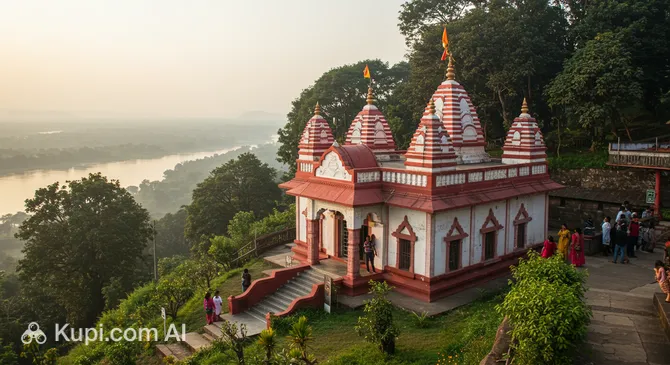
If you wish to go even higher than the Kamakhya complex, make your way to the Bhubaneswari Temple. Located further up the Nilachal Hill, this white shrine is dedicated to Goddess Bhuvaneshwari. While it is smaller than its famous neighbor, it offers perhaps the most spectacular aerial view of the Brahmaputra River and the city of Guwahati, making it a favorite spot for photographers and sunset chasers.

Bhubaneswari Temple. Source: Kupi.Binoculars

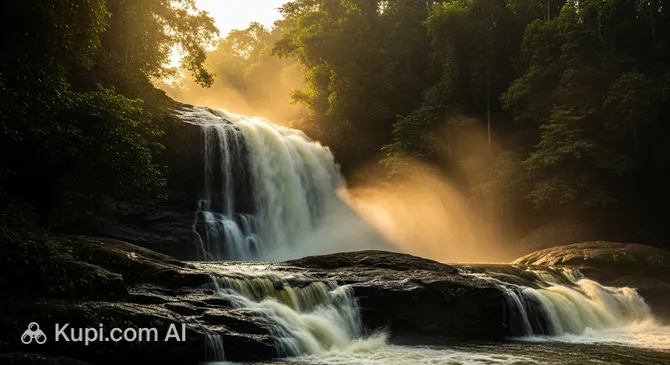
Nature enthusiasts looking for a refreshing retreat should head to the Garoghuli Waterfall. Tucked away in the lush greenery on the outskirts of the city, this hidden gem is perfect for a day picnic or a short hike. The sound of cascading water and the cool, misty air provide a rejuvenating break, especially during the monsoon and post-monsoon seasons when the flow is at its peak.

Garoghuli Waterfall. Source: Kupi.Binoculars

Local Cuisine

The culinary landscape of Guwahati offers a delightful departure from the heavy spices often associated with other parts of India. Assamese cuisine relies heavily on fermentation and the use of fresh, local herbs, resulting in flavors that are distinct, earthy, and aromatic. Rice is the undisputed staple, served alongside a variety of side dishes that range from subtle and soothing to tangy and fiery. The use of mustard oil gives the food a characteristic pungency that locals love.

A traditional meal often begins with Khar, a unique alkaline dish prepared with raw papaya, pulses, or vegetables and filtered through the ashes of dried banana peels. It is believed to cleanse the palate and aid digestion. No visit is complete without trying Masor Tenga, a light and tangy fish curry that gets its signature sourness from ingredients like elephant apple (ou tenga), tomatoes, or lemon. For meat lovers, duck meat curry, often cooked with ash gourd or bamboo shoots, is a celebrated delicacy, particularly during festivals. Another comfort food staple is Aloo Pitika, a simple yet flavorful mash of potatoes, raw mustard oil, onions, and green chilies.

When it comes to beverages, Guwahati is situated in the heart of tea country, so a cup of strong, aromatic Assam tea is ubiquitous and energizing. You will find it served everywhere, from humble roadside stalls to upscale cafes. On the traditional side, indigenous communities brew their own varieties of rice beer, known locally by names like Apong or Judima. These mild alcoholic drinks play a significant role in social and cultural gatherings and offer a taste of the region's tribal heritage.

The city's food culture is a vibrant mix of traditional "rice hotels" serving authentic thalis and bustling street food corners. Street food here is heavily influenced by Tibetan and Chinese flavors; steaming plates of Momos (dumplings) and Chowmein are extremely popular evening snacks found across the city. The markets are also great places to spot exotic local ingredients like ghost peppers (Bhoot Jolokia) and fiddlehead ferns.

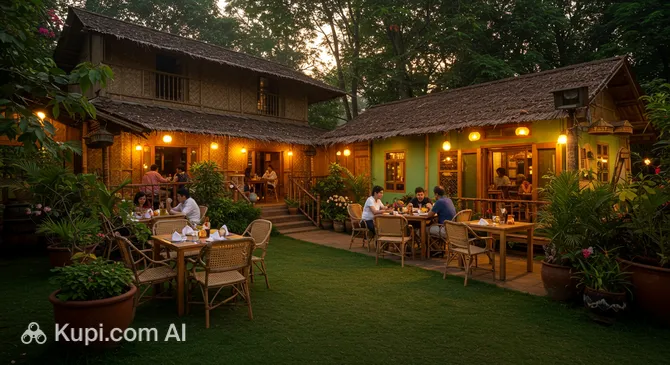
Vatika – The Kitchen Garden. Source: Kupi.Binoculars

For a pleasant dining experience, you might visit Vatika – The Kitchen Garden. Establishments like this reflect the city's evolving gastronomic scene, offering a comfortable atmosphere to enjoy a meal after a day of sightseeing. Whether you are exploring the busy markets or relaxing in a resort, the flavors of Guwahati are sure to leave a lasting impression.

Travel Tips

Visiting Guwahati, the bustling gateway to Northeast India, is an exciting adventure, but navigating its unique rhythm requires a bit of local know-how. To help you make the most of your journey along the Brahmaputra, here are some practical tips to ensure a smooth and enjoyable experience.

  1. Clothing and Gear: Guwahati experiences a humid subtropical climate, so pack light, breathable cotton clothes for most of the year. If you are visiting during the winter (November to February), carry a light jacket or sweater for the cool evenings. Since the city is a major pilgrimage site, modest dress is essential; ensure your shoulders and knees are covered when visiting religious sites like the Kamakhya Temple. Comfortable slip-on shoes are highly recommended as you will frequently need to remove them at temples.

  2. Transportation: The most convenient way to get around is by using ride-hailing apps like Uber or Ola, which offer transparent pricing and comfort. Auto-rickshaws are ubiquitous for shorter distances, but they rarely run on meters, so you must negotiate and agree on the fare before hopping in. For a scenic and practical route across the river to North Guwahati or Umananda Island, use the government-operated ferries.

  3. Finances: The local currency is the Indian Rupee (INR). While credit and debit cards are widely accepted in hotels, malls, and upscale restaurants, cash is king in local markets, small eateries, and for transport like auto-rickshaws. ATMs are plentiful across the city. A tip of around 10% is appreciated in restaurants if a service charge hasn't already been added.

  4. Health and Safety: The humid climate attracts mosquitoes, so carrying a good mosquito repellent is non-negotiable, especially in the evenings. Stick to bottled or filtered water and avoid tap water. Pharmacies are easy to find throughout the city, with many near the G.S. Road area open late. The city is generally safe for tourists, but it is advisable to avoid poorly lit or isolated areas late at night.

  5. Communication: Assamese is the primary local language, but English and Hindi are widely understood and spoken, especially in the hospitality and tourism sectors. To stay connected, you can purchase a local SIM card (Airtel and Jio have good coverage) at the airport or mobile shops, though you will need to provide a passport and visa copy. Useful apps include Google Maps for navigation and Zomato or Swiggy for food delivery.

  6. Local Etiquette: A friendly "Namaskar" with folded hands is the traditional way to greet locals. The culture in Assam is warm but conservative; always ask for permission before taking photos of people, particularly in rural areas or markets. Removing your footwear before entering someone's home or any place of worship is a strict rule that must be respected.

  7. What to Avoid: Strictly avoid taking photographs inside the inner sanctums of temples. This is considered highly disrespectful and is often explicitly prohibited. Also, refrain from public displays of affection, as they are generally frowned upon in more traditional parts of the city.

  8. River Sunset Hack: For the best experience of the Brahmaputra River without the cost of a private cruise, head to the riverfront parks near the Fancy Bazaar area just before sunset. You can enjoy a cup of local tea from a vendor and watch the sun dip below the horizon—a simple yet magical daily ritual for many locals.

By keeping these practical tips in mind, you will be well-prepared to embrace the vibrant culture and natural beauty of Guwahati. Whether you are bargaining in the bazaars or seeking blessings on Nilachal Hill, a little preparation goes a long way in creating unforgettable memories.

Entertainment & Nightlife

While Guwahati was traditionally known as a city that went to sleep early, its entertainment landscape has transformed significantly in recent years. Today, the city boasts a burgeoning nightlife scene that caters to both locals and travelers looking to unwind after sunset. The energy shifts from the busy daytime markets to a more relaxed and social atmosphere, particularly in the modern commercial districts.

The epicenter of nightlife in Guwahati is undoubtedly G.S. Road (Guwahati-Shillong Road). This long stretch, passing through areas like Christian Basti and Ganeshguri, is lined with the city's most popular lounge bars, pubs, and fine-dining restaurants. The atmosphere here is lively yet sophisticated, attracting a mix of young professionals and tourists. Most venues operate with a smart-casual dress code, and while the vibe is generally laid-back during the week, Friday and Saturday nights can get quite energetic with live bands and DJ sets.

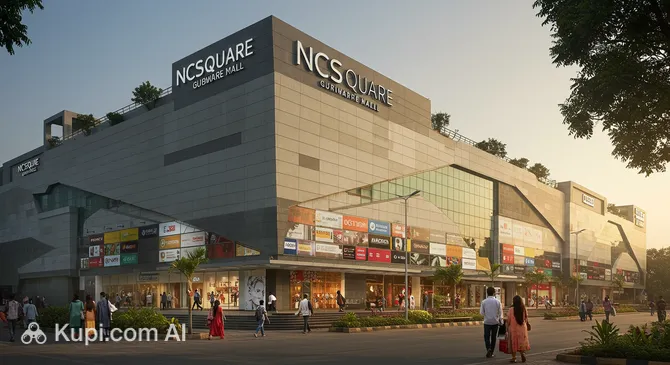
For those who prefer a mix of shopping, movies, and dining in one location, the city's modern malls are a great evening destination. NCS Square Mall is a popular spot where you can catch a late-night movie or enjoy a meal at the food court. These complexes often serve as safe and convenient hubs for evening entertainment, especially for families or groups of friends.

NCS Square Mall. Source: Kupi.Binoculars

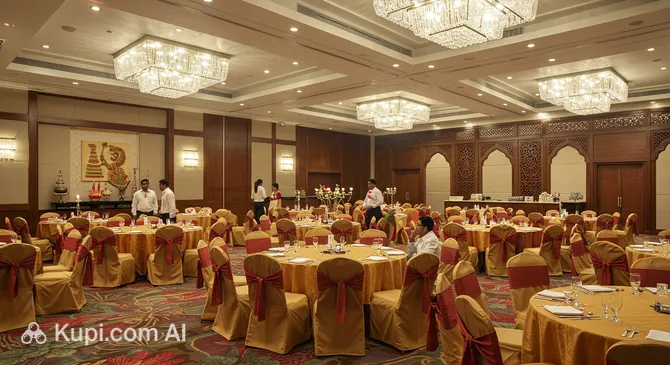
Dining out is a major part of the evening culture here. If you are looking for a pleasant dining experience with a diverse menu, Vrinda Regency is a notable venue to consider. Restaurants in the city often stay open until around 11:00 PM, while bars and lounges on G.S. Road may remain open until midnight or 1:00 AM, depending on the day of the week.

Vrinda Regency. Source: Kupi.Binoculars

When planning a night out, it is important to consider transportation and safety. Ride-hailing apps like Uber and Ola are the most reliable way to get around at night, as finding a regular auto-rickshaw can be difficult after 10:00 PM. The G.S. Road area is generally well-lit and safe for walking between nearby venues, but it is advisable to avoid unlit backstreets and residential areas late at night. Prices for drinks and food are generally lower than in India's major metros like Mumbai or Delhi, making a night out here quite affordable.

Beyond the nightlife, Guwahati offers engaging daytime entertainment options. Culture enthusiasts can visit the Assam State Museum or the Guwahati Planetarium. For those seeking active fun and a bit of an adrenaline rush, the Trampoline and Adventure Park Guwahati is an excellent choice. It provides a playful break from sightseeing and is suitable for both children and adults looking to expend some energy.

Trampoline and Adventure Park Guwahati. Source: Kupi.Binoculars

Parks & Museums

Guwahati is not only a commercial hub but also a city that takes pride in its green cover and rich cultural heritage. Beyond the busy streets, travelers can find solace in well-maintained parks and gain a deeper understanding of the region's history through its impressive museums and cultural centers.

For those interested in the history and ethnography of North East India, the Assam State Museum is a treasure trove. Located near the Dighalipukhuri tank, this institution houses an extensive collection of sculptures, ancient manuscripts, and tribal crafts that narrate the story of the region's evolution. Another significant cultural venue is the Srimanta Sankaradeva Kalakshetra. More than just a museum, this sprawling cultural complex showcases the artistic and spiritual heritage of Assam through its open-air theatre, art galleries, and the Sahitya Bhavan library, making it a vibrant center for the arts.

Nature enthusiasts looking for a break from the urban environment should visit the Assam State Zoo cum Botanical Garden. Often referred to as the "Green Lung" of the city, it is the largest zoo in the North East and offers a chance to see the famous one-horned rhinoceros, tigers, and diverse bird species in a lush, naturalistic setting. For a more relaxed afternoon, Nehru Park in the city center provides a charming escape. Dotted with statues depicting various traditional folk dances of Assam, it is a perfect spot for a leisurely stroll amidst manicured lawns and blooming flowers.

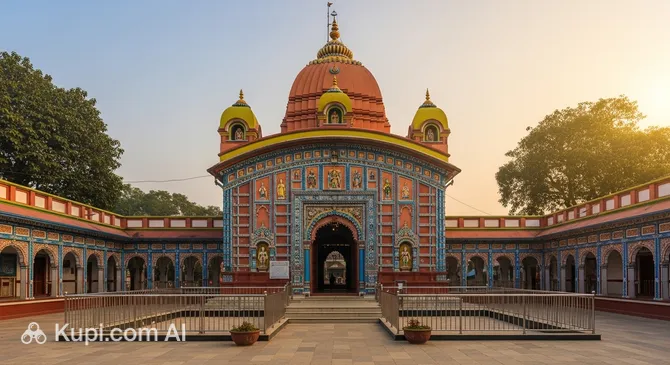
Among the city's architectural and spiritual landmarks is the Vishwakarma Temple. Located at the foot of Nilachal Hill, this temple is dedicated to Lord Vishwakarma, the divine architect in Hindu mythology. It is particularly vibrant during the Vishwakarma Puja in September, when the structure is beautifully decorated, attracting devotees and tourists alike who come to admire its design and serene atmosphere.

Vishwakarma Temple. Source: Kupi.Binoculars

Insider Tip: For a unique blend of history and recreation, visit the Dighalipukhuri park. This rectangular man-made pond, said to be dug by the mythological King Bhagadatta, offers boating facilities and a pleasant walkway, making it a favorite evening hangout for locals.

Getting Around

Navigating Guwahati is an experience in itself, with a public transport system that relies heavily on a mix of road and river connectivity. While the city does not yet have an operational metro rail network, it compensates with a comprehensive web of buses, auto-rickshaws, and ferries that connect the bustling city center with its sprawling suburbs and the northern banks of the Brahmaputra River.

The backbone of the city's daily commute is the bus network. Operated by both the Assam State Transport Corporation (ASTC) and private owners, these buses cover nearly every corner of the city. You will see them in various colors, often bustling with passengers. For a slightly more comfortable journey, look for the air-conditioned electric buses introduced by the ASTC, commonly referred to as "Smart City" buses. Additionally, smaller distinct vehicles known locally as "Trekkers" or "Tempos" function as shared taxis on fixed routes, offering a budget-friendly alternative to standard buses.

For a more personalized and direct mode of travel, ride-hailing apps like Uber and Ola are widely available and highly recommended for tourists. They offer the convenience of door-to-door service with transparent pricing, eliminating the need to haggle. Bike taxis are also extremely popular in Guwahati; they are faster for navigating through traffic and are significantly cheaper than cabs, making them a favorite among solo travelers.

One of the city's most unique and scenic transport features is its river connectivity. Government-operated ferries run regular services across the Brahmaputra, connecting the main city to North Guwahati and islands like Umananda. However, the true highlight is the Guwahati Ropeway. Spanning nearly 2 kilometers across the majestic river, it is India’s longest river ropeway. This cable car ride is not just a mode of transport but a spectacular sightseeing experience, offering aerial views of the river, Umananda Island, and the cityscape.

When it comes to payments, cash is the undisputed king of public transport here. City buses and shared autos do not typically accept digital cards or travel passes. Tickets are purchased directly from the conductor on board the bus. It is highly advisable to carry small denominations of cash (coins and notes of ₹10, ₹20, and ₹50), as conductors often struggle with change for large bills. Ride-hailing apps, however, accept credit cards and digital payments seamlessly.

Public transport generally operates from early morning, around 6:00 AM, until late evening, with frequency dropping significantly after 9:00 PM. If you are planning to travel late at night, it is safer and more reliable to book a cab through an app rather than waiting for a bus. For the ferries and the ropeway, be sure to check the specific operating hours, as they usually stop running by sunset for safety reasons.

Accommodation

Accommodation in Guwahati is as diverse as the city itself, catering to backpackers, business travelers, and families alike. The options range from budget-friendly guest houses and lodges to upscale international hotel chains and sprawling resorts. Whether you are looking for a simple room near the transit hubs or a luxurious suite with views of the Brahmaputra River, the city offers a wide variety of choices to suit different preferences and budgets.

When choosing where to stay, location is key. Paltan Bazar is the most popular area for travelers arriving by train or bus, as it is located right next to the Guwahati Railway Station and the regional bus terminus. It is bustling, chaotic, and filled with budget to mid-range options. For those seeking a more modern and upscale experience, the G.S. Road (Guwahati-Shillong Road) area is the ideal choice. This commercial hub is lined with shopping malls, restaurants, and some of the city's finest hotels. Alternatively, travelers looking for peace and quiet might prefer the outskirts or the Khanapara area, which offer more resort-style accommodations away from the city center's noise.

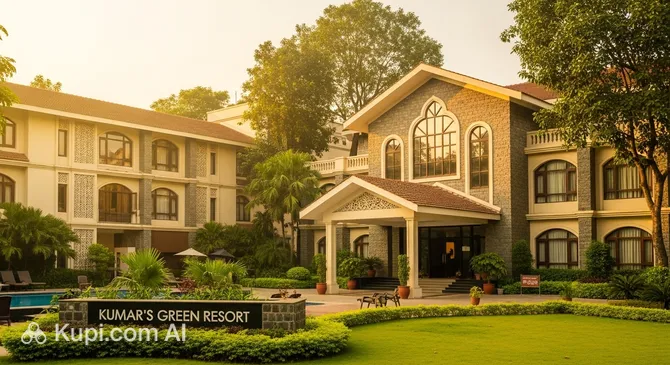
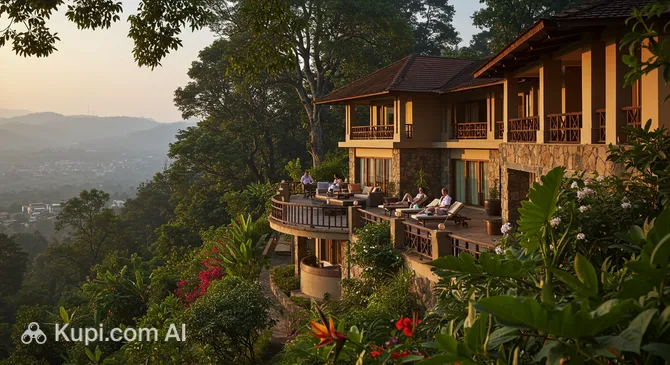
For visitors interested in a retreat that combines comfort with a natural setting, Kumar's Green Resort is a notable option. Located away from the urban congestion, it provides a serene environment often appreciated by families and groups looking to unwind.

Kumar's Green Resort. Source: Kupi.Binoculars

Another establishment that focuses on providing a relaxing atmosphere is the Hill View Holiday Home & Resort. Situated to take advantage of the region's hilly terrain, it offers guests a chance to enjoy the scenic beauty of Assam while having access to modern amenities.

Hill View Holiday Home & Resort. Source: Kupi.Binoculars

Booking Tips: While accommodation is generally easy to find, it is highly recommended to book in advance if you are visiting during the peak winter season (November to March) or during major festivals like the Ambubachi Mela in June. During these times, hotels near the Kamakhya Temple and the city center can fill up weeks ahead of time.

Price Range and Booking: The cost of staying in Guwahati is generally reasonable compared to India's larger metros. Budget rooms can be found for as low as ₹1,000 to ₹2,000 per night, while mid-range hotels typically charge between ₹3,000 and ₹5,000. Luxury stays and resorts usually start from ₹6,000 upwards. Most properties are listed on major online booking platforms, which is often the most convenient way to secure a reservation and check reviews, though many budget lodges in Paltan Bazar also accept walk-ins.

Nearby Cities

For those looking to explore the surroundings, Guwahati serves as an excellent base for day trips to several interesting nearby locations.

One of the most popular excursions is to Shillong, the capital of the neighboring state of Meghalaya. Often referred to as the "Scotland of the East," it is renowned for its pine forests, rolling hills, and spectacular waterfalls, offering a refreshing climate just a short drive away. Closer to the city center is Dispur, the administrative capital of Assam. It houses the state secretariat and offers a well-planned, orderly environment distinct from the bustling markets of Guwahati. For those interested in culture and history, Barpeta is a significant destination. Known as the "Land of Satras," it is a hub of neo-Vaishnavite culture and traditional Assamese crafts.

City Population Distance (km)
Nagaon 147137 101
Shillong 143229 62
Dispur 100000 9
Barpeta 42649 74
Nongstoin 28742 80

These nearby destinations offer a glimpse into the diverse culture and landscapes of the region.

Shopping & Souvenirs

Shopping in Guwahati is a vibrant experience that perfectly mirrors the city's role as the commercial gateway to Northeast India. The retail landscape offers a fascinating mix of chaotic, colorful street bazaars and modern, air-conditioned shopping complexes. Whether you are looking for authentic local handicrafts, world-renowned tea, or high-street fashion, the city provides ample opportunities to find unique treasures. It is particularly famous for its indigenous silk varieties and exquisite bamboo and cane products, which are deeply embedded in the region's culture.

For a truly immersive local experience, Fancy Bazar is the undisputed heart of shopping in the city. Often referred to as the "Chandni Chowk of Guwahati," this sprawling commercial hub is a maze of narrow alleys and busy streets where you can find absolutely anything—from fabrics and furniture to gadgets and jewelry. It is loud, crowded, and brimming with energy. Another key area is Paltan Bazar, located near the railway station. It is an excellent spot for buying bamboo crafts, woolen garments, and traditional decor items. For those seeking branded showrooms and upscale boutiques, the stretch along G.S. Road is the place to be, hosting major international and domestic retail chains.

In recent years, the city has seen a surge in modern retail spaces. City Centre Mall on G.S. Road is one of the most popular destinations, housing a wide array of fashion brands, a multiplex, and dining options. Another notable establishment is the NCS Square Mall, which offers a convenient mix of shopping and entertainment under one roof. These malls provide a comfortable respite from the heat and are perfect for families looking for a relaxed shopping environment.

Beyond the daily commercial hubs, Guwahati's traditional markets offer a glimpse into local life. Beltola Bazar is a must-visit, especially on Thursdays and Sundays. This bi-weekly market is where farmers from neighboring districts and the state of Meghalaya come to sell fresh produce, local spices, and rare herbs. It is a fantastic place to see ingredients that define Assamese cuisine. Pan Bazar is another distinct district, famous primarily as the educational and literary hub of the city, lined with old bookstores and publishing houses that attract students and bibliophiles.

When it comes to souvenirs, Assam Silk should be at the top of your list. The region is famous for Muga (the golden silk), Pat (mulberry silk), and Eri (peace silk). You can buy these as unstitched fabric or as the traditional three-piece attire called Mekhela Chador. Assam Tea is another essential buy; look for loose-leaf orthodox varieties which are far superior to standard tea bags. Other excellent keepsakes include Jaapi (traditional bamboo hats, available in miniature sizes), bell metal craftware from Sarthebari, and pickles made from the fiery Bhoot Jolokia (ghost pepper).

Most shops in Guwahati open around 10:00 AM or 11:00 AM and close by 8:30 PM to 9:00 PM. While malls and large showrooms stay open seven days a week, some traditional markets like Fancy Bazar may have limited operations or be closed on Sundays. As for payments, cash is still the preferred mode of transaction in street markets and smaller stalls. However, malls, hotels, and larger retail stores universally accept credit/debit cards and digital payment apps (UPI).

Tourists should be aware that a tax-free shopping scheme (VAT refund) for international visitors is generally not available or operational in Guwahati. The prices displayed on goods are typically inclusive of the Goods and Services Tax (GST), and you should not expect to claim a refund upon departure.
Reached the end of the page?

That means the route is fully explored