Support

Cooch Behar

About

Cooch Behar is a culturally rich and historically significant city located in the northern part of West Bengal, India. Renowned for its elegance and royal heritage, it was once the capital of the princely state of Cooch Behar. Today, it stands as a well-planned town that beautifully preserves its aristocratic past while offering a peaceful atmosphere for travelers seeking to explore a unique facet of Indian culture.

Geographically, the city is situated in the foothills of the Eastern Himalayas, providing it with a generally moderate climate and lush green surroundings. With a population of approximately 300,000 people, it serves as an important commercial and transportation hub in the region. The city's layout is characterized by wide roads and beautiful water bodies, making it distinct from many other bustling Indian cities.

The fascinating history of Cooch Behar is inextricably linked to the Koch dynasty, which ruled the region for centuries. This legacy is evident in the city's architecture and local traditions, which reflect a blend of indigenous culture and colonial influences. Visitors can feel the echoes of the past as they wander through the town's orderly streets and admire its heritage structures.
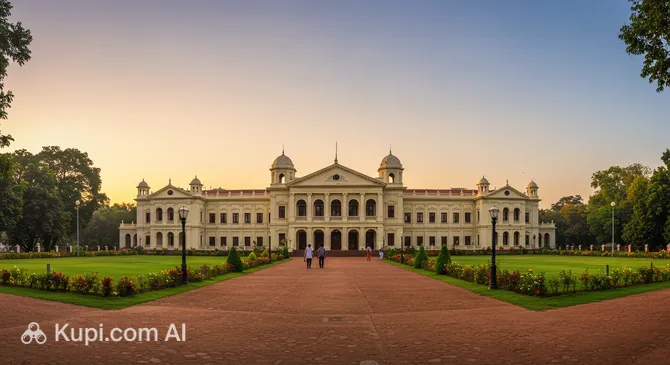
Cooch Behar. Source: Kupi.Binoculars

The crown jewel of the city is undoubtedly the Cooch Behar Palace (also known as the Rajbari), a magnificent structure modeled after Buckingham Palace in London. This architectural marvel is a testament to the grandeur of the royal era. Another key attraction is the Madan Mohan Temple, a spiritual center constructed between 1885 and 1889, which draws devotees and tourists alike. The serene Sagar Dighi, a large tank surrounded by heritage buildings, is also a perfect spot for a relaxing evening walk.

Whether you are an architecture enthusiast or a nature lover, Cooch Behar offers a delightful escape. Its unique combination of royal splendor, spiritual tranquility, and natural beauty makes it a destination well worth adding to your travel itinerary.

Weather Overview

The climate in Cooch Behar is characterized by distinct seasonal changes, offering travelers different experiences depending on the time of year. To help plan your itinerary, it is advisable to check the current weather in Cooch Behar before your trip. Generally, the region experiences a tropical climate with a significant monsoon influence.

Winters are the most comfortable time to visit, spanning from November to February. During this period, the weather is cool and dry, with January seeing average temperatures around 17.4°C and lows dipping to 11.6°C. Precipitation is minimal, with months like November and December typically having only a single wet day, ensuring clear skies for sightseeing.

The summer season begins in March, with temperatures gradually rising to an average of 28.9°C by August. The region receives heavy rainfall during the monsoon months from June to September, where you can encounter wet conditions on up to 30 days a month. Expect warm, humid summers with frequent heavy rain and cool, dry winters ideal for outdoor activities.

Interesting Facts

Beyond the main attractions and the well-known royal facade, Cooch Behar holds many fascinating secrets that offer a deeper glimpse into its illustrious past. From global fashion icons to unique cultural festivities, the city’s history is woven with intriguing narratives that often go unnoticed by the casual visitor.

  • Ancestral Home of a Global Icon: The city was the beloved childhood home of the legendary Gayatri Devi, the Princess of Cooch Behar who later became the Maharani of Jaipur. Although born in London, she spent her formative years here within the Koch dynasty, and her upbringing in this royal environment significantly influenced the refined persona that made her a worldwide symbol of elegance.

  • A Pioneer in Urban Planning: Long before modern town planning became common in the region, Cooch Behar was designed as a planned city in the late 19th century. Under the vision of Maharaja Nripendra Narayan, it was laid out with a grid system, broad avenues, and strategic water bodies like the Sagar Dighi to maintain a cool climate, earning it the nickname "City of Beauty."

  • The Grandeur of Rash Mela: While many festivals in India are community-driven, the famous Rash Mela in Cooch Behar has distinct royal origins. Initiated by the kings to celebrate Lord Krishna, it is one of the oldest and largest fairs in North Bengal, uniquely blending royal patronage with local tribal traditions.

  • Renaissance in the East: While the royal palace is famously compared to Buckingham Palace, its architectural details tell a more complex story. The central dome of the palace is actually modeled after the Renaissance style of St. Peter's Basilica in Rome, creating a rare fusion of British and Italian architectural elements in the heart of Bengal.

How to Get There

Reaching Cooch Behar is an adventure through the scenic landscapes of North Bengal. While the city is well-connected by road and rail, air travel usually involves landing in neighboring cities and completing the journey by ground transport. For a detailed breakdown of routes and tips, you can read more about how to get to Cooch Behar.

The most convenient and significant air gateway for travelers is Bagdogra Airport (IATA: IXB). It is located in the city of Siliguri, approximately 118 km from Cooch Behar. As a major airport with large passenger traffic, it connects the region to key Indian metros like Delhi, Kolkata, and Mumbai. From Bagdogra, you can hire a taxi or take a bus to reach Cooch Behar, a journey that typically takes around 3 hours and 20 minutes depending on traffic.

Geographically, the closest facility is Saidpur Airport (IATA: SPD), situated about 84 km away in Saidpur. However, it is important to note that this airport is located in Bangladesh. Using this route requires crossing an international border and complying with visa regulations. Similarly, Paro Airport (IATA: PBH) in Bhutan is roughly 117 km away, serving as another international option for those exploring the broader Himalayan region.

For clarity, here is a summary of the main airports:

Airport Name City Passenger Traffic Km from City
Bagdogra Airport Siliguri Large 117.6
Saidpur Airport Saidpur Medium 84.4
Paro Airport Paro Medium 117.2
Gelephu Gelephu Small 117.8
Pakyong Airport Gangtok Small 130.0

For those preferring rail travel, Cooch Behar is excellently integrated into the Indian Railway network. The city is served by the New Cooch Behar (NCB) railway station, which is a major junction in the Northeast Frontier Railway zone. It is located just a few kilometers from the main town center. Numerous express and superfast trains connect the city directly to major hubs such as Kolkata, Guwahati, and New Delhi, making it a comfortable and popular choice for visitors.

Main Attractions

The city's tourism centers heavily on its glorious royal past, with magnificent structures and spiritual sites that reflect the grandeur of the Koch dynasty. Visitors will find that the primary points of interest are well-preserved, offering a fascinating glimpse into the history and culture of this unique corner of West Bengal.

Cooch Behar Palace (Rajbari) is the most iconic landmark in the region and a must-visit for every traveler. Built in 1887 during the reign of Maharaja Nripendra Narayan, this double-storied structure is renowned for its architectural resemblance to the classical European style of the Italian Renaissance. Walking through its massive corridors, visitors can explore the museum inside, which houses royal antiquities, oil paintings, chandeliers, and photographs that narrate the princely state's history. The beautifully maintained gardens surrounding the palace add to its majestic aura.

Another site of immense cultural importance is the Madan Mohan Temple. Located in the heart of the town, this dazzling white structure is dedicated to Lord Madan Mohan (Krishna). It is not just a place of worship but also the epicenter of the city's cultural life, particularly during the famous Rash Mela festival. The temple's architecture features a stunning dome and a sprawling campus that offers a sense of deep tranquility amidst the city bustle.

For a relaxing evening, Sagar Dighi is the perfect destination. This massive square tank, excavated by the former kings, is surrounded by heritage administrative buildings like the Victor House and the War Memorial, which cast beautiful reflections on the water at dusk. It is a popular spot for locals and tourists to take leisurely strolls, watch the sunset, and enjoy the cool breeze. During winter, the lake often attracts migratory birds, making it a delightful spot for nature enthusiasts.

A short distance from the main city lies the ancient Baneswar Siva Temple, a site steeped in legend and devotion. The temple is famous for its Shivalinga, which is situated roughly 10 feet below the plinth level. However, a unique attraction here is the presence of centuries-old tortoises, locally known as "Mohan," which reside in the temple pond. Devotees and tourists alike visit to feed these revered creatures and admire the temple's traditional Bengali architectural style.

Local Cuisine

The culinary landscape of Cooch Behar is a delightful intersection where the rich, spicy flavors of traditional Bengal meet the savory, steamed influences of the neighboring Himalayan foothills. Food here is simple yet flavorful, with rice serving as the staple grain for almost every meal. Visitors will find that the local cuisine relies heavily on fresh ingredients, particularly freshwater fish caught in the region's numerous rivers like the Torsa, which are often prepared in pungent mustard oil to create the authentic taste of West Bengal.

When it comes to main courses, the quintessential Maacher Jhol (fish curry) is a must-try. This light, spicy stew is typically seasoned with turmeric, garlic, and cumin, and is best enjoyed with steaming hot white rice. For those who prefer vegetarian options, a traditional Bengali Thali often includes Shukto, a bittersweet medley of vegetables that serves as a palate cleanser, followed by various lentil soups (Dal) and fried vegetables (Bhaja).

Due to its proximity to the hills and the borders of Bhutan, Cooch Behar has a thriving culture of Tibetan-influenced street food. Momos (steamed dumplings) are incredibly popular here and can be found at nearly every street corner. Whether stuffed with chicken, mutton, or vegetables and served with a fiery red chili chutney and clear soup, they are a favorite evening snack for locals. Another warming dish to look out for is Thukpa, a hearty noodle soup that is perfect for cooler winter evenings.

No culinary tour of this region is complete without indulging in its legendary street snacks. Phuchka, the Bengali version of crisp, hollow puri filled with tamarind water and mashed potatoes, is a ubiquitous treat. You should also try Jhal Muri, a spicy mixture of puffed rice, mustard oil, onions, and chilies, often served in paper cones by mobile vendors near popular spots like the Sagar Dighi.

For those with a sweet tooth, the city offers an array of classic Bengali sweets. Local sweet shops are famous for their Rosogolla (spongy cottage cheese balls in syrup) and Mishti Doi (sweet fermented yogurt). As for beverages, since Cooch Behar is located near the famous Dooars tea region, a cup of locally sourced Tea is the perfect non-alcoholic drink to start or end your day. It is typically brewed strong with milk and sugar, offering a comforting energy boost for travelers.

Travel Tips

To help you make the most of your visit to this heritage city, we have compiled a set of practical guidelines. These tips are designed to ensure your journey through Cooch Behar is as smooth and enjoyable as possible, allowing you to focus on the royal history and local culture.

  1. Clothing and Gear: The choice of attire largely depends on when you visit. For the summer and monsoon months (March to October), light, breathable cotton clothes are essential to handle the humidity, along with a sturdy umbrella or raincoat for frequent showers. If you are visiting during winter (November to February), pack light woolens or jackets, as evenings can get quite chilly. Since you will likely visit religious sites like the Madan Mohan Temple, bring modest clothing that covers your shoulders and knees to respect local customs.

  2. Transportation: The most popular and convenient way to navigate the city is by using Totos (battery-operated e-rickshaws). They are eco-friendly, readily available, and inexpensive, making them perfect for short distances. Cycle rickshaws are also a charming option for a leisurely pace. While ride-hailing apps are less common here than in major metros, you can easily hire private taxis or auto-rickshaws at fixed points near the bus stand or railway station.

  3. Finances: The local currency is the Indian Rupee (INR). While hotels and larger restaurants may accept credit and debit cards, Cooch Behar is still largely a cash-based economy for tourists. You will need small denomination notes for paying Toto drivers, street food vendors, and entry fees at smaller attractions. ATMs are widely available, particularly around the B.S. Road and Sagardighi areas.

  4. Health and Safety: Cooch Behar is generally a safe city for travelers. However, it is advisable to drink only bottled or filtered water to avoid stomach issues. Pharmacies are plentiful near the M.J.N. Hospital area, but carrying a basic first-aid kit is always smart. Since the region has lush greenery and water bodies, mosquito repellent is a must-have, especially if you are out during the evening or visiting in the post-monsoon season.

  5. Communication: The primary language spoken is Bengali. However, Hindi is widely understood, and English is spoken by hotel staff and many shopkeepers in the main tourist areas. Learning a few basic Bengali phrases like "Namaskar" (Hello) and "Dhanyabad" (Thank you) will go a long way in endearing you to the locals. Mobile network coverage is good across the city, with major providers like Jio and Airtel offering reliable 4G services.

  6. Local Etiquette: People in Cooch Behar are generally polite and conservative. A simple "Namaskar" with folded hands is the traditional and respectful way to greet people. When visiting temples, always remove your footwear outside the complex. It is also polite to ask for permission before taking photographs of locals, especially in rural areas or markets.

  7. What to Avoid: Avoid public displays of affection, as they are considered inappropriate in this conservative town. Additionally, refrain from entering the inner sanctums of temples if you are unsure of the rules; look for signage or ask a priest, as some areas may be restricted for photography or entry.

  8. Local Insight: If you plan to shop, be aware that many local shops may close for a few hours in the afternoon (around 2:00 PM to 4:00 PM) for a siesta, a tradition still observed by some traditional businesses. Plan your shopping excursions for the late morning or evening to find the markets bustling with life.

By keeping these practical tips in mind, you will be well-prepared to navigate the charming streets of Cooch Behar with confidence. Embrace the local pace of life, interact with the friendly residents, and enjoy a memorable trip to this historic gem of North Bengal.

Entertainment & Nightlife

Entertainment and nightlife in Cooch Behar differ significantly from the high-energy clubbing scenes found in India's metropolitan cities. Instead of loud discotheques and all-night parties, the evening culture here is laid-back, revolving around social gatherings, culinary experiences, and enjoying the city's natural beauty after sunset. The atmosphere is distinctively family-friendly and relaxed, reflecting the town's heritage and somewhat conservative social fabric.

The epicenter of evening activity is undoubtedly the area around Sagardighi. As dusk falls, this massive square tank transforms into a bustling social hub. The heritage buildings surrounding the water are often illuminated, creating a picturesque backdrop for locals and tourists who gather here to stroll, chat, and enjoy the cool breeze. It functions as an open-air lounge where the city comes alive in a gentle, communal way. For a more commercial buzz, B.S. Road and the adjacent market areas remain active into the evening, offering a mix of shopping and street food that keeps the energy high until closing time.

For those looking to enjoy a sit-down dinner or a quiet drink, the options are mostly centered around established hotels and family restaurants rather than standalone bars or pubs. Hotel Royal Palace is a well-known venue where visitors can enjoy a comfortable ambiance and a varied menu, making it a popular choice for a refined evening out. Another favorite among locals is Nebula, a restaurant that offers a pleasant setting for a hearty dinner. These venues typically operate with a casual dress code, though modest attire is recommended to blend in with the local crowd.

Timing is crucial when planning a night out in Cooch Behar. The city sleeps relatively early compared to bigger metros. Most restaurants and shops begin to wind down by 10:00 PM, and the streets can become quite empty by 11:00 PM. It is best to head out for dinner around 8:00 PM to ensure full service. Prices are generally very affordable, with a lavish meal costing a fraction of what it would in a capital city.

Regarding safety and transport, Cooch Behar is generally safe for evening walks, particularly around the well-lit Sagardighi and palace areas. However, as the night progresses and streets empty out, it is advisable to stick to main roads. Totos (e-rickshaws) are the primary mode of transport, but their availability drops sharply after 9:30 PM. If you plan to stay out late, it is wise to arrange a return ride in advance or have your hotel's contact number handy to call a taxi.

While the nights are quiet, daytime entertainment offers its own charm. Apart from the historical sites, visitors can catch a movie at one of the local cinema halls like Bhavani Cinema, or witness cultural performances at auditoriums such as Rabindra Bhawan, which frequently hosts traditional drama and theatre. For families, the parks surrounding the royal palace provide a lovely space for day picnics before the evening transition into the city's serene nightlife.

Parks & Museums

Cooch Behar is often celebrated as a city of beauty, where the legacy of the Koch dynasty is preserved not just in stone but in the serene landscapes that dot the region. Beyond its grand facades, the city invites visitors to explore its well-maintained gardens, insightful museums, and spiritual sanctuaries that narrate the stories of a bygone royal era.

For those seeking tranquility amidst nature, Narendra Narayan Park is a prime destination within the city limits. Established as a botanical garden, it offers a lush, green retreat perfect for morning walks or leisurely afternoons. The park features a variety of seasonal flowers, towering trees, and a small lake that adds to its charm. It serves as a recreational hub for locals and provides a refreshing break for tourists after a day of sightseeing.

A little further afield, nature enthusiasts should not miss Rasikbil (or Rasik Beel), a massive wetland complex situated about an hour's drive from the city. This scenic water body is a paradise for birdwatchers, attracting a wide variety of migratory birds during the winter months. The area also encompasses a deer park, a leopard rescue center, and an aquarium, making it a comprehensive eco-tourism spot where visitors can enjoy boating while surrounded by pristine nature.

Cooch Behar's cultural history is best experienced at the Cooch Behar Palace Museum. Housed within the magnificent Rajbari, the museum transforms the royal residence into a gallery of history. Visitors can walk through the Durbar Hall and explore various rooms displaying an impressive collection of artifacts, including oil paintings, royal portraits, antique furniture, and chandeliers. The arms gallery is particularly notable, showcasing weapons used by the Koch kings, offering a tangible connection to the martial history of the princely state.

In addition to the main palace, the city is home to significant historical sites like Madhupur Dham. Located on the outskirts, this 16th-century shrine is deeply significant to the followers of the Vaishnava faith. It marks the place where the great saint Srimanta Sankardeva stayed and preached during his final years. The complex is a center of peace and devotion, featuring distinct architectural styles that differ from the local temples, reflecting the influence of the Assam region.

Another architectural gem is the Debi Bari, a historic temple dedicated to Goddess Durga. Unlike typical Bengal temples, it features a unique European-inspired architectural style with a flat roof and sturdy pillars, painted in striking red and white hues. It stands as a testament to the eclectic tastes of the royal patrons who blended local religious traditions with colonial aesthetics.

For a truly authentic experience, take a quiet evening stroll along the Torsa River Embankment. While most tourists flock to the city center's tanks, the riverbank offers a raw, unconstructed view of the landscape. It is an excellent spot to watch the sun dip below the horizon, casting a golden glow over the water and the distant hills, providing a moment of solitude away from the town's bustle.

Getting Around

Navigating Cooch Behar is a straightforward and relaxed experience, as the city is compact and does not rely on complex transit networks like metros or trams. The public transport system is entirely road-based, offering a mix of traditional and modern vehicles that allow you to explore the town at a leisurely pace. The absence of heavy traffic congestion compared to larger metropolitan areas makes getting around relatively stress-free.

The undisputed king of local transport in Cooch Behar is the Toto, or battery-operated e-rickshaw. These colorful, three-wheeled vehicles have largely replaced noisy diesel auto-rickshaws and are the primary mode of commute for locals and tourists alike. They are eco-friendly, quiet, and can be found on almost every street corner. You can either hire a Toto exclusively for a specific destination or hop onto a shared one that follows a fixed route along the main avenues.

For shorter distances or a more nostalgic journey, cycle rickshaws are still widely available. They offer a slow, open-air ride that is perfect for sightseeing within the city center, allowing you to admire the architecture and local life without a windshield blocking the view. For traveling to the outskirts or neighboring towns, the North Bengal State Transport Corporation (NBSTC) operates a network of buses. While city bus services within the town limits are limited, these state-run buses are reliable for connecting to the railway station or nearby areas like Dinhata and Tufanganj.

The payment system in Cooch Behar is almost exclusively cash-based. There are no travel cards, digital passes, or tap-to-pay systems for local transport. Fares for Totos and rickshaws are incredibly affordable, typically ranging from 10 to 30 INR for standard trips within the city. It is highly recommended to carry small denomination notes and coins, as drivers often struggle to provide change for high-value bills. While shared Totos have fixed rates, if you are hiring a vehicle for a private tour or a specific custom route, it is wise to agree on the price before starting the journey.

Practicality is key when using transport here. Totos and rickshaws generally operate from early morning until around 9:30 PM to 10:00 PM. After this time, finding public transport can be difficult, so you should plan your return journey accordingly. There are no ticket validation machines; you simply pay the driver at the end of your trip. If you are taking a state bus, tickets are purchased directly from the conductor on board.

For those seeking alternatives, private taxis are available but are not typically hailed off the street. They are usually found at designated stands near the bus terminus and the railway station. Unlike in major cities, app-based cab services are not the standard way to get around here; relying on local taxi stands or asking your hotel to arrange a car is more effective. Car rentals are generally chauffeur-driven, as self-drive options are rare in this region.

While the city lacks a metro or cable car, the charm of Cooch Behar's transport lies in its simplicity. The open design of the Totos and rickshaws keeps you connected to the surroundings, making the journey itself a part of the travel experience. For the city center, walking is also a viable and pleasant option, as many attractions like the Palace and the Madan Mohan Temple are situated within reasonable distance of each other.

Accommodation

Finding accommodation in Cooch Behar is a relatively straightforward affair, though it differs from the experience in major metropolitan cities. The city primarily offers a range of budget to mid-range hotels, government-run tourist lodges, and guesthouses. Travelers should not expect international luxury hotel chains or sprawling five-star resorts. Instead, the hospitality sector here is dominated by locally owned establishments that provide comfortable, functional, and clean rooms suitable for families and solo travelers alike.

For the best experience, the most recommended area to stay is around Sagardighi. This central location places you right in the heart of the city's social life, offering beautiful views of the water tank and easy access to major attractions like the Cooch Behar Palace and the Madan Mohan Temple. Staying here allows you to enjoy evening strolls and explore the local markets on foot. Alternatively, if your visit is short or focused on transit, there are several practical lodging options located near the Bus Terminus and the main commercial areas along B.S. Road, ensuring quick connectivity to transport hubs.

The cost of accommodation in Cooch Behar is generally very affordable compared to other tourist destinations in India. Budget rooms can often be found for very reasonable rates, while the upper-mid-range hotels offer amenities like air conditioning, in-house dining, and Wi-Fi for a moderate price. While many of the established hotels now appear on major online booking platforms, a significant number of smaller guesthouses still rely on direct bookings via phone or walk-ins.

Booking Tip: If you plan to visit during the famous Rash Mela festival in November, it is essential to book your accommodation weeks or even months in advance. The city witnesses a massive influx of visitors during this period, and hotels fill up remarkably fast. For travel during the rest of the year, booking a few days ahead is usually sufficient to secure a good room.

Nearby Cities

Cooch Behar serves as an excellent base for exploring the wider region of North Bengal and the borders of Assam. The city is surrounded by several interesting towns that contribute to the commercial and cultural vibrancy of the area. These destinations are easily accessible by road or rail, making them suitable for convenient day trips or as next stops on your journey.

The closest major urban center is Alipurduar, situated just 18 km north. With a population of over 65,000, it is known as a gateway to the lush forests of the Dooars and the Bhutanese hills. To the south lies Sitalkuchi, a smaller town roughly 33 km away, offering a quiet glimpse into the rural life of the district.

For those venturing further west, Dhupgari is located approximately 51 km from the city. Another notable town in the vicinity is Binnaguri, about 59 km away, which is often frequented by travelers heading towards the tea gardens. Crossing into the neighboring state of Assam, the historic river port town of Dhuburi lies 64 km to the east, situated on the banks of the Brahmaputra River.

Shopping & Souvenirs

Shopping in Cooch Behar offers a delightful mix of traditional charm and local utility, rather than the high-end luxury retail experience found in metropolitan cities. The shopping scene here is dominated by bustling street markets, family-run stores, and heritage shops that have served the community for generations. Visitors will find that the city is particularly famous for its unique handicrafts, textiles, and locally produced food items, making it an excellent place to hunt for authentic regional souvenirs.

The commercial heart of the city beats strongest along B.S. Road (Biswa Singha Road). This is the primary shopping artery where tourists can find everything from clothing and electronics to jewelry and footwear. Walking down this busy street offers a glimpse into the daily life of the locals. Another significant area is Suniti Road, which runs parallel to the main market areas and is lined with various shops selling textiles and stationery. These streets are often crowded in the evenings, buzzing with energy and the calls of street vendors.

While Cooch Behar is historically a town of bazaars, it has recently seen the emergence of modern shopping complexes. Though you will not find massive international malls, there are smaller shopping centers like the N.N. Shopping Mall and other arcades located near the city center. These establishments offer a more contemporary shopping environment with branded apparel stores, air-conditioning, and food courts, providing a comfortable respite from the outdoor heat.

For a truly authentic experience, a visit to Bhabaniganj Bazar is essential. This is the oldest and largest market in the city, designated as a heritage market. It is a sensory overload of sights and smells, selling fresh produce, local spices, and daily necessities. If you are visiting during November, the Rash Mela fairgrounds transform into a massive seasonal market. It is one of the biggest fairs in North Bengal, where artisans from across the region gather to sell handicrafts, clay toys, and household items, offering a unique shopping opportunity that is unavailable the rest of the year.

When it comes to souvenirs, Cooch Behar is renowned for Sitalpati (cool mats). These mats are woven from green cane and are famous for their cooling properties and intricate designs; they make for lightweight and practical gifts. The region is also known for its bamboo and cane crafts, which are crafted by local tribal communities. Additionally, traditional Tant sarees and handloom textiles are popular purchases for those interested in Indian ethnic wear. Don't forget to pick up a packet of local tea or the famous mustard oil if you wish to take the flavors of the region home.

Shops in Cooch Behar typically open around 10:00 AM and close by 9:00 PM. A unique local custom to be aware of is the afternoon siesta; many smaller, traditional shops may close between 2:00 PM and 4:00 PM. regarding payments, cash is still the most widely accepted method, especially in local markets and smaller stores. While larger showrooms and hotels accept credit and debit cards, and digital UPI payments are becoming common, it is highly advisable to carry sufficient cash for street shopping.

Tax-free shopping or VAT refunds are generally not available for tourists in Cooch Behar. The prices displayed usually include all applicable taxes, and bargaining is an accepted practice in open markets and with street vendors, though fixed-price shops will not entertain negotiations.

Reached the end of the page?

That means the route is fully explored