Support

Siliguri

About

Welcome to Siliguri, a vibrant and bustling metropolis that serves as the vital gateway to the northeastern states of India. Situated in the Darjeeling district of West Bengal, this city pulses with energy and trade, offering a unique blend of cultures and landscapes. Often overshadowed by the nearby hill stations, Siliguri possesses its own distinct charm, acting as a melting pot where diverse traditions meet against the backdrop of the majestic Himalayas.
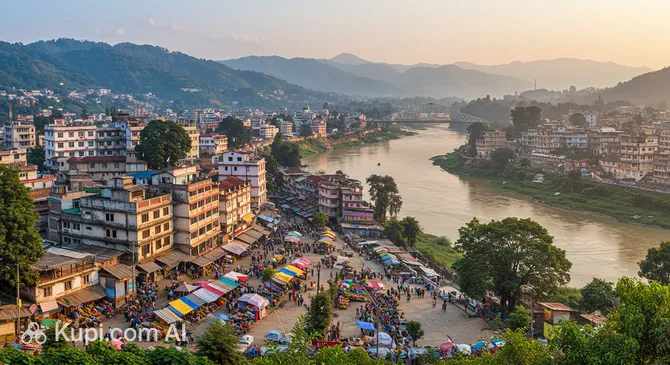
Siliguri. Source: Kupi.Binoculars

Geographically, the city is strategically located in the narrow strip of land known as the "Chicken's Neck," connecting mainland India to its northeastern region. With a population of over 700,000 people, it is a significant commercial hub that enjoys a humid subtropical climate. The city is flanked by lush tea gardens and dense forests, providing a scenic transition from the plains to the mountains.

While many travelers pass through on their way to Darjeeling or Sikkim, taking the time to explore the history of Siliguri reveals its transformation from a small village into a sprawling trade center. The city's growth has been fueled by its location along the Mahananda River and its role as a transportation nexus.

Visitors can discover several intriguing attractions within and around the city. The Salugara Monastery, with its towering stupa founded by Tibetan Buddhist monks, offers a serene escape from the urban rush. For those who enjoy shopping and local flavors, the famous Hong Kong Market is a treasure trove of imported goods and electronics. Nature enthusiasts will appreciate the proximity to the Mahananda Wildlife Sanctuary, home to elephants and diverse bird species.

Whether you are embarking on a journey to the high Himalayas or looking to experience the commercial heartbeat of North Bengal, Siliguri welcomes you with open arms. Its strategic importance, combined with warm hospitality and surrounding natural beauty, makes it a noteworthy stop on any Indian itinerary.
Weather Overview

The climate in this region is characterized by distinct seasonal variations, offering travelers different experiences depending on when they visit. Generally, you can expect warm summers with frequent rainfall and cool, dry winters. Understanding these patterns is key to planning a comfortable trip to the foothills of the Himalayas.

Winter, spanning from December to February, is often considered the most pleasant time for exploration. During this period, the weather is dry with minimal precipitation, and temperatures are mild. January is typically the coldest month, with average lows dropping to around 9.3°C and daytime highs reaching a comfortable 20.8°C. This is an excellent season for outdoor activities without the interruption of rain.

In contrast, the summer and monsoon months bring warmth and humidity. From April through September, average maximum temperatures hover near 29°C to 30°C. The rainy season peaks between June and August, where the data indicates wet conditions on up to 30 days per month, although the overall precipitation volume remains moderate. For those needing specific forecasts and monthly averages, viewing the detailed weather in Siliguri is highly recommended before packing.

Interesting Facts

Beyond the main attractions and busy streets, Siliguri holds many fascinating secrets that highlight its unique position on the map. This bustling city is not just a commercial center but a place of geographical marvels and rare infrastructural feats.

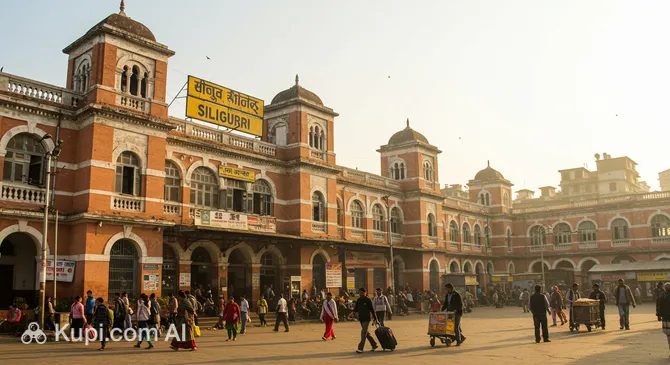
Siliguri Junction Railway Station. Source: Kupi.Binoculars
  • A Unique Railway Distinction: Rail enthusiasts will find Siliguri Junction Railway Station particularly special, as it is one of the only stations in India to feature tracks of all three gauges: Broad Gauge, Meter Gauge, and Narrow Gauge. This is where the modern rail network meets the heritage tracks of the famous toy train.

  • The Chicken's Neck: The city lies within the Siliguri Corridor, often referred to as the "Chicken's Neck." This slender strip of land is incredibly narrow, measuring only about 20 to 22 kilometers wide at its tightest point, yet it serves as the sole land bridge connecting the entirety of Northeast India to the rest of the country.

  • Gateway to Four Nations: Few cities can claim such proximity to international boundaries. Siliguri is strategically located within a short driving distance of four different countries: Nepal, Bangladesh, Bhutan, and China. This location makes it a true melting pot of cross-border trade and cultural exchange.

  • Tea Trade Capital: While the hills of Darjeeling are famous for growing tea, Siliguri is the engine that moves it. The city is home to the Siliguri Tea Auction Centre, one of the largest tea auction hubs in the world, where millions of kilograms of tea are traded annually, fueling the local economy.

How to Get There

As the primary gateway to Northeast India, Siliguri is well-connected and accessible by various modes of transport. Whether you are heading to the tea gardens of Darjeeling or the mountains of Sikkim, your journey will likely pass through this bustling hub. For a comprehensive guide on all travel options, you can read more about how to get to Siliguri and plan your route accordingly.

The most convenient way to reach the city by air is via Bagdogra Airport (IATA: IXB). Although the city of Siliguri does not have its own airport right in the center, you can fly into this major hub located in the town of Bagdogra, which is just about 8.4 km away. It is a significant international airport serving the region with frequent connections to major Indian cities. A taxi or bus ride from the airport to the city center typically takes around 35 minutes. With an annual passenger traffic exceeding 3 million, it is a busy and well-equipped facility.

Travelers can also consider airports in neighboring regions, though they are further away. Bhadrapur Airport (IATA: BDP) is located across the border in the city of Bhadrapur, Nepal, approximately 35.9 km from Siliguri. The journey from there involves crossing the international border and takes about 1 hour and 15 minutes by road. Another option is Pakyong Airport (IATA: PYG) in Gangtok, situated roughly 58.6 km away in the mountainous state of Sikkim. Due to the winding hill roads, the drive from Pakyong can take around 1 hour and 50 minutes.

For clarity, here is a summary of the main airports serving the region:

Airport Name City Passenger Traffic Km from City
Bagdogra Airport Siliguri Large 8.4
Saidpur Airport Saidpur Medium 118.9
Biratnagar Airport Biratnagar Medium 115.8
Bhadrapur Airport Bhadrapur Medium 35.9
Pakyong Airport Gangtok Small 58.6

Beyond air travel, Siliguri is a major railway hub for the region. While specific station data is not detailed here, the city is served by the massive New Jalpaiguri Junction (NJP) and the centrally located Siliguri Junction. These stations connect the city to almost all major destinations across India, including Kolkata, Delhi, and Guwahati, making train travel a very popular and scenic option for visitors.

Main Attractions

Siliguri is not just a transit hub; it boasts a variety of interesting spots ranging from educational centers to serene parks and spiritual sites. Visitors can explore a mix of modern amenities and cultural landmarks that reflect the city's diverse character.

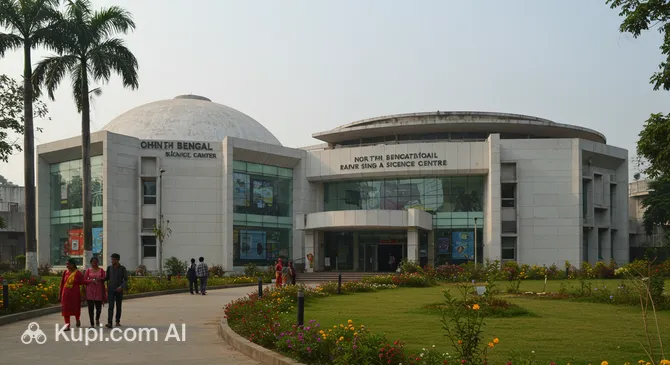
One of the most engaging places for families and curious minds is the North Bengal Science Centre. Located in Matigara, this facility is designed to make science fun and accessible. It features a digital planetarium, a 3D theater, and numerous interactive exhibits that explain scientific principles. The surrounding garden also displays outdoor science models, making it a perfect educational outing for children and adults alike.

North Bengal Science Centre. Source: Kupi.Binoculars

For those looking to escape the urban bustle, Surya Sen Park offers a refreshing retreat. Situated in Mahakal Pally, this well-maintained park is dedicated to the freedom fighter Surya Sen. It is known for its lush greenery, colorful fountains, and peaceful pathways. The park serves as a popular recreational space where locals and tourists enjoy picnics, evening strolls, and the tranquil atmosphere.

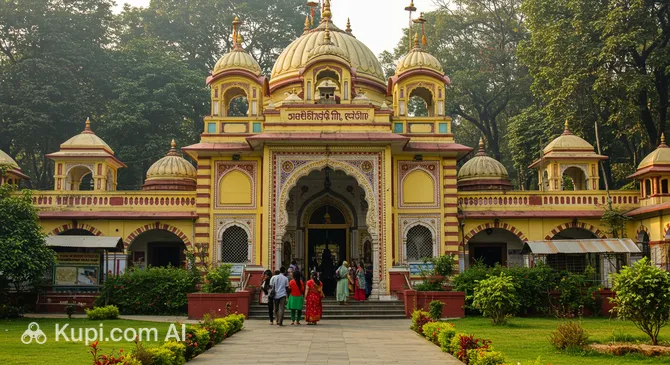
Spiritual seekers will find solace at the Lokenath Temple. This architecturally beautiful shrine is dedicated to Baba Lokenath and is revered for its artistic design, including a split idol that is a unique feature. The temple grounds are kept immaculately clean, providing a serene environment for prayer and meditation away from the noise of the main streets.

Lokenath Temple. Source: Kupi.Binoculars

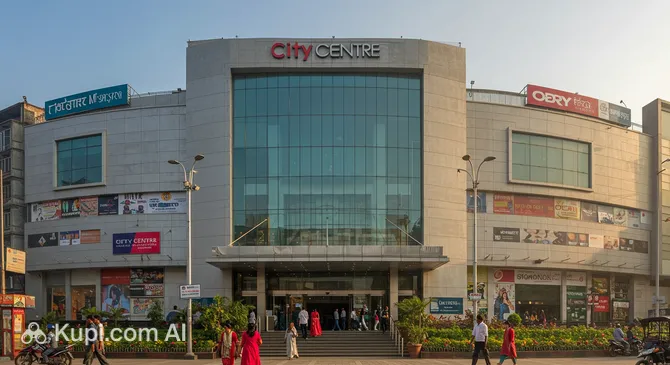
To experience the modern lifestyle of the city, a visit to City Centre Mall is highly recommended. As a premier shopping and entertainment destination, it houses a wide selection of national and international brands. With its multiplex cinema and diverse food court, it is a lively spot where visitors can shop, dine, and relax in comfort.

Local Cuisine

Local Cuisine:

The culinary landscape of Siliguri is as diverse as its culture, offering a delightful mix of flavors that range from spicy North Indian curries to traditional Bengali delicacies. Due to its proximity to the hills and neighboring countries, the city is particularly famous for its Tibetan and Nepali influences. Food lovers must try the local momos (steamed dumplings) and thukpa (noodle soup), which are staple comfort foods available at both street stalls and fine dining establishments throughout the city.

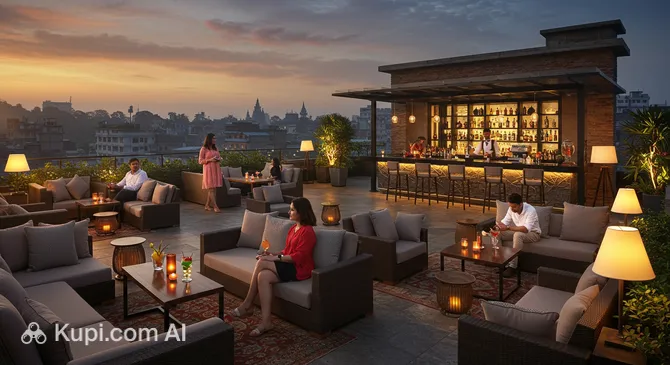
For those looking to enjoy a meal with a sophisticated ambiance, Penthouse Bar Kitchen & Cocktails is a top recommendation. Situated in a prime location, this venue is known for its stylish interiors and a diverse menu that caters to global palates. It is an excellent spot to relax and enjoy the city's evening vibe while savoring well-crafted dishes and drinks.

Penthouse Bar Kitchen & Cocktails. Source: Kupi.Binoculars

Vegetarian travelers will find plenty of suitable options in Siliguri. The Basil Pure Veg Restaurant & Bar stands out for its dedicated meat-free menu, offering a wide variety of flavorful dishes that ensure no one misses out on the local dining experience. It is a family-friendly establishment that prioritizes taste and quality.

The city also boasts a lively cafe and lounge scene, perfect for social gatherings. Open House Cafe is a popular destination for those seeking a vibrant atmosphere and quick bites. Additionally, Half Full offers a cozy setting for visitors to unwind with beverages and conversation, rounding out the exciting gastronomic offerings of this bustling trade hub.

Travel Tips

Planning a trip to Siliguri requires a bit of local know-how to navigate its bustling streets and unique geographical location effectively. These practical tips will help you manage everything from local transport to cultural etiquette, ensuring a smooth and enjoyable experience in this gateway city.

  1. Clothing and Gear: Siliguri experiences a humid subtropical climate. For summer trips (April to June), pack breathable cotton clothing and sunglasses. If visiting in winter (December to February), bring light woolens or jackets as evenings can get chilly. Since the monsoon is heavy here, a sturdy umbrella or raincoat is essential between June and September. When visiting religious sites like the Salugara Monastery, ensure you dress modestly with shoulders and knees covered.
  2. Transportation: The most popular way to get around the city is by auto-rickshaws and e-rickshaws (locally known as "Totos"), which are affordable and widely available. For short distances, cycle rickshaws are also an option. While ride-hailing apps are present, they may not be as reliable as in major metros, so keeping cash handy for local taxis is wise. Self-driving can be stressful due to traffic; hiring a car with a driver is generally recommended for day trips.
  3. Finances: The official currency is the Indian Rupee (INR). While credit and debit cards are accepted in malls, hotels, and upscale restaurants, cash is king in local markets like the Hong Kong Market and for transport. ATMs are plentiful throughout the city. Tipping is not mandatory but is appreciated; leaving about 10% at restaurants or rounding up the fare for drivers is a kind gesture.
  4. Health and Safety: Pharmacies (often called "Chemists") are easy to find, with some near the Sevoke Road area open 24/7. Always drink bottled or filtered water and avoid tap water to prevent stomach issues. Given the humid climate, carry mosquito repellent, especially during the evenings. The city is generally safe, but it is advisable to avoid poorly lit or isolated areas late at night.
  5. Communication: Bengali is the primary language, but Hindi and English are widely understood and spoken, especially in tourism and commerce sectors. You will also hear Nepali frequently. Buying a local SIM card (like Jio or Airtel) is easy at mobile shops, provided you have your passport and visa copies. Most hotels and cafes offer decent Wi-Fi connectivity.
  6. Local Etiquette: A simple "Namaste" with folded hands is a respectful way to greet locals. It is customary to remove your shoes before entering someone's home or any place of worship. When handing over money or objects, use your right hand, as the left hand is traditionally considered unclean for such exchanges.
  7. What to Avoid: Avoid taking photographs of military installations or bridges without permission. Siliguri is a strategic corridor with a significant military presence, and strict security rules apply in certain zones. Also, refrain from aggressive bargaining; a polite smile and friendly negotiation work much better in local markets.
  8. Shopping Tip: If you plan to visit the famous Hong Kong Market for electronics or fashion, be prepared to bargain. The initial price quoted is often higher than the selling price. Also, remember that many shops in the city may close relatively early, around 8:30 PM or 9:00 PM, so plan your shopping excursions for the daytime or early evening.

Armed with these practical insights, you are ready to dive into the vibrant life of Siliguri. Whether you are bargaining for souvenirs or hopping on a Toto to explore the city, embracing these local norms will make your journey more comfortable and memorable.

Entertainment & Nightlife

While Siliguri is often viewed as a transit hub, its nightlife scene has evolved significantly in recent years, offering travelers plenty of ways to unwind after a long journey. The city's evening energy is concentrated primarily around Sevoke Road, which serves as the main artery for entertainment. As the sun sets, this area lights up with neon signs, bustling shopping complexes, and a variety of lounges that cater to both the local youth and passing tourists.

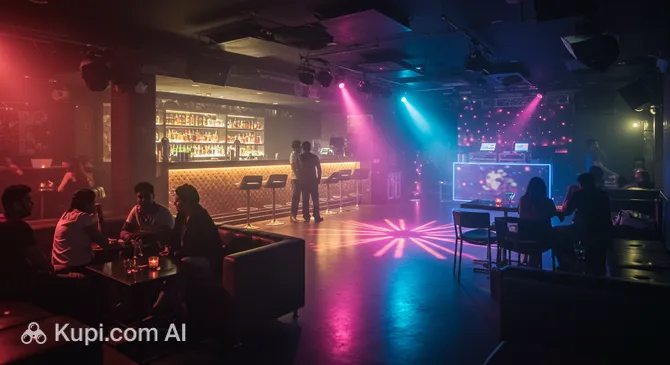
For those seeking a vibrant atmosphere with music and drinks, Open House Cafe is a standout destination. Classified as a night club and cafe, it offers a lively setting where visitors can enjoy upbeat tunes and a social vibe. It is a popular spot for groups looking to experience the modern side of the city's culture. Another excellent venue for a relaxed evening is Half Full. This bar is known for its cozy ambiance, making it an ideal place to sit back with a cocktail and engage in conversation away from the chaotic street noise.

Open House Cafe. Source: Kupi.Binoculars

The nightlife in Siliguri is generally casual and welcoming. Most bars and lounges do not enforce a strict dress code, though "smart casual" is the norm for the more upscale venues on Sevoke Road. The crowd is a mix of college students, young professionals, and travelers, creating a friendly and diverse environment. Venues typically stay open until around 11:00 PM or midnight, with weekends being naturally busier and more energetic.

Beyond bars and pubs, evening entertainment also includes late-night shopping and strolling. Visitors can explore Citi Style, a popular shopping destination that remains bustling into the evening. Exploring the local markets and malls offers a chance to soak in the local lifestyle, grab a quick bite, or hunt for fashion deals before the city goes to sleep.

When enjoying a night out, safety is generally not a major concern in the main commercial areas like Sevoke Road, which remain well-lit and populated. However, it is advisable to avoid venturing into dimly lit alleys or the outskirts late at night. For transportation, electric rickshaws (Totos) are available but become scarce as the night progresses. It is recommended to arrange a taxi or use a ride-hailing app for a secure and comfortable return to your accommodation.

For daytime entertainment, the city offers a different pace. Travelers can visit the modern multiplex cinemas located in the major malls to catch the latest Bollywood or regional films. Additionally, the city's parks and museums provide a more laid-back experience for families and culture enthusiasts before the evening festivities begin.

Parks & Museums

While Siliguri is primarily known as a bustling trade hub, it also offers serene green spaces and cultural landmarks that provide a glimpse into the region's heritage and natural beauty. Visitors looking to step away from the commercial centers will find well-maintained parks and significant historical sites that celebrate the local identity.

Exploring Nature and Greenery

For wildlife enthusiasts and nature lovers, the Bengal Safari (North Bengal Wild Animals Park) is a premier destination located on the outskirts of the city. This expansive park offers a unique opportunity to see the region's majestic fauna, including the Royal Bengal Tiger, leopards, and Asiatic black bears, in a semi-natural environment. Visitors can take guided safari tours, making it an exciting excursion for families and photographers seeking a brush with the wild.

Another delightful spot for a peaceful afternoon is Madhuban Park. Situated within the Sukna forest area and maintained by the Indian Army, this park serves as a perfect picnic spot. With its manicured lawns, rocky paths, and the backdrop of the lush forest, it provides a quiet escape where tourists can enjoy the fresh air and the scenic beauty of the Himalayan foothills.

Museums and Historical Heritage

To understand the rich history and culture of North Bengal, a visit to the Akshaya Kumar Maitreya Heritage Museum is highly recommended. Located within the University of North Bengal campus, this museum houses a fascinating collection of manuscripts, sculptures, and archaeological artifacts that trace the region's past. It is a treasure trove for history buffs interested in the art and traditions that have shaped this corridor of India.

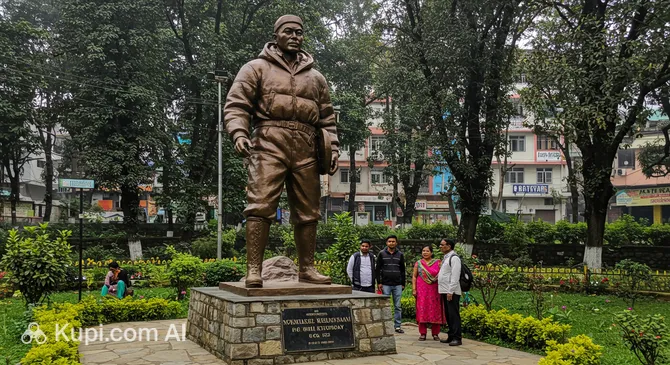
The city also honors its legendary figures through prominent monuments. One such landmark is the Tenzing Norgay Statue, dedicated to the world-renowned mountaineer Sherpa Tenzing Norgay. Standing tall at a major junction, the statue celebrates the indomitable spirit of the first man to summit Mount Everest alongside Edmund Hillary, reflecting the region's deep connection to mountaineering history.

Tenzing Norgay Statue. Source: Kupi.Binoculars

Another site of interest is Khaprail More, a location that holds historical significance in the area. While it serves as a key intersection today, the surrounding area is steeped in the history of the mid-20th century. Exploring these landmarks offers a deeper appreciation for the strategic and historical importance of Siliguri beyond its modern facade.

Insider Tip: For a truly authentic experience, take a short drive towards the Sukna area. The road is lined with magnificent tea gardens and dense forests, offering a scenic drive that captures the essence of the Doars region. It is a favorite route for locals to enjoy a long drive and a cup of fresh tea at a roadside stall.

Getting Around

Navigating Siliguri is a unique experience defined less by large-scale public transit infrastructure and more by an efficient, informal network of road-based vehicles. The city does not have a metro system; instead, the streets are dominated by the ubiquitous electric rickshaws, locally known as "Totos." These colorful, battery-operated three-wheelers are the lifeline of the city, offering a quiet, eco-friendly, and inexpensive way to travel short to medium distances. Alongside Totos, traditional auto-rickshaws ply major routes, often operating on a shared basis where passengers pay a fixed seat price for specific destinations like New Jalpaiguri Station (NJP) or Siliguri Junction.

For longer distances or travel between the city's main transit hubs, buses are available. The Tenzing Norgay Central Bus Terminus serves as the primary node for both state-run (NBSTC) and private buses. While these buses primarily connect Siliguri to neighboring towns and hill stations, they also service key arterial roads within the metropolitan area. However, for a tourist trying to get from a hotel to a market or restaurant within the city limits, hailing a Toto or a cycle rickshaw is usually faster and more convenient than waiting for a local bus.

The payment system in Siliguri is almost exclusively cash-based. There are no integrated travel cards, smart passes, or tap-to-pay systems for public transport. Fares for shared rides in Totos and auto-rickshaws are very affordable, typically ranging from 10 to 30 INR depending on the distance. It is highly advisable to carry small change, such as 10, 20, and 50 rupee notes, as drivers often struggle to break large bills. You simply pay the driver at the end of your journey.

Ride-hailing apps like Ola and Uber operate in the city, providing a comfortable alternative for those who prefer air-conditioned cars or need a direct transfer to the airport. However, availability can sometimes be inconsistent compared to major metropolitan areas, especially during peak traffic hours or late at night. Traditional taxi stands are also located near the railway stations and the airport, offering fixed-rate or metered services for longer hires.

A truly special feature of Siliguri's transport landscape is the historic Darjeeling Himalayan Railway (DHR), a UNESCO World Heritage site. While not a practical mode for daily commuting, the famous "Toy Train" originates here. Tourists can catch the train from New Jalpaiguri or Siliguri Junction for a scenic, slow-paced journey towards the hills. Even if you aren't traveling all the way to Darjeeling, seeing these narrow-gauge steam or diesel engines chugging through the city outskirts is a memorable sight.

For a smooth travel experience, tourists should be aware that public transport availability drops significantly after 9:00 PM. If you plan to be out late, it is best to arrange a private taxi in advance. When using Totos or unmetered autos for a private (non-shared) trip, always negotiate and agree on the fare before stepping inside to avoid confusion later. Traffic congestion can be heavy on main roads like Hill Cart Road and Sevoke Road, so allow extra travel time during the morning and evening rush hours.

Accommodation

Where to Stay:

Accommodation in Siliguri caters to a wide spectrum of travelers, reflecting its status as a major transit hub and commercial center. Visitors can find everything from economical lodges and backpacker hostels to sophisticated mid-range hotels and upscale resorts. Whether you are stopping over for a night before heading to the mountains or planning a longer business trip, the city offers plenty of choices to suit your budget and preferences.

The most popular area for tourists to stay is along Hill Cart Road and the surrounding neighborhoods like Pradhan Nagar. This central location is incredibly convenient as it places you close to the Tenzing Norgay Central Bus Terminus and the Siliguri Junction Railway Station. Staying here ensures easy access to transport for onward journeys to Darjeeling, Sikkim, or Nepal. The area is bustling with activity, lined with restaurants, shops, and travel agencies.

For those seeking a more modern and quieter atmosphere, Sevoke Road is the ideal choice. Often considered the lifestyle hub of the city, this area features shopping malls, multiplexes, and some of the city's finest dining establishments. The hotels here tend to be more upscale, offering better amenities and a polished environment. Alternatively, travelers with early morning train connections often prefer the budget-friendly guesthouses located in the immediate vicinity of the New Jalpaiguri (NJP) railway station, although this area is further from the city center's main attractions.

Price Range and Booking:

  • Budget: Basic guesthouses and lodges typically range from modest prices suitable for backpackers. These often provide essential amenities and are abundant near the bus terminus.
  • Mid-Range: Comfortable hotels with air conditioning, Wi-Fi, and in-house dining are widely available. These are perfect for families and business travelers looking for value and comfort.
  • Luxury: While Siliguri has fewer ultra-luxury options compared to metros, there are several high-end properties and resorts on the outskirts that offer swimming pools, spas, and premium services.

Most hotels in Siliguri are listed on major online booking platforms, making it easy to compare prices and read reviews. Direct booking is also common, especially for smaller establishments. A crucial booking tip is to reserve your room well in advance if you are traveling during the peak tourist seasons (April to June and October to December). As the gateway to the Northeast, the city sees a massive influx of tourists during these times, and good accommodation can sell out quickly.

Nearby Cities

For those looking to explore the surroundings, Siliguri serves as an excellent base for day trips to several interesting nearby locations. The region acts as a gateway to the hills, offering travelers a chance to experience the majestic Himalayas and the lush plains of North Bengal within a short drive.

One of the most famous destinations nearby is Darjeeling, often referred to as the "Queen of the Hills." Famous for its world-class tea, the heritage Toy Train, and panoramic views of Mount Kanchenjunga, it offers a cool retreat from the plains. Another charming option is Kurseong, known as the "Land of White Orchids." Situated closer to Siliguri than Darjeeling, it provides a peaceful atmosphere with beautiful tea gardens, scenic viewpoints like Eagle's Crag, and a pleasant climate year-round. For those interested in regional history and administration, Jalpaiguri offers a glimpse into the cultural heart of the Dooars region.

City Population Distance (km)
Darjeeling 118,805 37
Jalpaiguri 107,341 40
Islampur 54,340 56
Kurseong 42,446 21
Berubari 41,593 47

These nearby destinations offer a glimpse into the diverse culture and landscapes of the region, making them perfect for short excursions.

Shopping & Souvenirs

As the primary commercial hub of North Bengal, Siliguri offers a vibrant shopping scene that caters to both budget travelers and luxury seekers. The city serves as a trading center for the entire region, resulting in a diverse marketplace where traditional handicrafts sit alongside modern international brands. From bustling street markets selling imported goods to air-conditioned malls, the shopping experience here is energetic and varied.

The city's retail landscape is largely defined by two main arteries: Hill Cart Road and Sevoke Road. Hill Cart Road is the historic heart of commerce, lined with traditional shops, hotels, and businesses that have served the city for decades. In contrast, Sevoke Road has emerged as the modern lifestyle hub, featuring upscale showrooms, electronics stores, and stylish boutiques. A stroll down Sevoke Road in the evening reveals the city's contemporary pulse, with neon lights and lively crowds.

For a comprehensive modern shopping experience, City Centre Mall is the premier destination. Located near the entrance of the city, it is a sprawling complex that houses fashion brands, a multiplex cinema, and a food court. It is a favorite hangout spot for locals and a comfortable place for tourists to find branded apparel and accessories.

City Centre Mall. Source: Kupi.Binoculars

Another popular spot for fashion enthusiasts is Citi Style. Known for offering trendy clothing at affordable prices, this store attracts a young crowd looking for the latest styles without breaking the bank. It is an excellent place to pick up casual wear or festive outfits, reflecting the current fashion trends of the region.

Citi Style. Source: Kupi.Binoculars

No shopping trip to Siliguri is complete without visiting the famous Hong Kong Market. Situated near Hill Cart Road, this labyrinthine market is renowned for selling imported goods, including electronics, cosmetics, and fashionable clothing, often at bargain prices. It is a paradise for those who enjoy the thrill of haggling. Another key market is Bidhan Market, which is the go-to place for textiles, shawls, and local fabrics.

When it comes to souvenirs, Darjeeling Tea is the most sought-after item. As Siliguri is the transit point for the tea-growing region, visitors can find high-quality loose-leaf tea at competitive prices. Additionally, due to the city's proximity to the Himalayas and neighboring countries, you can find beautiful Tibetan artifacts, woolen carpets, and wooden handicrafts that make for unique gifts.

Most shops in Siliguri open around 10:00 AM and close by 9:00 PM. While shopping malls and larger showrooms on Sevoke Road accept credit and debit cards, cash is still the preferred mode of payment in local markets like Hong Kong Market and for small street vendors. ATMs are widely available throughout the city for convenience.

Regarding taxes, the Goods and Services Tax (GST) is included in the marked price of products or added at the checkout in larger stores. India does not typically offer a VAT refund scheme for tourists at city stores, so the price you pay is generally final unless you are bargaining in the open markets.

Reached the end of the page?

That means the route is fully explored