Support

Bhadrapur

About

Welcome to Bhadrapur, a historically significant town located in the southeastern plains of Nepal. Situated in the Jhapa District of the Koshi Province, this municipality sits on the banks of the Mechi River, which marks the border with India. With a population of approximately 55,000 residents, it offers a quieter, more laid-back atmosphere compared to the bustling metropolitan areas, serving as a vital trade and transportation hub for the region.

As one of the oldest municipalities in the country, the town has played a crucial role in regional commerce. Visitors interested in the past can explore the history of Bhadrapur to learn about its evolution from a thriving market center to a modern gateway. The town's legacy is evident in its older architecture and the multicultural vibrancy of its community.
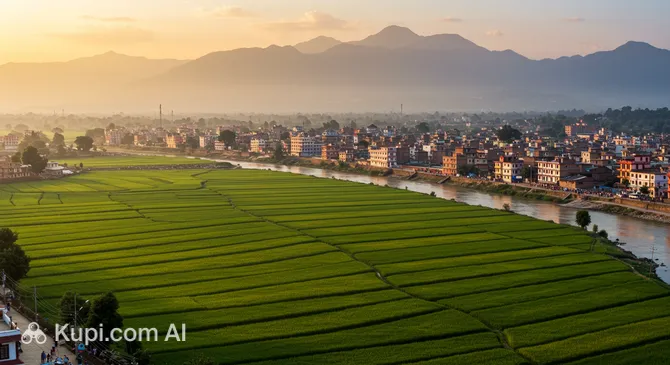
Bhadrapur. Source: Kupi.Binoculars

Bhadrapur is primarily known as the starting point for journeys into the lush tea gardens of Ilam and the rolling hills of the eastern Himalayas. The local Chandragadhi Airport connects the town to the capital, making it a convenient entry point for travelers. Nearby, the Mechi Bridge offers scenic views of the river, while local temples provide a glimpse into the spiritual life of the residents.

Whether you are passing through on your way to the mountains or looking to experience the authentic lifestyle of the Terai plains, Bhadrapur welcomes you with warm hospitality. It is an excellent stop for those seeking to discover the diverse landscapes and hidden gems of eastern Nepal.

Weather Overview

The climate in Bhadrapur is characterized by distinct seasonal variations, ranging from warm, humid summers to mild and dry winters. Generally, travelers should expect significant differences in conditions depending on the time of year, with temperatures peaking in the spring and summer months. For a more detailed breakdown of what to expect during your visit, checking the weather in Bhadrapur is recommended.

During the summer season, particularly from June to August, the weather is warm with average temperatures hovering around 27°C. This period corresponds with the region's wet season, where rainfall becomes a daily occurrence; July and August can see up to 30 wet days per month. While the days are warm, the frequent precipitation keeps the landscape lush and green.

In contrast, the winter months offer a cooler and much drier experience. January is typically the coldest month, with average temperatures dropping to 15.0°C and nighttime lows around 9.1°C. Precipitation is extremely rare during this time, with November and December often recording almost no wet days, making it an ideal time for those who prefer clear skies and moderate temperatures.

Interesting Facts

Beyond the main attractions, Bhadrapur holds many fascinating secrets that reveal its deep historical roots and cultural significance. While often seen merely as a gateway to the hills, the city itself possesses a unique character shaped by ancient legends and pioneering agricultural milestones.
  • A Legendary Battleground: Just a short distance from the city lies Kichchakbadh, a significant archaeological site spanning roughly 10 hectares. Local folklore and ancient texts suggest this is the precise location where Bhima, a central figure in the Mahabharata epic, defeated the army commander Kichaka, making it a site of great mythological importance.

  • The Birthplace of Private Tea: While the hills of Ilam are globally famous for their tea, Bhadrapur holds the distinction of hosting the Budhakaran Tea Estate. Established in the early 1960s, it is recognized as the first private tea estate in Nepal, playing a pivotal role in introducing commercial tea cultivation to the fertile Terai plains.

  • A City Preserved by History: For decades, Bhadrapur was the undisputed commercial hub of the eastern region due to its proximity to the Indian border. However, when the major East-West Highway was constructed further north, the commercial epicenter shifted to Birtamod. This historical twist allowed Bhadrapur to retain a quieter, more nostalgic atmosphere, sparing it from the chaotic urbanization seen in newer towns.

How to Get There

Reaching this eastern hub is relatively straightforward, thanks to its own airfield and proximity to major transport routes. Whether you are arriving from within Nepal or crossing the border from India, there are viable options for your journey. For a comprehensive guide on routes and transportation modes, you can check more about how to get to Bhadrapur.

The most convenient entry point is Bhadrapur Airport (BDP), also known as Chandragadhi Airport. Situated just 3.8 km from the city center, it serves as a primary gateway to the region with regular flights connecting to Kathmandu. The short commute from the terminal to the town center typically takes about 10 to 15 minutes by taxi or rickshaw.

Travelers coming from international destinations often opt for Bagdogra Airport (IXB) in neighboring India, located approximately 29.5 km away. From here, the journey involves a drive to the border crossing at the Mechi Bridge. The total trip, including the drive and immigration formalities, usually takes around 1 hour and 5 minutes, making it a practical alternative for many visitors.

Here is a summary of the nearest airports to help you plan your arrival:

Airport Name City Passenger Traffic Km from City
Bagdogra Airport Siliguri Large 29.5
Saidpur Airport Saidpur Medium 119.5
Biratnagar Airport Biratnagar Medium 81.5
Bhadrapur Airport Bhadrapur Medium 3.8
Pakyong Airport Gangtok Small 91.6

Main Attractions

One of the most significant historical sites in the area is Kichchakbadh, located just a few kilometers from the main town. Steeped in mythology, this archaeological site is believed to be the place where Bhima, a central figure in the Mahabharata epic, defeated the army commander Kichaka. Today, visitors can explore the ancient ruins and a dedicated temple, making it a fascinating destination for both history enthusiasts and spiritual seekers looking to connect with the region's legendary past.

Bhadrapur is often celebrated as the "Tea City" of Nepal, and a visit here would be incomplete without exploring its lush Tea Gardens. The town and its surroundings are dotted with sprawling estates, including the historic Budhakaran Tea Estate, which played a pioneering role in Nepal's tea industry. A walk through these verdant plantations offers a serene escape from the urban bustle, allowing travelers to observe local cultivation methods and enjoy the refreshing greenery that defines the landscape.

For a scenic view of the borderlands, the Mechi Bridge is a popular landmark connecting Nepal with India. Spanning the Mechi River, the bridge serves not only as a vital trade link but also as a recreational spot for locals and tourists. It is particularly lively in the evenings when visitors gather to enjoy the cool river breeze and watch the sunset over the water, offering a unique perspective on the daily life that flows between the two nations.

Religious travelers often visit the local Devi and Shiva Temples scattered throughout the municipality. These sacred sites are centers of community life, especially during major festivals when they come alive with vibrant decorations and traditional rituals. They provide a quiet space for reflection and offer a glimpse into the deep-rooted spiritual traditions that characterize the diverse population of this historic town.

Local Cuisine

The culinary landscape of Bhadrapur is a delightful reflection of its geographic location in the fertile Terai plains and its proximity to the Indian border. The local cuisine offers a vibrant fusion of traditional Nepali flavors with distinct influences from neighboring Indian states. Being an agricultural hub, the city prides itself on using fresh, locally grown ingredients, particularly rice and vegetables, which form the backbone of the daily diet.

For a true taste of the region, visitors must try the local rendition of Dal Bhat Tarkari. While this lentil soup, rice, and vegetable curry combo is a staple across the country, the version here often features spicy pickles and curries that carry a punchier heat, typical of the plains. Another must-try dish in eastern Nepal is Sekuwa, traditional meat roasted over a natural wood fire. Marinated with a blend of natural herbs and spices, it is a favorite evening snack among locals, often enjoyed with puffed rice.

Street food culture is thriving in Bhadrapur, with Chatpate reigning supreme. This spicy, tangy mixture of puffed rice, instant noodles, chickpeas, fresh onions, and chilies is a beloved snack in the Jhapa district. You will also find plenty of stalls selling Samosas and Pani Puri (locally known as Phuchka), which are perfect for a quick bite while exploring the markets. Of course, no city in the region is complete without Momo, steamed dumplings filled with meat or vegetables, served with a spicy tomato chutney.

Given Bhadrapur's reputation as the "Tea City" of Nepal, tea is more than just a drink here; it is a way of life. You can enjoy a cup of rich, sweet milk tea (Chiya) at almost any street corner, or sample fresh orthodox tea sourced directly from the nearby estates. To beat the heat of the Terai summer, locals often turn to Lassi, a refreshing yogurt-based drink, or fresh sugarcane juice, which is widely available during the harvest season.

The dining scene in Bhadrapur is generally informal and welcoming. Instead of high-end fine dining, you are more likely to find bustling family-run restaurants and "Thakali" kitchens that offer authentic homemade meals. The local markets are also a great place to experience the food culture, where the aroma of frying spices and freshly brewed tea creates an inviting atmosphere for hungry travelers.

Travel Tips

Planning a trip to Bhadrapur offers a unique opportunity to experience the authentic lifestyle of the eastern Terai, but a little preparation goes a long way in this historic border town. To help you navigate the local customs, climate, and logistics with ease, here are some practical tips for a smooth and enjoyable journey.

  1. Clothing and Gear: Since Bhadrapur is located in the plains, the climate can be quite hot and humid, especially in summer. Pack light, breathable cotton clothes to stay comfortable. If you are visiting during winter (December to February), bring a light jacket or sweater for the chilly mornings and evenings. When visiting religious sites like the local Devi temples, remember to dress modestly; shoulders and knees should be covered, and you will need to remove your shoes.

  2. Transportation: For getting around the city and short distances, the most popular and convenient mode of transport is the electric rickshaw, locally known as a "City Safari." They are eco-friendly, affordable, and readily available. Taxis are generally found near Nepal's Chandragadhi Airport or can be arranged by your hotel for longer trips to Ilam or the border.

  3. Finances: The official currency is the Nepalese Rupee (NPR). While major hotels may accept credit cards, cash is king in local markets, small eateries, and for paying rickshaw drivers. There are several ATMs in the main market area of Bhadrapur, but it is wise to carry enough small denominations. Indian Rupees are often accepted due to the proximity to the border, but denominations of 500 and above are typically restricted, so stick to NPR to be safe.

  4. Health and Safety: As Bhadrapur is in a tropical zone, mosquito repellent is an essential item to pack to protect against insect-borne ailments, particularly in the evenings. Pharmacies are available in the town center, but carrying a basic first-aid kit is recommended. Always drink bottled or boiled water and avoid tap water to prevent stomach issues.

  5. Communication: The primary language is Nepali, though many people in the tourism and hospitality sectors understand basic English. Learning a few local phrases like "Namaste" (Hello) and "Dhanyabaad" (Thank you) will be greatly appreciated. precise mobile connectivity, you can easily purchase a SIM card (Ncell or Nepal Telecom) at local shops with a passport size photo and a copy of your ID.

  6. Local Etiquette: The traditional greeting is a warm Namaste with palms pressed together. It is polite to use your right hand for giving or receiving money, gifts, or food, as the left hand is considered reserved for personal hygiene. Public displays of affection are generally frowned upon in this conservative society.

  7. What to Avoid: Do not enter a temple or a local's home with your shoes on; look for the designated shoe rack or leave them at the entrance. Additionally, avoid raising your voice or showing anger in public, as maintaining harmony and "saving face" is culturally important.

  8. Local Insight: Since Bhadrapur is a gateway to the tea region, take the time to enjoy a cup of local tea (Chiya) at a roadside stall. It is not just a drink but a social activity here. Also, early mornings are the best time to explore the market or the Mechi riverbank before the midday heat sets in.

By keeping these practical tips in mind, you will be well-equipped to embrace the slow-paced charm and warm hospitality of Bhadrapur. Whether you are sipping tea by the river or catching a rickshaw through the bustling streets, blending in with the local rhythm will make your visit truly memorable.

Entertainment & Nightlife

Unlike the bustling tourist hubs of Kathmandu or Pokhara, the nightlife in Bhadrapur is significantly more subdued and revolves primarily around social dining and relaxed evenings rather than high-energy clubbing. As a border town in the Terai plains, the "nightlife" here is best described as a time for locals and travelers to unwind with good food and drinks after a long day. The atmosphere is generally laid-back, family-friendly, and centers on hospitality rather than partying.

The evening scene is concentrated mainly around Chandragadhi and the area near the airport. Here, you will not find neon-lit discotheques or all-night dance floors. Instead, the town offers a selection of "restro-bars" and hotel lounges where the vibe is casual and the dress code is informal. These venues typically stay open until around 10:00 PM, so it is advisable to start your evening early to make the most of the experience.

For a reliable and comfortable evening out, the Airport Hotel Bhadrapur is a top choice. Its bar and lounge area offer a "modern yet traditional" ambiance where you can enjoy a range of cocktails, international spirits, and local beers. It is a popular spot for both business travelers and tourists looking for a safe and polished environment to relax. Occasionally, the hotel hosts live music events or themed dinners, adding a bit of vibrancy to the quiet nights.

If you prefer a more local and lively atmosphere, Jhapa's Restro & Bar (J's R&B) on the Bhadrapur Road is a favorite among residents. Known for its delicious food—especially the spicy momos and grilled sekuwa—this venue offers a bustling setting where you can enjoy drinks and conversation. Another excellent option is The Hidden Hut, which is well-regarded for its cozy setting and friendly service, making it a perfect spot for a quiet dinner with drinks.

For entertainment beyond dining, movie lovers can catch a show at the Krishna Raj Complex near the airport. This cinema hall screens the latest Nepali and Bollywood films, offering a classic local movie-going experience. It is a great way to spend an evening if you want to immerse yourself in popular culture.

Practical Advice for the Evening:

  • Transport: The most common way to get around at night is by electric rickshaw, known locally as a "City Safari." However, these become scarce after 9:00 PM. If you plan to stay out late, it is best to arrange transportation with your hotel or keep a driver's number handy.
  • Safety: Bhadrapur is generally safe, but street lighting can be inconsistent in some areas. It is recommended to stick to main roads and avoid walking alone in unlit areas late at night.
  • Prices: Entertainment and dining here are very affordable compared to the capital. A hearty meal with drinks will cost significantly less than in major tourist cities.

While the nights are quiet, Bhadrapur offers plenty of daytime activities to fill your schedule before the sun sets. Visitors can explore the lush tea gardens that fringe the town, offering a scenic and peaceful retreat. History enthusiasts can visit the ancient Kichchakbadh archaeological site, while the Mechi Bridge provides a perfect backdrop for a late afternoon walk to watch the sunset over the river before heading out for dinner.

Parks & Museums

While Bhadrapur may not be famous for manicured botanical gardens or large indoor museums, it offers a wealth of open-air natural beauty and deep-rooted historical significance. The city's "green spaces" are defined by sprawling agricultural estates and riverine landscapes, while its "museums" are the living archaeological sites and temples that preserve the region's ancient past. For visitors, the charm lies in exploring these authentic, uncurated environments.

The most prominent natural attractions in the area are the lush Tea Gardens. As the historical birthplace of the country's private tea industry, the town is surrounded by emerald-green plantations, including the renowned Budhakaran Tea Estate. These gardens serve as the city's primary recreational areas, where locals and tourists alike can enjoy peaceful walks amidst the manicured bushes. The serene atmosphere, combined with the fresh aroma of tea leaves, provides a perfect escape from the urban hustle and offers excellent opportunities for photography.

Another significant natural area is the Mechi Riverbank. Serving as a natural border with India, the river's edge is a popular spot for evening strolls and picnics. The open landscape offers unobstructed views of the sunset, and the cool breeze from the water makes it a refreshing retreat during the warmer months. It is a raw, natural space where you can observe the daily rhythms of life, from fishermen at work to families enjoying the outdoors.

In terms of cultural heritage, the Kichchakbadh archaeological site acts as the city's most important "open-air museum." Located a few kilometers from the center, this protected area is steeped in Mahabharata legends and contains the ruins of an ancient fortification. Excavations have unearthed artifacts such as bricks, pottery, and idols dating back centuries. Visiting this site offers a direct connection to the region's mythological and historical timeline, effectively functioning as a gallery of the past.

The city's religious architecture also serves as a repository of local art and culture. The Krishna Mandir and various Shiva temples throughout the municipality display traditional Nepali craftsmanship, stone carvings, and religious iconography. These sites are not just places of worship but are cultural landmarks that reflect the spiritual heritage and artistic traditions of the diverse community residing in Nepal's eastern plains.

For a truly authentic experience, try to visit during the weekly Haat Bazaar (local market). While not a park or museum, this vibrant gathering is a cultural spectacle where farmers from surrounding villages sell fresh produce and handmade goods. It offers a colorful, sensory-rich insight into the local lifestyle that no static exhibit could match.

Getting Around

Navigating Bhadrapur is a straightforward and authentic experience, quite different from the complex transit networks found in major metropolitan hubs. As a relatively small municipality in the plains, the city does not have a metro, tram, or municipal train system. Instead, the public transport infrastructure relies entirely on road-based vehicles, offering a more personalized and informal way to explore the area.

The most popular and ubiquitous mode of transport is the electric rickshaw, locally known as the "City Safari." These three-wheeled, battery-operated vehicles have revolutionized local travel, replacing older pedal rickshaws. They are eco-friendly, quiet, and can be found on almost every street corner. Perfect for short to medium distances, they can seat up to four passengers and are the primary way locals commute between the market, the airport, and residential areas.

For longer distances or travel to neighboring towns like Birtamod or the Indian border, local buses are available. These depart frequently from the main bus park and are a cost-effective option, though they can be crowded and slower due to frequent stops. Taxis are also available, primarily stationed near Chandragadhi Airport and major intersections. They offer more comfort and privacy, making them the preferred choice for travelers with heavy luggage or those heading to destinations not covered by rickshaws.

The payment system in Bhadrapur is entirely cash-based. There are no travel cards, digital passes, or mobile apps for ticketing. When using a City Safari or taxi, it is customary to pay the driver directly in Nepalese Rupees (NPR) at the end of the journey. Fares for electric rickshaws are generally standardized for specific routes within the town, but it is always wise to confirm the price before hopping in. Taxis typically do not run on meters, so negotiating and agreeing on a fare beforehand is essential.

Tourists will find the transport system easy to use, even without a schedule. To catch a rickshaw, simply wave one down from the side of the road; they are abundant during daylight hours. Operations typically start early in the morning around 6:00 AM and wind down by 9:00 PM. After this time, finding public transport can be difficult, so it is advisable to arrange a ride in advance if you plan to be out late.

While there are no car-sharing apps or official bike rental schemes, the compact nature of the city center makes walking a viable and pleasant alternative, especially during the cooler mornings. For day trips to the tea gardens or the countryside, hiring a vehicle with a driver for the day is a popular option, which can be arranged through most local hotels.

Accommodation

Accommodation in Bhadrapur is designed primarily to serve the needs of transit passengers, business travelers, and those crossing the border. The city generally does not offer high-end luxury resorts or sprawling 5-star properties. Instead, visitors will find a practical selection of budget guesthouses, comfortable mid-range hotels, and family-run lodges. These establishments focus on providing clean, safe, and functional lodging, ensuring a restful stopover before heading to the hills of Ilam or flying to Kathmandu.

When choosing a location, the most popular area is undoubtedly the vicinity of Chandragadhi Airport. Staying here is extremely convenient for travelers with early morning flights or those arriving late in the evening. For those who prefer to be closer to local life, the town center (Chandragadhi) offers easy access to markets, government offices, and transport hubs for buses and rickshaws. There are also several basic transit lodges located near the border crossing for those heading into or out of India.

In terms of cost, Bhadrapur is a very affordable destination. Budget travelers can find basic rooms with fans and shared or private bathrooms for a modest price. Mid-range hotels typically offer air conditioning, Wi-Fi, television, and attached bathrooms, catering to those seeking more comfort. Prices here are generally lower than in major tourist hubs like Pokhara or Kathmandu.

While major hotels may be listed on international booking platforms, many smaller guesthouses still operate on a walk-in basis or via direct phone reservations. It is a good travel tip to book in advance if you are visiting during the wedding season or major festivals, as the best rooms can fill up quickly. Additionally, carrying sufficient cash is advisable, as smaller lodges may not accept credit cards.

Nearby Cities

Situated in the southeastern corner of the country, Bhadrapur serves as a convenient gateway to the diverse landscapes of Koshi Province. Its location near the Indian border and its connectivity via Chandragadhi Airport make it an excellent starting point for exploring the eastern region of Nepal. From the bustling industrial hubs of the plains to the scenic foothills of the Himalayas, several fascinating cities are within reachable distance for travelers looking to extend their journey.

Here is an overview of the nearest major cities and towns that you can visit from Bhadrapur:

City Population Distance (km)
Biratnagar 242,548 81
Dharan 116,181 85
Janakpur 97,776 214
Bhaktapur 81,748 292
Kathmandu 975,453 303

Biratnagar, located approximately 81 kilometers west, is one of the most prominent metropolitan cities in the region. Known as the industrial capital of Nepal, it offers a distinct contrast to the quieter vibe of Bhadrapur. Visitors here can explore vibrant local markets, observe the bustling trade dynamics of the Terai, and visit sites of historical and political significance. It is a key hub for those interested in the commercial heartbeat of eastern Nepal.

Just a bit further north lies Dharan, a beautiful sub-metropolitan city situated at the foothills of the Mahabharat range. Famous for its cleanliness, diverse culture, and pleasant weather, it serves as the gateway to the eastern hills. Travelers often flock here to visit the sacred Budhasubba and Dantakali temples or to use the city as a base for trips to the scenic hill station of Bhedetar, which offers panoramic views of the Himalayas and the plains below.

For those interested in rich cultural heritage, a trip to Janakpur is highly recommended, though it requires a longer drive across the plains. As the mythological birthplace of Goddess Sita, it is home to the magnificent Janaki Mandir, a masterpiece of Mughal and Koirala architecture. The city is the center of Mithila culture, known for its unique art, festivals, and deep spiritual atmosphere, making it a captivating destination for history and culture enthusiasts.

Shopping & Souvenirs

Shopping in Bhadrapur offers a distinctively local experience, far removed from the glitzy malls of larger metropolitan cities. As a border town and a gateway to the eastern hills, the commercial scene here is driven by practicality and trade. Visitors will find a bustle of small enterprises, family-run shops, and vibrant street stalls rather than high-end fashion boutiques. It is an excellent place to observe the daily economic life of the Terai and to pick up authentic local goods at reasonable prices.

The primary shopping activities are concentrated around the Chandragadhi area and the main Bhadrapur Bazaar. These streets are lined with a variety of stores selling everything from clothing and electronics to household wares. The proximity to the Indian border means that a wide array of goods flows through these markets, offering shoppers a diverse selection of items. Walking down the main road, you can browse through colorful textile shops, jewelry stores, and general merchants that cater to the local population.

While you will not find sprawling modern shopping malls, the city features several commercial complexes that serve as modern shopping hubs. Buildings like the Krishna Raj Complex and other multi-story commercial centers in the town center house a mix of retail outlets, mobile shops, and eateries. These spots provide a more organized shopping environment where you can find branded apparel, footwear, and accessories in air-conditioned comfort.

For a truly immersive experience, a visit to the local Haat Bazaar (weekly market) is a must. These open-air markets are the heartbeat of the region, where farmers from surrounding villages gather to sell fresh organic vegetables, spices, and homemade products. It is a chaotic, colorful, and sensory-rich environment where you can buy seasonal fruits, local handicrafts, and everyday essentials while mingling with the friendly residents of Jhapa.

When it comes to souvenirs, Bhadrapur lives up to its reputation as the "Tea City" of Nepal. The region is famous for producing high-quality Orthodox Tea, which makes for the perfect gift to take home. You can find specialty tea shops selling fresh loose-leaf varieties sourced directly from nearby estates like Budhakaran. Additionally, traditional Dhaka fabric (a hand-woven cotton textile) and locally made bamboo crafts are popular items that reflect the artistic heritage of eastern Nepal.

Most shops in Bhadrapur typically open around 10:00 AM and close by 8:00 PM. Payment is almost exclusively done in cash (Nepalese Rupees), especially in smaller shops and the Haat Bazaar. While some larger showrooms and hotels may accept cards, it is highly recommended to carry sufficient cash. Bargaining is a common practice in street markets and smaller stalls, so do not hesitate to negotiate a fair price with a smile.

Reached the end of the page?

That means the route is fully explored