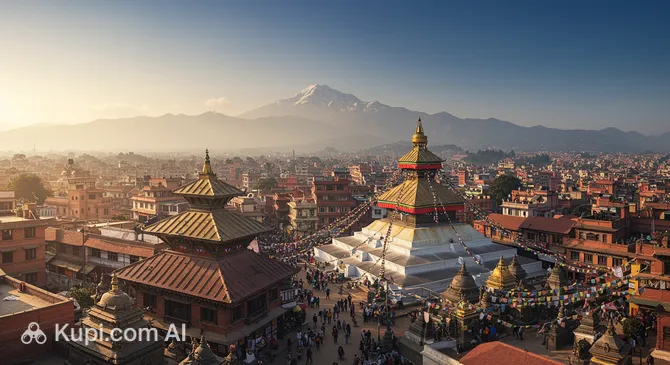
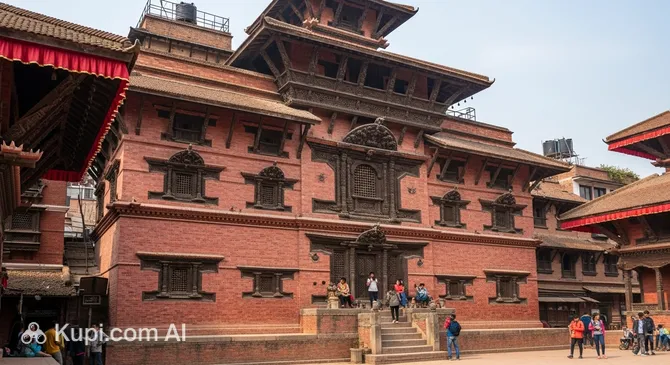
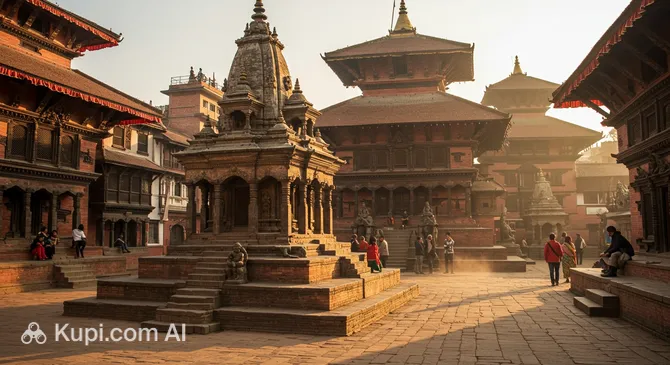
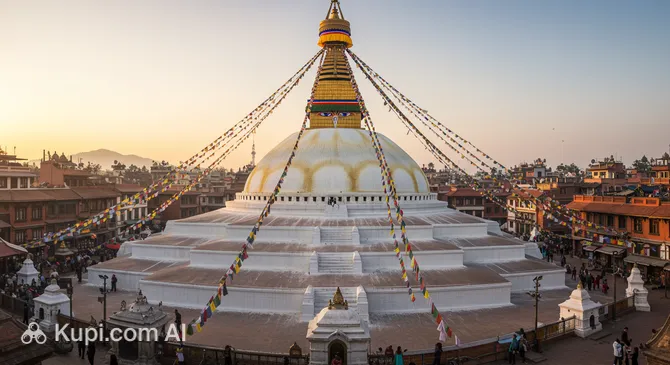
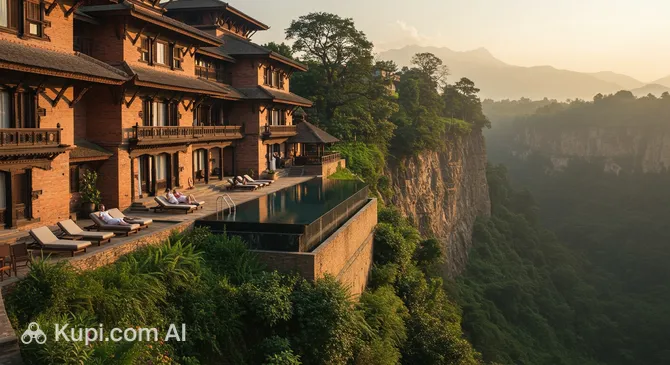
Kathmandu, the vibrant capital of Nepal, is a city where ancient traditions seamlessly blend with modern life. Stepping into this bustling metropolis feels like entering a living museum, where intricate architecture, spiritual devotion, and the energetic pace of daily existence create a truly unique atmosphere. It serves as the gateway to the Himalayas and the cultural heart of the nation.
Kathmandu. Illustration.
Source: Kupi.com AI
Geographically, the city is situated in the bowl-shaped Kathmandu Valley in the Bagmati Province, standing at an elevation of approximately 1,400 meters (4,600 feet) above sea level. This location provides a generally mild climate, though mornings can be crisp. With a population of nearly one million residents, it is the largest urban agglomeration in the country, buzzing with activity from dawn until dusk.
The history of Kathmandu is incredibly rich, spanning nearly two millennia. Once a key stop on ancient trade routes between India and Tibet, the city has evolved into a treasure trove of art and culture. It is often affectionately called the "City of Temples" due to the sheer number of religious monuments found around every corner, reflecting a harmonious coexistence of Hinduism and Buddhism.
Travelers are drawn to its remarkable landmarks, particularly the UNESCO World Heritage Sites. The historic Kathmandu Durbar Square offers a glimpse into royal history with its palaces and courtyards, while the iconic Swayambhunath Stupa (Monkey Temple) provides panoramic views of the valley. Whether you are seeking spiritual enlightenment or architectural marvels, Kathmandu promises an unforgettable journey.
Weather Overview
Understanding the local climate is essential for packing the right gear for your trip. The weather in Kathmandu is generally mild due to the valley's elevation, featuring distinct seasonal changes. Travelers can generally expect warm summers with frequent rain and cool, dry winters that are perfect for sightseeing if you dress in layers.
The winter months of December and January are the coldest, with average temperatures hovering around 9.8°C to 11.7°C. Nights and mornings can be quite chilly, as minimum temperatures drop to approximately 5.0°C. However, this is also the driest period of the year, with December seeing as few as 5 wet days, ensuring clear views of the surrounding mountains.
As spring arrives in March and April, the city warms up pleasantly. By May, the average temperature reaches 19.9°C, creating comfortable conditions for outdoor activities. The summer months from June to August bring the monsoon season. While temperatures stay warm with averages around 22.2°C, this is the wettest time of year; July and August can experience rain on up to 31 days a month, so a raincoat is indispensable.
The post-monsoon autumn season, particularly October and November, is often favored by visitors. The rain subsides significantly, with wet days dropping to between 8 and 16 per month. Temperatures begin to cool, ranging from an average of 14.9°C to 18.7°C, offering crisp air and generally sunny skies that are ideal for trekking and exploring the city's heritage sites.
Average monthly temperature
Average monthly precipitation
Interesting Facts
Beyond the main attractions, Kathmandu holds many fascinating secrets that reveal the depth of its cultural heritage and history. From geological myths to living deities, here are some intriguing facts about the Nepalese capital.
Kumari Ghar. Illustration.
Source: Kupi.com AI
Traveler photos:
A Valley Born from a Lake: Geological evidence confirms that the Kathmandu Valley was once a deep Paleo-Kathmandu Lake. According to local legend, the deity Manjushri drained the waters by cutting a gorge at Chobhar with a flaming sword, making the land habitable for the first settlers.
The Living Goddess: Kathmandu is one of the few places in the world where a living deity is worshipped. The Kumari, a young girl revered as the incarnation of the goddess Taleju, resides in the Kumari Ghar. She is chosen through a rigorous process and serves as a protector of the city until she reaches puberty.
Freak Street Legacy: In the 1960s and 70s, the neighborhood of Jhochhen Tole, famously known as "Freak Street," was the epicenter of the global Hippie Trail. Thousands of travelers flocked here for the culture and atmosphere, leaving a lasting mark on the city's tourism history that can still be felt today.
Eyes of the Buddha: The giant stupas of the city, such as the Boudhanath Stupa, feature a unique architectural element: the "Wisdom Eyes" painted on all four sides of the main tower. These eyes symbolize the all-seeing nature of the Buddha, looking out in every cardinal direction to watch over the people.
City of Temples: It is often said that in the older quarters of Kathmandu, there are more temples than houses. The density of religious sites is so high that you might stumble upon centuries-old shrines and stone idols in the most unexpected narrow alleys and courtyards.
How to Get There
Reaching the historic capital of Nepal is the first step of your Himalayan adventure. While the mountainous terrain limits some transport options, the city is well-connected by air and road. For a detailed breakdown of routes, schedules, and travel tips, you can read more about how to get to Kathmandu.
The most direct and common way to arrive is via Tribhuvan International Airport (KTM). Situated within the city itself, it is only about 4 km from the center. As the country's primary international gateway, it welcomes the vast majority of foreign visitors. A taxi or shuttle from the airport to the main tourist district, Thamel, typically takes around 25 to 30 minutes, though traffic can vary. It is a bustling hub connecting Nepal to major cities in Asia and the Middle East.
Another option, primarily for domestic connections or those arriving from the southern plains, is Simara (SIF). This airport is located in the city of Simara, approximately 70 km from Kathmandu. While it handles significantly less traffic than the capital's main hub, it is a key regional point. The journey from Simara to Kathmandu involves a scenic but longer drive, taking roughly 2 hours or more depending on road conditions.
For clarity, here is a summary of the main airports:
Kathmandu does not have a railway station, and the city is not directly accessible by train due to the steep mountainous geography. Travelers wishing to arrive by land typically take buses or private jeeps from border towns or other parts of Nepal. The road journey offers stunning views of the valleys and hills, though it can be lengthy.
Main Attractions
Exploring this historic capital is like walking through a living gallery of art, spirituality, and history. The city's streets are lined with ancient monuments and vibrant shrines that captivate visitors from around the globe. Here are some of the most significant places you should not miss during your visit.
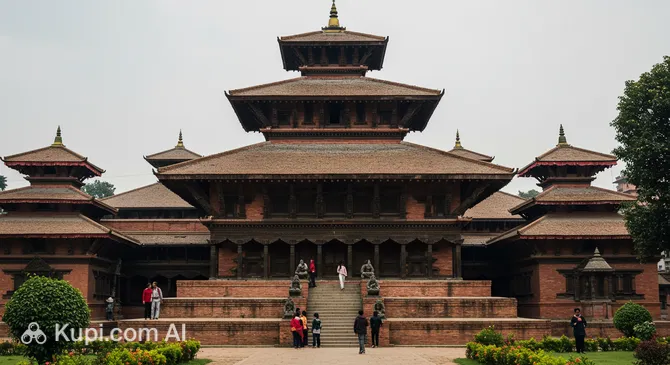
At the heart of the city lies Kathmandu Durbar Square, a stunning complex of palaces, courtyards, and temples that dates back to the Malla period. This UNESCO World Heritage Site was once the residence of the Nepalese royal family and remains a focal point of cultural life. Visitors can marvel at the intricate wood carvings and red brick architecture, or simply sit on the steps of the tiered temples to watch the world go by.
Kathmandu Durbar Square. Illustration.
Source: Kupi.com AI
Traveler photos:
For a deeply spiritual experience, head to the Boudhanath Stupa, one of the largest spherical stupas in the world. Dominating the skyline with its massive white dome and golden spire, it is the center of Tibetan Buddhism in Nepal. The area surrounding the stupa is bustling with monks in maroon robes, pilgrims spinning prayer wheels, and rooftop cafes offering a perfect vantage point to soak in the peaceful atmosphere.
Boudhanath Stupa. Illustration.
Source: Kupi.com AI
Traveler photos:
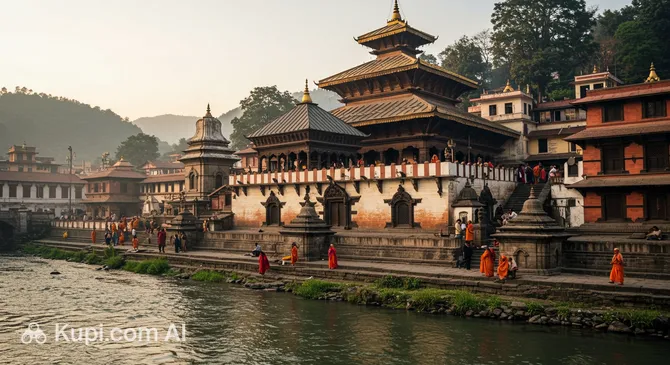
Another site of immense religious importance is the Pashupatinath Temple, situated on the banks of the sacred Bagmati River. Dedicated to Lord Shiva, this sprawling temple complex attracts thousands of Hindu devotees and sadhus (holy men) every year. While non-Hindus are not permitted inside the main temple, the surrounding grounds and the view from the opposite bank offer a profound insight into local rituals and traditions.
Pashupatinath Temple. Illustration.
Source: Kupi.com AI
Traveler photos:
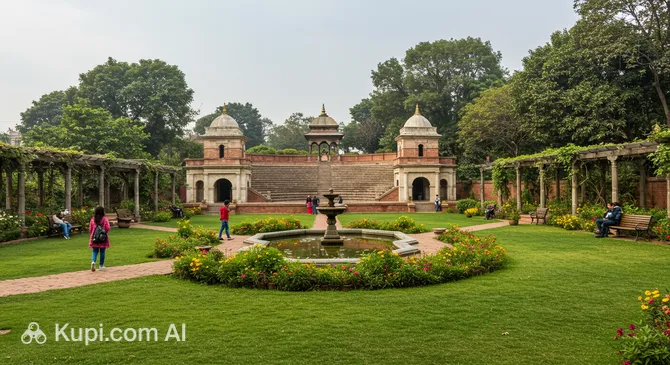
If you are looking for a quiet escape from the city's hustle, the Garden of Dreams is a perfect oasis. Located near the tourist hub of Thamel, this neo-classical garden was built in the 1920s and beautifully restored to its former glory. With its manicured lawns, sunken flower beds, and elegant pavilions, it provides a serene environment to relax, read a book, or enjoy a coffee away from the chaotic streets.
Garden of Dreams. Illustration.
Source: Kupi.com AI
Traveler photos:
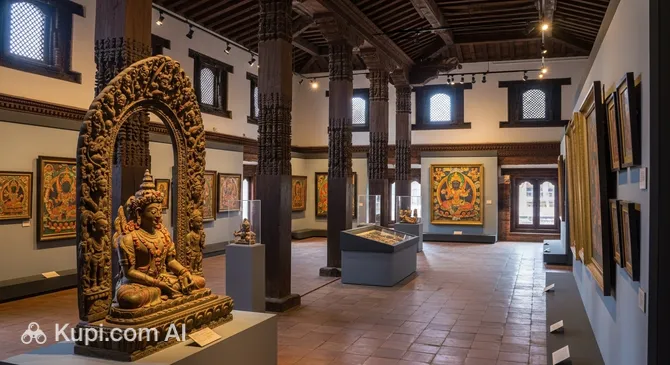
Finally, art lovers should make time for the Patan Museum, located just across the river in the neighboring city of Lalitpur but easily accessible from Kathmandu. Housed within a restored royal palace, it displays one of the finest collections of religious art in Asia. The museum explains the spiritual significance of the sculptures and paintings, making it an excellent educational stop for those interested in the region's heritage.
Local Cuisine
The culinary landscape of Kathmandu is as diverse and colorful as its festivals. A melting pot of flavors, the local cuisine reflects a delightful fusion of Indian spices and Tibetan influences, yet it retains a distinct character deeply rooted in the indigenous Newari culture. Walking through the streets, you are constantly greeted by the aroma of steaming spices, grilling meats, and freshly brewed tea, inviting you to embark on a gastronomic adventure.
No visit to the city is complete without trying Momo, the unofficial national dish of Nepal. These bite-sized dumplings, filled with minced buffalo meat, chicken, or vegetables, are steamed or fried and served with a spicy tomato-based dipping sauce known as achar. Another staple you will encounter everywhere is Dal Bhat Tarkari. This wholesome meal consists of lentil soup, boiled rice, and curried vegetables, often accompanied by pickles and papad. It is the fuel of the Himalayas, famously eaten by locals twice a day for energy.
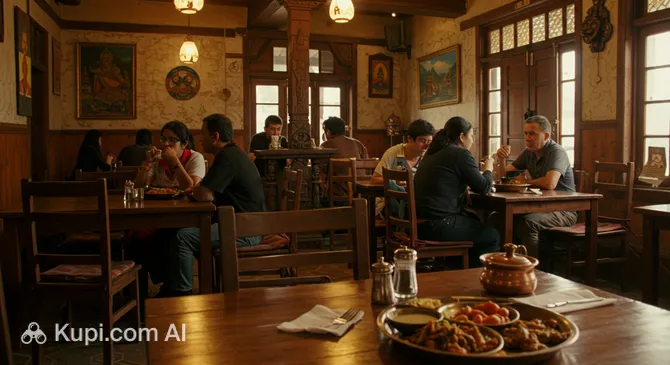
For a taste of the valley's original heritage, you must explore Newari cuisine. Dishes like Chatamari, often referred to as "Nepali pizza" due to its rice flour crepe base and savory toppings, are a must-try. Another popular snack is Bara, a savory lentil pancake that is crispy on the outside and fluffy on the inside. These traditional foods are best enjoyed in the small, bustling eateries hidden within the city's ancient courtyards.
Yala Cafe & Coffee Shop. Illustration.
Source: Kupi.com AI
Traveler photos:
When it comes to beverages, tea culture reigns supreme. Chiya, a sweet and milky spiced tea, is the heartbeat of social life here; you will see locals sipping it at every corner from dawn till dusk. For something refreshing, especially during the warmer months, a glass of sweet or salty Lassi (a yogurt-based drink) from the street stalls near Indra Chowk is incredibly satisfying. Those looking to try local alcohol might enjoy Tongba, a hot millet beer served in a wooden container, or Raksi, a potent traditional rice wine.
The dining scene in Kathmandu ranges from vibrant street food stalls to cozy garden restaurants. The tourist hub of Thamel is packed with international options, but for an authentic experience, follow the locals to the market squares. If you are looking for a comfortable place to unwind with a cup of coffee or a meal after a day of sightseeing, Yala Cafe & Coffee Shop offers a charming atmosphere tucked away from the noise. Whether you are grabbing a quick snack on the go or sitting down for a traditional feast, the city's food will leave a lasting impression on your palate.
Travel Tips
Traveling to Kathmandu is a sensory adventure that can be as chaotic as it is captivating, so being prepared is the key to enjoying your trip. To help you navigate the bustling streets and cultural nuances of this Himalayan capital with ease, here are some essential practical tips.
Clothing and Gear: The weather can vary, so dressing in layers is the best strategy. Mornings and evenings are often cool, even in warmer months. Since you will likely visit religious sites, bring clothes that cover your shoulders and knees to respect local customs. Crucially, pack a good quality face mask or a "Buff"; the city can be quite dusty, and having protection for your lungs while walking or riding in open traffic is a lifesaver.
Transportation: The traffic in Kathmandu is legendary, and getting around requires patience. While local buses and micro-buses are incredibly cheap, they are often crowded and confusing for newcomers. Taxis are plentiful, but you must negotiate the fare before getting in. For a more transparent and often cheaper option, download local ride-hailing apps like Pathao or InDrive, which allow you to book motorcycle or taxi rides at fixed rates.
Finances: The local currency is the Nepalese Rupee (NPR). While credit cards are accepted in major hotels, upscale restaurants, and trekking gear shops in Thamel, cash is king for everything else. ATMs are widely available in tourist areas, but they may charge a withdrawal fee. It is wise to carry smaller denominations for taxis and small vendors who often lack change.
Health and Safety: The most important rule is to never drink tap water. Always buy sealed bottled water or use water purification tablets. Pharmacies abound in the city, especially near hospital areas and Thamel, and many pharmacists speak English. Kathmandu is generally very safe for tourists, but standard precautions against pickpocketing should be taken in crowded markets like Asan Tole.
Communication: English is widely spoken in the tourism sector, so you will have little trouble communicating in hotels and restaurants. However, learning a few words like "Dhanyabaad" (Thank you) goes a long way. To stay connected, buy a local SIM card (Ncell or Nepal Telecom) at the airport upon arrival; you will need a passport-sized photo and a copy of your passport to register.
Local Etiquette: The traditional greeting is "Namaste," accompanied by placing your palms together in a prayer-like gesture. Always remove your shoes before entering a Nepali home or a temple shrine. When giving or receiving money or gifts, use your right hand or both hands; using only the left hand is considered unclean and impolite.
What to Avoid: Do not touch someone's head, as it is considered the most sacred part of the body. Additionally, avoid public displays of affection, such as kissing, which are frowned upon in this conservative society. If you see children begging, it is best not to give them money or candy, as this discourages them from attending school; consider donating to a reputable local charity instead.
Weekend Awareness: Keep in mind that the official weekly holiday in Nepal is Saturday. On this day, government offices and many businesses are closed, and traffic is significantly lighter. Friday is often a half-working day. Plan your administrative tasks, such as visa extensions or permit applications, for Sunday through Thursday to avoid delays.
By keeping these practicalities in mind, you can focus less on the logistics and more on the magic of the city. Embrace the dust, the noise, and the smiles, and Kathmandu will reward you with an experience unlike any other.
Entertainment & Nightlife
Entertainment and Nightlife:
When the sun sets behind the Himalayas, Kathmandu transforms from a spiritual hub into a lively center of entertainment. The nightlife scene here has evolved significantly, offering everything from energetic nightclubs and rock bars to cozy lounges. The epicenter of this activity is undoubtedly the Thamel district. By day, it is a maze of trekking shops and souvenir stalls, but by night, the neon lights flicker on, and the sound of live music spills out onto the narrow streets.
Live music is the heartbeat of Kathmandu's nightlife. The city is famous for its cover bands, which play classic rock, blues, and pop hits with incredible skill. You will find that the atmosphere in Thamel is casual and welcoming; the dress code is generally relaxed, with many patrons coming straight from a day of hiking or sightseeing. For a mix of good vibes, food, and drinks, you can head to Kathmandu Grill Restaurant, which offers a great setting to start your evening.
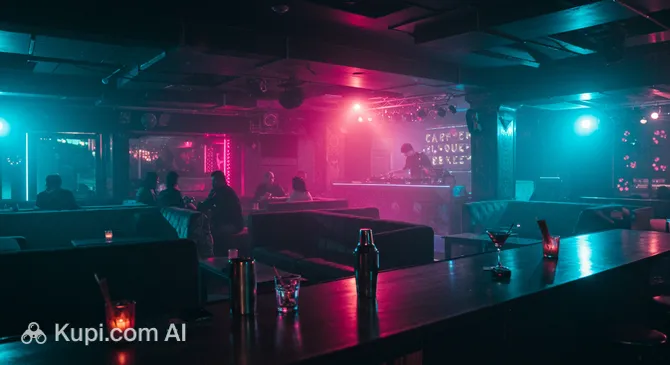
If you are looking for a place to relax with a laid-back ambiance, Carpe Diem Lounge & Bakery is a popular spot among both locals and tourists. It provides a comfortable environment to unwind after a long day. For those who enjoy a more lounge-style experience with shisha, the Mazaaj Restaurant & Sheesha Lounge is another notable venue where you can enjoy the evening with friends.
Carpe Diem Lounge & Bakery. Illustration.
Source: Kupi.com AI
Traveler photos:
Beyond Thamel, the neighborhood of Jhamsikhel in Lalitpur (often called "Jhamel") offers a more upscale and quieter dining and bar scene, popular with expatriates. Durbar Marg is another area known for its high-end restaurants and clubs. However, travelers should be aware of the timing; nightlife in Kathmandu ends relatively early compared to other Asian capitals. Most bars and clubs close by midnight or 1:00 AM, though a few designated spots may stay open later on weekends (Friday nights are the busiest).
Safety and Practical Tips: While the main tourist areas are generally safe, the streets can be poorly lit. It is advisable to avoid walking alone in dark alleys late at night. Taxis are readily available, but they often do not use meters at night, so be prepared to negotiate or use a ride-sharing app like Pathao for a fair price. Prices for drinks and entry fees are generally affordable by international standards, though high-end clubs in Durbar Marg can be pricier.
During the daylight hours, the city offers a different kind of entertainment. History buffs should not miss the National Museum of Nepal, which houses an extensive collection of artifacts, weaponry, and art that chronicles the nation's past. It provides a fascinating context to the sights you see around the valley.
National Museum of Nepal. Illustration.
Source: Kupi.com AI
Traveler photos:
For families or those looking for lighthearted fun, the Kathmandu Fun Park is a bustling spot with rides and games, popular with local families. Alternatively, movie lovers can catch the latest Bollywood or Hollywood releases at modern multiplexes like Eyeplex Mall, which offers a comfortable cinema experience.
Parks & Museums
While the city is famous for its dense urban fabric and ancient squares, Kathmandu also offers serene green spaces and world-class museums that allow visitors to dive deeper into its culture and natural beauty. Whether you are looking to escape the dust and noise for a few hours or wish to understand the artistic legacy of the Himalayas, these spots provide a perfect counterbalance to the busy streets.
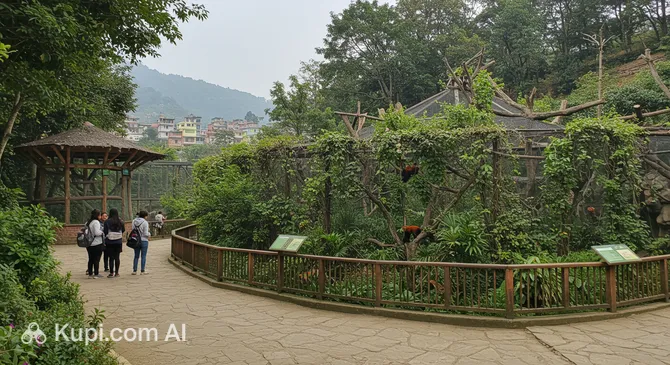
For nature lovers and families, the Central Zoo is a major attraction located in Jawalakhel, just a short drive from the city center. As the only zoo in Nepal, it serves as a sanctuary for diverse wildlife, including the endangered One-horned Rhinoceros, Royal Bengal Tiger, and various Himalayan bird species. It offers a rare chance to see the country's rich fauna up close without trekking into the wild, making it a favorite weekend spot for locals.
Central Zoo. Illustration.
Source: Kupi.com AI
Traveler photos:
Another refreshing escape is Balaju Park, situated at the foot of the Nagarjun hill. This tranquil garden is famous for its 22 historic stone water spouts, which channel cool spring water, and a replica of the sleeping Vishnu deity. It is a quieter alternative to the more tourist-heavy spots, offering a peaceful environment for picnics and leisurely walks amidst lush greenery.
To truly appreciate the artistic heritage of the valley, a visit to the Museum of Nepali Art (MoNA) is essential. Hidden within the Kathmandu Guest House in Thamel, this gallery showcases a stunning collection of traditional and contemporary masterpieces. It focuses on the evolution of Nepali art, featuring intricate Paubha paintings and sculptures that highlight the incredible craftsmanship of local artisans.
Museum of Nepali Art. Illustration.
Source: Kupi.com AI
Traveler photos:
History enthusiasts should also explore the Narayanhiti Palace Museum. Once the residence of the Shah monarchs, this modern palace has been converted into a museum where visitors can walk through the grand throne rooms and banquet halls, gaining insight into the lifestyle of Nepal's former royalty. Additionally, the National Museum of Nepal in Chhauni remains the premier institution for archaeological treasures, housing ancient statues, weapons, and coins that trace the nation's history back to the dawn of civilization.
For a unique cultural experience, look for the smaller, specialized galleries around Patan and Kathmandu. Many of these hidden venues are located in restored traditional homes, offering an intimate look at the valley's living heritage. A quiet afternoon spent in these museums or under the shade of a Jacaranda tree in the parks is the perfect way to recharge during your travels.
Getting Around
Public transport in Kathmandu is a bustling, road-based network that serves as the lifeline of the city. Unlike many modern capitals, there is no metro or tram system here. Instead, the streets are navigated by a colorful mix of vehicles, ranging from large cooperative buses to small minivans and electric three-wheelers. For a tourist, using local transport is an authentic and incredibly affordable way to explore the valley, though it can be somewhat chaotic and crowded during peak hours.
The most reliable option for visitors is the Sajha Yatayat bus service. These large green buses are more organized, spacious, and comfortable than their counterparts, running on major routes across the city. In contrast, the ubiquitous minibuses (often called "micros") cover a vast network of smaller roads. These vans are faster but tend to be packed tightly with passengers. You will easily spot them by the conductors hanging out the door, shouting the names of destinations to people on the street.
A unique and eco-friendly feature of the city's transport system is the Safa Tempo. These white, battery-operated three-wheelers were introduced to combat pollution and have become an iconic part of the urban landscape. They run on fixed routes and feature two parallel benches in the back where passengers sit facing each other. Riding a Safa Tempo is a quintessential Kathmandu experience, offering a cleaner and quieter alternative to diesel vehicles.
The payment system is almost exclusively cash-based. There are no travel cards or digital ticketing apps for tourists. You pay the conductor directly, either during the journey or upon exiting. Fares are extremely low, typically ranging from 15 to 35 NPR for most city trips. It is essential to carry small bills (10, 20, and 50 Rupee notes), as conductors often do not have change for large denominations.
Operating hours for public transport generally run from roughly 5:30 AM to 8:00 PM. It is important to note that buses become very scarce after dark, so you should plan to be back or switch to alternative transport in the evening. Designated bus stops exist on major roads, but in many areas, you can simply wave at a bus to stop it. To get off, signal the conductor or tap on the roof of the vehicle.
For a more convenient and private alternative, taxis are widely available. These are small white cars with black license plates. While they have meters, drivers often prefer to negotiate a flat rate with tourists. To avoid bargaining, the most popular option nowadays is using ride-sharing apps like Pathao or InDrive. These apps allow you to book a motorcycle or car ride at a fixed, fair price, making them the most efficient way to navigate the heavy traffic.
Finally, within the narrow alleys of the old city and the tourist hub of Thamel, traditional cycle rickshaws are still in use. They are perfect for short distances where cars cannot fit. While they are more expensive per kilometer than a bus, they offer a leisurely and atmospheric way to see the historic streets without getting tired.
Accommodation
Where to Stay:
Finding the perfect place to rest in Kathmandu is easy, as the city caters to every budget and preference. Whether you are a backpacker looking for a lively hostel, a culture enthusiast seeking a restored heritage home, or a luxury traveler wanting five-star amenities, the capital has it all. The accommodation scene here is as diverse as the city itself, blending traditional Nepalese hospitality with modern comforts.
The most popular area for tourists is undoubtedly Thamel. This bustling neighborhood is a maze of narrow streets packed with hotels, guesthouses, and lodges. It is the center of action, where you are steps away from restaurants, trekking shops, and nightlife. Staying here means you are in the heart of the traveler community, making it easy to meet fellow adventurers and arrange excursions.
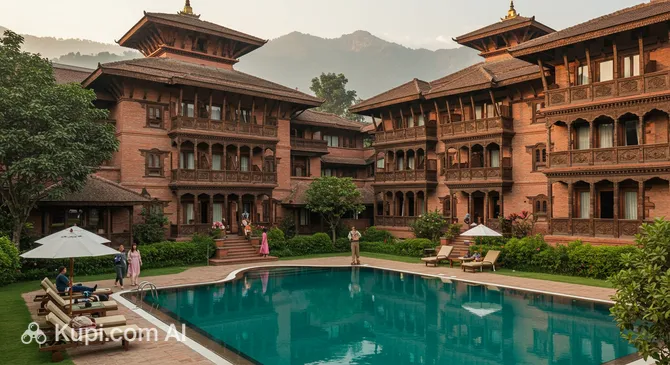
For those seeking a more luxurious and tranquil experience, the city boasts several high-end properties that serve as peaceful sanctuaries. A prime example is Soaltee Kathmandu, a legendary hotel that has hosted dignitaries and celebrities for decades. Spread across lush gardens, it offers a blend of royal heritage and contemporary luxury, providing a stark contrast to the chaotic streets outside.
Soaltee Kathmandu. Illustration.
Source: Kupi.com AI
Traveler photos:
If you prefer a location steeped in spirituality, consider staying in the Boudha area. Waking up to the sound of chanting monks and the sight of the magnificent stupa is a unique experience. Alternatively, the neighboring city of Patan (Lalitpur) offers charming boutique hotels housed in restored Newari brick houses, perfect for those who appreciate architecture and a quieter atmosphere.
For travelers looking to combine their stay with adrenaline-pumping activities, there are resort options situated a bit further afield. The Last Resort is a famous destination for adventure lovers. Although it is located a few hours drive from the city near the Tibetan border, it is often the go-to getaway for bungee jumping and canyoning, offering tented accommodation amidst nature.
The Last Resort. Illustration.
Source: Kupi.com AI
Traveler photos:
When booking your stay, keep in mind that while most mid-range and luxury hotels offer 24-hour power backup and Wi-Fi, these amenities might be less reliable in budget guesthouses. Additionally, central heating is not standard in all hotels, so if you are visiting during the winter months of December or January, it is wise to confirm that your room has a heater or electric blankets.
Nearby Cities
For those looking to explore the surroundings, Kathmandu serves as an excellent base for day trips to several interesting nearby locations:
Just a short distance from the capital lies Bhaktapur, often referred to as the "City of Devotees." This UNESCO World Heritage site is renowned for its well-preserved medieval architecture, traffic-free streets, and the famous "JuJu Dhau" (King Curd). Walking through its ancient squares, lined with red-brick buildings and intricate wood carvings, feels like stepping back in time to the Malla era.
For panoramic views of the Himalayas, Nagarkot is a favorite destination. Located on a ridge on the edge of the valley, it offers one of the broadest views of the mountain ranges, including Mount Everest on a clear day. It is an ideal spot for a sunrise breakfast or a scenic hike through pine forests, providing a refreshing escape from the city's hustle.
Travelers willing to venture a bit further might consider Hetauda. Situated approximately 42 km away via the shortest route, it is known for its cleanliness and greenery. As an important industrial and commercial hub, it serves as a gateway to the southern plains and offers attractions like the Martyr's Memorial Park, providing a different pace of life compared to the bustling capital.
City
Population
Distance
Kirtipur
65 602
7 km
Bhaktapur
81 748
11 km
Dakshinkali
24 297
11 km
Godawari
78 018
13 km
Panauti
27 358
23 km
These nearby destinations offer a glimpse into the diverse culture and landscapes of the region.
Shopping & Souvenirs
Shopping in Kathmandu is a vibrant and colorful experience that ranges from bargaining in ancient bazaars to browsing through modern boutiques. The city is a treasure trove for authentic handicrafts, offering everything from intricate artwork to high-quality textiles. Whether you are looking for trekking gear, traditional souvenirs, or fashion, the diverse retail landscape caters to all tastes and budgets.
The most famous shopping district for tourists is undoubtedly Thamel. This labyrinth of narrow streets is packed with shops selling colorful pashmina shawls, singing bowls, thangka paintings, and embroidered clothing. It is also the best place to find hiking equipment, with countless stores offering both genuine brands and affordable locally-made gear. For a more upscale experience, head to Durbar Marg (King's Way), a broad avenue lined with premium brand outlets, high-end jewelry stores, and chic boutiques.
For a glimpse into the traditional local life, a visit to the historic markets of Asan Tole and Indra Chowk is essential. These centuries-old market squares are always teeming with activity. Here, you can buy aromatic Himalayan spices, fresh tea leaves, brassware, and traditional fabrics. The sensory overload of sights and smells in these crowded alleys offers a truly authentic Nepalese shopping experience that contrasts sharply with the tourist-centric shops of Thamel.
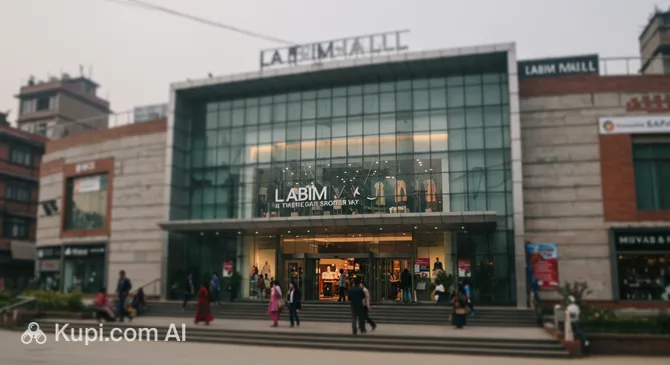
If you prefer a modern retail environment, the city has seen a rise in contemporary shopping complexes. Labim Mall is one of the most popular destinations, located just across the bridge in Pulchowk. It features a mix of international brands, local designer stores, and a stylish open-air courtyard. Another notable spot is Eyeplex Mall, which combines shopping with entertainment options, making it a great place to spend an afternoon.
Labim Mall. Illustration.
Source: Kupi.com AI
Traveler photos:
When it comes to souvenirs, Kathmandu offers unique items that are hard to find elsewhere. Pashmina and Cashmere products are top choices, known for their softness and warmth. Singing bowls and Thangka paintings are perfect for those interested in spiritual mementos. Additionally, locally produced tea and coffee, as well as the famous Khukuri (traditional knife), make for excellent gifts. Be sure to check the quality and ask for certificates of authenticity when buying expensive items like jewelry or antiques.
Most shops in tourist areas open around 10:00 AM and close by 8:00 PM, though stores in Thamel often stay open later. While credit cards are widely accepted in malls, hotels, and larger shops in Thamel, cash is essential for street markets and smaller vendors. Bargaining is a common practice in local markets and souvenir shops; do not hesitate to negotiate a fair price with a smile.
Regarding taxes, tourists may be eligible for a VAT refund on goods purchased from registered stores, provided the total bill exceeds a certain amount (typically 15,000 NPR). You will need to present your passport and obtain a special invoice at the time of purchase. The refund can be claimed at the customs office at Tribhuvan International Airport upon departure, though the process can be time-consuming, so allow extra time if you plan to do this.