Support

Pokhara

About

Nestled in the heart of the Gandaki Province, Pokhara is often described as the jewel of the Himalayas. Known for its laid-back atmosphere and breathtaking scenery, it serves as one of the most popular travel destinations in Nepal. Unlike the bustling streets of the capital, this city offers a tranquil retreat where nature takes center stage, attracting nature lovers and adventure enthusiasts alike.

Pokhara. Source: Kupi.Binoculars

With a population of approximately 353,841 residents, it is a significant urban center yet manages to retain a serene charm. Geographically, the city sits in a lush valley that acts as the primary gateway to the famous Annapurna Circuit. While it is a modern tourism hub today, the history of Pokhara is deeply rooted in its ancient role as a vital stop on the trade route between India and Tibet, which has shaped its diverse culture.

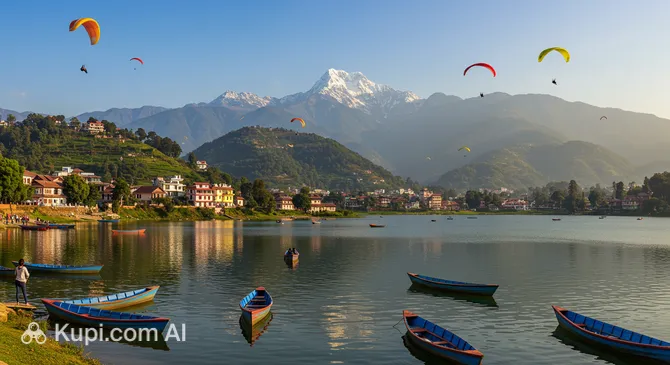
The city is perhaps best known for the stunning Phewa Lake, where visitors can enjoy peaceful boat rides while gazing at the reflection of the majestic Machhapuchhre (Fishtail) mountain. Beyond the lake, Pokhara is a world-class destination for adventure sports, particularly paragliding, which offers bird's-eye views of the valley. The World Peace Pagoda, perched on a hilltop, is another must-visit landmark that provides panoramic vistas of the Annapurna range.

Whether you are preparing to embark on a high-altitude trek or simply wish to relax by the water with a backdrop of snow-capped peaks, Pokhara promises an unforgettable experience. Its unique blend of natural beauty, warm hospitality, and vibrant culture makes it an essential stop on any Nepalese itinerary.

Weather Overview

The climate in this Himalayan city varies significantly throughout the year, offering distinct experiences depending on when you choose to visit. Generally, you can expect warm summers with frequent rain and cool, dry winters. For a more detailed breakdown of what to expect during your trip, you can consult the guide to the weather in Pokhara.

During the warmest months of June, July, and August, average temperatures hover around 20°C to 21°C, with daily maximums reaching nearly 24°C. This period coincides with the region's rainy season; July and August, for instance, are characterized by high humidity and up to 31 wet days per month, marking the peak of the monsoon.

In contrast, the winter season from December to February brings crisp and chilly air. January is typically the coldest month, with average temperatures dropping to 7.5°C and nighttime lows dipping as far as 2.3°C. This is the driest time of the year, with significantly reduced precipitation and fewer wet days, ensuring clearer views of the surrounding mountains.

The transition seasons of spring and autumn are often favored by travelers for their moderate conditions. April sees pleasant averages of 15.3°C, while October remains comfortable at 16.7°C before the winter chill sets in. These months strike a balance between the heat of summer and the cold of winter, making them suitable for exploration.

Interesting Facts

Beyond the main attractions, Pokhara holds many fascinating secrets that go deeper than its beautiful lakes. This city is a geological marvel where nature behaves in unexpected ways, offering surprises even to seasoned travelers.
  • The city is built upon a massive geological wonder involving the Seti Gandaki River, which flows right through the urban area but is often invisible. The river runs through deep, narrow gorges that are sometimes only two meters wide yet over 40 meters deep, effectively disappearing underground beneath the city streets.

  • While the Himalayas are famous for mountaineering, the iconic Machhapuchhre (Fishtail) mountain visible from Pokhara remains officially unclimbed. The peak is considered sacred to the god Shiva, and climbing it has been forbidden since the 1950s to preserve its sanctity, making it one of the few "virgin peaks" in the world.

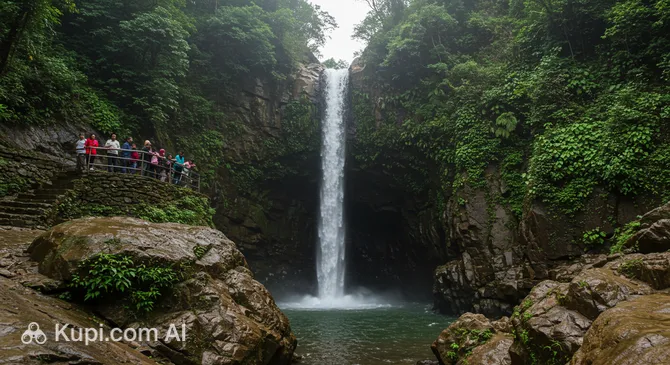
  • One of the city's most curious natural phenomena occurs at Devi's Fall. Here, the water doesn't just cascade down; it plunges into the earth and vanishes into a long underground tunnel that connects directly to the Gupteshwor Mahadev Cave beneath.

  • Pokhara is widely known as the wettest city in Nepal, receiving significantly more rainfall than the capital or other regions. This is due to the sudden, steep rise of the Annapurna range from the valley floor, which traps moisture-laden clouds and ensures the valley remains lush and green year-round.

Devi's Fall. Source: Kupi.Binoculars

How to Get There

Reaching this Himalayan city is an adventure in itself, offering travelers a chance to witness the diverse landscapes of the region. Whether you prefer a scenic flight or a road trip through the hills, there are several options available. You can find more about how to get to Pokhara in our detailed guide.

Most international visitors arrive via Tribhuvan International Airport (KTM), located in the capital city of Kathmandu. Since Pokhara does not have a major international hub listed for direct long-haul flights, travelers typically fly into Kathmandu first. This airport is approximately 147 km from the city. Due to the winding mountain terrain, the journey from Kathmandu to the lakeside city by taxi or tourist bus typically takes around 6 to 8 hours, offering glimpses of rushing rivers and terraced fields along the way.

For a geographically closer entry point, you might consider Bhairawa Airport (BWA), situated in the city of Siddharthanagar. It is located about 96 km from Pokhara. While the distance is shorter, the drive still involves mountain roads and generally takes approximately 4 to 5 hours. This can be a convenient option for those looking to minimize travel time compared to the route from the capital.

Travelers coming from India may also use Gorakhpur Airport (GOP) in Gorakhpur. Located about 171 km away, it serves as a gateway for cross-border visitors. The transfer from Gorakhpur to Pokhara by road typically takes about 7 to 9 hours. This duration accounts for the border crossing procedures and road conditions, adding a unique element to the travel experience.

For clarity, here is a summary of the main airports:

Airport Name City Passenger Traffic Km from City
Tribhuvan International Airport Kathmandu Large 146.6
Gorakhpur Airport Gorakhpur Medium 171.3
Nepalganj Airport Nepalganj Medium 228.0
Simara Simara Small 152.2
Bhairawa Airport Siddharthanagar Small 96.1

Regarding railway travel, the city of Pokhara does not have a railway station, and train services in the mountainous regions of Nepal are virtually non-existent. Travelers hoping for a rail journey generally have to rely on Indian railway networks ending near the border, such as in Gorakhpur, and then switch to buses or taxis to complete the journey into the hills.

Main Attractions

Pokhara is a treasure trove of natural wonders and cultural landmarks, offering visitors a diverse range of experiences from serene boat rides to educational tours. While the city is famous for its proximity to the Annapurna range, its local attractions are equally captivating and provide a deeper insight into the region's heritage and lifestyle.

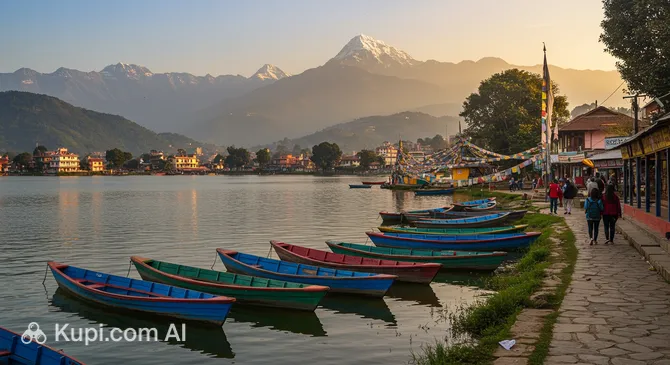
The heartbeat of the city is undoubtedly Pokhara Lakeside. Stretching along the eastern shore of Phewa Lake, this vibrant area is the primary tourist hub. It is lined with a colorful array of restaurants, cafes, and shops selling trekking gear and local handicrafts. Tourists flock here to enjoy the relaxed atmosphere, watch the sunset over the water, and experience the lively nightlife. It serves as the perfect base for exploring the surrounding areas or simply unwinding after a long trek.

Pokhara Lakeside. Source: Kupi.Binoculars

Floating peacefully in the middle of Phewa Lake is the Tal Barahi Temple. This two-story pagoda is dedicated to the goddess Durga and is the most important religious monument in the city. Accessing the temple requires a short, scenic boat ride, which adds to the charm of the visit. It is a place of tranquility and spiritual significance, where visitors can witness local devotees performing rituals amidst the calming waters.

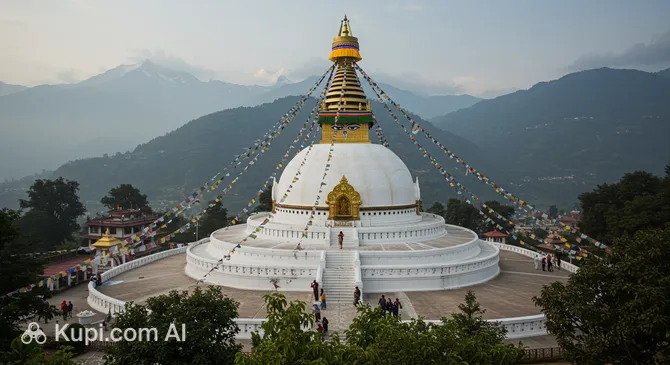
For those seeking panoramic views and a moment of reflection, the World Peace Pagoda is a must-visit destination. Perched atop a narrow ridge high above the lake, this massive white Buddhist stupa was built to inspire peace for all races and creeds. Reaching the stupa involves a hike or a drive, but the effort is rewarded with one of the best vantage points in the region, offering sweeping views of the city, the lake, and the Annapurna mountains.

World Peace Pagoda. Source: Kupi.Binoculars

To understand the majestic peaks that define Nepal's landscape, a trip to the International Mountain Museum is highly recommended. This facility is dedicated to the history of mountaineering, the culture of the mountain people, and the flora and fauna of the Himalayas. It houses fascinating exhibits on famous expeditions, including gear used by early climbers, and provides educational insights into the geological formation of the world's highest mountain range.

Local Cuisine

The culinary landscape of Pokhara is as diverse as its scenery, offering a delightful mix of traditional Nepalese flavors and international favorites. While the tourist hubs serve everything from Italian pizza to freshly baked German breads, the true essence of the city's gastronomy lies in its authentic local dishes. The food here is characterized by fresh ingredients, aromatic spices, and a comforting warmth that perfectly complements the crisp mountain air.

No trip to this region is complete without trying the national staple, Dal Bhat Tarkari. This wholesome platter consists of lentil soup (dal), steamed rice (bhat), and seasonal vegetable curry (tarkari), often accompanied by spicy pickles (achar) and curd. It is a "power meal" for trekkers and locals alike. Another ubiquitous favorite is Momo, delicious dumplings filled with minced buffalo, chicken, or vegetables. Served steamed or fried with a spicy tomato-based dipping sauce, they are the perfect comfort food for any time of day.

Unique to this lakeside city is the freshwater fish from Phewa Lake and the surrounding rivers. Local Machha (fish) is a must-try delicacy, typically prepared deep-fried with spices or cooked in a rich, flavorful gravy. Enjoying a fresh fish dinner by the water while watching the sunset is a quintessential Pokhara experience that highlights the region's natural bounty.

To wash down these hearty meals, locals often turn to Masala Chiya, a sweet, spiced milk tea that warms the soul and is a morning ritual for many. For something refreshing, especially during the warmer months, a glass of thick, creamy Lassi (a yogurt-based drink) is incredibly popular. On the stronger side, adventurous travelers might sample Raksi, a traditional clear alcoholic spirit distilled from millet or rice, though locally brewed beers are also widely available and enjoyed.

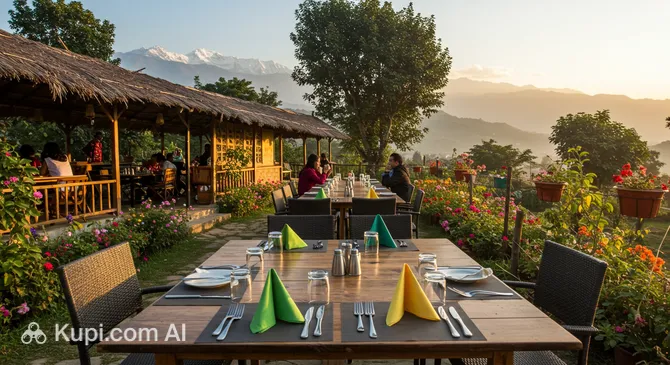
The dining culture in Pokhara centers largely around the Lakeside area, where the atmosphere is relaxed and vibrant. Here, you can find establishments like Relax Kitchen & Bar, which offers a mix of tasty food and a laid-back vibe suitable for unwinding after a day of exploration. For those seeking a peaceful spot with outdoor seating, Utopia Garden & Snacks Bar is a lovely choice to enjoy a meal surrounded by greenery.

Utopia Garden & Snacks Bar. Source: Kupi.Binoculars

The city is also very accommodating to diverse dietary needs, reflecting its status as a global tourism hub. With a growing number of health-conscious travelers, you can easily find vegetarian and vegan-friendly spots. For instance, Little Windows Veg & Vegan Restaurant is a popular stop for plant-based dishes that don't compromise on flavor. Whether you choose a lively restaurant or a quiet corner, Pokhara's food scene promises to satisfy every palate.

Travel Tips

Welcome to Pokhara! To ensure your adventure in this Himalayan paradise is as serene as the waters of Phewa Lake, a little preparation goes a long way. Here are some practical tips to help you navigate the city with ease and respect for the local culture.

  1. Clothing and Gear: Since the weather can change rapidly, the key is to dress in layers. Bring breathable clothing for the day and a warm fleece or jacket for the cool mornings and evenings, especially in winter. If you plan to visit religious sites like the Tal Barahi Temple, dress modestly by covering your shoulders and knees. Comfortable walking shoes are a must for exploring Lakeside, and a universal power adapter is essential for your electronics.
  2. Transportation: The tourist area of Lakeside is best explored on foot, as it is pedestrian-friendly and scenic. For longer distances, taxis are readily available; however, they rarely use meters, so negotiate the fare before you get in. Renting a scooter or bicycle is a popular and fun way to see the valley, but ensure you have a valid license and always wear a helmet.
  3. Finances: The local currency is the Nepalese Rupee (NPR). While major hotels and restaurants in Pokhara accept credit cards (often with a surcharge), cash is king for small shops, local eateries, and taxis. ATMs are plentiful in the Lakeside area. Tipping is not mandatory but is appreciated; rounding up the bill or leaving about 10% is a kind gesture for good service.
  4. Health and Safety: Never drink tap water; stick to bottled or purified water to avoid stomach issues. Pharmacies are widely available in the main tourist areas and are usually well-stocked with common medicines. Pokhara is generally very safe for tourists, but it is wise to avoid walking in unlit areas late at night and to be cautious of stray dogs.
  5. Communication: English is widely spoken and understood in Pokhara, particularly in hotels, restaurants, and shops catering to tourists. To stay connected, you can easily purchase a local SIM card (Ncell or Nepal Telecom) at the airport or in town with your passport and a photo. Most cafes and hotels offer decent Wi-Fi, making it easy to stay in touch.
  6. Local Etiquette: The traditional greeting is "Namaste," said with palms pressed together in a prayer-like gesture. It is polite to remove your shoes before entering a private home or a temple. When handing money or objects to someone, use your right hand or both hands, as the left hand is considered unclean in local culture.
  7. What to Avoid: Do not trek alone in the surrounding hills without checking current regulations; recent rules often require tourists to hire a licensed guide or porter for safety. Additionally, avoid public displays of affection, such as kissing, as this is considered culturally inappropriate in Nepal.
  8. Local Insight: The mountains are notoriously shy! For the best views of the Annapurna range and the iconic Machhapuchhre, wake up early. The peaks are usually clearest at sunrise before the clouds roll in around late morning, so plan your photo opportunities accordingly.

By keeping these tips in mind, you will be well-equipped to embrace the laid-back rhythm of Pokhara. Enjoy the stunning views, the warm hospitality, and the unforgettable experiences that await you in this magical city!

Entertainment & Nightlife

As the sun sets over the Annapurna range, Pokhara transforms from a serene trekking hub into a lively center of entertainment. The nightlife here is concentrated almost entirely in the Lakeside district, where the main street lights up with colorful signs and the air fills with music. Unlike the frantic pace of some Asian metropolises, the evening atmosphere here is refreshingly relaxed yet vibrant, catering to weary hikers looking for a cold beer and party-goers seeking a dance floor.

For those eager to experience the local clubbing scene, Paradiso Pokhara is a legendary institution. Known for its energetic live bands and sports screenings, it offers a spacious setting where tourists and locals mingle freely. The venue often hosts rock and blues performances that set a high-spirited tone for the night. Another hotspot for night owls is Club Sixteen, which brings a more modern vibe with DJs spinning the latest international tracks and a bustling dance floor.

Paradiso Pokhara. Source: Kupi.Binoculars

If you prefer a more laid-back evening, there are countless bars and pubs lining the lakefront that offer live acoustic music and cultural shows. Places like MED 5 Restaurant provide a comfortable ambiance where you can enjoy a drink while soaking in the lakeside breeze. The dress code across most venues is very casual—it is quite common to see travelers in trekking gear sharing a drink with those dressed for a night out. Most bars and clubs are open until around midnight or 1:00 AM, with "Happy Hour" specials often available in the early evening.

Safety is generally not a major concern in the main tourist areas of Lakeside, which remain well-lit and populated into the night. It is safe to walk along the main strip, but if your accommodation is located down a quiet alley or further away from the center, it is advisable to take a taxi. Taxis are readily available on the main street, and it is best to agree on a fare before starting your journey.

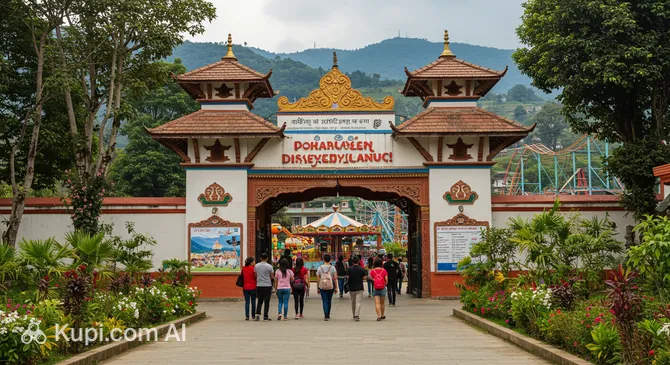
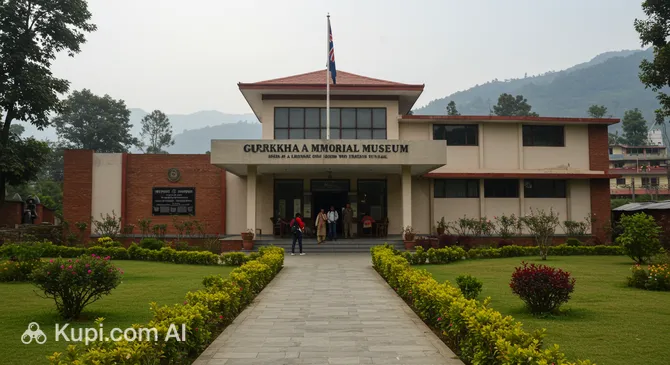
During the daylight hours, the city offers entertainment options that go beyond nature and trekking. Families can head to Pokhara Disneyland, a charming amusement park located on a hill north of the lake, offering rides with spectacular views. For a refreshing escape on a hot day, Big Splash Waterpark is a popular choice for fun water activities. History enthusiasts might prefer the Gurkha Memorial Museum, which pays tribute to the bravery and history of the renowned Gurkha soldiers.

Pokhara Disneyland. Source: Kupi.Binoculars

Parks & Museums

While the snow-capped peaks often steal the spotlight, Pokhara offers a wealth of cultural and recreational spaces closer to the ground. The city is dotted with informative museums that preserve the region's heritage and lush parks that provide a tranquil escape from the bustling lakeside streets. Exploring these sites offers a deeper understanding of the local history and a chance to enjoy the valley's natural serenity.

For history enthusiasts, the Gurkha Memorial Museum is a poignant tribute to the bravery of the Nepalese soldiers who have served in the British, Indian, and Nepalese armies. Located near the K.I. Singh Bridge, this three-story building houses an impressive collection of uniforms, medals, photographs, and weaponry. It chronicles the history of the Gurkhas from the 19th century to the present day, highlighting their legendary courage and significant contributions to global peacekeeping.

Gurkha Memorial Museum. Source: Kupi.Binoculars

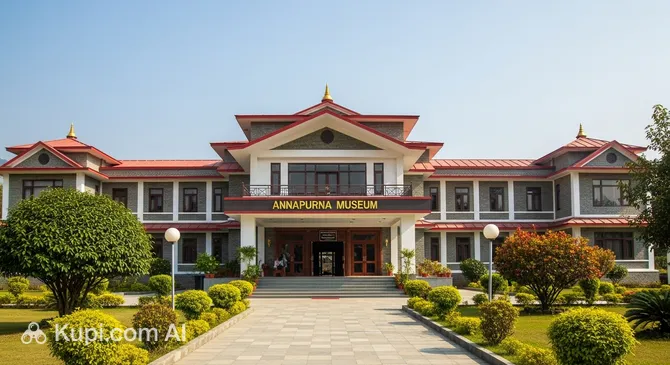
Nature lovers should not miss the Annapurna Museum, also known as the Natural History Museum. Situated inside the Prithvi Narayan Campus, it is famous for its extensive collection of butterflies and insects found in the Annapurna region. The museum also displays samples of local wildlife, volcanic rocks, and semi-precious stones, offering a fascinating educational insight into the biodiversity and geology of the Himalayas.

Annapurna Museum. Source: Kupi.Binoculars

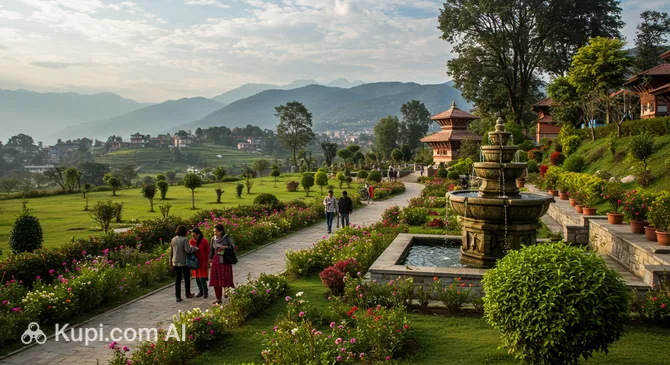
If you are looking for a place to relax outdoors, Basundhara Park is a lovely green space located near the southern end of Phewa Lake. It is a popular spot for picnics, boating, and leisurely walks. The park features well-maintained gardens and open lawns where visitors can unwind while enjoying views of the water and the surrounding forest. It offers a quieter alternative to the busy Lakeside strip, making it perfect for families and couples.

Basundhara Park. Source: Kupi.Binoculars

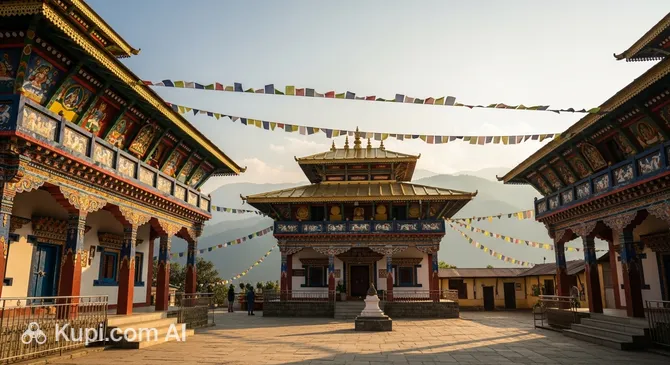
Perched on a hill overlooking the city, the Matepani Monastery serves as both a spiritual center and a peaceful retreat. The complex is surrounded by manicured gardens and offers sweeping views of the Pokhara valley. The monastery itself is adorned with intricate murals depicting the life of Buddha, and the serene atmosphere makes it an ideal location for meditation and quiet reflection away from the city noise.

Matepani Monastery. Source: Kupi.Binoculars

Getting Around

Navigating the public transport system in Pokhara is an adventure that offers a glimpse into local life. Unlike major global metropolises with structured metro lines or tram networks, the city relies on a more informal yet functional web of buses, minibuses, and taxis. For tourists, the system is relatively easy to use once you understand the basics, though many visitors find that a mix of walking and private transport suits their needs best.

The most common form of public transit is the local bus or minibus (often called a "micro"). These vehicles ply the main roads connecting the popular Lakeside area with the city center (Mahendrapul, Chipledhunga) and other residential neighborhoods. They are an incredibly affordable way to get around, though they can get crowded and often wait to fill up before departing. There are no fixed timetables, but services are frequent during daylight hours.

For a more comfortable and direct journey, taxis are ubiquitous. You can find them parked at major intersections, outside hotels, and cruising along the Lakeside strip. It is important to note that while taxis have meters, drivers rarely use them for tourists. Instead, a fixed fare is the norm. It is highly recommended to negotiate and agree on the price before getting into the car to avoid misunderstandings later. Prices are generally higher at night.

Payment for public transport is strictly a cash-only affair. There are no travel cards, digital passes, or mobile apps for paying bus fares. When taking a bus or micro, you simply pay the conductor, who is usually hanging out the door calling out destinations. Fares are very low, typically ranging from 20 to 50 NPR depending on the distance. It is advisable to carry small bills (10, 20, 50, or 100 rupee notes), as conductors may struggle to provide change for large denominations.

Given the city's scenic layout, many travelers opt for rentals as their primary mode of transport. Renting a scooter, motorcycle, or bicycle is extremely popular and gives you the freedom to explore the valley at your own pace. There are countless rental shops in the Lakeside area. Remember to carry your driver's license and always wear a helmet. For shorter distances within the tourist district, walking is the most pleasant option, allowing you to enjoy the lake views and shop displays without hassle.

A special feature of the city's transport landscape is the Annapurna Cable Car. While primarily a tourist attraction, it serves as a transportation link from the valley floor at Sedi Bagar to Sarangkot, a famous viewpoint. This trip significantly cuts down the travel time to the top compared to driving, offering a scenic and efficient route for those wanting to catch the sunrise over the mountains.

Public transport generally operates from early morning until around 7:00 PM or 8:00 PM. After this time, buses become scarce, and you will likely need to rely on taxis to get back to your accommodation. If you are planning a late dinner or a night out at a club, be sure to budget extra for a taxi ride home.

Accommodation

Finding the perfect place to stay in Pokhara is a breeze, as the city offers a wide spectrum of accommodation options to suit every traveler's needs. From backpacker-friendly hostels and cozy guesthouses to mid-range hotels and luxurious resorts, the hospitality sector here is well-developed. Whether you are looking for a simple room to rest after a trek or a lavish suite with panoramic mountain views, you will find plenty of choices that cater to your budget and preferences.

The vast majority of tourists choose to stay in the Lakeside area, which stretches along the eastern shore of Phewa Lake. This neighborhood is the heart of the city's tourism scene, offering easy access to restaurants, shops, and tour agencies. Staying here means you are within walking distance of the lake for morning boat rides and the vibrant nightlife for evening entertainment. For those seeking a quieter experience, the northern end of Lakeside (Happy Village) or the hills surrounding the valley offer more secluded retreats.

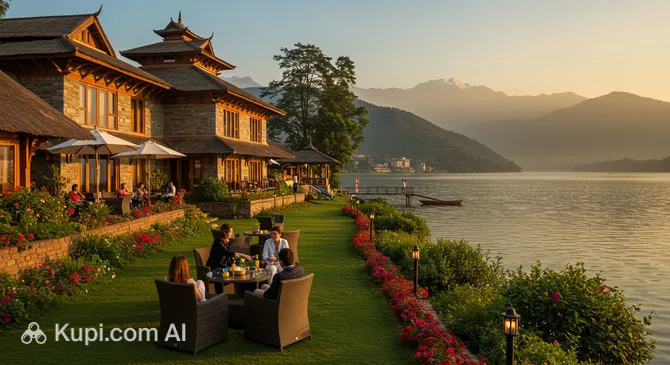
For a truly unique experience, you might consider the iconic Fish Tail Lodge. Accessible only by a raft across the lake, this property offers a sense of exclusivity and peace, surrounded by nature yet close to the city center. Another excellent option for those seeking comfort and modern amenities is the Bar Peepal Resort, known for its warm hospitality and stunning views of the Annapurna range. These establishments exemplify the high standard of service available in the city's top-tier accommodations.

Fish Tail Lodge. Source: Kupi.Binoculars

When planning your trip, keep in mind that Pokhara is a major trekking hub. During the peak seasons of autumn (October to November) and spring (March to April), the best hotels fill up quickly. It is highly recommended to book your accommodation well in advance during these months to secure your preferred spot. In the off-season, you may have more flexibility and might even find better deals upon arrival.

Prices in the city are generally very reasonable compared to international standards. Budget travelers can find decent rooms for as little as $10 to $20 USD per night, while mid-range hotels typically charge between $30 and $80 USD. Luxury resorts can range from $100 to over $200 USD depending on the season and room type. Most properties are listed on major online booking platforms, making it easy to reserve ahead of time, though many smaller guesthouses also welcome walk-ins or direct bookings via phone or email.

Nearby Cities

For those looking to explore the surroundings, Pokhara serves as an excellent base for day trips to several interesting nearby locations. While the mountainous terrain means that travel times can be longer than the distances suggest, the journey is often as rewarding as the destination itself.

One of the most prominent nearby cities is Bharatpur, located approximately 75 km away. Situated on the banks of the Narayani River, it is best known as the gateway to the world-famous Chitwan National Park. Visitors often head here for a short visit to experience the lush jungles and spot wildlife, including the one-horned rhinoceros. Another notable destination is Butwal, roughly 76 km to the south. This historic trading hub sits at the intersection of the Terai plains and the hills, offering a unique blend of cultures and serving as a starting point for those interested in exploring the western regions of Nepal.

City Population Distance (km)
Kathmandu 975,453 143
Bharatpur 369,377 75
Jitpur 337,785 136
Ghorahi 156,164 148
Butwal 118,462 76

These nearby destinations offer a glimpse into the diverse culture and landscapes of the region, ranging from bustling urban centers to gateways for wildlife adventures.

Shopping & Souvenirs

Shopping in Pokhara is a delightful experience that combines the thrill of bargaining with the discovery of unique Himalayan craftsmanship. While the city may not boast the massive luxury shopping complexes found in global metropolises, it offers a vibrant array of boutiques, stalls, and local emporiums. The shopping scene here is primarily focused on traditional handicrafts, trekking equipment, and cultural souvenirs, making it the perfect place to pick up meaningful mementos of your trip to Nepal.

The primary hub for tourist shopping is undoubtedly Pokhara Lakeside. Stretching along the shore of Phewa Lake, this area is a continuous row of shops catering to visitors. Here, you can find everything from colorful hippie-style clothing and embroidered t-shirts to bookshops filled with maps and novels. For a more authentic and traditional atmosphere, the Old Bazaar (Purano Bazar) is a must-visit. Located about 4 km from Lakeside, this historic area features traditional Newari architecture and is the best place to find brass, copper, and bronze ware, as well as textiles used by the locals.

For those who prefer a more modern retail experience, the city has a few notable commercial centers. The Pokhara Trade Mall at Chipledhunga is one of the largest in the city, housing various clothing brands, electronics stores, and a cinema. Another major destination is the Bhatbhateni Supermarket, a large department store chain where travelers can find fixed-price goods ranging from groceries and toiletries to branded apparel and household items.

Markets in Pokhara are not just places to buy goods; they are cultural experiences. The markets located near the Tibetan settlements (such as Tashi Palkhiel or Tashiling) are renowned for their authentic handicrafts. These are the best places to purchase hand-knotted Tibetan carpets, intricate silver jewelry, and warm woolen items directly from the artisans. Additionally, the bustling streets of Mahendrapul serve as the commercial heart for residents, offering a lively mix of gold shops, fabric stores, and local fashion outlets.

When it comes to souvenirs, visitors are spoiled for choice. Singing bowls are among the most popular items, prized for their meditative sounds and healing properties. Thangka paintings—detailed Buddhist religious art on cotton or silk—are another exquisite buy, though quality and price vary significantly. Other classic purchases include the iconic Khukuri (Gurkha knife), pashmina or cashmere shawls, hemp backpacks, and yak wool blankets. The city is also a hub for trekking gear; while you can find genuine brands, there is an abundance of high-quality locally made replicas that are functional and affordable.

Most shops in the tourist areas of Lakeside open around 10:00 AM and remain bustling until 9:00 PM or later. In contrast, local markets in the city center may close a bit earlier, around 8:00 PM. As for payment, cash is king. While many larger souvenir emporiums and trekking shops accept credit cards (Visa and Mastercard), they often apply a surcharge of around 3% to 4%. It is advisable to carry sufficient Nepalese Rupees for small purchases and bargaining. ATMs are widely available throughout the main tourist districts.

Regarding tax-free shopping, it is not a widespread concept for typical tourist purchases in Pokhara's street shops. While Nepal has a VAT refund system for tourists on large purchases, the procedure is complex, requires specific paperwork from registered shops, and is processed at the international airport in Kathmandu. Therefore, for most souvenir hunting in Pokhara, visitors should not expect immediate tax refunds.
Reached the end of the page?

That means the route is fully explored