Support

Janakpur

About

Janakpur, often referred to as Janakpurdham, is a city steeped in mythology, spirituality, and vibrant culture. As the administrative headquarters of the Madhesh Province, it holds a special place in the hearts of pilgrims and travelers alike. Known as the heart of the ancient Mithila civilization, the city offers a unique atmosphere that blends religious devotion with the colorful daily life of the Terai plains.

Geographically, the city is situated in the southeastern region of Nepal, contrasting the country's typical mountainous terrain with its flat, fertile landscapes. Located just a short distance from the Indian border, Janakpur experiences a subtropical climate. With a population of approximately 97,000 residents, it is a bustling urban center that serves as a cultural hub for the region.

The city is legendary for being the birthplace of Goddess Sita and the site of her marriage to Lord Ram, making it a central location in the epic Ramayana. Visitors fascinated by the ancient past can explore the rich history of Janakpur to understand its significance as the former capital of the Kingdom of Videha. This deep historical connection is celebrated annually during the Vivah Panchami festival, which attracts thousands of devotees.
Janakpur. Source: Kupi.Binoculars

Among the city's most striking features is the magnificent Janaki Mandir. This three-storied temple, built in a unique blend of Mughal and Koiri architectural styles, stands as a testament to the city's artistic heritage. Janakpur is also famous for its Mithila art, intricate paintings that adorn the walls of houses and are produced by local artisans. Additionally, the city is dotted with dozens of sacred ponds, such as Ganga Sagar and Dhanush Sagar, which are integral to local rituals and provide serene spots for reflection.

Whether you are a pilgrim seeking spiritual solace or a culture enthusiast eager to witness the living traditions of the Mithila region, Janakpur welcomes you with open arms. It is a destination that promises a profound and colorful travel experience unlike any other.
Weather Overview

Janakpur generally experiences a subtropical climate characterized by distinct seasonal changes, shifting from sweltering heat to pleasant, mild days. The summer months, particularly from April to June, can be quite hot, with average temperatures climbing to around 30°C and maximum highs reaching up to 36°C. This period transitions into the monsoon season, where rainfall becomes frequent; July and August are typically the wettest months, often recording up to 28 rainy days.

In contrast, the winter season offers much more comfortable conditions for exploration. From November to February, the city is cooler and significantly drier, with almost no precipitation. January is usually the coldest month, with average temperatures around 16°C and lows dipping to approximately 10°C. To help you pack appropriately for your specific travel dates, it is helpful to review the current weather in Janakpur.

Overall, visitors can expect hot, humid summers with frequent rain and mild, dry winters that are perfect for outdoor activities.

Interesting Facts

Beyond the spiritual aura and colorful festivals, Janakpur holds several fascinating details that often escape the casual observer. This ancient city is a treasure trove of unique traditions and architectural marvels that tell the story of its rich heritage.
  • The magnificent Ram Janaki Temple is widely known among locals as the "Nau Lakha Mandir." This nickname originated from the cost of its construction in 1910, which was nine lakh rupees—a massive fortune at the time that cemented the temple's legendary status.

  • Janakpur is famous for hosting Nepal's first and only operational railway line. This historic connection links the city to Jaynagar in India, serving not only as a crucial transport route but also as a unique cultural bridge that has facilitated cross-border movement for decades.

  • While many visitors notice the water bodies, few know that Janakpur is historically celebrated as the "City of Ponds" with a specific count in mythology. Legends claim there were originally 72 sacred ponds (kundas) created specifically for the celestial guests who attended the wedding of Lord Ram and Goddess Sita.

  • The world-renowned Mithila art seen throughout the city has humble and distinct origins. Traditionally, these intricate paintings were created exclusively by women on the freshly plastered mud walls of their homes during festivals, using natural dyes derived from plants and charcoal.

Ram Janaki Temple. Source: Kupi.Binoculars

How to Get There

Reaching the historic city of Janakpur is an adventure in itself, offering travelers a chance to witness the diverse landscapes of the Terai region. Whether you prefer a quick flight or a scenic overland journey, there are several options available. You can find more details about all ways to reach the city to help plan your trip effectively.

The most convenient way to arrive is via Janakpur Airport (IATA: JKR), which is located just 2.7 km from the city center. It is a domestic hub with frequent connections, making the final leg of your journey very short; a taxi or rickshaw ride to the heart of the city takes only about 25 minutes. For international visitors, the primary entry point is usually Tribhuvan International Airport (IATA: KTM) in Kathmandu, situated approximately 122 km away. However, travelers should not underestimate the overland journey. While the distance appears short, the drive via the BP Highway involves winding mountainous roads and typically takes between 6 and 8 hours depending on traffic and road conditions.

For clarity, here is a summary of the main airports:

Airport Name City Passenger Traffic Km from City
Tribhuvan International Airport Kathmandu High 121.9
Darbhanga Darbhanga Medium 59.1
Simara Simara Medium 106.7
Janakpur Airport Janakpur Medium 2.7
Lukla Lukla Medium 132.0

Janakpur holds a special distinction in the country's transportation history as it is home to Nepal's first and only operational railway line. The Janakpur-Jaynagar Railway connects the city directly with Jaynagar in India, crossing the border and serving as a vital link for pilgrims and locals alike. This broad-gauge railway offers a unique and affordable travel experience for those entering from India, providing a glimpse into the daily lives of the people in the Mithila region. Travelers should check the current train schedules locally, as they can be subject to change.

Main Attractions

Janakpur is a destination where history and mythology come alive, offering visitors a profound journey into the heart of the Mithila culture. The city's primary allure lies in its magnificent temples and sacred ponds, which attract pilgrims and travelers from all over the world to experience its spiritual vibrancy.

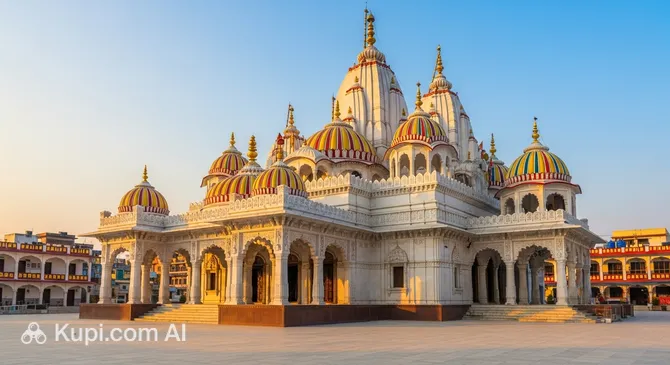
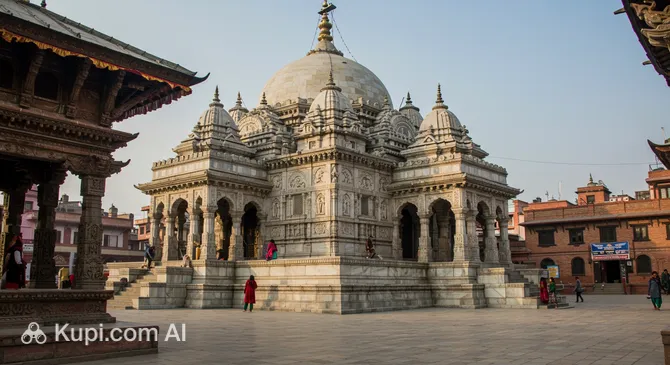
The crown jewel of the city is undoubtedly the Ram Janaki Temple. This architectural marvel, built with a stunning fusion of Mughal and Koiri styles, stands on the site where Goddess Sita is believed to have been born. Its grand white facade, intricate carvings, and colorful domes make it a photographer's paradise and a place of deep spiritual resonance.

Ram Janaki Temple. Source: Kupi.Binoculars

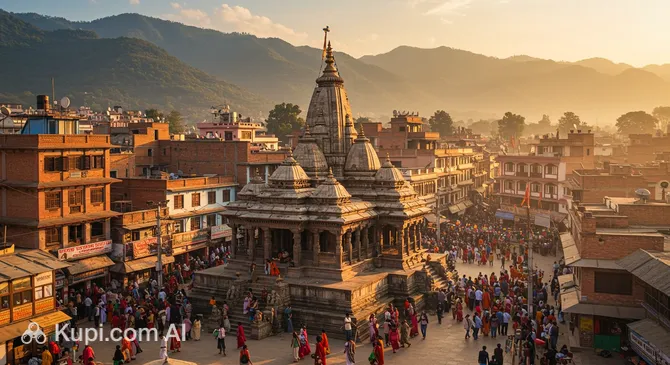
Beyond the main temple, the entire area known as Janakpur Dham serves as a sprawling spiritual complex. It encompasses numerous shrines and holy water bodies that are central to the daily lives of the locals. Walking through these sacred grounds offers a peaceful retreat and a chance to observe traditional rituals performed by devotees at the water's edge.

Janakpur Dham. Source: Kupi.Binoculars

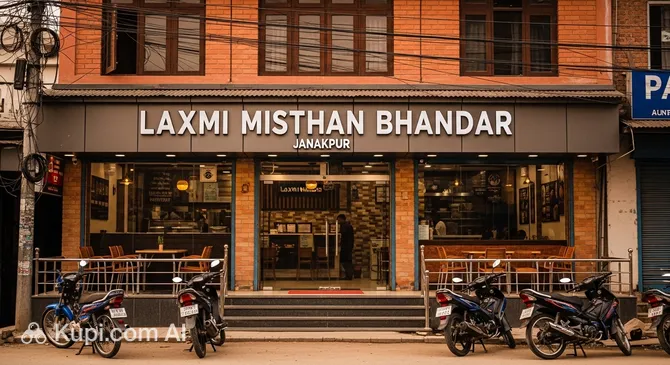
No visit to this vibrant city is complete without indulging in its local culinary delights. For a taste of authentic Mithila sweets, Laxmi Misthan Bhandar is a legendary stop, renowned for its fresh and delicious traditional treats. Travelers looking for a comfortable dining experience can also visit Hotel Sita Sharan, which offers a variety of local and international dishes to satisfy every palate.

Local Cuisine

Janakpur offers a culinary landscape that is as vibrant and colorful as its temples. Rooted in the rich Mithila culture, the local cuisine differs significantly from the standard Nepali fare found in the hills, leaning more towards the spicy and rustic flavors typical of the North Indian plains. The food here is characterized by the use of mustard oil, aromatic spices, and a penchant for deep-fried delicacies that are perfect for the subtropical climate.

The region is particularly famous for its exceptional dairy products, especially the thick, creamy dahi (yogurt), which is a staple accompaniment to meals. Sweet lovers will find themselves in paradise, as the city is renowned for traditional Mithila desserts like Lal Mohan, Rasbari, and Pedas. To taste these authentic treats, Laxmi Misthan Bhandar is a celebrated spot in town, offering freshly made confections that define the local sweetness.

Laxmi Misthan Bhandar. Source: Kupi.Binoculars

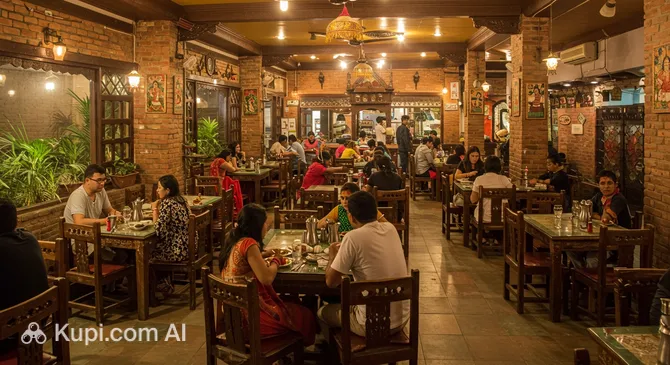
On the savory side, street food plays a massive role in daily life. Litti Chokha—roasted wheat balls stuffed with spiced gram flour and served with mashed vegetables—is a beloved snack that captures the earthy essence of the Madhesh province. Fish also holds a special place in the local diet, often prepared in a pungent mustard gravy. For travelers wishing to explore these local dishes alongside varied menu options, Hotel Sita Sharan provides a comfortable setting to enjoy the diverse flavors of the region.

Travel Tips

Welcome to Janakpur, the vibrant spiritual heart of the Mithila region, where ancient traditions blend seamlessly with daily life. To help you navigate this culturally rich city with ease and respect, here is a collection of practical advice for your journey.

  1. Clothing and Gear: Since Janakpur is located in the flat plains of the Terai, the climate is generally hot and humid. Pack loose, breathable cotton clothing for the summer months, but bring a warm jacket if you visit during the cool winter evenings. As this is a deeply religious city, modesty is essential; both men and women should keep shoulders and knees covered, especially when entering temple complexes. Comfortable slip-on shoes are highly recommended, as you will frequently need to remove them at sacred sites.

  2. Transportation: The most convenient way to get around the city is by using electric rickshaws (often called "City Safaris" or "Totos"). They are eco-friendly, abundant, and affordable, though you should agree on the fare before hopping in. For shorter distances, particularly around the main temple areas, walking is the best option to soak in the atmosphere. Car rentals are generally not necessary for city exploration, but taxis are available for longer trips.

  3. Finances: The local currency is the Nepalese Rupee (NPR). While some larger hotels may accept cards, cash is king in Janakpur. Small shops, local eateries, and rickshaw drivers will only accept cash. ATMs are available in the city center, but it is wise to carry enough small denominations for daily expenses and offerings at temples.

  4. Health and Safety: Being in a subtropical zone, mosquitoes can be a nuisance, so packing a good quality insect repellent is crucial. Stick to drinking sealed bottled water and avoid tap water or ice from street vendors to prevent stomach issues. Pharmacies are widely available around the hospital area and city center, but carrying a basic first-aid kit is always a good practice.

  5. Communication: The primary language spoken is Maithili, followed by Nepali. While English is understood at hotels and major tourist spots, it is less common among the general population. Learning a few basic words like "Namaste" (Hello) and "Dhanyabad" (Thank you) will go a long way. SIM cards from Ncell or Nepal Telecom are easy to purchase with a passport copy and photo, ensuring you stay connected.

  6. Local Etiquette: The traditional greeting is "Namaste" with palms pressed together. When visiting temples, always circumambulate shrines in a clockwise direction. Use your right hand for eating, giving, or receiving items, as the left hand is considered unclean. It is also polite to ask for permission before taking photos of locals, especially women and sadhus (holy men).

  7. What to Avoid: Do not enter temples wearing items made of leather (like belts or bags), as this is strictly prohibited in many Hindu shrines. Avoid public displays of affection, such as hugging or kissing, as this is culturally frowned upon in this conservative region.

  8. Local Insight: Try to visit the Janaki Mandir in the evening to witness the Aarti ceremony. The atmosphere becomes magical with the chanting of hymns, the ringing of bells, and the glow of oil lamps, offering a truly immersive spiritual experience that day-time visits might miss.

By keeping these tips in mind, you will be well-prepared to embrace the warmth and spirituality of Janakpur. Enjoy your time exploring the unique heritage and colorful streets of this fascinating destination in Nepal.

Entertainment & Nightlife

Entertainment and nightlife in Janakpur offer a distinct departure from the typical club-hopping scenes found in major metropolitan hubs. As a deeply spiritual and conservative city, the evening atmosphere here is defined not by thumping bass and neon nightclubs, but by the rhythmic chanting of hymns, the glow of oil lamps, and bustling night markets. The city comes alive after sunset in a way that is culturally immersive, offering visitors a chance to experience the vibrant social life of the Mithila region.

The epicenter of evening activity is undoubtedly the area surrounding the Ram Janaki Temple. As dusk falls, the temple complex illuminates with thousands of lights, creating a mesmerizing backdrop for the daily evening Aarti (prayer ceremony). This is the city's most popular "nightlife" event, drawing large crowds of locals and pilgrims who gather to sing, clap, and soak in the spiritual energy. The streets radiating from Bhanu Chowk and Shiva Chowk remain bustling well into the evening, filled with vendors selling colorful bangles, religious artifacts, and street food.

For those seeking a more conventional evening out with dining and drinks, options are generally concentrated within the city's better hotels. While standalone bars and discos are virtually non-existent due to the city's religious nature, hotel restaurants provide a comfortable and sophisticated setting for a night out. Hotel Sita Sharan is a popular venue where travelers can enjoy a relaxed dinner and beverages in a pleasant atmosphere, serving as a quiet refuge from the busy streets.

Hotel Sita Sharan. Source: Kupi.Binoculars

Culinary exploration is a major part of the night entertainment here. The local "sweet life" continues late into the evening, with dessert shops acting as social hubs. A visit to Laxmi Misthan Bhandar after dinner is almost a ritual; it is the perfect place to sample fresh pedas or warm milk while observing the local hustle and bustle. The night market areas also offer a chance to try savory snacks like Litti Chokha under the streetlights.

During the daytime, entertainment shifts towards cultural and family-oriented activities. Aside from the religious sites, the city has a few local cinemas that screen the latest Bollywood and Nepali movies, which are a favorite pastime for residents. There are also small parks and fairgrounds that occasionally pop up during major festivals, offering simple amusement rides and games for children.

Practical Advice for Night Owls:

  • Timing: The city sleeps relatively early compared to Kathmandu. Most shops close by 8:00 PM or 9:00 PM, though restaurants in hotels may stay open later. The best time to experience the street atmosphere is between 6:00 PM and 8:00 PM.
  • Safety: The areas around the main temples and markets are generally safe for night walks due to the crowd. However, it is advisable to avoid unlit side streets late at night.
  • Getting Around: Electric rickshaws (City Safaris) are the primary mode of night transport. They are readily available near major squares, but be sure to negotiate the price beforehand if it's late. Taxis can be arranged by your hotel.
  • Alcohol: Be aware that alcohol consumption is not culturally prominent in public spaces. It is best to stick to hotel bars or private restaurants if you wish to have a drink.

Parks & Museums

Janakpur may not be known for conventional city parks or large national museums, but it offers a unique array of cultural and natural spaces that serve similar purposes. The city is famous for its sacred ponds, which function as the primary recreational areas for locals and visitors. Ganga Sagar and Dhanush Sagar are the most prominent, offering well-maintained embankments where people come to relax, meditate, and enjoy the cool breeze. These water bodies are not just scenic spots; they are the spiritual lungs of the city, bustling with activity during the evening Aarti ceremonies.

The entire core of the city, often referred to as Janakpur Dham, can be best described as a living open-air museum. As a designated historical place, it preserves the architectural and cultural legacy of the ancient Mithila Kingdom. Walking through these streets offers a glimpse into a lifestyle that has remained largely unchanged for centuries, where every shrine and building tells a story from the epic Ramayana.

For a more structured museum experience, visitors should explore the galleries within the Ram Janaki Temple complex. The temple houses a dedicated section featuring animated dioramas and idols that depict the legendary marriage of Sita and Ram, providing a visual narrative that appeals to both pilgrims and history enthusiasts. Additionally, the city is a hub for Mithila Art. Various cooperative centers and workshops operate as informal galleries, showcasing the intricate, colorful paintings that are indigenous to this region and offering deep insights into the local artistic heritage.

Getting Around

Navigating Janakpur is a straightforward and authentic experience, as the city lacks the complex metro or bus networks found in larger global capitals. Instead, the public transport system is informal, relying heavily on smaller, versatile vehicles that are perfectly improved for the city's flat terrain and narrow streets. The most popular and efficient way to get around is by using Electric Rickshaws, locally known as "City Safaris" or "Totos." These battery-operated three-wheelers are ubiquitous, eco-friendly, and can navigate the bustling market areas with ease.

For a slower, more traditional pace, cycle rickshaws are still widely available. These offer a nostalgic charm and are excellent for short distances, particularly around the temple zones where the pace of life is more relaxed. While local buses do exist, they are generally used for connecting Janakpur to neighboring towns and rural areas rather than for transport within the city limits. Tourists will find that rickshaws are far more convenient for hopping between attractions.

The payment system in Janakpur is entirely cash-based. There are no travel cards, digital passes, or ticketing apps for intra-city transport. Fares are generally low, but they are not fixed. It is standard practice to pay the driver directly at the end of your journey using the local currency. Carrying small denominations of cash is highly recommended, as drivers often struggle to provide change for large bills.

A unique highlight of the city's transport infrastructure is the Janakpur-Jaynagar Railway. This is the only operational railway line in Nepal, connecting the city with Jaynagar across the Indian border. While it is primarily a commuter service for locals and cross-border travelers, riding this broad-gauge train offers a fascinating glimpse into the region's connectivity and history. It is a special feature that sets the city's transport landscape apart from the rest of the country.

For those preferring more privacy or comfort, taxis are available, though they do not roam the streets looking for passengers like in major metropolises. You will typically find them parked at designated stands near the airport, major hotels, or the railway station. Taxis generally do not use meters, so negotiating the fare before starting the trip is essential. Ride-sharing apps are not yet a reliable option here, so arranging a car through your hotel is often the safest bet for excursions.

Practical advice for tourists involves a bit of negotiation skills. Before hopping into a rickshaw or taxi, always agree on the price to avoid misunderstandings later. Transport is available from early morning until around 8:00 PM or 9:00 PM, after which finding a ride on the street becomes significantly harder. Since the city center is relatively compact, walking is also a viable and pleasant alternative, allowing you to soak in the vibrant atmosphere of the pilgrimage sites at your own pace.

Accommodation

Accommodation in Janakpur is primarily designed to cater to the steady stream of pilgrims and business travelers visiting the region. The city offers a range of options that focus more on functionality and hospitality than on high-end luxury. Visitors will mostly find budget-friendly guesthouses, lodges, and mid-range hotels that provide clean and comfortable amenities. For those on a spiritual journey, there are also numerous dharamshalas (pilgrim rest houses) that offer basic facilities at very low costs.

The most popular area to stay is in the vicinity of the Ram Janaki Temple and the city center. Staying here puts you within walking distance of the main shrines, bustling markets, and sacred ponds, allowing you to fully immerse yourself in the vibrant atmosphere of the city. Ramanand Chowk and Station Road are particularly convenient hubs where travelers can find a concentration of hotels and transport options. However, these areas can be quite lively and noisy, so those seeking a quieter environment might prefer hotels located slightly further away from the main bazaars.

When planning your trip, it is crucial to consider the local festival calendar. During major religious events like Vivah Panchami (usually in November or December) and Ram Navami, the city receives an influx of thousands of devotees. During these peak times, accommodation is in extremely high demand, and it is highly recommended to book your room several weeks or even months in advance to secure a place to stay.

In terms of pricing, Janakpur is generally very affordable compared to Kathmandu or Pokhara. Most accommodations fall into the budget to lower-mid-range categories. While some established hotels are beginning to offer online booking, many smaller guesthouses still rely on direct phone calls or walk-ins. It is also advisable to carry sufficient cash, as smaller establishments may not accept credit cards.

Nearby Cities

For travelers planning to extend their journey beyond the Mithila region, Janakpur serves as a starting point for reaching several significant nearby destinations. While the distances on the map may appear short, the diverse terrain of Nepal means that travel times can be substantial, making these locations ideal for next stops on your itinerary or regional connections rather than quick excursions.

The country's capital, Kathmandu, lies to the northwest and offers a bustling contrast with its historic durbar squares and ancient temples. For those interested in medieval architecture and traditional crafts, Bhaktapur is a must-visit city known for its pottery and woodcarving. Closer to the Indian border, Birgunj acts as a major commercial hub and a vital trade gateway, offering a different perspective on the nation's economy.

City Population Distance (km)
Kathmandu 975453 125
Jitpur 337785 131
Birgunj 135904 112
Hetauda 84671 119
Bhaktapur 81748 117

These regional connections provide an opportunity to experience the varied landscapes and cultural distinctiveness that define this part of the country.

Shopping & Souvenirs

Shopping in Janakpur is a vibrant and culturally immersive experience that differs significantly from the polished retail therapy of modern metropolises. Instead of high-end luxury brands and sprawling glass complexes, the city offers bustling bazaars filled with color, noise, and the authentic aroma of street food. It is a place where commerce blends seamlessly with spirituality, offering visitors a chance to buy unique local handicrafts while soaking in the lively atmosphere of the Terai plains.

The most active shopping districts are concentrated around the city's spiritual core. The streets radiating from Janaki Chowk, located right outside the Ram Janaki Temple, are lined with countless small shops and stalls. This area is the heartbeat of the city's commercial life, selling everything from religious paraphernalia to colorful textiles. Bhanu Chowk and Shiva Chowk are other major hubs where locals flock to purchase clothes, electronics, and daily necessities, making them excellent spots for people-watching and window shopping.

Travelers looking for large, western-style shopping malls might find options limited, as Janakpur is still developing its modern retail infrastructure. While there are a few commercial complexes and department stores emerging in the city center that offer branded clothing and household goods, the true charm of shopping here lies in the traditional standalone shops and open-fronted stalls. These smaller establishments offer a more personal connection with shopkeepers and a glimpse into the local way of life.

For a dive into the local culture, the traditional markets are a must-visit. These bustling areas, often referred to as hatiyas, are where the region's agricultural bounty is on display. You will find vendors selling fresh vegetables, spices, and fruits piled high on carts or spread out on the ground. While these markets are primarily for locals buying groceries, they are fantastic places for photographers and curious travelers to witness the daily rhythm of the city.

When it comes to souvenirs, Janakpur is world-famous for Mithila Art. These intricate paintings, characterized by their geometric patterns and vibrant colors depicting mythological scenes, are the ultimate keepsake from the region. You can find them on handmade paper, canvas, or even cloth. Other popular items include colorful Maithili saris, hand-woven fabrics, and religious beads (rudraksha). Foodies often take back boxes of the famous local sweets; Laxmi Misthan Bhandar is a great place to purchase traditional treats like Pedas that can be packed for travel.

Most shops in Janakpur typically open around 10:00 AM and close by 8:00 PM. However, the stalls around the temple areas often stay open a bit later to cater to evening pilgrims. In terms of payment, cash is the absolute standard. While a few larger hotels or upscale showrooms might accept credit cards, the vast majority of vendors, artisans, and market stall owners deal exclusively in Nepalese Rupees (NPR). It is essential to carry sufficient small denominations for smooth transactions.

Tourists should be aware that tax-free shopping or VAT refund schemes are generally not available in Janakpur. The prices are usually fixed or subject to bargaining in smaller shops, and the concept of a tourist tax refund is not applicable to the local retail landscape.

Reached the end of the page?

That means the route is fully explored