Support

Patna

About

Welcome to Patna, the vibrant capital of the state of Bihar and one of the oldest continuously inhabited places in the world. Situated on the southern bank of the majestic Ganges River, this sprawling city serves as a major agricultural and commercial hub in eastern India. With a population exceeding 1.6 million, Patna is a bustling metropolis that seamlessly blends its chaotic, energetic urban life with deep-rooted cultural traditions.

The city's past is as impressive as its present is lively. Formerly known as Pataliputra, it was once the seat of power for great ancient empires like the Mauryas and the Guptas. Travelers interested in the rise and fall of these civilizations will find the history of Patna fascinating, as it offers a window into the golden age of the region's heritage. Today, the city stands as a testament to centuries of resilience and evolution.
Patna. Source: Kupi.Binoculars

Patna offers several unique landmarks that captivate visitors. The Golghar, a massive beehive-shaped granary built in the 18th century, is perhaps the most iconic structure, offering panoramic views of the city and the river from its top. The city is also a significant spiritual destination, home to Takht Sri Harmandir Sahib Ji, a beautiful Gurudwara that commemorates the birthplace of the tenth Sikh Guru, Gobind Singh. Additionally, the world-class Bihar Museum provides an immersive journey through the region's artistic and historical timeline.

Whether you are drawn by spiritual quests, historical curiosity, or the desire to experience authentic local culture, Patna welcomes you with open arms. It is a destination where every corner tells a story, inviting you to explore the timeless charm of this historic river city.
Weather Overview

The weather in Patna is characterized by distinct seasons, ranging from sweltering summers to pleasant, cool winters. Generally, travelers should expect hot temperatures during the middle of the year, a humid monsoon season, and dry conditions during the cooler months.

Summer arrives in April and May, with average temperatures climbing above 30°C and daily highs reaching up to 37.1°C. The heat continues into June, which sees an average temperature of 32.2°C. Following the peak heat, the monsoon season brings significant rainfall from July through September, with August seeing up to 27 wet days. In contrast, winter offers a comfortable respite; January is the coldest month, with average temperatures dropping to 16.1°C and lows around 10.7°C, accompanied by clear skies and almost no precipitation.

Interesting Facts

Beyond the main attractions, Patna holds many fascinating secrets that reveal layers of its rich heritage and modern evolution. From architectural quirks to ancient remnants hidden in plain sight, the city offers plenty of surprises for the curious traveler.
Kumhrar Park. Source: Kupi.Binoculars
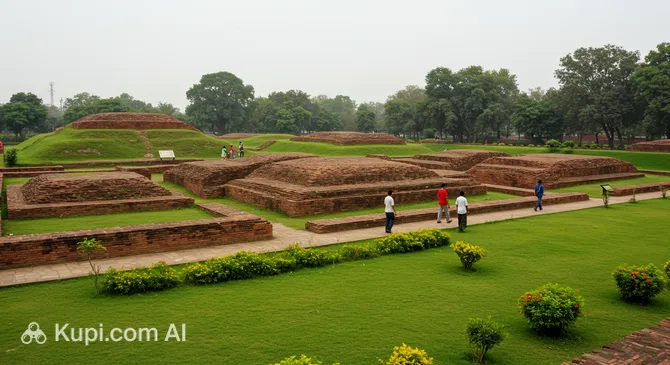
  • The city sits atop the ancient capital of Pataliputra, and at Kumhrar Park, you can discover the archaeological remains of a massive 80-pillared hall from the Mauryan Empire. These ruins provide a rare glimpse into the architectural grandeur of a civilization that thrived here over 2,000 years ago.

  • The iconic Golghar granary is famous for a unique engineering oversight: its doors were designed to open inwards. This meant that if the structure had ever been filled to its maximum capacity to prevent famine as intended, the pressure of the grain would have made it impossible to open the doors.

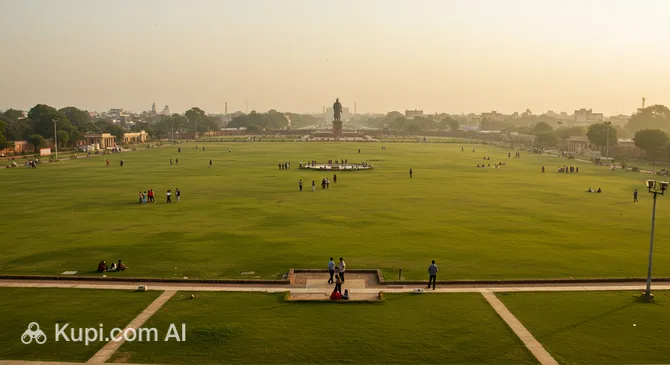
  • Gandhi Maidan, formerly known as the Patna Lawns, is not just a vast urban park but also the site of the world's tallest bronze statue of Mahatma Gandhi. Standing nearly 72 feet high, this imposing monument watches over the historic ground where many pivotal freedom movement rallies took place.

  • The Bihar Museum houses the celebrated Didarganj Yakshi, a life-sized statue carved from a single piece of sandstone. Dating back to the 3rd century BCE, this artifact is renowned globally for its exquisite craftsmanship and the mirror-like polish that has survived for millennia.

How to Get There

Reaching this historic city is relatively straightforward, with air travel often being the most convenient choice for international and domestic visitors alike. For a comprehensive guide on travel options, including routes and tips, you can read more about how to get to Patna.

The primary gateway is Jay Prakash Narayan International Airport (PAT), conveniently located within Patna itself, just 5 km from the city center. As a major hub with high passenger traffic, it connects the capital of Bihar to numerous destinations. Due to its proximity, the commute to the downtown area is quick, typically taking around 30 minutes by taxi or auto-rickshaw, depending on traffic conditions.

If flights to Patna are unavailable, you might consider Gaya Airport (GAY), situated in the city of Gaya, approximately 96 km away. It is a significant alternative, particularly for those interested in the Buddhist circuit. The journey from Gaya to Patna by road usually takes about 2 hours and 45 minutes. Another option is Darbhanga Airport (DBR) in Darbhanga, located roughly 102 km from Patna, which involves a travel time of approximately 3 hours by car.

For clarity, here is a summary of the main airports serving the region:

Airport Name City Passenger Traffic Km from City
Jay Prakash Narayan International Airport Patna Large 5.0
Darbhanga Darbhanga Medium 102.5
Gaya Airport Gaya Medium 96.0
Simara Simara Small 174.1
Janakpur Airport Janakpur Small 146.3

Main Attractions

Patna is a city where history breathes through ancient ruins and modern parks alike. While the majestic Golghar and the immersive Bihar Museum are top highlights, the city offers a wealth of other fascinating sites that cater to nature lovers, history buffs, and spiritual seekers. Exploring these attractions provides a deeper understanding of the region's diverse heritage and vibrant daily life.

Sanjay Gandhi Biological Park. Source: Kupi.Binoculars

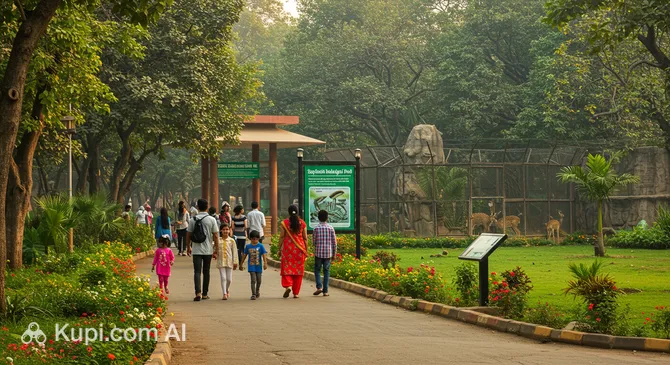
One of the most popular spots for families and nature enthusiasts is the Sanjay Gandhi Biological Park. Locally known as the Patna Zoo, this sprawling green oasis covers a significant area and serves as the city's "green lung." It is renowned for its conservation efforts, particularly regarding the one-horned rhinoceros. Besides the diverse wildlife, the park features a botanical garden with a toy train that is a delight for children, making it a perfect place for a relaxing day out amidst nature.

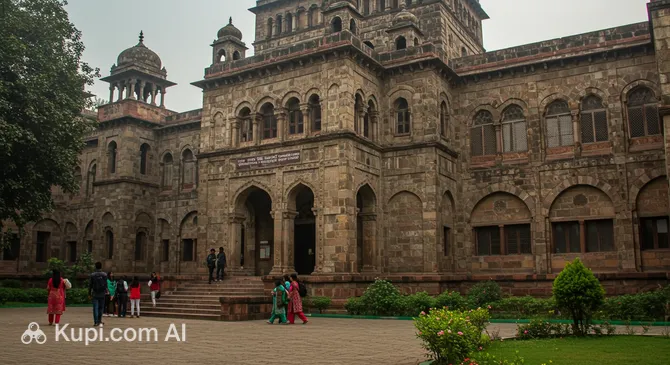
Patna Museum. Source: Kupi.Binoculars

For those interested in the architectural and colonial history of the region, the Patna Museum is an essential stop. Often referred to by locals as Jadu Ghar or the "House of Magic," this institution is housed in a stunning Mughal-Rajput style building constructed in 1917. While many ancient artifacts have moved to the newer Bihar Museum, this heritage building still holds a captivating collection of archaeological finds, rare coins, and fossilized trees, standing as a monument to the city's scholarly past.

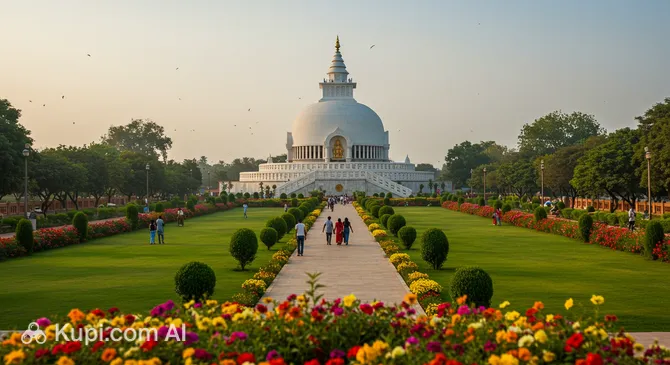
Buddha Smriti Park. Source: Kupi.Binoculars

Located in the heart of the city near the railway station is the serene Buddha Smriti Park. This beautifully landscaped park was developed to commemorate the 2554th birth anniversary of Lord Buddha. Its centerpiece is the towering Pataliputra Karuna Stupa, which houses holy relics from various Buddhist countries. The park offers a peaceful environment for meditation and reflection, contrasting sharply with the bustling urban chaos just outside its walls.

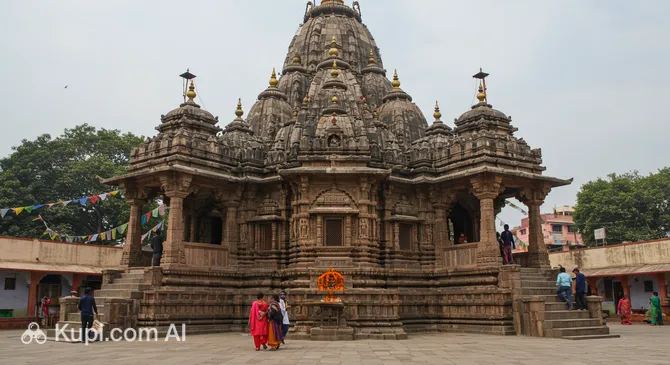
Badi Patan Devi Temple. Source: Kupi.Binoculars

Patna is also a significant religious center, and the Badi Patan Devi Temple is one of its most revered sites. Believed to be one of the 51 Shakti Pithas, this ancient temple is dedicated to the goddess Durga. Mythology suggests that the right thigh of the goddess Sati fell here, making it a powerful pilgrimage destination. Devotees flock here year-round to offer prayers and seek blessings, contributing to the intensely spiritual atmosphere that defines much of the city.

Local Cuisine

The culinary landscape of Patna is a delightful exploration of traditional Bihari flavors, known for their rustic, earthy taste and the extensive use of mustard oil and roasted spices. The food here is hearty and wholesome, often revolving around locally grown ingredients. While the city offers various cuisines, the local fare is distinct and holds a special place in the gastronomic culture of eastern India.

No visit to the city is complete without trying its most famous signature dish, Litti Chokha. This rustic meal consists of wheat balls stuffed with sattu (roasted gram flour) and spices, baked over coal or cow dung cakes, and then dipped in ghee. It is typically served with chokha, a spicy mash of roasted eggplant, tomatoes, and potatoes. Another popular dish is Sattu Paratha, a flatbread filled with the same savory gram flour mixture, often enjoyed with pickles or yogurt.

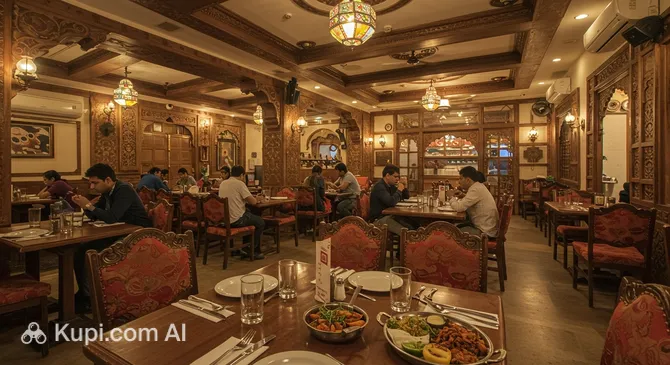
Barkaas. Source: Kupi.Binoculars

For those looking to experience a blend of modern ambiance and delicious food, restaurants like Barkaas offer a great dining atmosphere. If you have a sweet tooth, you must try Khaja, a crispy, layered pastry soaked in sugar syrup, or Tilkut, a sesame-based sweet that is particularly famous in the region. Legendary spots like Shantilal’s are perfect for sampling these traditional confections and savory snacks.

When it comes to beverages, the "energy drink" of Bihar, Sattu Sharbat, is a must-try. This savory drink made from roasted gram flour, water, spices, and sometimes lemon is incredibly refreshing, especially during the hot summer months. Travelers should be aware that Bihar is a dry state, meaning the sale and consumption of alcohol are strictly prohibited. Instead, the local drinking culture focuses on refreshing non-alcoholic options like lassi, sugarcane juice, and fresh fruit blends.

The food culture in Patna is vibrant and diverse, ranging from bustling street food stalls near Gandhi Maidan to the air-conditioned comfort of food courts in places like P&M Mall. Whether you are grabbing a quick bite from a roadside vendor or enjoying a sit-down meal, the city’s hospitality and rich flavors promise a memorable culinary experience.

Travel Tips

To ensure your trip to this historic city is as smooth and enjoyable as possible, we have compiled a list of essential practical advice. From navigating the bustling streets to respecting local customs, these tips will help you experience the authentic charm of Patna with confidence.

  1. Clothing and Gear: The climate dictates your wardrobe here; pack light, breathable cottons for the sweltering summers, but bring warm layers or a jacket for the surprisingly chilly winters (December to February). Since Patna is a traditional city with significant religious sites like Takht Sri Harmandir Sahib Ji, modest clothing that covers shoulders and knees is recommended. Comfortable, closed-toe walking shoes are a must for navigating dusty streets, and a universal power adapter (Type C, D, or M) will keep your devices charged.
  2. Transportation: The most convenient way to get around is by using auto-rickshaws, which are ubiquitous; you can choose between shared "tempos" for a local experience or "reserve" autos for privacy. Ride-hailing apps like Ola and Uber are operational and offer a hassle-free alternative to negotiating fares. While buses exist, they can be overcrowded, and car rentals are generally not recommended for self-driving due to the chaotic traffic conditions.
  3. Finances: The local currency is the Indian Rupee (INR). While hotels, malls, and upscale restaurants accept credit cards, cash is absolute king for street food vendors, local markets, and auto-rickshaws. ATMs are widely available throughout the city. A daily budget can vary, but Patna is generally affordable; tipping around 10% at restaurants is customary if a service charge isn't included.
  4. Health and Safety: Stick to sealed bottled water and avoid tap water to prevent stomach issues. It is advisable to carry mosquito repellent, especially during and after the monsoon season. Pharmacies are plentiful, with many located near major hospitals like PMCH operating 24/7. The city is generally safe for tourists, but it is wise to avoid poorly lit areas late at night and keep an eye on your belongings in crowded places like markets or stations.
  5. Communication: Hindi is the primary language spoken, often mixed with local dialects like Magahi and Bhojpuri. English is understood by hotel staff and younger generations, but learning a few basic Hindi phrases like "Namaste" (Hello) and "Dhanyavad" (Thank you) will go a long way. SIM cards are easily available at official stores with your passport and visa; 4G connectivity is generally good in the city.
  6. Local Etiquette: Greet people with a polite "Namaste" and a slight bow. It is customary to remove your shoes before entering homes and religious places. When eating with your hands or exchanging money, always use your right hand, as the left is considered unclean. Public displays of affection are frowned upon and should be avoided to respect local conservative norms.
  7. What to Avoid: Strictly avoid alcohol. Bihar is a "dry state," meaning the sale, possession, and consumption of alcohol are illegal and punishable by law. Do not attempt to bring alcohol into the city or look for it, as enforcement is strict. Also, avoid photographing people, especially women, without asking for permission first.
  8. Additional Tip: Be prepared for the "Patna time" regarding shop opening hours. Unlike some metropolises, many local markets and shops here do not fully open until around 11:00 AM. Plan your shopping excursions for the afternoon or evening when the bazaars are most lively and fully operational.

By keeping these practical tips in mind, you will be well-prepared to navigate the unique rhythm of Patna. Embrace the vibrant energy, savor the local flavors, and enjoy a safe and memorable journey through the heart of Bihar.

Entertainment & Nightlife

Entertainment in Patna has evolved significantly in recent years, shifting from traditional outings to a more modern mix of recreational parks, riverfront leisure, and contemporary hangouts. While the city respects the state's prohibition laws—meaning you won't find alcohol-serving bars or nightclubs—the social scene is vibrant, focused on food, music, and community experiences.

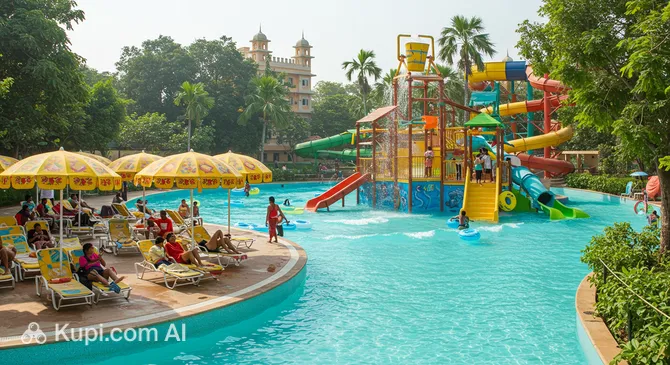
Funtasia Water Park. Source: Kupi.Binoculars
Funtasia Water Park

For families and thrill-seekers, especially during the hot summer months, the city offers excellent aquatic escapes. Funtasia Water Park is the premier destination for splashing around, featuring a variety of high-speed slides, a wave pool, and dedicated kids' zones. It provides a perfect respite from the city's heat. Another popular spot is Water Park Patna, located near Chhata Chowk, which also offers a fun-filled environment for day trips. For a more educational yet entertaining experience, the Shrikrishna Science Centre engages visitors of all ages with its interactive exhibits and 3D theatre, making science fun and accessible.

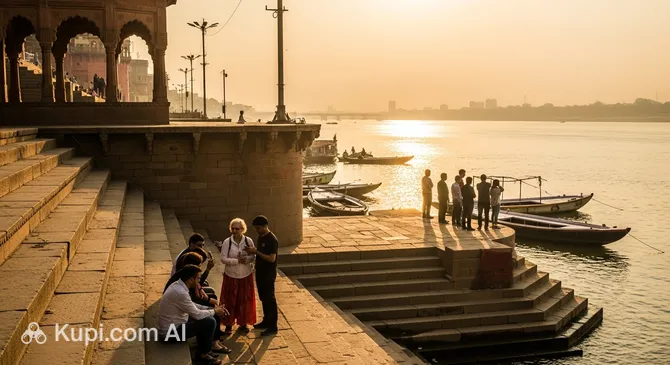
NIT Ghat. Source: Kupi.Binoculars
NIT Ghat

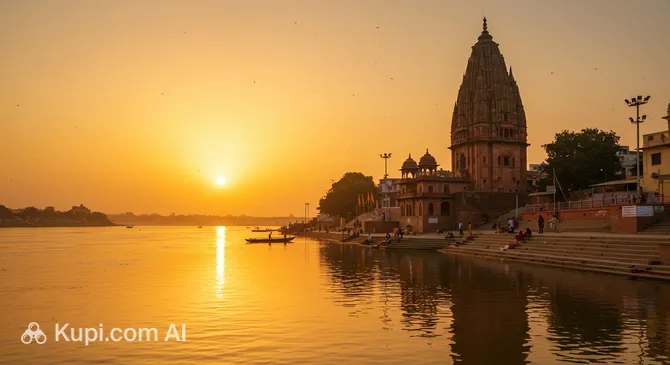
The banks of the Ganges River provide a unique form of leisure that is quintessentially Patna. In the evenings, locals and students flock to NIT Ghat, a clean and well-maintained riverfront promenade. It is an ideal spot for a refreshing walk, enjoying street food, or simply watching the sunset over the river. Nearby, Gandhi Ghat offers a more spiritual entertainment experience; it is famous for hosting the mesmerizing weekend Ganga Aarti, a ritual of lamps and chants that draws large crowds. Boat rides from these ghats offer a peaceful way to see the city from a different perspective.

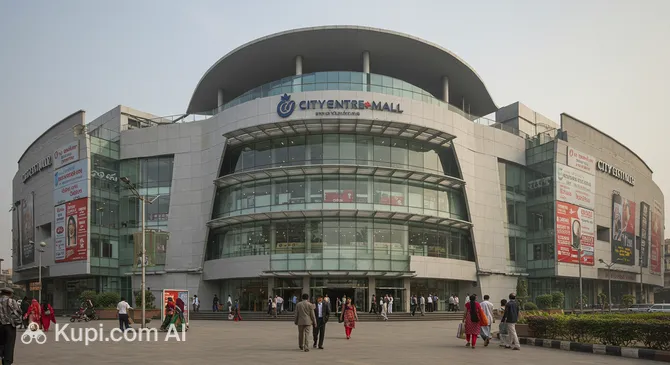
City Centre Mall. Source: Kupi.Binoculars
City Centre Mall

Modern shopping complexes have become the new town squares for the younger generation. City Centre Mall is a major hub where shopping, dining, and cinema converge. It is a go-to place for catching the latest Bollywood or Hollywood blockbusters in air-conditioned comfort. Since the nightlife is alcohol-free, the evening culture revolves around themed cafes and lounges that serve mocktails and extensive food menus. Places like Lounge Before Wicket (LBW) offer a sporty ambiance dedicated to cricket lovers, while the Arabian Sheesha Lounge provides a relaxed setting for conversation and unwinding late into the evening.

Parks & Museums

Patna boasts a surprising array of green spaces and cultural institutions that offer a refreshing break from the city's hustle. From sprawling eco-parks designed for leisure to world-class museums preserving the region's illustrious past, the city provides ample opportunities for relaxation and learning.

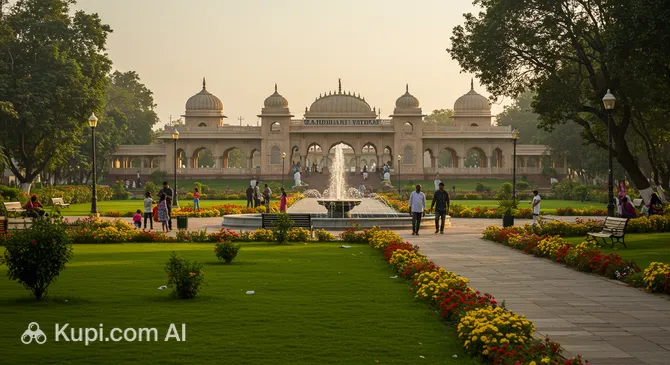
One of the most popular recreational areas is Rajdhani Vatika, commonly known as Eco Park. This beautifully landscaped garden is a favorite among locals for its well-maintained jogging tracks, lush green lawns, and themed zones. It features tranquil water bodies with boating facilities, fun sculptures, and distinct areas like the Rashi Van and Guru Vatika, making it an ideal spot for a family picnic or a peaceful evening walk.

Rajdhani Vatika. Source: Kupi.Binoculars

Another landmark of immense historical and social significance is Gandhi Maidan. Located near the banks of the Ganges, this vast open ground has witnessed some of the most pivotal moments in India's freedom struggle. Today, it serves as the city's central park where residents gather for morning walks, sports, and major cultural events. The massive statue of Mahatma Gandhi overlooking the field stands as a silent sentinel to the vibrant life unfolding below.

Gandhi Maidan. Source: Kupi.Binoculars

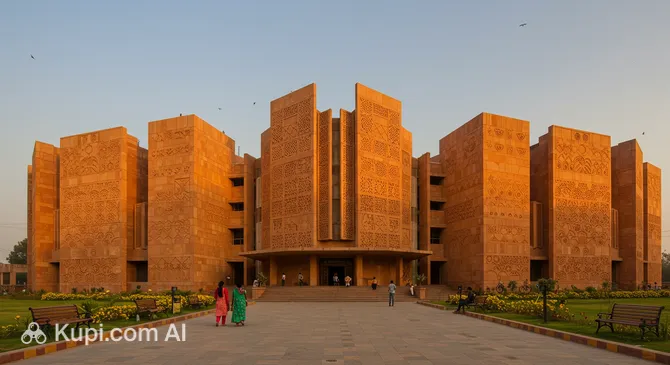
For a deep dive into the region's heritage, the Bihar Museum is an absolute must-visit. This architectural marvel is not just a repository of artifacts but a storytelling venue that chronicles the history of Bihar from ancient times to the present. Its galleries are spacious and modern, featuring interactive exhibits, tribal art, and a dedicated children's section that makes history accessible and engaging for younger visitors.

Bihar Museum. Source: Kupi.Binoculars

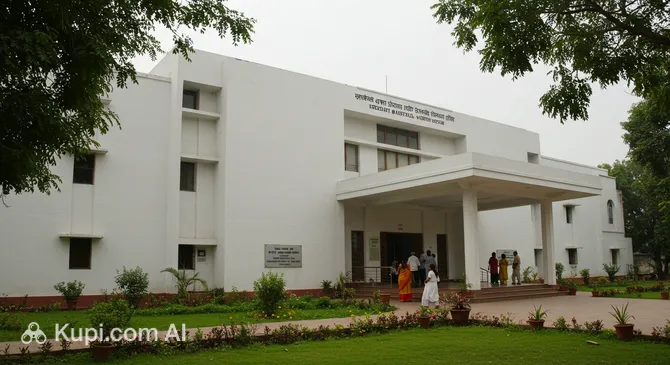
Just a short distance away lies the Gandhi Museum, also known as Gandhi Sangrahalaya. Established to honor the Father of the Nation, this museum offers a poignant look into his life and his deep connection with the state of Bihar. Visitors can explore a rich collection of photographs, original letters, and personal belongings that provide an intimate perspective on his philosophy and the independence movement.

Gandhi Museum. Source: Kupi.Binoculars

For those seeking a unique experience off the beaten path, Energy Park offers a fascinating blend of education and recreation with exhibits focused on renewable energy. Alternatively, a quiet stroll along Kali Ghat provides a more authentic and spiritual connection to the river, away from the larger crowds.

Getting Around

Navigating Patna offers a glimpse into the city's energetic pace, where traditional modes of transport operate alongside modern conveniences. The public transport system is primarily road-based, and while traffic can be dense, a variety of options ensures that you can reach major attractions, markets, and transit hubs with relative ease.

The most ubiquitous and flexible way to get around is by auto-rickshaw, locally referred to as a "tempo." These three-wheelers are the lifeline of the city and operate on two main models. Shared tempos run on fixed routes—such as from Patna Junction to Gandhi Maidan or Bailey Road—and are an extremely affordable way to travel like a local. For a more direct and private journey, you can hire a "reserve" auto to take you to a specific destination. Additionally, electric rickshaws, or "totos," have become very popular for short-distance travel within neighborhoods, offering a quieter and eco-friendly alternative.

For a more organized commute, the Bihar State Road Transport Corporation (BSRTC) operates a fleet of city buses, including modern air-conditioned electric buses. These connect key locations like the airport, railway station, and tourist spots. To enhance the commuter experience, the city uses the Chalo App and card system, allowing visitors to track buses in real-time and pay digitally, which helps avoid the hassle of carrying exact change.

For those seeking comfort and door-to-door service, ride-hailing apps like Uber and Ola are active in Patna. They provide both car and bike taxi services. Booking a cab via an app is often more reliable than hailing one on the street and saves you from negotiating fares. Bike taxis are a particularly efficient option for solo travelers looking to navigate through traffic quickly.

Looking towards the future, the city is developing the Patna Metro, a rapid transit system currently under construction. While this ambitious project aims to transform urban mobility with modern corridors connecting key areas, it is not yet operational for tourists. Until the metro lines are completed and opened to the public, travelers should rely on the existing reliable network of buses, autos, and cabs.

A unique way to experience the city is via the river. The MV Ganga Vihar, operated by the tourism corporation from Gandhi Ghat, offers scenic boat rides on the Ganges. While primarily a leisure activity rather than a daily commute option, ferry services and smaller boats provide a peaceful alternative to cross the river and enjoy the breeze away from the city's bustle.

When it comes to payments, cash is still the preferred method for most local transport, particularly for auto-rickshaws and totos. It is advisable to carry small denominations (₹10, ₹20, ₹50 notes) as drivers often do not have change for large bills. If you opt for a reserved auto without a meter, remember to negotiate and agree on the fare before starting your journey to ensure a smooth trip.

Accommodation

Where to Stay:

Finding a place to stay in Patna is relatively straightforward, with options catering to a wide variety of budgets and travel styles. The city's hospitality landscape ranges from economical guesthouses and functional business hotels to more upscale accommodations. Whether you are a backpacker looking for a simple room or a family seeking modern comforts, the city offers diverse lodgings to ensure a restful visit.

For most tourists, the most convenient areas to base themselves are around Fraser Road and the vicinity of Gandhi Maidan. Staying in these central neighborhoods places you in the heart of the action, with easy access to the railway station, major markets, and popular restaurants. These locations serve as excellent starting points for exploring the city, as many key attractions are just a short auto-rickshaw ride away.

City Centre Patna. Source: Kupi.Binoculars

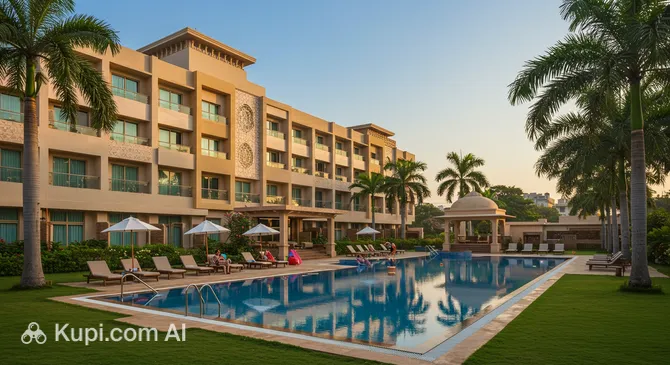
If you are looking for well-regarded accommodation with modern amenities, City Centre Patna is a popular choice due to its strategic location and range of services. For travelers who might prefer a venue that often caters to events and offers a bit more space, Raj Resort is another notable option. These establishments generally provide essential comforts such as air conditioning, Wi-Fi, and on-site dining, making them reliable choices for international and domestic visitors alike.

Booking Tip: While accommodation is generally available year-round, it is highly advisable to book your rooms well in advance if you plan to visit during the winter wedding season or major festivals like Chhath Puja. During these peak times, the city experiences a massive influx of visitors, and finding quality accommodation on short notice can be quite challenging.

In terms of pricing, Patna is a wallet-friendly destination. Budget travelers can find clean and safe rooms at very reasonable rates, while mid-range and luxury options are competitively priced compared to other major Indian metros. Most established hotels are listed on major online booking platforms, which is the most convenient way to secure your stay. However, many smaller budget hotels and guesthouses still operate effectively on direct phone bookings or walk-ins.

Nearby Cities

For those looking to explore the surroundings, Patna serves as an excellent base for day trips to several interesting nearby locations:

One of the most culturally significant destinations is Sonpur, located just across the river at the confluence of the Ganges and Gandak. It is globally renowned for hosting the Sonpur Mela, which is considered Asia's largest cattle fair. This month-long event transforms the quiet town into a bustling hub of trade, folklore, and rural pageantry, attracting visitors from all over the world.

Another prominent neighbor is Hajipur, connected to Patna by the iconic Mahatma Gandhi Setu, one of the longest river bridges in India. The city is famous for its banana plantations, producing the sweet "Chiniya" variety that is a local delicacy. Nearby, the historic town of Danapur offers a glimpse into the colonial past; it served as a major British cantonment and remains a vital military and railway hub for the region.

City Population Distance (km)
Sonpur 288,102 12
Danapur 182,241 10
Hajipur 147,688 13
Khagaul 63,763 10
Dighwara 36,124 21

These nearby destinations offer a glimpse into the diverse culture and landscapes of the region.

Shopping & Souvenirs

Shopping in Patna is a vibrant experience that reflects the city's transition from a historic trading center to a modern state capital. The retail landscape is a fascinating mix of chaotic, centuries-old bazaars and contemporary air-conditioned shopping complexes. While the city is embracing modern retail trends, its heart still beats in the traditional markets where bargaining is an art form. Visitors can find everything from high-end fashion brands to exquisite local handicrafts that showcase the rich artistic heritage of Bihar.

For a quintessential local shopping experience, the Maurya Lok Complex is one of the oldest and most popular hangouts in the city. Located centrally, it is not just a shopping district but a social hub where locals gather to buy clothes, electronics, and accessories while enjoying street food. Fraser Road and Dak Bunglow Road serve as the commercial arteries of the city, lined with showrooms, brand outlets, and smaller shops selling a variety of goods.

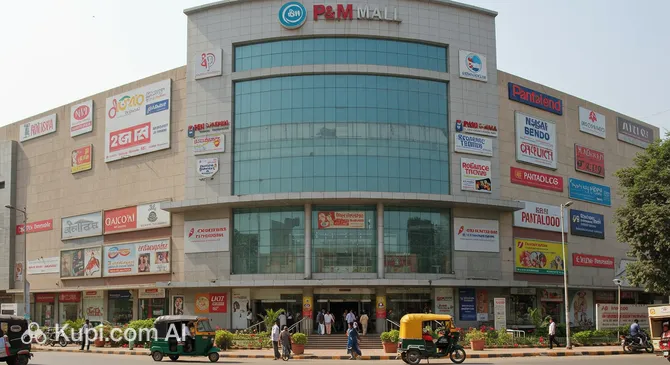
Those seeking a modern retail environment will find excellent options in the city's malls. P&M Mall, located in the Patliputra Industrial Area, is a favorite destination offering a wide range of national and international brands, a multiplex, and a food court. Another significant shopping venue is the City Centre Mall, which provides a comprehensive lifestyle experience with diverse retail stores and entertainment facilities under one roof.

P&M Mall. Source: Kupi.Binoculars

The true charm of shopping here, however, lies in its bustling traditional markets. Hathwa Market and Khetan Market are the go-to places for textiles, particularly for those looking for traditional Indian wear like sarees and lehengas. These markets are often crowded but offer the best variety and prices for fabrics. Patna Market on Ashok Rajpath is one of the city's oldest shopping areas, known for its sheer variety of goods ranging from jewelry to household items.

When it comes to souvenirs, the most prized item to take home is a Madhubani painting. Also known as Mithila art, these intricate, colorful folk paintings are a signature of the region and make for beautiful wall hangings. Other authentic buys include stone pottery, Appliqué work (khatwa), and fine Tussar silk fabrics. Hand-woven textiles and bamboo crafts are also widely available at state emporiums like Bihar Niwas or Khadi Gramodyog centers.

Most shops and markets in Patna typically open around 11:00 AM and remain busy until 9:00 PM. While shopping malls and larger showrooms accept credit and debit cards, cash remains the preferred mode of payment in local bazaars and smaller shops. Digital payment methods like UPI are becoming increasingly popular, but carrying sufficient cash is advisable for street shopping. Tax-free shopping for tourists is not generally available in the standard retail sectors here.

Reached the end of the page?

That means the route is fully explored