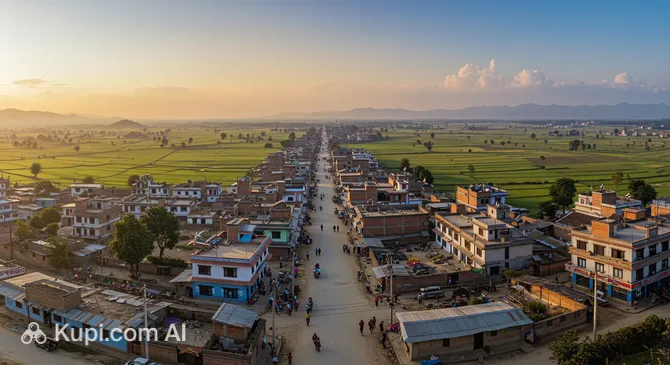
Shopping in Simara is a practical and authentic experience rather than a glamorous retail therapy excursion. As a transit and industrial hub, the town's commercial scene caters primarily to the daily needs of locals and travelers passing through along the highway. Visitors will not find high-end fashion boutiques or sprawling luxury complexes here; instead, the shopping landscape is defined by small, family-run businesses, general stores, and bustling local markets that offer a glimpse into the everyday life of the Madhesh Province.
The primary shopping activity is concentrated along the main Tribhuvan Highway corridor that bisects the town. This strip serves as the commercial heart of Simara, lined with shops selling everything from clothing and footwear to electronics and household goods. For tourists, this is the best place to pick up travel essentials, snacks for the road, or simple apparel. The area is walkable and lively, often crowded with rickshaws and pedestrians, making it a convenient spot to browse while exploring the town center.
Unlike the capital, Simara does not feature large, modern shopping malls. The retail infrastructure is traditional, consisting mostly of standalone shops or small multi-story commercial complexes that house a variety of vendors. Travelers expecting international brands or department stores will find the options limited. However, these smaller complexes often contain hidden gems, such as fabric shops where you can find colorful textiles typical of the Terai region.
For a more colorful and sensory experience, the local Haat Bazaars (weekly markets) are the place to be. These open-air markets are vibrant hubs of trade where farmers from the surrounding rural areas come to sell fresh produce, spices, and grains. Walking through these markets offers a chance to see the agricultural bounty of the southern plains, from seasonal tropical fruits like mangoes and lychees to fresh vegetables. It is also a great spot to practice your bargaining skills and interact with friendly local vendors.
When it comes to souvenirs, Simara is best known for its culinary treats rather than handicrafts. The most popular items to take home are local sweets, particularly Peda, a milk-based confection that is famous in the region. Additionally, the Terai is renowned for its spicy and aromatic pickles (achar), which make for excellent edible gifts. For those interested in culture, you might find simple traditional items or textiles influenced by the nearby Mithila culture, though the selection is smaller than in Janakpur.
Opening hours in Simara generally follow a standard schedule, with most shops opening around 10:00 AM and closing by 8:00 PM. Pharmacies and some general stores near the bus stops may stay open slightly longer. Payment is almost exclusively in cash (Nepalese Rupees). While a few larger establishments or hotels might accept digital payments or cards, small shopkeepers and market vendors deal strictly in cash. It is highly recommended to carry small denominations to make transactions smoother.
Tourists should be aware that Tax-Free shopping or VAT refund schemes are not available in Simara. The town operates on a local economy scale, and such facilities are typically restricted to specific authorized retailers in the international airport or major tourist districts in Kathmandu.