Navigating Gorakhpur is a relatively straightforward experience, with the public transport system primarily relying on a robust network of road-based options. Unlike some larger metropolises, the city does not currently operate a metro rail system, so the rhythm of daily travel is defined by a mix of modern electric buses and traditional three-wheeled vehicles. For tourists, this offers an authentic and often lively way to explore the local streets and reach major attractions.
The most ubiquitous and convenient mode of transport is the auto-rickshaw. These three-wheelers are the lifeline of the city, available in every neighborhood and at major transit hubs like the railway station and airport. You will encounter two types: shared autos, which run on fixed routes and pick up multiple passengers for a very low fare, and reserved autos, which you can hire for a private journey to a specific destination. In recent years, eco-friendly e-rickshaws (battery-operated) have flooded the streets; they are quieter, slower, and ideal for short hops within congested market areas.
For those preferring a more structured transit option, the city operates a fleet of electric buses under the local transport initiative. These air-conditioned buses are a comfortable and affordable alternative to rickshaws, connecting key locations such as the airport, the railway station, Gorakhnath Temple, and the university area. They are clean, efficient, and generally less crowded than other forms of public transport, making them a good choice for tourists traveling between major landmarks.
Regarding payment, cash is king in Gorakhpur. There are no integrated travel cards or digital passes for tourists. When using rickshaws or buses, you must pay the driver or conductor directly. While the electric buses issue tickets, rickshaw fares are informal. It is crucial to carry a good supply of small denomination notes (₹10, ₹20, ₹50), as drivers often struggle to provide change for larger bills. Digital payment apps (UPI) are becoming popular in shops, but many transport providers still prefer hard cash.
For a more comfortable and hassle-free experience, app-based cab aggregators like Ola and Uber are fully operational in the city. Booking a ride through these apps is highly recommended for tourists who want to avoid the language barrier or the need to haggle over fares. These services provide air-conditioned cars and transparent pricing, which can be particularly relieving during the hot summer months. Traditional car rentals with drivers are also available for full-day excursions but are typically booked through travel agencies or hotels.
A few practical tips will help you navigate smoothly. Public transport operates from early morning until late evening, but availability drops significantly after 10:00 PM. If you are taking a reserved auto-rickshaw that is not metered (which is common), you must negotiate and agree on the fare before getting in to avoid disputes later. For women travelers, it is advisable to avoid shared autos late at night and opt for app-based cabs or hotel-arranged transport instead.
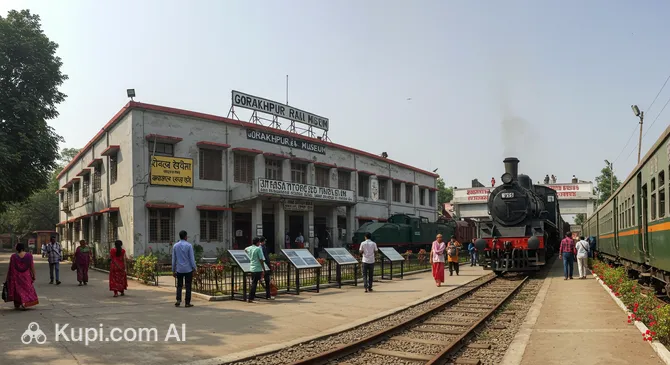
While there is no historic tram or cable car, the Gorakhpur Railway Station itself acts as a major transit landmark. It is centrally located and serves as a primary reference point for almost all local transport routes. Even if you are not taking a train, knowing the direction relative to the "Station" helps in orienting yourself, as most bus and rickshaw routes converge here.