Support

Ayodhya

About

Steeped in mythology and spiritual significance, Ayodhya is regarded as one of the seven most sacred cities in India. Traditionally celebrated as the birthplace of Lord Rama, this ancient city resonates with the chants of pilgrims and the ringing of temple bells, offering a profound sense of tranquility and devotion to all who visit.

Located on the banks of the serene Sarayu River in the state of Uttar Pradesh, Ayodhya is home to a population of approximately 600,000 residents. The city's setting along the river adds to its charm, particularly during the cooler months when exploration is most comfortable. Visitors can delve deep into the fascinating history of Ayodhya, which stretches back thousands of years and is intricately woven into the fabric of the epic Ramayana.
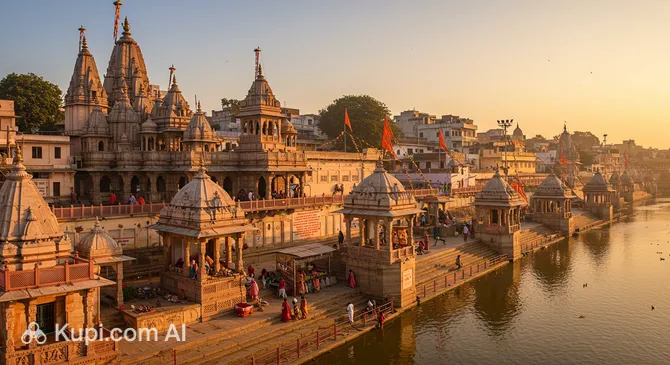
Ayodhya. Source: Kupi.Binoculars

The city is dotted with numerous temples and historical sites that attract travelers from around the globe. The Hanuman Garhi, a 10th-century temple resembling a fortress, sits atop a hill and offers panoramic views of the town. Another highlight is Kanak Bhawan, known for its beautiful architecture and idols of Lord Rama and Goddess Sita wearing gold ornaments. In the evenings, the riverfront comes alive at Ram ki Paidi, where the mesmerizing ritual of aarti illuminates the waters of the Sarayu.

A trip to Ayodhya is more than just a sightseeing tour; it is an immersion into a vibrant spiritual culture. Whether you are seeking inner peace or wish to witness the architectural heritage of a bygone era, this timeless city welcomes you with open arms.
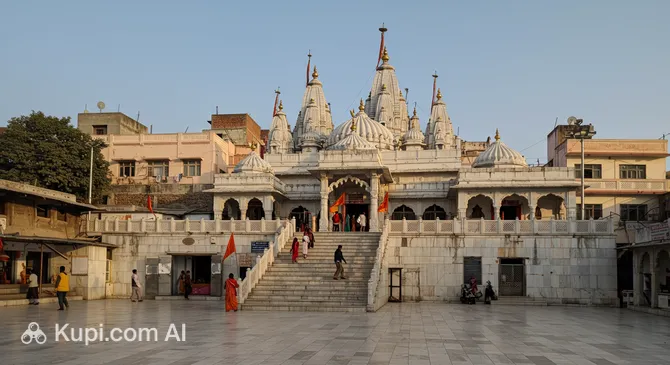
Weather Overview

The climate in this region is characterized by distinct seasonal changes, ranging from sweltering summers to pleasant winters. For the most accurate and detailed forecast during your planned dates, you can consult the guide to the weather in Ayodhya.

Winter arrives in December and lasts through February, offering the most comfortable conditions for travelers. During this period, temperatures are mild, with January seeing average lows of around 9.2°C and highs reaching up to 20.5°C. This season is largely dry, making it an excellent time for visiting temples and walking along the riverbanks.

From March onwards, the temperature begins to climb. Summer peaks in May and June, where the average daily temperature hovers around 31°C to 32°C, and maximums can soar to 37°C. These months are typically hot and require light clothing and hydration if you plan to be outdoors.

The monsoon season brings relief from the heat but introduces significant humidity and rainfall from July to September. July and August are the wettest months, often experiencing over 25 wet days each. By October and November, the rains recede, and the weather cools down again. Overall, expect hot summers with heavy monsoon showers and cool, dry winters.

Interesting Facts

Beyond the main attractions and spiritual fervor, Ayodhya holds many fascinating secrets that bridge ancient legends with surprising global connections. These lesser-known details offer a glimpse into the city's rich tapestry of history and mythology.

Hanuman Garhi Temple. Source: Kupi.Binoculars
  • Ayodhya shares a unique historical bond with South Korea. According to legend, Princess Suriratna from Ayodhya traveled to Korea around 48 CE and married King Suro, becoming Queen Heo Hwang-ok. Millions of Koreans from the Gimhae Kim clan trace their ancestry back to this royal union.

  • While celebrated as the birthplace of Lord Rama, the city is also a significant pilgrimage site for Jains. It is believed to be the birthplace of five Tirthankaras, including the first Tirthankara, Rishabhdev, making it a center of profound spiritual importance for multiple faiths.

  • Local tradition prescribes a specific order for pilgrimage. It is customary for devotees to first visit Hanuman Garhi Temple to seek the blessings and permission of Lord Hanuman before proceeding to worship at the sites dedicated to Lord Rama.

  • The serene Guptar Ghat on the banks of the Sarayu River holds a special place in mythology. It is widely believed to be the spot where Lord Rama took "Jal Samadhi," leaving his earthly form to return to the divine realm of Vaikuntha.

  • The name "Ayodhya" itself carries a powerful meaning in Sanskrit, translating roughly to "Unconquerable" or "Invincible." Ancient texts describe it as a city built by the gods, designed to be as prosperous and splendid as paradise itself.

How to Get There

Reaching this historic city has become increasingly convenient, with improved air and rail connectivity welcoming pilgrims and tourists from across the globe. Whether you prefer a direct flight or a scenic train journey, there are multiple options to suit your itinerary. For a comprehensive guide on all available routes and transport modes, you can read more about how to get to Ayodhya.

The most direct way to arrive is by flying into Ayodhya Airport (IATA: AYJ), which is strategically located just 6.4 km from the city center. As the primary gateway, it offers the quickest access to the main temples and ghats, with a short taxi ride taking you into the heart of the city in approximately 15 to 20 minutes.

For those traveling from further afield or seeking more international connections, Chaudhary Charan Singh International Airport (IATA: LKO) in Lucknow is a major hub. Situated about 130 km from Ayodhya, this large airport serves a high volume of passengers annually. From Lucknow, you can hire a taxi or take a bus to reach Ayodhya, a journey that typically takes around 3.5 to 4 hours.

Another viable option is Gorakhpur Airport (IATA: GOP), located in the city of Gorakhpur, approximately 125 km away. While smaller than the Lucknow airport, it serves as a convenient regional entry point. The drive from Gorakhpur to Ayodhya generally takes about 3.5 hours depending on traffic conditions.

For clarity, here is a summary of the main airports:

Airport Name City Passenger Traffic Km from City
Chaudhary Charan Singh International Airport Lucknow Large 130.4
Ayodhya Airport Ayodhya Medium 6.4
Gorakhpur Airport Gorakhpur Medium 124.5
Nepalganj Airport Nepalganj Small 154.6
Bhairawa Airport Siddharthanagar Small 144.2

Ayodhya is also well-integrated into India's vast railway network. The city is served by key railway stations such as Ayodhya Junction and Ayodhya Cantt, which connect it to major metropolitan areas including New Delhi, Lucknow, Varanasi, and Kolkata. Traveling by train offers an affordable and comfortable way to experience the changing landscapes of Uttar Pradesh before arriving at this spiritual destination. Visitors are advised to check current train schedules and book tickets in advance, especially during festival seasons.

Main Attractions

Ayodhya is a city where every corner tells a story, blending deep spiritual roots with architectural marvels from different eras. Beyond the well-known pilgrimage sites, the city offers a variety of attractions that showcase its rich cultural tapestry and historical significance.

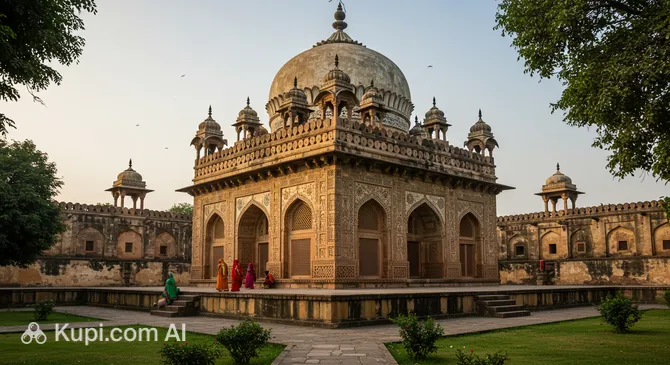
A stunning example of Nawabi architecture is Gulab Bari (Tomb of Shuja-ud-Daula). Literally translating to "Garden of Roses," this monument serves as the mausoleum for the third Nawab of Oudh. Visitors are often captivated by its imposing dome, intricate designs, and the lush, well-maintained gardens that surround the structure. It is a peaceful spot that offers a glimpse into the 18th-century history of the region, distinct from the city's ancient mythological heritage.

Gulab Bari (Tomb of Shuja-ud-Daula). Source: Kupi.Binoculars

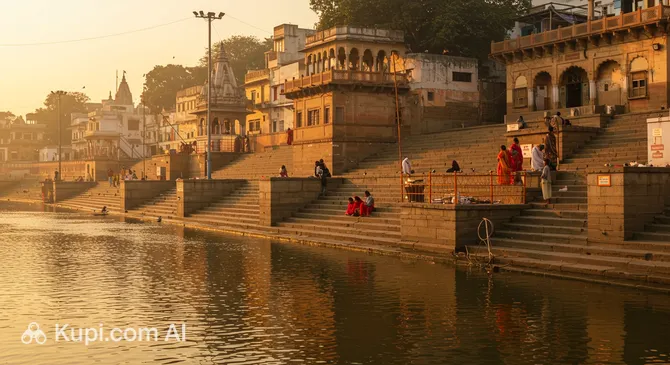
For those wishing to experience the spiritual vibrancy of the Sarayu River, Naya Ghat is a central hub of activity. This sprawling riverfront is lined with ancient temples and is a popular spot for devotees to take a holy dip. The atmosphere here is particularly enchanting during the evening, when the ghats are illuminated, and the reflection of lights dances on the water, creating a mesmerizing ambiance for an evening stroll.

Naya Ghat. Source: Kupi.Binoculars

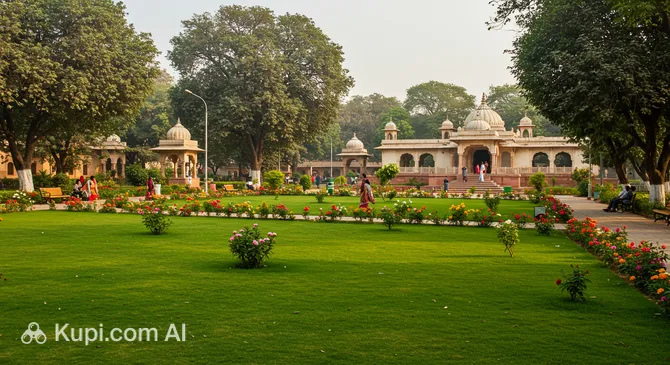
Travelers seeking a quiet retreat amidst nature should visit Tulsi Udyan. Dedicated to the great saint-poet Goswami Tulsidas, this beautifully landscaped garden is situated on the main highway. It features a serene statue of the poet and offers a calm environment perfect for relaxation or a leisurely walk. The garden serves as a green oasis in the bustling city, allowing tourists to unwind and reflect.

Tulsi Udyan. Source: Kupi.Binoculars

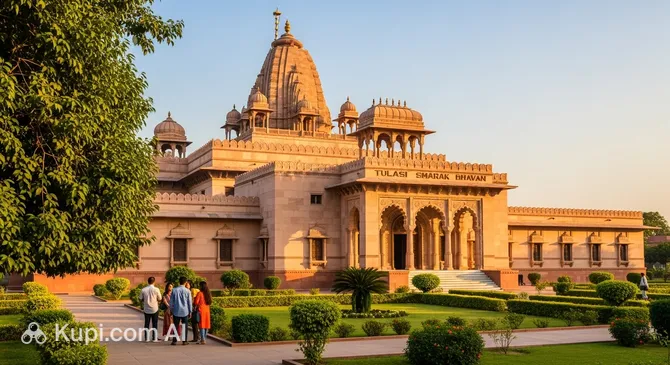
To delve deeper into the literary and cultural legacy of Ayodhya, the Tulasi Smarak Bhavan is an essential stop. This establishment functions as a museum and cultural center, housing a vast library and research center dedicated to Ayodhya's history and literature. It is also known for hosting Ramleela performances and religious discourses, making it a vibrant center for those interested in the artistic traditions of the city.

Tulasi Smarak Bhavan. Source: Kupi.Binoculars

Local Cuisine

Ayodhya’s culinary landscape is deeply influenced by its status as a holy city, resulting in a food scene that is predominantly vegetarian and steeped in traditional North Indian flavors. The local cuisine is simple yet rich, often characterized by the use of pure ghee, aromatic spices, and fresh dairy products. Visitors will find that the food here is often "Sattvic" in nature, avoiding onions and garlic in many temple-vicinity eateries, yet bursting with taste.

One cannot explore the city without indulging in its vibrant street food culture. A favorite breakfast among locals is Kachori-Sabzi, crispy deep-fried pastries served with a spicy potato curry. Another must-try is Aloo Tikki, often served with a tangy tamarind chutney and yogurt. For those with a sweet tooth, the city is famous for its Besan ke Ladoo, particularly those offered as prasad at the temples. Traditional sweets like Rabri (thickened sweetened milk) and piping hot Jalebis are also staples that provide a perfect end to a meal.

When it comes to beverages, the city favors traditional, cooling drinks over alcohol. In fact, due to the religious significance of the area, alcohol is generally prohibited or restricted within the main pilgrimage limits. Instead, tourists can enjoy a tall glass of frothy Lassi, a yogurt-based drink often topped with a layer of cream, or the ubiquitous Masala Chai, which fuels the city's daily rhythm.

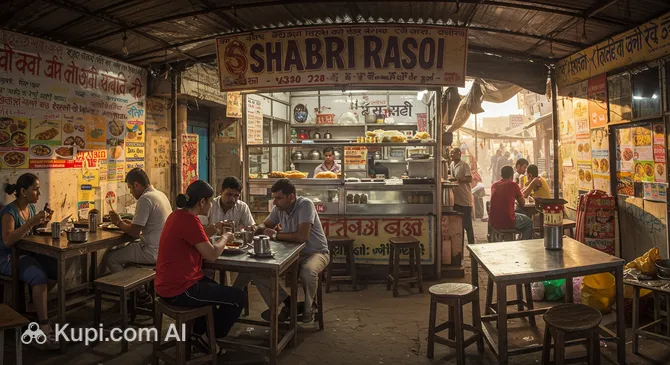
Shabri Rasoi. Source: Kupi.Binoculars

Dining in Ayodhya ranges from humble roadside stalls to comfortable family restaurants. For a wholesome traditional meal, you might visit places like Shabri Rasoi, which offers authentic vegetarian dishes in a family-friendly setting. If you are looking for a slightly different vibe or a variety of cuisines, Tipsy Town is another dining option available in the city. Whether you are grabbing a quick snack at a ghat or sitting down for a full thali, the food in Ayodhya offers a comforting taste of Uttar Pradesh's hospitality.

Travel Tips

Visiting Ayodhya is a journey into the heart of India's spiritual heritage, and a little preparation ensures your pilgrimage or cultural tour remains smooth and enjoyable. To help you navigate the city's unique rhythm and customs, here are some practical tips for your upcoming trip.

  1. Dress Modestly and Comfortably: As a city of immense religious significance, conservative attire is the norm. Both men and women should wear clothing that covers the shoulders and knees, such as long trousers, skirts, or tunics. Since you will be visiting numerous temples where footwear must be removed, wear slip-on shoes or sandals that are easy to take off and put on. If you are visiting in winter (December to February), bring warm layers as mornings and evenings can be quite chilly.

  2. Getting Around: The most convenient way to navigate the narrow lanes of Ayodhya is by using e-rickshaws (battery-operated three-wheelers). They are eco-friendly, readily available, and affordable. You can hire one for a specific drop-off or negotiate a price for a half-day tour. Walking is also a wonderful option for exploring the ghats along the river, but for longer distances between temples, these rickshaws are your best bet.

  3. Managing Finances: The local currency is the Indian Rupee (INR). While hotels and some larger shops may accept credit cards, cash is king in Ayodhya. You will need small denominations for rickshaw fares, offerings (prasad), and donations at temples. ATMs are available throughout the city, but it is wise to withdraw sufficient cash beforehand to avoid long queues or technical issues.

  4. Health and Safety: Pharmacies are generally available near the main market areas and hospital zones, but carrying a personal medical kit is recommended. A unique safety consideration in Ayodhya is the presence of monkeys. They are often found near temples and can be aggressive if they see food. Avoid carrying open food packets, and keep your spectacles, cameras, and phones securely stowed when walking through monkey-populated areas.

  5. Communication: The primary languages spoken are Hindi and the local dialect, Awadhi. While English is understood at major hotels and by some tour guides, it is less common among local shopkeepers and rickshaw drivers. Learning a few basic phrases or having a translation app handy can be very useful. SIM cards can be purchased at local shops with a passport and visa copy.

  6. Local Etiquette: The standard greeting here is often "Ram Ram" or "Jai Siya Ram" rather than a simple hello. Always remove your shoes before entering any temple or home. When receiving prasad (holy offering) or giving money, use your right hand, as the left hand is considered unclean for such interactions. Public displays of affection should be avoided to respect the local conservative culture.

  7. What to Avoid: Be aware that the consumption of alcohol and non-vegetarian food is strictly prohibited within the sacred limits of the city. Do not attempt to bring these items into the main pilgrimage areas. Additionally, avoid wearing leather accessories (like belts or wallets) inside temple sanctums, as leather is often forbidden in these sacred spaces.

  8. Aarti Timings: To witness the city at its most magical, plan your schedule around the evening Saryu Aarti at the ghats. Arrive at least 30 minutes early to secure a good viewing spot, as it gets crowded with devotees. Watching the lamps float on the river at dusk is an unforgettable experience.

By keeping these practicalities in mind, you can focus fully on the serene atmosphere and historical grandeur of this ancient city. Ayodhya rewards the respectful traveler with deep cultural insights and a sense of timeless peace.

Entertainment & Nightlife

Entertainment in Ayodhya offers a unique blend of spiritual immersion and cultural discovery, distinct from the typical nightlife of metropolitan cities. Visitors here will find their time best spent exploring vibrant markets, enjoying the serenity of the river, and witnessing the city's rich heritage come alive through its architecture and daily rituals.

Shopping is a major activity for tourists, with local bazaars offering everything from religious artifacts and sandalwood to traditional textiles. For those seeking a more modern shopping experience, SAT Styles is a notable destination. This shopping venue provides a range of contemporary clothing and lifestyle products, serving as a convenient spot for travelers looking to update their wardrobe or purchase gifts in a comfortable setting.

SAT Styles in Ayodhya

The Sarayu River remains the heart of the city's leisure activities. Beyond the spiritual significance, taking a boat ride on the river is a popular way to unwind. The gentle waters offer a calming escape, particularly near Guptar Ghat. This historic ghat is not only a pilgrimage site but also a picturesque location perfect for evening strolls and watching the sunset paint the sky in hues of orange and purple.

Guptar Ghat

Sightseeing in Ayodhya often involves admiring the regal architecture that dots the landscape. Raj Sadan stands out as a significant structure, reflecting the royal history of the region. Exploring such landmarks allows visitors to appreciate the secular and royal dimensions of the city's past, complementing its dominant religious narrative. Whether it is watching a local Ramlila performance or simply soaking in the architecture, Ayodhya offers a peaceful yet engaging retreat.

Raj Sadan

Parks & Museums

While Ayodhya is primarily revered for its temples and ghats, the city also hosts serene green spaces and cultural centers that offer a deeper insight into its heritage. These locations provide a quiet respite from the bustling pilgrimage routes and allow visitors to explore the artistic and historical dimensions of the region.

Ram Katha Park is a sprawling cultural hub located near the riverbanks. This open-air venue is beautifully landscaped and serves as the city's primary stage for cultural events, religious gatherings, and theatrical performances of the Ramayana. With its spacious amphitheaters and lush lawns, it is a favorite spot for evening walks, where travelers can enjoy the cool breeze and the vibrant atmosphere of local storytelling traditions.

A symbol of international friendship can be found at the Queen Heo Hwang-ok Memorial Park. Dedicated to the legendary princess of Ayodhya who traveled to Korea, this park has been developed to showcase the deep historical ties between India and South Korea. The site features elegant pavilions built in traditional Korean architectural styles, stone sculptures, and well-manicured gardens, offering a unique blend of cultures in the heart of the ancient city.

For those interested in history and art, the International Ram Katha Museum is a significant stop. This institution houses a fascinating collection of artifacts, paintings, and sculptures that depict various interpretations of the epic Ramayana from across the world. It provides a scholarly perspective on the city's mythology, preserving ancient manuscripts and art forms that might otherwise be overlooked.

Another notable spot is Mani Parvat, a hillock that stands about 65 feet high and is believed to be of mythological origin. The area is dotted with small shrines and offers a panoramic view of the city and the winding Sarayu River. Surrounded by greenery, it is a peaceful location where visitors can enjoy a moment of solitude and admire the city's skyline from above.

Getting Around

Navigating Ayodhya is a unique experience that blends traditional Indian travel methods with modern, eco-friendly initiatives designed to accommodate the growing number of pilgrims and tourists. The public transport system here is not as complex as in major metropolitan hubs, relying heavily on intermediate public transport rather than a subway or extensive rail network. The city is compact, and most major attractions are clustered relatively close to one another, making short-distance travel the primary need.

The most ubiquitous mode of transport in Ayodhya is the e-rickshaw (battery-operated three-wheeler). These silent, eco-friendly vehicles have largely replaced traditional cycle rickshaws and are the lifeline of the city's local commute. They are perfect for navigating the narrow lanes around the temple zones where larger vehicles cannot pass. Alongside these, standard auto-rickshaws (tuk-tuks) operate on longer routes and main roads, connecting the railway stations and the airport to the city center.

For a more organized travel experience, the city has introduced a fleet of electric buses. These air-conditioned buses ply on specific loop routes, connecting key landmarks such as the Ayodhya Dham Junction, the airport, and major parking lots to the main temple areas. They offer a comfortable and affordable alternative to open rickshaws, especially during the hot summer months. Additionally, in strictly pedestrian zones near the main temples, electric golf carts are often available, primarily to assist the elderly and those with limited mobility.

Regarding payment, the system is predominantly cash-based. While India has seen a massive surge in digital payments, and many drivers accept payments via UPI apps, it is highly advisable for tourists to carry cash in small denominations (10, 20, 50, and 100 Rupee notes). There are no integrated travel cards or city-wide transport passes currently in use for tourists. Fares for e-rickshaws are often per seat on shared routes, costing a nominal amount, but hiring a full vehicle for a private ride requires negotiation. Bus tickets are purchased directly from the conductor on board.

Taxis and car rentals are available but are generally used for intercity travel or airport transfers rather than hopping between local sights. Ride-hailing apps have a growing presence, but availability can be sporadic compared to larger cities. For a hassle-free day of sightseeing, many tourists prefer to hire a private taxi or negotiate a "full-day" rate with a reliable auto-rickshaw driver, which allows for flexibility and the convenience of waiting at each stop.

A few practical tips will ensure a smooth journey: always agree on the fare before boarding an auto-rickshaw or e-rickshaw to avoid misunderstandings later. Transport services generally operate from early morning (around 6:00 AM) until late evening (around 10:00 PM), aligning with temple opening hours. Finally, be prepared for traffic diversions during festivals or VIP visits, as certain routes may be closed to vehicles, requiring visitors to walk the final stretch to the main shrines.

Accommodation

Where to Stay:

Accommodation in Ayodhya caters primarily to the large influx of pilgrims, offering a mix of traditional stays and an increasing number of modern facilities. The city provides a broad spectrum of lodging options, ranging from simple dharamshalas (pilgrim rest houses) and budget guest houses to comfortable mid-range hotels and homestays. While luxury resorts are less common compared to major metropolitan hubs, the hospitality sector is rapidly developing to meet the needs of international and domestic tourists.

When choosing where to stay, location is a key factor. Many visitors prefer staying near the Ayodhya Junction Railway Station or the main bus stand, as these areas offer easy access to transport and are lined with numerous hotels and eateries. For those who wish to be immersed in the spiritual atmosphere, finding a guest house near Ram Janmabhoomi or Hanuman Garhi allows for a walkable experience to the major temples, though these areas can be quite bustling and crowded.

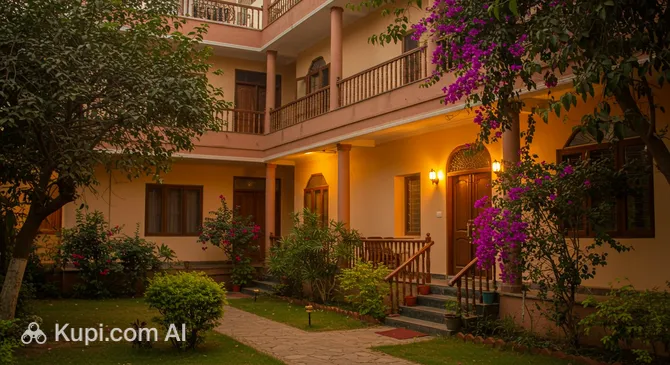
For travelers looking for specific accommodation examples, the city offers several reliable options. Raghubir Nikunj Homestay is one such place, often appreciated for its homely atmosphere and proximity to key sites, providing a more personal touch to your visit.

Raghubir Nikunj Homestay. Source: Kupi.Binoculars
Raghubir Nikunj Homestay

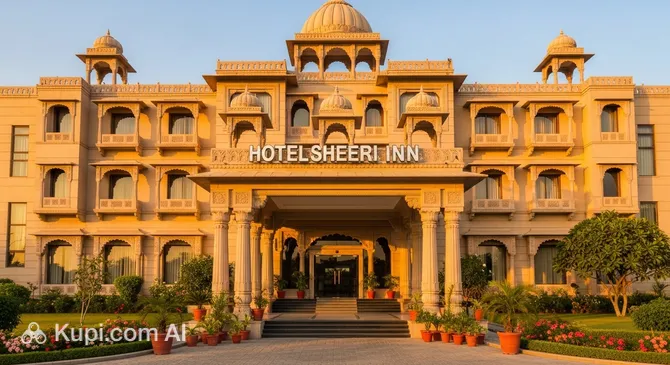
Another establishment available for tourists is Hotel Sheeri Inn. This property caters to visitors seeking standard amenities and a convenient base for exploring the city's historical landmarks.

Hotel Sheeri Inn. Source: Kupi.Binoculars
Hotel Sheeri Inn

Booking Tip: Ayodhya attracts millions of devotees during major festivals such as Deepotsav (Diwali), Ram Navami, and other religious occasions. During these peak times, accommodation is in extremely high demand and often fully booked weeks or even months in advance. It is highly recommended to secure your reservation well ahead of time if you plan to visit during these festive periods.

In terms of pricing, the city is generally affordable. Budget travelers can find very economical rooms, while mid-range hotels offer moderate prices that provide good value for money. Booking can be done through major online travel platforms, which is advisable for securing better rates and guaranteed availability, although many smaller guest houses and ashrams still operate on a direct booking or first-come-first-served basis.

Nearby Cities

For those looking to explore the surroundings, Ayodhya serves as an excellent base for day trips to several interesting nearby locations. Visitors can travel to Bahraich, a city steeped in history and known for the revered Dargah of Ghazi Saiyyad Salar Masud, which attracts pilgrims from far and wide. Another worthwhile destination is Pratapgarh, often called the "Amla City" due to its extensive gooseberry cultivation; it is also home to the ancient Belha Devi Temple on the banks of the Sai River. Closer to the city, the town of Rudauli offers a glimpse into the region's Sufi heritage and local traditions.

City Population Distance (km)
Bahraich 186,223 105
Rudauli 43,091 45
Akbarpur 42,248 52
Pratapgarh 42,079 102
Nawabganj 39,241 102

These nearby destinations offer a glimpse into the diverse culture and landscapes of the region.

Shopping & Souvenirs

Shopping in Ayodhya is deeply rooted in its spiritual identity and cultural heritage. Unlike the high-end fashion capitals, the retail scene here is characterized by vibrant street bazaars, shops selling religious paraphernalia, and traditional sweet stalls. Visitors will find a plethora of items that reflect the city's rich mythological legacy, making it an excellent destination for finding unique cultural souvenirs rather than luxury goods.

The most bustling shopping districts are concentrated around the major temples and central junctions. The narrow, winding lanes leading up to Hanuman Garhi are lined with shops selling flowers, sweets for offerings, and religious texts. For a more general commercial atmosphere, the area around Naka Chauraha (Ayodhya-Raebareli Road) serves as a key junction where locals and tourists alike converge to find a variety of goods ranging from daily necessities to local handicrafts.

While Ayodhya is historically an ancient city, it is gradually embracing modern retail trends. You will not find massive sprawling malls, but there are dedicated stores for contemporary needs. For clothing and fashion, SAT Styles is a popular stop for those looking for modern apparel. Additionally, for travelers who might need to replace a charger or purchase gadgets during their trip, the Digital Electronics Store offers a selection of tech accessories and devices.

The local markets are the heart of the city's commerce. The bazaars near Ram Janmabhoomi and Kanak Bhawan are always teeming with activity. These markets are not just places to buy goods but are also sensory experiences filled with the aroma of incense and fresh sweets. While there are no designated "flea markets" in the western sense, the street stalls operate similarly, offering affordable trinkets and local wares at reasonable prices.

When it comes to keepsakes, Ayodhya offers unique items that hold spiritual value. The most popular souvenirs include Ramnami Gamchas (scarves printed with the name of Lord Ram), sandalwood products, and brass idols of deities. Wooden sandals, known as Khadau, are also a traditional purchase. Don't forget to buy a box of the local sweet delicacy, Khurchan, or the famous Peda to take back home for friends and family.

Most shops in the main market areas open around 10:00 AM and remain active until 9:00 PM. However, shops near the temples may open significantly earlier to cater to morning pilgrims. Cash is the preferred mode of payment, especially in smaller stalls and for street food. While some larger establishments and hotels accept digital payments and credit cards, carrying sufficient Indian Rupees in smaller denominations is highly recommended for a smooth shopping experience.

Tax-free shopping or VAT refunds are generally not available for international tourists in Ayodhya, as the city operates primarily on local retail systems. Prices displayed usually include all applicable taxes, so the price you see is the final price you pay.

Reached the end of the page?

That means the route is fully explored