Support

Dhangadhi

About

Dhangadhi is the administrative capital of Sudurpashchim Province and a vital commercial hub in western Nepal. Located in the warm Terai plains near the Indian border, this bustling city offers a distinct atmosphere compared to the mountainous regions of the country. It serves as a primary gateway for travelers exploring the remote and beautiful Far-West region.
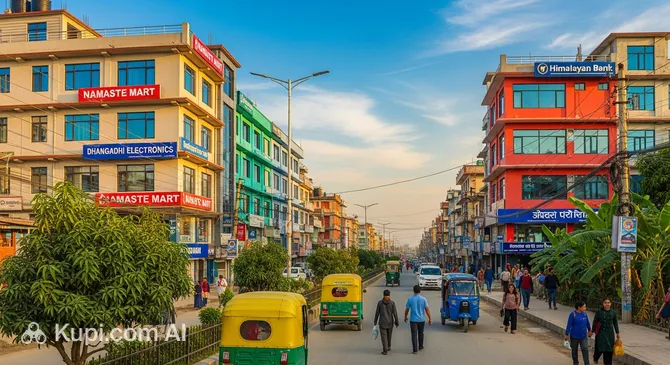
Dhangadhi. Source: Kupi.Binoculars

With a population of over 100,000 residents, the city has grown significantly over the years. While modern development is evident, the history of Dhangadhi is deeply rooted in the traditions of the Tharu people, the indigenous inhabitants of the Terai. The climate here is subtropical, characterized by hot summers and mild winters, making it accessible year-round, though the cooler months are often preferred for comfortable sightseeing.

Tourists visiting Dhangadhi can explore several unique spots within the city and its vicinity. Jakhor Lake and the surrounding Botanical Garden offer a peaceful retreat for nature lovers and birdwatchers seeking tranquility. Another intriguing attraction is the Aircraft Museum, which is housed inside a grounded jet and provides a fascinating educational experience. Furthermore, the city is an excellent starting point for excursions to the renowned Shuklaphanta National Park, famous for its large herds of swamp deer and diverse wildlife.

Whether you are passing through on your way to the Himalayas or stopping to experience local Terai culture, Dhangadhi welcomes visitors with warm hospitality. It is a vibrant destination that perfectly blends urban energy with the serene beauty of the surrounding landscapes, inviting you to discover a different side of the country.

Weather Overview

Dhangadhi experiences a subtropical climate characterized by distinct seasonal variations, ranging from sweltering heat to pleasant cool spells. The summer months, particularly from April to June, are quite hot, with average temperatures peaking around 29.9°C in June. This period is followed by the monsoon season in July and August, which brings frequent rainfall and high humidity, recording up to 30 wet days per month.

In contrast, the winter season offers much milder and drier conditions, making it an excellent time for outdoor activities. January is typically the coolest month, with average temperatures hovering around 13.6°C, while November and December see almost no precipitation. Travelers can generally expect warm summers with significant rain during the monsoon and cool, dry winters. For a more detailed forecast and seasonal breakdown, you can check the weather in Dhangadhi to help plan your trip effectively.

Interesting Facts

Beyond the bustling markets and transit routes, Dhangadhi holds several fascinating secrets that surprise many visitors. This vibrant city in the Far-West is not just a commercial hub but a place of unique innovations and deep-rooted cultural distinctions.

  • Nepal's First Aircraft Museum: One of the city's most unusual landmarks is a museum housed entirely inside a grounded Fokker 100 jet. Established by a former pilot, this attraction allows visitors to sit in the cockpit and learn about aviation history without ever leaving the ground, a rarity in this part of the world.

  • The "Cricket City": Dhangadhi is widely regarded as the unofficial cricket capital of the country. The city gained national fame for launching the Dhangadhi Premier League (DPL), a major franchise-based tournament that played a pivotal role in professionalizing the sport in the region.

  • Home of the Rana Tharu: The area is a cultural stronghold for the Rana Tharu community, an indigenous group distinct from other Tharu clans. They claim royal Rajput ancestry and maintain unique traditions, colorful attire, and a dialect that sets them apart from their neighbors in the eastern Terai.

  • A Hidden Wetland Sanctuary: Just a short distance from the city center lies Jakhor Lake (Jokhar Taal), a natural wetland surrounded by a botanical garden. It serves as a surprising urban oasis where visitors can spot diverse bird species and rare turtles, offering a quick escape into nature amidst the city's growth.

How to Get There

Reaching the far-western hub of Nepal is an adventure in itself, offering travelers a chance to witness the changing landscapes of the Terai. The most convenient way to arrive is by air, though road travel offers a scenic alternative. For a comprehensive guide on all available transport methods and routes, you can read more about how to get to Dhangadhi.

The primary gateway to the region is the city's own Dhangadhi airport (IATA: DHI). Located just 8.5 km from the city center, it is the most direct point of entry. A taxi or auto-rickshaw from the airport to the main market area typically takes about 35 minutes. This domestic airport connects the region with Kathmandu and serves as a vital link for locals and tourists alike.

Another significant option is Nepalganj Airport (IATA: KEP), located in the city of Nepalganj. Although it is situated approximately 121 km away from Dhangadhi, it is a major regional hub with higher flight frequency and passenger traffic. The journey from Nepalganj to Dhangadhi by taxi or bus takes roughly 3.5 hours, offering a travel option if direct flights to Dhangadhi are unavailable.

For clarity, here is a summary of the main airports:

Airport Name City Passenger Traffic Km from City
Dhangadhi Dhangadhi Medium 8.5
Nepalganj Airport Nepalganj High 121.0
Bareilly Bareilly Medium 118.2
Pantnagar Airport Pantnagar Medium 118.5
Surkhet Airport Surkhet Small 99.8

Dhangadhi does not have its own railway station, as the railway network within Nepal is quite limited. Travelers coming from India often take a train to nearby Indian border towns such as Gauriphanta or Palia Kalan and then cross the border by road. Once across, local buses, jeeps, and taxis are readily available to transport you into the heart of the city.

Main Attractions

Dhangadhi offers a surprising variety of attractions that blend natural beauty, unique innovation, and spiritual depth. While it serves as a commercial hub, the city has developed several distinct spots that appeal to tourists, families, and nature enthusiasts alike. From one of the world's few museums housed inside a jet to serene wetlands, there is plenty to explore within the city limits and its immediate surroundings.

Aircraft Museum is undoubtedly the most curious landmark in the city. Established by a former pilot, this museum is set entirely inside a grounded Fokker 100 jet. Visitors can step on board to explore the cockpit, view a collection of miniature aircraft models, and enjoy an aerial photography gallery. It provides a rare educational experience, allowing aviation enthusiasts and children to get a close-up look at the inner workings of a plane without leaving the ground.

Jakhor Lake, also known as Jokhar Taal, is a scenic wetland located within the Deharaya Botanical Garden. This tranquil spot is a favorite among locals for picnics and nature walks. The lake is surrounded by lush greenery and serves as a habitat for various bird species, making it an excellent location for birdwatching. The botanical garden itself showcases a variety of indigenous plants, offering a peaceful escape from the bustling city streets.

Shivpuri Dham stands as the city's primary spiritual center and a significant pilgrimage site in western Nepal. The complex is famous for housing a massive 108-foot Shiva Lingam, which is considered the tallest in the country. The temple grounds are beautifully maintained, featuring multiple shrines and a peaceful atmosphere that attracts devotees and visitors seeking spiritual solace. It is particularly vibrant during major Hindu festivals.

Mohana River Corridor offers a unique wildlife experience that surprises many travelers. During the monsoon season, particularly from July to September, this river becomes a sanctuary for endangered Gangetic river dolphins. Visitors can often spot these rare creatures swimming in the tributaries near the city. The river also marks the border with India and provides a habitat for various aquatic life and birds, making it a fascinating spot for nature lovers.

Shuklaphanta National Park, though located a short drive from the city, is often visited with Dhangadhi as the base. It is one of Nepal's most important wildlife reserves, renowned for having the largest herd of swamp deer in the world. The park's vast open grasslands also support populations of Royal Bengal tigers, rhinoceroses, and wild elephants. A jungle safari here offers a chance to witness the raw beauty of the Terai's wilderness.

Local Cuisine

The culinary landscape of Dhangadhi is a vibrant mix of standard Nepali staples, spicy Indian street food, and the distinct, earthy flavors of the indigenous Tharu people. Located in the Far-West Terai, the city offers a unique gastronomic experience that differs significantly from the mountain regions, characterized by the use of local rice varieties, freshwater fish, and bold spices.

A trip to Dhangadhi is incomplete without exploring authentic Tharu cuisine, which is the soul of the region's food culture. The most iconic dish to try is Dhikri, a steamed cake made from rice flour dough, typically shaped like a sausage or small figurine. It is usually served with spicy chutney, lentil soup, or curry and is a staple during festivals like Maghi. For the adventurous eater, Ghonghi (water snails) is a celebrated delicacy. These are cooked in a rich, spicy gravy with flaxseed, and locals enjoy them by sucking the meat directly from the shell, a process that is considered an art form in itself.

Due to its proximity to the Indian border, Dhangadhi also boasts a thriving street food scene that rivals its neighbors. In the evenings, the city streets and marketplaces bustle with vendors selling Chatpate (a spicy mix of puffed rice, instant noodles, and vegetables) and Pani Puri. These snacks are incredibly popular among locals and offer a fiery burst of flavor that reflects the cross-border influence. Of course, the traditional Dal Bhat (rice, lentils, and curry) remains the daily comfort food, often served here with distinct local greens and pickles known as achar.

When it comes to beverages, the local culture offers both traditional and refreshing options. In Tharu communities, you might encounter Jaand or Niggar, a traditional homemade rice beer that is mild and culturally significant. For non-alcoholic options, thick and creamy Lassi is a favorite way to cool down during the hot summer months, alongside the ubiquitous sweet milk tea (Chai) that fuels social gatherings throughout the day.

Dining in Dhangadhi is generally a casual affair. While there are modern restaurants appearing in the city center, the most authentic flavors are often found in smaller, family-run eateries and open-air street stalls. Travelers are encouraged to visit local "Tharu Homestays" or specialty restaurants on the outskirts of the city to experience a full traditional platter, often served on leaf plates, providing a genuine taste of the Far-West hospitality.

Travel Tips

Visiting Dhangadhi opens the door to the authentic culture of Western Nepal, but the region's unique climate and location require a bit of preparation. These practical tips will help you navigate the city comfortably and make the most of your journey through the Terai plains.

  1. Clothing and Gear: Since Dhangadhi is located in the subtropical Terai region, the weather can be sweltering. Pack light, breathable cotton clothing for the summer months and a light jacket for winter evenings. Modesty is appreciated, so avoid overly revealing outfits, especially when visiting religious sites like Shivpuri Dham. Most importantly, bring a high-quality mosquito repellent and a power adapter for Type C, D, or M sockets.
  2. Transportation: The most convenient way to get around the city is by auto-rickshaw (often called "tempos" or e-rickshaws). They are abundant, eco-friendly, and perfect for short distances. Taxis are available but less common for short hops; always negotiate the fare before starting your journey, as meters are rarely used. Ride-hailing apps are not widely operational here, so relying on local transport stands is best.
  3. Finances: The local currency is the Nepalese Rupee (NPR). While major hotels may accept credit cards, cash is king in local markets, small eateries, and for transport. ATMs are readily available in the main market area (Traffic Chowk), but it is wise to carry enough small bills for daily expenses. Indian Rupees are often accepted due to the border proximity, but denominations above ₹100 may be scrutinized.
  4. Health and Safety: As a lowland city, Dhangadhi has a higher risk of mosquito-borne ailments like dengue, especially during the monsoon. Always carry repellent and sleep under a mosquito net if your accommodation provides one. Pharmacies are easy to find around the Seti Provincial Hospital area. Stick to bottled or purified water and avoid drinking directly from the tap to prevent stomach issues.
  5. Communication: Nepali is the primary language, though you will also hear Tharu and Doteli. English is generally understood by hotel staff and younger generations, but less so by rickshaw drivers and market vendors. Learning a few basic phrases like "Namaste" (Hello) and "Dhanyabad" (Thank you) goes a long way. SIM cards from Ncell or Nepal Telecom are easy to purchase with a passport copy and photo.
  6. Local Etiquette: The culture here is warm but conservative. Always remove your shoes before entering a home or a temple. When eating with your hands (a common local practice) or passing money to someone, use your right hand only, as the left is considered unclean. Greeting locals with a smile and a "Namaste" with palms pressed together is the standard and respectful form of address.
  7. What to Avoid: Avoid public displays of affection, such as kissing or hugging, as this is frowned upon in traditional society. Additionally, do not point your feet at people or religious icons, as feet are considered the lowest part of the body and pointing them is seen as disrespectful.
  8. Market Timing: Be aware that due to the intense afternoon heat, especially in summer, many shops and local businesses may take a break or operate at a slower pace between 1:00 PM and 3:00 PM. Plan your shopping or outdoor sightseeing for the cooler mornings or late afternoons to match the local rhythm.

With these essentials in mind, you are ready to explore the vibrant streets and serene nature of Dhangadhi without hassle. Embrace the warmth of the locals, respect the traditions, and enjoy your adventure in this fascinating gateway to the Far-West.

Entertainment & Nightlife

Dhangadhi offers a nightlife experience that is distinct from the high-energy party scenes of Kathmandu or Pokhara. Here, the evening culture is more about relaxation, dining, and socializing in a laid-back atmosphere. As the commercial gateway to the Far-West, the city's nightlife is evolving, centered primarily around modern lounge bars, hotel restaurants, and lively street corners where locals gather to unwind.

The main hub of activity is the Main Road area and Traffic Chowk. In the early evening, these streets are bustling with energy as people enjoy spicy street snacks and shop in the local markets. For a proper night out, visitors typically head to venues like Food Affair Lounge Bar. This spot is well-regarded for its comfortable ambiance, making it an excellent choice for grabbing a drink and enjoying conversation in a modern setting. Another popular option is Ice & Fire Restaurant & Bar, which offers a vibrant atmosphere and a menu that caters to diverse tastes, often attracting a mix of local youth and travelers.

If you prefer entertainment over dining, STS Cinema is the premier destination in the city for movies. It features modern amenities and screens the latest releases, providing a great way to spend an evening with family or friends. The crowd in these venues is generally polite and casual, and the dress code is relaxed, though smart-casual is recommended for the nicer hotel bars.

When planning your night, keep in mind that Dhangadhi is an early-to-bed city. Most bars and restaurants wind down by 10:00 PM, so it is advisable to head out early. Public transport, particularly the ubiquitous e-rickshaws, stops running around 8:30 PM. For your return journey, it is best to arrange a taxi through your hotel or venue, as hailing a ride on the street late at night can be difficult. While the city is safe, sticking to well-lit areas and avoiding unlit side streets is always good practice.

During the daylight hours, the entertainment options shift towards unique cultural and natural experiences. The Aircraft Museum is a standout attraction, allowing visitors to explore the interior of a real jet. For those seeking tranquility, Jakhor Lake and the surrounding botanical gardens offer a peaceful retreat for boating and nature walks, providing a perfect contrast to the bustling town center.

Parks & Museums

While the city's most famous landmarks draw crowds for their uniqueness, Dhangadhi also offers distinct recreational spaces that cater to families and culture enthusiasts. Beyond the main tourist trail, visitors can find vibrant amusement parks and immersive cultural experiences that serve as "living museums," preserving the heritage of the region.

Dhangadhi Fun City is the premier destination for modern recreation in the area. As the region's first major amusement and theme park, it provides a welcome escape from the subtropical heat. The park features a variety of water slides, swimming pools, and manicured lawns, making it a favorite spot for families and local youth. Whether you are looking to cool off in the water or enjoy a lively weekend atmosphere, this park offers a fun and relaxed environment to mingle with the local community.

For those interested in history and tradition, the nearby Tharu villages serve as fascinating open-air museums. Instead of visiting a static building, tourists are encouraged to explore places like the Bhada Homestay, located a short drive from the city. Here, the entire village acts as a repository of the indigenous Tharu culture. Visitors can observe traditional mud houses adorned with unique art, watch cultural dance performances, and see ancient agricultural tools still in use. This immersive approach allows travelers to experience the "living history" of the Far-West Terai firsthand.

Although situated a bit further from the city center, Tikapur Park (The Great Garden of Tikapur) is widely considered one of the finest parks in Nepal and is a popular excursion from Dhangadhi. Originally established by King Mahendra as a recreational retreat, this sprawling garden is renowned for its diverse collection of flowers, particularly roses, and its serene atmosphere. It stands as a testament to the region's botanical beauty and offers a perfect setting for a peaceful day trip amidst nature.

Getting Around

The public transport system in Dhangadhi is straightforward, informal, and relies entirely on road-based vehicles. Unlike larger metropolitan areas, there are no metros, trams, or trains operating within the city limits. Instead, the local transit network is dominated by smaller, flexible vehicles that navigate the flat terrain of the region efficiently. For tourists, getting around is generally inexpensive and offers a chance to experience the local pace of life up close.

The most ubiquitous form of transport is the electric rickshaw, locally known as a "City Safari" or simply "tempo." These battery-operated three-wheelers are eco-friendly and serve as the backbone of intra-city mobility. They operate on a shared basis, picking up and dropping off passengers along standard routes, or they can be hired privately for a specific destination. Local buses and minibuses are also available, but they are typically used for longer distances connecting the city center to outlying villages or neighboring towns rather than for short hops within the downtown area.

The payment system is exclusively cash-based. There are no travel cards, digital passes, or ticketing apps for local transport in Dhangadhi. Passengers pay the driver directly at the end of the journey. Fares for shared e-rickshaws are fixed for standard routes and are very affordable, usually ranging from 20 to 50 NPR depending on the distance. It is crucial to carry small denominations of the local currency, as drivers often struggle to provide change for large bills.

For a hassle-free experience, it is advisable to confirm the fare before hopping into a vehicle. If you are hiring an entire rickshaw or taking a taxi, negotiation is standard practice as meters are rarely used or nonexistent. Public transport typically operates from early morning, around 6:00 AM, until approximately 8:00 PM or 9:00 PM. After this time, finding a ride on the street becomes significantly harder, so you should plan your return journey accordingly.

Taxis are an alternative for those seeking more comfort or traveling with heavy luggage, particularly to and from the airport. They can usually be found at designated stands near major intersections like Traffic Chowk or the bus park. While ride-sharing apps are popular in other parts of the world, they have limited to no presence here, so relying on street-hailing is the norm. For those who prefer independence, renting a motorbike or scooter is possible from a few local shops, though it is less common than in major tourist hubs.

Accommodation

Where to Stay:

Accommodation in Dhangadhi caters primarily to business travelers, transit passengers, and visitors heading to the Far-West's natural attractions. The city offers a range of options, from simple budget guesthouses to comfortable mid-range hotels and a few upscale resorts. While the selection is not as extensive as in Kathmandu or Pokhara, travelers will find clean and hospitable places to rest, with standards steadily improving to meet the needs of growing tourism in the region.

The most convenient area to stay is around the Main Road and Traffic Chowk. This central location places you in the heart of the commercial district, within walking distance of restaurants, shops, and local transport stands. Staying here is ideal for those who want easy access to the city's amenities and the hustle and bustle of daily life. For travelers seeking a quieter environment, there are several resorts located on the outskirts of the city. These properties often feature gardens, swimming pools, and a more relaxed atmosphere, making them perfect for families or those looking to unwind after a long journey.

In terms of hotel categories, the city has seen the rise of modern hotels that offer amenities such as air conditioning, Wi-Fi, and attached restaurants. These mid-range and upper-mid-range establishments provide a comfortable stay with reliable services. Budget travelers can find numerous lodges and guesthouses near the Bus Park area, offering basic facilities at very affordable rates. These are practical for backpackers or those simply passing through for a night.

Booking Tip: While walk-ins are generally accepted at many establishments, it is highly recommended to book in advance if you plan to stay at one of the top-rated hotels, especially during the wedding season or major festivals like Dashain and Tihar. During these times, the best rooms sell out quickly due to domestic demand.

Price Range and Booking: Accommodation in Dhangadhi is generally very affordable compared to the country's major tourist hubs. Budget rooms can be found for a nominal fee, while mid-range hotels offer excellent value for money. "Luxury" in this context refers to the best available local standards, which are still quite reasonably priced by international standards. While the larger hotels are listed on major online booking platforms, many smaller guesthouses still rely on direct phone bookings or on-the-spot inquiries. Payment is predominantly in cash (Nepalese Rupees), although the top hotels increasingly accept credit cards.

Nearby Cities

Situated in the far-western corner of Nepal, Dhangadhi serves as a strategic base for exploring the wider Sudurpashchim Province and beyond. While the city itself is a bustling commercial center, several other notable towns and cities are located within a reachable distance, each offering its own unique character and attractions. Exploring these neighbors allows travelers to gain a deeper understanding of the diverse landscapes and cultures of western Nepal.

The closest major urban center is Bhimdatta (formerly Mahendranagar), located just 56 km to the west. It is a crucial border town connecting Nepal with India and serves as the primary gateway to the spectacular Shuklaphanta National Park. For those looking to venture into the hills, Surkhet lies approximately 96 km away. As the capital of Karnali Province, Surkhet sits in a beautiful valley and acts as the starting point for journeys to the remote Rara Lake.

Further east, the Dang Valley houses the twin cities of Tulsipur and Ghorahi, which are significant cultural and administrative hubs. Travelers heading towards the center of the country will eventually reach Butwal, a major trading city located at the intersection of the East-West Highway and the road to Pokhara.

Here is a list of nearby cities with their approximate distances from Dhangadhi:

City Name Population Distance (km)
Bhimdatta 104,000 56
Surkhet 117,000 96
Tulsipur 141,529 177
Ghorahi 156,164 196
Butwal 118,462 300

Please note that travel times in Nepal can vary significantly depending on road conditions and the mode of transport, even for relatively short distances. It is always advisable to check current road status before planning a trip to these neighboring towns.

Shopping & Souvenirs

As the primary commercial hub of the Far-Western region, Dhangadhi offers a bustling shopping scene that serves not only the city's residents but also people from the surrounding hill districts. The shopping experience here is a blend of traditional open-air markets and emerging modern retail outlets. While it lacks the high-end luxury boutiques of the capital, visitors can find everything from daily essentials and electronics to unique local handicrafts, all within a lively and authentic atmosphere.

The heart of the city's commerce beats along the Main Road and around Traffic Chowk. This central strip is lined with a variety of small shops, clothing stores, and wholesalers. It is the best place to take a stroll and observe the local trade. Another key area is L.N. Chowk (Laxmi Narayan Chowk), which connects to several market alleys where you can find textiles, shoes, and household goods at competitive prices.

For a more modern shopping experience, the city is home to a branch of Bhat-Bhateni Supermarket. This multi-story department store is a major landmark in Dhangadhi, offering a "one-stop-shop" environment similar to what you would find in Kathmandu or international cities. Here, tourists can purchase branded clothing, groceries, cosmetics, and liquor in a comfortable, air-conditioned setting with fixed prices.

To experience the local culture, visiting the traditional vegetable and spice markets is a must. The Haat Bazaar (weekly market) concept is prevalent in the Terai region, where farmers from nearby villages bring their fresh produce to sell. Even on regular days, the local market areas near the Bus Park are vibrant with vendors selling seasonal fruits, vegetables, and aromatic spices that are distinct to the cuisine of the plains.

When looking for souvenirs, the most authentic items to bring back are products of Tharu craftsmanship. The indigenous Tharu community is famous for weaving beautiful, colorful baskets known as Dhakiya. These intricate baskets come in various sizes and patterns and serve as both practical containers and decorative art pieces. Additionally, you can find organic products such as honey, lentils, and medicinal herbs brought down from the remote hills of the Sudurpashchim province.

Most shops in Dhangadhi typically open around 10:00 AM and close by 8:00 PM. While the Bhat-Bhateni Supermarket and some larger hotels accept credit cards, the majority of smaller shops and market stalls operate exclusively on cash. It is highly recommended to carry sufficient Nepalese Rupees (NPR) in smaller denominations. Digital payment methods like QR codes are becoming increasingly popular, but cash remains the most reliable option for tourists.

Tourists should be aware that tax-free shopping or VAT refund services are not generally available in Dhangadhi's local stores. The tax refund system in Nepal is limited and typically processed at the international airport in Kathmandu for specific high-value purchases, so it is best not to expect tax refunds for general shopping in this region.

Reached the end of the page?

That means the route is fully explored