Support

Bareilly

About

Bareilly is a vibrant metropolis located in the northern state of Uttar Pradesh, often celebrated for its rich cultural tapestry and commercial significance. Situated on the banks of the Ramganga River, this bustling city serves as a gateway to the Kumaon region of the Himalayas. As a prominent urban center in India, Bareilly experiences a humid subtropical climate and is home to a population of approximately one million residents, contributing to its lively and dynamic atmosphere.

Bareilly. Source: Kupi.Binoculars

The city boasts a deep-rooted past that dates back centuries, having historically served as the capital of the Rohilkhand region. Visitors interested in the history of Bareilly will discover a fascinating narrative of diverse cultural influences that have shaped its modern identity. Today, it stands as a major hub for trade and education while maintaining its traditional charm.

Travelers are often drawn to the city for its unique spiritual significance; it is affectionately known as Nath Nagri due to the presence of seven ancient Shiva temples, including the renowned Trivati Nath Temple, located in its vicinity. Beyond its spiritual sites, Bareilly is famous for its exquisite Zari-Zardozi embroidery and high-quality cane furniture, offering a delightful experience for shoppers and art enthusiasts alike. Whether you are visiting for spiritual solace or to explore local craftsmanship, the city offers a welcoming and memorable journey.

Weather Overview

The climate in this region is characterized by distinct seasons, offering a mix of hot summers and cooler winters. During the peak of summer in May and June, the city becomes quite warm, with average temperatures exceeding 30°C and maximum highs reaching nearly 37°C. As the season transitions, a period of frequent moisture arrives; July and August are particularly notable for their high number of wet days, with precipitation recorded on up to 27 days in July.

Conversely, the winter months of December and January provide a much cooler atmosphere, where average temperatures drop to around 14°C to 16°C, and nightly minimums can fall to approximately 8°C. These months are significantly drier, with very few wet days. For a more comprehensive breakdown of what to expect during your visit, you can view the detailed weather in Bareilly. Generally, travelers should expect hot temperatures mid-year, frequent damp days during the late summer, and pleasant, cool conditions in the winter.

Interesting Facts

Beyond the main attractions, Bareilly holds many fascinating secrets that offer a glimpse into its unique local culture. From cinematic fame to specialized crafts, these details make the city truly one of a kind.
  • The Legend of the Lost Jhumka: For decades, the city was famous in popular culture solely due to the iconic Bollywood song "Jhumka Gira Re" (The Earring Fell), which tells the story of a lost earring in the Bareilly marketplace. Embracing this musical legacy, the city recently installed a massive, decorative Jhumka structure at a major junction, turning a fictional lyric into a tangible tourist landmark.

  • The "Bans" Connection: Locals often refer to the city as "Bans-Bareilly" to distinguish it from the similarly named Rae Bareli. This prefix is widely believed to refer to the city's historical bamboo (bans) market, though local legends also attribute the name to Bansaldev, one of the two sons of Jagat Singh who are credited with founding the city in the 16th century.

  • Kite String Capital: Bareilly is a world-renowned hub for the manufacturing of "Manjha," the glass-coated string used in competitive kite flying. The artisanal skill involved in creating these sharp, durable strings is a specialized trade here, supplying kite enthusiasts across the entire subcontinent.

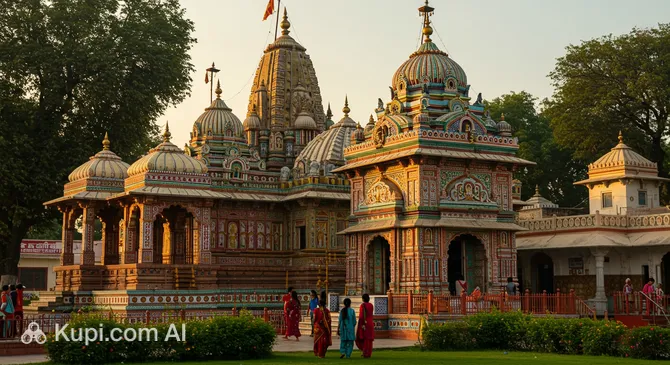
  • Abode of the Naga Sanyasis: While the city is known as Nath Nagri for its seven Shiva temples, the Shree Baba Alakhnath Temple holds a special place in this circuit. It serves as a significant headquarters for the Naga Sanyasis, a sect of ascetics, making it a unique spiritual center distinct from typical community temples.

Shree Baba Alakhnath Temple. Source: Kupi.Binoculars

How to Get There

Reaching this historic city in Uttar Pradesh is quite convenient, thanks to its well-established connectivity with the rest of India. Whether you prefer the speed of air travel or the scenic route by train, there are multiple options to suit your itinerary. You can find more details about all ways to reach the city on our dedicated page.

The most direct way to arrive is by flying into the local Bareilly airport (IATA: BEK), which is situated just 6.4 km from the city center. This regional airport has made access significantly easier for travelers. Once you land, a taxi ride to the heart of the city takes approximately 30 minutes. Although the airport handles a moderate volume of traffic, it provides essential domestic links.

If direct flights are unavailable, a good alternative is Pantnagar Airport (IATA: PGH), located in the city of Pantnagar, about 74 km away. It is a smaller regional hub, and the journey to Bareilly by taxi from here takes around 2 hours and 10 minutes. For those travelling from further afield or seeking more flight options, the Ghaziabad (Hindon) airport in Jhandapur serves as a larger gateway. However, it is located approximately 206 km away, requiring a longer road transfer of about 5.5 hours.

For clarity, here is a summary of the main airports:

Airport Name City Passenger Traffic Km from City
Ghaziabad (Hindon)JhandapurHigh205.9
DhangadhiDhangadhiModerate120.5
KheriaAgraModerate197.5
BareillyBareillyModerate6.4
Pantnagar AirportPantnagarModerate74.0

Bareilly is also a prominent railway hub in Northern India, served by the bustling Bareilly Junction railway station. The city enjoys excellent rail connectivity with major metropolitan centers such as New Delhi, Lucknow, and Kolkata. Travelers can choose from a wide variety of express and superfast trains that stop here daily, making rail travel a comfortable and popular method for reaching the city from virtually anywhere in the country.

Main Attractions

Attractions:

Bareilly is a city where ancient spirituality coexists with modern lifestyle developments. While it is famously known as "Nath Nagri" for its cluster of Shiva temples, the city also offers contemporary shopping and dining experiences that appeal to visitors of all ages. Exploring these sites provides a well-rounded perspective of the local culture and daily life.

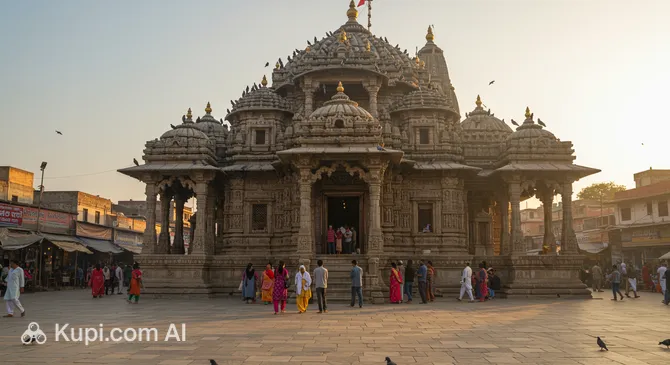
One of the most revered spiritual sites in the city is the Shri Baba Trivati Nath Temple. Situated in the heart of the city, this ancient temple is dedicated to Lord Shiva and is one of the seven Nath temples that give Bareilly its nickname. Devotees and tourists alike flock here to experience its peaceful ambiance and participate in the vibrant aarti ceremonies. The temple complex is beautifully maintained, offering a serene escape from the bustling city streets and a chance to witness traditional Hindu architecture up close.

Shri Baba Trivati Nath Temple. Source: Kupi.Binoculars

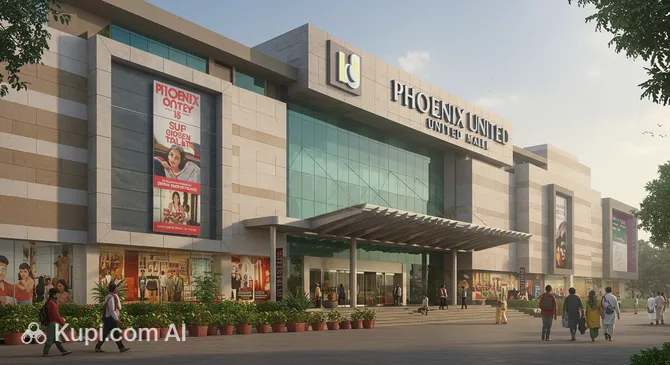
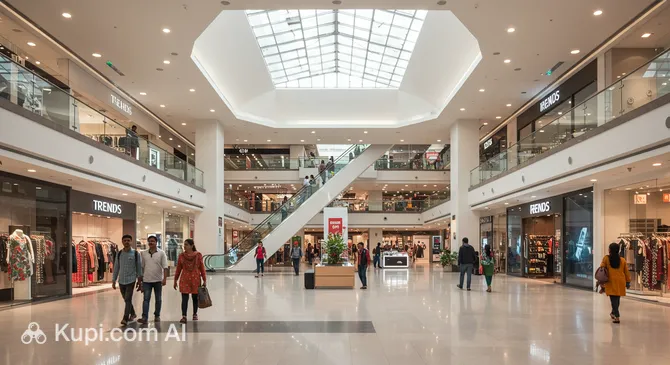
For those looking to experience the modern side of the city, the Phoenix United Mall is the premier destination for shopping and entertainment. As one of the largest malls in the region, it houses a wide array of domestic and international brands, making it a favorite spot for fashion enthusiasts. Beyond shopping, the mall features a multiplex cinema and a lively food court, making it an excellent place to spend a leisure afternoon or evening with family and friends.

Phoenix United Mall. Source: Kupi.Binoculars

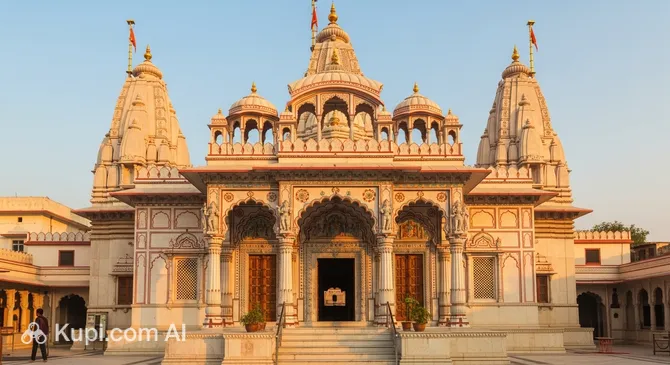
Another significant religious landmark is the Shri Laxmi Narayan Temple Bareilly. Dedicated to Lord Vishnu and Goddess Laxmi, this temple is known for its intricate carvings and spiritual significance. The calm environment makes it an ideal spot for meditation and reflection. During major festivals like Diwali and Janmashtami, the temple is adorned with lights and decorations, drawing large crowds who come to offer prayers and celebrate.

Shri Laxmi Narayan Temple Bareilly. Source: Kupi.Binoculars

After a day of sightseeing, visitors can enjoy the city's evolving culinary scene at places like Casa Divine. This establishment is popular among locals and tourists for its elegant ambiance and diverse menu. Whether you are looking for a fine dining experience or a place to relax with a refreshing beverage, it offers a comfortable setting to unwind. It represents the growing cosmopolitan culture of Bareilly, where traditional hospitality meets modern service standards.

Local Cuisine

The culinary landscape of Bareilly is a delightful reflection of its rich history, offering a mouthwatering blend of traditional Mughlai influences and classic North Indian street food. Food lovers visiting the city are in for a treat, particularly if they enjoy robust, meaty flavors. The city is legendary across the region for its succulently spiced Seekh Kebabs. These minced meat skewers, grilled over charcoal to perfection, are best enjoyed with spicy green chutney and soft rumali roti. Another local favorite is Nahari, a slow-cooked meat stew that is traditionally eaten as a hearty breakfast, often paired with fresh tandoori kulchas.

For those who prefer vegetarian options, the streets of Bareilly offer an endless array of savory snacks. The local Aloo Tikki (fried potato patties) served with yogurt and tamarind sauce is a must-try, known for its perfect balance of crispiness and tang. You will also find bustling stalls serving Chaat and Pani Puri, which are staple comfort foods for the locals. To end a meal on a sweet note, visitors should look for traditional desserts like Rabri or hot, syrup-soaked Jalebis, which are widely available in the old market areas.

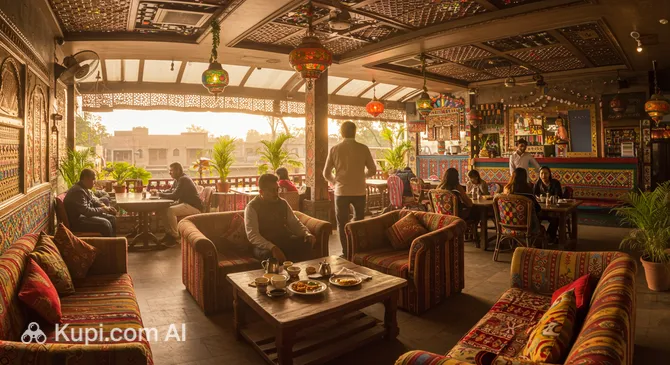
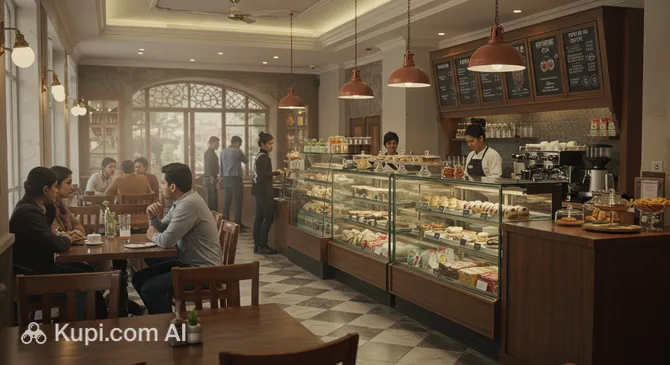
While traditional eateries dominate the old city, the modern side of Bareilly has seen a surge in quirky and contemporary dining spaces. A prime example of this evolving food scene is the Quaci 2D Cafe. This unique establishment offers not just a diverse menu but also an artistic interior designed to look like a two-dimensional sketch, providing a distinct visual experience alongside your meal. It is a popular spot for younger crowds and tourists looking for "Instagrammable" moments.

Quaci 2D Cafe. Source: Kupi.Binoculars

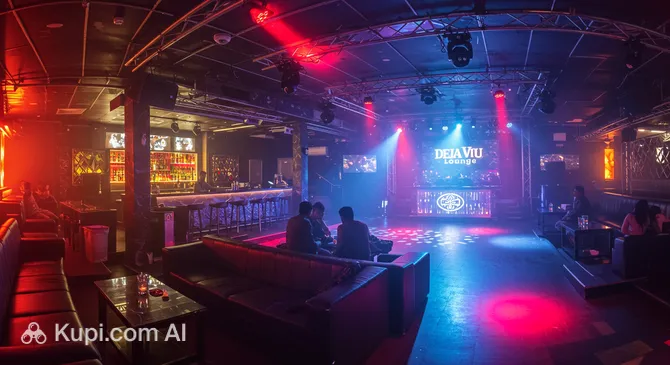
When it comes to beverages, the city offers both traditional and modern choices. During the hot summer months, a glass of thick, creamy Lassi served in a clay cup (kulhad) is the perfect way to cool down. In the evenings, the local nightlife scene comes alive with several lounges and bars catering to those seeking relaxation. Travelers can unwind at Deja Vu Lounge, a popular nightspot known for its vibrant atmosphere and music. Alternatively, for a casual evening with a wide selection of brews, The Beer Cafe provides a comfortable setting to enjoy drinks and finger food with friends.

Deja Vu Lounge. Source: Kupi.Binoculars

Travel Tips

Welcome to Bareilly! To ensure your journey through this historic "Nath Nagri" is as smooth and enjoyable as possible, we have compiled a list of essential travel advice. These practical tips will help you navigate the bustling streets, respect local customs, and make the most of your time in this vibrant city of Uttar Pradesh.

  1. Clothing and Gear: Since Bareilly experiences extreme temperatures, pack accordingly. Bring loose, breathable cotton clothes for the scorching summers (April to June) and a warm jacket or layers for the chilly winters (December to January). As the city is a major pilgrimage site with numerous temples, dress modestly; avoid sleeveless tops and shorts when visiting religious sites. Comfortable slip-on shoes are highly recommended, as you will frequently need to remove them at temple entrances.

  2. Transportation: The most convenient way to navigate the city's narrow lanes and busy markets is by using e-rickshaws or cycle rickshaws, which are ubiquitous and affordable. For longer distances, auto-rickshaws (tempos) are available. While app-based cab services like Ola and Uber operate in the city, their availability can sometimes be lower than in major metros, so relying on local transport is often faster. Always agree on the fare before starting your journey if the vehicle does not have a meter.

  3. Finances: The currency used is the Indian Rupee (INR). While major establishments like the Phoenix United Mall and high-end hotels accept credit and debit cards, cash is king in local markets. You will need small denominations for paying rickshaw drivers, buying street food, or shopping for local handicrafts like Zari embroidery. ATMs are widely available throughout the city.

  4. Health and Safety: Stick to bottled or filtered water and avoid drinking from tap sources to prevent stomach issues. Pharmacies, locally known as "Medical Stores," are easy to find; however, for late-night emergencies, head towards the areas near major hospitals where 24/7 chemists are located. The city is generally safe, but like any busy urban center, keep an eye on your belongings in crowded bazaars like the Kutubkhana market.

  5. Communication: Hindi is the primary language spoken by the locals. English is generally understood in hotels, restaurants, and commercial hubs, but less so by rickshaw drivers or street vendors. Learning a few basic Hindi phrases like "Kitne ka hai?" (How much is this?) or "Roko" (Stop) can be very helpful. Prepaid SIM cards can be purchased at mobile shops with a valid passport and visa.

  6. Local Etiquette: When greeting people, a polite "Namaste" with folded hands is universally appreciated. In religious places, always cover your head if required (often customary in Gurdwaras and some temples) and respect the sanctity of the space. It is polite to use your right hand when giving or receiving money and when eating, as the left hand is traditionally considered unclean for these activities.

  7. What to Avoid: Avoid public displays of affection, as Bareilly is a traditional city where such behavior may attract unwanted attention or be considered disrespectful. Also, refrain from photographing people, especially women or worshippers inside temples, without asking for their permission first.

  8. Shopping Tip: Bareilly is famous for its cane furniture and Surma (traditional eye liner). If you plan to buy cane furniture, the area near the railway station offers the best variety. Remember that bargaining is a standard practice in local bazaars; do not hesitate to negotiate the price politely to get a good deal.

Armed with these practical tips, you are ready to explore the rich culture and spiritual heritage of Bareilly with confidence. Embrace the local rhythm, savor the delicious street food, and enjoy the warm hospitality that this unique city has to offer!

Entertainment & Nightlife

While Bareilly is deeply rooted in tradition, its nightlife scene has been steadily evolving, offering a refreshing mix of modern entertainment and relaxed evening hangouts. The city may not have the frenetic energy of a metropolitan rave hub, but it boasts a growing selection of chic lounges, spirited bars, and vibrant restaurants that come alive after sunset. The primary center of action is the upscale Civil Lines area and the bustling Stadium Road, where the majority of the city's trendy establishments are clustered.

For those seeking a lively atmosphere with good music and a spirited crowd, Hello Cafe Ho is a fantastic choice. This venue is well-regarded for its energetic vibe, making it a popular spot for the city's youth and professionals to unwind after a long day. The interiors are often buzzing with conversation, and it serves as a great introduction to the local social scene.

Hello Cafe Ho. Source: Kupi.Binoculars

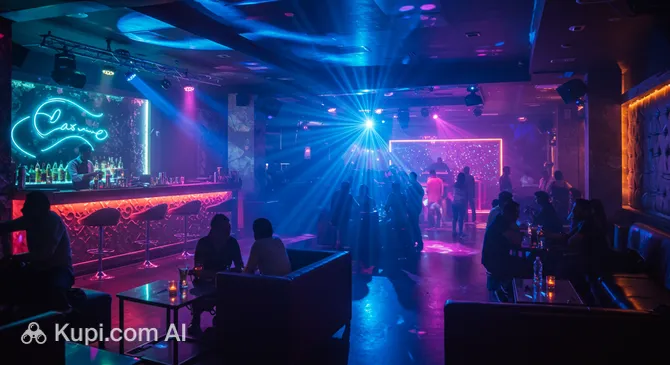
Another prominent name in the local nightlife circuit is Casa Divine. While it offers excellent dining, it also transitions smoothly into a sophisticated evening venue. With its stylish decor and ambient lighting, it attracts a smart-casual crowd looking for a premium experience. It is an ideal place to enjoy a cocktail or a mocktail while soaking in the contemporary setting that contrasts beautifully with the city's historic backdrop.

Casa Divine. Source: Kupi.Binoculars

If you prefer a familiar brand with a wide selection of beverages, The Beer Cafe offers a reliable and relaxed environment. It is perfect for those who want to enjoy a quiet conversation over a cold brew without the intensity of a loud club. The dress code across most of these venues is generally smart casual; while not overly strict, looking presentable is appreciated.

Most nightlife venues in Bareilly remain open until around 11:00 PM or midnight. The average cost for a night out is quite reasonable compared to larger Indian cities, with a meal and drinks for two costing between INR 1,500 and INR 2,500. Weekends tend to be busier, so arriving by 8:00 PM is recommended to secure a good table.

Regarding safety, the Civil Lines area is well-lit and generally safe for evening strolls. However, as the night progresses, it is advisable to use reliable transportation rather than walking long distances. App-based cabs and private taxis are the safest way to get back to your hotel. If you are venturing out late, asking your hotel to arrange a vehicle is a practical tip.

Beyond the nocturnal hours, Bareilly offers modest daytime entertainment options. The city features modern multiplexes, primarily located within shopping centers like the Phoenix United Mall, where visitors can catch the latest Bollywood and Hollywood releases. For a more laid-back afternoon, the city's parks and the local cantonment area provide green spaces for a leisurely walk before the evening festivities begin.

Parks & Museums

Bareilly offers a refreshing balance of urban energy and serene green spaces, complemented by a deep respect for its historical roots. While the city is rapidly modernizing, it has preserved several lush gardens and cultural landmarks that allow visitors to step back from the bustle and connect with the region's natural beauty and heritage.

Gandhi Udhyan, often referred to as Company Garden, is the city's most prominent public park and a favorite among locals for morning walks and evening relaxation. Located centrally, this sprawling green lung features well-manicured lawns, vibrant flower beds, and ancient trees that provide ample shade during the warmer months. It is an ideal spot for families to enjoy a picnic or for travelers seeking a quiet corner to read and unwind amidst nature.

Another notable green area is the Children's Park situated in the Cantonment area. Known for its cleanliness and disciplined maintenance, this park offers a peaceful environment away from the chaotic city traffic. It features play areas for kids and smooth pathways for walking, making it a perfect destination for a leisurely evening stroll in a secure and verdant setting.

For history enthusiasts, the Panchala Museum at the M.J.P. Rohilkhand University is a treasure trove of regional heritage. This museum is dedicated to the ancient Panchala civilization, of which this region was a significant part. It houses a fascinating collection of artifacts, including coins, terracotta figures, and pottery that date back centuries, offering a scholarly glimpse into the rich past of the Rohilkhand region.

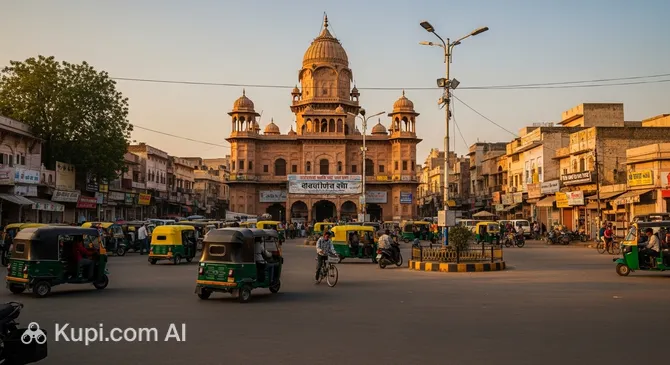
In terms of architectural landmarks, the Chauki Chauraha stands as a significant historical node in the city. Historically serving as a police outpost, this intersection has evolved into a well-known landmark that anchors the old city. It represents the administrative history of Bareilly and is often used as a reference point for navigating the bustling markets nearby.

Chauki Chauraha. Source: Kupi.Binoculars

For a truly authentic experience, consider a short excursion to the ancient ruins of Ahichchhatra, located just outside the city. Once the capital of the Northern Panchala kingdom mentioned in the Mahabharata, this archaeological site features the remains of massive brick fortifications and ancient temples. It is a must-visit for anyone interested in archaeology and India's epic history.

Getting Around

Navigating Bareilly is an experience that relies heavily on informal road-based transport rather than a centralized rapid transit network. Unlike major metropolitan hubs, the city does not currently have an operational metro system. Instead, the public transport landscape is dominated by a mix of auto-rickshaws, battery-operated e-rickshaws, and shared tempos. These vehicles form the lifeline of daily commuting, weaving through the narrow lanes of the old city and the broader avenues of the newer districts with equal agility.

The most ubiquitous mode of transport for short to medium distances is the e-rickshaw. These silent, battery-powered three-wheelers have largely replaced traditional cycle rickshaws and are an eco-friendly way to travel. They are ideal for short hops within neighborhoods or connecting to main roads. For longer distances across the city, larger shared auto-rickshaws, often referred to locally as Tempos or "Vikrams," run on fixed routes. These operate much like a bus service, stopping at major intersections to pick up and drop off passengers. While efficient and very affordable, they can get quite crowded during peak hours.

Regarding payment, the system in Bareilly is predominantly cash-based. There are no integrated travel cards, smart passes, or digital ticketing systems for local public transport. Passengers pay the driver directly at the end of the journey. Fares for shared tempos are fixed and generally very low, ranging from approximately INR 10 to INR 20 depending on the distance. For private e-rickshaws or autos where you hire the entire vehicle, prices are not fixed and must be negotiated before you step in. While digital payment apps are gaining popularity in shops, most drivers still prefer physical currency, so carrying small denominations is essential.

For those seeking a more comfortable or private travel experience, app-based cab services like Ola and Uber are available in the city. They offer the convenience of booking a car with a transparent, upfront fare and air-conditioning, which is a relief during the hot summer months. However, availability can sometimes be inconsistent compared to larger cities, especially late at night or in remote areas. Traditional private taxis can also be hired from stands near the railway station or arranged through hotels for full-day excursions.

Tourists should be aware that public transport operating hours are generally from early morning, around 6:00 AM, until about 10:00 PM. Late-night transport can be scarce, so it is advisable to pre-arrange a taxi if you plan to be out past this time. When using auto-rickshaws that do not run on a shared basis, always agree on the fare before starting the trip to avoid disputes later. If you are unsure of the standard rate, asking a local shopkeeper or your hotel reception for a rough estimate is a good strategy.

While there are no trams or cable cars, the experience of riding a shared tempo offers a unique glimpse into local life. It is a raw and authentic way to see the city, often accompanied by local music playing from the driver's cabin. For intercity travel, the Uttar Pradesh State Road Transport Corporation (UPSRTC) operates buses from major terminals like the Satellite Bus Stand and the Old Bus Stand, which also serve as key nodes for finding local transport options upon arrival.
Accommodation

Where to Stay:

Accommodation in Bareilly caters largely to a mix of business travelers, pilgrims, and families, offering a range of options from economical guesthouses to comfortable mid-range hotels and upscale resorts. While the city may not have an extensive collection of ultra-luxury international chains, it provides plenty of clean, safe, and well-equipped lodgings that ensure a pleasant stay. The hospitality sector here is growing, with many properties upgrading their amenities to meet modern standards.

For tourists, the most convenient area to stay is usually Civil Lines. This upscale neighborhood is central, relatively quiet, and home to some of the city's best restaurants and shopping centers. Staying here keeps you close to the action while offering a secure environment. Alternatively, travelers on a tighter budget or those with early morning connections often prefer the hotels clustered around the Bareilly Junction Railway Station. While this area is busier and noisier, it offers unbeatable convenience for transit and access to local transport.

If you are looking for a more luxurious experience or a venue that offers a retreat-like atmosphere, the city has a few standout resort properties. Lavanya Resorts is a well-known name in the city, often favored for its spacious grounds and premium banquet facilities. It provides a comfortable escape from the city's hustle, making it a popular choice for weddings and leisure travelers seeking a bit more grandeur.

Lavanya Resorts. Source: Kupi.Binoculars

Another excellent option for those seeking tranquility and greenery is Sumaaya Greens. This property is designed to offer a blend of modern comfort and natural beauty, often hosting events and providing a relaxing environment for guests. Such resorts typically offer amenities like in-house dining, landscaped gardens, and ample parking space, which can be a rarity in the city center.

Booking Tip: Bareilly is a major hub for weddings and religious festivals. During the wedding season (typically late autumn and winter) or major festivals, good hotels can fill up weeks in advance. It is highly recommended to book your accommodation at least two to three weeks prior to your arrival during these peak times to secure your preferred choice.

In terms of pricing, the city is quite affordable compared to major Indian metros. Budget accommodation can be found for as low as INR 800 to INR 1,500 per night. Mid-range hotels generally charge between INR 2,000 and INR 3,500, while premium resorts may range from INR 4,000 upwards. Most hotels are listed on major online travel platforms, allowing for easy price comparison and booking, though calling the hotel directly can sometimes yield a better deal or allow for specific room requests.

Nearby Cities

For those looking to explore the surroundings, Bareilly serves as an excellent base for day trips to several interesting nearby locations. The region is dotted with historic towns and natural escapes that provide a perfect contrast to the city's bustling energy.

One of the most popular nearby destinations is Pilibhit, located just a short drive away. It is best known for the Pilibhit Tiger Reserve, a haven for wildlife enthusiasts hoping to catch a glimpse of the majestic Bengal tiger and diverse bird species in the Terai forests. For those interested in culture and history, Rampur offers a fascinating excursion. Famous for the Raza Library, which houses a rare collection of manuscripts and miniature paintings, the city is also celebrated for its distinct culinary heritage, particularly its rich meat dishes. Additionally, Budaun attracts visitors with its deep historical roots and ancient architecture, most notably the Great Jama Masjid, which is one of the oldest and largest mosques in the country.

City Population Distance (km)
Shahjahanpur346,10372
Rampur325,24862
Kichha221,96561
Pilibhit200,00047
Budaun159,22148

These nearby destinations offer a glimpse into the diverse culture and landscapes of the region, making them well worth a visit for travelers with a little extra time.

Shopping & Souvenirs

Shopping in Bareilly is a delightful experience that bridges the gap between the city's royal past and its modern present. The city is renowned across India for its exquisite craftsmanship, particularly in embroidery and bamboo work. Visitors can explore a mix of bustling traditional bazaars, where the aroma of street food mingles with the sight of glittering fabrics, and contemporary retail spaces that offer international brands. Whether you are looking for authentic local handicrafts or the latest fashion trends, the city provides a diverse array of options to suit every budget.

For a comprehensive shopping experience, the Civil Lines area serves as the modern commercial heart of the city. Here, tourists can find a variety of showrooms, boutiques, and multi-brand outlets lining the clean, wide streets. It is the perfect place to shop for branded clothing, electronics, and lifestyle products in a comfortable environment. In contrast, the area around Ayub Khan Chauraha offers a livelier atmosphere with a high concentration of retail stores and local vendors, making it a popular destination for both locals and visitors.

When it comes to large-scale shopping complexes, Phoenix United Mall stands out as the premier destination in the city. Located on Pilibhit Bypass Road, it offers a one-stop solution for shopping, dining, and entertainment, housing numerous domestic and global brands under one roof. For those specifically looking for affordable yet trendy fashion, Trends is another major retail stop where visitors can browse through a wide collection of apparel and accessories for the whole family.

Trends. Source: Kupi.Binoculars

The true soul of Bareilly's shopping scene, however, lies in its traditional markets. Kutubkhana is the oldest and most famous market, a labyrinth of narrow lanes where you can find everything from fabrics to jewelry. It is a sensory overload in the best possible way. Another significant market is Bara Bazaar, which is the wholesale hub for textiles and general merchandise. For those interested in electronics and gadgets, Butler Plaza is the dedicated commercial complex known for its tech shops and mobile stores.

If you are looking for authentic souvenirs to take home, Bareilly offers several unique items. The city is world-famous for its Zari-Zardozi work, an intricate art of embroidery using gold and silver threads; buying a Zari saree or suit piece is a must. The city is also known as "Bans Bareilly" due to its bamboo industry, so look for handcrafted cane furniture and decorative items. Additionally, the traditional eye makeup known as Surma is a specialty here, often sold in beautiful ornamental bottles. Kite enthusiasts should also look for the high-quality "Manjha" (kite string) produced locally.

Most shops in the main markets open around 11:00 AM and close by 9:00 PM to 10:00 PM. While the malls and larger showrooms in Civil Lines accept credit and debit cards, cash remains the preferred mode of payment in the traditional bazaars like Kutubkhana. ATMs are widely available, but it is advisable to carry small denominations when exploring the street markets to make transactions smoother. Tax-free shopping is generally not available for international tourists in the standard local markets.

Reached the end of the page?

That means the route is fully explored