Khatima is a cozy and authentic town located in the state of Uttarakhand in northern India. Despite having a population of over 220,000, the town retains the charm of a traditional agricultural settlement. Spread across the fertile plains of the Tarai region, Khatima's life is inextricably linked to the endless fields of sugarcane and the rhythm of the countryside.
The town's geographical location makes it an important transit point on the way to the border with Nepal, which is just 12 kilometers away. There is no metropolitan noise here; instead, you'll find an abundance of sincere hospitality and a peaceful atmosphere. If you are interested in the historical development of the region, Khatima reveals itself as a significant trading hub that grew during the British Raj around the timber and sugar trades.
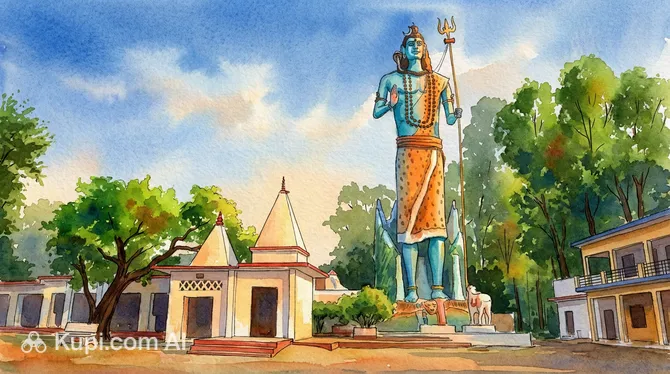
Khatima. Illustration.
Source: Kupi.com AI
For tourists, Khatima is primarily attractive for its authenticity. This is a place where you can see the real life of provincial India, get to know the unique Kumaoni and Tharu communities, and enjoy views of the Sarda Canal. Visiting Khatima is an invitation to slow down, stroll through the local market, and feel the pulse of life at the foot of the majestic mountains.
Weather Overview
The climate in Khatima is typical for the Tarai region and is characterized by distinct seasonality. Summers here can be quite hot: in May, temperatures can reach +37°C, accompanied by high dryness and dust from the surrounding fields. Winter, by contrast, brings a pleasant coolness with average daytime temperatures around +19°C...+20°C, although at night the temperature can drop to +8°C, so warm clothes will not be out of place.
An important feature of the town is the monsoon season, which lasts from July to September. During this time, Khatima is transformed by heavy rains that nourish the farmland but can make travel on unpaved roads difficult. July and August are the wettest months, with up to 400 mm of rainfall, creating lush greenery around the canals and forests.
The most favorable time to visit the town is considered to be the period from October to March. During this time, the weather in Khatima is most comfortable: the sky remains clear, the air is fresh, and the heat does not interfere with walks through the local markets and surroundings. This is also the best time for nature observation, when the flora and fauna of the Tarai appear in all their glory.
Average monthly temperature
Average monthly precipitation
Interesting Facts
Trading Heritage: Khatima emerged and developed as a strategically important point for the trade of sugarcane and valuable timber on the old trade route to Nepal.
Migration of Giants: The Udham Singh Nagar district, where the town is located, is known for being part of ancient elephant migration routes from the Shivalik foothills to the plains between October and March.
Sarda Canal System: The town is a vital hub for one of the state's largest irrigation systems—the Sarda Canal, which feeds the farmland of a significant part of western Uttarakhand.
Cultural Melting Pot: Representatives of various communities, including Kumaoni, Garhwali, and the unique Tharu tribe, coexist peacefully in Khatima, each contributing to the town's language and traditions.
How to Get There
Khatima enjoys good transport accessibility, connecting the northern districts of Uttarakhand with the rest of India and neighboring Nepal. The main hub for travelers choosing to fly is Pantnagar Airport (PGH). It is located approximately 65 kilometers from the town, which is about a two-hour drive by taxi or bus. It is always worth checking information on how to best get to Khatima in advance, taking into account seasonal weather conditions.
Railway communication is one of the most popular ways to visit the town. Khatima Railway Station serves regional trains, connecting the town with important centers like Delhi, Lucknow, and Kolkata. The journey from Delhi by train can take about 7–9 hours, offering passengers picturesque views of the agricultural expanses of the Tarai region.
Station
Passenger traffic
Distance
Rudrapur City railway station
3
58 km
Bareilly Junction railway station
7
85 km
Raibojha railway station
1
181 km
Aligarh railway station
6
218 km
Dehradun railway station
10
243 km
For those who prefer traveling by car, important highways pass through Khatima. Regular bus services from the state transport corporation and private carriers connect the town with Rudrapur, Haldwani, and Nepal border points. Keep in mind that congestion can occur at central intersections during peak hours, so plan your time with a buffer.
Main Attractions
Khatima is primarily a destination for those seeking an authentic cultural experience away from the beaten tourist paths. One of the region's main shrines is the Chaiti Devi Temple, located just a few kilometers south of the town. During the Chaitra Navratri festival, this place fills with pilgrims, creating a unique atmosphere of spiritual unity and traditional celebration.
The center of daily life in the town is the Khatima-Chauraha junction. This is not just a transport hub but the true pulse of the town, where the main shops are concentrated and life is in full swing. A walk here allows you to see the lifestyle of the locals, sample street food, and feel the energy of a real Tarai settlement.
For nature lovers, the Sarda River and its extensive network of canals are of great interest. The riverbanks offer peaceful views and opportunities for leisurely walks in the fresh air. While there are no organized amusement parks, the natural beauty of the lowland landscapes and the chance to spot wildlife (with due caution) make the town's surroundings charming in their own way.
Local Cuisine
The gastronomy of Khatima is a wonderful blend of Uttarakhand traditions and the specifics of the Tarai lowland region. The main hero of the local cuisine is rightfully sugarcane. Be sure to try freshly squeezed sugarcane juice (known locally as "guru-juice")—it is not only refreshing but also a very popular drink sold on every corner.
The staple diet of the locals consists of rice, various types of dal (lentils), and roti flatbreads served with spicy vegetable curries. A feature of Khatima's cuisine is the influence of the Tharu community: their traditions often include dishes made from fresh fish caught in the Sarda River, prepared using local spices and herbs.
The food culture in the town is centered around street stalls and small local eateries near the Khatima-Chauraha market. Here, you should try hot samosas, pakoras, and have a cup of fragrant masala chai or a cool lassi. The atmosphere of these establishments is very simple and casual, and the taste of the food is always rich and authentic, like a home-cooked meal.
Travel Tips
A trip to Khatima will be a pleasant and memorable experience if you listen to the advice of those already familiar with the specifics of this region. These practical recommendations will help you feel confident and comfortable in this welcoming corner of Uttarakhand.
Clothing and Gear: Choose light cotton clothing for the summer, but be sure to bring warm clothes (sweaters, jackets) if you plan a visit in winter, as nights can be cold. When visiting temples, follow a modest dress code: shoulders and knees should be covered.
Transport: Use rickshaws to get around the town. Agree on the fare in advance, as meters are practically never used here. For longer trips, it's better to book a taxi through your hotel.
Finances: The main currency is the Indian Rupee. There are ATMs in the town, but they may only be in the center, so always carry a sufficient supply of cash, especially for market purchases.
Health and Safety: Drink only bottled water. Khatima is safe, but avoid walking alone on the outskirts of the town after dark, especially during periods of elephant migration.
Communication: The main languages are Hindi and Kumaoni. English is understood by station staff and at some hotels, but knowing a few phrases in Hindi ("Namaste" — hello, "Shukriya" — thank you) will be very helpful in communication.
Local Etiquette: Always remove your shoes when entering homes and temples. The traditional greeting "Namaste" with palms pressed together is always received with warmth.
What to Avoid: You should not photograph people without their permission, especially in rural areas. Also, try not to publicly display wads of cash or expensive jewelry.
Additional Tip: The best time to visit is winter (from November to February), when the weather is most comfortable for walking and there is no exhausting heat or heavy rain.
Khatima is a place of sincere smiles and authentic India that will surely leave a warm mark on your heart. Have a great journey!
Entertainment & Nightlife
Entertainment in Khatima is predominantly quiet and traditional, reflecting the rural way of life in this region. You won't find noisy nightclubs or modern cinemas here; the town's nightlife settles down quite early. The main evening meeting places for locals are the tea stalls and small cafes near the main market, where the day's news is discussed over a cup of masala chai.
The town's cultural life is most vividly displayed during major religious holidays and festivals, such as Navratri. During these days, the temples become centers of attraction, with fairs and cultural programs that allow tourists to experience local folklore and traditions.
If you are looking for more conventional urban entertainment—such as modern shopping malls or multiplexes—it is worth heading to nearby cities like Rudrapur or Haldwani. Khatima remains an ideal place for those who value peace, home comfort, and genuine interaction with local residents.
Parks & Museums
Khatima is not a major museum center, and its main "exhibits" are found outdoors. Instead of classic galleries, the town offers its guests the chance to enjoy natural landscapes. The main recreation areas are concentrated along the banks of the Sarda Canal. These spots serve as informal locations for picnics and peaceful walks, where you can observe the flow of water and rural life.
The urban landscape of Khatima is characterized by a minimal number of organized parks, which is compensated for by the proximity of the Tarai forests. These forest masses surrounding the town act as the natural "lungs" of the region. However, tourists should keep safety in mind: the edges of the forests are part of wild animal migration trails, so walks in remote areas are best done accompanied by local residents.
For those seeking cultural enlightenment, Khatima offers an introduction to living history through interaction with members of the Tharu people. Their unique crafts and traditions replace many museum halls, allowing you to see culture in its natural, everyday manifestation. The lack of formal museums here is more than made up for by the authenticity of the surrounding reality.
Getting Around
The public transport system in Khatima is represented by modes of travel traditional for small Indian towns. Internal communication is based on auto-rickshaws (known locally as "shariks") and cycle-rickshaws. This is the most convenient and budget-friendly way to get from one part of the town to another, especially if you need to get from the railway station to the market or residential quarters.
Buses and shared taxis are actively used for trips to nearby settlements and villages. The central transport hub is the main junction area, from where transport departs as it fills up. Fares are usually paid in cash to the driver, and prices are extremely affordable, making travel accessible to every traveler.
Travelers should take into account that during peak hours and near the central market, the roads can be overcrowded and traffic can be chaotic. If you prefer more comfort and independence, private taxis can be booked in the town for full-day trips. Walking is also possible in the central part of Khatima, but be prepared for dusty roads and active traffic.
Accommodation
Accommodation options in Khatima are primarily geared toward transit travelers and those visiting the town for business or pilgrimage. Budget hotels, lodges, and small guesthouses predominate here. The majority of the room stock is concentrated around the railway station and the central market, which is convenient for quick access to transport.
The price range in local hotels is very affordable: a standard room in a clean and cozy guesthouse can cost between 500 and 2,000 Indian Rupees per night. There are no luxury five-star resorts directly in the town, but the available accommodation fully meets basic needs for comfort and safety.
If you plan to visit the town during major festivals like Navratri, it is recommended to book accommodation in advance, as demand from pilgrims increases sharply. For those staying for a long period, there is the possibility of renting private houses in residential neighborhoods, allowing for a deeper immersion into the local lifestyle.
Nearby Cities
Khatima serves as an excellent starting point for exploring the border areas of India and Nepal. Thanks to its location, the town allows travelers to change their surroundings in a short time and see the diversity of cultures and landscapes in this region.
One of the most interesting destinations for a day trip is the Nepalese town of Bhimdatta, located just 20 kilometers away. This is a great opportunity to cross the border and get acquainted with the lifestyle of the neighboring state. It is also worth visiting Tanakpur, famous for its shrines and proximity to the picturesque foothills, and Sitarganj, a major agricultural and industrial center of the region.
City
Population
Distance
Bhimdatta
104,000
20 km
Tanakpur
15,810
21 km
Sitarganj
148,266
26 km
Buram
11,322
28 km
Kalinagar
11,358
35 km
Exploring the surroundings of Khatima will give you a wealth of impressions: from the bustling markets of neighboring towns to quiet forest trails. Each of these destinations is accessible by taxi or local bus, making trip planning easy and pleasant.
Shopping & Souvenirs
Shopping in Khatima primarily involves visiting the colorful main market located in the Chauraha area. This is a place where you can find everything from fresh farm produce to traditional Indian clothing. The market lives by its own rules, and a walk through its aisles is a great way to feel the real rhythm of the town's life and purchase goods at very attractive prices.
If you are looking for something special, pay attention to local agricultural products. Khatima is famous for its high-quality sugar and spices. Handicrafts from the Tharu community may also be of interest, distinguished by their original design and use of natural materials, such as woven baskets or traditional textile elements.
There are no massive shopping malls with global brands in the town; locals usually head to neighboring Rudrapur for those. However, shops in Khatima are open from early morning until late evening, and payment in most stalls is made in cash. Don't forget to bargain a little at the market—it's part of the local culture that can turn a simple purchase into an engaging dialogue.