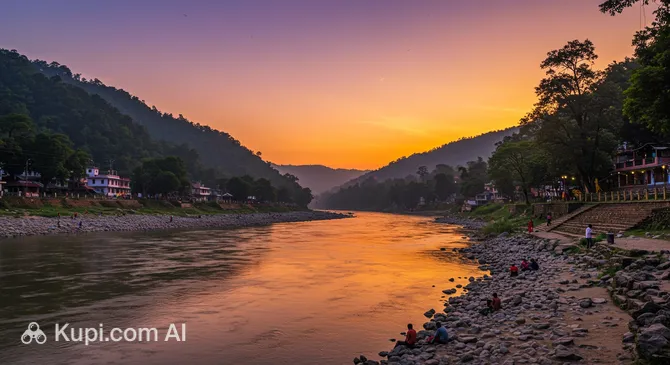
Nestled in the foothills of the majestic Himalayas in the state of Uttarakhand, Ramnagar is a colorful and bustling hub of northern India. While the city is often perceived as a transit point, it possesses a unique atmosphere of provincial Indian life with its lively markets and the genuine hospitality of the locals. Ramnagar. Illustration.
Source: Kupi.com AI
The city serves as the administrative center of the tehsil and has a population of over 50,000 residents. Its geographic location at an altitude of about 360 meters above sea level provides Ramnagar with fresher air than the sweltering plains. To learn more about how this region was formed, you can explore the city's historical heritage, which is closely linked to the development of agriculture and forestry in the region.
The main feature attracting travelers here is the city's role as the primary gateway to the legendary national park. However, in the settlement itself, you can feel the rhythm of real India by visiting local bazaars or strolling along the banks of the Kosi River. Ramnagar is ideal for those seeking a balance between natural adventures and immersion in the daily culture of Uttarakhand.
Weather Overview
The climate in Ramnagar is subtropical, significantly influenced by its proximity to the Himalayas. Expect truly hot summers here with temperatures sometimes reaching 35–40°C, and fairly cool winters when the thermometer can drop to 6°C in January. Due to its location in the foothills, the air here is drier and cleaner than in the plains, although humidity rises sharply with the arrival of the monsoons.
The rainy season lasts from June to September, peaking in July and August. During this period, heavy downpours are possible, making visits to the national park difficult, and some zones may close entirely. If you want to see more accurate forecasts, it's worth checking the city's weather before planning your trip.
The best time to visit is considered to be from October to March. During this time, the city's climate becomes comfortable and dry, ideal for safaris and walks. Days are usually sunny and warm, while evenings bring a pleasant coolness that requires light outerwear.
Average monthly temperature
Average monthly precipitation
Interesting Facts
Gateway to History: Ramnagar is the official entrance to India's first national park — Jim Corbett, founded back in 1936 to preserve the Bengal tiger population.
Educational Hub: The literacy rate in the city stands at an impressive 81.76%, which is significantly higher than the national average.
High Living Density: More than 150,000 people live in the Ramnagar tehsil, which covers an area of 775 km², creating a unique blend of urbanized zones and untouched nature.
Self-Governance Traditions: The city is divided into 15 municipal wards, which hold active local elections every five years.
How to Get There
Ramnagar is a vital transport hub in Uttarakhand, providing access to the region's famous reserves. You can get here in various ways, but keep in mind that roads can be congested during the peak tourist season. Detailed information about routes and logistics can be found on the page describing how to get to the city.
The nearest aviation hub is Pantnagar Airport (IATA: PGH), located about 65 kilometers from the city center. A taxi or bus ride from there takes about two hours, with the route passing through scenic foothills. Although it is a small regional airport, it connects the region with the country's major cities.
Rail travel is one of the most popular and convenient ways to arrive. Ramnagar station receives trains from Delhi, including the popular overnight Ranikhet Express. Traveling by rail allows you to arrive right in the heart of the city, from where it is easy to reach any hotel by rickshaw.
Station
Passenger traffic
Distance
Rudrapur City railway station
3
53 km
Bareilly Junction railway station
7
120 km
Dehradun railway station
10
147 km
Ghaziabad railway station
10
185 km
Anand Vihar Terminal
11
195 km
For those who prefer road transport, Ramnagar is connected by the NH9 highway to Delhi (about 250 km). Regular bus services and shuttle taxis run from nearby Haldwani, with a travel time of about one and a half to two hours.
Main Attractions
Even though the city often serves as a starting point for expeditions, there are several iconic spots in its surroundings that are a must-visit. One of the most famous attractions is the Corbett Tiger Reserve. This place draws wildlife enthusiasts from all over the world, offering a unique opportunity to see Bengal tigers and elephants in their natural habitat.
For those looking for a relaxing break by the water and picturesque views, the Kosi Dam (Ramnagar Dam) is a perfect fit. It is a popular spot among locals and tourists for outdoor walks. Here, you can enjoy the sound of the river and observe local birds, making the dam a wonderful place for a short respite from the city's hustle and bustle.
If you are planning your leisure time and looking for options for active recreation or organized tours, you should pay attention to Dreamline Vacation. This organization helps guests navigate the variety of local entertainment and professionally organizes trips to surrounding natural parks and shrines.
Local Cuisine
Ramnagar's gastronomy is a vibrant reflection of the Kumaoni traditions of Uttarakhand. The local diet is based on grains, legumes, and fresh vegetables grown in the foothills. Be sure to try bhat (rice with traditional dal) and mandwa ki roti — healthy and aromatic flatbreads made from millet flour. Due to the region's Hindu traditions, meat dishes are less common here, giving way to a rich variety of vegetarian masterpieces.
To experience local cuisine in a comfortable setting, stop by Akash Cafe and Restaurant. They serve both traditional Indian dishes and international cuisine. If you are on the road or looking for a reliable spot near the highway, Karans Corbett Motel and Restaurant is worth visiting, where you can order a hearty "thali" — a set of rice, flatbreads, and several types of curry.
Street food culture flourishes in the central markets and near the railway station. Locals often grab a bite at small "dhabas," washing it down with hot tea made from herbs gathered from nearby plantations. As a tasty souvenir from Ramnagar, it's worth bringing back local mountain honey or unique spice blends sold in shops along the main streets.
Travel Tips
Ramnagar is a welcoming city that will be your starting point into the world of wildlife. To ensure your journey is as comfortable as possible and leaves only pleasant memories, take advantage of our practical tips.
Clothing and Essentials: Choose clothing made of natural fabrics in muted colors (khaki, beige), especially for safaris. For evenings in the foothills, even in summer, a light jacket may be useful, and in winter, warm clothes are essential as temperatures can drop to +5°C.
Transport: Within the city, it is most convenient to move around by auto-rickshaw. Always confirm the fare before getting into the vehicle. For longer trips, it is better to rent a car with a driver through your hotel.
Finances: The main currency is the Indian Rupee (INR). There are several ATMs in the city, but they are often out of cash or busy, so always carry a reserve of cash, especially for paying in markets and rickshaws.
Health: Drink exclusively bottled water and avoid ice in street cafes. Use insect repellents, especially during the monsoon season and during jungle excursions.
Communication: The main language is Hindi, but in tourist areas and hotels, staff speak English fairly well. You can buy a local SIM card in shops in the center; you will need your passport and a photo for registration.
Local Etiquette: Always remove your shoes when entering temples. Clothing should be modest, covering shoulders and knees. When interacting with locals, friendliness and a smile will open many doors for you.
What to Avoid: Do not walk alone on the forested outskirts of the city after sunset—this is a safety issue due to the possible presence of wild animals. It is also not recommended to give money to beggars in the markets to avoid attracting unnecessary attention.
Booking Safaris: This is a critical point—book your spots to visit Corbett Park several weeks before your trip on the official website, as the number of permits is strictly limited.
May your introduction to Ramnagar be the start of an unforgettable adventure in the heart of natural India!
Entertainment & Nightlife
Nightlife in Ramnagar has a quiet, provincial character. You won't find loud nightclubs or bars with blaring music here—the city winds down quite early, around 10:00 PM. Evening entertainment for locals and tourists is usually limited to strolling through central markets, attending temple festivals, or enjoying cozy gatherings at hotel restaurants. If you are looking for a more active night scene, travelers usually head to neighboring cities like Haldwani or Nainital.
Nevertheless, an evening in Ramnagar can be charming in its own way. A popular dining spot is Akash Cafe and Restaurant, where you can enjoy local dishes in a pleasant setting. Many visitors also prefer to spend their evenings within their resorts, such as at Corbett Machan Resort or Corbett Grace Resort, which often organize bonfires under the open sky and cultural programs that let you feel the magic of the jungle.
For daytime leisure, the city offers excellent opportunities for ecotourism. Be sure to visit Jim Corbett National Park for a morning or afternoon safari. If you prefer something more relaxed, a walk to a site like Kosi Dam (Ramnagar Dam) is a great option for family outings or a picnic against the backdrop of scenic river landscapes.
Parks & Museums
Ramnagar is primarily famous for its natural treasures, which outshine any man-made parks. The main attraction is Jim Corbett National Park — India's oldest reserve. This is not just a park, but a vast territory of wilderness where thick forests give way to open meadows, creating ideal conditions for tigers, leopards, and hundreds of bird species. A safari here is a mandatory item on any tourist's itinerary.
While there are no museums as such within the city itself, the riverside areas of the Kosi serve as cultural and natural recreation zones. Residents and guests of the city often choose these spots for picnics and contemplative relaxation against the mountain backdrop. It is also worth visiting the area around Kosi Dam (Ramnagar Dam), where you can enjoy the silence and observe the local flora and fauna.
The lack of large urban museums in Ramnagar is fully compensated by the richness of the "living museum" of nature beyond its borders. For a deep dive into the region's history, travelers often visit the Jim Corbett Museum in the nearby village of Kaladhungi, which organically complements a visit to Ramnagar itself by telling the story of the legendary hunter turned conservationist.
Getting Around
The public transport system in Ramnagar is simple and oriented toward the city's compactness. The main means of transport here are auto-rickshaws and cycle rickshaws. This is the fastest and most affordable way to get from the center to the outskirts or the railway station; a trip within the city usually costs between 20 and 50 rupees. Remember that there are often no fixed fares, so it is better to agree on a price in advance.
Intercity and suburban connections are provided by buses. The Ramnagar bus stand is the starting point for routes to Haldwani, Nainital, and even Delhi. Buses run regularly, roughly every 15–30 minutes depending on the direction. This is a budget-friendly option, although transport can be very crowded with locals during peak hours.
For more comfortable trips, especially to the gates of the national park or to remote hotels, tourists prefer to call a private taxi. Services like Ola or Uber operate here with limitations, so it is more reliable to order a car through your hotel's reception. Walking through the center of Ramnagar is quite possible, but keep in mind the lack of sidewalks in some places and the heavy traffic on narrow streets near the market.
Accommodation
Ramnagar offers a wide choice of accommodation, primarily catering to visitors of the national park. In the very center of the city, near the railway station, budget hotels and guesthouses like Karans Corbett Motel are concentrated. These options are ideal for transit travelers who need a convenient place to sleep before an early safari, with prices ranging from 200 to 1,000 rupees per night.
For those seeking more comfort and immersion in nature, it is better to choose resorts located on the outskirts or along the Kosi River. Corbett Grace Resort or the cozy Corbett Machan Resort are excellent choices. These establishments offer not only high-class accommodation but also additional services: tour organization, swimming pools, and restaurants with diverse menus.
During the peak tourist season (from October to March), the demand for accommodation in Ramnagar and its surroundings increases sharply. We recommend booking rooms in advance, especially if you plan to stay at popular eco-lodges. Most accommodation options are available through international booking systems, though smaller guesthouses may require cash payment upon arrival.
Nearby Cities
Ramnagar is an ideal starting point for exploring the natural and cultural riches of the Himalayan foothills. Thanks to its convenient location, you can easily take several exciting day trips from here to change scenery and see new facets of the region.
Just 32 kilometers away is Nainital — the famous "City of Lakes." Located much higher in the mountains, it offers cool temperatures even on hot days, stunning views of Lake Nainital, and the chance to ride a cable car. Another interesting destination is Jaspur, which will introduce you to the typical lifestyle of the state's smaller towns.
Exploring the surroundings of Ramnagar allows tourists not only to see the wildlife of national parks but also to get acquainted with the original architecture and traditions of Uttarakhand. Regardless of the direction chosen, such trips will enrich your travel diary with vivid impressions and panoramic photos of Himalayan ridges.
Shopping & Souvenirs
Shopping in Ramnagar primarily means visiting the lively central market located near the railway station. You won't find fancy shopping malls here, but there is an abundance of colorful stalls selling everything from fresh tropical fruits to everyday clothing. It is the perfect place to feel the rhythm of the city and purchase essentials for a jungle trek, such as repellents or comfortable backpacks.
The main souvenirs to bring from Ramnagar are the gifts of local nature. Shops often sell high-quality mountain honey collected around the park and aromatic teas. Handcrafted items are also popular: wooden souvenirs, animal masks, and textiles with traditional Uttarakhand patterns. If you are planning a trip to Corbett Tiger Reserve, look for specialized shops at the entrance where you can buy quality gear and mementos with the reserve's symbols.
Shops in the city usually operate from early morning until 8–9 PM. In most small stalls and markets, it is customary to bargain, especially if you are buying several items at once. Payment is most often made in cash in rupees, though larger hotels and modern cafes, such as Akash Cafe and Restaurant, may accept bank cards.