Support

Pantnagar

About

Pantnagar is a unique blend of industrial dynamism and academic prestige, nestled in the Udham Singh Nagar district of Uttarakhand. Often regarded as a crucial gateway to the scenic Kumaon region, this town plays a pivotal role in the agricultural and economic landscape of India. With a population of approximately 30,000 residents, it offers a quieter, more organized atmosphere compared to bustling metropolises, characterized by its lush greenery and wide, open spaces typical of the Tarai foothills.
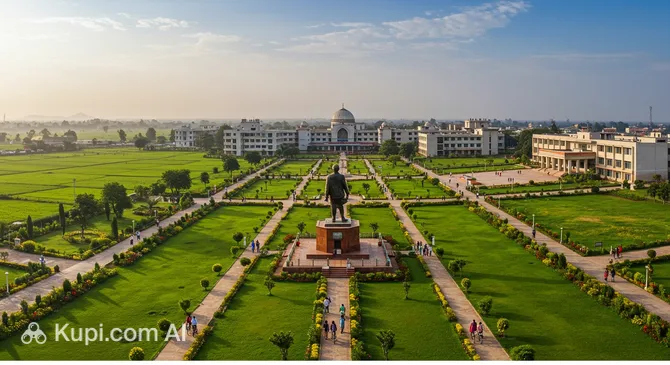
Pantnagar. Source: Kupi.Binoculars

The town is perhaps best known for housing the first agricultural university in the country, which paved the way for the Green Revolution. Exploring the history of Pantnagar reveals its remarkable transformation from a dense forest area into a thriving hub of education and industry. Today, it stands as a testament to modern development while maintaining a close connection to the natural beauty of the surrounding plains.

For travelers, Pantnagar serves as a strategic transit point. Its airport is the primary access route for tourists heading to the famous hill station of Nainital or the wildlife-rich Jim Corbett National Park. Within the town itself, the sprawling campus of the G.B. Pant University of Agriculture and Technology is a major landmark, offering beautiful landscapes and a serene environment. The town's efficient layout and the nearby industrial estate also showcase its growing economic importance.

Whether you are visiting for business, education, or simply passing through on your way to the misty Himalayas, Pantnagar offers a welcoming and pleasant stopover. Its strategic location and moderate climate make it an essential and convenient part of any itinerary exploring the charms of Uttarakhand.

Weather Overview

The climate in this region is characterized by distinct seasonal changes, offering a mix of warm summers and cool winters. The hottest period occurs in May and June, where average temperatures hover around 29°C, and daily highs can reach nearly 34.4°C. Conversely, the winter months provide a refreshing drop in temperature; January is typically the coldest month with an average of 12.9°C and minimums dipping to 7.2°C.

Rainfall patterns play a significant role in the weather in Pantnagar, particularly during the monsoon season. While the early part of the year is mostly dry, July and August see a dramatic increase in moisture, with up to 29 wet days per month, making rain a daily occurrence. Travelers can expect warm summers with frequent showers during the monsoon and cool, dry winters that are ideal for outdoor activities.

Interesting Facts

Beyond the main attractions, Pantnagar holds many fascinating secrets that reveal its unique significance in the region's history. This planned town is not just an educational hub but a place with a distinct identity forged from the wilderness.
  • The city was named in honor of Pandit Govind Ballabh Pant, a renowned freedom fighter and the first Chief Minister of Uttar Pradesh, paying tribute to his visionary leadership.

  • The campus of the local agricultural university is so vast that it functions as a "city within a city," spanning thousands of acres and housing its own schools, markets, and residential colonies.

  • Twice a year, Pantnagar hosts the massive "Kisan Mela" (Farmers' Fair), an event that draws thousands of visitors from across India to showcase cutting-edge agricultural technology and seeds.

  • Before its development in the 1960s, the entire area was part of the dense and marshy Tarai forest, a region once notorious for its impenetrable jungles and tiger population before being reclaimed for cultivation.

How to Get There

Reaching this industrial and educational hub in the foothills of the Himalayas is convenient due to its well-established transport network. For a comprehensive guide on all available routes and travel tips, you can read more about how to get to Pantnagar on our detailed page.

The most direct way to arrive is by flying into the local Pantnagar Airport (PGH), which is situated just 2.1 km from the city center. As the primary gateway to the Kumaon region, this domestic airport offers connections to key cities like Delhi. The short commute from the terminal to the main town area typically takes about 20 to 25 minutes by taxi. For travelers who cannot find direct flights, the Bareilly airport (BEK) in the city of Bareilly serves as a viable alternative. It is located approximately 66.6 km away, and the drive to Pantnagar generally takes around 2 hours.

Another option for those planning a broader itinerary in Uttarakhand is the Dehradun Airport (DED), located in Dehradun. Although it is about 181 km from Pantnagar, involving a road journey of approximately 5 hours, it is a major hub with higher passenger traffic. This airport connects to numerous destinations across India and can be a strategic entry point if you plan to visit the state capital before heading to the Tarai region.

For clarity, here is a summary of the main airports:

Airport Name City Passenger Traffic Km from City
Ghaziabad (Hindon) Jhandapur High 210.6
Dehradun Airport Dehradun High 181.3
Dhangadhi Dhangadhi Medium 110.5
Bareilly Bareilly Medium 66.6
Pantnagar Airport Pantnagar Medium 2.1

Pantnagar is also well-connected by the Indian Railways network, making train travel a popular and scenic choice for many visitors. The town has its own station, Pantnagar Railway Station, which lies on the Bareilly-Nainital line. However, many tourists prefer alighting at the nearby Lal Kuan Junction or Kathgodam stations, which are major railheads located a short distance away. These stations are frequently served by express trains from major metros like Delhi, Lucknow, and Kolkata. From Lal Kuan or Kathgodam, you can easily hire a taxi or take a local bus to reach the Pantnagar campus or city center in under an hour.

Main Attractions

While Pantnagar is primarily celebrated as an industrial and educational powerhouse, it offers several intriguing spots for visitors to explore. The town's unique character is defined by its massive university campus, lush greenery, and proximity to spiritual and natural landmarks in the neighboring areas. Here are the main attractions to include in your itinerary.

G.B. Pant University of Agriculture and Technology is the heart and soul of the city. As the first agricultural university in India, its sprawling campus is a sight to behold, often described as a "city within a city." Visitors can explore the well-maintained grounds and the recently inaugurated Pantnagar Museum. This museum offers a fascinating glimpse into the region's history and the university's pivotal role in the Green Revolution, showcasing archives, photographs, and agricultural artifacts that tell the story of the nation's farming evolution.

For nature lovers, Sanjay Van is a delightful escape located just on the outskirts of the town. Part of the Tanda Forest Range, this lush green area serves as a popular picnic spot and a haven for birdwatchers. The serene environment allows for peaceful nature walks, and if you are lucky, you might spot antelopes or various migratory birds amidst the dense vegetation. It provides a perfect setting for those seeking a quiet retreat away from the urban bustle.

A short distance from Pantnagar lies the revered Atariya Temple, a significant spiritual site dedicated to Goddess Atariya. Legend has it that the temple was built after a king's chariot got stuck in the marshy land here. It attracts a large number of devotees, especially during the Navratri festival when a vibrant fair is held. The temple's peaceful ambiance and cultural importance make it a must-visit for those looking to experience the local traditions.

Another excellent spot for relaxation nearby is Lake Paradise. This beautiful artificial lake offers a refreshing break from the daily grind with its calm waters and scenic surroundings. It is a favorite among locals and tourists alike for boating and family picnics. The well-kept gardens around the lake provide a perfect setting for a leisurely evening stroll, allowing you to unwind amidst nature.

Local Cuisine

The culinary landscape of Pantnagar reflects its unique geographical and demographic position in the Tarai region of Uttarakhand. As a melting pot where the hills meet the plains, the local food culture offers a delightful blend of traditional Kumaoni flavors and hearty North Indian cuisine. Due to the significant population of Punjabi farmers in the district and the diverse student community at the university, the food here is robust, flavorful, and incredibly diverse.

For those looking to taste authentic regional specialties, Aloo ke Gutke is a must-try dish. These are spicy, stir-fried potato wedges seasoned with local herbs and spices like jambu (a Himalayan herb), often served with cucumber yogurt (kheere ka raita). Another traditional staple is Bhatt ki Churkani, a nutritious black soybean curry that is best enjoyed with steamed rice. These dishes offer a glimpse into the simple yet delicious diet of the Kumaon region.

Street food plays a massive role in the daily life of Pantnagar, catering largely to the student population. You will find excellent Momos (steamed or fried dumplings) served with spicy red chutney at almost every corner, reflecting the Tibetan influence common across the state. Additionally, the influence of the local farming community ensures that dairy-based items are exceptional; rich, creamy Lassi and fresh paneer dishes are widely available and highly recommended.

When it comes to sweets, you cannot leave the region without trying Bal Mithai. Although it originates from nearby Almora, this brown chocolate-like fudge garnished with white sugar balls is a favorite in Pantnagar as well. Another local delicacy is Singhal, a fried semolina spiral that is traditionally prepared during festivals but can sometimes be found in local sweet shops.

The dining scene in Pantnagar is casual and unpretentious. The main hubs for food are the markets surrounding the university campus, such as the Chhoti Market and Badi Market, where students and locals gather for affordable and tasty meals. For travelers passing through, the roadside dhabas (eateries) on the highway towards Nainital offer fresh tandoori rotis, dals, and seasonal vegetable curries that provide a comforting break during a journey.

Travel Tips

Visiting Pantnagar offers a glimpse into a well-planned university town that serves as a vital gateway to the Himalayas. To ensure your trip is smooth and enjoyable, here are some essential practical tips tailored to the local environment and lifestyle.

  1. Smart Packing: The climate varies significantly by season. For summer visits, pack breathable cottons and a hat to handle the heat. If you are arriving between November and February, bring heavy woolens and jackets, as evenings can be surprisingly cold. Since Pantnagar is in the Tarai belt, high-quality insect repellent is an absolute must, especially during and after the monsoon season.
  2. Getting Around: There is no metro system here. The most convenient way to navigate the town and the sprawling university campus is by using auto-rickshaws or battery-operated e-rickshaws. They are affordable and readily available. For excursions to nearby foothills like Nainital, it is best to hire a private taxi from the main market stands.
  3. Money Matters: The local currency is the Indian Rupee (INR). While hotels and larger restaurants in the industrial estate accept credit cards, small vendors in the popular Chhoti and Badi markets deal strictly in cash. ATMs are plentiful, particularly around the university area, but it is wise to carry small denominations for rickshaw fares.
  4. Health and Safety: The region's lush vegetation can attract mosquitoes, so wearing long sleeves in the evenings is advisable to prevent bites. Pharmacies are easily found in the market areas, though few remain open 24/7. For any serious medical concerns, the university hospital and private clinics in the vicinity provide reliable care.
  5. Language and Connectivity: Hindi is the primary language spoken by locals. However, due to the presence of the prestigious university, English is widely understood and spoken, especially by students and faculty. Mobile network coverage is generally good throughout the town, and SIM cards can be purchased at the main market with proper identification.
  6. Local Etiquette: Pantnagar is primarily an academic and industrial town, so the atmosphere is conservative yet modern. When visiting religious sites like the Atariya Temple, dress modestly and remove your shoes before entering. A simple "Namaste" with folded hands is the most respectful and appreciated way to greet locals.
  7. Respecting Boundaries: A crucial rule here is to respect the university's property. Do not walk into fenced agricultural fields or experimental plots without explicit permission. These are active research areas, and trespassing can damage valuable crops or interfere with scientific studies.
  8. Local Insider Tip: Don't leave without checking out the university's sales counter. You can often buy high-quality, locally produced goods such as fresh honey, organic pickles, and fruit preserves made right on campus—a unique and practical memento of your visit.

Armed with these practical insights, you are ready to explore the green avenues and vibrant markets of Pantnagar with confidence. Enjoy the unique blend of academic charm and natural beauty that makes this town a distinctive stop in India.

Entertainment & Nightlife

Entertainment in Pantnagar is defined by its laid-back, small-town charm rather than a high-energy clubbing scene. As a primarily educational and industrial hub, the nightlife here is quiet and conservative. You will not find sprawling nightclubs or loud discotheques within the town limits. Instead, the evenings are best spent soaking in the local atmosphere, enjoying leisurely dinners, or exploring the vibrant market streets that come alive after sunset.

The center of activity after dark is undoubtedly the Badi Market. While it is a commercial hub by day, in the evening, it transforms into a bustling social gathering spot. Students from the university and local families flock here to shop, chat, and enjoy the cool evening breeze. The atmosphere is casual and friendly, with shops and street vendors illuminating the area until around 9:00 PM or 10:00 PM. It is the perfect place to experience the local pulse, watch the crowds, and enjoy simple pleasures like hot tea or street snacks under the streetlights.

For those seeking a more modern entertainment experience, including bars and cinemas, the best option is to head slightly out of the main town towards the industrial estate or the neighboring city of Rudrapur, which is practically an extension of Pantnagar. The Metropolis City Mall is a popular destination for locals and visitors alike. It houses a multiplex cinema for catching the latest Bollywood or Hollywood releases and offers a more contemporary setting for an evening out. Additionally, upscale hotels in the SIDCUL industrial area, such as the Radisson Blu, feature lounge bars where you can enjoy a quiet drink and a sophisticated ambiance, which is otherwise rare in the town center.

When planning a night out, keep in mind that Pantnagar shuts down relatively early. Most shops and local eateries close by 10:00 PM. Public transport like auto-rickshaws becomes scarce late at night, so if you are visiting venues outside the immediate town center, it is advisable to arrange a private taxi or have a vehicle at your disposal. The town is generally very safe for evening walks, particularly around the campus and residential colonies, but it is wise to avoid unlit or isolated roads near the forest edges due to the occasional presence of wildlife.

During the day, entertainment options are more nature-centric and educational. Visitors can spend hours exploring the lush greenery of the university campus or visiting the Pantnagar Museum to learn about agricultural history. For a relaxing afternoon, a visit to the nearby parks or a short trip to the foothills offers a peaceful retreat before the evening sets in.

Parks & Museums

Pantnagar is often described as a "Green University Town," where the lines between academic infrastructure and natural beauty blur seamlessly. Thanks to the massive campus of India's first agricultural university and the surrounding Tarai forests, the city offers a refreshing abundance of manicured gardens, research plots, and wilder natural escapes that stand in contrast to typical industrial hubs.

For nature enthusiasts, Sanjay Van is the premier destination for an outdoor retreat. Located just on the outskirts of the city within the Tanda Forest Range, this sprawling natural park serves as a lush sanctuary for local wildlife. It is a popular picnic spot where visitors can enjoy the serenity of the woods and, if lucky, spot herds of antelopes or diverse bird species in their natural habitat. The area is particularly beautiful during the post-monsoon months when the foliage is densest, offering a genuine jungle experience just minutes away from the urban center.

Another favorite spot for locals and visitors alike is Lake Paradise. This man-made lake is designed as a recreational breathing space, featuring calm waters and well-maintained walking paths. It is an ideal location for a quiet evening stroll or a family outing, with facilities for boating that allow you to enjoy the scenic surroundings from the water. The park around the lake is often dotted with joggers and students, giving it a lively yet relaxed atmosphere.

On the cultural front, the Pantnagar Museum stands as a significant custodian of the region's history. Situated within the university campus, this museum is dedicated to preserving the legacy of the "Green Revolution" that transformed Indian agriculture. Through its collection of archival photographs, manuscripts, and agricultural artifacts, it tells the inspiring story of how this quiet foothills town became the cradle of modern farming in India. It is a must-visit for anyone interested in understanding the pivotal role Pantnagar played in the nation's food security.

For a more specialized but fascinating experience, the Entomology Museum offers a unique glimpse into the biodiversity of the Himalayas and the Tarai plains. Run by the university's Department of Entomology, this museum houses an impressive collection of insect specimens, ranging from beneficial pollinators to agricultural pests. It provides an educational perspective on the delicate ecological balance of the region, making it an intriguing stop for students and nature lovers who want to look beyond the scenic landscapes.

Insider Tip: While exploring the university grounds, try to visit the Model Floriculture Research Centre or the apiary (honeybee centre) if they are open to visitors. These working research gardens offer a chance to see exotic flower varieties and learn about beekeeping firsthand, offering an authentic slice of life in this agricultural capital.

Getting Around

Public transport in Pantnagar is quite different from the complex networks found in India's major metropolitan cities. As a relatively small town dominated by an educational campus and an industrial estate, it does not have a metro system, trams, or a comprehensive city bus network. Instead, the local transportation system relies heavily on intermediate public transport, primarily consisting of auto-rickshaws and battery-operated e-rickshaws, which serve as the lifeline for daily commuting.

The most common and convenient way to navigate the town is by using auto-rickshaws or e-rickshaws. These three-wheeled vehicles are omnipresent, especially around key hubs like the railway station, the main market (Badi Market), and the university gates. E-rickshaws have become increasingly popular due to their eco-friendly nature and silent operation. They are perfect for short distances within the town or for moving between the residential colonies and the market areas. For slightly longer distances, such as traveling to the nearby city of Rudrapur, shared diesel auto-rickshaws are frequently available along the main highway.

When it comes to payment, cash is the absolute standard. There are no travel cards, smart passes, or mobile ticketing apps for local transport in Pantnagar. You must pay the driver directly in Indian Rupees. It is highly advisable to carry small denominations (notes of ₹10, ₹20, ₹50, and coins), as drivers often struggle to provide change for high-value currency. Fares are generally low; a shared ride might cost as little as ₹10 to ₹20, while hiring a private vehicle for a specific drop-off will require negotiating the price before you step in.

For tourists, navigating this informal system requires a bit of interaction. There are no fixed ticket counters or validation machines for rickshaws. You simply hail a vehicle from the roadside or approach a stand. If you are taking a shared vehicle, the route is usually fixed, and you pay a set price. If you hire the entire vehicle, ensure you agree on the fare beforehand to avoid disputes later. Operating hours are generally from early morning (around 6:00 AM) until about 9:00 PM. Transport availability drops significantly after dark, so plan your movements accordingly.

While intra-city buses are virtually non-existent for tourists, the state-run UPSRTC buses pass through the main highway, connecting Pantnagar to neighboring cities like Haldwani, Nainital, and Delhi. These are useful for leaving the town but not for getting around inside it. For a more comfortable experience, especially if you plan to visit the surrounding industrial areas or go sightseeing in the foothills, hiring a private taxi is the best alternative. Taxis can be booked through local travel agents or hotels, as app-based cab aggregators may have limited or unreliable availability in this specific area.

A unique feature of the local transport landscape is the heavy reliance on bicycles and motorbikes, particularly by the student population of the agricultural university. While there are no formal public bike-sharing schemes for tourists, the town's flat terrain and wide, tree-lined avenues make it very walkable and cycle-friendly. If you are staying for an extended period, you might find informal rental options through local contacts, but for short visits, the trusty e-rickshaw remains your best bet for getting around efficiently.

Accommodation

Accommodation:

Accommodation in Pantnagar is primarily tailored to serve two distinct groups of visitors: business travelers visiting the bustling industrial estate and academics or families associated with the university. Consequently, the hospitality landscape offers a stark contrast between high-end business hotels and modest, budget-friendly lodges. Unlike typical tourist hill stations, the options here are functional and strategic, with the best properties often located on the periphery of the town where Pantnagar merges with the neighboring city of Rudrapur.

For those seeking comfort and modern amenities, the SIDCUL Industrial Area is the best place to stay. This zone hosts several upscale hotels and resorts that cater to corporate guests. Here, you can find properties offering swimming pools, fitness centers, and multi-cuisine restaurants. These hotels are well-suited for travelers accustomed to international standards and are convenient for anyone with business in the industrial sectors or those looking for a luxurious stopover before heading into the hills.

Budget travelers and those visiting the university will find more affordable options near the Market Area and the railway station. These are typically small, locally-run hotels and guesthouses. While they may lack the frills of the business hotels, they provide clean, basic rooms and easy access to local transport and street food. Staying in this area keeps you close to the campus and the heart of the town's daily life.

Booking Tip: While finding a room is usually easy, the town gets incredibly busy twice a year during the Kisan Mela (Farmers' Fair) and during the university's convocation ceremonies. During these events, almost every room in town is booked weeks in advance. If your travel dates coincide with these occasions, it is essential to secure your accommodation well ahead of time.

In terms of pricing, the range is quite broad. Budget guesthouses and lodges typically charge between INR 800 to INR 2,000 per night. Mid-range and luxury hotels in the industrial belt can range from INR 3,000 to over INR 7,000 per night. Most of the larger hotels are listed on major online booking platforms, making reservations straightforward, whereas smaller lodges near the market often operate on a direct booking or walk-in basis.

Nearby Cities

For those looking to explore the surroundings, Pantnagar serves as an excellent base for day trips to several interesting nearby locations:

Ramnagar is perhaps the most popular excursion for visitors to the region. Situated just a short drive away, it acts as the primary gateway to the world-renowned Jim Corbett National Park. Nature enthusiasts and adventure seekers flock here to embark on jungle safaris, hoping to catch a glimpse of the majestic Bengal tiger or simply to enjoy the pristine wilderness of the Terai landscape.

Bareilly, a major city located in the neighboring state of Uttar Pradesh, offers a vibrant contrast with its bustling urban atmosphere. Known historically for its craftsmanship, particularly in bamboo furniture and Zari-Zardozi embroidery, it is also a treat for food lovers. The city is famous for its culinary delights, including unique sweets and street food that reflect a rich cultural heritage.

Rampur is another fascinating destination steeped in history and culture. It is celebrated for the prestigious Raza Library, which houses a rare collection of manuscripts and Indo-Islamic art. Additionally, the city is legendary for its distinct "Rampuri" cuisine, characterized by rich flavors and slow-cooked meat dishes that attract gastronomes from far and wide.

City Population Distance (km)
Bareilly 1,000,000 73
Rampur 325,248 52
Ramnagar 249,102 54
Khatima 227,226 48
Kichha 221,965 12

These nearby destinations offer a glimpse into the diverse culture and landscapes of the region.

Shopping & Souvenirs

Shopping in Pantnagar is a functional and relaxed affair, reflecting its identity as a university town and industrial hub rather than a dedicated tourist retail destination. Visitors will not find high-end luxury avenues here, but rather a practical mix of local markets catering to students, faculty, and residents. The shopping scene is characterized by essential stores, vibrant local bazaars, and a few modern complexes on the periphery, offering everything from daily necessities to regional agricultural products.

The primary hub for local commerce is the Badi Market (Big Market). Located centrally near the university campus, this is the busiest area in town and serves as the main shopping district. Here, you can find a wide array of shops selling clothing, footwear, stationery, and electronics. It is a lively place to walk around in the evening, observing the daily life of the students and locals. Adjacent to it is the Chhoti Market (Small Market), which is more focused on fresh produce, groceries, and quick bites, offering a glimpse into the everyday routine of the town.

For those looking for branded goods and a modern retail experience, the Metropolis City Mall is the go-to destination. Although technically situated on the border with the neighboring city of Rudrapur, it is practically an extension of Pantnagar and is easily accessible by a short auto-rickshaw ride. This sprawling mall features national and international fashion brands, a multiplex cinema, and a large food court, making it the most popular spot for a complete family outing and contemporary shopping.

While there are no traditional flea markets for tourists, the town hosts a unique shopping event twice a year known as the Kisan Mela (Farmers' Fair). During this time, the university grounds transform into a massive exhibition space. While the primary focus is on agricultural machinery and seeds, the fair also features hundreds of stalls selling handicrafts, household items, and traditional rural goods from across India, making it a fascinating cultural bazaar for visitors.

When it comes to souvenirs, Pantnagar offers something distinctively different from typical trinkets. The best items to take home are the high-quality organic products produced by the G.B. Pant University. You can visit the university's sales counter to purchase bottles of pure honey, fruit jams, squashes, and spicy pickles made from locally grown ingredients. Additionally, local sweet shops sell boxes of Bal Mithai and Singhal, the famous sweet treats of the Kumaon region, which make for delicious edible gifts.

Most shops in the local markets operate from approximately 10:00 AM to 9:00 PM, though some convenience stores may stay open later. In the Badi and Chhoti markets, cash is the preferred mode of payment, and smaller vendors may not accept cards. However, the Metropolis Mall and larger establishments in the industrial area widely accept credit cards and digital mobile payments. Travelers should keep some small denomination currency handy for street vendors and rickshaws.

Tax-free shopping or VAT refunds are generally not available for international tourists in Pantnagar, as it is not a major international retail hub. All prices displayed usually include applicable taxes, and bargaining is common only with roadside vendors, whereas prices in the mall and university counters are fixed.

Reached the end of the page?

That means the route is fully explored