Navigating Agra has become significantly easier in recent years with the introduction of modern transit options alongside traditional modes of travel. The city's public transport system is a mix of the newly inaugurated metro rail, city buses, and the ubiquitous three-wheeled rickshaws that weave through the bustling streets. For tourists, getting around is generally affordable and offers a variety of ways to experience the local rhythm of life.
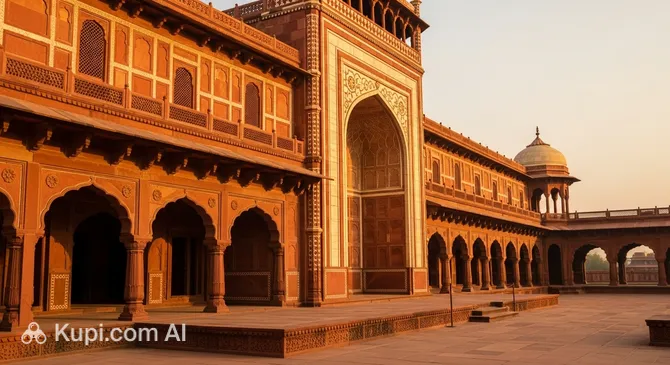
The most convenient addition for visitors is the Agra Metro. Currently, the operational priority corridor (Yellow Line) connects strategic tourist locations, including the Taj Mahal (East Gate) and Agra Fort, to the city center. The metro is air-conditioned, clean, and efficient, making it an excellent way to escape the heat and traffic. Trains typically run from early morning, around 6:00 AM, until 10:00 PM, providing reliable connectivity for a full day of sightseeing.
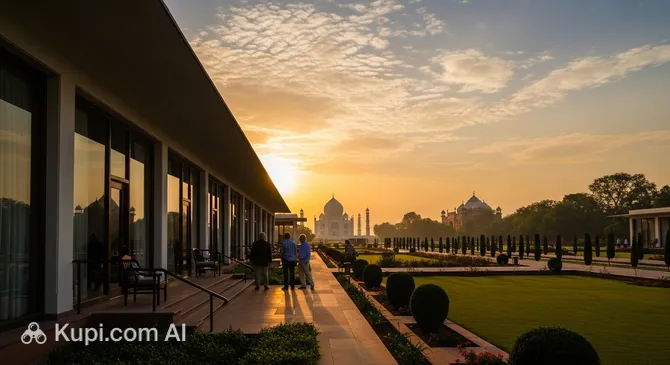
For broader connectivity, the city relies on a network of buses operated by the local transport corporation. Recently, a fleet of modern electric buses has been introduced to reduce pollution, covering major routes across the city. These are cost-effective and safe, though they can get crowded during peak hours. In the environmentally sensitive zone around the Taj Mahal, known as the Taj Trapezium Zone, polluting vehicles are banned. Here, you will find electric golf carts and battery-operated buses ferrying tourists from parking lots to the monument entrances.
For last-mile connectivity and shorter distances, auto-rickshaws (tuk-tuks) and cycle rickshaws are the most popular choices. Auto-rickshaws are available in two forms: shared (tempos), which run on fixed routes for a nominal fee, and private autos, which can be hired for specific destinations. Cycle rickshaws are slower but offer a leisurely way to explore the narrow lanes of the old city and are the only non-electric vehicles allowed right up to the Taj Mahal's vicinity.
Regarding payments, the system is a mix of digital and cash. For the Agra Metro, you can purchase QR-code paper tickets at the station counters or use the official metro app to book tickets digitally. There is also a National Common Mobility Card (NCMC) option for frequent travelers. However, for buses, auto-rickshaws, and cycle rickshaws, cash remains the primary mode of payment. It is highly advisable to carry small denominations of the local currency, as drivers often do not have change for large bills.
If you prefer a more comfortable and private ride, app-based cab services like Uber and Ola are widely available and reliable. They offer the advantage of fixed pricing, eliminating the need to haggle, and the cars are air-conditioned. Traditional taxis are also available at railway stations and the airport, usually operating on prepaid counters. Renting a car with a driver for the day is another popular option for tourists who want to visit multiple monuments without waiting for transport.
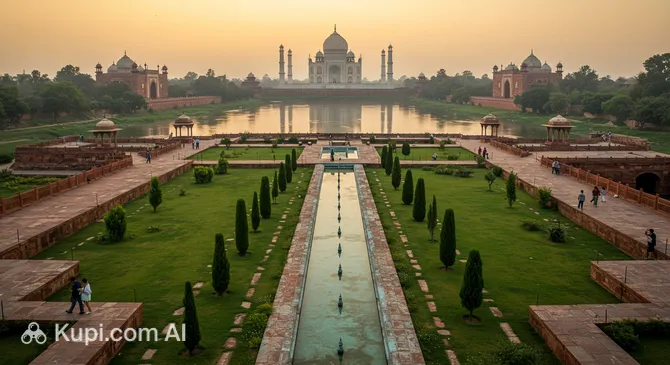
A crucial piece of advice for using rickshaws is to negotiate the fare before getting in. Drivers may quote higher prices to tourists, so it is helpful to ask a local or hotel staff for the approximate rate beforehand. Also, be aware that in the immediate area surrounding the Taj Mahal, strict vehicle restrictions are enforced to protect the white marble from pollution, so be prepared to switch to an electric vehicle, cycle rickshaw, or walk the final stretch to the monument.