Support

Aligarh

About

Welcome to Aligarh, a vibrant and historically significant city located in the state of Uttar Pradesh in India. Famous globally as the "City of Locks" (Tala Nagari), Aligarh is a bustling industrial hub that perfectly blends commercial energy with a rich cultural heritage. Situated approximately 130 kilometers southeast of New Delhi, it serves as an important center in the Doab region between the Ganges and Yamuna rivers.

With a population exceeding one million, the city pulses with life and activity. While it is a modern urban center, the history of Aligarh runs deep, with roots tracing back to ancient times when it was known as Kol. The city has witnessed the rise and fall of various empires, each leaving an indelible mark on its architecture and traditions.

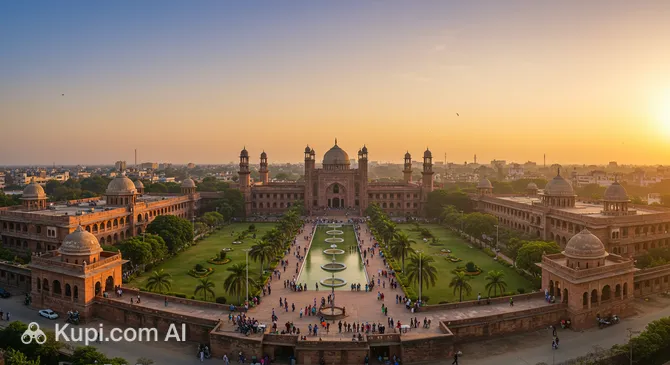
Aligarh. Source: Kupi.Binoculars

One of the city's most defining features is the prestigious Aligarh Muslim University (AMU), a center of academic excellence founded by Sir Syed Ahmad Khan. The university's sprawling campus and beautiful architecture are a major draw for visitors. Another notable landmark is the Aligarh Fort, also known as Aligarh Qila, which stands as a testament to the region's military past. Additionally, the city is renowned for its intricate brass hardware and, of course, its world-famous locks.

Whether you are interested in exploring educational landmarks, shopping for unique local crafts, or simply soaking in the atmosphere of a classic North Indian city, Aligarh offers a unique travel experience. It is a destination that invites you to discover its stories and witness its dynamic growth firsthand.

Weather Overview

Understanding the local climate is key to planning a comfortable visit to this historic city. The weather in Aligarh features distinct seasonal variations, shifting from hot, dry summers to a wet monsoon season and a cool, crisp winter. Travelers should be prepared for high temperatures in the middle of the year and cooler evenings during the winter months.

The summer season peaks in May and June, where average temperatures can reach highs of around 38°C. This heat is followed by the monsoon rains, which dominate July and August; July is typically the wettest month with approximately 23 rainy days. Conversely, the winter period from December to February offers relief from the heat, with January being the coldest month, seeing average lows of about 7.8°C and dry conditions.

Interesting Facts

Beyond the well-known university campus and the bustling lock markets, Aligarh holds several fascinating secrets waiting to be uncovered. This city is not just an industrial hub but a place where nature, spirituality, and record-breaking archives coexist.

  • A Literary Giant: The Maulana Azad Library, located within the Aligarh Muslim University, is widely cited as one of the largest university libraries in Asia. It is home to a staggering collection of books and rare manuscripts, including priceless documents from the Mughal era, making it a hidden gem for history buffs.

  • A Birdwatcher's Haven: Just a short distance from the city center lies Shekha Lake (Shekha Jheel), a sprawling wetland that serves as a vital habitat for migratory birds. While the city is known for industry, this serene spot offers an unexpected escape where nature enthusiasts can spot exotic species, particularly during the winter months.

  • Industrial Pioneer: Aligarh occupies a unique place in India's industrial history as the site of the Harduaganj Thermal Power Station. Often referred to as the Kasimpur Power House, it is historically significant for being one of the very first thermal power plants established in Asia, dating back to the British era.

  • Spiritual Grandeur: The city is the gateway to Teerthdham Mangalayatan, one of the largest Jain pilgrimage complexes in the country. This massive architectural marvel is not just a temple but a center for research and social service, attracting visitors with its sheer scale and peaceful atmosphere.

How to Get There

Reaching Aligarh is relatively straightforward thanks to its strategic location in Uttar Pradesh. While the city does not have its own commercial airport, it is well-connected to the rest of India through major hubs nearby. You can find detailed information and more about how to get to Aligarh on our dedicated page.

The city of Aligarh does not have its own airport, but you can fly into Indira Gandhi International Airport (DEL) in Delhi, which is about 122 km from Aligarh. As a major international gateway, it serves a vast number of flights from around the world. The travel time from Delhi to Aligarh by taxi or bus is approximately 3 hours and 20 minutes. Alternatively, the closest option is Kheria airport (AGR) in Agra, located roughly 83 km away. This regional airport connects to select domestic destinations, and the drive to Aligarh takes about 2 hours and 25 minutes.

For clarity, here is a summary of the main airports:

Airport Name City Passenger Traffic Km from City
Indira Gandhi International Airport Delhi Very Large 121.8
Ghaziabad (Hindon) Jhandapur Medium 114.5
Gwalior Airport Gwalior Small 178.3
Kheria Agra Small 83.1
Bareilly Bareilly Small 145.9

Besides air travel, Aligarh is excellently connected by rail and road. Aligarh Junction is a prominent railway station on the Delhi-Howrah main line, making train travel one of the most popular and convenient ways to reach the city. Numerous express and passenger trains stop here daily. Additionally, the city is accessible via well-maintained highways, including the Yamuna Expressway, which facilitates smooth bus and car journeys from nearby metropolitan areas.

Main Attractions

While Aligarh is primarily known as an educational and industrial center, it possesses a collection of historical and spiritual landmarks that offer a rewarding experience for travelers. The city's attractions reflect its layered history, ranging from ancient fortifications to architectural marvels from the 19th century and modern spiritual complexes.

Aligarh Fort (Aligarh Qila)

One of the most historically significant sites in the city is the Aligarh Fort. Originally built in the 16th century, this fortification has witnessed numerous battles and changed hands between the Mughals, the Marathas, and the British. Although much of the structure is now in ruins, it remains a fascinating spot for history enthusiasts to explore. The fort's high walls and ramparts offer a glimpse into the military architecture of the past, and a visit here provides a tangible connection to the turbulent history of the Doab region.

Sir Syed Masjid

Located within the sprawling campus of Aligarh Muslim University, the Sir Syed Masjid is a stunning piece of Mughal-revival architecture. Often cited as one of the most beautiful mosques in the region, it is distinctive for its striking white marble domes and intricate minarets. The mosque serves not only as a place of worship but also as a symbol of the university's cultural heritage. Tourists are drawn to its serene atmosphere and the grave of Sir Syed Ahmad Khan, the university's founder, which is located within the mosque's precincts.

Teerthdham Mangalayatan

For those seeking spiritual solace and architectural grandeur, Teerthdham Mangalayatan is a must-visit destination located on the outskirts of the city. This massive Jain pilgrimage complex spans a vast area and is renowned for its pristine environment and magnificently designed temples. It is not just a religious site but also a center for socio-religious research. Visitors are often impressed by the sheer scale of the complex, the meticulously maintained gardens, and the peaceful ambiance that offers a break from the city's hustle.

Khereshwar Temple

Another prominent spiritual site is the Khereshwar Temple, dedicated to Lord Shiva. Situated a few kilometers from the city center, this ancient temple holds immense religious importance for the local Hindu community. It is known for its beautiful idol of Shiva and the intricate carvings that adorn the structure. The temple attracts a large number of devotees, especially during festivals like Mahashivratri, making it a vibrant place to witness local religious traditions and culture.

Local Cuisine

The culinary landscape of Aligarh is a delightful reflection of its cultural diversity, offering a mouthwatering blend of traditional North Indian street food and rich Mughlai heritage. Food in this city is unpretentious, robust in flavor, and deeply rooted in local tradition. For any traveler, exploring the bustling lanes and savoring the local specialties is an essential part of the Aligarh experience.

The undisputed star of the local food scene is the famous Aligarh Kachori. This deep-fried, crispy pastry is typically stuffed with lentils or spices and served with a spicy, flavorful potato curry known as aloo ki sabzi. It is the quintessential breakfast for locals and can be found sizzling in large cauldrons at street corners throughout the city. The texture and taste are distinct, making it a "must-try" dish that draws food lovers from across the region.

Given the city's historical roots and the influence of the Aligarh Muslim University, Mughlai cuisine holds a special place here. The areas surrounding the university and the old city are dotted with eateries serving succulent Seekh Kebabs, aromatic Biryani, and rich meat curries like Nihari and Korma. These dishes are often accompanied by soft, fluffy breads like rumali roti or sheermal, offering a hearty meal that pays homage to the royal kitchens of the past.

For those with a sweet tooth, Aligarh offers plenty of traditional treats. Freshly made Jalebis, dipped in sugar syrup, are a popular evening snack, especially during the winter months. You can also find excellent varieties of milk-based sweets such as Gulab Jamun and Barfi. To wash it all down, locals prefer a clay cup (kulhad) of thick, creamy Lassi or a steaming cup of hot Chai, which is a staple beverage enjoyed at any time of the day.

The food culture in Aligarh is predominantly centered around vibrant street food stalls and casual eateries rather than fine dining establishments. Popular hubs like Centre Point and the markets near the railway station act as gastronomic centers where tourists can rub shoulders with locals. Eating here is about the atmosphere as much as the food—lively, chaotic, and incredibly welcoming.

Travel Tips

Visiting Aligarh is a journey into the heart of North India's cultural and educational heritage. To ensure your trip to the "City of Locks" is as smooth and enjoyable as possible, we have compiled a list of practical advice tailored to the local lifestyle. These tips will help you navigate the bustling streets, respect local customs, and make the most of your time in this historic city.

  1. Clothing and Gear: Pack according to the season. If you are visiting between April and June, lightweight, breathable cottons are essential to handle the intense heat. For winter visits (December to February), bring heavy woolens and jackets, as evenings can get quite cold. Regardless of the season, modest clothing is recommended. When visiting religious sites like the Sir Syed Masjid or Khereshwar Temple, both men and women should dress conservatively, covering shoulders and knees. A sturdy pair of slip-on shoes is practical, as you will frequently need to remove them at places of worship.

  2. Transportation: Aligarh does not have a metro system, and the most common way to get around is by cycle rickshaws or e-rickshaws (locally known as tempos or tuk-tuks). They are affordable and perfect for short distances. Ride-hailing apps like Ola and Uber are available but can sometimes have longer wait times than in major metros. For a full day of sightseeing, hiring a private taxi or a car with a driver is the most comfortable option.

  3. Finances: The local currency is the Indian Rupee (INR). While hotels, larger restaurants in the Centre Point area, and supermarkets accept credit and debit cards, cash is absolute king in local markets and for street transport. ATMs are widely available throughout the city. It is wise to carry smaller denomination notes (₹10, ₹20, ₹50, ₹100) for paying rickshaw drivers and street food vendors who often struggle with change for large bills.

  4. Health and Safety: Aligarh is generally safe for tourists, but standard precautions apply. Avoid walking alone in poorly lit or isolated areas late at night. Pharmacies are plentiful, especially near the Jawaharlal Nehru Medical College area, which is also home to the city's premier hospital. Stick to bottled or filtered water and avoid drinking tap water to prevent stomach issues.

  5. Communication: Hindi and Urdu are the primary languages spoken here. However, due to the presence of the Aligarh Muslim University, English is widely understood in academic circles, hotels, and higher-end establishments. Learning a few basic phrases like "Namaste" (Hello) or "Dhanyavaad/Shukriya" (Thank you) will go a long way in breaking the ice. Pre-paid SIM cards from major providers like Jio or Airtel can be easily purchased at local mobile shops with your passport and visa.

  6. Local Etiquette: The city is socially conservative with a strong emphasis on respect and tradition. Greet people politely; a nod with a smile works well if you are unsure of the verbal greeting. Public displays of affection (PDA) are frowned upon and should be avoided. Always ask for permission before taking photographs of locals, especially women, to respect their privacy.

  7. What to Avoid: Do not engage in sensitive political or religious discussions in public spaces. As a university town with a rich history, people are passionate about their identity, and it is best to stay a neutral observer. Also, avoid eating raw salads or cut fruits sold by roadside vendors to ensure food safety; stick to cooked meals that are served hot.

  8. Shopping Tip: Since you are in the "City of Locks," buying a high-quality brass lock or artifact makes for a unique souvenir. The best place to shop for these, as well as for traditional clothing (Sherwanis) and local crafts, is the bustling Railway Road market or the shops around Centre Point. Bargaining is expected in traditional bazaars, so don't hesitate to negotiate the price politely.

By keeping these practicalities in mind, you will be well-prepared to embrace the chaotic charm and warm hospitality of Aligarh. Whether you are exploring the university campus or savoring the famous local kachoris, a little preparation ensures that your focus remains on creating wonderful memories in this unique corner of Uttar Pradesh.

Entertainment & Nightlife

Entertainment and nightlife in Aligarh differ significantly from the high-energy clubbing scenes found in India's metropolitan hubs like Delhi or Mumbai. Here, the evening culture is more subdued, traditional, and centered around social dining, evening strolls, and vibrant marketplaces. The city winds down relatively early, but there are still distinct pockets of activity where locals and visitors gather to unwind after sunset.

The heartbeat of Aligarh's modern evening life is undoubtedly Centre Point. Located in the heart of the city, this district transforms into a bustling hub of activity as the sun goes down. It is the most upscale commercial area, lined with brand outlets, modern cafes, and restaurants. The atmosphere here is lively yet relaxed, characterized by families, university students, and professionals enjoying the cool evening air. The streets are well-lit and safe, making it the perfect spot for a post-dinner walk or a casual meetup.

Since Aligarh is a culturally conservative city with a strong academic influence, "nightlife" is largely synonymous with gastronomy. You won't find thumping discotheques, but you will find excellent restaurants that stay open late. For a classic Aligarh dining experience, La Chef at Centre Point is a local institution, offering a mix of Indian and international cuisines in a family-friendly setting. For those looking for a slightly more upscale ambiance, the restaurant and bar facilities at Hotel Melrose Inn on Marris Road offer a sophisticated environment to enjoy a drink and a quiet meal away from the street noise.

For a more local and chaotic experience, the markets along Railway Road remain active into the late evening. This is where the city's traditional side shines. The area is famous for its late-night street food vendors selling kebabs, tikkas, and hot milk. The crowd here is predominantly male later at night, so it is advisable for female travelers to visit earlier in the evening or in groups. The dress code throughout the city is modest; smart casual is the norm for restaurants, while conservative attire is best for street markets.

Practical Advice for the Night

Most shops and cafes in Aligarh begin to close around 10:00 PM, though some restaurants may serve until 11:00 PM. Prices are generally very affordable compared to major cities; a hearty dinner for two at a good restaurant will rarely exceed moderate costs. Getting around at night is best done via Ola or Uber cabs, as they offer a tracked and safe journey. Cycle rickshaws are available but are better suited for short distances within the Centre Point or university areas.

Safety

Aligarh is generally safe, but caution is advised at night. The Centre Point and Marris Road areas are the safest for tourists due to the higher footfall and police presence. It is recommended to avoid poorly lit backstreets or isolated areas near the outskirts after dark. If you need a taxi late at night, booking through an app is safer and more reliable than hailing one off the street.

Daytime Entertainment

Before the sun sets, Aligarh offers several leisure options. For movie buffs, the Great Value Mall on Ramghat Road houses a multiplex cinema that screens the latest Bollywood and Hollywood releases. It is also a popular spot for shopping and grabbing a quick lunch in the food court. Culturally inclined visitors might enjoy a daytime visit to the university's museums, while families can spend a pleasant afternoon at the local parks, although these are best enjoyed before the evening rush.

Parks & Museums

While Aligarh is primarily recognized as a bustling industrial and educational hub, the city offers several serene green spaces and cultural repositories that provide a welcome respite from the urban pace. The city's parks are often intertwined with its academic heritage, while its museums serve as custodians of a rich intellectual legacy, particularly connected to the Aligarh Muslim University (AMU).

Naqvi Park, also known as Jawahar Park, is one of the most popular public green spaces in the city. Located near the university area, it is a favorite spot for locals enjoying morning walks, family picnics, and leisurely evenings. The park features well-maintained lawns, fountains, and walking tracks, offering a lush, green environment that contrasts with the busy streets outside. It serves as the city's "green lung" and is an excellent place for tourists to observe local life in a relaxed setting.

For nature enthusiasts willing to venture slightly further, Shekha Lake (Shekha Jheel) acts as a significant natural sanctuary. Although technically a wetland on the outskirts, it functions as a vital birdwatching park. During the winter season, this area transforms into a haven for migratory birds, making it a perfect destination for photographers and nature lovers seeking tranquility and a connection with the region's biodiversity.

Aligarh's cultural history is best experienced through its unique museums. The Sir Syed Academy Museum, housed in the heritage building known as Sir Syed House, is a must-visit for those interested in the city's history. This was the residence of the university's founder, Sir Syed Ahmad Khan. Today, it has been converted into a museum that displays his personal belongings, rare photographs, and documents that trace the history of the Aligarh Movement. The colonial-style architecture of the building itself is an attraction, evoking the atmosphere of the 19th century.

Another cultural gem is the Ibn Sina Academy of Medieval Medicine and Sciences. This specialized institution is a treasure trove for those interested in the history of science and medicine, particularly the Unani tradition. The academy houses a museum and library with an impressive collection of artifacts, coins, stamps, and manuscripts. It offers a fascinating insight into the intellectual contributions of the region and is a testament to Aligarh's scholarly roots.

In terms of historical landmarks, the Ghantaghar (Clock Tower) stands as a prominent architectural feature in the city center. Built during the British era, this towering structure is surrounded by a bustling park area and serves as a major orientation point. Its distinct architecture and the busy market life surrounding it provide a snapshot of the city's colonial past merging with its present-day commercial vibrancy.

For a truly authentic experience, take a walk through the Gulistan-e-Syed, the rose garden located within the university campus. While access may sometimes be regulated depending on university schedules, it is a beautifully landscaped area that reflects the Mughal gardening tradition. An insider tip is to visit the campus area on a quiet Sunday afternoon when the traffic is low, allowing you to fully appreciate the majestic Indo-Saracenic architecture that frames these green spaces.

Getting Around

Navigating Aligarh is an experience that immerses you directly in the local rhythm of life. Unlike major metropolitan hubs, the city does not have a metro system or a comprehensive heavy rail network for intra-city travel. Instead, the public transport infrastructure relies heavily on road-based options. The most ubiquitous mode of transport is the e-rickshaw, locally often referred to as a "toto" or simply a battery rickshaw. These eco-friendly vehicles have largely replaced traditional cycle rickshaws on main roads, offering a quiet and breezy way to traverse short to medium distances. For longer routes across the city, shared auto-rickshaws (tempos) ply fixed corridors, serving as the backbone of the daily commute for thousands of residents.

When it comes to paying for your ride, cash is absolute king. There are no integrated travel cards, tap-to-pay systems, or digital ticketing machines for local transport. Travelers should carry a good supply of small denomination notes and coins, as drivers often struggle to provide change for high-value bills. Fares are remarkably affordable; a shared ride in a tempo might cost as little as ₹10 to ₹20, while hiring a full e-rickshaw for a personal trip will require a negotiated fare, usually ranging between ₹40 and ₹100 depending on the distance.

For tourists, the unwritten rules of the road can be a bit daunting at first. If you choose to take a cycle rickshaw or hire an auto-rickshaw exclusively for yourself, it is crucial to agree on the price before getting in to avoid disputes later. Shared tempos do not require negotiation as they have standard rates for specific stops. Public transport generally operates from early morning, around 6:00 AM, until about 10:00 PM. After this time, finding a rickshaw on the street becomes significantly harder, so it is wise to plan your return journey accordingly.

If you prefer a more comfortable and predictable travel experience, modern alternatives are available. App-based ride-hailing services like Ola and Uber operate within the city limits. These are highly recommended for tourists as they offer air-conditioned comfort, GPS tracking, and fixed pricing, eliminating the need for bargaining. While they may take a bit longer to arrive than hailing a passing rickshaw, the convenience and safety they offer make them a popular choice for visitors unfamiliar with the local geography.

A unique feature of moving around this city is the enduring presence of the cycle rickshaw in the narrow lanes of the old city and market areas. While slower, they are often the only vehicles capable of navigating the dense, bustling bazaars where motorized traffic comes to a standstill. Taking a ride in one of these offers a nostalgic and leisurely perspective of the city's vibrant street life, allowing you to soak in the sights and sounds of the markets at a relaxed pace.

Accommodation

Finding the right place to stay in Aligarh is largely about prioritizing location and convenience. The city’s hospitality sector is primarily geared towards business travelers, visiting academics, and families attending functions at the university. While the city does not boast the ultra-luxury international hotel chains found in metropolitan India, it offers a solid range of mid-tier hotels, boutique properties, and budget guesthouses that ensure a comfortable stay.

For most travelers, the best area to base yourself is around Centre Point and Marris Road. This is the upscale commercial hub of Aligarh, characterized by wider, tree-lined avenues and a higher concentration of quality restaurants and shops. Staying here means you are centrally located, with easy access to both the railway station and the university, while enjoying a safe and lively atmosphere in the evenings. Hotels in this zone typically offer modern amenities, including in-house dining and Wi-Fi, making them the preferred choice for international visitors and professionals.

If your visit is centered around the Aligarh Muslim University (AMU), you might prefer accommodation in the Civil Lines area. This neighborhood is quieter, greener, and steeped in the city's colonial and academic history. Several guesthouses and mid-range hotels here cater specifically to the needs of visiting faculty and parents of students. The proximity to the campus allows for easy movement to and from university departments without getting caught in the heavier traffic of the old city.

Travelers on a stricter budget or those with early morning train connections often choose the area surrounding the Aligarh Junction Railway Station. This part of town is bustling and somewhat chaotic, but it offers numerous budget lodges and functional hotels. While these options are economical, it is advisable to check the rooms in person before checking in to ensure they meet your cleanliness standards.

Accommodation Tips

  • Book in Advance: Aligarh is a major educational hub. During university entrance exams, convocations, or major alumni meets, hotels can sell out weeks in advance. Similarly, the Indian wedding season (typically late autumn and winter) sees high occupancy rates.

  • Check for Power Backup: Like many cities in the region, power cuts can occur. It is highly recommended to confirm that your chosen hotel has a 24-hour generator power backup, especially if you are visiting during the hot summer months when air conditioning is essential.

  • Amenities: Most mid-range hotels provide standard amenities like air conditioning and hot water. However, luxury facilities like swimming pools or spas are rare. If you require specific services like laundry or foreign exchange, it is best to stay at one of the top-rated properties on Marris Road.

Nearby Cities

For those looking to explore the surroundings, Aligarh serves as an excellent base for day trips to several interesting nearby locations:

The most prominent destination for a day trip is undoubtedly Mathura. Located just over an hour's drive away, it is one of the seven sacred cities in Hinduism and is celebrated globally as the birthplace of Lord Krishna. Visitors flock here to explore its ancient temples, vibrant ghats along the Yamuna River, and to experience its rich cultural heritage. Closer to Aligarh lies Hathras, a town famous for its production of high-quality asafoetida (hing) and Holi colors, offering a unique peek into the local industrial culture. Another option is Bulandshahr, an ancient city with historical roots that provides a quieter, authentic experience of the Uttar Pradesh countryside.

City Population Distance (km)
Mathura 441,894 61
Bulandshahr 235,310 61
Hathras 156,498 33
Etah 145,601 68
Sahaswan 66,204 69

These nearby destinations offer a glimpse into the diverse culture and landscapes of the region, ranging from intense spiritual centers to bustling local market towns.

Shopping & Souvenirs

Shopping in Aligarh offers a fascinating mix of traditional commerce and modern retail, reflecting the city's dual identity as a historic industrial hub and a growing urban center. Known globally as the "City of Locks," the shopping scene here is less about high-end luxury fashion and more about authentic local craftsmanship, bustling bazaars, and unique regional specialties. Visitors can expect a vibrant atmosphere where bargaining is a norm in the old markets, while air-conditioned showrooms in newer districts provide a more conventional shopping experience.

Main Shopping Areas

The heart of the city's modern commercial activity is Centre Point. This upscale area is lined with branded showrooms, electronics stores, and trendy boutiques. It is the preferred destination for those looking for readymade garments, footwear, and lifestyle products in a comfortable, walkable environment. In contrast, Railway Road offers a more intense and traditional Indian market experience. This long stretch is packed with shops selling everything from jewelry and textiles to household goods, making it a lively place to witness the daily hustle of the city.

Shopping Malls

For those seeking a one-stop destination for shopping, dining, and entertainment, the Great Value Mall on Ramghat Road is the city's premier modern complex. It houses a variety of national and international retail chains, a food court, and a multiplex cinema. It is a popular hangout spot for families and students, offering a respite from the heat and the chaotic traffic of the street markets.

Local Markets

To truly understand the local culture, a visit to the city's specialized markets is essential. Amir Nishan Market is famous for its clothing stores, particularly for traditional menswear. Given the influence of the university, this is the best place to find high-quality fabrics and tailors specializing in Sherwanis and the distinct "Aligarh cut" pajamas. Another significant hub is Shamshad Market, located near the university campus. It caters primarily to students and intellectuals, lined with bookshops, stationery stores, and tea stalls, offering a glimpse into the academic soul of Aligarh.

Souvenirs

No trip to Aligarh is complete without purchasing one of its world-famous locks. You can find an incredible variety, from tiny functional padlocks to massive, intricate handcrafted pieces that serve as collectors' items. Beyond locks, the city is a major center for brassware and zinc artware. Visitors can find beautiful brass statues, idols, and decorative artifacts that make for heavy but memorable keepsakes. Additionally, the local bakeries are renowned for their distinct biscuits and rusks, which are a favorite tea-time snack among locals.

Opening Hours and Payment

Most shops in Aligarh open around 11:00 AM and remain active until 9:00 PM or 10:00 PM. Markets often have a weekly closing day, which varies by district (commonly Tuesday or Sunday), so it is wise to check locally before planning a specific shopping trip. While shopping malls and stores in Centre Point accept credit cards and digital payments like UPI, cash remains the primary mode of transaction in the traditional bazaars and smaller shops. Carrying sufficient cash in smaller denominations is highly recommended for street shopping.

Tax-Free Information

Tax-free shopping or VAT refunds are generally not available for international tourists in Aligarh. The prices displayed usually include all applicable local taxes (GST). Visitors should not expect to claim tax refunds at the airport for goods purchased in local markets or city stores.

Reached the end of the page?

That means the route is fully explored