Support

Dehradun

About

Nestled in the rolling Doon Valley at the foothills of the Himalayas, Dehradun offers a perfect blend of city convenience and natural beauty. As the capital of the state of Uttarakhand in India, it serves as a vital gateway to popular hill stations like Mussoorie and major pilgrimage sites such as Haridwar and Rishikesh. The city is renowned for its picturesque landscape, educational institutions, and a generally mild climate that attracts visitors year-round.

Geographically, the city is uniquely situated between two of the country's most significant rivers: the Ganges to the east and the Yamuna to the west. With a population of approximately 578,000 residents, it maintains a lively yet relaxed atmosphere compared to the bustling metropolises of the plains. The weather is pleasant for most of the year, making it a comfortable destination for travelers seeking a refreshing retreat.
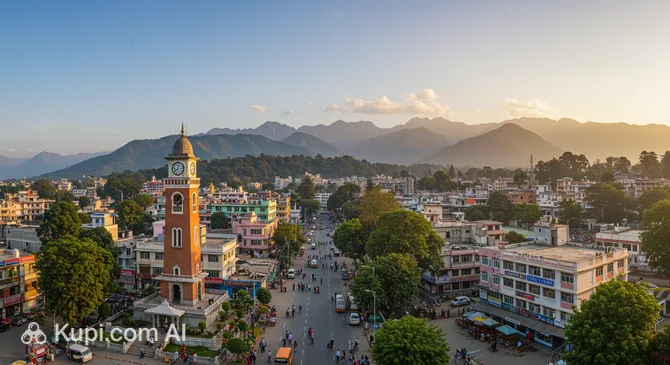
Dehradun. Source: Kupi.Binoculars

The region possesses a deep cultural background that adds to its charm. Visitors can delve into the fascinating history of Dehradun, which traces its roots back to ancient legends from the Mahabharata and showcases significant architectural developments from the British colonial era. This rich heritage is visible in the city's landmarks and the diverse communities that call it home.

Travelers are often drawn to unique local attractions such as Robber's Cave (Guchhupani), a natural river cave formation where you can walk through knee-deep water surrounded by canyon walls. Another architectural marvel is the Forest Research Institute, famous for its impressive Greco-Roman style building set amidst a lush green campus. For those seeking relaxation, the sulfur springs at Sahastradhara offer a therapeutic and scenic experience.

Whether you are passing through on your way to the high mountains or planning a dedicated stay, Dehradun welcomes you with its verdant surroundings and friendly vibe. It is an excellent destination for families, nature enthusiasts, and anyone looking to experience the serene side of the Himalayan foothills.
Weather Overview

The climate in Dehradun is characterized by distinct seasonal changes, offering everything from crisp, cold mornings to sunny, warm afternoons. For a detailed forecast and breakdown to help plan your trip, you can check the weather in Dehradun. Overall, travelers can expect warm summers with frequent rain during the monsoon season and cold, dry winters.

During the winter months of December through February, the weather is chilly, with January being the coldest month featuring average lows of 3.3°C and highs around 15.3°C. Rainfall is minimal during this time. As spring arrives in March and April, temperatures rise comfortably, leading into the peak summer heat of May and June, where maximum temperatures can reach 30.5°C.

The monsoon season, spanning from July to September, brings a distinct shift in weather. While temperatures remain warm, averaging around 24°C, precipitation becomes a daily occurrence; July and August record up to 30 wet days each. The weather dries out again in October and November, offering mild average temperatures between 15°C and 19°C, which marks a pleasant transition back to winter.

Interesting Facts

Beyond the main attractions, Dehradun holds many fascinating secrets that add depth to its colonial and cultural history. The city is not just a gateway to the mountains but a repository of unique stories involving architecture, warfare, and cinema.
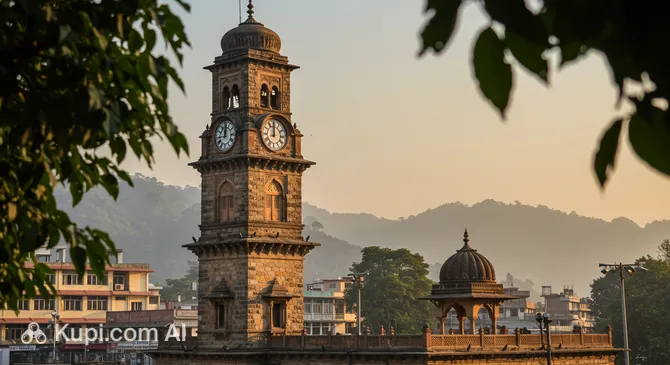
Clock Tower. Source: Kupi.Binoculars
  • The iconic Clock Tower, locally known as Ghanta Ghar, is an architectural rarity because it is hexagonal; unlike standard clock towers with four faces, this structure features six, making it a distinctive landmark in the city center.

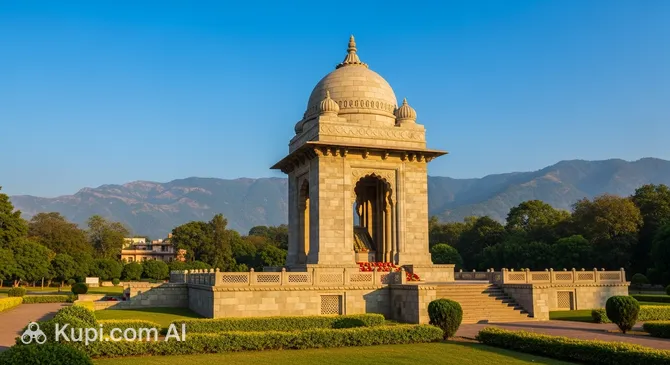
  • The Khalanga War Memorial represents a unique chapter in military history, as it is believed to be the only monument in the world erected by a victorious army, the British, to honor the courage and bravery of their defeated enemy, the Gurkhas.

  • The main building of the Forest Research Institute is often compared to Buckingham Palace in terms of its massive footprint and grandeur; its stunning Greco-Roman architecture has made it a favorite filming location for many popular Bollywood movies.

  • The city's name itself is rooted in history, derived from the word "Dehra" meaning camp; this refers to the settlement established in the 17th century by Guru Ram Rai, whose legacy continues at the Jhanda Ji Darbar Sahib.

How to Get There

Reaching this Himalayan gateway is relatively straightforward, with options to suit various travel preferences. For a comprehensive guide on planning your journey, you can read more about how to get to Dehradun. The city is well-connected to the rest of India, with air travel being the fastest method for most tourists.

The most convenient entry point is Dehradun Airport (IATA: DED), also known as Jolly Grant Airport. It is located approximately 20 km from the city center. Travelers can expect a taxi ride from the airport to the heart of Dehradun to take about 50 minutes. This airport handles a steady flow of domestic traffic and is the primary hub for visitors flying directly into the region.

Alternatively, you can fly into Chandigarh Airport (IATA: IXC) in the city of Chandigarh, which serves as a major regional hub. Although it is situated about 126 km away, it offers a wider range of flight connections. The journey from Chandigarh to Dehradun by road typically takes around 3.5 hours, making it a viable option if direct flights to Dehradun are unavailable.

For clarity, here is a summary of the main airports serving the region:

Airport Name City Passenger Traffic Km from City
Chandigarh Airport Chandigarh High 125.8
Ghaziabad (Hindon) Jhandapur Medium 189.9
Dehradun Airport Dehradun Medium 20.0
Bhuntar Airport Kullu Low 192.2
Simla Shimla Low 125.4

Besides air travel, Dehradun is a major railway hub in Northern India. The historic Dehradun Railway Station connects the city to the national capital, New Delhi, and other prominent cities like Mumbai and Kolkata. The city is also accessible via a well-maintained network of roads, with frequent bus services operating from nearby states.

Main Attractions

Dehradun is brimming with diverse points of interest, ranging from spiritual havens tucked away in nature to bustling markets and educational landmarks. Exploring these sites offers a deeper understanding of the city's unique character, which balances its colonial heritage with local traditions and natural splendor.

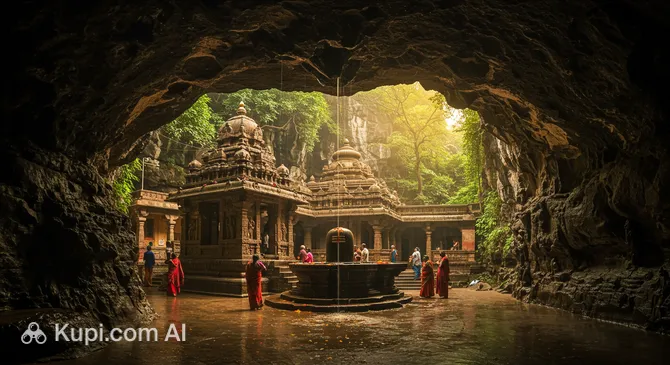
One of the most revered spiritual sites in the city is the Tapkeshwar Mahadev Temple. Located approximately 6 kilometers from the city center, this ancient cave temple is dedicated to Lord Shiva and sits on the banks of the seasonal Asan River. It is famous for the natural water droplets that continuously drip from the cave ceiling onto the Shiva Lingam, a phenomenon that attracts thousands of devotees, especially during the festival of Shivratri. The serene forest surroundings make it a peaceful retreat for nature lovers as well.

Tapkeshwar Mahadev Temple. Source: Kupi.Binoculars

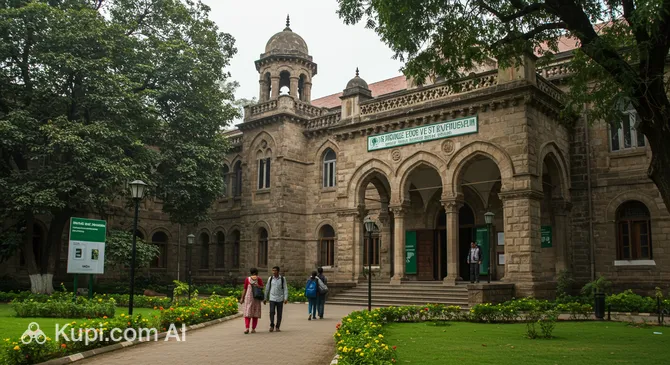
For those interested in history and science, the Forest Research Institute Museum is an unmissable stop. Housed within the grand campus of the Forest Research Institute, the museum is actually a collection of six distinct sections dedicated to forestry, including pathology, silviculture, and timber. Visitors can explore fascinating exhibits that showcase the diversity of India's flora, ancient wooden artifacts, and the history of forestry in the region, all set within a building celebrated for its magnificent colonial architecture.

Forest Research Institute Museum. Source: Kupi.Binoculars

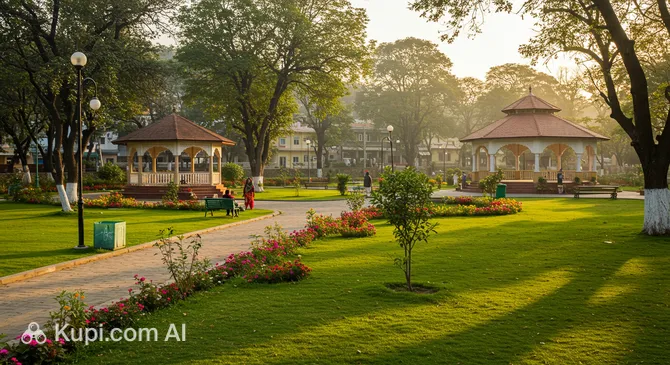
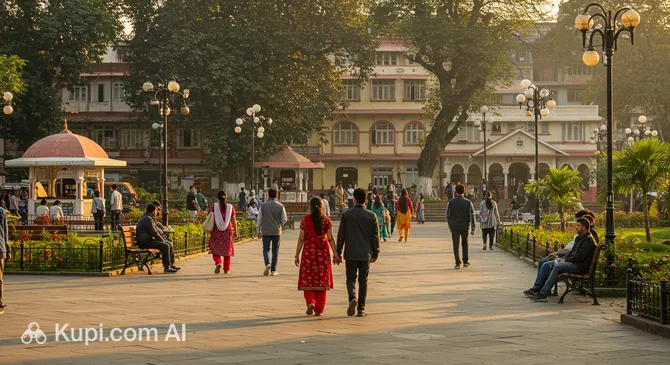
If you are looking for a place to relax in the heart of the city, Gandhi Park is the perfect spot. Situated centrally on Rajpur Road, this well-maintained park serves as a green lung for Dehradun. It features jogging tracks, yoga spaces, and a children's play area, making it a popular gathering place for locals and tourists alike. It is an ideal location for a leisurely morning walk or a quiet evening amidst manicured gardens.

Gandhi Park. Source: Kupi.Binoculars

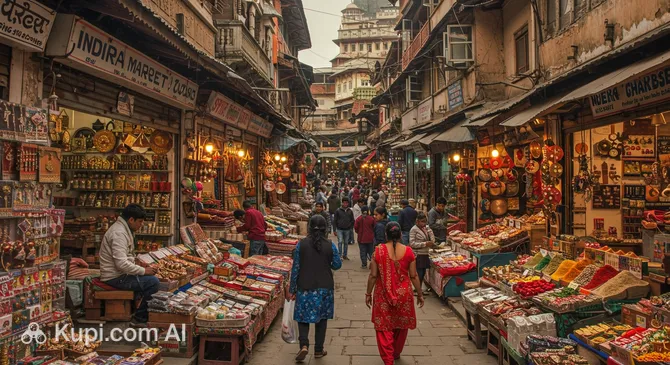
To experience the local pulse and indulge in some shopping, head to Indira Market. Located near the iconic Clock Tower, this bustling bazaar is famous for its narrow lanes packed with shops selling fashionable clothing, accessories, and footwear at affordable prices. It offers a vibrant atmosphere where you can practice your bargaining skills and pick up souvenirs, making it a favorite destination for the city's youth and visitors looking for great deals.

Local Cuisine

The culinary landscape of Dehradun is a delightful reflection of its diverse cultural heritage, blending traditional Garhwali flavors with Tibetan influences and classic North Indian staples. One cannot speak of food here without mentioning the world-famous Dehraduni Basmati rice. Known for its exceptional fragrance and long grain, this rice is the star of many local households and restaurants, often served as a simple yet aromatic pulao or paired with rich curries.

Due to a significant Tibetan community, the city is one of the best places in India to enjoy authentic Himalayan street food. Momos (steamed or fried dumplings filled with meat or vegetables) and Thukpa (a hearty noodle soup) are ubiquitous here. You will find these dishes everywhere, from small roadside stalls to upscale eateries, often served with a spicy chili garlic chutney that adds a fiery kick to the mild flavors.

For a taste of the local "Pahari" (mountain) cuisine, look for dishes that use locally grown ingredients like lentils and leafy greens. Aloo ke Gutke, a dish made of boiled potatoes stir-fried with local spices like jambu (a Himalayan herb), is a beloved snack. Another traditional preparation is Kafuli, a nutritious thick gravy made from spinach and fenugreek leaves. These meals are typically earthy, simple, and packed with nutrition to suit the mountain climate.

Dehradun is also legendary for its bakery culture, a legacy of the British colonial era. The city is dotted with historic bakeries that have been serving customers for decades. Tourists frequently stock up on signature items like milk rusks, butter toffees, and stick jaws (a chewy caramel treat) to take home as edible souvenirs.

Yellow Marigold Experience Studio and House Cafe. Source: Kupi.Binoculars

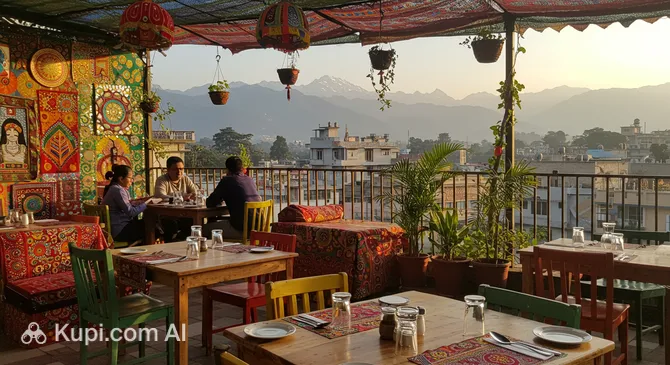
When it comes to beverages, the most distinctive local drink is Buransh juice. Made from the bright red petals of the Rhododendron flower which blooms in the surrounding hills, this squash is not only refreshing but is also believed to have various health benefits. In the evenings, the cafe culture comes alive. You can enjoy a relaxed meal at places like the Yellow Marigold Experience Studio and House Cafe, which offers a charming ambiance perfect for unwinding.

The dining scene in Dehradun caters to all palates. Rajpur Road is the culinary spine of the city, lined with modern cafes, fast-food joints, and fine-dining restaurants. For those craving flavors from the southern part of the country, the Udupi Cafe is a well-known spot serving crispy dosas and steaming idlis. Meanwhile, the nightlife is budding with venues like Blue and Beyond Family Restaurant & Bar, offering a mix of good food and spirited drinks.

Travel Tips

Welcome to the charming Doon Valley! To ensure your trip to Dehradun is as smooth and enjoyable as the scenic views of the Himalayas, here is a collection of practical tips covering everything from local transit to cultural norms.

  1. Clothing and Gear: The weather here can be changeable, so packing layers is essential. For winter visits (December to February), heavy woolens are mandatory, while light cottons work best for the summer. Since you will likely be exploring natural sites like Robber's Cave or walking along the Mall Road, bring sturdy, comfortable walking shoes. When visiting religious sites like the Tapkeshwar Temple, dress modestly by covering your shoulders and knees, and be prepared to remove your shoes.
  2. Transportation: The most distinct mode of local transport in Dehradun is the "Vikram"—a large, blue shared auto-rickshaw that runs on fixed routes and is very affordable. For more private travel, ride-hailing apps like Ola and Uber are available, though availability can fluctuate on the outskirts. Renting a scooter or bike is also a popular and efficient way to navigate the city's hilly terrain at your own pace.
  3. Finances: The local currency is the Indian Rupee (INR). While credit and debit cards are widely accepted at hotels, malls, and restaurants on Rajpur Road, you will need cash for "Vikrams," local bazaars, and street food stalls. ATMs are plentiful throughout the city. Tipping is appreciated; leaving about 10% of the bill at cafes and restaurants is standard practice.
  4. Health and Safety: Dehradun is generally a safe city for tourists. Pharmacies are easy to find, especially near the hospital areas and main markets, though 24/7 options are limited to major hospitals. One specific safety caution: be wary of monkeys, especially near temples and forested areas; keep food hidden and do not provoke them. Always drink bottled or filtered water to avoid stomach issues.
  5. Communication: Hindi is the primary language spoken by locals, but English is widely understood and spoken, particularly in the tourism and education sectors. It is helpful to learn a simple "Namaste" (Hello/Greetings) and "Dhanyavaad" (Thank you). You can easily purchase a local SIM card (Airtel or Jio) at mobile shops with your passport and visa, which is recommended for reliable navigation and connectivity.
  6. Local Etiquette: Politeness is highly valued here. Greeting people with a smile and a "Namaste" goes a long way. Public displays of affection are generally frowned upon. If you are invited to a local's home, it is customary to take off your shoes at the door. Always ask for permission before taking close-up photos of locals, especially in rural outskirts.
  7. What to Avoid: Do not use single-use plastics. Uttarakhand is an eco-sensitive region, and there are strict rules against littering, especially in natural spots like Sahastradhara. Also, avoid venturing into isolated forest areas alone after dark due to the potential presence of wildlife, including leopards, in the fringes of the city.
  8. Local Insight: Traffic on the main artery, Rajpur Road, can get quite heavy during weekends and evenings. If you plan to visit the popular cafes or shops there, try to go during the weekdays or midday to avoid the rush. Don't forget to visit a local bakery to buy the famous "rusk" or milk biscuits—it's a Dehradun tradition!

With these tips in hand, you are ready to explore the hidden gems and vibrant streets of Dehradun with confidence. Enjoy the fresh mountain air, the delicious food, and the warm hospitality of this beautiful Himalayan city!

Entertainment & Nightlife

While Dehradun was once known as a quiet retirement town where the streets emptied out after sunset, it has transformed into a lively city with a burgeoning nightlife scene. The evening entertainment here is more about laid-back vibes, live acoustic music, and open-air lounges than wild all-night raves, though there are certainly spots to dance the night away. The heart of this activity is undoubtedly Rajpur Road and the surrounding areas like Jakhan and Astley Hall, which come alive with glittering lights, bustling cafes, and stylish bars as the sun goes down.

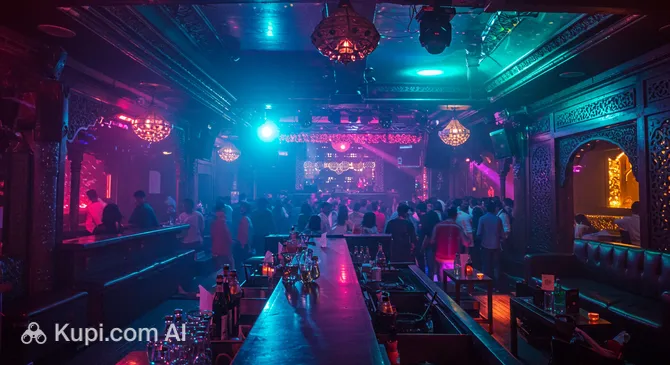
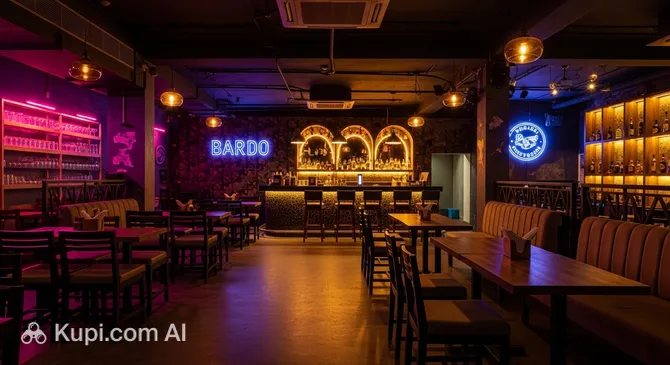
For those seeking a high-energy atmosphere with DJ sets and a modern clubbing experience, Ministry of Sound Dehradun is a standout venue. It attracts a young, fashionable crowd and is one of the few places in the city that offers a genuine nightclub feel. If you prefer a more relaxed setting to enjoy conversations over craft beverages and continental food, the BARDO Beer Lounge & Bistro on Rajpur Road is an excellent choice. The ambiance here is typically sophisticated yet welcoming, often featuring live bands that play everything from Bollywood hits to classic rock.

Ministry of Sound Dehradun. Source: Kupi.Binoculars

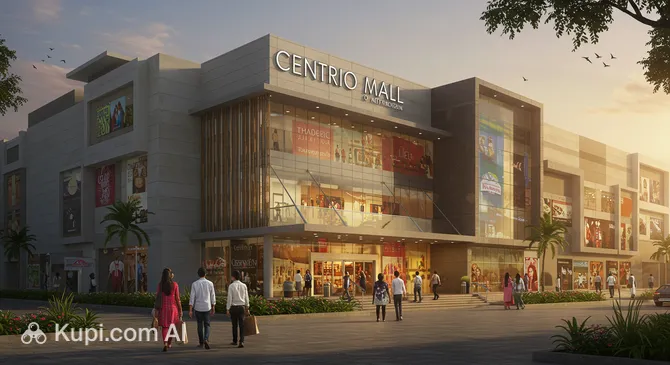
If you are looking for a comprehensive evening destination that caters to the whole family, Centrio Mall is the place to be. Located in the city center, it is a hub for entertainment, housing a multiplex cinema for catching the latest Bollywood or Hollywood blockbusters, a vast food court, and various gaming zones. It is a safe and vibrant environment where you can shop, dine, and relax well into the late evening.

Centrio Mall. Source: Kupi.Binoculars

The nightlife culture in Dehradun is generally casual to smart-casual. You don't need to dress overly formally, but a neat appearance is appreciated at upscale bars and lounges. Most venues operate until around 11:00 PM or midnight, with a few clubs staying open slightly later on weekends. Prices are moderate compared to metropolitan hubs like Delhi; expect to pay between INR 1,500 to 2,500 for a meal and drinks for two at a standard bar.

BARDO Beer Lounge & Bistro. Source: Kupi.Binoculars

Regarding safety, Dehradun is considered one of the safer cities in India, but it is still advisable to take standard precautions. The main areas along Rajpur Road remain busy and safe for walking until late evening. However, as the city can get quiet quickly on side streets, it is best to avoid walking alone in dimly lit areas after 10 PM. Ride-hailing apps like Ola and Uber are available and are the most reliable way to get back to your hotel safely at night. Alternatively, you can ask your venue to call a local taxi for you.

Before the sun sets, the city offers plenty of daytime entertainment to fill your itinerary. You can explore the historical exhibits at museums like the Forest Research Institute or enjoy family time at local amusement parks and gardens. As evening approaches, the transition from exploring cultural landmarks to enjoying a refreshing drink at a rooftop cafe overlooking the Mussoorie hills makes for a perfect end to the day.

Parks & Museums

Dehradun is a city that beautifully balances its urban development with ample green spaces and intellectual heritage. Beyond the well-trodden tourist paths, the city is home to specialized museums and sprawling grounds that offer both education and recreation. Whether you are interested in industrial history, military heritage, or simply enjoying a quiet walk, these sites provide a deeper connection to the local culture.

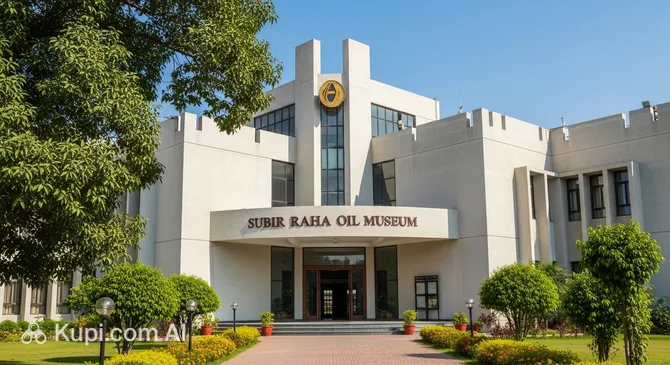
A hidden gem for those interested in science and industry is the Subir Raha Oil Museum. Maintained by the Oil and Natural Gas Corporation (ONGC), this facility offers a fascinating journey into the history of oil in India. Visitors can explore the "Tel Bhavan" (Oil House) to see detailed models of oil rigs, fossils, and samples of different types of crude oil. It is an interactive and educational experience that highlights the technical challenges and achievements of the energy sector.

Subir Raha Oil Museum. Source: Kupi.Binoculars

While the Forest Research Institute is widely known for its grand architecture, its campus serves as one of the finest green lungs in the city. The sprawling 450-hectare estate allows visitors to walk amidst lush botanical gardens and groves of exotic trees. It is a perfect spot for nature enthusiasts to observe diverse plant species and enjoy the tranquility of the forest right within the city limits.

For a sense of the city's active lifestyle, the Parade Ground is the place to be. Located in the heart of Dehradun, this vast open field is a hub for sports activities, morning walks, and major cultural events. From cricket matches to trade fairs, the ground is always buzzing with energy, offering a spacious retreat where you can watch the sunrise against the backdrop of the Mussoorie hills.

Parade Ground. Source: Kupi.Binoculars

History and nature converge at the Khalanga War Memorial. Situated on a hilltop along the Sahastradhara Road, this site honors the Gurkha soldiers who fought bravely against the British. It is a unique monument, being the only one built by a victorious army to pay tribute to their adversaries. The surrounding area is forested and serene, making it an ideal location for a peaceful outing. Families with children should also consider a visit to the Balaji Fish Aquarium, which houses a colorful variety of aquatic life and provides an entertaining break for young travelers.

Khalanga War Memorial. Source: Kupi.Binoculars

Getting Around

Public transport in Dehradun is primarily road-based, as the city does not yet have an operational metro rail system. The most iconic and widely used mode of local transit is the Vikram. These are large, blue, shared three-wheelers that function like minibuses. They operate on specific numbered routes that cover most major parts of the city. For a tourist, understanding the route numbers (e.g., Route 1, Route 2) is the key to navigating the city affordably and like a local.

In addition to Vikrams, the city is served by a network of local city buses and modern electric buses introduced under the Smart City initiative. These buses connect the main bus terminal (ISBT) and the railway station to key areas like Rajpur Road and Clement Town. For shorter distances or navigating narrow lanes where larger vehicles cannot pass, e-rickshaws are abundant. They are eco-friendly, quiet, and perfect for quick hops between markets or nearby attractions.

The payment system in Dehradun is traditional and simple: cash is king. There are no integrated travel cards or digital tapping systems for public transit. When riding a Vikram, bus, or e-rickshaw, you pay the driver or conductor directly. Fares are generally very low, often ranging from INR 10 to INR 30 depending on the distance. It is highly advisable to carry small denominations of currency (coins and notes of INR 10, 20, or 50), as drivers may not always have change for large bills.

For those who prefer a more private or comfortable journey, app-based cab services like Ola and Uber are fully operational and reliable within the city limits. They offer the convenience of digital payments and upfront pricing, which is helpful if you are unfamiliar with local rates. Standard taxis are also available at major transport hubs, but you may need to negotiate the fare before starting your trip if the meter is not used.

A popular alternative for tourists, especially those planning to visit the outskirts or head towards the hills, is renting a two-wheeler. numerous rental shops across the city offer scooters and motorcycles on a daily basis. This option gives you the freedom to explore at your own pace. Public transport typically operates from around 6:00 AM to 10:00 PM. After these hours, finding a Vikram or bus becomes difficult, so it is best to rely on pre-booked taxis or ride-hailing apps for late-night travel.

Accommodation

Where to Stay:

Accommodation in Dehradun caters to a wide spectrum of travelers, ranging from backpackers seeking budget-friendly hostels to families looking for luxurious resorts. The city has evolved significantly, and you can now find heritage bungalows that recall the colonial era, modern business hotels with all amenities, and cozy homestays that offer a taste of local Garhwali hospitality. Whether you are here for a quick stopover or a leisurely holiday, finding a place that suits your style and budget is relatively easy.

When choosing a location, Rajpur Road is the most popular choice for tourists. Staying in this area keeps you close to the best cafes, shopping centers, and nightlife, making it convenient for dining out and exploring. If you prioritize connectivity or are arriving late by train, the area around the Dehradun Railway Station and the Clock Tower offers numerous budget and mid-range options. For those seeking tranquility and scenic views of the Mussoorie hills, looking for resorts on the outskirts of the city, particularly towards the Sahastradhara or Old Mussoorie Road, is highly recommended.

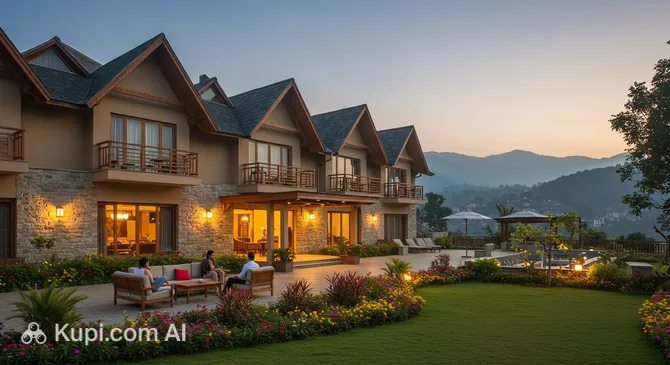
For a stay that combines comfort with a touch of luxury, you might consider Marbella Dehradun. This resort hotel is known for its elegant architecture and relaxing ambiance, making it a great escape from the city noise. Another excellent option is Hotel Doons Pride, which offers modern facilities and is well-situated for travelers who want easy access to the city's main transit points.

Marbella Dehradun. Source: Kupi.Binoculars

Prices in Dehradun are generally reasonable compared to major metropolitan cities. Budget accommodation can range from INR 800 to INR 2,000 per night, while mid-range hotels typically charge between INR 2,500 and INR 5,000. Luxury resorts and boutique properties usually start upwards of INR 6,000 per night. Most hotels can be easily booked through major online travel platforms, but for smaller homestays or during the peak summer season (May to June), it is wise to book well in advance to secure your preferred spot.

Booking Tip: If you plan to visit during the "Char Dham Yatra" season (usually starting in April/May) or on weekends when tourists flock to nearby Mussoorie, hotel occupancy rates in Dehradun soar. Booking your room at least two weeks prior is strongly advised to avoid inflated prices and limited availability.

Nearby Cities

For those looking to explore the surroundings, Dehradun serves as an excellent base for day trips to several interesting nearby locations. The region is rich in spiritual heritage and natural beauty, offering travelers a variety of experiences just a short drive away.

One of the most popular destinations is Rishikesh, known globally as the "Yoga Capital of the World." Located just an hour away, it is famous for its ashrams, the iconic suspension bridges Ram Jhula and Lakshman Jhula, and adrenaline-pumping white-water rafting on the Ganges. Another significant nearby city is Haridwar, an ancient pilgrimage site where thousands gather at the Har Ki Pauri ghat to witness the mesmerizing evening Ganga Aarti. For nature lovers, Uttarkashi offers stunning mountain vistas and serves as a gateway to high-altitude trekking routes.

City Population Distance (km)
Saharanpur 705,478 60
Haridwar 228,832 43
Rishikesh 102,138 33
Manglaur 52,971 60
Uttarkashi 40,220 61

These nearby destinations offer a glimpse into the diverse culture and landscapes of the region, making them perfect additions to your itinerary.

Shopping & Souvenirs

Shopping:

Shopping in Dehradun is a delightful mix of bustling traditional bazaars and modern retail experiences. The city does not overwhelm you with high-end luxury but rather charms you with its local produce, handicrafts, and warm market culture. From narrow lanes packed with colorful fabrics to air-conditioned complexes, there is something for every kind of shopper to explore.

The heart of the city's shopping scene is undoubtedly Paltan Bazaar. Stretching from the iconic Clock Tower to the railway station, this pedestrian-friendly market is always teeming with life. It is the best place to soak in the local atmosphere while browsing for clothes, spices, and household items at bargain prices. For a more upscale experience, Rajpur Road serves as the city's high street. Here, you will find branded showrooms, chic boutiques, and electronics stores like Reliance Digital, catering to modern needs.

For those who prefer a comprehensive shopping, dining, and entertainment experience under one roof, the city boasts excellent modern facilities. Centrio Mall is a favorite among locals and tourists alike, offering a wide array of international and domestic brands. It is a convenient spot to shop for fashion and lifestyle products in a comfortable environment, especially during the warm summer afternoons.

Indira Market. Source: Kupi.Binoculars

If you are looking for trendy fashion at pocket-friendly prices, Indira Market is the go-to destination. Located near the Clock Tower, it is famous for its collection of stylish apparel and footwear, often sourced from surplus stocks. Another unique shopping experience can be found at the Tibetan Market, where you can buy colorful woolens, shawls, and Tibetan handicrafts. Visitors lucky enough to be in the city during the festive season should not miss the Virasat Fair. This cultural festival transforms the city into a hub of arts and crafts, where artisans from across India showcase their handmade wares.

When it comes to souvenirs, Dehradun has a few signature items that are must-buys. The city is world-renowned for its aromatic Basmati Rice, which makes for a practical and appreciated gift. The local bakeries are legendary, so picking up a packet of Milk Rusks or stick-jaw toffees is essential. Additionally, you can find traditional Khukris (curved knives associated with the Gurkhas) and woolen handicrafts that reflect the region's cultural heritage.

Most shops in Dehradun open around 10:00 AM or 11:00 AM and close by 9:00 PM. While malls and larger showrooms on Rajpur Road accept credit and debit cards, cash is still the preferred mode of payment in local markets like Paltan Bazaar and Indira Market. Carrying smaller denominations is advisable for street shopping and bargaining. Tax-free shopping is generally not available for international tourists in the standard retail sector here, so the price you see usually includes all applicable taxes.

Reached the end of the page?

That means the route is fully explored