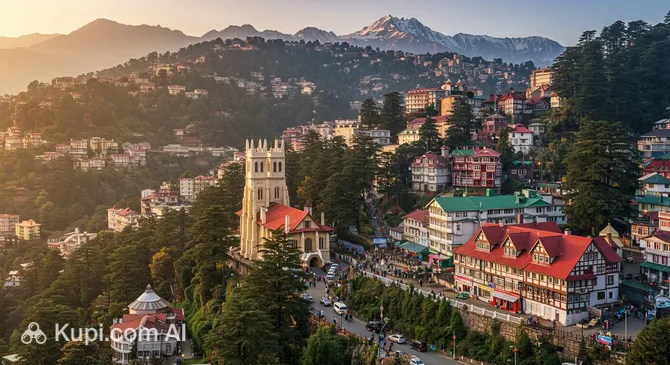
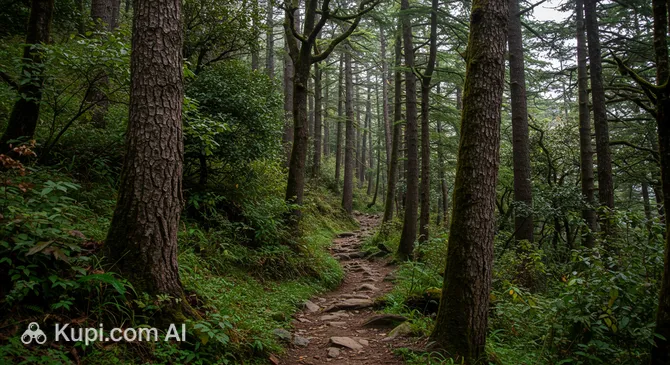
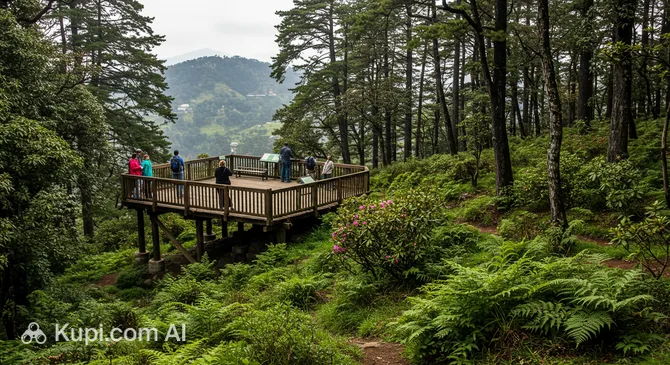
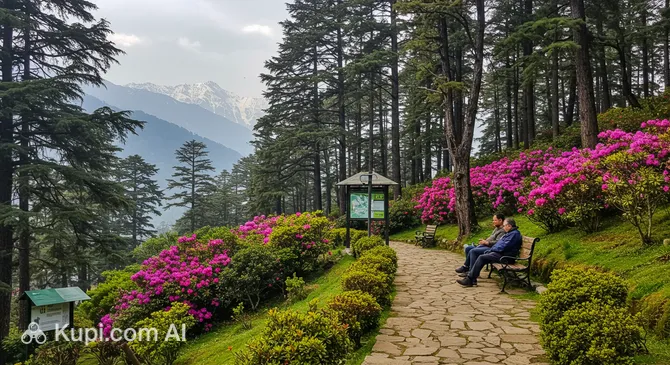
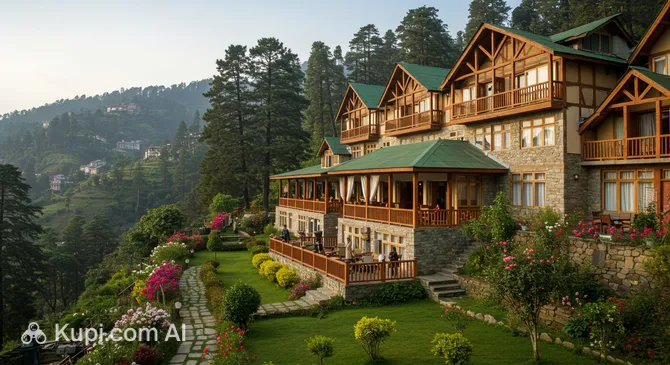
Shimla is a captivating destination nestled in the foothills of the Himalayas, renowned for its colonial architecture and breathtaking vistas. Serving as the capital of the state of Himachal Pradesh, it is one of the most beloved hill stations in India, offering a refreshing escape from the heat of the plains and a charming glimpse into a bygone era.
The city sits at an altitude of over 2,200 meters, providing a cool and pleasant climate year-round, although winters often bring a magical blanket of snow that transforms the landscape. With a population of approximately 206,000 residents, Shimla balances the lively buzz of a significant urban center with the tranquility of nature, surrounded by dense pine and oak forests.
Shimla. Illustration.
Source: Kupi.com AI
Walking through the town feels like stepping back in time. The history of Shimla is deeply rooted in its past as the summer capital of British India, evident in neo-Gothic structures like the iconic Christ Church on the Ridge. Visitors love strolling along the pedestrian-friendly Mall Road, the heart of the city's social life, or taking the scenic ride on the UNESCO World Heritage Kalka-Shimla Railway, often called the "Toy Train."
Whether you are seeking a peaceful retreat amidst the mountains or an exploration of cultural heritage, Shimla promises an unforgettable experience. Its unique blend of local tradition and colonial legacy creates an atmosphere that continues to enchant travelers from around the globe.
Weather Overview
Shimla experiences a distinct highland climate that varies significantly with the seasons, offering a refreshing retreat from the plains. The summer months, particularly May and June, are pleasantly warm with average temperatures hovering between 21°C and 23°C, and maximum highs reaching around 28°C. This period is ideal for exploring the town, although the arrival of July marks the beginning of the monsoon, bringing frequent rainfall with up to 30 wet days in a single month.
In contrast, the winter season from December to February is characterized by crisp, cold air. During these months, minimum temperatures can drop to around 1°C or 2°C, and while precipitation is lower, the chill is palpable. For those planning a visit, checking the specific weather in Shimla is recommended to pack appropriately for the conditions.
Overall, expect warm summers with occasional rain during the monsoon transition and cold, dry winters that require heavy woolens. Spring and autumn serve as delightful shoulder seasons, offering moderate temperatures and relatively clear skies for travelers.
Average monthly temperature
Average monthly precipitation
Interesting Facts
Beyond the main attractions and bustling streets, Shimla holds many fascinating secrets and historical quirks that add depth to its colonial charm.
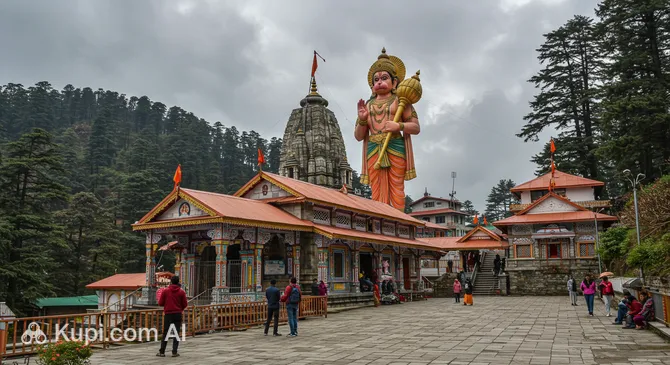
The city was originally built across seven distinct hills: Inverarm, Observatory, Prospect, Summer, Bantony, Elysium, and Jakhu. The highest point is located at the Jakhu Hanuman Temple, where a colossal 108-foot statue of Lord Hanuman stands tall, visible from almost anywhere in the town.
Shimla is home to the only natural open-air ice skating rink in South Asia. Established in 1920, this historic rink does not use any artificial cooling systems; instead, it relies entirely on the region's low winter temperatures and a unique technique of spraying water to create a frozen surface.
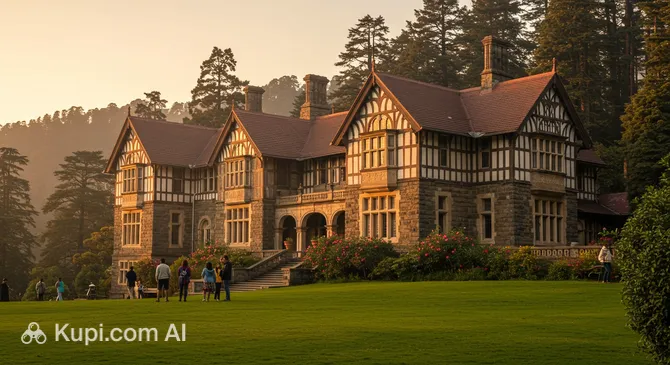
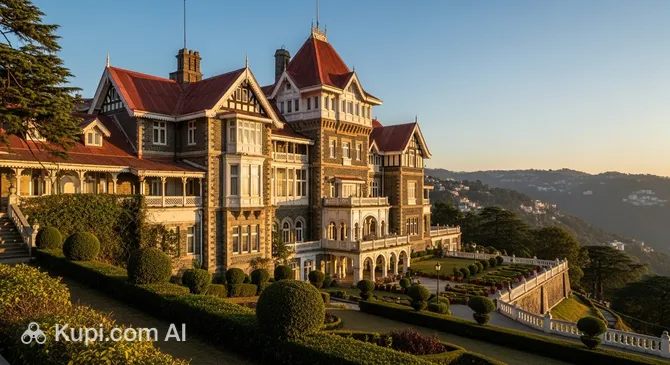
The majestic Viceregal Lodge, also known as Rashtrapati Niwas, was incredibly advanced for its era. It was the first building in Shimla to be electrified in 1888, with the lights famously being switched on here even before they were installed in the Viceroy's residence in Calcutta.
A popular intersection on The Ridge, Shimla is known as "Scandal Point," a name derived from a captivating urban legend. It is said that the Maharaja of Patiala fell in love with the British Viceroy's daughter and eloped with her from this very spot, an event that supposedly led to his banishment from the summer capital.
Viceregal Lodge. Illustration.
Source: Kupi.com AI
Traveler photos:
How to Get There
Reaching this picturesque hill station is a journey that offers its own set of scenic rewards. Whether you prefer the speed of air travel or a scenic drive up the mountains, there are several options available. You can find all the details and plan your route in our detailed guide on how to get to Shimla.
The city is served by its own local airport, Simla (SLV), which is situated just 9.5 km from the town center in a straight line. While it is the closest option geographically, the airport is relatively small, and flight schedules can be subject to weather conditions in the hills. A taxi ride from here connects travelers directly to the main city area.
For more reliable connectivity and a wider range of flight options, many travelers choose to fly into Chandigarh Airport (IXC). Located in the city of Chandigarh, approximately 59.8 km away by air, this airport handles a much larger volume of passenger traffic. The transfer from Chandigarh involves a beautiful drive through the mountains, allowing visitors to enjoy the changing landscapes as they ascend towards the hill station.
For clarity, here is a summary of the main airports nearby:
Regarding rail travel, Shimla is famous for its UNESCO World Heritage narrow-gauge railway. While the city does not have a broad-gauge station, it is connected to the major railhead at Kalka. The legendary "Toy Train" ride from Kalka to Shimla is a slow but breathtakingly beautiful way to arrive, winding through tunnels and over bridges amidst the pine forests.
Main Attractions
Shimla is packed with historical landmarks, scenic viewpoints, and cultural hubs that reflect its rich heritage as a summer capital. Exploring these sites offers a perfect mix of nature, architecture, and local life, making it a delightful experience for any traveler.
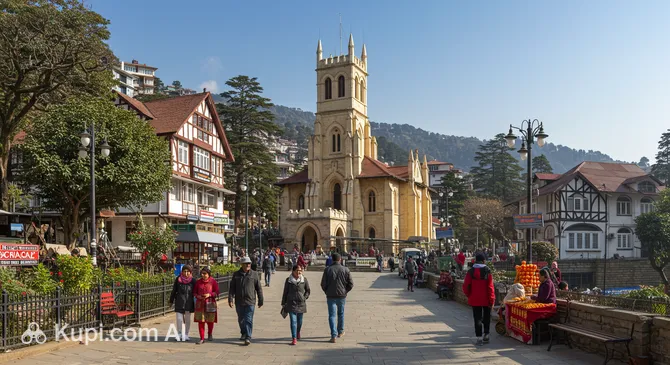
Located in the heart of the town, The Ridge, Shimla is a large open space that serves as the center of all cultural activities. It offers panoramic views of the surrounding mountain ranges and is the perfect place for a leisurely evening walk. This wide promenade connects to the famous Mall Road and is free from vehicular traffic, allowing tourists to enjoy the fresh mountain air undisturbed while soaking in the lively atmosphere.
The Ridge, Shimla. Illustration.
Source: Kupi.com AI
Traveler photos:
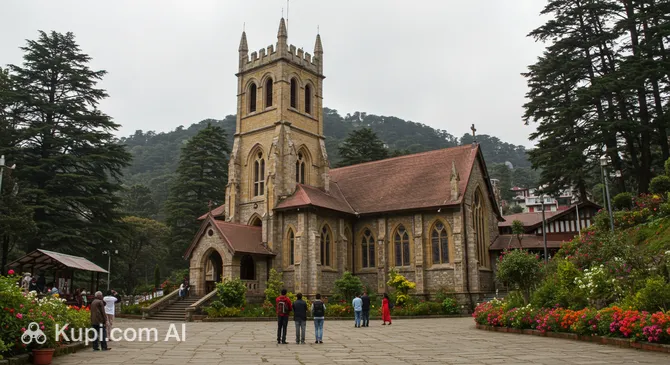
Dominating the skyline of the Ridge is Christ Church, Shimla, one of the oldest churches in North India. Built in the Neo-Gothic style, its majestic yellow facade and beautiful stained-glass windows are instantly recognizable. It stands as a significant remnant of the British colonial era and offers a peaceful sanctuary amidst the bustling city center, making it a favorite spot for photographers and history enthusiasts.
Christ Church, Shimla. Illustration.
Source: Kupi.com AI
Traveler photos:
Perched atop the city's highest peak, the Jakhu Hanuman Temple is dedicated to the Hindu deity Lord Hanuman. Visitors can admire the colossal 108-foot statue that towers over the trees, visible from many parts of Shimla. The trek to the temple is scenic, winding through lush deodar forests, though visitors should be mindful of the playful monkeys that inhabit the area.
Jakhu Hanuman Temple. Illustration.
Source: Kupi.com AI
Traveler photos:
For train enthusiasts and history buffs, the Shimla Railway Station is a must-visit landmark. As the terminus of the UNESCO World Heritage Kalka-Shimla Railway, the station retains its charming old-world character. The journey here on the "Toy Train" is an integral part of the Shimla experience, showcasing engineering marvels through rugged mountains and pine forests.
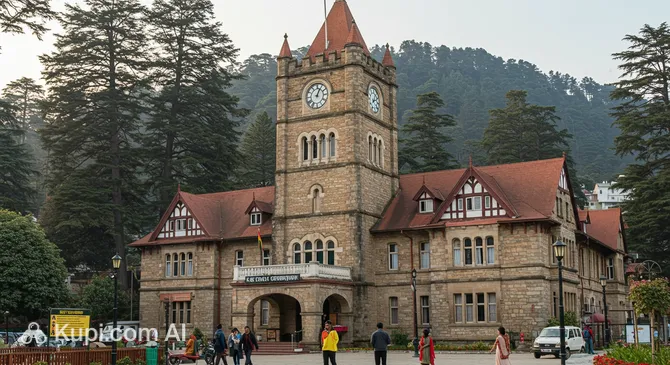
Art and history lovers should explore the Gaiety Heritage Cultural Complex on Mall Road. This Victorian-era Gothic building has been meticulously restored and houses an exquisite theatre, art gallery, and museum. It provides a fascinating insight into the social life of the colonial period and continues to host various cultural events today.
Gaiety Heritage Cultural Complex. Illustration.
Source: Kupi.com AI
Traveler photos:
Local Cuisine
Shimla’s gastronomy is a delightful blend of authentic Himachali flavors, Tibetan influences, and a lingering colonial legacy. The local cuisine, often referred to as Pahari food, is simple yet rich in flavor, designed to keep the body warm in the chilly mountain air. One dish you absolutely must try is Madra, a thick, yogurt-based gravy typically cooked with chickpeas or kidney beans and infused with aromatic spices. Another local favorite is Siddu, a steamed wheat flour bun often stuffed with poppy seeds or walnuts and served with copious amounts of ghee (clarified butter).
For a quick and warming meal, the street food scene is dominated by Tibetan classics. Steaming hot Momos (dumplings) and bowls of Thukpa (noodle soup) are available at almost every corner, particularly in the bustling lanes of the Lower Bazaar. These dishes have become an integral part of the city's food culture, offering a comforting respite after a long walk on the hills.
When it comes to beverages, Shimla offers unique local specialties. Buransh, a refreshing juice made from the bright red rhododendron flowers that bloom in the region, is a must-try non-alcoholic drink. Being in the heart of apple country, the city is also known for its fruit wines. You can find excellent locally produced apple, plum, and apricot wines that capture the essence of the Himachal orchards.
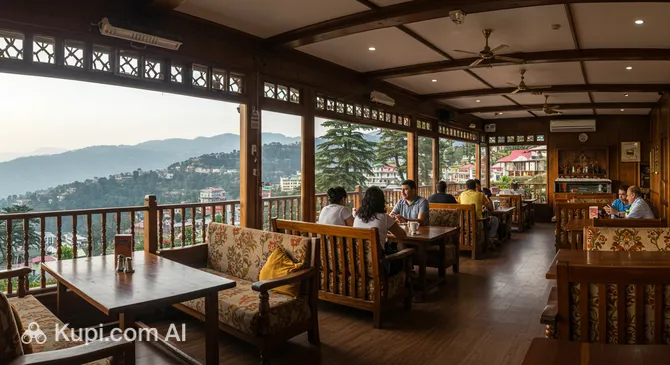
The dining experience in Shimla ranges from rustic roadside stalls to elegant heritage establishments. For those seeking a fine dining experience steeped in history, the Cecil Restaurant offers a luxurious atmosphere where you can enjoy varied cuisines amidst colonial grandeur. It is a perfect spot to relish a quiet dinner surrounded by old-world charm.
Cecil Restaurant. Illustration.
Source: Kupi.com AI
Traveler photos:
If you are looking for a more contemporary vibe, the city has a burgeoning cafe and nightlife culture. The Brew Estate is a popular destination for both locals and tourists, known for being the first microbrewery in Shimla. It is an excellent place to unwind with craft drinks and a lively ambiance. Alternatively, Amayaa Restaurant provides a great mix of modern aesthetics and delicious food, making it a reliable choice for a hearty meal.
Travel Tips
Welcome to Shimla, a charming hill station where the fresh mountain air and colonial history await you. To ensure your trip to the "Queen of Hills" is as smooth and enjoyable as possible, we have compiled a list of essential practical tips tailored for this unique destination.
Clothing and Footwear Essentials: Shimla is best explored on foot, especially since the main areas are vehicle-free. Bring sturdy, comfortable walking shoes with good grip to navigate the steep slopes. Weather can be unpredictable; even in summer, evenings can get chilly, so always carry a light jacket. If visiting in winter (December to February), heavy woolens, gloves, and thermals are mandatory. For religious sites like the Jakhu Temple, dress modestly and carry a scarf to cover your head.
Transportation and the "Lift": The heart of Shimla (Mall Road and The Ridge) is a pedestrian-only zone where no private vehicles are allowed. To reach Mall Road from the lower Cart Road without an exhausting climb, use the two-stage Shimla Lift run by Himachal Tourism. For travel to outer suburbs or nearby attractions like Kufri, utilize the local taxi union stands where rates are generally fixed, or hop on the frequent local buses.
Managing Your Finances: The local currency is the Indian Rupee (INR). While hotels, upscale restaurants, and shops on Mall Road accept credit and debit cards, cash is essential for shopping in the Lower Bazaar, paying for the Lift, or buying street food. ATMs are plentiful around the main town area. A tip of about 10% is standard in restaurants if a service charge isn't already included.
Health and Monkey Safety: Shimla has a significant population of rhesus macaques, particularly near the Jakhu Temple and Mall Road. Keep food items hidden inside bags and avoid wearing glasses or holding smartphones loosely when monkeys are near, as they are known to snatch them. Regarding health, carry motion sickness medication if you are prone to nausea, as the drive up to Shimla involves winding mountain roads.
Communication and Connectivity: English is widely spoken and understood in Shimla due to its history and status as a major tourist hub, alongside Hindi and Pahari. Mobile coverage is excellent in the city but may drop in dense forest areas. Visitors can easily purchase local SIM cards with a passport and visa copy at shops in the main market.
Local Etiquette and Rules: Shimla takes its cleanliness and public order seriously. Smoking is strictly prohibited on Mall Road and The Ridge, and violators can be fined heavily. Always greet locals with a polite "Namaste." When walking on the narrow hill roads, it is customary to give way to those walking uphill.
What to Avoid: Do not carry or use plastic bags. Himachal Pradesh has a strict ban on polythene bags to protect the fragile ecosystem, and you may be fined for using them. Also, avoid buying food from unauthorized roadside vendors if you have a sensitive stomach; stick to popular, hygienic eateries.
Booking the Toy Train: If you plan to arrive or depart using the famous Kalka-Shimla Railway, book your tickets weeks in advance. This UNESCO World Heritage train is incredibly popular, and seats sell out very quickly, especially during the peak summer and winter holiday seasons.
By keeping these practical tips in mind, you will be well-prepared to navigate the winding paths and vibrant culture of Shimla. We hope you have a safe journey and make wonderful memories in this beautiful Himalayan retreat!
Entertainment & Nightlife
While Shimla is celebrated for its colonial charm and serene nature walks, the city also offers a variety of lively entertainment options for visitors seeking fun and recreation. From modern amusement centers to vibrant nightlife spots, there are plenty of ways to unwind after a day of sightseeing.
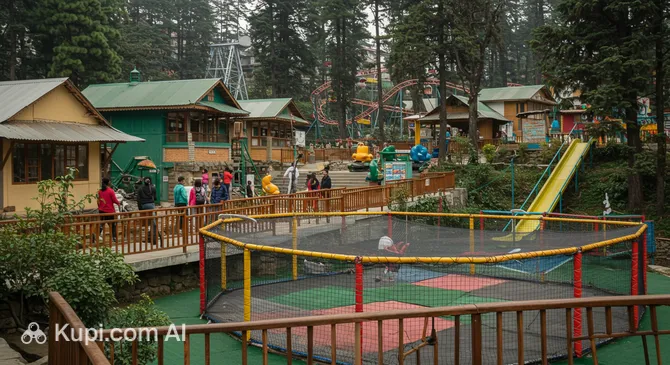
For families and active travelers, the Amusement and Trampoline Park, Shimla is a popular destination. Located a short drive from the main town, this facility features an array of trampolines, arcade games, and adventure activities that provide an engaging outlet for children and teenagers.
Amusement and Trampoline Park, Shimla. Illustration.
Source: Kupi.com AI
Traveler photos:
Nature enthusiasts looking for a quiet experience should visit the Himalayan Bird Park. Situated near the Viceregal Lodge, this aviary is home to a diverse collection of exotic and local bird species, including the iridescent Monal, the state bird of Himachal Pradesh. It offers a peaceful retreat where visitors can observe these creatures amidst lush greenery.
For those interested in a modern shopping and leisure experience, the City Centre Mall Shimla serves as a contemporary hub. Unlike the traditional open-air bazaars, this mall provides a comprehensive retail experience with various brands, a food court, and cinema screens, making it a convenient spot to catch a movie or enjoy a meal indoors.
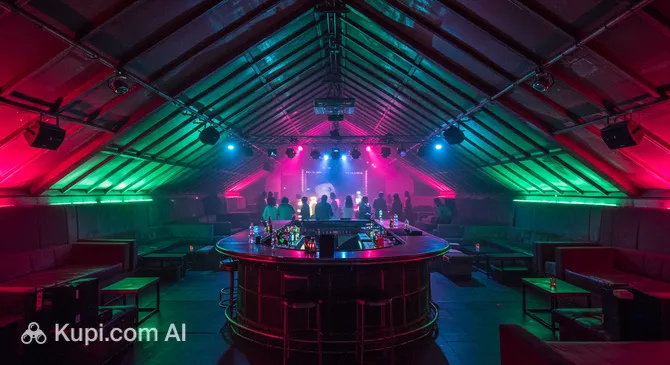
As the sun sets, the town's energy shifts to its nightlife scene. Pyramid Shimla is a well-known venue, recognized for its Egyptian-themed decor and lively atmosphere. It is a favorite among those looking to enjoy music and a wide selection of beverages. Another trendy option is The Que Cafe, which offers a spirited ambiance suitable for evening socializing.
Pyramid Shimla. Illustration.
Source: Kupi.com AI
Traveler photos:
Parks & Museums
Parks & Museums:
Beyond its bustling malls and colonial promenades, Shimla offers a wealth of cultural and natural attractions. The city's museums provide a deep dive into the region's rich history, while its sanctuaries and parks offer a refreshing escape into the pristine Himalayan wilderness.
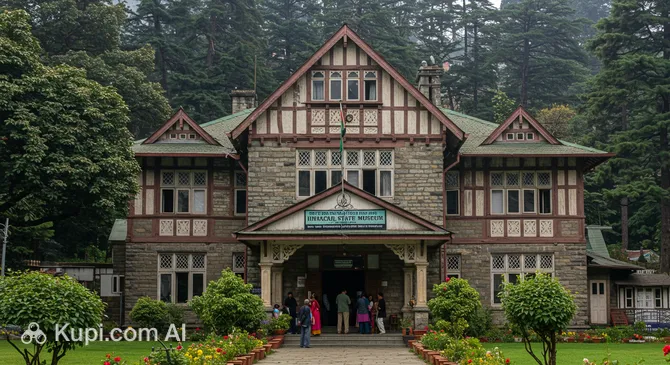
Perched on Inverarm Hill, the Himachal State Museum is a key institution for understanding the state's heritage. Housed in a colonial-era building that once served as a private residence for British officials, the museum displays an impressive collection. Visitors can admire exquisite Pahari miniature paintings, ancient stone sculptures, numismatic finds, and traditional Himachali costumes, offering a comprehensive overview of the local culture.
Himachal State Museum. Illustration.
Source: Kupi.com AI
Traveler photos:
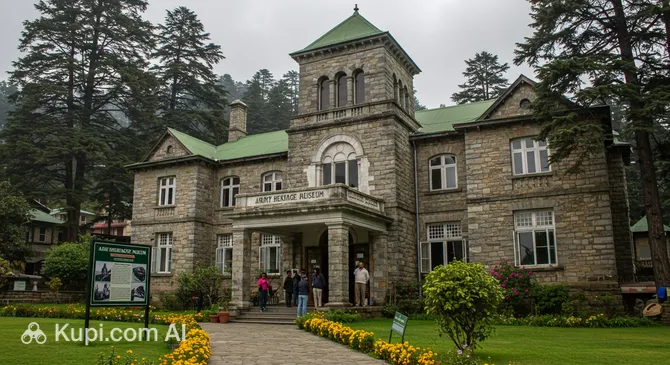
For those interested in military history, the Army Heritage Museum in Annandale is a fascinating destination. Situated in a scenic valley surrounded by deodar trees, this museum showcases the illustrious history of the Indian Army. The exhibits include rare uniforms, weapons, medals, and historical documents that trace the army's journey through various eras.
Army Heritage Museum. Illustration.
Source: Kupi.com AI
Traveler photos:
Shimla is also home to architectural gems that have been repurposed for cultural use. Bantony Castle, located near the Scandal Point, is a stunning example of Tudor-Baroque architecture. Recently restored, this historic estate often hosts art exhibitions and light-and-sound shows, allowing visitors to explore its wooden interiors and sprawling grounds. Nearby, the neo-Gothic Gorton Castle stands as another architectural marvel, currently housing government offices but remaining a visual delight for passersby.
Bantony Castle. Illustration.
Source: Kupi.com AI
Traveler photos:
Nature enthusiasts will find solace in the city's protected green spaces. The Shimla Reserve Forest Sanctuary is a haven for wildlife and biodiversity. Located just a short distance from the city center, this sanctuary is home to barking deer, leopards, and a variety of bird species. It offers a pristine environment for a quiet nature walk, providing a stark contrast to the busy town streets.
Shimla Reserve Forest Sanctuary. Illustration.
Source: Kupi.com AI
Traveler photos:
A favorite spot for walkers and cyclists is the Shimla Water Catchment Wildlife Sanctuary. This dense forest area is strictly protected to ensure the purity of the city's water supply. Visitors can obtain a permit to walk or cycle along the flat, shaded path that winds through the woods, offering a peaceful and immersive experience in nature.
Shimla Water Catchment Wildlife Sanctuary. Illustration.
Source: Kupi.com AI
Traveler photos:
For a relaxing day out, Carignano Nature Park in Mashobra is an excellent choice. Originally the estate of an Italian photographer, the park features beautifully manicured gardens, stone benches, and walking trails. It is a perfect spot for families to enjoy a picnic while taking in the panoramic views of the surrounding mountains.
Carignano Nature Park. Illustration.
Source: Kupi.com AI
Traveler photos:
Getting Around
Navigating Shimla is a unique experience compared to most other cities, primarily because its heart—including the famous Mall Road and The Ridge—is a designated pedestrian-only zone. Vehicles are strictly banned in these central areas to preserve the environment and the colonial charm. As a result, walking is the most common and effective way to explore the main attractions. Comfortable footwear is essential, as the terrain involves steep inclines and winding paths.
To bridge the vertical distance between the main vehicular artery, Cart Road, and the pedestrian upper level, the city operates a special facility known simply as "The Lift." Operated by Himachal Tourism, this two-stage elevator system is the lifeline of Shimla’s public mobility. It saves tourists from a strenuous uphill hike and is widely used by locals and visitors alike. Tickets for the Lift are inexpensive and must be purchased at the counter before boarding; retain your ticket as you may need to show it for the second stage.
For travel beyond the pedestrian center to suburbs like Sanjauli, Summer Hill, or New Shimla, the local bus network is the most economical option. These buses are primarily run by the Himachal Road Transport Corporation (HRTC) alongside some private operators. They ply frequently along the circular Cart Road and other main routes. There is no complex travel card system here; payment is made directly to the conductor inside the bus using cash. Fares are very affordable, usually ranging from 5 to 20 rupees depending on the distance.
Taxis are widely available and are the most convenient alternative for reaching hotels or sightseeing spots located further away, such as Kufri or Naldehra. Taxis in Shimla generally operate from designated stands and follow a fixed-rate list approved by the local union. While ride-hailing apps are not the primary method of booking here, you can easily find taxi stands near the Lift, the Railway Station, and the Bus Stand. It is advisable to confirm the fare from the official rate card available with the driver before starting your journey.
A scenic and practical addition to the city's transport is the Jakhu Ropeway. This cable car system connects The Ridge directly to the Jakhu Temple, the highest point in town. The ride takes only about 5 to 6 minutes, saving visitors a steep and often tiring 45-minute trek. It offers spectacular aerial views of the town and the surrounding Himalayas, functioning as both a mode of transport and a tourist attraction.
Regarding operating hours, public buses typically run from early morning until around 9:00 PM. After this time, frequency drops significantly, and taxis become the only reliable option. Tourists should ensure they carry enough small change for bus fares and Lift tickets, as digital payments are not always accepted for these small transactions. Whether you are walking along the heritage paths or taking a bus around the hills, getting around Shimla is generally safe and straightforward.
Accommodation
Shimla provides a diverse array of accommodation options suited to every type of traveler, ranging from luxurious heritage properties that echo the British Raj era to cozy budget homestays. For those who wish to be in the thick of the action, staying near Mall Road or the Ridge is ideal, as it offers easy access to shops, restaurants, and major sights. However, travelers seeking tranquility and sweeping mountain views often prefer the quieter suburbs or nearby hamlets like Mashobra and Chotta Shimla, which offer a more secluded retreat away from the city crowds.
Among the notable options for a comfortable stay, the Whistling Pines Resort is a popular choice, offering modern amenities amidst scenic surroundings near the Mashobra area. Similarly, the Euphoria Grand Hotel provides excellent facilities for visitors looking to relax after a day of exploring the hills. These establishments are typical of the region's resort offerings, often featuring on-site dining and spectacular views of the valleys.
Whistling Pines Resort. Illustration.
Source: Kupi.com AI
Traveler photos:
Prices in Shimla can vary significantly based on the season and location. Budget travelers can find hostels and guesthouses starting at affordable rates, while luxury heritage hotels and resorts command premium prices. It is highly recommended to book your accommodation well in advance, especially if you plan to visit during the peak summer months of May and June or around Christmas and New Year's Eve, when the town is thronged with tourists hoping to see snow. Most properties can be easily booked through major online travel platforms or directly via their websites.
Nearby Cities
For those looking to explore the surroundings, Shimla serves as an excellent base for day trips to several interesting nearby locations:
City
Population
Distance
Phagu
9 115
13 km
Solan
39 256
23 km
Kharki
14 423
28 km
Sohta
8 709
30 km
Dhauni
9 015
34 km
Among these destinations, Chandigarh is the most prominent choice for travelers. Known as "The City Beautiful," it is famous for its distinct urban planning designed by Le Corbusier, the surreal sculptures of the Rock Garden, and the serene Sukhna Lake. It offers a stark modern contrast to the colonial hill station vibe of Shimla.
For those interested in spiritual history, Kiratpur Sahib is a significant destination. Founded by the sixth Sikh Guru, it is home to several historic Gurdwaras situated on the banks of the Sutlej River, offering a peaceful atmosphere for reflection. Alternatively, Sundarnagar is known for its beautiful man-made lake and ancient temples, providing a scenic spot for a relaxing day out.
These nearby destinations offer a glimpse into the diverse culture and landscapes of the region.
Shopping & Souvenirs
Shopping in Shimla is a delightful experience that combines the charm of strolling through historic lanes with the excitement of discovering unique local treasures. The city is not just about scenic views; it is also a hub for traditional handicrafts, warm woolens, and locally produced goods. Unlike the chaotic shopping scenes in many large cities, the main shopping district here offers a relatively relaxed, pedestrian-friendly atmosphere where you can browse at your own pace while enjoying the mountain air.
The most famous shopping destination is undoubtedly The Mall Road. As a vehicle-free zone, it is lined with a mix of branded showrooms, heritage bookshops, and government emporiums. It serves as the commercial artery of the town, where tourists can find everything from high-end clothing to local artifacts. Just below the Mall lies the Lower Bazaar, a bustling maze of narrow alleys that offers a more authentic and chaotic local experience. Here, you can find everything from colorful bangles to daily household items at bargain prices, making it a favorite among locals.
For those specifically looking for wooden crafts, Lakkar Bazaar is the place to go. Located just off the Ridge, this market specializes in artifacts made from softwood, a tradition that dates back to the settlement of Sikh carpenters in the area. Another popular spot is the Tibetan Market, which is famous for its affordable woolens, heavy jackets, and quirky accessories, perfect for the chilly weather.
For travelers who prefer a modern retail experience under one roof, the City Centre Mall Shimla is the primary destination. It houses various national and international brands, providing a familiar shopping environment if you need to pick up travel essentials, branded clothing, or simply want to enjoy a meal in a food court setting.
City Centre Mall Shimla. Illustration.
Source: Kupi.com AI
Traveler photos:
When it comes to souvenirs, Shimla has several distinct offerings. The city is renowned for its wooden handicrafts, particularly walking sticks and decorative items found in Lakkar Bazaar. Another must-buy is the traditional Himachali hat, a colorful woolen cap that is a symbol of the state's culture. Visitors also frequently purchase Kullu shawls, which are famous for their intricate geometric patterns and warmth. Additionally, don't miss out on the locally processed fruit products, such as apple jams, pickles, and fruit wines, which capture the flavor of the region's orchards.
Most shops on Mall Road open around 10:00 AM and close by 8:00 PM or 9:00 PM. While credit and debit cards are widely accepted in the showrooms, hotels, and the mall, cash is essential when exploring the Lower Bazaar, Lakkar Bazaar, or smaller street stalls. Small vendors rarely accept digital payments, so carrying sufficient change is recommended. Tax-free shopping services are generally not available for international tourists in the standard retail outlets here.