Support

Sialkot

About

Welcome to Sialkot, a dynamic city located in the northeast of the Punjab province. Known globally for its thriving industries and rich cultural heritage, this bustling metropolis plays a significant role in the economy of Pakistan. With a population of approximately 655,000 residents, Sialkot offers a unique blend of modern entrepreneurial spirit and deep-rooted traditions, making it a fascinating destination for travelers interested in the industrial and historical heart of the region.

Sialkot. Source: Kupi.Binoculars

The city is not only an industrial hub but also a place of great antiquity. The history of Sialkot is steeped in legends and ancient chronicles, believed to be founded thousands of years ago. Walking through its streets, visitors can sense the layers of time that have shaped its identity. One of the most prominent landmarks is Iqbal Manzil, the birthplace of the philosopher-poet Allama Iqbal, which has been converted into a museum dedicated to his life and works.

Beyond its historical sites, Sialkot is world-renowned for its craftsmanship. It is a major center for the production of hand-stitched footballs and high-quality surgical instruments. Visitors can admire the bustling Clock Tower in the city center or explore the local bazaars to witness the vibrant daily life. Whether you are here to explore its ancient roots or to witness its manufacturing prowess, Sialkot welcomes you with warm hospitality and a distinct local charm.

Weather Overview

Sialkot experiences a climate characterized by distinct seasons, ranging from sweltering summers to cool, crisp winters. The city generally sees its highest temperatures in the months leading up to the monsoon, while the period from December to February offers much cooler conditions. To help you pack the right clothing for your trip, it is advisable to check the detailed weather in Sialkot before you travel.

The heat is most intense during May and June, with June being the hottest month, averaging around 31.9°C and seeing highs reach up to 38.2°C. In contrast, January is typically the coldest month, where the average temperature drops to 11.9°C, and nights can be quite chilly with lows around 6.4°C. Travelers visiting during the winter should definitely bring warm layers.

Precipitation patterns also vary significantly throughout the year. The frequency of rain peaks in July and August, which can experience up to 24 and 21 wet days respectively, bringing relief from the summer heat but requiring waterproof gear. On the other hand, the autumn months of October and November are notably dry, often recording as few as 3 wet days, making them excellent times for outdoor exploration.

Interesting Facts

Beyond the main attractions, Sialkot holds many fascinating secrets that highlight its global influence and deep historical roots. This city is not just a regional hub but a powerhouse of unique craftsmanship and pioneering spirit, offering surprises around every corner.

  • Sialkot is globally recognized as the world's football manufacturing capital. The city produces a staggering percentage of the world's hand-stitched soccer balls, including the official match balls used in several FIFA World Cups, such as the famous "Brazuca."

  • In a surprising twist of cultural exchange, this Pakistani city is the world's largest producer of bagpipes outside of the United Kingdom. Local artisans have perfected the craft over generations, exporting thousands of these musical instruments to Scotland and other parts of the globe every year.

  • The city boasts a remarkable achievement in aviation infrastructure with the Sialkot International Airport. It holds the unique distinction of being the first privately owned public airport in Pakistan, funded and constructed entirely by the local business community to facilitate trade and travel.

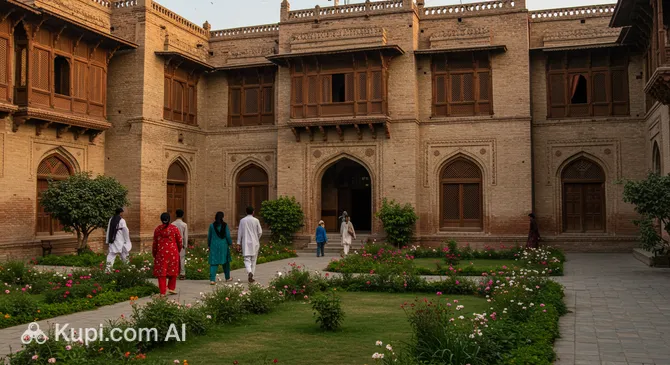
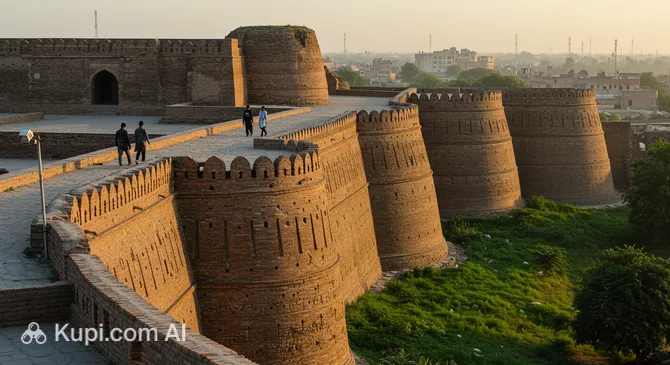
  • History enthusiasts will be intrigued by the ancient origins of the Sialkot Fort. Believed to be one of the oldest surviving forts in the country, its foundations date back to the 2nd century, standing as a silent witness to the region's strategic importance throughout the ages.

Sialkot Fort. Source: Kupi.Binoculars

How to Get There

Planning a trip to this industrial hub is quite convenient, with options ranging from direct flights to road travel from nearby major cities. Whether you are visiting for business or leisure, understanding your arrival options ensures a smooth start to your journey. You can find detailed information on all ways to reach the city to help you choose the best route.

The most direct way to arrive is by flying into Sialkot Airport (SKT), which is conveniently located within the city limits. It serves as a primary gateway for international and domestic travelers. The airport is situated approximately 15.6 km from the city center, and a taxi ride to the downtown area typically takes about 45 minutes. It is a modern facility that handles a significant volume of passengers, reflecting the city's economic importance.

Alternatively, many travelers opt to fly into Allama Iqbal International Airport (LHE) in the city of Lahore. This is a major international hub located about 108.5 km from Sialkot. While it requires a longer transfer, it offers a wider range of flight connections. The journey from Lahore to Sialkot by road is well-connected and takes approximately 3 hours by taxi or private car.

For clarity, here is a summary of the main airports:

Airport Name City Passenger Traffic Km from City
Allama Iqbal International AirportLahoreLarge108.5
Sialkot AirportSialkotMedium15.6

For those considering rail travel as part of their journey through the region, a significant transport node is the Rawalpindi Railway Station (RWP) in the city of Rawalpindi. Located approximately 184.5 km from Sialkot, this station connects to various parts of the country. From Rawalpindi, travelers can take a bus or hire a taxi to reach Sialkot, with the road trip taking roughly 5 hours.

Here is the information regarding the nearby railway station:

Station City Passenger Traffic Km to Center
Rawalpindi Railway StationRawalpindiLarge184.5

Main Attractions

Sialkot is a city where history breathes through ancient structures and vibrant bazaars. While it is famous for its industry, the city also boasts several landmarks that reflect its deep cultural roots and significance in the region. Visitors can explore a mix of historical monuments, lively public spaces, and serene parks that offer a glimpse into the local way of life.

One of the most significant sites in the city is Iqbal House, also known as Iqbal Manzil. This historic residence is the birthplace of Allama Muhammad Iqbal, the celebrated philosopher and poet of the East. Converted into a museum and library, the house has been carefully preserved to reflect the era in which he lived. Tourists can walk through the rooms displaying his personal belongings, photographs, and original manuscripts, gaining deep insight into the life of one of the region's most influential figures.

Iqbal House. Source: Kupi.Binoculars

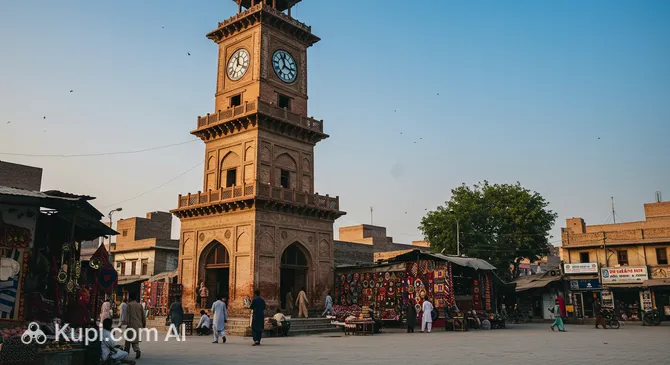
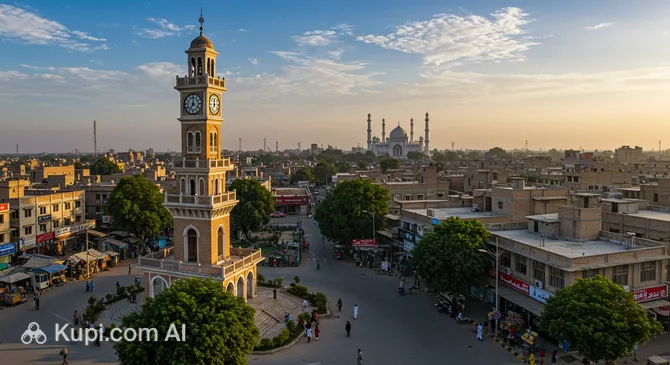
Standing as a sentinel in the bustling Saddar Bazaar is the iconic Sialkot Clock Tower. Built in the 19th century, this towering structure is not just a timekeeper but a symbol of the city's colonial past and enduring spirit. The area surrounding the tower is always alive with activity, making it a perfect spot for travelers to experience the energetic atmosphere of Sialkot's street life, shop for local goods, and admire the architectural details of the tower itself.

Sialkot Clock Tower. Source: Kupi.Binoculars

For a journey further back in time, the Sialkot Fort is a must-visit destination. As one of the oldest forts in Pakistan, it sits on high ground, offering commanding views of the sprawling city below. Although much of the original structure has weathered over the centuries, the remaining ruins and the sheer scale of the site provide a tangible connection to the ancient history of the Punjab province. It serves as a fascinating location for history enthusiasts to ponder the many eras the city has witnessed.

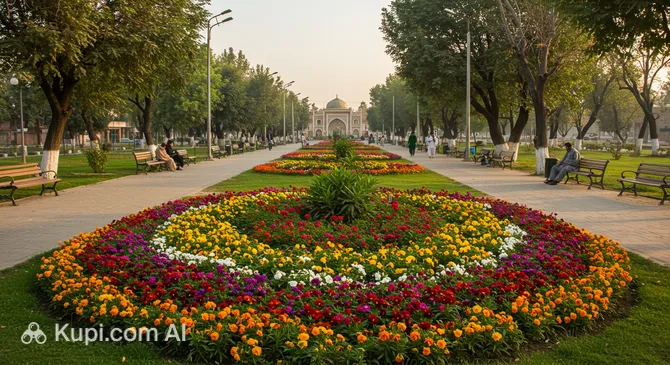
If you are looking for a place to unwind, Gulshan-e-Iqbal Park offers a refreshing escape from the urban hustle. This well-maintained green space is popular among families and locals for evening walks and picnics. With its lush lawns, jogging tracks, and peaceful ambiance, it is an excellent spot to relax and enjoy the pleasant weather, especially during the cooler months.

Gulshan-e-Iqbal Park. Source: Kupi.Binoculars

Local Cuisine

The culinary landscape of Sialkot is a vibrant reflection of the Punjab province's love for rich, hearty, and flavorful food. Gastronomy here is deeply rooted in tradition, with a heavy emphasis on meat dishes cooked with aromatic spices, ghee, and butter. A visit to the city is incomplete without trying the local barbecue specialties, particularly Seekh Kebabs and Chicken Tikka, which are marinated to perfection and grilled over charcoal to impart a smoky flavor that is loved by locals and tourists alike.

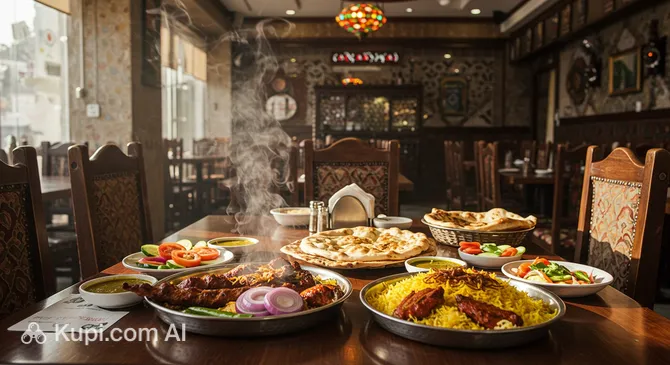
For a truly authentic dining experience, travelers often seek out places that specialize in regional cuisine. One such establishment is Zak Shinwari, a popular restaurant where you can indulge in Shinwari-style dishes. This cuisine is famous for its reliance on the natural taste of meat, often lamb or mutton, seasoned simply with salt and cooked in its own fat, offering a delicious contrast to the more heavily spiced curries found elsewhere.

Zak Shinwari. Source: Kupi.Binoculars

Street food culture in Sialkot is bustling and diverse. Wandering through the local bazaars, you will find vendors serving Dahi Bhallay, a refreshing dish of fried lentil fritters soaked in yogurt and topped with sweet and spicy chutneys. Another favorite breakfast or brunch item is Nihari, a slow-cooked stew containing beef or lamb shank, best enjoyed with hot, fluffy Naan bread. The city is also known for its traditional sweets, so be sure to taste the local Barfi or hot Gulab Jamun after your meal.

When it comes to beverages, Lassi is the quintessential drink of the region. This yogurt-based refreshment can be served sweet or salty and is the perfect way to cool down during the warmer months. Chai (milk tea) is another staple, consumed throughout the day and served as a gesture of hospitality to guests. Regarding alcoholic drinks, they are not part of the general food culture in Sialkot and are not served in standard restaurants; instead, the dining scene thrives on fresh fruit juices, sugarcane juice, and soft drinks.

The atmosphere of eating out in Sialkot is warm and communal. Food is a major pastime, and it is common to see families and groups of friends dining late into the night. Whether you choose a roadside stall or a sit-down restaurant, the hospitality is genuine, and the portions are generous, ensuring that every visitor leaves with a full stomach and a memorable gastronomic experience.

Travel Tips

Visiting Sialkot offers a unique opportunity to explore Pakistan's industrial powerhouse while immersing yourself in rich Punjabi culture. To help you navigate the city with ease and respect local customs, here are some practical tips to ensure a smooth and memorable journey.

  1. Clothing and Gear: Sialkot experiences extreme temperatures, so pack loose, breathable cottons for the hot summers and warm layers for the chilly winters. Culturally, the city is conservative; both men and women should dress modestly, covering shoulders and knees. Women are advised to carry a lightweight scarf or dupatta, which is useful for covering the head when visiting religious sites like shrines or mosques.
  2. Transportation: The city does not have a metro or tram system. The most convenient way for tourists to get around is by using ride-hailing apps like Careem or Uber (or local alternatives like InDrive), which offer safety and fixed pricing. Auto-rickshaws are abundant for short distances, but be prepared to haggle over the fare before you hop in, as they rarely use meters.
  3. Finances: The local currency is the Pakistani Rupee (PKR). While high-end hotels and some large shops accept credit cards, cash is king in Sialkot, especially in local bazaars and restaurants. ATMs are widely available, but it is wise to carry small denominations for tips and minor purchases. Tipping is not mandatory but is highly appreciated by service staff.
  4. Health and Safety: Always drink bottled or boiled water to avoid stomach issues, and avoid ice in drinks from street vendors. Pharmacies are easy to find throughout the city, with many staying open late. Sialkot is generally safe for travelers, but standard precautions apply: keep your valuables secure and avoid walking alone in poorly lit areas late at night.
  5. Communication: The primary languages are Urdu and Punjabi, but English is widely understood in business circles, hotels, and by educated locals. To stay connected, purchase a local SIM card (from providers like Jazz, Zong, or Telenor) at an official franchise; you will need your passport for registration. Wi-Fi is standard in most hotels and cafes.
  6. Local Etiquette: Pakistanis are incredibly hospitable. The standard greeting is "Assalam-o-Alaikum" (Peace be upon you). When greeting someone of the opposite gender, a verbal greeting or a hand over the heart is preferred over a handshake unless they offer their hand first. Always remove your shoes before entering a home or a place of worship.
  7. What to Avoid: Public displays of affection (PDA) are frowned upon and should be avoided. Additionally, be very cautious about photography; never photograph women without explicit permission, and avoid taking pictures of military installations or government buildings to prevent unnecessary trouble.
  8. Shopping Insight: Sialkot is the world capital for sports goods and leather products. A great local tip is to visit the factory outlets or the markets near the city center, where you can buy high-quality export goods—such as leather jackets, gloves, and footballs—at a fraction of the international price.

By keeping these practical tips in mind, you will be well-prepared to enjoy everything Sialkot has to offer, from its bustling markets to its historical sites. The locals are known for their friendliness, so don't hesitate to ask for help if you need it—you will likely be met with a smile and a helping hand.

Entertainment & Nightlife

Entertainment and nightlife in Sialkot offer a distinct cultural experience that differs significantly from Western norms. Rather than nightclubs, dance bars, or pubs, which are not part of the local lifestyle due to cultural and legal regulations, the city's evening energy is channeled into vibrant late-night dining, bustling night markets, and social gatherings at tea houses. The atmosphere is family-oriented, lively, and incredibly welcoming, with activity often continuing well past midnight, especially on weekends.

The heartbeat of the city's modern evening entertainment is undoubtedly the Cantonment (Cantt) area. This district is known for its upscale ambiance, wide clean roads, and a concentration of high-end restaurants, cafes, and shopping plazas. It is the place to see and be seen, drawing a well-dressed crowd of families and young professionals. Here, you can find modern cinemas screening the latest Bollywood and Hollywood releases, as well as trendy cafes serving everything from cappuccino to traditional chai.

For those seeking a more traditional and energetic vibe, the area around the Saddar Bazaar and the historic center near the Clock Tower remains awake late into the night. This is where the true "nightlife" of the streets happens, with vendors selling snacks, clothes, and goods under bright lights. The dress code in Sialkot is generally conservative; casual but modest attire is expected. For men, jeans and shirts are fine, while women typically wear modest tops or traditional kurtas. In the Cantt area, the style tends to be more modern and chic.

Dining is the primary form of entertainment, and "night restaurants" are a staple of Sialkot's social scene. A prime example of this culinary nightlife is Zak Shinwari. Venues like this are bustling in the evenings, offering open-air or large hall seating where groups gather to feast on fresh meat dishes by the kilogram. The aroma of grilled meats and the sound of lively conversation define the atmosphere.

Practical Advice and Safety: The best time to head out is after 8:00 PM when the heat of the day has dissipated. Prices are generally affordable, with a lavish dinner costing significantly less than in major Western cities. For transportation, ride-hailing apps like Uber or Careem are the safest and most convenient options for tourists at night. While the Cantt area is very safe for walking, it is advisable to take a taxi when moving between districts late at night. Always stay in well-lit, populated areas.

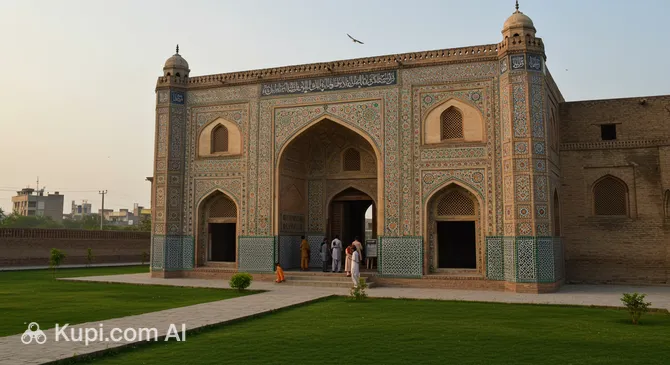
While the nights are for feasting, daytime entertainment in Sialkot offers a mix of history and culture. Visitors can explore local museums or admire the architectural heritage of the city. A notable site to visit during the day is Dara Araiyan, a historical place that offers a glimpse into the region's architectural past. Additionally, the city has several parks and small amusement centers suitable for families, though these are best enjoyed in the late afternoon before the sun sets.

Dara Araiyan. Source: Kupi.Binoculars

Parks & Museums

While Sialkot is primarily celebrated as an industrial powerhouse, the city also nurtures a deep connection to its history and offers several refreshing green spaces for relaxation. Visitors looking to explore beyond the bazaars will find that the city's parks and cultural landmarks provide a fascinating glimpse into the region's heritage and a welcome respite from the urban bustle.

For those seeking fresh air and leisure, Gulshan-e-Iqbal Park stands out as one of the city's premier recreational areas. Named after the national poet, this expansive park is a favorite among locals for its well-maintained walking tracks, lush lawns, and vibrant flower beds. It is an ideal spot for families, offering play areas for children and a peaceful environment for evening strolls. Another notable green space is Garrison Park, located in the Cantonment area. Known for its cleanliness and organized layout, it offers a more quiet and upscale atmosphere, perfect for a relaxing break or a morning jog.

The cultural heart of the city beats strongest at Iqbal House (Iqbal Manzil), the birthplace of the philosopher-poet Allama Muhammad Iqbal. This residence has been converted into a museum and library, serving as a pilgrimage site for admirers of his work. Inside, visitors can view a collection of his personal belongings, original manuscripts, and photographs that chronicle his life and the history of the independence movement. It provides an intimate look at the upbringing of one of the East's most influential thinkers.

History enthusiasts will find the ancient Sialkot Fort to be a compelling site. Although time has worn down much of its original grandeur, the fort remains a significant archaeological landmark, sitting atop a high mound that overlooks the city. It is one of the oldest forts in Pakistan, with origins tracing back to the 2nd century, offering a tangible connection to the many empires that have ruled this region.

Architectural landmarks also play a key role in defining the city's character. The Sialkot Clock Tower in the Saddar Bazaar is a must-see monument from the colonial era, standing as a silent sentinel over the busy streets. For a look at religious architecture, the Holy Trinity Cathedral in the Cantonment area is a stunning example of Gothic style, known for its beautiful bell tower and serene grounds. Additionally, the historical site of Dara Araiyan offers further insight into the diverse architectural layers of the city.

For a truly authentic experience, try visiting the parks in the late afternoon when the heat subsides; this is when the locals come out, and the atmosphere is most lively. A lesser-known tip for visitors is to explore the area around the ornate Shrine of Imam Ali-ul-Haq. While primarily a religious site, the surrounding narrow streets and old architecture provide a raw and unfiltered look at the traditional side of Sialkot that many tourists miss.

Getting Around

Navigating Sialkot is an experience distinct from many major global metropolises, as the city does not currently possess a centralized mass transit network such as a metro, tram, or large-scale municipal bus system. Instead, the public transport landscape is dominated by informal, road-based options that are flexible and readily available. For the visitor, this means relying primarily on auto-rickshaws, ride-hailing services, and private taxis to move between neighborhoods and attractions.

The most ubiquitous form of local transport is the auto-rickshaw. These three-wheeled vehicles are the lifeline of the city, capable of weaving through traffic and reaching narrow streets that larger vehicles cannot access. They are available in two main varieties: the traditional smaller rickshaws, which are typically hired for private trips, and the larger "Qingqi" (pronounced ching-chi) rickshaws, which often operate on fixed routes as shared transport. While they offer an authentic local experience, they lack air conditioning and can be quite noisy.

Regarding the payment system, Sialkot operates almost exclusively on a cash-based economy for local transport. There are no electronic travel cards, tap-to-pay systems, or monthly passes for public transit. Travelers must carry sufficient local currency in small denominations, as drivers often do not have change for large banknotes. Payment is made directly to the driver at the end of the journey. For shared Qingqi rides, the fare is usually a fixed, nominal amount, while private auto-rickshaws require fare negotiation before the trip begins.

For tourists seeking a more comfortable and hassle-free alternative, ride-hailing apps are highly recommended. Services like Careem, Uber, and InDrive are active in the city and provide a reliable way to book cars, auto-rickshaws, or even motorbikes. Using these apps eliminates the language barrier and the need for haggling, as the price is estimated or fixed upfront. This is often the safest and most convenient method for visitors unfamiliar with local routes.

Practical advice for using the traditional transport system involves mastering the art of negotiation. If you choose to hail a rickshaw from the street, always agree on the fare before stepping inside to avoid disputes later. It is helpful to ask a local or hotel staff member for the approximate rate to your destination beforehand. Transport is generally available from early morning until late evening, though finding a rickshaw on the street can become difficult after 10:00 PM. In contrast, app-based services operate around the clock, though availability may decrease in the very early hours of the morning.

While traditional car rentals are available, they typically come with a driver, which is a stress-free way to explore the city for a full day. Self-driving is generally not advised for short-term visitors due to the chaotic nature of local traffic. Additionally, "bike taxis" booked through apps have become a popular, low-cost alternative for solo travelers looking to zip through traffic quickly, although safety gear like helmets should be prioritized.
Accommodation

Accommodation:

Finding a place to stay in Sialkot is relatively straightforward, with options primarily catering to business travelers due to the city's industrial nature. The accommodation landscape ranges from economical guesthouses and mid-range hotels to a few upscale establishments that offer modern amenities. While you won't find many sprawling international resort chains here, the local hospitality sector provides comfortable and safe environments, particularly for those visiting for trade or short cultural trips.

When choosing a location, the Cantonment (Cantt) area is widely considered the best choice for international tourists and business visitors. This district is cleaner, quieter, and more secure than the rest of the city, hosting the majority of Sialkot's high-end hotels and restaurants. Staying here puts you within easy reach of modern shopping plazas and cafes. In contrast, the areas around Saddar Bazaar and the city center offer more budget-friendly lodges and inns. These are convenient for those who want to be in the thick of the action near historical sites like the Sialkot Clock Tower, but be prepared for significantly more noise and traffic.

For those seeking luxury and extensive facilities, the city boasts a few well-regarded 4-star hotels. These establishments typically feature conference centers, gyms, and in-house dining, making them ideal for a stress-free stay. Travelers on a tighter budget will find numerous smaller hotels and "guest houses" scattered throughout the city. These family-run spots often offer a more personal touch and authentic home-cooked breakfasts, though amenities may be more basic compared to the larger hotels in the Cantt area.

Booking Tips and Prices: It is generally advisable to book your accommodation in advance, especially if your visit coincides with major industrial exhibitions or trade fairs, as hotels can fill up quickly. Prices in Sialkot are generally reasonable; a comfortable mid-range room can cost significantly less than in major cities like Lahore or Islamabad. While top-tier hotels accept credit cards and can be booked via major online platforms, smaller budget guesthouses often prefer cash and may require booking by phone or upon arrival.

Nearby Cities

For those looking to explore the surroundings, Sialkot serves as an excellent base for day trips to several interesting nearby locations:

Just a short journey away lies Lahore, the cultural heart of the province. It is world-famous for its magnificent Mughal-era architecture, including the UNESCO-listed Lahore Fort and the grand Badshahi Mosque. A visit here offers an immersive experience into the region's artistic history and vibrant street life.

Closer to home is Gujranwala, often referred to as the "City of Wrestlers." It is celebrated for its rich culinary heritage, particularly its heavy and flavorful meat dishes. Food enthusiasts often travel here specifically to enjoy the local barbecue and traditional sweets.

Another fascinating destination is Sheikhupura, known for the Hiran Minar, a unique historical complex built by Emperor Jahangir. This tranquil site features a large water tank and a minaret, offering a peaceful retreat and a glimpse into the royal past of the Mughal Empire.

City Population Distance (km)
Lahore 12,306,000 109
Gujranwala 2,027,001 46
Sheikhupura 473,129 100
Gujrat 390,533 41
Lahore Cantonment 374,872 113

These nearby destinations offer a glimpse into the diverse culture and landscapes of the region.

Shopping & Souvenirs

Shopping in Sialkot offers a unique experience that sets it apart from other cities in Pakistan. As a globally renowned industrial hub, the city is not just a place to buy standard souvenirs but a destination where you can purchase world-class export-quality goods directly from the source. From high-performance sports equipment to premium leather products, Sialkot provides shoppers with the opportunity to buy high-end items at a fraction of the international retail price.

The city is famously known as the "World's Football Factory," producing a vast majority of the soccer balls used globally. Sports enthusiasts will find themselves in paradise here, with numerous factory outlets and sports shops offering everything from professional-grade footballs to cricket bats, hockey sticks, and protective gear. Whether you are a professional athlete or a casual fan, picking up some locally made sports gear is a must-do activity.

Leather goods are another highlight of Sialkot's shopping scene. The city's tanneries and factories produce exquisite leather jackets, gloves, bags, and wallets for major international brands. Visitors can explore local showrooms to find these items, often available in the latest designs and superior quality. It is the perfect place to invest in a durable leather jacket or a stylish travel bag that will last for years.

For a more traditional shopping atmosphere, head to the bustling Saddar Bazaar. This is the commercial heart of the city, where narrow streets are lined with shops selling fabrics, jewelry, shoes, and local handicrafts. The area is always lively and offers a glimpse into the daily life of the locals. While exploring the market, you will likely find yourself near the historic Sialkot Clock Tower, which serves as a central landmark for the surrounding shopping districts.

Another unique category of goods to look out for is personal care instruments. Since Sialkot is a leading manufacturer of surgical instruments, you can find high-quality manicure and pedicure sets, scissors, and tweezers made from medical-grade steel. These compact kits make for excellent, practical gifts or personal travel accessories.

When shopping in the local bazaars, bargaining is an essential part of the process. Shopkeepers expect customers to negotiate, so do not hesitate to ask for a better price, especially if you are buying multiple items. While modern shopping malls and larger factory outlets in the Cantonment area may have fixed prices and accept credit cards, cash is still the preferred method of payment in most traditional markets.

Reached the end of the page?

That means the route is fully explored