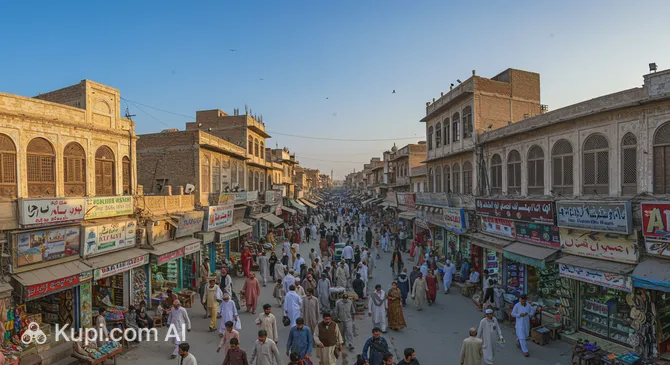
Rawalpindi, affectionately known as "Pindi," is a vibrant and bustling metropolis that offers a fascinating contrast to its modern twin city, Islamabad. Located in the Punjab province of Pakistan, this city is a hub of activity, culture, and commerce. With a population exceeding 2 million people, it serves as a crucial gateway to the country's northern areas and stands as a testament to the region's dynamic growth and enduring spirit.
Rawalpindi. Illustration.
Source: Kupi.com AI
The city boasts a rich past that dates back millennia, encompassing ancient civilizations and significant colonial developments. Visitors interested in the deep roots of the region can explore the history of Rawalpindi, which reveals layers of heritage ranging from Buddhist influences to British-era architecture. The older parts of the city are particularly atmospheric, offering a glimpse into the eras that have shaped its current identity.
For tourists, the energetic atmosphere of Raja Bazaar is an unmissable experience, where narrow alleys are packed with colorful shops selling everything from aromatic spices to traditional fabrics. For a more relaxing outing, Ayub National Park provides lush green spaces, boating lakes, and recreational areas perfect for a leisurely afternoon. Whether you are navigating its lively streets or enjoying its famous local cuisine, Rawalpindi promises an authentic and memorable travel experience.
Weather Overview
Rawalpindi experiences a varied climate characterized by hot summers, a distinct monsoon season, and cool winters. Visitors can generally expect warm to sweltering summers with occasional heavy rain during the monsoon, and cold, drier winters. The city's weather patterns make it a destination where packing layers is often necessary depending on the time of year.
The summer months, particularly May and June, see the highest temperatures, with June averages reaching around 30.3°C and highs climbing up to 36.6°C. Following the heat, July and August bring the monsoon rains, with July recording up to 22 wet days. In contrast, January is typically the coldest month, where temperatures can drop to a minimum of 4.5°C. To help plan your trip effectively, you can view the detailed report on the weather in Rawalpindi.
For those seeking the most comfortable conditions for sightseeing, the transitional seasons of spring and autumn are ideal. March and April offer pleasant warmth with average temperatures around 17°C to 22°C, while October and November provide a crisp and cooling atmosphere after the summer heat, with significantly fewer rainy days compared to the monsoon period.
Average monthly temperature
Average monthly precipitation
Interesting Facts
Beyond the main attractions and bustling bazaars, Rawalpindi holds many fascinating secrets that reveal its depth as a historical and cultural center. The city's past is woven with intriguing tales and unique distinctions that often go unnoticed by the casual visitor.
Before Islamabad was developed, Rawalpindi served as the interim capital of Pakistan from 1959 to 1969. During this decade, the city hosted major government offices and foreign embassies while the master plan for the new capital next door was being executed.
The city derives its name from a community of yogis known as Rawals, who originally inhabited the region. This ancient connection is still echoed in the name of the nearby Rawal Lake, a key reservoir for the twin cities.
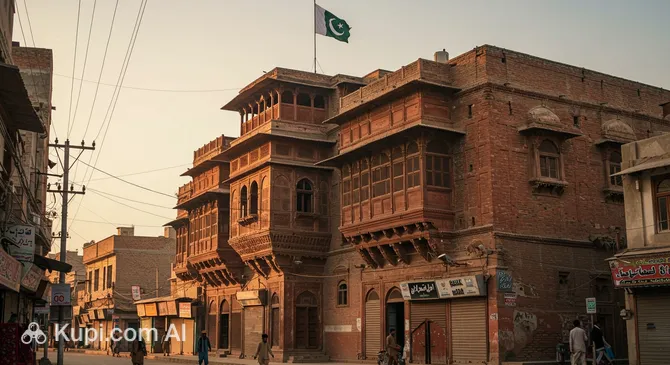
The striking Lal Haveli is not just a political landmark but an architectural gem. Originally built by a wealthy merchant, this red-brick mansion features a unique blend of Kashmiri and Greek architectural styles, standing out amidst the dense urban fabric of the old city.
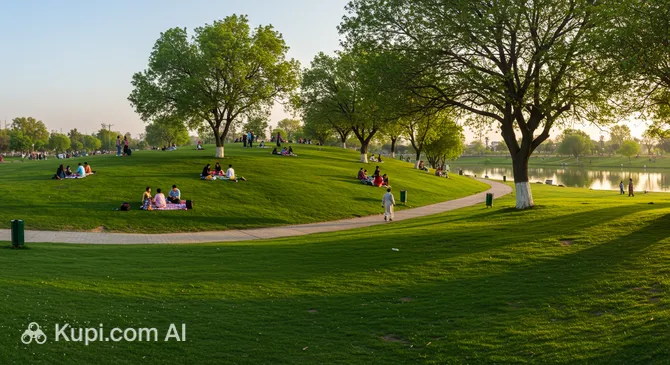
Spanning a massive area, Ayub National Park holds the distinction of being one of the largest urban national parks in Asia. It covers approximately 2,300 acres, offering a sprawling natural sanctuary right within the city limits.
Lal Haveli. Illustration.
Source: Kupi.com AI
Traveler photos:
How to Get There
Reaching Rawalpindi is quite convenient due to its proximity to the capital and its status as a major transport hub. Whether you are arriving by air or rail, the city is well-connected to both international destinations and other parts of the country. You can read more about how to get to Rawalpindi and plan your journey in detail.
The primary gateway for air travelers is Islamabad International Airport (ISB), located in the neighboring city of Islamabad. Although it is not within Rawalpindi's borders, it is situated just 17.8 km away, effectively serving as the main airport for the twin cities. It is a modern facility handling a large volume of international and domestic flights. A taxi or car ride from the airport to the center of Rawalpindi typically takes around 45 to 50 minutes, depending on traffic conditions. For those arriving from other regions, Bacha Khan International Airport (PEW) in Peshawar is another option, though it is located approximately 147 km away, requiring a travel time of about 4 hours by road. Additionally, Sialkot Airport serves as an alternative entry point for the wider region.
For clarity, here is a summary of the main airports in the region:
Traveling by train is a popular and scenic way to reach the city. Rawalpindi Railway Station is a historic and significant junction located directly in Rawalpindi. It serves as a key stop on Pakistan's main railway line, connecting the north with cities like Lahore and Karachi. The station is situated about 5.2 km from the city center, and a taxi or rickshaw ride to the main downtown areas generally takes around 30 minutes.
Below is the information regarding the railway station:
Rawalpindi offers a diverse array of sights, ranging from historical landmarks to expansive green spaces that provide a respite from the city's bustle. Whether you are a history buff or looking for family-friendly recreation, the city has something to offer.
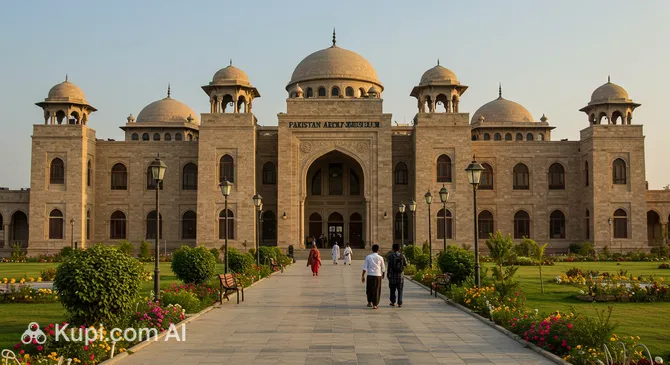
Located near the General Headquarters, the Pakistan Army Museum is a must-visit for those interested in military history. This sprawling complex preserves the heritage of the Pakistan Army through an impressive collection of arms, uniforms, tanks, and aircraft. It offers tourists a detailed walk through various epochs, from the colonial era to modern-day peacekeeping missions, making it an educational experience for all ages.
Pakistan Army Museum. Illustration.
Source: Kupi.com AI
Traveler photos:
For nature lovers and families, Ayub National Park serves as the city's green lung. As one of the largest parks in the region, it features winding pathways, boating lakes, and the popular Jungle Kingdom, which includes a zoo and amusement rides. It is an excellent spot for a picnic or a relaxing evening stroll, offering a peaceful escape from the urban noise.
Ayub National Park. Illustration.
Source: Kupi.com AI
Traveler photos:
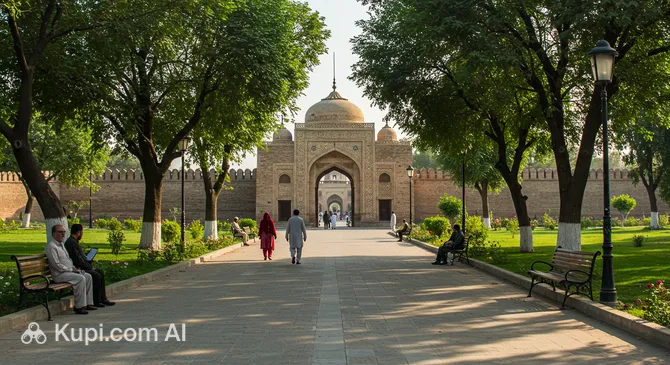
Steeped in political history, Liaquat Bagh is a significant landmark in Rawalpindi. Named after Pakistan's first Prime Minister, Liaquat Ali Khan, the park is not only a recreational space but also a site of great historical importance. Visitors often come here to pay their respects at the monuments and to witness a place that has been central to many of the country's pivotal moments.
Liaquat Bagh. Illustration.
Source: Kupi.com AI
Traveler photos:
Another modern recreational hub is Jinnah Park, located in the heart of the city. Known for its well-maintained gardens, fountains, and contemporary architecture, it is a favorite among locals for evening outings. The park complex also houses a cinema, restaurants, and the Cosmo Club, making it a vibrant destination for dining and entertainment.
Local Cuisine
The culinary landscape of Rawalpindi is a legendary aspect of the city's identity, offering a deep dive into authentic Punjabi flavors. Known for its rich, spicy, and hearty meals, the local cuisine is a major draw for domestic and international tourists alike. The food culture here is vibrant and unpretentious, with a strong emphasis on street food that stays open late into the night. A visit to "Pindi" is incomplete without trying Pindi Chole, a spicy chickpea curry typically served with hot naan bread for breakfast or lunch.
Meat lovers will find themselves in paradise, as the city is famous for its barbecue and heavy meat stews. Nihari, a slow-cooked beef stew with a thick gravy, and Sri Paye (trotters) are breakfast staples, particularly in the historic food streets like Kartarpura. For dinner, the aroma of sizzling Seekh Kababs and Shinwari Karahi—meat cooked in animal fat with tomatoes and green chilies—fills the air in bustling market areas. The dining scene ranges from roadside dhabas (eateries) to upscale restaurants.
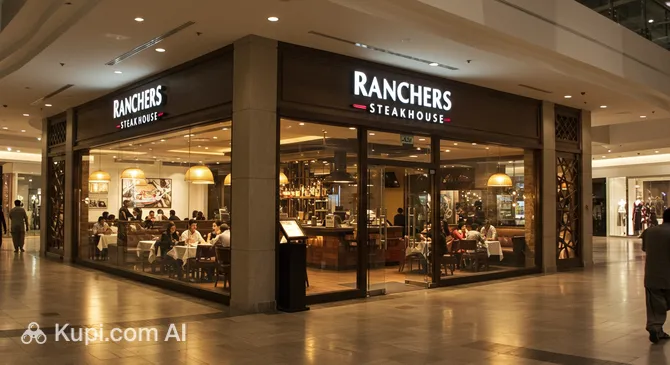
While traditional food dominates, the city has a thriving modern food scene that blends local tastes with international fast food concepts. Cheezious Saddar has become a household name, widely loved for its pizzas and localized fast food options that draw large crowds. Similarly, Ranchers offers a unique western-style dining experience with a cowboy theme, famous for its burgers and steaks, making it a popular hangout spot for the younger generation.
Ranchers. Illustration.
Source: Kupi.com AI
Traveler photos:
When it comes to beverages, Lassi is the undisputed favorite. This yogurt-based drink, which can be sweet or salty, is often consumed in tall steel glasses alongside a heavy breakfast. Tea, or Chai, is the fuel of the city, available at every corner and consumed throughout the day. Regarding alcoholic drinks, they are generally not part of the local dining culture due to religious observance. However, they may be available for foreign nationals at licensed bars within high-end establishments such as the Pearl Continental Hotel Rawalpindi.
Travel Tips
Visiting Rawalpindi can be an intense but rewarding experience, offering a true taste of local culture that differs significantly from the orderly capital nearby. To ensure your trip goes smoothly and you can navigate the bustling streets with confidence, here are some practical tips to keep in mind.
Clothing and Gear: Modesty is key when visiting Pakistan. Men should wear long trousers, while women are advised to wear loose-fitting clothes that cover their arms and legs. Carrying a scarf or shawl (dupatta) is essential for women when visiting religious sites or walking through conservative neighborhoods. Since the city involves plenty of walking, especially in the markets, sturdy and comfortable shoes are a must.
Transportation: The Metro Bus system is a modern, efficient, and air-conditioned way to travel between Rawalpindi and Islamabad. For navigating within the city's complex streets, ride-hailing apps like Careem, Uber, or InDrive are highly recommended as they provide fixed rates and avoid the language barrier. Traditional auto-rickshaws are available everywhere for short distances, but you must negotiate the fare before the ride begins.
Finances: The local currency is the Pakistani Rupee (PKR). While upscale restaurants and shops in the Saddar area accept credit cards, cash is absolute king in local bazaars and smaller eateries. ATMs are widely available throughout the city, but it is wise to keep smaller denominations handy for tips, rickshaws, and street food.
Health and Safety: Avoid drinking tap water; always stick to sealed bottled water to prevent stomach issues. Pharmacies are plentiful, particularly near the major hospital districts, and many operate 24/7. While the city is generally safe and welcoming, keep a close watch on your belongings in crowded areas like Raja Bazaar to prevent pickpocketing, and be extremely cautious when crossing the busy roads.
Communication: Urdu is the national language, while Punjabi is the local mother tongue. However, English is widely understood in commercial hubs, hotels, and by the younger generation. To stay connected, you can purchase a local SIM card (Jazz or Zong are popular) at official franchise centers by presenting your passport.
Local Etiquette: Pakistanis are incredibly hospitable. Greetings often involve a handshake (between members of the same gender) and placing a hand over the heart. Always use your right hand for eating, shaking hands, or giving money. If invited to a local home, it is customary to remove your shoes at the entrance.
What to Avoid: Public displays of affection are culturally frowned upon and should be avoided. Additionally, strictly refrain from taking photographs of women without permission, and avoid photographing military installations or government buildings, which are numerous in this garrison city.
Shopping Insight: Bargaining is an art form in Rawalpindi's markets. Vendors often quote higher prices to visitors, so do not hesitate to negotiate politely. A good rule of thumb in places like Tench Bhatta or Raja Bazaar is to counter with a price significantly lower than the opening offer and work your way up to a fair agreement.
By keeping these practicalities in mind, you will be well-equipped to embrace the chaotic charm of the city without unnecessary stress. The locals are known for their warmth and generosity, so don't be surprised if a shopkeeper offers you a complimentary cup of chai—it is simply the Pindi way of making you feel at home.
Entertainment & Nightlife
Nightlife in Rawalpindi is a vibrant and energetic affair, though it is culturally distinct from the Western concept of bars and nightclubs. In this city, the night comes alive through late-night dining, bustling markets, and social gatherings that last well into the early hours. The atmosphere is predominantly family-oriented and communal, with the streets illuminated by neon signs and filled with the aroma of charcoal-grilled meats and freshly brewed tea. For locals and tourists alike, a "night out" typically involves a combination of shopping, eating, and leisurely drives.
The **Saddar** district serves as the traditional heart of the city's evening activity, where shops and eateries remain open late, creating a chaotic but exciting environment. For a more upscale and modern experience, the commercial zones of **Bahria Town** (particularly the Civic Center and Phase 4) have developed into major nightlife hubs. Here, you will find a trendier crowd, contemporary cafes, cinemas, and wide, well-lit boulevards perfect for a relaxing evening stroll or car cruising, which is a popular local pastime.
While traditional dance clubs are not part of the local culture, the city offers other forms of late-night entertainment. The Vortex Reborn Gaming Lounge is a prime example of the modern urban scene, attracting youth and gaming enthusiasts. It serves as a lively social hub where people gather for competitive gaming and socializing in a high-energy environment, often staying open late to cater to the night owls.
Joyland. Illustration.
Source: Kupi.com AI
Traveler photos:
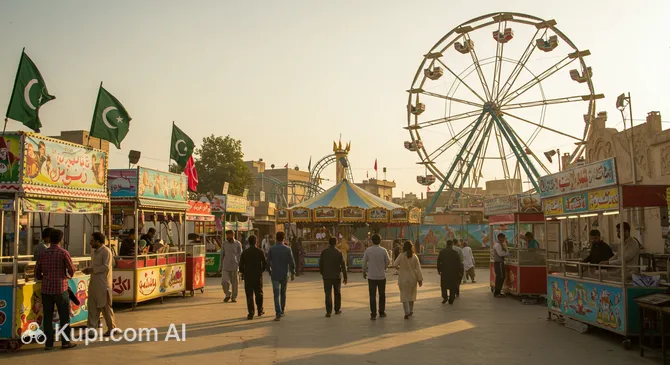
For those seeking fun and excitement, Joyland is a cornerstone of Rawalpindi's entertainment landscape. Located adjacent to the major parks, this amusement park transforms in the evening with dazzling lights and a festive atmosphere. It offers a variety of rides and attractions that appeal to both thrill-seekers and families, making it a bustling spot after sundown. Similarly, the Ibn Battuta Amusement Centre provides excellent indoor entertainment facilities, including bowling and arcade games, which are perfect for group outings.
During the daytime, entertainment options are equally diverse. Visitors can explore the city's rich history at local museums or enjoy the green spaces at Race Course Park, which offers a peaceful retreat for jogging and sports. Shopping enthusiasts can visit the CSD Mega Mall, a modern complex that offers a mix of retail therapy and food courts, providing a comfortable escape from the outdoor heat before the evening activities begin.
When planning your evening, the best time to head out is after 8:00 PM, when the city truly wakes up. Transport is convenient, with ride-hailing apps like Uber and Careem being the safest and most reliable options for getting around at night. While the city is generally safe for evening walks in populated commercial areas like Saddar, it is advisable to stay in well-lit zones and avoid deserted streets. The dress code remains modest even at night; smart casual attire is standard for most venues.
Parks & Museums
Rawalpindi balances its bustling urban energy with a surprising array of green spaces and cultural institutions that reflect its storied past. While the city is often seen as a commercial hub, it preserves its heritage through historical gardens, well-maintained parks, and museums that offer a window into the region's military and artistic history. For tourists, these spots provide a necessary respite from the busy streets and a chance to engage with the local culture at a slower pace.
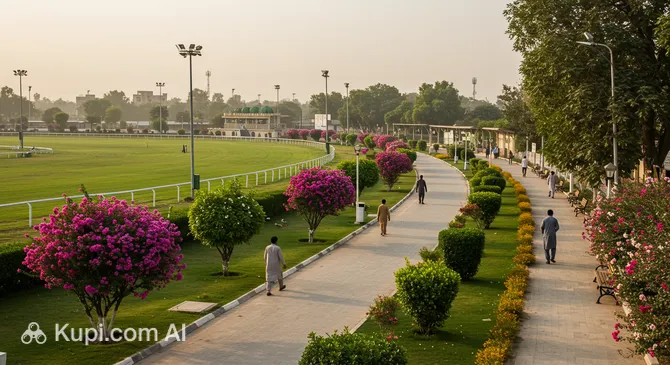
One of the most popular spots for fitness enthusiasts and families is Race Course Park. Located in the Cantonment area, this park is known for its extensive jogging tracks, vibrant flower beds, and well-manicured lawns. It attracts a morning and evening crowd looking for a clean and peaceful environment for exercise. The park also features a walking track and ample seating, making it an excellent location for a quiet evening amidst nature.
Race Course Park. Illustration.
Source: Kupi.com AI
Traveler photos:
For those interested in nature conservation, Morgah Biodiversity Park offers a unique experience. Unlike typical recreational parks, this space is dedicated to preserving the diverse flora and fauna of the Pothohar region. It serves as an educational site where visitors can learn about indigenous plant species and local ecosystems. It is a quieter, more contemplative space, perfect for nature photographers and those wishing to escape the city noise.
While Ayub National Park remains the largest and most famous green space, the city also boasts smaller, community-focused areas like Roomi Park. Situated near the older parts of the city, it provides a charming, accessible green lung for locals. It is a great place to observe everyday local life, where families gather and children play in a safe environment.
In terms of museums, the Pakistan Army Museum stands out as a premier institution. It is meticulously organized and houses a vast collection of military hardware, historical documents, and statues depicting significant events. Tourists will find the outdoor exhibits of tanks and aircraft particularly impressive, while the indoor galleries offer a detailed narrative of the country's military evolution. It is one of the few museums in the city that meets international standards of curation.
Beyond the military history, the city's architectural heritage serves as an open-air museum. The Lal Haveli is a prime example of this. Although it is a private residence and a political hub, its exterior architecture is a stunning display of pre-partition craftsmanship. The intricate wooden balconies and red brickwork tell the story of the wealthy merchants who once lived in these narrow alleys, making it a significant visual landmark for anyone exploring the old city.
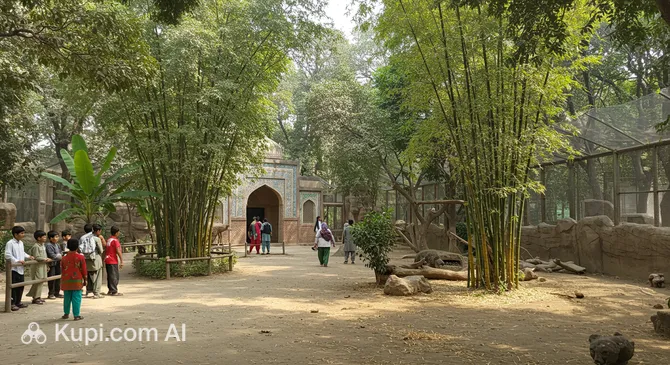
For a mix of wildlife and entertainment, Jungle Kingdom is a favorite destination, especially for those traveling with children. Located within the Ayub Park complex, it functions as both a zoo and a theme park. Visitors can see a variety of animals and enjoy diverse rides, making it a lively spot that combines natural curiosity with fun activities.
Jungle Kingdom. Illustration.
Source: Kupi.com AI
Traveler photos:
For an insider experience, consider visiting the 502 Test Track Park. This is a lesser-known recreational area that was originally associated with military vehicle testing but has been adapted for public use. It offers a unique glimpse into how the city repurposes its garrison infrastructure for community leisure, providing a distinct atmosphere compared to the more commercialized parks.
Getting Around
Navigating Rawalpindi offers a mix of modern efficiency and traditional chaotic charm. The public transport system is diverse, ranging from a state-of-the-art bus rapid transit line to colorful local vans and rickshaws that weave through the traffic. For tourists, understanding these options is key to moving around the city efficiently and affordably.
The most convenient and tourist-friendly mode of transport is the Metrobus. This dedicated bus rapid transit (BRT) system connects the heart of Rawalpindi (Saddar) with the neighboring capital. The red buses are air-conditioned, clean, and run on a dedicated elevated track, allowing you to bypass the heavy traffic below. It is the safest and most comfortable option for traveling along the city's main artery, Murree Road, and serves as the primary link between the twin cities.
For destinations not covered by the Metrobus, the city relies heavily on a network of minibuses and wagons (often Toyota Hi-Ace vans). These vehicles follow specific numbered routes and cover almost every corner of the city. They are extremely cheap but can be crowded and noisy. Conductors often hang out the side calling out destinations. It is important to note that the front seats next to the driver are traditionally reserved for women, while men sit in the back rows.
Auto-rickshaws are the best option for short-distance travel or "last-mile" connectivity from bus stations to your final destination. They are ubiquitous and can navigate narrow streets where buses cannot go. However, they do not run on meters. You must negotiate and agree on a fare with the driver before stepping inside to avoid being overcharged. For a slightly larger group, traditional yellow and black taxis are available, though they are becoming less common compared to rickshaws.
Regarding payments, the systems vary by transport type. The Metrobus operates on an automated fare collection system. You can purchase a single-journey token or a rechargeable Metrobus Card at the ticket vending machines or ticket offices located at every station. A single ride typically costs a flat rate of around 30 PKR. For wagons, rickshaws, and traditional taxis, cash is the only accepted payment method. Always carry small denominations, as drivers often struggle to provide change for large notes.
For those seeking comfort and convenience without the hassle of bargaining, ride-hailing apps are highly recommended. Services like Careem, Uber, and InDrive are widely active in the city. They offer the advantage of tracked rides, estimated fares, and the choice of car types, including air-conditioned sedans or more affordable motorbikes. This is often the best choice for tourists unfamiliar with local routes or languages.
The operating hours for public transport are generally extensive. The Metrobus runs from approximately 6:00 AM to 10:00 PM. Local wagons operate from early morning until late at night, though frequency drops significantly after 9:00 PM. While car rentals are available, self-driving is generally discouraged for tourists due to the aggressive driving style and heavy congestion; hiring a car with a driver is a safer and more relaxing alternative.
Accommodation
Accommodation in Rawalpindi caters to a wide spectrum of travelers, ranging from economical guest houses and budget hostels to high-end luxury resorts. The city serves as a transit hub for those heading north and a business center in its own right, resulting in a diverse hospitality sector. Visitors can find simple, no-frills rooms perfect for backpackers as well as sophisticated suites offering international standards of comfort.
When choosing where to stay, location is a key factor. The Saddar area is the most popular choice for tourists due to its central location, vibrant shopping districts, and proximity to the Metrobus station, which allows for easy travel to Islamabad. Another convenient area is along Murree Road, which serves as the main artery of the city, offering easy access to both public transport and major hospitals. For those looking for a quieter environment, the Cantonment area offers a more orderly and secure setting compared to the bustling inner city.
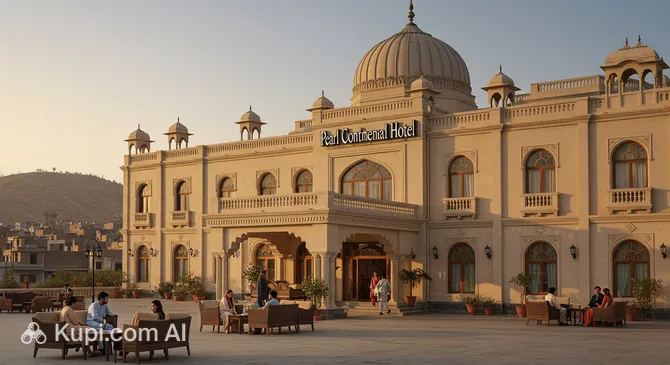
For travelers seeking a premium experience, the city boasts several well-regarded establishments. The Pearl Continental Hotel Rawalpindi is the most prominent luxury option in the city. Located near the heart of the commercial district, it offers top-tier amenities including fine dining restaurants, a swimming pool, and well-appointed rooms, making it a favorite for business travelers and international tourists.
Pearl Continental Hotel Rawalpindi. Illustration.
Source: Kupi.com AI
Traveler photos:
Prices in Rawalpindi are generally lower than in the neighboring capital, Islamabad. Budget accommodation can be found for very reasonable rates, while mid-range hotels offer excellent value for money. Booking methods vary by category; while luxury and mid-range hotels are easily bookable via major online platforms, many budget guest houses still rely on direct phone calls or walk-ins.
A helpful tip for booking is to plan well in advance if you are visiting during the winter months (November to February). This period coincides with the peak wedding season in Pakistan, and many hotels and banquet halls are fully booked, driving up demand and prices. Securing your reservation early ensures you get the best rates and availability.
Nearby Cities
For those looking to explore the surroundings, Rawalpindi serves as an excellent base for day trips to several interesting nearby locations:
Just a short drive away lies Islamabad, the modern capital of the country. While Rawalpindi is known for its historic hustle, its twin city offers wide boulevards, serene hiking trails in the Margalla Hills, and iconic landmarks such as the Faisal Mosque. It provides a completely different urban experience with its organized sectors, lush green parks, and upscale dining options, making it the most convenient and popular day trip.
Traveling towards the northwest, Attock is a city steeped in history, located near the confluence of the Indus and Kabul rivers. It is historically significant as a gateway to Central Asia and is famous for the imposing Attock Fort, built by the Mughal Emperor Akbar. Although access to the fort is restricted due to military use, the surrounding area offers dramatic river views and a sense of the region's strategic past.
Another fascinating destination is Jhelum, situated on the banks of the Jhelum River. This city is known for its rich heritage and serves as a launching point for visiting the nearby Rohtas Fort, a UNESCO World Heritage site. The fort is a masterpiece of military architecture and a massive structure that dates back to the 16th century, offering visitors a chance to walk through history amidst imposing walls and gateways.
These nearby destinations offer a glimpse into the diverse culture and landscapes of the region.
Shopping & Souvenirs
Rawalpindi is widely recognized as the commercial hub of the region, offering a shopping landscape that is both chaotic and charismatic. Unlike the orderly and quiet sectors of its twin city, "Pindi" provides a raw and authentic retail experience where centuries-old bazaars sit just a few kilometers away from modern plazas. For tourists, the city is a treasure trove of traditional fabrics, handicrafts, and local specialties, often available at prices significantly lower than in the capital.
The soul of the city's commerce resides in its historic markets. Raja Bazaar is the most famous district, a sprawling network of narrow alleys that teems with life from morning until late night. It is the place to find everything from aromatic spices and household goods to glittering jewelry. Adjacent to it is Moti Bazaar, a market dedicated almost exclusively to women's fashion, renowned for its intricate bridal wear, embroidered shawls, and bangles.
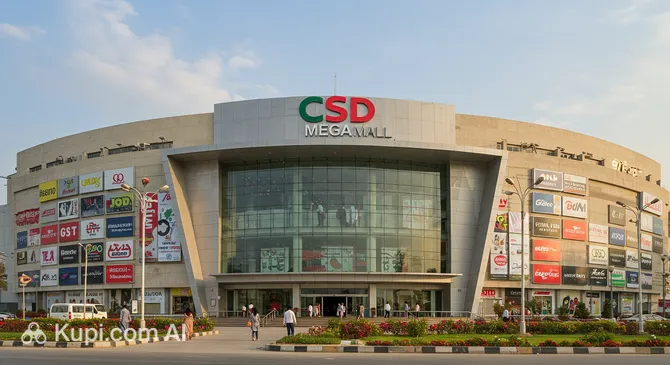
For a more contemporary shopping experience, the Saddar cantonment area serves as the upscale center of the city. Here, wide avenues like Bank Road are lined with branded outlets, shoe stores, and bookstores. A prominent destination in this area is the CSD Mega Mall. This modern complex offers a comfortable, air-conditioned environment where visitors can find a vast array of products, from groceries and electronics to clothing, all under one roof.
CSD Mega Mall. Illustration.
Source: Kupi.com AI
Traveler photos:
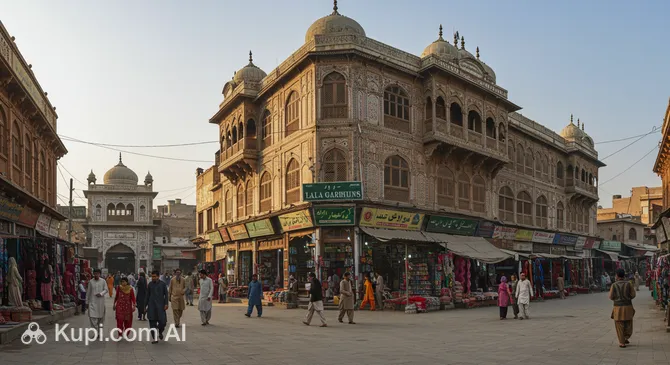
Clothing and textiles are among the best buys in the city. LaLa Garments is a well-known establishment frequented by locals for its extensive range of apparel. Whether you are looking for casual wear or formal traditional outfits like the shalwar kameez, this store provides a wide selection that reflects the local style trends.
LaLa Garments. Illustration.
Source: Kupi.com AI
Traveler photos:
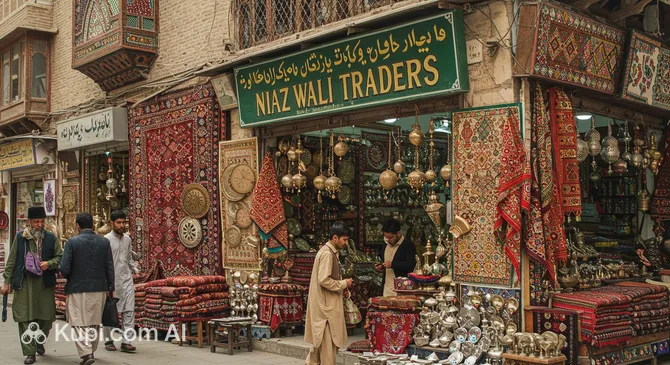
No shopping trip to Rawalpindi is complete without exploring the local food specialties, particularly dry fruits, which are a staple of the region. Niaz Wali Traders is a popular stop for premium quality nuts and dried fruits, such as pine nuts (chilgoza), almonds, and walnuts, often sourced from the northern valleys of Pakistan. It is an excellent place to purchase edible souvenirs to take home.
Niaz Wali Traders. Illustration.
Source: Kupi.com AI
Traveler photos:
When visiting the traditional bazaars, bargaining is an essential part of the process; shopkeepers often quote higher prices to visitors, so negotiating is expected and accepted. However, in modern malls and branded shops in Saddar, prices are generally fixed. Most markets open around 11:00 AM and remain bustling well into the night, with Sundays often seeing specialized street markets in certain areas.