Support

Chitral

About

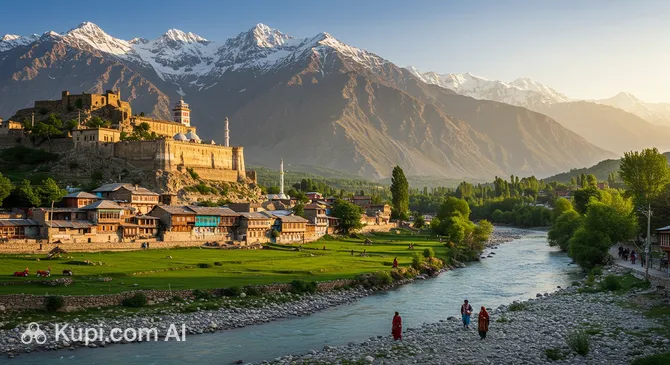
Nestled in the majestic Hindukush mountain range, Chitral is a place of breathtaking beauty and profound cultural heritage. This town serves as the capital of the Chitral District in the Khyber Pakhtunkhwa province of Pakistan. Known for its serene atmosphere and warm hospitality, it acts as a gateway to some of the most spectacular landscapes in the region, offering a perfect escape for nature lovers and adventurers alike.

Geographically, the town is situated on the western bank of the Chitral River, surrounded by towering peaks, including the magnificent Tirich Mir, the highest mountain of the Hindukush. With a population of approximately 31,100 inhabitants, it maintains a quaint and accessible charm despite its somewhat remote location. The climate here varies significantly, offering warm summers and cold, snowy winters, making the timing of your visit an important part of planning your journey.

For those interested in the past, the history of Chitral is deeply intertwined with ancient trade routes and the unique traditions of the local people. Visitors are often drawn to the iconic Chitral Fort and the elegant Shahi Masjid, which stand as testaments to the region's architectural legacy. Additionally, the town is the primary jumping-off point for exploring the famous Kalash Valleys, home to a distinct indigenous community known for their vibrant festivals and unique customs.

Chitral. Source: Kupi.Binoculars

Whether you are an adventure seeker looking to trek through rugged valleys or a culture enthusiast eager to explore ancient traditions, Chitral offers an unforgettable experience. Its blend of natural splendor and historical richness makes it a must-visit destination for any traveler venturing into the northern territories.

Weather Overview

The climate in this mountainous region is defined by its high altitude, resulting in generally low temperatures throughout the year. Visitors planning a trip should be aware that the weather remains quite cool even during the traditional summer months. For a more detailed breakdown of what to expect during your specific travel dates, you can check the weather in Chitral to pack accordingly.

Winters are long and intensely cold, with average temperatures dropping significantly below freezing. January is typically the coldest month, with averages around -13.9°C and lows plunging to -17.7°C. Even in the transition months of April and October, the air remains crisp and often frosty. Precipitation is light in volume, usually between 1mm and 5mm per month, but it occurs frequently, with wet conditions spread across 8 to 15 days each month.

The summer season offers a mild respite rather than intense heat. July is generally the warmest time of year, yet average temperatures hover around a moderate 14.2°C, with maximums rarely exceeding 20.1°C. Expect cool, pleasant summers with occasional light precipitation and freezing, dry winters that require heavy thermal clothing.

Interesting Facts

Beyond the main attractions and scenic valleys, Chitral holds fascinating secrets that reveal its unique character and deep-rooted traditions. From ancient sporting rivalries to mythical mountain inhabitants, the town offers plenty of intriguing stories for the curious traveler.

  • The "Game of Kings" at the Roof of the World: While polo is played globally, Chitral is famous for a "wild" version of the sport played at the Shandur Top, often cited as the highest polo ground in the world. Every summer, the town's best players compete against rivals from Gilgit in a freestyle match with almost no rules, a tradition that draws spectators to an altitude of over 3,700 meters.

  • Home of the Markhor: Just a short distance from the city center lies the Chitral Gol National Park, a sanctuary for the Kashmir Markhor. This magnificent spiral-horned goat is the national animal of Pakistan, and the park is one of the few places on Earth where they can be spotted in significant numbers, often venturing close to the town during winter.

  • Origin of the Pakol: The distinctive soft, round-topped woolen hat known as the Pakol is an iconic symbol of the region. Believed to have originated in or near Chitral, this "Chitrali cap" is hand-woven by local artisans and has become a fashionable and practical headwear choice across the entire country and beyond.

  • Legends of the Fairy Palace: Local folklore surrounding the towering Tirich Mir mountain suggests it is the domain of fairies and mythical creatures. Elders in the city often recount stories of the "Peri" (fairies) who guard the snowy peaks, adding a layer of mystical allure to the breathtaking views visible from the town.

How to Get There

Reaching Chitral involves navigating the spectacular mountainous terrain of northern Pakistan. While the journey can be long, the scenic views of the Hindukush range make it a memorable part of the experience. For a detailed breakdown of routes and transport options, you can read more about how to get to Chitral to plan your trip effectively.

The city of Chitral does not have a major international airport of its own; travelers typically fly into larger hubs in neighboring cities and continue by road. One of the closest options is Bacha Khan International Airport (PEW) in Peshawar, located approximately 208 km away. The ground transfer from there takes about 5 hours and 30 minutes by taxi or bus. Another significant gateway is Islamabad International Airport (ISB) in the capital city of Islamabad. Situated roughly 273 km from Chitral, the drive from this major hub takes approximately 7 hours and 10 minutes. For those exploring the northern regions, Gilgit Airport (GIL) in Gilgit is another regional option, about 230 km away, with a travel time of around 6 hours.

For clarity, here is a summary of the main airports in the wider region:

Airport Name City Passenger Traffic Km from City
Islamabad International Airport Islamabad Large 272.7
Kabul International Airport Kabul Medium 274.5
Bacha Khan International Airport Peshawar Medium 207.8
Gilgit Airport Gilgit Small 230.1
Faizabad Airport Fayzabad 180.8

If you prefer traveling by train, it is important to note that Chitral does not have a railway station due to its high-altitude location. The nearest major rail hub is Rawalpindi Railway Station (RWP), located in the city of Rawalpindi. This station is approximately 275 km away from Chitral. From Rawalpindi, you can hire a taxi or take a bus to complete the journey, which takes about 7 hours and 15 minutes.

Below is the information regarding the nearest railway station:

Station City Passenger Traffic Km to Center
Rawalpindi Railway Station Rawalpindi Large 275.2

Main Attractions

Chitral Fort is a defining landmark of the city, situated prominently on the banks of the Chitral River. Built in the 18th century and later restored, this historic fortification served as the seat of the Mehtars, the traditional rulers of the region. While the fort remains a private residence for the royal family, its commanding exterior architecture and the history embedded in its walls make it a captivating sight for visitors exploring the town center.

Standing adjacent to the fort is the elegant Shahi Masjid, a masterpiece of architecture commissioned in 1924 by Shuja-ul-Mulk. The mosque is renowned for its distinctive white marble construction and pinkish domes, which create a striking contrast against the dramatic backdrop of the Hindukush mountains. It serves as both a serene place of worship and a symbol of the area's rich Islamic heritage, drawing admirers of intricate craftsmanship.

For a deeper dive into local history, the Chitral Museum is an essential stop located near the famous Polo Ground. The museum houses fascinating galleries dedicated to the ethnology and archaeology of the wider valley, including unique artifacts from the Kalash culture. Visitors can view traditional jewelry, ancient weapons, and household items that offer valuable context to the diverse traditions that have shaped this remote district.

Although located a scenic drive away from the main town, the Kalash Valleys (Bumburet, Rumbur, and Birir) are a cultural treasure and a primary reason many travelers base themselves in Chitral. These valleys are home to the Kalash people, an indigenous community known for their vibrant attire, distinct language, and ancient customs. A day trip here offers a rare opportunity to witness a way of life that has remained unique for centuries.

Travelers seeking relaxation should visit Garam Chashma, situated approximately 45 kilometers northwest of the city. Famous for its natural hot sulphur springs, this site is believed to have healing properties and is a popular spot for unwinding amidst rugged nature. The area is also celebrated for its excellent trout fishing in the cold waters of the Lotkoh River, making it a perfect excursion for nature lovers and anglers.

Local Cuisine

The culinary landscape of Chitral is a distinct reflection of its mountain geography, offering flavors that are markedly different from the spicy cuisine typical of the rest of the country. The local food is characterized by its simplicity and reliance on organic ingredients, particularly dairy products like fresh butter, yogurt, and cheese, as well as dry fruits such as apricots and walnuts. Meals here are hearty and rich, designed to sustain locals through the harsh, cold winters.

One of the most celebrated dishes in the region is Ghalmandi, a savory treat that no visitor should miss. It consists of flatbread layered with a filling of cottage cheese, coriander, and chives, all brought together with a generous drizzle of melted butter and fragrant walnut oil. Another staple is Chitrali Pulao, a rice dish that is much milder than the spicy biryanis found in the south. It is typically cooked with tender beef or chicken and often features sweet undertones from carrots and raisins, showcasing a strong Central Asian influence. For a quick snack, look for Pushur Tikki, a traditional meat-filled patty or pie that is baked to perfection.

Tea culture is deeply ingrained in daily life here. The most traditional beverage is Chitrali Chai, a salty tea enriched with fresh butter. This pinkish, savory drink is a staple breakfast item, often dipped with local bread to provide energy for the day. Green tea is also widely popular and is usually served after meals. While alcohol is not consumed or sold in Chitral city due to religious and legal observances, the nearby indigenous communities of the Kalash Valleys have a centuries-old tradition of brewing their own organic grape wine, which is strictly associated with their unique cultural festivals.

Dining in Chitral is often a communal and hospitable experience. While there are several restaurants in the town center, the true flavor of the city is found in its bustling markets. The Shahi Bazaar is a hub for street food lovers, where vendors fry up sizzling Chapli Kebabs—large, flat minced meat patties mixed with tomatoes and coriander seeds—served hot with fresh naan. Whether you are eating at a local "Mehman Khana" (guest house) or a roadside stall, the food is always prepared with warmth and served with pride.

Travel Tips

Visiting Chitral is an adventure into the heart of the Hindukush, and while the region is incredibly welcoming, its remote nature requires a bit of extra preparation. To help you navigate the local customs and rugged terrain with ease, here are some practical tips to ensure your journey is as smooth as it is memorable.

  1. Clothing and Gear: The weather varies drastically by season, so packing layers is essential. For winter visits, bring heavy thermal wear, down jackets, and sturdy boots, as temperatures drop well below freezing. In summer, light cotton clothes are fine for the day, but you will still need a warm jacket for the evenings. Modesty is crucial here; both men and women should wear loose-fitting clothing that covers arms and legs to respect local cultural norms.

  2. Transportation: Within Chitral town, you can get around easily by walking or hiring local auto-rickshaws. However, to reach the scenic side valleys like the Kalash Valleys or Garam Chashma, a 4x4 Jeep is often necessary due to rough, unpaved roads. You can hire these from the main bazaar or ask your hotel to arrange one. Public transport (minivans) is available but can be crowded and slow.

  3. Finances: The local currency is the Pakistani Rupee (PKR). While there are ATMs in Chitral town (mostly near the main bazaar), they can frequently be out of cash or service due to connectivity issues. It is highly recommended to carry sufficient cash for your entire stay, especially when venturing into the valleys where digital payments are non-existent.

  4. Health and Safety: Chitral is generally safe for tourists, but the terrain can be challenging. Always drink bottled or boiled water to avoid stomach issues. There is a District Headquarters Hospital in the city for emergencies, but pharmacies may not carry specific international brands, so bring a personal medical kit. Be mindful of altitude sickness if you plan to trek to higher elevations.

  5. Communication: The primary local language is Khowar, though Urdu is widely understood. English is spoken by hotel staff and tour guides but less so by the general public. Mobile signals can be patchy; networks like Telenor or the government-run SCOM often provide better coverage in these northern areas than other carriers. Purchasing a local SIM card upon arrival in Pakistan is advisable.

  6. Local Etiquette: The people of Chitral are known for their politeness. A common greeting is "Assalam-o-Alaikum" (Peace be upon you), often accompanied by placing your right hand over your heart. When visiting homes, always remove your shoes before entering. If you visit the Kalash Valleys, ask for permission before entering their temples or photographing their religious rituals.

  7. What to Avoid: Strictly avoid taking photographs of local women without explicit permission, as this is considered highly offensive in this conservative society. Also, refrain from wearing shorts or sleeveless tops in public areas, as this attracts unwanted attention and is seen as disrespectful.

  8. Power Supply: Load shedding (planned power outages) is a common occurrence in this region. It is a smart idea to carry a high-capacity power bank to keep your phone and camera charged, and perhaps a small flashlight or headlamp for navigating streets or hotel rooms during blackouts.

By keeping these practicalities in mind, you can focus on soaking in the majestic views and the rich cultural tapestry of the region. A trip to Chitral is a step back into a simpler, more rugged way of life, and coming prepared allows you to embrace every moment of this unique experience.

Entertainment & Nightlife

Nightlife in Chitral is a world away from the bustling clubs and neon-lit bars found in cosmopolitan cities. In this conservative and culturally rich mountain town, the evenings are defined by serenity, starry skies, and communal dining rather than loud music or dance floors. Alcohol is not sold or served publicly in the city, so the local "nightlife" revolves around tea houses, late-night eateries, and the peaceful ambiance of the river valley. The pace here is slow, offering a chance to unwind and connect with fellow travelers or locals over steaming cups of chai.

The heart of evening activity is undoubtedly the Shahi Bazaar. As the sun sets, this market area remains lively for a while, filled with the aroma of freshly baked naan and sizzling meats. It is the best place to witness the local culture, where men gather at traditional "Chai Khanas" (tea houses) to discuss politics and daily life. For visitors, grabbing a seat at one of these spots to enjoy green tea or the salty local butter tea is the quintessential Chitrali evening experience. The crowd is predominantly male in the open streets, so female travelers often prefer dining in the family sections of restaurants or within their hotels.

For a more refined evening, the Chitral Serena Hotel offers a wonderful atmosphere. It is one of the few places where you might experience live traditional music, featuring the soulful sounds of the Chitrali Sitar. Their outdoor BBQ nights in the garden are popular, allowing guests to dine under the stars while surrounded by fruit trees. Another excellent spot is the Pamir Riverside Hotel, located near the river banks. It provides a tranquil setting where you can enjoy local trout and listen to the rushing waters of the Chitral River, making it a perfect location for a quiet, romantic dinner.

When planning a night out, keep in mind that the town goes to sleep relatively early. Most shops close by 9:00 PM or 10:00 PM, though some restaurants stay open a bit longer. Dress warmly, as temperatures drop sharply after dark, even in summer. It is also essential to carry a flashlight or headlamp, as street lighting can be sporadic and load shedding (power outages) is common. Taxis are not readily available late at night on the streets; it is safer and more reliable to arrange transport through your hotel or hire a driver for the evening if you plan to venture far from your accommodation.

While the nights are for relaxation, the daylight hours offer their own form of entertainment. Before the sun goes down, visitors can explore the rich heritage of the region at the Chitral Museum or watch a local match at the Polo Ground. These daytime activities provide the cultural context that makes the quiet, reflective evenings in Chitral feel so rewarding.

Parks & Museums

Chitral is a destination where the boundaries between the city and the wild are beautifully blurred. While you will not find manicured botanical gardens typical of large metropolises here, the town is surrounded by some of the most spectacular natural sanctuaries in Pakistan. Complementing this natural splendor are cultural institutions and historical sites that guard the legacy of the Hindukush, offering visitors a profound insight into the region's unique identity.

Chitral Gol National Park is the crown jewel of the area's natural spaces. Located just a short drive from the town center, this rugged park encompasses a narrow valley flanked by steep, rocky cliffs. It is world-renowned as a sanctuary for the Kashmir Markhor, a wild goat species with distinctive spiral horns. The park is also home to snow leopards, wolves, and golden eagles, making it a premier destination for wildlife enthusiasts. Even for those not trekking deep into the reserve, the lower reaches offer fresh mountain air and stunning views of the surrounding cedar forests.

For a panoramic perspective of the valley, Birmoghlasht serves as a perfect high-altitude retreat. Situated on a plateau overlooking the city, this area was once the summer residence of the Mehtars (rulers) of Chitral. The ruins of the summer palace still stand here, surrounded by towering trees and grassy slopes. It functions as a natural park where locals and tourists alike come to enjoy picnics, particularly in the summer when the cool breeze offers a refreshing escape from the heat of the lower valley.

The cultural heart of the city is undoubtedly the Chitral Museum. Located near the famous Polo Ground, this institution houses an impressive collection that chronicles the ethnology and archaeology of the district. Inside, visitors can explore galleries dedicated to the ruling family's history, featuring ancestral weapons, intricate jewelry, and traditional embroidered robes. A significant section is also devoted to the Kalash community, displaying their unique wood carvings, musical instruments, and attire, providing valuable context before one visits the valleys themselves.

Dominating the cityscape is the Chitral Fort, a historic structure that serves as a living museum of the region's royal past. Although it remains a private property, its massive walls and towers tell the story of the Siege of Chitral in 1895. Adjacent to it stands the Shahi Masjid (Royal Mosque), an architectural marvel built in the 1920s. Its white marble facade and distinctive pinkish domes set against the backdrop of the Tirich Mir mountain create one of the most photogenic scenes in the city, blending Islamic architecture with the raw beauty of the mountains.

For a truly authentic experience, head towards the Toshi Game Reserve along the Garam Chashma road in the late afternoon. Unlike the more arduous trek required for Chitral Gol, this area allows you to spot large herds of Markhor descending from the cliffs to the riverbank right from the roadside. It is a rare opportunity to witness elusive wildlife without needing specialized hiking gear.

Getting Around

Public transport in Chitral is fundamentally different from the structured systems found in large metropolitan areas. There is no metro, tram, or large municipal bus network here. Instead, the city relies on a decentralized and informal system of road transport designed to navigate the narrow streets and rugged mountain terrain. For getting around the main town center and immediate suburbs, the most common mode of transport is the auto-rickshaw (often called a "Qingqi"). These three-wheeled vehicles are ubiquitous, affordable, and perfect for short hops between the bazaar, hotels, and the river banks.

For travel beyond the city limits to the surrounding valleys, such as the famous Kalash Valleys or Garam Chashma, the primary form of public transport is the 4x4 Jeep. In this mountainous region, these sturdy vehicles function essentially as shared minibuses. They are a unique feature of the local transport ecosystem, often modified to carry passengers and cargo over unpaved, steep roads that standard buses cannot traverse. You will also find Toyota Hiace vans operating on smoother inter-district routes, connecting the city to other major towns in the province.

The payment system is entirely cash-based; do not expect to use travel cards, apps, or contactless payments. Fares are generally very low and are paid directly to the driver or a conductor at the end of the journey. For auto-rickshaws within the city, it is advisable to agree on a price before hopping in, as they rarely use meters. For the shared Jeeps and vans, prices are typically fixed for specific destinations, though they can fluctuate slightly depending on fuel prices and road conditions.

Tourists should be aware that there is no central "station" with digital display boards. Instead, transport operates from specific "Addas" (stands) located around the main bazaar and the Ataliq Bridge area. Each destination (e.g., Bumburet, Booni, Mastuj) has its own designated stand. A critical piece of advice is that these vehicles usually operate on a "fill-and-go" basis rather than a strict timetable. They depart only when every seat is occupied, which can sometimes mean a wait of an hour or more. To ensure a seat and a timely departure, it is best to arrive at the stand early in the morning, ideally between 7:00 AM and 9:00 AM.

If you prefer more comfort and flexibility, private taxis are available, though they are often standard cars or private Jeeps rather than marked cabs. You can hire a "special" (private) Jeep for a day trip to the valleys, which allows you to stop for photos and travel at your own pace, though this costs significantly more than the shared option. Additionally, the town center is compact enough that walking is a viable and pleasant alternative for exploring local markets and nearby historical sites.

Accommodation

Accommodation in Chitral caters to a variety of travelers, ranging from backpackers seeking simple lodgings to those looking for comfort amidst the mountains. The options are generally more limited than in major metropolitan areas, but what they lack in quantity, they often make up for in hospitality and scenic locations. The primary choices include locally run guesthouses, mid-range hotels, and a few high-end heritage properties that offer a touch of luxury.

For most visitors, the most convenient area to stay is near the Shahi Bazaar and the town center. Staying here places you within walking distance of the main attractions like the Chitral Fort and the Polo Ground, as well as local transport hubs. Alternatively, travelers seeking tranquility often prefer hotels located along the banks of the Chitral River. These spots offer mesmerizing views of the water and the distant Tirich Mir peak, providing a peaceful retreat after a day of exploring.

Among the most notable establishments is the Chitral Serena Hotel, which stands out as the premier luxury option in the valley. Built with traditional architecture and set within lush gardens, it offers a unique blend of local culture and modern comfort. For those looking for a balance between cost and scenery, the Pamir Riverside Hotel is a well-known choice, celebrated for its location right next to the rushing river. There are also numerous budget-friendly "Mehman Khanas" (guest houses) that offer basic amenities and a chance to experience authentic local hospitality.

When planning your trip, it is crucial to consider the season. During the summer months, especially around the time of the famous Shandur Polo Festival in July, accommodation can be fully booked weeks in advance. It is highly recommended to secure your room well ahead of time if you plan to visit during this peak window. In winter, while crowds are thinner, some smaller guesthouses may close due to the cold, so always confirm availability beforehand.

Regarding costs and booking methods, prices in Chitral are generally reasonable. Budget options can be very affordable, while the top-tier hotels charge rates comparable to major cities. While the larger hotels appear on major online booking platforms, many smaller guesthouses and mid-range hotels still rely on direct telephone bookings. Furthermore, credit card facilities are limited to a few major establishments; carrying sufficient cash is essential to settle your bills at most places.

Nearby Cities

For those looking to explore the surroundings, Chitral serves as an excellent base for day trips to several interesting nearby locations:

City Population Distance (km)
Peshawar 1,970,042 205
Saidu Sharif 1,860,310 133
Mardan 358,604 185
Mingaora 279,914 131
Chilas 214,000 214

While the mountainous terrain of Khyber Pakhtunkhwa can make travel times longer than the distances suggest, the neighboring Swat Valley offers remarkable destinations for those willing to venture further. Mingaora, the commercial heart of the Swat District, is a bustling hub known for its vibrant bazaars and proximity to the famous emerald mines. It serves as a lively contrast to the quieter atmosphere of the high mountains and offers a variety of shopping and dining options.

Adjacent to Mingaora lies Saidu Sharif, the administrative capital of the region. This city is a treasure trove for history enthusiasts, home to the renowned Swat Museum which houses an extensive collection of Gandhara art. Visitors can also explore the nearby Butkara Stupa, an ancient Buddhist site that dates back to the Mauryan period, providing a fascinating glimpse into the area's rich archaeological heritage.

These nearby destinations offer a glimpse into the diverse culture and landscapes of the region.

Shopping & Souvenirs

Shopping in Chitral offers a delightfully authentic experience that is far removed from the polished aisles of modern department stores. Instead of global fashion chains and high-end luxury brands, visitors will find a vibrant local economy centered around traditional craftsmanship, regional produce, and practical mountain gear. The shopping scene here is an immersion into the local culture, where every purchase often comes with a story and a warm interaction with the shopkeeper.

The commercial life of the city revolves almost entirely around the bustling Shahi Bazaar. This main thoroughfare stretches through the heart of the town and serves as the primary destination for both locals and tourists. Walking through its narrow, energetic streets, you will find a chaotic yet charming mix of vendors selling everything from fresh vegetables and spices to colorful fabrics and hardware. Ataliq Bazaar is another key area connected to the main market, known for its busy atmosphere and variety of general stores.

Travelers should be aware that Chitral does not have large, Western-style shopping malls. The retail landscape is dominated by small, family-owned shops and open-fronted stalls. While there are a few multi-story shopping plazas, these are modest collections of independent retailers rather than the entertainment-and-retail complexes found in major cities like Islamabad or Lahore. The charm here lies in exploring the nooks and crannies of the traditional marketplaces rather than browsing window displays.

Markets in Chitral are not just places to buy goods; they are social hubs. The main bazaar acts as a comprehensive market where you can find excellent local food products. The region is famous for its high-quality dry fruits, particularly walnuts, dried apricots, and mulberries, which are sold in bulk and make for healthy, portable snacks. You may also stumble upon vendors selling semi-precious stones, as the surrounding mountains are rich in minerals, though buying gems requires a bit of expertise to ensure authenticity.

When it comes to souvenirs, the city is renowned for its unique woolen handicrafts. The most iconic item to buy is the Pakol, a soft, round-topped woolen hat that has become a symbol of the region. Another prized possession is the Chitrali Chugha, a long, hand-embroidered robe traditionally worn by men, which showcases exquisite local needlework. You can also purchase lengths of Shu (or Patti), a thick, hand-spun woolen fabric that is incredibly warm and durable, perfect for making winter coats or jackets.

Store hours in Chitral generally follow a traditional schedule. Most shops open around 10:00 AM and close by 8:00 PM or 9:00 PM. It is important to note that Friday is the Muslim holy day; while many shops remain open, they may close for an extended lunch break during the congregational prayers (Jummah) in the early afternoon. As for payment, cash is king. Credit cards are rarely accepted, except perhaps at the very top-tier hotels. Visitors should ensure they carry sufficient Pakistani Rupees (PKR) when heading out to shop, as small vendors will not have card machines.

Tax-free shopping or VAT refund schemes for tourists are not available in Chitral. The prices you see are generally final, although mild bargaining is acceptable and even expected in the bazaars, especially when purchasing handicrafts or souvenirs. Approaching negotiations with a smile and a polite attitude will often result in a fair price and a friendly exchange.
Reached the end of the page?

That means the route is fully explored