Support

Fayzabad

About

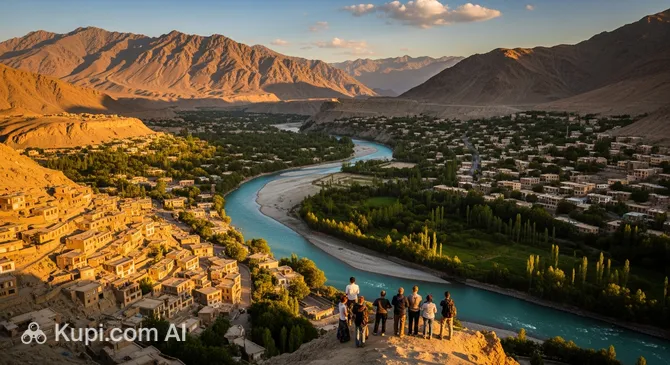
Welcome to Fayzabad, the provincial capital of the Badakhshan Province and a fascinating destination tucked away in the northeastern corner of Afghanistan. Situated in a deep valley carved by the swift waters of the Kokcha River, this city serves as a vital commercial and administrative hub for the region. With a population of approximately 64,000 residents, it offers a unique blend of rugged mountain beauty and vibrant local culture, providing a glimpse into the traditional way of life in this part of the world.

The city is renowned for its scenic location, surrounded by imposing peaks that create a dramatic backdrop for the settlement. The climate here is generally continental, with cold winters and warm summers, making the lush greenery along the riverbanks particularly striking during the warmer months. Visitors interested in the history of Fayzabad will discover a city that has long served as a key trading post, connecting remote mountain communities with the wider region. Its strategic position has historically made it a melting pot of various cultures and traditions found along the ancient trade routes.

Fayzabad. Source: Kupi.Binoculars

Travelers to Fayzabad are often drawn to its lively bazaars, where local artisans and traders gather to sell goods ranging from fresh produce to handcrafted items. The Kokcha River itself is a central feature, offering picturesque views and a refreshing atmosphere. The city acts as a gateway for adventurers looking to explore the stunning landscapes of the Pamir Mountains and the Wakhan Corridor, making it an essential stop for those venturing into the high-altitude wilderness. Whether you are passing through on an expedition or staying to soak in the local atmosphere, Fayzabad offers a memorable experience of hospitality and natural grandeur.

Weather Overview

The climate in Fayzabad is generally continental, characterized by distinct seasonal changes that range from freezing winters to pleasantly warm summers. Travelers should be prepared for cold conditions early in the year, while the summer months offer a much drier and milder atmosphere suitable for exploring the outdoors. To help you plan your trip effectively, you can check the detailed forecast and trends for the weather in Fayzabad.

Winter is the coldest season, with January seeing average temperatures drop to -7.4°C and minimums reaching as low as -13.3°C. Spring brings a rise in temperature but also marks the wettest period of the year; May, for example, typically experiences around 17 wet days. In contrast, summer is quite dry and warm, with July average highs reaching 26.8°C and almost no precipitation, making it an ideal time for visiting the region's natural attractions.

Interesting Facts

Beyond the bustling bazaars and scenic river views, Fayzabad holds several fascinating secrets rooted in ancient history and legend. This city, often seen merely as a transit point, possesses a rich heritage that has influenced art and culture far beyond its borders.

  • The Resting Place of the Sacred Cloak: For nearly a century, Fayzabad was the home of one of Islam's most revered relics, the Cloak of the Prophet Muhammad (Khirqa Sharif). It was brought to the city in the late 17th century and housed in a special shrine until 1768, when Ahmad Shah Durrani, the founder of the modern Afghan state, took it to Kandahar, where it remains today.

  • Source of the Pharaohs' Blue: The city serves as the primary trading hub for the nearby Sar-i-Sang mines, which have been the world's premier source of Lapis Lazuli for over 6,000 years. The intense blue stones traded through Fayzabad were used in the funeral mask of King Tutankhamun in Ancient Egypt and were ground down to create the ultramarine pigment used by Renaissance painters like Michelangelo.

  • Marco Polo's Recovery: The famous Venetian explorer Marco Polo visited the Badakhshan region around 1275 and wrote extensively about its unique qualities. He claimed that the clean mountain air and the local climate were so restorative that they cured him of a lingering illness after he had suffered for a year, cementing the region's historical reputation as a place of healing.

How to Get There

Reaching this remote provincial capital requires some planning, as it is situated in a mountainous region of Afghanistan. However, there are specific transport hubs that serve the area. You can find more details about how to get to Fayzabad and the available routes on our dedicated page.

The most convenient option for air travel is the local Faizabad Airport (IATA: FBD), which is located directly in the city, just 4 km from the center. A taxi ride from here to the heart of the city typically takes about 26 minutes. While this airport handles local connections, travelers coming from further afield might consider regional hubs across the border, though this involves overland travel. For instance, Kulyab Airport (IATA: TJU) is located in the city of Kulob, approximately 118.6 km from Fayzabad. The journey from there by road would take roughly 3 hours and 20 minutes, excluding border crossing times. Another significant option is Dushanbe Airport (IATA: DYU) in Dushanbe, situated about 220.9 km away, with a travel time of around 6 hours by car.

For clarity, here is a summary of the main airports:

Airport Name City Passenger Traffic Km from City
Dushanbe AirportDushanbeLarge220.9
Kulyab AirportKulobMedium118.6
Termez AirportTermezMedium289.0
Qurghonteppa International AirportBokhtarSmall171.9
Faizabad AirportFayzabad4.0

The city of Fayzabad does not have its own railway station, and train travel in the immediate region is not a primary mode of transport. However, there are railway stations in neighboring regions that can serve as transit points for part of a longer journey. You can arrive at the Danghara Railway Station in the city of Danghara, which is about 154.2 km from Fayzabad. From there, you can get a taxi or bus, which takes about 4 hours and 15 minutes. Alternatively, the Vakhsh Railway Station in Levakant is approximately 180.8 km away, requiring a road trip of roughly 5 hours to reach Fayzabad.

Below is a list of the nearest railway stations:

Station City Passenger Traffic Km to Center
Dushanbe-1 Railway StationDushanbeLarge223.5
Danghara Railway StationDangharaSmall154.2
Vakhsh Railway StationLevakantSmall180.8
Yavan Railway StationLohur194.8
Vahdat StationVahdat209.3

Main Attractions

Fayzabad serves as the primary gateway to the stunning Badakhshan region, and while it is often viewed as a transit point for expeditions into the Wakhan Corridor, the city itself possesses a rugged charm and several sites of interest. The settlement is defined by its dramatic geography and deep-rooted history as a trading post, offering visitors a chance to witness the authentic rhythm of life in northeastern Afghanistan.

The most striking natural feature of the city is the Kokcha River, which slices through the valley with its swift, turquoise waters. This river is not only the lifeblood of the local agriculture but also a scenic highlight that contrasts beautifully with the arid, brown mountains rising steeply on either side. Walking along the riverbanks provides a refreshing escape and a perfect vantage point to observe local fishermen and the traditional architecture of houses clinging to the cliffs. The sound of the rushing water accompanies you throughout the city, adding to its atmospheric appeal.

For a taste of local culture and commerce, the Fayzabad Bazaar is an essential stop. As a historic hub on the Silk Road, this market continues to be a vibrant center where traders from remote mountain villages gather to sell their goods. Visitors can find everything from fresh local produce and wool to the region's famous gemstones. The bazaar is particularly renowned for Lapis Lazuli, the deep blue stone mined in the nearby mountains of Sar-i-Sang; you can often find raw or polished stones being traded here, continuing a tradition that dates back thousands of years.

Although the famous relic is no longer present, the history of the Shrine of the Sacred Cloak remains a significant part of the city's identity. Fayzabad, meaning "Abode of Divine Bounty," received its name when the Cloak of the Prophet Muhammad was brought here in the 17th century. While the cloak was later moved to Kandahar, the legacy of that era lingers in the city's spiritual importance and its historical mosques. Exploring the older quarters reveals traditional mud-brick structures and shrines that whisper tales of the city's pious and prosperous past.

Surrounding the city, the majestic Hindu Kush Mountains offer breathtaking vistas and opportunities for short treks. Fayzabad sits in a deep valley, and hiking up the nearby hills rewards travelers with panoramic views of the city layout, the winding river, and the distant, snow-capped peaks. For adventurous souls, these slopes are the first step into the wild, untouched beauty of Badakhshan, making the city the perfect base camp for planning further explorations into the high-altitude wilderness.

Local Cuisine

The local cuisine of Fayzabad is a hearty reflection of Badakhshan’s rugged mountain terrain and traditional Afghan hospitality. Food here is designed to provide sustenance and warmth, featuring fresh, locally sourced ingredients like lamb, rice, and dairy products. The culinary scene is less about fine dining restaurants and more about authentic, home-cooked flavors served in bustling bazaars and traditional tea houses.

One of the main dishes you must try is Pulao (often called Kabuli Pulao), which is considered the national dish of Afghanistan. In Fayzabad, this fragrant rice dish is typically cooked with tender chunks of lamb or mutton, sweet carrots, and raisins, offering a perfect balance of savory and sweet flavors. Another local favorite is Mantu, steamed dumplings filled with spiced minced meat and onions. These are usually topped with a rich tomato sauce and a drizzle of chaka (strained yogurt) or quroot (dried whey), garnished with dried mint for a refreshing finish.

Street food culture is vibrant in the city, particularly around the main bazaar. Here, you can find Bolani, a delicious fried flatbread stuffed with potatoes, leeks, or pumpkin, often served with a spicy green chutney. It is a popular snack for locals on the go. For a comforting meal, look for Shorwa, a traditional meat and vegetable soup that is often eaten by dipping pieces of fresh naan bread into the broth. The bread itself, baked in clay tanners, is a staple at every meal and is renowned for its freshness and taste.

When it comes to drinks, tea (Chai) is the undisputed king of beverages and the center of social life. Green tea, often flavored with cardamom, is served ubiquitously as a sign of welcome and hospitality. Black tea is also common, usually taken with plenty of sugar. Visitors should be aware that alcohol is strictly prohibited in Fayzabad, as in the rest of the country, and is not available in local establishments. Instead, meals are accompanied by water, tea, or sometimes Dogh, a savory yogurt-based drink mixed with mint and cucumber, which is particularly refreshing during the warmer months.

Dining in Fayzabad is often a communal experience centered around the Chaikana (tea house). These establishments serve as social hubs where locals gather to exchange news, relax, and eat. In a traditional Chaikana, you will likely sit on a toshak (floor cushion) around a low table or on a raised platform known as a takht. This style of dining invites you to slow down and enjoy the meal in a relaxed, informal atmosphere, offering a true taste of the region's culture.

Travel Tips

Visiting Fayzabad offers a rare glimpse into the authentic culture of the Badakhshan region, but traveling to this remote part of the world requires careful preparation and respect for local customs. To help you navigate your journey smoothly, here are some practical tips designed to ensure a safe and culturally immersive experience.

  1. Clothing and Gear: Modesty is paramount in Fayzabad. Men should wear long trousers and shirts, avoiding shorts entirely. For women, loose-fitting clothing that covers the arms and legs, along with a headscarf, is essential to respect local norms. Since the weather can change rapidly in this mountainous region, bring versatile layers. A warm jacket is necessary even in spring and autumn, and sturdy, closed-toe walking shoes are a must for navigating the unpaved paths and rocky terrain.

  2. Transportation: Public transport in the Western sense does not exist here. The most common way to get around is by shared taxis or private hire cars. For travel outside the city or into the surrounding valleys, a 4x4 vehicle is highly recommended due to the rugged road conditions. It is advisable to arrange transportation through a trusted local guide or your accommodation rather than hailing random vehicles on the street.

  3. Finances: Fayzabad operates almost exclusively on a cash economy. The local currency is the Afghani (AFN). International credit cards are virtually useless here, and ATMs are unreliable for foreign cards. Bring sufficient cash in US Dollars or Euros, which can be exchanged at the local sarrafi (money changers) in the bazaar. Ensure your bills are crisp and new, as damaged notes are often rejected.

  4. Health and Safety: Medical facilities are limited, so it is crucial to bring a comprehensive first-aid kit and any prescription medications you need. Pharmacies are available in the city center but may not stock specific international brands. Always drink bottled or purified water and avoid tap water. In terms of safety, stick to well-traveled areas, avoid walking alone at night, and always follow the advice of your local host or guide regarding which areas are safe to visit.

  5. Communication: The primary language spoken is Dari, often with a distinct local dialect. English is not widely spoken outside of a few educated professionals or those in the tourism sector. Learning basic phrases like Salaam (Hello) and Tashakur (Thank you) will go a long way in building rapport. Purchasing a local SIM card (such as Roshan or Etisalat) in the bazaar is recommended for connectivity, though internet speeds may be slow.

  6. Local Etiquette: Greetings are formal and important. When meeting someone, place your right hand over your heart and nod slightly while saying "Salaam Alaykum." Men should wait for a woman to extend her hand first; if she does not, a nod and hand over the heart is the appropriate greeting. Always remove your shoes before entering a home or a mosque, and never point the soles of your feet at anyone when sitting.

  7. What to Avoid: strictly avoid taking photographs of people, especially women, without explicit permission. It is considered highly offensive and can lead to serious misunderstandings. Additionally, refrain from photographing government buildings, military checkpoints, or bridges. Public displays of affection are culturally inappropriate and should be avoided entirely.

  8. Bazaar Wisdom: Friday is the holy day, and many shops in the bazaar may be closed or have reduced hours. If you plan to buy souvenirs like the famous local Lapis Lazuli, be prepared to haggle politely. It is part of the culture and is expected; start by offering a lower price than asked and work your way to a mutually agile amount with a smile.

By keeping these tips in mind, you will be well-equipped to navigate the unique challenges and rewards of visiting Fayzabad. Approach your travels with patience and an open heart, and you will find that the hospitality of the Badakhshani people makes the journey truly unforgettable.

Entertainment & Nightlife

Travelers visiting Fayzabad should be aware that the concept of nightlife here differs significantly from Western standards. Due to cultural norms and strict regulations in Afghanistan, there are no nightclubs, bars, discos, or venues serving alcohol. Instead, evening entertainment is a much more subdued and traditional affair, centered around dining, socializing in tea houses, and enjoying the natural ambiance of the valley. The "nightlife" is characterized by warm hospitality, lively conversations over hot beverages, and the savory scents of street food wafting through the cool mountain air.

The social heart of the city in the evenings is undoubtedly the local Chaikhana (Tea House). These establishments function similarly to pubs or cafes in other parts of the world, serving as the primary gathering spots for locals to relax after a day's work. The atmosphere is casual and communal, often featuring raised platforms with cushions where guests sit cross-legged. Here, you can enjoy endless pots of green or black tea (Chai) and engage in conversation. The dress code is conservative; men should wear long trousers and shirts, and while foreign women are treated with respect, these venues are traditionally male-dominated spaces.

For those looking for activity after sunset, the areas along the Kokcha River offer a pleasant setting. In the warmer months, the riverbanks become a popular place for an evening stroll. The sound of the rushing water provides a soothing backdrop, and you will often find locals enjoying the fresh air. Another hub of activity is the Fayzabad Bazaar. While many retail shops close around dusk, food stalls and specific sections remain active into the early evening, offering a chance to sample fresh kebabs or grilled corn under the glow of simple lights.

Dining out constitutes the main form of evening entertainment. Restaurants in the Shahr-e Naw (New City) district typically stay open later than regular shops. These venues offer a safe and welcoming environment to try local dishes like Mantu or Kabuli Pulao. Prices are generally very affordable, with a hearty meal costing only a few dollars. It is advisable to head out for dinner between 7:00 PM and 9:00 PM, as most places begin to wind down by 10:00 PM. Since there is no public transport at night, you should arrange a taxi through your hotel or have a trusted driver on call to return to your accommodation safely.

Safety is a crucial consideration for night activities in Fayzabad. The streets are not well-lit, and power outages can occur. It is highly recommended to avoid walking alone in unlit areas or on the outskirts of the city after dark. Stick to the main streets where there are people and lights. Always carry a flashlight and ensure you have arranged reliable transport before leaving your hotel.

During the daylight hours, entertainment options expand to include cultural and outdoor activities. Visitors can explore the bustling market lanes to hunt for semi-precious stones or take short hikes up the surrounding hills for panoramic views of the city. While there are no large amusement parks or modern theaters, the city's charm lies in its raw, authentic culture and the stunning natural beauty that surrounds it.

Parks & Museums

While Fayzabad may not boast the manicured botanical gardens or sprawling museum complexes found in larger metropolises, its cultural and natural offerings are deeply rooted in its dramatic landscape and ancient history. The city's "green spaces" are wild and scenic, defined by the rushing river and imposing mountains, while its cultural heritage is preserved in historic sites and the living traditions of its people rather than in glass display cases.

The most significant natural recreational area in the city is the Kokcha Riverbanks. While not a formal park with gates and tickets, the areas along the river serve as the community's main gathering space. In the late afternoons and on weekends, locals flock to the grassy verges and rocky outcrops to enjoy picnics, play music, and cool off by the turquoise waters. The contrast between the vibrant blue water and the arid mountains creates a stunning natural environment that offers visitors a relaxing place to walk and observe local life.

For those seeking a more immersive nature experience, the Surrounding Hills and Slopes function as a vast, open-air park. Several trails lead up from the city center into the foothills of the Hindu Kush. These areas are popular for short hikes, especially in the spring when wild tulips and poppies bloom, covering the slopes in splashes of color. Reaching the higher vantage points offers not only fresh mountain air but also a spectacular panoramic view of the valley and the city layout below, making it a favorite spot for photographers and nature lovers.

In terms of formal cultural institutions, the Badakhshan Provincial Museum is the primary repository of the region's history. Although modest in size, it is significant for its collection of artifacts that trace the area's importance as a Silk Road trading hub. Visitors can expect to see displays regarding the region's geological wealth, particularly samples of the world-famous Lapis Lazuli that has been mined nearby for millennia, as well as ethnographic items that showcase the traditional clothing, tools, and jewelry of the diverse ethnic groups inhabiting the province.

Another key venue for understanding the local intellectual heritage is the Badakhshan Public Library. While primarily a resource for residents, it serves as a cultural center where one can appreciate the region's deep respect for poetry and literature. The library occasionally hosts cultural events and houses a collection of manuscripts and books that reflect the Persian literary traditions which are held in high esteem in this part of Afghanistan. It provides a quiet, contemplative atmosphere for those interested in the scholarly side of the city.

The city's historical depth is best experienced at the site of the Shrine of the Sacred Cloak (Ziarat-e Khirqa Sharif). This location is the historical heart of Fayzabad, marking the spot where the Prophet Muhammad’s cloak was housed for nearly a century before being moved to Kandahar. The architecture of the current mosque and shrine complex, with its intricate tile work and peaceful courtyard, stands as a testament to the city's spiritual significance. It remains a place of pilgrimage and quiet reflection, offering insight into the religious devotion that shaped the city's identity.

For a glimpse into the defensive history of the region, the remnants of the Old Fortifications visible on the strategic high points around the city are worth noting. These crumbling mud-brick structures whisper tales of a time when local emirs guarded the trade routes against invaders. exploring these ruins provides a tangible connection to the past and offers a rugged, authentic sightseeing experience distinct from restored tourist sites.

Insider Tip: For a truly authentic "living museum" experience, spend an hour at a traditional Gemstone Workshop near the bazaar. Unlike a formal gallery, these small workshops allow you to watch artisans cutting and polishing raw Lapis Lazuli and emeralds using techniques passed down through generations. It is a unique opportunity to see the process behind the region's most famous export up close and perhaps engage with the craftsmen about their trade.

Getting Around

The public transport system in Fayzabad is informal and quite different from what travelers might be used to in major international cities. There is no metro, tram, or municipal bus network with numbered routes and fixed schedules. Instead, the city relies on a fluid network of shared taxis and minibuses. These vehicles, often Toyota Corollas or small vans, ply the main roads and serve as the primary means of transit for locals. They follow general routes connecting the city center, the bazaar, and outlying residential areas, picking up and dropping off passengers along the way.

When it comes to payment, cash is the only accepted method. There are no travel passes, smart cards, or mobile apps for transport here. Fares are generally fixed for standard routes within the city and are very affordable. You pay the driver directly, usually at the end of your journey. It is highly recommended to carry small denominations of the local currency, as drivers frequently do not have enough change for high-value banknotes. Prices for a seat in a shared taxi are nominal, while hiring the entire vehicle will cost significantly more.

For tourists, using this system requires a bit of confidence and local knowledge. Since there are no marked bus stops or timetables, you simply stand at the side of the road and wave to flag down a passing vehicle. State your destination—usually a major landmark or district name—through the window. If the driver is heading that way and has space, you can hop in. Transport operates primarily during daylight hours, starting shortly after sunrise and winding down rapidly after sunset. It is advisable to complete all your travel before dusk, as finding public transport at night is difficult and less safe.

If you prefer more comfort and privacy, the main alternative is to hire a private taxi. This essentially involves chartering a standard taxi for your exclusive use. You must negotiate the fare with the driver before getting into the car. This option is popular for visitors as it allows for stops along the way and eliminates the crowding of shared vehicles. Services like car-sharing apps, bike rentals, or self-drive car rentals are not available in the city, so relying on a hired driver or walking are the best ways to get around.

A distinctive feature of local transport is the presence of three-wheeled motorized rickshaws, often called zaranj. While frequently used for transporting cargo, they also serve as cheap taxis for short distances, especially on narrower streets where larger cars struggle to maneuver. They offer a very open and breezy ride, providing a closer look at the street life, though they lack the comfort and suspension of a standard car.

Accommodation

Accommodation options in Fayzabad are reflective of its status as a remote provincial capital; travelers should adjust their expectations to find simple, functional, and hospitable lodgings rather than international luxury standards. The city does not host major global hotel chains or high-end resorts. Instead, the hospitality sector is dominated by locally run guesthouses, known as mehman saras, and modest hotels that cater primarily to NGO workers, traders, and the occasional adventurous tourist. These establishments offer a genuine connection to the local culture, often featuring traditional Afghan decor and warm service.

The most convenient area to stay is in the Shahr-e Naw (New City) district, which serves as the modern commercial heart of Fayzabad. Staying here places you within walking distance of the main bazaar, restaurants, and transport links. For those seeking a more scenic atmosphere, there are a few establishments located along the banks of the Kokcha River. These spots are highly coveted for their views of the rushing turquoise water and the surrounding mountains, providing a peaceful retreat from the dust and noise of the market center.

When it comes to booking, the process is quite traditional. Online booking platforms are rarely used and often do not list local properties. The most reliable way to secure accommodation is to book in advance through a local guide or contact, or simply to inquire upon arrival. During the warmer months, when travel to the Badakhshan region peaks, finding a room can be slightly more competitive, so having a reservation or a local connection is a helpful tip for a smooth arrival.

Prices in Fayzabad are generally very affordable by international standards, falling firmly into the budget to lower-mid-range category. Payment is almost exclusively accepted in cash (Afghani or sometimes US Dollars), as credit card facilities are virtually non-existent. Visitors should also be prepared for basic amenities; while many hotels provide private bathrooms and hot water, electricity may be supplied by generators and subject to designated hours. Bringing a portable power bank and a flexible attitude will ensure a comfortable stay in this ruggedly beautiful corner of the world.

Nearby Cities

For those looking to explore the surroundings, Fayzabad serves as an excellent base for day trips to several interesting nearby locations:

City Population Distance (km)
Kabul4,273,156308
Mazar-i-Sharif469,247301
Kunduz268,893156
Taloqan263,80099
Jalalabad263,312297

Among the most accessible destinations is Taloqan, the capital of Takhar Province. Located less than 100 kilometers away, it is a feasible option for a shorter excursion. The city is situated in a fertile valley and is known for its lively markets and scenic surroundings, offering a change of pace from the high-altitude terrain of Badakhshan. Further to the west lies Kunduz, a significant agricultural and commercial hub. While the journey is longer, Kunduz provides a look into the rich history and river-fed landscapes of northern Afghanistan.

These nearby destinations offer a glimpse into the diverse culture and landscapes of the region.

Shopping & Souvenirs

Shopping in Fayzabad offers a distinctively authentic experience that stands in stark contrast to the modern retail therapy found in major global capitals. Instead of air-conditioned shopping malls and international chain stores, visitors will find a bustling, traditional trade environment that has remained largely unchanged for centuries. The city serves as the commercial heartbeat of the Badakhshan region, where the exchange of goods is not just a transaction but a social ritual deeply embedded in the local culture. The shopping scene here is raw, colorful, and centered around the necessities of life and the unique treasures of the mountains.

The primary shopping district is concentrated in the city center, sprawling along the banks of the Kokcha River. This area forms the main bazaar, a labyrinth of narrow streets and open-fronted shops that pulse with activity from dawn until dusk. Walking through these lanes, you will encounter a vibrant mix of sights and sounds: merchants weighing sacks of grain, tailors stitching traditional garments, and craftsmen repairing metalware. This central zone is where the pulse of the city is most palpable, and it is the best place to observe the daily rhythm of the local population.

Travelers looking for large shopping complexes or department stores will not find them in Fayzabad. The city does not have Western-style shopping malls. Retail is conducted entirely through small, independent shopkeepers and market stalls. This absence of modernization preserves the city's old-world charm, allowing visitors to engage directly with business owners and artisans rather than interacting with automated checkouts or sales clerks.

The Fayzabad Bazaar is the undisputed highlight of the local shopping scene. As a historic stop on the ancient Silk Road, this market continues to draw traders from remote mountain villages who come to sell their wares. It is a general market where you can find everything from fresh fruits, vegetables, and spices to household goods and textiles. The atmosphere is lively and chaotic in the best possible way, offering a sensory overload of aromas from spice sacks and the vivid colors of hanging fabrics. It is not just a place to buy; it is a place to watch, listen, and learn about the local way of life.

For souvenir hunters, Fayzabad is famous for one specific treasure: Lapis Lazuli. The region has been the world's primary source of this deep blue semi-precious stone for over 6,000 years, with the famous mines of Sar-i-Sang located nearby. In the bazaar, you can find small shops selling raw stones, polished beads, and intricate jewelry. Beyond gemstones, look for traditional Afghan wool products. The round, flat-topped wool hat known as the Pakol is a classic local item, as are the heavy, striped coats called chapans. Hand-knotted rugs and embroidered fabrics also make for beautiful, durable keepsakes.

When it comes to practicalities, cash is the only way to pay. Credit cards are not accepted in shops or markets, so you must carry sufficient local currency (Afghani). Bargaining is an essential part of the shopping culture here. Prices are rarely fixed, and it is expected that you will negotiate politely with the shopkeeper. Store hours are generally dictated by daylight; most shops open around 8:00 AM and close by sunset. Friday is the Islamic holy day, meaning many shops will be closed or have very limited opening hours, particularly around midday prayers.

Tax-free shopping or VAT refund schemes for tourists are not available in Fayzabad. The price you agree upon after bargaining is the final price you pay. The simplicity of the transaction reflects the straightforward nature of commerce in this rugged and beautiful corner of Afghanistan.
Reached the end of the page?

That means the route is fully explored