Support

Kunduz

About

Kunduz is a significant historical and cultural hub located in the northern part of Afghanistan. Serving as the capital of the province with the same name, this city has long been a vital crossroads connecting the central parts of the country with the north and beyond. Known for its strategic position and vibrant atmosphere, Kunduz offers a glimpse into the diverse heritage of the region, acting as a gateway to the broader Central Asian landscape.
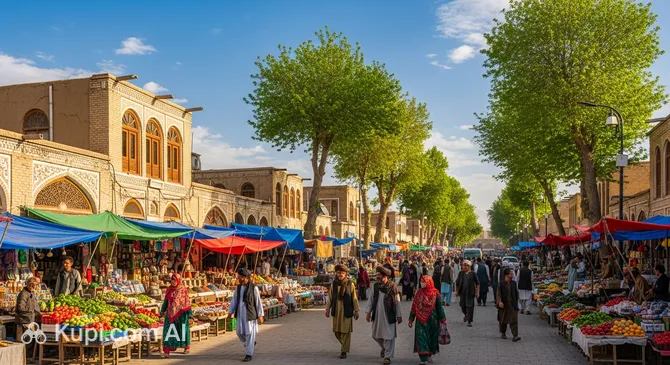
Kunduz. Source: Kupi.Binoculars

Geographically, the city is situated in a fertile valley near the confluence of the Kunduz and Khanabad rivers. This location has blessed the area with rich soil, making it one of the most important agricultural centers in the nation. With a population of approximately 268,000 residents, the city buzzes with activity, driven by its reputation as a major market town. The climate here is characterized by hot summers and cool winters, typical of the semi-arid conditions found in this part of the world, yet the river waters provide a refreshing contrast to the surrounding terrain.

The history of Kunduz is deep and layered, tracing its roots back to ancient times when it was known as Drapsaka. It was once a prominent center in the Greco-Bactrian kingdom, hosting travelers and traders for centuries. Today, visitors are often intrigued by the remnants of this storied past, including the site of the ancient fortress, the Bala Hissar, which stands as a silent witness to the city's antiquity.

One of the city's most distinctive features is its agricultural legacy, particularly the production of cotton, which earned it the nickname "Spin Zar" or White Gold. The lush greenery surrounding the riverbanks offers a scenic backdrop that distinguishes it from more arid regions. For those interested in exploring the authentic lifestyle and enduring traditions of the north, Kunduz presents a unique and compelling destination.

Weather Overview

The climate in this region is defined by sharp contrasts between the seasons, typical of a semi-arid environment. To better plan your trip and pack accordingly, it is helpful to check the detailed weather in Kunduz before your arrival. Generally, the city experiences distinct seasonal changes that range from sweltering heat to crisp, cool air.

During the peak summer months of June through August, the heat can be quite intense. July is typically the hottest month, with average temperatures hovering around 32.0°C and daily highs frequently reaching nearly 40°C. Rainfall is virtually absent during this period, ensuring consistently sunny skies for travelers.

In contrast, the winter season brings a significant drop in temperature. January is usually the coldest month, with an average temperature of 4.5°C and lows occasionally dipping to -0.8°C. While the volume of precipitation remains low throughout the year, the winter and early spring months, particularly March, see a higher frequency of wet days. Expect hot, dry summers and cool winters with occasional precipitation during the colder months.

Interesting Facts

Beyond its well-known agricultural landscapes, Kunduz holds many fascinating secrets that reveal its deep historical and cultural layers. This city is not just a commercial hub but a place where ancient legends and unique traditions continue to shape the local identity.

  • The "White Gold" Legacy: In the mid-20th century, Kunduz became the epicenter of cotton production in the region, earning the nickname "Spin Zar," which translates to White Gold. The industry was so pivotal that a major enterprise named the Spin Zar Company was established here, transforming the city into an industrial powerhouse and significantly influencing its modern development.

  • Footsteps of Alexander: The city is believed to stand on the site of the ancient settlement of Drapsaka. Historical accounts suggest that Alexander the Great visited this location around 329 BC during his campaigns in Central Asia, using it as a strategic base for his army.

  • Home of Champions: The surrounding province is celebrated as one of the premier centers for Buzkashi, the traditional equestrian sport. The region is famous for breeding the powerful Qataghan horses, specifically raised for the game, and for producing some of the most skilled "chapandaz" (riders) who are revered as local heroes.

  • Meaning of the Name: The name "Kunduz" itself is a subject of historical interest, believed to be derived from the Persian term "Kuhan Diz," which means Old Fortress. This etymology points to the city's long-standing role as a fortified guardian of the northern trade routes.

How to Get There

Reaching this northern provincial capital requires some planning, as direct international connections are limited. For a comprehensive guide on the best routes and travel tips, you can read more about how to get to Kunduz on our detailed transport page.

The city of Kunduz does not have its own major international airport listed in the immediate vicinity data, so travelers often utilize hubs in neighboring cities. One of the primary gateways is the Mazar-I-Sharif Airport (IATA: MZR), located in the city of Mazar-i-Sharif. It is situated approximately 148 km from Kunduz, and a taxi or bus ride from there typically takes around 4 hours. Another geographically close option is the Qurghonteppa International Airport (IATA: KQT) in the city of Bokhtar, which is about 126 km away. Travelers should consider border crossing regulations if choosing airports in neighboring countries.

For clarity, here is a summary of the main airports in the region:

Airport Name City Passenger Traffic Km from City
Mazar-I-Sharif Airport Mazar-i-Sharif Large 148.2
Termez Airport Termez Medium 152.0
Kulyab Airport Kulob Medium 162.6
Qurghonteppa International Airport Bokhtar Small 126.3
Faizabad Airport Fayzabad 153.3

The city of Kunduz does not have a railway station, but you can arrive at stations in neighboring regions to get closer to your destination. The Vakhsh Railway Station is located in the city of Levakant, approximately 142 km from Kunduz. From there, you can get a taxi or bus, which takes about 4 hours. Alternatively, the Danghara Railway Station in Danghara is situated roughly 151 km away. These stations generally serve regional routes and require subsequent ground transport to reach Kunduz.

Below is a list of the nearest railway stations:

Station City Passenger Traffic Km to Center
Danghara Railway Station Danghara Small 151.4
Vakhsh Railway Station Levakant Small 142.5
Termez Railway Station Termez 152.2
Kumkurgan Railway Station Kumkurgan 167.0
Jarkurgan Railway Station Sariq 155.8

Main Attractions

Exploring Kunduz offers a unique opportunity to witness a city that has served as a vital commercial and cultural crossroads for centuries. While it may not possess the grand monuments found in some other parts of the country, the city's charm lies in its deep historical roots and the vibrant, unpretentious daily life of its people. Visitors here can discover a blend of ancient heritage and the bustling atmosphere of a key trading hub.

The most prominent historical landmark is the Bala Hissar. Situated on the northern edge of the city, this ancient fortress serves as a silent guardian of Kunduz's past. Dating back centuries, the site was once a center of local power and defense. Although time has worn down its walls, the ruins remain a compelling site for those interested in archaeology and history. Walking near the fortress allows travelers to imagine the city's strategic importance during the Greco-Bactrian and early Islamic periods.

For a deep dive into local culture, the Kunduz Bazaar is an essential stop. As the economic heartbeat of the northern provinces, this sprawling market is a sensory experience packed with activity. It is the best place to observe traditional Afghan commerce, where merchants trade everything from colorful textiles to household goods. The market is particularly famous for its fresh produce; during the harvest season, you can find some of the sweetest melons and fruits in the region, showcasing the area's agricultural richness.

Nature lovers will appreciate the scenic banks of the Kunduz River. This waterway is the lifeline of the province, irrigating the vast fields of cotton and rice that define the local landscape. The riverside offers a refreshing contrast to the dusty city streets and is a popular spot for a calm atmosphere. It provides a picturesque setting to understand why this region is often referred to as the "granary of the north."

The city's modern identity is closely tied to the Spin Zar (White Gold) legacy. The infrastructure developed during the cotton boom of the mid-20th century has left a lasting mark on the city's layout. Visitors can find pleasant green spaces and parks associated with this era, which offer a relaxing environment for a stroll. These areas reflect a time of rapid modernization and remain a source of local pride.

Local Cuisine

The local cuisine of Kunduz is a delightful reflection of its status as one of the most fertile agricultural regions in Afghanistan. Situated in the north, the city's food culture is heavily influenced by Central Asian traditions, particularly those of the Uzbek community, resulting in a rich palette of flavors that relies on fresh, locally grown ingredients. Rice, wheat, and an abundance of fruit form the backbone of the local diet, offering visitors a hearty and authentic gastronomic experience.

At the heart of any meal here is Pulao, the celebrated rice dish that serves as a staple for both daily dining and special occasions. In Kunduz, you will often find the northern variation, which is rich and savory, cooked with generous amounts of carrots, raisins, and tender chunks of lamb or beef. Another dish that defines the region is Mantu, delicate steamed dumplings filled with spiced meat and onions. These are typically topped with a savory tomato-based sauce, lentils, and a drizzle of garlicky yogurt, creating a complex and satisfying blend of textures.

Kunduz is legendary for its melons and watermelons, which are considered some of the best in the region. During the harvest season, these sweet, juicy fruits are a source of local pride and a must-try for any traveler; they are often enjoyed as a refreshing snack or a dessert after a heavy meal. To accompany savory dishes, locals bake distinct types of Naan (bread) in traditional clay ovens. The northern style is often round, flat, and stamped with decorative patterns, serving as the perfect utensil for scooping up food.

When it comes to beverages, the culture is strictly non-alcoholic. The most popular drink is Green Tea (Chai Sabz), which is consumed throughout the day and is an essential part of Afghan hospitality. It is often served with cardamom and plenty of sugar or sweets. For a cooling alternative during the hot summer months, visitors should try Dugh, a savory yogurt-based drink often mixed with dried mint and cucumber, which provides a refreshing counterpoint to the rich, oily dishes.

The dining scene in Kunduz revolves around the traditional Chaikhana (tea house). These establishments are not just places to eat but are vital social hubs where locals gather to exchange news and relax. Instead of sitting at tables, guests often recline on raised platforms covered with rugs and cushions, known as takhs, enjoying their meals from a communal cloth spread. For a more casual experience, the bustling city markets offer fresh street food, including sizzling skewers of Kebab grilled over charcoal, filling the air with an appetizing aroma.

Travel Tips

Welcome to Kunduz, a city where ancient history meets vibrant agricultural traditions. To make your journey through this "White Gold" capital as smooth and enjoyable as possible, we have compiled a set of essential guidelines covering everything from local dress codes to transportation.

  1. Clothing and Gear: The climate in Kunduz varies greatly, so pack lightweight, breathable fabrics for the scorching summers and warm layers for the chilly winters. As this is a conservative region, modesty is key; men should wear long trousers, while women must wear loose-fitting clothing that covers the arms and legs, along with a headscarf. Comfortable, closed-toe shoes are recommended for walking on unpaved or dusty streets.

  2. Transportation: Public transport in the city mainly consists of auto-rickshaws and shared taxis, which are affordable but can be crowded. There is no metro or tram system. For a more comfortable and reliable experience, it is highly advisable to hire a private car with a local driver who knows the area well and can navigate the traffic efficiently.

  3. Finances: The local currency is the Afghani (AFN). The economy operates almost entirely on cash, and credit cards are rarely accepted outside of very specific locations in major hubs. Bring sufficient cash in major international currencies (like USD) to exchange at local money changers in the bazaar, as ATMs may be scarce or unreliable in the city.

  4. Health and Safety: Stick to bottled or boiled water to avoid stomach issues, and peel all fruit before eating. Pharmacies are available in the city center, but they may stock only basic medications, so bring a well-stocked travel kit with any prescription drugs you need. Always keep your valuables secure and stay aware of your surroundings, particularly in crowded market areas.

  5. Communication: The primary languages spoken are Dari and Pashto. English is not widely spoken among the general population, so learning a few basic phrases like "Salam" (Peace/Hello) and "Tashakur" (Thank you) will go a long way. You can purchase a local SIM card from providers like Roshan or Etisalat in the city center to stay connected via mobile data.

  6. Local Etiquette: Hospitality is a cornerstone of the culture, and you may be invited for tea. Always greet people with your right hand placed over your heart as a sign of respect. When entering a home or a mosque, remember to remove your shoes. Men should generally avoid initiating physical contact, such as handshakes, with women they are not related to.

  7. What to Avoid: Do not take photographs of people, especially women, without asking for explicit permission first, as this is considered very rude and intrusive. Additionally, avoid public displays of affection, as such behavior is culturally inappropriate and frowned upon.

  8. Friday Schedule: Remember that Friday is the weekly day of rest and prayer in Afghanistan. Most government offices, banks, and many shops in Kunduz will be closed or have reduced operating hours, so plan your shopping and errands for other days of the week.

By keeping these practical tips in mind, you can navigate Kunduz with confidence and respect for local traditions. Embrace the warm hospitality of the people and enjoy exploring the unique atmosphere of this historic northern province.

Entertainment & Nightlife

Entertainment and nightlife in Kunduz differ significantly from the bustling club scenes found in many international cities. Due to local cultural norms and laws, there are no nightclubs, bars, or discos, and the consumption of alcohol is strictly prohibited. Instead, the evening atmosphere is defined by traditional hospitality, culinary experiences, and relaxed social gatherings. The "nightlife" here revolves around tea, conversation, and hearty meals, offering a peaceful and authentic insight into the local way of life.

The true heart of the city's evening social scene is the traditional Chaikhana (tea house). These establishments serve as the primary venues for entertainment, where locals gather after sunset to unwind. The atmosphere is laid-back and communal, often filled with the sound of lively discussions and sometimes traditional music. Guests typically sit on raised platforms called takhs, enjoying endless pots of green tea (Chai Sabz) and sweets. For visitors, spending an evening in a Chaikhana is the best way to experience the local culture and observe the rhythm of daily life in the province.

For dining, the streets around the central market and the Kunduz Bazaar area become particularly aromatic in the evening. This district is the culinary hub where you can find the city's best street food. Rows of vendors and small open-air restaurants fire up their grills to prepare sizzling Kebabs and fresh Naan. The crowd is generally male-dominated in the tea houses, while restaurants may have family sections ("famili") where women and families can dine in privacy. The dress code is conservative; modest clothing is essential, and visitors should dress respectfully to blend in with the local crowd.

When planning an evening out, it is important to consider safety and logistics. The city is best enjoyed before late night sets in. Most social activities wind down relatively early, with restaurants and tea houses typically closing by around 9:00 PM or 10:00 PM. It is highly advisable to avoid walking alone at night. Instead, arrange for a trusted taxi or a private driver to take you to and from your destination. Stick to well-lit, populated areas near the city center and avoid wandering into the outskirts after dark.

During the daylight hours, entertainment in Kunduz is more focused on history and nature. While there are no large amusement parks or modern theaters, visitors can explore the remnants of the Bala Hissar fortress or take a leisurely walk along the banks of the Kunduz River, which serves as a natural recreational area for locals. These spots offer a quiet escape and a chance to appreciate the region's landscape before settling in for a traditional evening meal.

Parks & Museums

While Kunduz is primarily known as a bustling trade and agricultural hub, it also offers spaces where visitors can appreciate the region's natural beauty and historical depth. The city's green areas provide a welcome respite from the busy markets, while its cultural sites reflect the rich heritage of the Greco-Bactrian and Islamic periods that have shaped this northern province.

One of the most well-known green spaces in the city is Spin Zar Park. Closely linked to the city's history as a major cotton producer, this park was developed during the industrial boom of the mid-20th century. It was originally part of the infrastructure built by the Spin Zar Company to create a "garden city" environment for workers and residents. Today, it serves as a central gathering place, offering shaded walkways and a peaceful atmosphere. It stands as a testament to the modernization era of Kunduz and remains a popular spot for families to enjoy a quiet afternoon.

For a more natural setting, the banks of the Kunduz River offer a refreshing escape. As the lifeblood of the province's agriculture, the river is lined with lush greenery that stands in stark contrast to the semi-arid surroundings. Residents often visit the riverside for picnics and to enjoy the cooling breeze coming off the water. In the late afternoon, the area comes alive with locals socializing and enjoying the sunset, making it an excellent location for travelers seeking a moment of tranquility and a glimpse of the local landscape.

In terms of cultural heritage, the Kunduz Provincial Museum is the primary institution dedicated to preserving the region's history. The province sits in an area of immense archaeological importance, and the museum was established to showcase artifacts that trace the region's significance from the Greco-Bactrian era to Islamic times. Historically, its collection included notable finds from the famous archaeological site of Ai-Khanoum, located in the neighboring Takhar province. Although the institution has faced challenges, it remains a symbol of the city's commitment to honoring its storied past.

The green zones and riverside areas also offer a unique window into the daily life of the city. Unlike the frantic pace of the bazaars, these spaces are where the community unwinds. Whether it is watching a game of local sports in an open field or simply sitting under a tree in the Spin Zar district, spending time in these parks allows visitors to connect with the resilient and welcoming spirit of the people of Kunduz.

Getting Around

The public transport system in Kunduz differs significantly from what travelers might expect in major international capitals. There is no centralized network of metros, trams, or large municipal buses. Instead, the city relies on an informal, decentralized web of road-based transport that serves the needs of the local population. Getting around involves utilizing a mix of shared vehicles and small motorized carriers that weave through the busy streets and market areas.

For short distances within the city center, auto-rickshaws (often locally referred to as tuk-tuks or zarangs) are the most popular mode of transport. These three-wheeled vehicles are nimble enough to navigate the congested bazaars and narrow lanes. They are widely available and can be hailed from the side of the road. While they offer a breezy and authentic way to see the city, they provide little protection from dust and weather, so they are best suited for quick trips.

Shared taxis form the backbone of the transport network for slightly longer commutes or travel between districts. These are typically standard sedans, often older models of Toyota Corollas, which operate on fixed or semi-fixed routes. They pick up multiple passengers until the car is full. This is a cost-effective way to travel, but it requires patience as the driver may wait for the vehicle to fill up before departing. Minibuses and vans also operate on major arterial roads, connecting the city center with outlying neighborhoods.

The payment system is entirely cash-based. There are no travel cards, mobile apps, or electronic ticket machines. You pay the driver directly, usually at the end of the trip. For shared taxis and minibuses, the fares are generally fixed and very low. However, if you hire a rickshaw or a taxi for a private journey (meaning you rent the whole vehicle), you must negotiate the price before getting in. It is helpful to carry small denominations of the local currency, as drivers often struggle to make change for large bills.

Tourists should be aware of important local etiquette regarding seating arrangements. Cultural norms dictate strict gender segregation in public spaces, including transport. In shared vehicles, women usually sit together, often in the front seat or a designated section of a van. Men should never sit next to a woman unless they are related. If you are a male traveler, always check where to sit to avoid causing offense. Additionally, transport services are most reliable during daylight hours; finding a ride after dark can be difficult and is generally not recommended for visitors.

For those seeking more comfort and security, the best alternative to the public system is hiring a private driver for the day. This can often be arranged through your accommodation or local contacts. While walking is a viable option for exploring the compact city center and the bazaar, a private car offers a shield from the heat and dust and provides the flexibility to explore the city's outskirts at your own pace.

Accommodation

Accommodation options in Kunduz are generally functional and modest, reflecting the city's status as a regional commercial hub rather than a leisure tourism destination. Travelers should not expect international luxury chains or high-end resorts. Instead, the hospitality sector primarily consists of local guesthouses and mid-range hotels that cater to domestic travelers, traders, and visiting professionals. These establishments focus on providing basic amenities and a safe place to rest, rather than opulent services.

The most convenient area to stay is typically within the city center, close to the main bazaar and the administrative districts. Staying in this central zone offers easy access to local markets, dining options, and transport links. Some travelers also prefer locations near the Spin Zar Park area, which provides a slightly greener and more relaxed environment while remaining connected to the heart of the city.

Booking Tip: Online booking platforms are rarely used or reliable for accommodations in this region. It is highly recommended to arrange your stay through a local guide or contact before you arrive. If you are traveling independently, visiting hotels in person to check the room quality and negotiate the rate is a common and accepted practice.

In terms of pricing, accommodation in Kunduz is generally affordable by international standards. Prices typically range from budget to lower mid-range. Payment is almost exclusively expected in cash (Afghani), and credit cards are virtually never accepted. Visitors should ensure they have sufficient local currency on hand to cover their lodging expenses for the duration of their stay.

Nearby Cities

For those looking to explore the surroundings, Kunduz serves as an excellent base for day trips to several interesting nearby locations:

One of the most accessible destinations is Taloqan, situated roughly 60 kilometers to the east. As the capital of the neighboring Takhar Province, it is nestled in a picturesque valley and offers a lively local atmosphere that differs from the bustle of Kunduz. Another worthwhile stop is Pul e Khumri, located to the south. This city serves as a vital transit hub and industrial center in Baghlan Province, known for its hydroelectric infrastructure and the scenic green hills that surround the valley, making it an interesting spot for a short visit.

For travelers willing to undertake a longer journey, the historic city of Mazar-i-Sharif lies to the west. While it requires an early start due to the distance, it is home to the magnificent Blue Mosque (Shrine of Ali), a stunning example of Islamic architecture and one of the country's most significant cultural landmarks.

City Population Distance (km)
Mazar-i-Sharif 469,247 151
Taloqan 263,800 60
Paghman 143,000 237
Pul e Khumri 113,500 88
Bamyan 100,000 233

These nearby destinations offer a glimpse into the diverse culture and landscapes of the region.

Shopping & Souvenirs

Shopping in Kunduz offers a vivid and authentic glimpse into the commercial life of northern Afghanistan. Unlike modern metropolises filled with glass-fronted shopping complexes, this city relies on traditional trade networks that have existed for centuries. The experience here is less about browsing international brands and more about immersing yourself in the bustling atmosphere of local commerce. As a major agricultural and trading hub, the city is particularly famous for its fresh produce, textiles, and goods imported from neighboring Central Asian countries.

The primary shopping destination is the central Kunduz Bazaar. This sprawling marketplace forms the economic heart of the city, occupying the streets and alleyways of the downtown area. It is a labyrinth of small shops, stalls, and open-air vendors selling everything from household necessities to colorful fabrics. The bazaar is organized roughly by trade, so you will find entire sections dedicated to specific goods, such as spices, hardware, or clothing, making it easier to navigate once you understand the layout.

While you will not find Western-style shopping malls with food courts and cinemas, there are several multi-story commercial buildings within the city center that function as indoor markets. These centers typically house shops selling electronics, mobile phones, and jewelry. They offer a more sheltered shopping experience compared to the open streets, but the style of trade remains traditional, with individual shopkeepers managing their own small storefronts.

The city's markets are renowned for their agricultural bounty. The fruit and vegetable market is a sensory delight, especially during the harvest season. Kunduz is legendary for its melons and watermelons, which are stacked in impressive piles and are considered some of the sweetest in the region. For a more durable purchase, the dry goods sections offer excellent local rice, dried fruits, and nuts, which are staples of the local diet and make for practical gifts.

For those looking to bring back a piece of the region's heritage, souvenirs often reflect the area's craftsmanship and agricultural history. Given the city's legacy as a cotton production center ("Spin Zar"), locally made cotton textiles and fabrics are popular choices. Additionally, the northern provinces are famous for their carpet weaving traditions. You can find beautiful hand-woven Afghan rugs, particularly those with Turkmen and Uzbek designs, which are highly prized for their quality and intricate patterns.

Opening hours in Kunduz generally follow the daylight. Shops and market stalls typically open around 8:00 AM and close by sunset, usually between 6:00 PM and 7:00 PM. It is important to remember that Friday is the weekly holiday; most shops will be closed or have very limited hours, as people attend the Friday prayers and spend time with family. Planning your shopping trips for Saturday through Thursday is highly advisable.

Payment is almost exclusively made in cash using the local currency, the Afghani (AFN). Credit cards are not accepted in bazaars or small shops, so you must carry sufficient cash with you. Bargaining is an essential part of the shopping culture here. Prices are rarely fixed, and it is expected that you will negotiate with the shopkeeper to agree on a fair price. There is no tax-free refund system for tourists in the city, so the price you agree upon is the final amount you pay.

Reached the end of the page?

That means the route is fully explored