Support

Mazar-i-Sharif

About

Mazar-i-Sharif, often revered as the "City of the Noble Shrine," is a captivating destination known for its stunning architecture and profound spiritual atmosphere. As a major cultural and commercial hub in the northern region of Afghanistan, the city offers a unique window into the rich heritage of Central Asia. Its vibrant streets and welcoming community make it a significant stop for travelers seeking to understand the diverse tapestry of the country.

Geographically, the city is situated in the fertile plains of the Balkh province, not far from the borders of Uzbekistan and Tajikistan. With a population of approximately 470,000 people, it stands as the fourth-largest city in the nation. The local climate is semi-arid, featuring hot summers and cool winters, which often results in beautiful, blooming springs that are perfect for sightseeing.

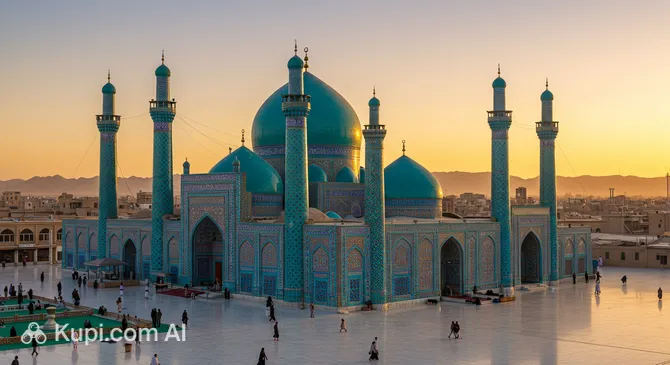
Mazar-i-Sharif. Source: Kupi.Binoculars

The city is deeply connected to its past, and delving into the history of Mazar-i-Sharif reveals a fascinating narrative of ancient civilizations and trade routes. The crown jewel of the city is the magnificent Blue Mosque (Shrine of Ali), a masterpiece of intricate azure tile work and calligraphy that dominates the city center. Additionally, Mazar-i-Sharif is famous for hosting the Red Tulip Festival during Nowruz (New Year), when the surrounding hills are covered in vibrant red flowers.

Whether you are admiring the breathtaking details of the Blue Mosque or using the city as a base to explore the nearby ancient ruins of Balkh, Mazar-i-Sharif promises a memorable experience. It is a place where history and daily life blend seamlessly, inviting visitors to discover the enduring beauty of the region.

Weather Overview

Mazar-i-Sharif features a semi-arid climate with distinct seasonal variations, offering travelers clear skies for much of the year. The city is characterized by hot, dry summers and cool winters with occasional rainfall. Understanding the weather in Mazar-i-Sharif is helpful for choosing the best time to explore the region's outdoor attractions.

The summer months, particularly from June to August, are intensely hot. July is typically the peak of the heat, with average temperatures hovering around 32.8°C and daily maximums reaching up to 39.7°C. This period sees virtually no precipitation, making it essential for visitors to pack lightweight clothing and sun protection.

In contrast, the winter season brings a significant drop in temperature. January is usually the coldest month, with an average of 5.7°C and lows dipping near 0.9°C. While precipitation is generally low year-round, the winter and early spring months, such as February and March, experience the most "wet days," bringing occasional rain to the fertile plains.

Interesting Facts

Beyond the main attractions and the spiritual aura of the Blue Mosque, Mazar-i-Sharif holds fascinating secrets and local legends that add depth to its character. From mystical folklore to adrenaline-pumping traditions, here are some intriguing details about this historic city.

  • The Legend of the White Doves: The courtyard of the Blue Mosque is famous for its large flock of snow-white pigeons. According to local legend, the site is so sacred that if a grey or speckled pigeon flies into the sanctuary, it will instantly turn pure white to match the holiness of its surroundings.

  • A City Born from a Dream: Unlike many cities founded for trade or defense, the rise of Mazar-i-Sharif is linked to a spiritual vision. In the 12th century, a local mullah claimed to have dreamed of the location of a lost tomb, leading to the construction of the first shrine. This discovery eventually caused the regional population to shift from the ancient metropolis of Balkh to this new "Noble Shrine."

  • The Capital of Buzkashi: This region is considered the heartland of Buzkashi, the intense national sport of Afghanistan played on horseback. Mazar-i-Sharif hosts some of the most competitive matches, particularly during the cooler months, where expert riders compete in vast fields to the cheers of thousands of spectators.

  • Gateway to the Mother of Cities: While Mazar-i-Sharif is the modern provincial hub, it effectively serves as the guardian of Balkh, located just a few kilometers away. Known as the "Mother of Cities," Balkh is one of the oldest inhabited places in the world and the birthplace of the renowned poet Rumi, making Mazar a pivotal base for exploring this ancient heritage.

How to Get There

Reaching Mazar-i-Sharif is the first step of your journey into Northern Afghanistan, with options ranging from direct flights to overland routes from neighboring regions. For a comprehensive guide on logistics, routes, and tips, you can read more about how to get to Mazar-i-Sharif on our detailed page.

The most convenient entry point is the city's own Mazar-I-Sharif Airport (MZR). Located approximately 20.5 km from the city center, it handles both domestic connections and select international flights. The journey from the airport to the heart of the city by taxi or shuttle usually takes around 50 minutes, depending on traffic. It is the primary hub for travelers wishing to fly directly into the Balkh province.

Another option for international travelers is flying into Termez Airport (TMJ), situated in the city of Termez, Uzbekistan. Although it is geographically close—only about 45.2 km from Mazar-i-Sharif—arriving here involves crossing the international border via the Friendship Bridge. The drive takes roughly 1.5 hours, though you should allocate extra time for customs and immigration procedures.

For clarity, here is a summary of the main airports:

Airport Name City Passenger Traffic Km from City
Dushanbe AirportDushanbeLarge233.3
Mazar-I-Sharif AirportMazar-i-SharifMedium20.5
Termez AirportTermezMedium45.2
Karshi AirportKarshiMedium246.1
Qurghonteppa International AirportBokhtarSmall183.7

While Mazar-i-Sharif is a major commercial hub, it does not currently have a passenger railway station servicing tourists directly within the city. The closest significant rail link is the Termez Railway Station in Termez, Uzbekistan, located about 40.9 km away. Travelers arriving by train to Termez can proceed to Mazar-i-Sharif by road, a trip that takes approximately 1 hour and 20 minutes excluding the time needed for border crossing formalities.

For clarity, here is a summary of the closest railway stations:

Station City Passenger Traffic Km to Center
Boysun Railway StationBoysunMedium134.7
Termez Railway StationTermez40.9
Kumkurgan Railway StationKumkurgan110.6
Jarkurgan Railway StationSariq70.3
Tangimush StationKumkurgan124.1

Main Attractions

Mazar-i-Sharif is a city defined by its spectacular central shrine, but its appeal extends beyond a single monument. For travelers, the city serves as a gateway to ancient history and vibrant local culture. Here are the main attractions that define the experience of visiting this northern Afghan hub.

The Shrine of Hazrat Ali (The Blue Mosque)

Undoubtedly the city's most iconic landmark, this shrine is a masterpiece of Islamic architecture. The complex is covered in thousands of intricate turquoise and azure tiles that shimmer under the sun, creating a mesmerizing visual effect. It is interesting to tourists not only for its artistic beauty but also for its peaceful courtyards filled with famous flocks of white doves. Visitors are often captivated by the serene atmosphere and the opportunity to observe local pilgrims paying their respects in this spiritual heart of the city.

The Ancient City of Balkh

Located just a short drive west of Mazar-i-Sharif, Balkh is an essential excursion for history enthusiasts. Known as the "Mother of Cities," it is one of the oldest inhabited settlements in the world and the birthplace of the poet Rumi. Tourists are drawn here to explore the crumbling clay walls of the ancient fortifications and the remains of the Haji Piada Mosque (No Gumbad), considered the oldest Islamic building in the country. Walking through these ruins offers a profound sense of connection to the Silk Road era and the civilizations that once thrived here.

Mazar-i-Sharif Bazaars

To experience the pulse of daily life, a visit to the local bazaars is a must. These bustling markets are a sensory delight, filled with the aroma of spices and the vibrant colors of textiles. They are particularly interesting for those looking to buy authentic souvenirs, such as the region's renowned hand-woven carpets, intricate embroidery, and traditional karakul hats. Exploring the bazaars provides a unique window into the commercial heritage of the city and offers a chance to interact with friendly local artisans.

Local Cuisine

The local cuisine of Mazar-i-Sharif is a flavorful reflection of its location at the crossroads of Central Asia, blending Afghan traditions with Uzbek and Persian influences. Dining here is not just about sustenance; it is a communal experience often centered around the dastarkhan, a traditional cloth spread on the floor where friends and family gather to share meals. The food is hearty, aromatic, and famous for its generous use of fresh ingredients, making it a highlight for any visitor.

At the heart of the city's culinary scene is Kabuli Pulao, often considered the national dish but prepared with exceptional skill in the north. This savory masterpiece consists of steamed long-grain rice mixed with caramelized carrots, sweet raisins, and tender chunks of lamb or beef buried within. For meat lovers, the city is renowned for its succulent Kebabs. Whether it is the Chopan Kebab (lamb chops) or minced meat skewers grilled over hot charcoal, the smoky aroma wafting from street-side stalls is impossible to resist.

Another must-try specialty is Mantu, delicate steamed dumplings filled with spiced minced meat and onions. They are typically served topped with a garlic-yogurt sauce and a drizzle of tomato-based lentil gravy, offering a perfect balance of textures and flavors. For a lighter snack or street food option, look for Bolani, a crispy flatbread stuffed with potatoes, leeks, or pumpkin, usually enjoyed with a side of spicy green chutney.

No culinary tour of Mazar-i-Sharif is complete without tasting its legendary dessert, Sheer Yakh. Literally translating to "frozen milk," this traditional Afghan ice cream is a source of local pride. It is manually churned in metal canisters cooled by ice and salt, resulting in a dense, creamy texture flavored with rose water and cardamom. Locals often enjoy it topped with thick cream (qaimaq) and crushed pistachios, making it the perfect remedy for the region's hot summer days.

When it comes to drinks, the culture revolves around Chai (tea). Green tea, often infused with cardamom, is consumed throughout the day and is the standard gesture of hospitality in every home and chaikhana (tea house). During the warmer months, fresh fruit juices are also popular, with pomegranate and cherry juices being seasonal favorites. For a savory refreshment, try Dough, a cold yogurt drink mixed with mint and cucumber, which pairs perfectly with rich meat dishes.

Travel Tips

Visiting Mazar-i-Sharif offers a profound glimpse into the cultural and spiritual heart of Northern Afghanistan, but a smooth journey requires a bit of preparation. To help you navigate the city with confidence and respect for local customs, here are some practical tips for your trip.

  1. Clothing and Gear: Modesty is key in Mazar-i-Sharif. Men should wear long trousers and shirts, avoiding shorts entirely. For women, loose-fitting clothing that covers arms and legs, along with a headscarf, is essential, especially when visiting the Blue Mosque complex. Since the city experiences hot summers and cold winters, pack lightweight, breathable fabrics for the heat or heavy layers if you visit between November and February. Comfortable slip-on shoes are highly recommended, as you will frequently need to remove them at shrines and homes.
  2. Transportation: The city does not have a formal metro or tram system. The most common way to get around is by yellow taxis or motorized rickshaws. Public buses exist but can be crowded and confusing for visitors. It is best to hire a private car with a driver for the duration of your stay or agree on a fare with a taxi driver before starting your journey. Ride-hailing apps are not widely established, so relying on hotel recommendations for transport is often safer and more reliable.
  3. Finances: The local currency is the Afghani (AFN). Afghanistan is predominantly a cash-based economy, and credit cards are rarely accepted outside of a few high-end establishments. International ATMs may be unreliable or unavailable, so it is crucial to bring sufficient cash in US Dollars or Euros. You can exchange money at authorized money changers in the local bazaars; ensure bills are crisp and new, as damaged notes are often rejected.
  4. Health and Safety: Pharmacies are available in the city center, but it is wise to bring a sufficient supply of any personal prescription medications. Stick to drinking bottled water and avoid tap water or ice in drinks to prevent stomach issues. While Mazar-i-Sharif is generally considered one of the safer cities in the country, it is prudent to avoid walking alone at night and to stay updated on local safety advisories through your accommodation or guide.
  5. Communication: The primary languages spoken in Mazar-i-Sharif are Dari (Persian) and Pashto. English is not widely spoken among the general population, though you may find English speakers in hotels and universities. Learning a few basic phrases like "Salam" (Hello) and "Tashakur" (Thank you) will go a long way in building rapport. Purchasing a local SIM card from providers like Roshan or Etisalat is easy and recommended for staying connected, as Wi-Fi speeds can vary.
  6. Local Etiquette: Afghans are incredibly hospitable, and greetings are taken seriously. Place your right hand over your heart when saying "Salam Alaykum" as a sign of respect. Men should wait for a woman to extend her hand first; if she does not, a verbal greeting is appropriate. When sitting on the floor for a meal, try not to point the soles of your feet towards anyone or towards the food, as this is considered impolite.
  7. What to Avoid: strictly avoid taking photographs of military personnel, police checkpoints, or government buildings. Additionally, never photograph women without their explicit permission (or the permission of a male relative accompanying them). Public displays of affection are culturally taboo and should be avoided entirely to respect local norms.
  8. Weekly Rhythm: Keep in mind that the weekend in Afghanistan is Friday. On this day, government offices, banks, and many shops in the bazaars will be closed or have limited hours, as people gather for communal prayers and family time. Plan your shopping and administrative tasks for earlier in the week to avoid inconvenience.

By keeping these practicalities in mind, you can focus on the incredible architecture and warm hospitality that make Mazar-i-Sharif so special. A little cultural awareness opens many doors, ensuring your visit is both safe and deeply rewarding.

Entertainment & Nightlife

Entertainment and nightlife in Mazar-i-Sharif offer a unique cultural experience that contrasts sharply with Western concepts of evening leisure. Travelers should be aware that the city does not have nightclubs, bars, or discos, as alcohol is strictly prohibited and such venues do not exist within the local culture. Instead, the "nightlife" here is a family-oriented and social affair, characterized by lively street markets, communal dining, and serene evening strolls under the starlit sky.

The epicenter of evening activity is undoubtedly the area surrounding the Blue Mosque (Rawza-i-Sharif). As the sun sets and the heat of the day dissipates, the mosque is beautifully illuminated, casting a glow over the city center. The paved plazas and gardens around the shrine fill with locals enjoying the cooler air. It is a mesmerizing atmosphere where you can observe families picnicking, children playing, and friends engaging in animated conversations. This area serves as the city's primary social hub after dark and is the best place to witness the authentic rhythm of local life.

For a taste of the local social scene, visitors should head to a traditional Chaikhana (tea house). These establishments function similarly to pubs or cafes in other parts of the world, serving as gathering spots for men to discuss news, poetry, and daily affairs over endless pots of green tea (chai) and sweets. While many chaikhanas are modest, they offer a welcoming environment for tourists to relax. Another popular evening pastime is enjoying Sheer Yakh (Afghan ice cream). The streets near the city center are lined with small parlors and stalls where this dense, cardamom-scented treat is prepared fresh, often drawing long lines of customers late into the evening.

Shopping enthusiasts will find that the energy in the Mazar-i-Sharif Bazaars often peaks in the early evening. As the temperatures drop, the narrow lanes become bustling with activity. Shops selling carpets, jewelry, and spices often remain open until around 8:00 PM or 9:00 PM. The Kefayat Market area is a well-known commercial zone where you can experience the hustle of evening commerce, buy fresh fruits, or simply soak in the vibrant sensory overload of sights and sounds.

Regarding daytime entertainment, the options are more limited compared to the historical sites, but they provide insight into local culture. The city features several public parks, such as Aryana Park, which offer green spaces for relaxation and are occasionally venue to small local fairs. While large amusement parks or grand theaters are not a prominent feature of the city, the Balkh Provincial Museum (when open) offers a modest collection of artifacts that narrate the region's deep historical roots, making it a worthwhile stop before the evening activities begin.

From a practical standpoint, the best time to venture out is immediately after sunset prayer. The dress code remains conservative at night; men should wear long trousers, and women must keep their heads covered. Safety is paramount: while the illuminated areas around the Blue Mosque are generally safe for walking, it is advisable to avoid unlit side streets and the city outskirts after dark. Public transport is scarce at night, so it is highly recommended to arrange a private taxi or a car through your hotel if you plan to stay out late. Always agree on the fare before getting into a vehicle.

Parks & Museums

While Mazar-i-Sharif is predominantly defined by its arid surroundings and urban bustle, the city offers several refreshing green spaces and cultural institutions that provide a respite from the heat and a deeper understanding of the region's heritage. Visitors will find that the local parks serve as vital community living rooms, while the museums, though modest, guard the treasures of one of the oldest crossroads of civilization.

Khalid Ibn Walid Park

Located on an elevated area of the city, this park is one of the most popular recreational spots for local families. It combines green lawns with an amusement area, making it a lively destination on weekends. The park is particularly interesting to tourists for the panoramic views it offers over Mazar-i-Sharif, especially during sunset when the city lights begin to twinkle. It provides a rare opportunity to see the city from above while enjoying a relatively cooler breeze away from the dusty streets below.

The Gardens of the Blue Mosque

Although technically part of the religious complex, the vast, manicured gardens surrounding the Shrine of Hazrat Ali function as the city's central park. Rows of trees provide shade for pilgrims and travelers alike, and the paved walkways are perfect for a leisurely stroll. The presence of the famous white doves adds a peaceful charm to the environment. For visitors, sitting here offers a quiet moment to admire the tile work of the shrine while observing the gentle flow of daily life in the city's heart.

Balkh Provincial Museum

For those keen to delve into the history of Northern Afghanistan, the Balkh Provincial Museum is a key stop. The collection, though having weathered turbulent times, includes fascinating artifacts ranging from the Greco-Bactrian era to the Islamic period. Visitors can expect to see ancient pottery, coins, and ethnographic displays that showcase the diverse cultural tapestry of the region. It serves as an educational introduction before one heads out to explore the actual archaeological sites nearby.

Ancient Balkh as an Open-Air Museum

Beyond the walls of a traditional building, the nearby ancient city of Balkh acts as a sprawling open-air museum. The crumbling clay walls of the Bala Hissar fortress and the intricate geometric brickwork of the Haji Piada Mosque (No Gumbad) offer a tangible connection to the past. Walking among these ruins allows tourists to visualize the grandeur of the Silk Road era, making it an essential experience for architecture and history enthusiasts.

Insider Tip:

To experience the parks like a local, plan your visit for the late afternoon on a Thursday or Friday. This is when families gather with large thermoses of tea and homemade food for picnics. It is not uncommon for friendly locals to invite respectful tourists to join them for a cup of green tea (chai) and fresh naan, offering a genuine taste of Afghan hospitality.

Getting Around

The public transport system in Mazar-i-Sharif is quite different from what travelers might be accustomed to in Western cities. There is no metro, tram, or light rail network. Instead, the city relies entirely on road-based transportation, which is informal, decentralized, and driven by a mix of private taxis, motorized rickshaws, and minibuses. Navigating this system requires a bit of patience and a willingness to engage with local drivers, but it is generally an affordable way to get around.

The most distinctive and popular form of local transport is the motorized rickshaw, often referred to locally as a "tuk-tuk." These three-wheeled vehicles are nimble, plentiful, and perfect for navigating the city's busy streets and narrow lanes. They are ideal for short to medium distances and offer an open-air experience that lets you take in the sights and sounds of the city. While they are not the most luxurious option, they are the heartbeat of Mazar-i-Sharif's daily commute.

For longer distances or a more comfortable ride, yellow taxis are the standard choice. These can function in two ways: as "private hires" (darbast), where you rent the entire car for a specific trip, or as "shared taxis" (line taxis), which drive along fixed routes and pick up multiple passengers heading in the same direction. Shared taxis are significantly cheaper but require you to wait until the car is full before departing. Private taxis offer more flexibility and air conditioning, which can be a relief during the hot summer months.

Minibuses and vans serve as the city's mass transit system. These vehicles operate on set routes connecting the city center with outlying districts and residential neighborhoods. They are the most economical way to travel, costing very little per ride. However, they can be extremely crowded and often do not have fixed schedules, departing only when every seat is occupied. For a tourist unfamiliar with the specific routes and stops, this can be the most challenging mode of transport to use effectively.

The payment system in Mazar-i-Sharif is strictly cash-based. There are no travel cards, electronic passes, or mobile apps for ticketing. You pay the driver directly, usually at the end of the trip for taxis and rickshaws, or sometimes upon entry for buses. It is essential to carry small denominations of the local currency (Afghani), as drivers often struggle to make change for large banknotes. Fares for shared transport are generally fixed, but for private taxis and rickshaws, the price must be negotiated in advance.

Tourists should be aware of important cultural norms regarding transport. On public buses and shared vans, seating is often segregated by gender, with women typically sitting in the front or back sections depending on the vehicle configuration. Men should be mindful not to sit next to an unrelated woman. If you are a female traveler, hiring a private taxi is often considered the most comfortable and culturally appropriate option.

Transport operating hours are dictated by daylight and demand rather than a strict timetable. Rickshaws and taxis are abundant from early morning until sunset. However, public transport options dwindle significantly after dark. If you plan to be out in the evening, it is highly advisable to arrange your return transport in advance or rely on a trusted driver recommended by your accommodation, as hailing a ride on the street late at night can be difficult.

Alternatives like modern car-sharing apps or organized bike rental systems are not currently available in the city. Walking is often the best alternative for exploring the immediate vicinity of the city center, particularly around the Blue Mosque, where many attractions are clustered close together. For day trips to nearby historical sites like Balkh, hiring a private car with a driver for the day is the standard and most efficient practice.
Accommodation

Accommodation in Mazar-i-Sharif is primarily functional, catering to a mix of pilgrims, business travelers, and adventurous tourists. The options generally range from basic budget guesthouses, known locally as mehmonkhanas, to comfortable mid-range hotels. While travelers should not expect international chain hotels or sprawling luxury resorts, the city offers several reputable establishments that provide modern amenities such as air conditioning, en-suite bathrooms, and reliable Wi-Fi, ensuring a pleasant stay.

The most popular and convenient area to stay is undoubtedly the City Center, specifically in the streets surrounding the Blue Mosque (Rawza-i-Sharif). Staying in this district places you in the heart of the action, within walking distance of the city's main attraction, vibrant bazaars, and a variety of dining options. For those seeking a quieter environment or more modern facilities, the areas along the main avenues leading toward the airport often host newer hotels that offer enhanced security and parking facilities.

Pricing for accommodation is generally very affordable by international standards. Budget travelers can find simple rooms for a modest fee, while mid-range hotels charge more for higher standards of cleanliness and service. Booking methods in Mazar-i-Sharif differ significantly from other destinations; major international online booking platforms often have limited listings. The most reliable way to secure a room is to book directly through a local travel agency or guide, or by contacting the hotel via phone or messaging apps prior to arrival.

Booking Tip: Be prepared to pay for your accommodation entirely in cash. Credit cards are rarely accepted at hotels in Mazar-i-Sharif. It is advisable to carry enough local currency (Afghani) or US Dollars to cover your stay. Additionally, when selecting a hotel, prioritize establishments that offer 24-hour reception and visible security measures for peace of mind.

Nearby Cities

Nearby Cities:

Mazar-i-Sharif serves as a strategic hub for discovering the wider Balkh province and the diverse landscapes of Northern Afghanistan. The city's location makes it a natural starting point for journeys to other significant urban centers in the region, each contributing to the area's rich cultural and commercial tapestry. From agricultural hubs to historic trade stops, these neighboring cities offer travelers a broader perspective on the local way of life.

For those planning to expand their itinerary, here is an overview of the closest major cities, including their population and distance from Mazar-i-Sharif:

City Population Distance (km)
Sheberghan 175,599 131
Kunduz 268,893 151
Pul e Khumri 113,500 172
Taloqan 263,800 210
Maymana 149,040 242

Traveling between these cities is typically done by road, using shared taxis or buses. While the distances may seem short, travel times can vary significantly depending on road conditions and traffic.

Shopping & Souvenirs

Shopping in Mazar-i-Sharif is a vibrant experience that bridges the gap between ancient Silk Road traditions and modern necessities. As a major commercial hub in northern Afghanistan, the city is a treasure trove for those seeking authentic local craftsmanship rather than high-end luxury brands. The shopping scene is dominated by bustling open-air bazaars and specialized markets where the art of bargaining is as important as the goods themselves. Visitors will find a rich array of textiles, spices, and dried fruits, reflecting the region's agricultural and artistic heritage.

The primary shopping activity is concentrated in the City Center, radiating outwards from the Blue Mosque. The streets surrounding the shrine are lined with hundreds of small shops and stalls, creating a dense commercial district that is easy to explore on foot. This area is the heartbeat of the city's trade, where you can find everything from fabrics and jewelry to daily household items. Walking through these streets offers an immersive look at local life, with vendors calling out their wares and the scent of street food mingling with the aroma of spices.

While Mazar-i-Sharif does not feature the sprawling glass-and-steel shopping malls found in other parts of the world, it does have modern commercial centers that offer a more organized shopping experience. The most prominent among these is the Kefayat Market (often referred to as Kefayat Supermarket or Center). This multi-story complex is a landmark in the city, offering a wide range of products including imported groceries, clothing, electronics, and cosmetics. It is a popular spot for both locals and expats looking for fixed-price goods and a cleaner, air-conditioned environment.

The soul of the city's commerce, however, lies in its traditional markets and bazaars. The Carpet Bazaar is a must-visit for anyone interested in the region's famous textiles. Here, you can find exquisite hand-woven rugs, particularly those featuring the deep reds and geometric patterns typical of the Turkmen and Uzbek styles indigenous to the north. Another highlight is the Dried Fruit and Nut Market, where mounds of local pistachios, almonds, and raisins are displayed. These markets are not just places to buy; they are sensory experiences filled with color and texture.

When it comes to souvenirs, Mazar-i-Sharif offers distinct items that make for memorable keepsakes. The city is renowned for its Afghan rugs and kilims, which are often sold at better prices here than in Kabul. Karakul hats, made from the wool of local sheep, are another signature item of the region. For smaller gifts, consider buying lapiz lazuli jewelry, saffron, or traditional embroidered clothing (Gand), which showcases the intricate needlework of local women.

Store hours in Mazar-i-Sharif generally run from around 8:00 AM to 6:00 PM or sunset. However, in the summer, shops may stay open later into the evening to avoid the midday heat. It is important to remember that Friday is the weekly holiday; many shops in the bazaars will be closed or will only open late in the afternoon. Payment is almost exclusively in cash (Afghani). Credit cards are rarely accepted, even in larger stores like Kefayat, so ensure you carry sufficient local currency. Bargaining is expected in the bazaars, so do not hesitate to negotiate politely for a better price.

Tourists should be aware that there is no tax-free shopping or VAT refund system available in Mazar-i-Sharif. The price you agree upon is the final price. Due to the informal nature of many transactions, receipts are not always provided unless requested, which is something to keep in mind for customs declarations upon your departure.

Reached the end of the page?

That means the route is fully explored