Shopping in Shakhrisabz is a delightful journey into the past, far removed from the glitzy malls and high-end boutiques of modern capitals. The city offers a more authentic, grassroots experience where the focus is on traditional craftsmanship, local agriculture, and heritage goods. Visitors will find that buying souvenirs here is often a personal interaction with the artisans themselves, making every purchase a memorable part of the travel experience.
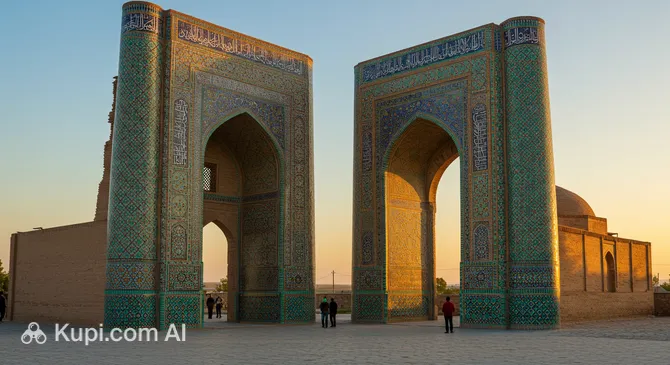
The main shopping activity is concentrated around the historic center and the bustling market areas. The pedestrian zones connecting the major monuments, particularly near the Ak-Saray Palace and the Koba Caravanserai, are lined with small artisan stalls and souvenir shops. These areas are perfect for leisurely browsing while sightseeing, as vendors often display their wares—ranging from colorful textiles to hand-carved wood—right along the walkways.
Unlike Tashkent, Shakhrisabz does not feature large, western-style shopping malls. The retail landscape is dominated by small, independent shops and "Trade Centers" that function more like indoor markets than department stores. For general supplies, clothing, or electronics, locals visit these smaller commercial hubs scattered along the main roads, but for tourists, the appeal lies almost exclusively in the traditional bazaars and handicraft centers.
The heartbeat of the city's commerce is the Central Dehqon Bazaar. This vibrant market is an essential stop for anyone wanting to see the real Shakhrisabz. Here, the air is filled with the aroma of spices, freshly baked bread, and seasonal fruits. It is the best place to buy locally grown produce, including the region's famous pomegranates, dried apricots, and walnuts. The market is also a great spot to pick up inexpensive local snacks and observe the daily rhythm of life in the Qashqadaryo Region.
When it comes to souvenirs, Shakhrisabz is world-renowned for its embroidery, specifically Suzani. The city has its own distinct style known as "Iroqi," characterized by intricate cross-stitching and vibrant, geometric floral patterns. These beautiful tapestries, pillowcases, and bags are often handmade by the women selling them. Other worthwhile purchases include traditional tubeteika (skullcaps), wood carvings made from local plane or walnut trees, and miniature ceramic figurines depicting scenes of Uzbek life.
Store hours in Shakhrisabz follow a traditional schedule. The bazaars start very early, often at sunrise, and begin to wind down by late afternoon. Souvenir shops near the monuments typically open around 9:00 AM and stay open until sunset, or slightly later during the peak tourist season. Standard shops usually operate from 9:00 AM to 7:00 PM.
Payment methods are heavily skewed towards cash. While a few larger souvenir shops might accept Visa or Mastercard, it is rare. The vast majority of vendors in the bazaar and smaller artisan stalls deal exclusively in Uzbek Som (UZS). It is highly recommended to carry sufficient cash in small denominations, as bargaining is a common and expected practice in the markets, though less so in fixed-price souvenir stores.
Regarding tax refunds, the "Tax-Free" system is not currently available for tourists in Shakhrisabz. Visitors should not expect to claim VAT refunds on purchases made in the city, so it is best to factor the full price into your budget.