Support

Khujand

About

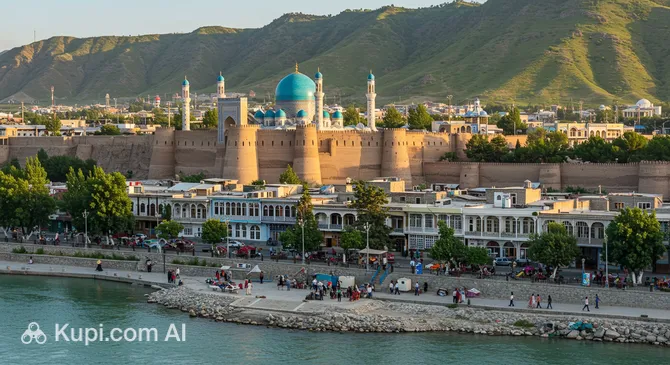
Khujand is a city that effortlessly bridges the gap between the ancient world and modern life, offering visitors a unique glimpse into the heart of Central Asia. As the second-largest city in Tajikistan and the capital of the Sughd Region, it serves as a vital cultural and economic hub located on the banks of the majestic Syr Darya River.

Situated at the entrance to the fertile Fergana Valley, the city enjoys a strategic geographical position that has defined its significance for millennia. The deep and fascinating history of Khujand dates back to the times of Alexander the Great, making it one of the oldest cities in the region. Today, it remains a bustling metropolis with a warm climate and a welcoming atmosphere.

Khujand. Source: Kupi.Binoculars

Travelers are often drawn to the vibrant Panjshanbe Bazaar, one of the largest and most colorful traditional markets in Central Asia, where the spirit of the Silk Road still feels alive. Another must-visit landmark is the restored Khujand Fortress, which houses the Historical Museum of Sughd, offering a deep dive into the local heritage. For a moment of tranquility, the riverside parks provide a perfect setting to relax and enjoy the views.

With its blend of historical monuments, lively streets, and genuine hospitality, Khujand invites adventurers to explore its many treasures. It is a destination that promises a memorable experience for anyone planning a trip to this part of the world.

Weather Overview

Khujand features a continental climate characterized by hot, dry summers and cool winters. The city enjoys plenty of sunshine during the warmer months, while the colder season brings a distinct chill to the air and more frequent cloudy days.

Travelers checking the weather in Khujand will find that July is typically the hottest month, with average highs reaching 35.2°C and virtually no rainfall. Conversely, January is the coldest time of year, with temperatures hovering around 2.7°C and often dipping below freezing at night. Spring serves as a transition period, with March seeing the highest frequency of wet days, although the total precipitation volume remains quite low throughout the year.

Interesting Facts

Beyond its well-known historical sites, Khujand holds captivating stories that reveal its status as a crossroads of cultures and eras. These lesser-known details offer a deeper appreciation of the city's enduring legacy and modern vibrancy.
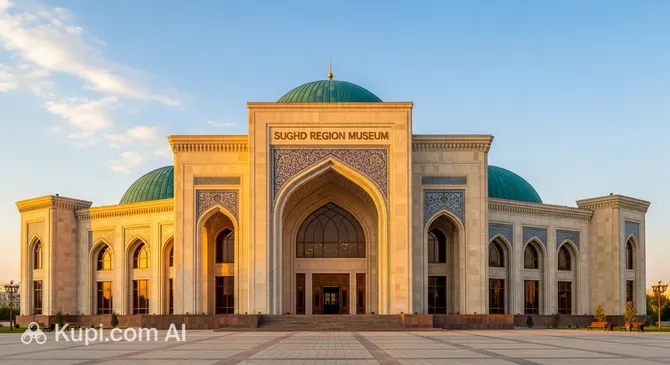
Sughd Region Museum. Source: Kupi.Binoculars
  • Khujand is one of the oldest cities in Central Asia, originally founded by Alexander the Great in 329 BC as "Alexandria Eschate," which translates to "Alexandria the Furthest." This marked the northeasternmost point of his vast empire, serving as a strategic bastion on the Syr Darya River.

  • The Sughd Region Museum is not just a repository of artifacts; it is uniquely integrated into the restored fortifications of the ancient citadel. Visitors literally walk through the history of the city's defense while exploring exhibits that span thousands of years.

  • Unlike typical open-air markets, the Panjshanbe Bazaar is housed in a magnificent building that resembles a palace. Constructed in the mid-20th century, its design is a striking blend of Soviet Classicism and traditional Tajik architectural styles, making it one of the largest covered markets in the region.

  • The city features a scenic cable car system that offers a bird's-eye view of the landscape. This aerial tramway connects the Somoni Park on the right bank of the river directly to the historical fortress complex on the left bank, providing a seamless link between the modern recreational area and the ancient heart of Khujand.

How to Get There

Reaching this ancient city is relatively straightforward, with options ranging from direct flights to overland journeys. Whether you are arriving from a neighboring country or flying in internationally, you can find more about how to get to Khujand and choose the route that best suits your travel plans.

The most convenient entry point is Khujand Airport (LBD), which serves as the primary air gateway for the region. It handles a significant number of passengers annually and offers connections to several international destinations. Located just 8.0 km from the city center, the journey by taxi or bus is quick, taking approximately 32 minutes.

Alternatively, travelers often use Yuzhny Airport (TAS), situated in the city of Tashkent. Although it is located about 113.4 km from Khujand, it is a major hub with high passenger traffic, offering a wider range of international flights. If you choose to land here, expect a travel time of around 3 hours and 10 minutes by road to reach Khujand.

For clarity, here is a summary of the main airports:

Airport Name City Passenger Traffic Km from City
Yuzhny Airport Tashkent Large 113.4
Khujand Airport Khujand Medium 8.0
Fergana Airport Fergana Medium 179.2
Kokand Kokand Small 116.2
Zaamin Airport Zomin Small 99.3

For those preferring rail travel, the city is served by Khujand Railway Station. It is conveniently located 9.3 km from the city center, making it an accessible option for visitors arriving by train. The transfer from the station to the heart of the city typically takes about 34 minutes by taxi or local transport.

Below is a list of the nearest railway stations:

Station City Passenger Traffic Km to Center
Angren Station Angren Medium 88.9
Gulistan Railway Station Gulistan Medium 78.3
Khujand Railway Station Khujand Small 9.3
Bekobod Railway Station Bekobod 35.6
Dashtobod Railway Station Dashtobod 98.7

Main Attractions

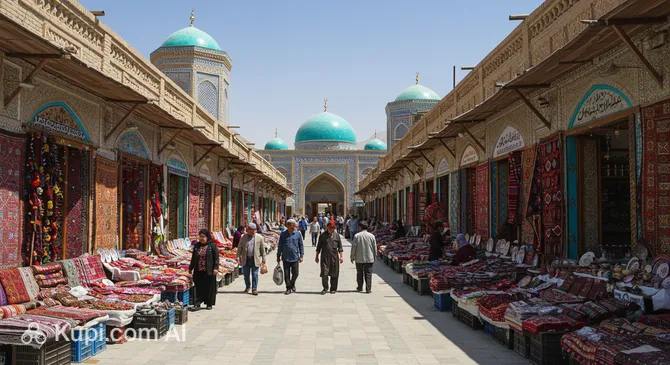
A visit to this ancient city is incomplete without experiencing the lively atmosphere of the Panjshanbe Bazaar. As one of the largest covered markets in Central Asia, it captivates visitors with its magnificent architecture that combines classical Soviet and traditional Oriental design elements. Inside, the air is filled with the aroma of freshly baked bread and exotic spices, offering a perfect opportunity to taste local delicacies like dried apricots and sugared nuts while mingling with friendly vendors.

Panjshanbe Bazaar. Source: Kupi.Binoculars

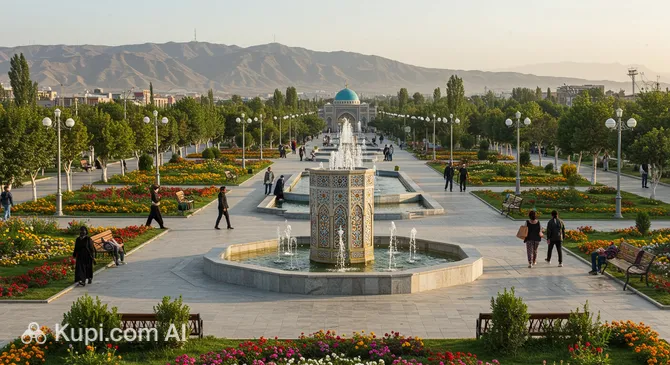
For those seeking a blend of nature and history, Somoni Park is a must-see destination located on the right bank of the Syr Darya River. The park features majestic statues honoring Tajik heritage and provides a serene environment for a leisurely stroll. It also serves as the gateway to the city's cable car system, inviting tourists to take a scenic ride over the river for panoramic views of the cityscape and the surrounding mountains.

Somoni Park. Source: Kupi.Binoculars

Immersing yourself in the region's rich past is best done at the Sughd Region Museum. Situated within the restored walls of the ancient fortress, the museum houses thousands of artifacts that tell the story of the area's development from antiquity to the modern era. The exhibits, ranging from archaeological finds to ethnographic displays, offer a fascinating insight into the cultural and military significance of the city throughout the ages.

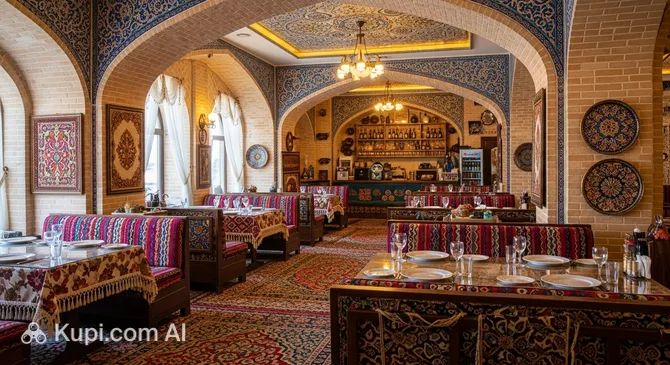
To round off a day of sightseeing with authentic local flavors, travelers can visit the Zaytun Tajik Cuisine Restaurant. This establishment is well-regarded for serving traditional dishes in a welcoming setting, allowing guests to savor the authentic taste of Tajik hospitality. It is an excellent spot to relax and enjoy a hearty meal after exploring the bustling streets and historic sites of Khujand.

Zaytun Tajik Cuisine Restaurant. Source: Kupi.Binoculars

Local Cuisine

The cuisine of Khujand is a delightful reflection of its location in the fertile Fergana Valley, offering a rich tapestry of flavors that distinguishes it from other parts of the country. As the capital of the Sughd Region, the city is famous for its abundance of fresh produce, particularly its legendary apricots, which are enjoyed fresh, dried, or as a sweet compote known as "ob-i-zardolu."

No culinary journey here is complete without trying the local variety of Plov (pilaf). While considered the national dish of Tajikistan, the Khujand version is renowned for its specific preparation, often using yellow carrots and a distinct blend of spices. It is typically served as a communal meal, symbolizing hospitality and friendship. Another must-try is Sambusa, a flaky pastry filled with minced meat, onions, and pumpkin, often baked in a clay oven (tandir) and sold as a popular street snack.

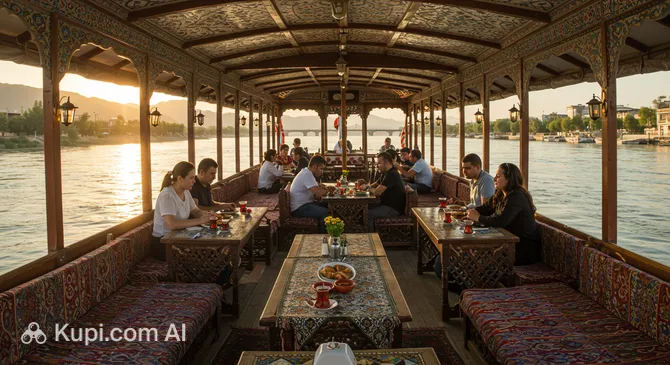
For those looking to experience the local dining atmosphere, the Saray Turkish Cafe is a popular venue. It offers a mix of regional and Turkish dishes, providing a comfortable setting to enjoy hearty meals like kebabs and fresh salads. It is a great place to relax and enjoy the vibrant flavors that characterize the city's food scene.

Saray Turkish Cafe. Source: Kupi.Binoculars

The culture of drinking tea is deeply ingrained in daily life. Green tea, or "choi kabud," is the beverage of choice, served in small bowls called "piyalas." It accompanies almost every meal and is the centerpiece of social gatherings in traditional teahouses, or "choykhanas." Unlike in some Western cultures, tea here is often enjoyed without sugar, allowing the natural aroma of the leaves to shine through, although sweets and sugared nuts are usually served on the side.

To truly understand the source of these flavors, a visit to the bustling Panjshanbe Bazaar is essential. Here, food lovers can explore endless rows of aromatic spices, freshly baked "non" (flatbread), and mounds of dried fruits. It is the perfect spot to sample local delicacies and witness the vibrant food culture of Khujand in its most authentic form.

Travel Tips

Welcome to Khujand, a city where ancient traditions blend seamlessly with modern Tajik life. To ensure your journey through this historic hub is as smooth and enjoyable as possible, we have compiled a list of practical tips to help you navigate local customs and logistics with ease.

  1. Clothing and Gear: Khujand experiences a continental climate, so pack accordingly. In summer, lightweight, breathable fabrics are essential to handle the dry heat, while winters require warm layers and a sturdy coat. Since Tajikistan is a conservative country, it is respectful to dress modestly; cover your shoulders and knees, especially when visiting religious sites or the bustling Panjshanbe Bazaar. Comfortable walking shoes are a must for exploring the city's parks and fortifications.

  2. Transportation: The most common way to get around is by using marshrutkas (minibuses), which run on fixed routes and are very affordable. Taxis are also plentiful and relatively cheap; you can hail one on the street or use ride-hailing apps like Yandex Go if available. If hailing a taxi on the street, always agree on the fare before starting your journey to avoid misunderstandings.

  3. Finances: The local currency is the Tajik Somoni (TJS). While some high-end hotels and restaurants in the city center accept credit cards, cash is definitely king in Khujand. You will need cash for bazaars, small shops, and transport. ATMs are available, but they can occasionally run out of money or reject foreign cards, so it is wise to carry a reserve of US dollars or Euros to exchange at banks.

  4. Health and Safety: Khujand is generally a very safe city for tourists. However, it is strictly advised to drink bottled or filtered water rather than tap water to avoid stomach issues. Pharmacies, marked with a green cross, are easy to find, but carrying a basic first-aid kit and your own prescription medications is recommended.

  5. Communication: The primary language is Tajik (a dialect of Persian), but Russian is widely spoken and serves as the lingua franca for inter-ethnic communication. English is not widely spoken outside of major hotels and tourist agencies. Downloading an offline translator or learning a few basic phrases in Russian or Tajik will be incredibly helpful. Local SIM cards from providers like Tcell or Megafon are cheap and easy to purchase with your passport.

  6. Local Etiquette: Tajiks are renowned for their hospitality. A common greeting involves placing your right hand over your heart and slightly bowing while saying "Salam." If you are invited into a local home, always remove your shoes at the door. It is also polite to accept at least a cup of tea; refusing hospitality can sometimes be seen as rude.

  7. What to Avoid: Avoid public displays of affection, as they are frowned upon in local culture. Additionally, do not take photographs of government buildings, military personnel, or people (especially women) without asking for permission first.

  8. Additional Tip: For the freshest produce and the most authentic experience, visit the markets early in the morning. This is when the bazaar is most vibrant, and you will have the best selection of Khujand's famous apricots and freshly baked bread.

By keeping these practical tips in mind, you will be well-prepared to embrace the warmth and culture of Khujand. Whether you are bargaining for spices or strolling along the Syr Darya, a little local knowledge goes a long way in making your trip unforgettable.

Entertainment & Nightlife

Entertainment in Khujand is distinguished by its relaxed and culturally rich atmosphere, focusing more on social gatherings and outdoor leisure than on high-energy nightlife. The city's charm lies in its ability to blend history with modern recreation, offering visitors a chance to unwind while soaking in the local way of life.

A favorite pastime for both locals and tourists is spending time at Somoni Park. Situated along the banks of the Syr Darya River, this green oasis is perfect for evening strolls and enjoying the cool river breeze. The park also serves as the starting point for the city's cable car, which provides an entertaining ride across the river, offering panoramic views of the cityscape and the surrounding mountains.

For a deeper dive into the region's heritage, the Sughd Region Museum offers an engaging educational experience within the walls of the ancient fortress. Meanwhile, the vibrant Panjshanbe Bazaar acts as a living theater of daily life. Wandering through its bustling aisles is an entertainment in itself, where the sights, sounds, and scents of the Silk Road come alive.

Dining out is a central part of the evening entertainment scene. Visitors can enjoy a traditional meal at the Zaytun Tajik Cuisine Restaurant, known for its authentic atmosphere and local dishes. Alternatively, the Saray Turkish Cafe provides a cozy setting to relax with tea and Turkish specialties, making it a popular spot to unwind after a day of sightseeing.

Parks & Museums

Khujand offers a delightful mix of lush greenery and deep historical roots, making it a city where leisurely walks and cultural exploration go hand in hand. Visitors will find a harmonious balance between well-maintained public gardens along the Syr Darya River and museums that safeguard the region's extensive history.

One of the most prominent recreational areas is Somoni Park, situated on the right bank of the river. It is a sprawling green space featuring majestic statues, fountains, and wide pathways perfect for an evening stroll. The park serves as a modern gathering place and offers access to the city's cable car, connecting the two banks of the river and providing stunning views of the surrounding landscape.

On the opposite bank, adjacent to the ancient citadel, lies the Kamoli Khujandi Park. This beautifully landscaped garden is dedicated to the famous local poet and provides a serene atmosphere filled with flowers and shaded benches. It effectively connects the bustling city center with its historical heart, making it an ideal spot for tourists to rest between sightseeing stops and enjoy the river breeze.

For history enthusiasts, the Sughd Region Museum is the premier cultural institution. Housed within the restored walls of the Khujand Fortress, it showcases a vast collection of artifacts ranging from the era of Alexander the Great to the present day. The museum's unique setting allows visitors to explore the city's defensive history while viewing exhibits that highlight the archaeology and ethnography of the Sughd region.

Another significant cultural venue is the House Museum of Kamoli Khujandi. Located near the park bearing his name, this museum offers an intimate look into the life and works of the celebrated 14th-century Sufi poet. The building itself is a fine example of traditional Tajik residential architecture, featuring carved wooden pillars and painted ceilings that add to the authentic experience.

Beyond the museums, the Sheikh Muslihiddin Mausoleum stands as a testament to the city's spiritual and architectural heritage. Located within the bustling market district near the bazaar, this large complex includes a mosque, a minaret, and the mausoleum itself. Its intricate brickwork and historical significance make it a key landmark for understanding the Islamic history of the region.

For a quieter experience away from the main crowds, seek out the smaller promenades along the Syr Darya riverbank further from the city center. These riverside paths offer peaceful views of the water and the distant mountains, especially during sunset when the heat of the day subsides.

Getting Around

Navigating Khujand is relatively straightforward, as the city relies primarily on a network of minibuses, locally known as marshrutkas, and standard buses. There is no metro or tram system, but the marshrutkas cover almost every corner of the city and the surrounding suburbs. These white vans are the lifeline of local mobility, running on fixed routes with specific numbers displayed on their windshields. While they can get crowded during peak hours, they offer an authentic and efficient way to travel alongside locals.

The payment system is strictly cash-based, so it is essential to carry small denominations of the local currency. There are no travel cards or digital passes for public transit; you simply pay the fare directly to the driver or the conductor upon entering or exiting the vehicle. Fares are incredibly affordable, usually costing just a few Somoni, making it easy to hop between attractions without straining your budget.

For tourists, using the transport system requires a bit of interactivity. Designated bus stops exist, but drivers often stop on demand if you wave them down along the route. When you are ready to get off, you may need to verbally signal the driver. Operating hours generally run from early morning, around 6:00 AM, until approximately 9:00 PM or 10:00 PM. After these hours, the frequency of public transport drops significantly, and finding a bus becomes difficult.

Taxis serve as the primary alternative and are widely available throughout the city. You can hail them on the street, but for a fixed price and ease of communication, using mobile apps like Yandex Go is highly recommended. This avoids the need to negotiate fares, which is standard practice when flagging down a cab. Car sharing and bike rentals are not yet widely established, so taxis remain the most convenient option for private travel.

A unique feature of Khujand's transport landscape is the cable car system that spans the Syr Darya River. While often viewed as a tourist attraction connecting Somoni Park to the fortress area, it also functions as a scenic mode of transport between the two banks. Riding the cable car offers a functional shortcut across the river combined with panoramic views, distinguishing it from the standard road commute.

Accommodation

Where to Stay:

Accommodation in Khujand has evolved significantly in recent years, offering a range of options that cater to different budgets and preferences. While the city does not yet feature many global luxury hotel chains, travelers can find a comfortable mix of renovated Soviet-era establishments, modern mid-range hotels, and charming family-run guesthouses. The hospitality here is warm and genuine, often compensating for any lack of ultra-modern amenities found in larger capital cities.

For the most convenient experience, staying in the city center is highly recommended. Locations along the banks of the Syr Darya River are particularly popular, offering scenic views and easy access to riverside parks and the cable car. Another strategic area is the vicinity of the Panjshanbe Bazaar and the historical fortress. Staying here places you within walking distance of the city's most vibrant markets, museums, and historical landmarks, allowing you to immerse yourself in the local atmosphere from the moment you step outside.

Travelers should be aware that while major online booking platforms are increasingly used by larger hotels, many smaller guesthouses still rely on direct bookings or walk-ins. Prices in Khujand are generally very affordable compared to Western standards, with budget and mid-range options dominating the market. It is advisable to carry cash, as smaller establishments may not accept credit cards. During peak travel seasons, such as late spring and early autumn, booking your accommodation in advance is a wise decision to secure the best rooms and rates.

Nearby Cities

For those looking to explore the surroundings, Khujand serves as an excellent base for day trips to several interesting nearby locations:

One of the most captivating destinations is Istaravshan, located just over an hour away. Often described as a museum under the open sky, this ancient city boasts a history of over 2,500 years. Visitors can explore the Mug Teppe fortress and wander through the old town, which is famous for its traditional craftsmen, particularly those skilled in creating handmade knives and intricate wood carvings.

Another historically significant city is Konibodom, situated in the fertile Fergana Valley. Once a vital stop on the Great Silk Road, it offers travelers a chance to see unique architectural monuments like the Mir-Rajab-Dodkho Madrasah. The city is also renowned for its almonds and traditional sweets, providing a delightful taste of local culture.

For those seeking natural beauty, Isfara is a perfect choice. Nestled among dramatic mountains and lush apricot orchards, the town is known for its scenic landscapes and painted mosques. It serves as a gateway to the surrounding nature, which is especially breathtaking during the spring bloom.

City Population Distance (km)
Konibodom 219,000 66
Istaravshan 65,600 68
Isfara 51,700 85
Ghulakandoz 50,200 20
Isfisor 39,590 10

These nearby destinations offer a glimpse into the diverse culture and landscapes of the region.

Shopping & Souvenirs

Shopping in Khujand is a vibrant experience that reflects the city's historical role as a major trading hub on the Silk Road. The retail scene here is a fascinating mix of traditional commerce and modern development, where centuries-old bazaar culture thrives alongside emerging contemporary boutiques. Visitors can expect to find everything from authentic handicrafts and fresh local produce to imported goods, making it an exciting destination for those looking to take a piece of Tajikistan home with them.

The primary artery for shopping enthusiasts is Ismoili Somoni Avenue. This central thoroughfare runs through the heart of the city and is lined with a variety of shops, banks, and cafes. Walking along this avenue, tourists will find stores selling clothing, electronics, and jewelry. It is a bustling area where locals go for their daily needs and where visitors can enjoy a pleasant stroll while window shopping in a lively urban atmosphere.

While Khujand does not boast massive mega-malls comparable to those in global capitals, the city has seen the rise of several modern shopping centers and department stores. These multi-story complexes offer a more westernized shopping experience with fixed prices and air conditioning. They typically house stores selling fashion, cosmetics, and household goods, providing a comfortable alternative to the outdoor markets, especially during the hot summer months.

The crown jewel of the city's shopping scene is undoubtedly the Panjshanbe Bazaar. Located in a magnificent pink building with neoclassical and oriental design elements, it is one of the largest and most atmospheric markets in Central Asia. Here, the true spirit of Khujand comes alive. The ground floor is dedicated to mountains of fresh produce, aromatic spices, and the city's famous dried fruits, while the upper levels and surrounding stalls sell clothing, household items, and fabrics. It is an essential stop for anyone wanting to experience the local culture of trade.

When it comes to souvenirs, Khujand offers unique items that highlight regional craftsmanship and agriculture. The Sughd region is legendary for its dried apricots and nuts, which are high-quality, affordable, and easy to pack. For non-edible gifts, look for traditional Suzani (embroidered textiles), locally produced silk and cotton fabrics known as atlas and adras, and hand-carved wooden items. The region is also famous for its traditional knives, often featuring decorative handles, which make for distinctive collectibles.

Most shops in Khujand open around 9:00 AM and close by 6:00 PM or 7:00 PM, though the bazaar starts bustling much earlier, often at sunrise. While modern supermarkets and some boutique shops in the city center may accept credit cards, cash is essential for most transactions, particularly at the bazaar and smaller stores. Bargaining is expected and encouraged in the markets, so do not hesitate to negotiate politely for a better price.

Tourists should note that a formal Tax-Free shopping refund system (VAT refund) is generally not available in Khujand. Prices are typically final, except where bargaining is customary, so visitors should not expect to claim taxes back at the airport upon departure.
Reached the end of the page?

That means the route is fully explored