Support

Tajikistan

Cities in the country

About the Country

Tajikistan is a remarkable country in the heart of Central Asia, attracting travellers with its majestic mountains, rich history, and unique culture. Much of the country's territory is occupied by the Pamir and Tian Shan mountains, which is why Tajikistan is often called the "Roof of the World". It is a land where ancient traditions intertwine with modern life, and the hospitality of the local people is boundless.

The nation's capital, Dushanbe, is a green and welcoming city where you can stroll along wide avenues, admire the fountains, and visit colourful oriental bazaars. Here, you can explore Tajikistan's cultural heritage by visiting its museums and theatres, or simply enjoy the unhurried atmosphere in one of the many traditional teahouses (chaikhanas).
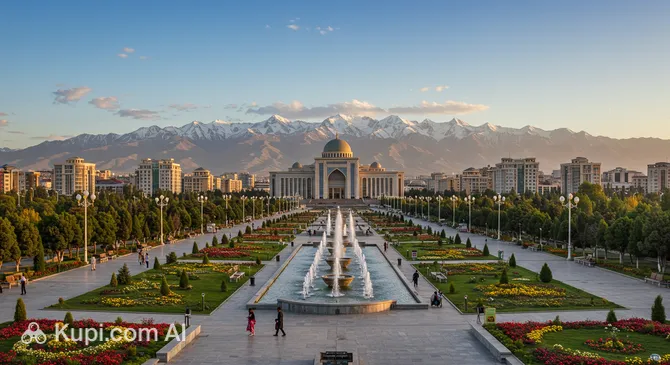
Dushanbe. Source: Kupi.com Binoculars

Tajikistan is a true paradise for nature lovers and fans of active holidays. Breathtaking landscapes of the Fann Mountains, crystal-clear lakes such as Iskanderkul, and the legendary Pamir Highway await you. Ancient cities like Khujand hold the secrets of the Great Silk Road, while places like the bustling Panjshanbe Bazaar allow you to immerse yourself in the authentic atmosphere of the East. A trip to Tajikistan will gift you with unforgettable experiences and warm memories.
Currency

The national currency of Tajikistan is the Tajikistani Somoni (TJS). One somoni is subdivided into 100 dirams. It is worth noting that these are distinct from the UAE Dirham. Somoni banknotes are adorned with portraits of prominent Tajikistani historical and cultural figures, as well as images of architectural monuments and national patterns. Coins, known as dirams, are also in circulation and are used for smaller transactions. You can exchange foreign currency for somoni at banks and official exchange offices, which are available in major cities, including Dushanbe, and at airports. To prevent fraud or receiving an unfavourable rate, it is advisable to avoid exchanging money with private individuals on the street.

Credit and debit cards, mainly Visa and Mastercard, are accepted for payment in large hotels, some restaurants, and supermarkets in the capital and other major cities. However, in smaller towns, at markets, and in private shops, cash is the preferred method of payment. Therefore, it is always a good idea to carry a sufficient amount of local currency, particularly if you plan to travel outside the main tourist centres. ATMs for withdrawing cash are also more common in urban areas.

Visa Requirements

When planning a trip to Tajikistan, it is important to clarify the visa requirements in advance, as they can differ based on your nationality. For citizens of the United Arab Emirates holding regular passports, visa-free entry is permitted for stays of up to 30 days. UAE diplomatic passport holders are granted visa-free access for up to 90 days.

For residents of the UAE holding other passports, a tourist visa may be required. The most convenient way to obtain this is through the official e-Visa system. Regardless of visa status, entry into the country requires a valid passport with at least six months of validity beyond your intended period of stay. You may also be asked to present return or onward tickets and proof of accommodation. As visa regulations can change, it is highly recommended to check the latest information on the official website of the Ministry of Foreign Affairs of Tajikistan or with the nearest embassy or consulate before your travels.

We'll tell you if you need a visa

Specify where you are going, or
Your citizenship
Destination

Time Zones

When planning a trip to Tajikistan, you will not have to worry about changing time zones within the country. The entire territory of Tajikistan operates on a single, unified time. For travellers from the UAE, it is useful to know that Tajikistan is one hour ahead of the UAE.

The country is in one time zone, which corresponds to UTC+5 (Coordinated Universal Time +5 hours), while the UAE operates on UTC+4. This means that the time in the capital, Dushanbe, and in all other regions of the country will be the same, which simplifies planning transfers and activities.

How to Get There

The most convenient way to travel to Tajikistan from the UAE is by air. For travellers based in the Emirates, there are direct flights available from Dubai to the capital, Dushanbe. Airlines such as flydubai and the national carrier, Somon Air, operate regular non-stop services on this route, with a flight time of just over three hours. The country's main international gateway is Dushanbe International Airport, which connects Tajikistan with many cities across Asia and the Middle East.

For travellers interested in exploring more of the region, it is possible to reach Tajikistan by road from neighbouring Central Asian countries like Uzbekistan and Kyrgyzstan. Rail services also exist, but they are less developed for international passenger travel compared to air routes. As Tajikistan is a landlocked country, arrival by sea is not possible. Whichever mode of transport you choose, it is highly recommended to plan your journey and book tickets well in advance, particularly during the peak tourist season, to secure the best fares and availability.

For your reference, here is a summary of the main airports:

Airport Name City Passenger Traffic
Dushanbe International AirportDushanbeMajor
Khujand AirportKhujandMedium
Bokhtar International AirportBokhtarMedium
Kulob AirportKulobMinor

Tajikistan is a country with a rich history and culture, offering travellers an introduction to ancient cities and picturesque mountain regions. There is something for everyone here: from the lively streets of the capital to the tranquillity of historic centres and the splendour of nature. The cities of Tajikistan preserve a centuries-old heritage, and its resort areas, though less known on the world stage, are appealing for their unique atmosphere and opportunities for outdoor activities.

Dushanbe. Source: Kupi.com Binoculars

Undoubtedly, the main tourist hub is the capital, Dushanbe. This modern and green city is famous for its wide avenues, beautiful parks, numerous museums and, of course, its vibrant traditional souqs. Another important historical and cultural centre is Khujand, one of the oldest cities in Central Asia, which was once a significant point on the Great Silk Road. Its famous fortress and the Panjshanbe Bazaar attract many tourists.

For those interested in ancient history, a visit to Gissar is a must. It is known for its historic and cultural reserve, featuring the impressive Gissar Fortress. No less remarkable is the ancient city of Penjikent, whose ruins are often called the 'Pompeii of Central Asia', where you can see the remains of residential quarters, temples and palaces from the Sogdian era. Also worth visiting is Istaravshan, another ancient city with a rich artisanal heritage.

Top Attractions

Tajikistan, a country of ancient traditions and breathtaking mountain landscapes, boasts a wealth of unique attractions. Here are just a few that you should definitely include in your itinerary:

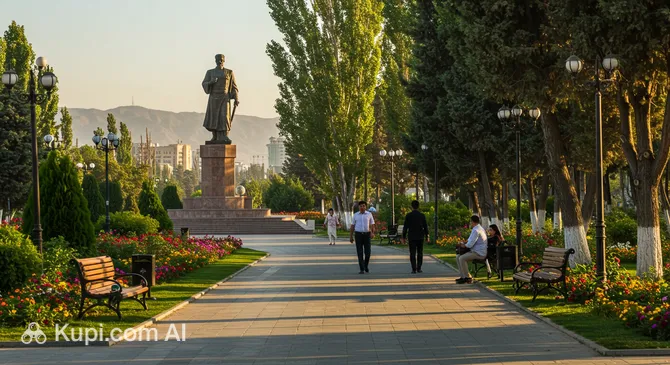
One of the jewels of Tajikistan is Rudaki Park. This magnificent park, named after the founder of Persian-Tajik classical literature, offers guests not only shady alleys for strolling but also beautiful fountains, floral displays, and a monument to Rudaki himself. It is an ideal place to relax and soak up the cultural atmosphere of the capital.

Rudaki Park. Source: Kupi.com Binoculars

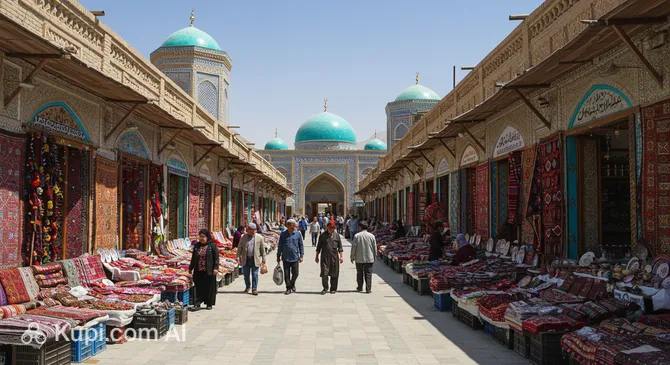
To immerse yourself in the authentic atmosphere of the East, head to Panchshanbe Bazaar in Khujand. It is one of the largest covered markets in Central Asia, where you can find everything from fresh fruit and aromatic spices to national souvenirs and handmade crafts. Bustling, vibrant, and colourful, this bazaar will leave an unforgettable impression.

Panjshanbe Bazaar. Source: Kupi.com Binoculars

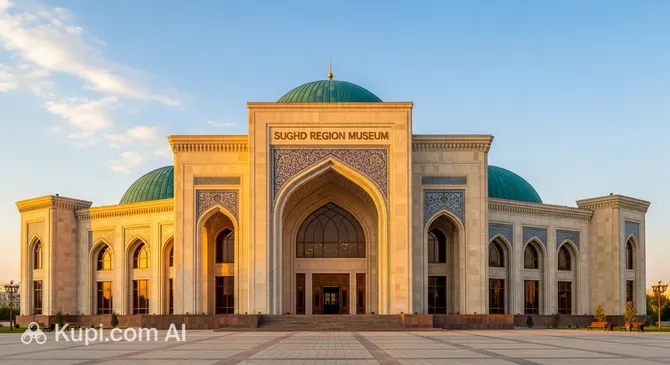
History enthusiasts should definitely visit the Sughd Regional Museum, also located in Khujand. The museum's exhibition tells the story of the rich past of this ancient region, starting from antiquity. Here you will see archaeological finds, household items, and works of art that will help you better understand the culture and history of Sughd.

Sughd Region Museum. Source: Kupi.com Binoculars

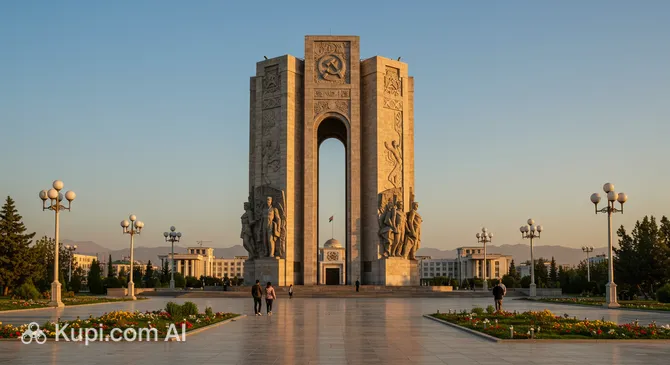
Among the historical monuments, the Victory Monument in Dushanbe stands out. This majestic memorial is dedicated to the memory of the soldiers who fell in the Second World War. The complex includes an eternal flame and sculptural compositions, making it an important site for the city's residents and a symbol of national remembrance.

Victory Monument. Source: Kupi.com Binoculars

Best Time to Visit

When planning a trip to Tajikistan, it is important to consider the local climate. The high season for visiting the country is during spring (April-May) and autumn (September-October). During these months, the weather is most pleasant: warm and sunny, but without the scorching heat, making it ideal for sightseeing in cities like Dushanbe or Khujand, and for trekking in the mountains. In spring, nature is in full bloom, while autumn delights with its vibrant colours and abundance of fruit. A potential downside is the larger number of tourists and, consequently, slightly higher prices for accommodation and services.

The low season covers summer (June-August) and winter (December-February). In summer, the lowlands and major cities can experience high temperatures, often exceeding +35°C, which can make daytime excursions less comfortable. However, for those looking to escape the Gulf's summer heat, this is an excellent time for high-altitude trekking in areas like the Pamir Mountains, where the weather is much cooler. Winter in Tajikistan is cold, especially in the mountainous regions where many passes may be closed due to snow. The advantages of the low season are fewer tourists and lower prices. However, you should be prepared for unpredictable weather and the possible closure of some attractions, particularly in the mountains.

One of the most vibrant events that might influence your travel dates is the celebration of Nowruz (the Persian New Year), which takes place on 21-22 March. During this time, colourful festivals, public festivities, and sporting competitions are held across the country, offering a deep immersion into the local culture. Given the significant variations in altitude, the climate can differ greatly between Tajikistan's regions, so it is advisable to check the latest weather forecast for your specific destination before you travel.

Traditions

The culture of Tajikistan is deeply rooted in ancient traditions of hospitality and respect. Greetings play an important role here: men usually exchange a handshake, often placing their right hand over their heart as a sign of sincerity and honour. When interacting with women, a polite nod is more appropriate, unless she extends her hand first. Hospitality is a sacred duty for Tajiks. If you are invited into a home, it is a great honour, and it is customary to bring a small gift for the hosts, such as sweets, fruits, or something for the children. Refusing an invitation, especially for tea, may be perceived as impolite.

Adhering to certain dress codes will help you show respect for local customs. In public places, especially outside the capital, a modest style of dress is recommended. When visiting mosques and other religious sites, women should cover their heads, shoulders, and knees, while men should wear long trousers and a shirt with sleeves. There are also rules at the dining table: bread (non) is held in special regard here – it is not cut with a knife (only broken by hand) and should not be placed on the floor or turned upside down. As Tajikistan is a Muslim-majority country, most food is halal, though it is always wise to ask if you are unsure. The meal is usually started by the eldest person, and it is considered impolite to refuse offered food or drinks. Show moderation, but do try the treats you are offered.

One of the most vibrant and beloved holidays in Tajikistan is Navruz – an ancient festival marking the arrival of spring and the New Year according to the solar calendar. It is celebrated on a grand scale in March with public festivities, songs, dances, and traditional dishes that symbolise renewal and fertility. To ensure your journey is smooth and leaves you with only pleasant memories, remember a few simple things: always show respect for your elders, avoid overly loud behaviour in public places, and refrain from public displays of affection. Ask for permission before photographing people, especially in rural areas. Removing your shoes when entering a home is a common practice. These simple rules will help you better understand and appreciate the rich and distinctive culture of Tajikistan.

Entertainment

Tajikistan is a country with a wealth of opportunities for active recreation. The majestic Pamir and Fann Mountains attract enthusiasts of trekking, mountaineering, and scenic hikes of varying difficulty. Here, you can enjoy incredible landscapes, the purest mountain air, and test your endurance. For connoisseurs of cultural experiences, the country offers an introduction to its ancient history and unique art through numerous museums, especially in the capital Dushanbe, as well as theatres where you can see national performances and enjoy traditional music.

Evening life in Tajikistan is mainly centred in the larger cities, such as Dushanbe and Khujand. Here, you can find a variety of restaurants offering national and international cuisine, with many serving halal options and often featuring live music. There are also cosy chaikhanas (teahouses) and a few lounges where you can relax after a busy day. Shopping in Tajikistan is a fascinating immersion into the world of colourful oriental bazaars. Tourists delight in purchasing vibrant national fabrics like suzani and atlas silk, handmade carpets, ceramics, traditional clothing (such as skullcaps and robes), aromatic spices, and the famous Tajik dried fruits and nuts as souvenirs.

For family holidays, cities offer well-maintained parks with attractions and areas for strolling, where you can enjoy a pleasant time with children. While there may be few large European-style theme parks or water parks, the welcoming atmosphere and the opportunity to experience a new culture will be of interest to the whole family. Overall, Tajikistan offers a variety of leisure options that allow you to combine an appreciation of its unique nature with an immersion in ancient culture and interaction with hospitable locals, making for a rich and memorable trip.

Currency rates

Planning a trip? That's wonderful! To ensure the financial aspects of your journey do not come as a surprise, it is important to remember that currency exchange rates are constantly changing. Therefore, we strongly advise monitoring the latest rates, both before your departure and throughout your trip. You can use the data provided below for this purpose — we monitor currency rates 24/7 and strive to provide the most current information.

Reached the end of the page?

That means the route is fully explored