Support

Konibodom

About

Kanibadam is one of the oldest and most distinctive cities in Tajikistan, located in the southwestern part of the picturesque Fergana Valley. The city possesses a unique atmosphere where the industrial pace of life intertwines with the traditional Eastern way of living. Situated at the crossroads between Tajikistan, Uzbekistan, and Kyrgyzstan, Kanibadam has historically played the role of an important trade and administrative hub for the region.

Geographically, the city stretches along the banks of the Great Fergana Canal, and its climate is typical for the valley regions of Central Asia—with hot summers and mild winters. The population of Kanibadam is approximately 219,000 people, making it a significant center of the Sughd Region. The city is known not only for its industry but also for its agricultural achievements, particularly cotton production and horticulture.
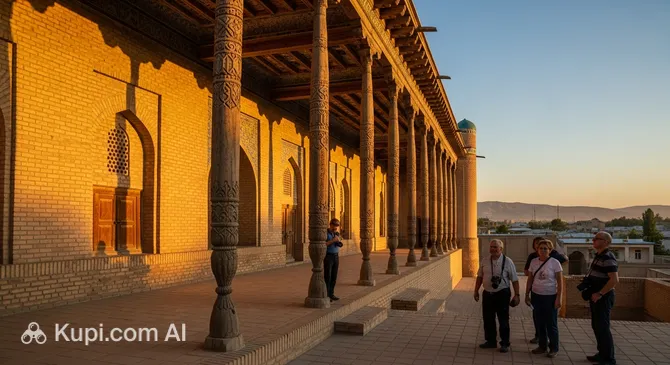
Konibodom. Illustration.
Source: Kupi.com AI

The city's rich historical heritage dates back to antiquity: the first mentions of settlements in this area date to the 8th century. One of the city's main features is its name, which translates as "source of almonds"—it is this nut that has been considered a symbol and pride of the local residents for centuries. A walk through Kanibadam will allow you to see the authentic life of the Fergana Valley, visit bustling oriental bazaars, and experience the hospitality of the Tajik people.

Today, Kanibadam invites travelers who appreciate sincerity and the absence of tourist gloss. This place is ideal for those who want to see the real, hardworking Tajikistan, get acquainted with the culture and daily life of local communities, and enjoy the taste of the famous Sughd fruits.

Weather Overview

The climate in Kanibadam has a pronounced continental character, typical for the Fergana Valley. Summers here are usually long, hot, and dry, with temperatures in July reaching +34°C and higher. In contrast, winters are quite mild and short: in January, the average temperature hovers around +2.5°C, although short-term frosts are possible.

Precipitation in the region falls mainly in the spring months—March and April are the wettest, bringing much-needed moisture to agricultural fields. From June to September, rain becomes a rarity, and the sky remains clear. To ensure your visit is as comfortable as possible, we recommend checking what the weather in Kanibadam will be like during your travel dates.

The best time to visit the city is spring (April–May) and autumn (September–October). During these periods, pleasant warm weather sets in, ideal for walking around the city and trips to the Kayrakkum Reservoir. In the autumn, you can also catch the harvest season for the famous almonds and other fruits for which this region is known.

Average monthly temperature

Average monthly precipitation

Interesting Facts

Kanibadam is a city with a centuries-old history, hiding many interesting details. Here are a few facts to help you get to know this place better:

  • Etymology of the name: The name "Konibodom" (Kanibadam) translates from Tajik as "source of almonds" or "city rich in almonds." This name has been associated with the city since the 12th–13th centuries.

  • Ancient roots: The earliest mentions of a settlement in this area are found in the Mugh documents dating back to 712–713 AD, confirming the city's existence even before the Arab conquest of Central Asia.

  • Digital history: Kanibadam was once home to one of the region's first free internet cafes called "IREX," which was an important step in the digitalization of local youth.

  • Transit hub: The city is located just 6 kilometers from a railway station, previously called Melnikovo, and is in close proximity to the borders of three different states.

  • City status: Kanibadam received official city status in 1937, although by that time it had already been a developed center of crafts and trade for centuries.

How to Get There

Kanibadam is conveniently located in the eastern part of the Fergana Valley, making it an important transport hub. Despite the absence of its own airport directly within the city limits, getting here from other regions of Tajikistan or neighboring countries is not difficult. To plan your route as efficiently as possible, you can explore the detailed section on how to get to Kanibadam.

The primary way to reach the city is by road. Regular minibuses and taxis run from Khujand, the administrative center of the Sughd Region; the journey of about 100 kilometers takes between 2 and 3 hours. If you are traveling from Dushanbe, prepare for a long journey (about 300 km) that can take 6 to 8 hours, passing through picturesque mountain passes along the highway via Istaravshan.

AirportPassenger trafficDistance
Isfara26 km
Batken22 50046 km
Kokand40 00051 km
Khujand Airport799 20062 km
Razzakov20 00090 km

For those who prefer rail transport, the Kanibadam railway station is located 6 kilometers from the city center. It is on the line connecting Tashkent and Khujand. Although passenger service here is not very frequent, it remains an important option for connecting with other cities in the valley. From the station to Kanibadam itself, you can easily reach the center by taxi in 10–15 minutes.

StationPassenger trafficDistance
Turgay Station36 km
Kokand-1 Station1.5 mln50 km
Khujand Railway Station50 00059 km
Angren Station600 00083 km
Pap Railway Station600 00088 km

Main Attractions

Kanibadam is a city where architectural and cultural values are concentrated around daily life and the region's history. While it may be difficult to find grandiose monuments of global scale here, the city charms with its authenticity. The main focus for any visitor is the Central Market—the living heart of Kanibadam, where you can not only buy the freshest almonds but also observe traditional trade that has preserved features of past centuries.

From an infrastructure and engineering perspective, the Great Fergana Canal passing through the city is of great interest. It is not just a water artery feeding the fields of the entire valley, but also an important element of the urban landscape, along which it is pleasant to stroll in the shade of trees. The city also preserves ancient mosques and administrative buildings from the Soviet period, reflecting different eras of the region's development.

For those ready to venture outside the city limits, a mandatory stop is the Kayrakkum Reservoir, known as the "Tajik Sea." This is a popular vacation spot where you can enjoy swimming and picnics in nature. Within the city itself, a favorite place for lunch or dinner among locals and the few tourists is the Asmald Palace restaurant, which offers an introduction to local gastronomy in a comfortable setting.

Local Cuisine

The gastronomic scene in Kanibadam is a true celebration of flavor for lovers of traditional Eastern cuisine. The main specialty of the city, as its name suggests, is almonds. They are not only sold at every turn but are also actively used in preparing desserts, pastries, and as a refined addition to main courses. Local apricots are also famous for their sweetness and are often served with tea in dried form.

In the restaurants and teahouses of Kanibadam, it is definitely worth trying classic Tajik pilaf, which is prepared in the Fergana Valley with special care using local carrots and mutton. Also popular are shish kebabs, fragrant samsa cooked in a tandoor, manty, and hearty soups like shurpa. Local flatbreads sprinkled with sesame seeds are always served hot and are considered an essential attribute of any meal.

The food culture here is inextricably linked to green tea, which is drunk throughout the day. In the summer heat, compotes made from local fruits and berries are also popular. For a full lunch, tourists and locals often choose the Asmald Palace restaurant, where traditional flavors can be enjoyed in a modern interpretation. It is also worth paying attention to small cafes near the markets—it is there that you can find the most authentic street food, such as kurpa or freshly fried ossou.

Travel Tips

A trip to Kanibadam is a chance to see the real Tajikistan, and to ensure your trip is comfortable, we have prepared some useful tips.

  1. Clothing and dress code: Choose light clothing made of natural fabrics for protection from the heat, but remember to respect local traditions. Women are recommended to avoid overly revealing outfits, preferring modest dresses or trousers that cover the knees and shoulders.

  2. Transport links: The fastest way to move between the cities of the valley is by marshrutka. For travel within Kanibadam, it is most convenient to use taxi services, which are quite affordable.

  3. Finances and payment: The primary currency is the Tajik somoni. Always carry cash, as cards are only accepted in very large establishments. It is best to exchange currency at official banks or exchange offices.

  4. Health: Drink only bottled water and thoroughly wash vegetables and fruits bought at the market. Pharmacies can easily be found in the city center, but it is better to bring specific medications with you.

  5. Language barrier: The main language is Tajik, but most residents are fluent in Russian. Knowing a few basic phrases in Tajik ("Assalomu aleikum" — hello) will help you instantly win over your interlocutor.

  6. Local etiquette: Handshakes are common among men. When entering a private home, always remove your shoes. Hospitality is sacred here, so do not refuse offered tea if you have the time.

  7. What to avoid: You should not photograph government buildings or people without their prior consent. Also, refrain from walking alone in unlit industrial outskirts at night.

  8. Main tip: Be sure to visit the local bazaar to buy Kanibadam almonds—they are considered some of the best in Central Asia.

By following these simple recommendations, you will be able to fully enjoy the atmosphere of Kanibadam and bring home only pleasant memories.

Entertainment & Nightlife

Entertainment in Kanibadam is predominantly calm and family-oriented. There are no noisy nightclubs or large-scale concert venues typical of metropolises, as the city lives at a measured pace. The main activity in the evening is concentrated in central parks and squares, where residents gather for leisurely strolls after a day of work.

For cultural recreation, townspeople often visit the local cinema or gather in cozy cafes. Interestingly, internet cafes played a significant role in the city's history, such as the once-famous free "IREX" establishment, which was a hub for local youth. Today, the main place for evening leisure is considered to be the Asmald Palace restaurant, where you can spend time over a pleasant dinner; however, it is worth noting that most establishments close by 10:00 PM.

If you find yourself craving more active nightlife, theaters, or large entertainment centers, locals usually recommend heading to the regional administrative center—Khujand. The journey there takes about two hours, which easily allows for an evening trip and return using intercity taxi services.

Parks & Museums

The park zones and cultural institutions of Kanibadam reflect the industrial and agricultural character of the city. Greenery here is concentrated along major transport arteries and canals, creating necessary oases of coolness during the hot summer months. Small squares by the Great Fergana Canal are favorite relaxation spots for residents, where one can spend time in the shade of trees while watching the water flow.

Although there are no large art galleries in the city, the historical and cultural heritage of the region is carefully preserved. Kanibadam has a local history museum (or its branches) where you can learn about the ancient history of the city, starting from the Mugh era, and the development of the textile industry during the Soviet period. Exhibits often include samples of traditional embroidery, ceramics, and craftsmen's tools.

For outdoor walks, residents also use the banks of the Isfara River. The natural landscapes around the city, consisting mainly of agricultural lands and orchards, offer the unique aesthetic of the Fergana Valley. Despite the lack of large-scale landscaped parks, Kanibadam wins visitors over with its naturalness and simplicity, where nature and human labor exist in inseparable unity.

Getting Around

The public transport system in Kanibadam is mainly represented by minibuses (marshrutkas) and buses that connect the central districts with the outskirts and neighboring settlements. Marshrutkas are the most popular and budget-friendly way to get around, though they can be quite crowded with local factory workers and students during morning and evening rush hours.

Taxis are very well-developed in Kanibadam and serve as a convenient alternative to public transport. A trip around the city usually costs between 50–100 somoni, depending on the distance. Taxis are also the primary means of reaching the railway station located 6 kilometers from the city; the trip takes no more than 15 minutes.

For travel between the cities of the Fergana Valley, tourists most often choose intercity taxis or minibuses departing from the bus station. Within the city itself, many prefer to move on foot, as the central part is quite compact. Bicycles are popular among residents, especially in summer, but there is currently no specialized infrastructure (bike lanes) in the city.

Accommodation

Accommodation options in Kanibadam are primarily oriented toward business travelers and those visiting the region for an extended period. There are no classic hotel chains here, but the city offers several decent alternatives. The most popular choice is Asmald Palace, which combines the functions of a hotel and a good restaurant, which is very convenient for visitors.

You can also find small guesthouses and private sector options in the city. For long-term stays, apartments are often available for rent. Among the accessible options, the Baikut facility receives positive reviews, offering a basic set of services and a homely atmosphere. The majority of housing is concentrated in central areas, ensuring proximity to markets and transport links.

It is best to book accommodation in Kanibadam in advance, especially if your trip coincides with major holidays or agricultural seasons when many specialists visit the city. Housing prices here are quite affordable, and payment is most often made in cash in the local currency (somoni), although larger establishments may accept cards.

Nearby Cities

Thanks to its location in the densely populated Fergana Valley, Kanibadam is an excellent starting point for exploring neighboring cities and the natural beauty of the region. The city's transit position allows for crossing borders or visiting cultural centers of neighboring provinces in a short time.

Just 26 kilometers away is the city of Isfara, known for its ancient apricot orchards and unique historical heritage. It is also interesting to visit Besharyk, located in neighboring Uzbekistan (only 22 km away), which allows you to feel the subtle differences in culture and lifestyle between the two nations of the valley. For those who want to see the administrative life of the region, it is worth heading to Khujand, which is about a two-hour drive away.

CityPopulationDistance
Beshariq22 80022 km
Lohuti21 65225 km
Isfara51 70026 km
Navgilem38 10427 km
Chilgazi15 99731 km

Exploring the surroundings of Kanibadam will give you the opportunity to see endless cotton fields, a network of ancient and modern canals, and to get acquainted with the life of small settlements such as Lokhuti or Navgilem. Each such trip reveals new facets of hospitable Tajikistan.

Shopping & Souvenirs

Shopping in Kanibadam is primarily about visiting traditional oriental bazaars. You won't find huge shopping malls with global brands here, but you will be able to immerse yourself in the atmosphere of a real Asian market. The main place for shopping is the Central Market, where the aisles are overflowing with fresh vegetables, spices, and, of course, the famous local almonds, which make the best gift from this trip.

In addition to food products, it is worth paying attention to textiles in Kanibadam. The city is a center for the textile industry, so you can profitably purchase high-quality cotton items and national fabrics such as silk and adras. Traditional hand-embroidered skullcaps (tubeteikas) and national robes make excellent souvenirs reflecting the local color.

Shops in the city usually operate from early morning until evening, and markets are most active in the first half of the day. Payment for goods is almost universally made in cash in somoni, so it is worth taking care of exchanging money at banks in advance. Bargaining in the markets is not only appropriate but is also part of the local culture of communication, allowing the buyer and seller to find a common price through friendly conversation.

Nearby cities

Reached the end of the page?

That means the route is fully explored