Support

Dushanbe

About

Dushanbe is the charming capital and largest city of Tajikistan, nestled in the scenic Hissar Valley. Known for its wide, tree-lined avenues and pastel-colored neoclassical buildings, the city offers a delightful blend of Soviet-era architecture and modern Tajik culture. Despite being the country's political and economic hub with a population of over 860,000, Dushanbe maintains a relaxed and welcoming atmosphere, often described by visitors as a "garden city" due to its abundant parks and greenery.

The name Dushanbe translates to "Monday" in the Tajik language, a nod to the weekly market that once took place in the village from which the capital grew. Travelers interested in the transformation of this former market settlement into a modern metropolis can delve deeper into the history of Dushanbe. Today, the city stands as a testament to the nation's resilience and cultural richness, surrounded by the majestic backdrop of snow-capped mountains.
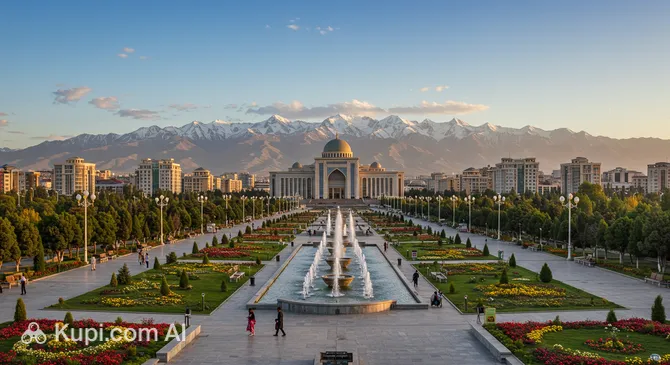
Dushanbe. Source: Kupi.Binoculars

Visitors are often drawn to the city's impressive landmarks, such as the expansive Rudaki Park, dedicated to the famous Persian poet, and the National Museum of Tajikistan, which houses rich archaeological collections. The city is also home to one of the world's tallest flagpoles, standing as a proud symbol of national identity. Beyond the monuments, the local chaikhanas (tea houses) offer a perfect setting to experience traditional Tajik hospitality and cuisine.

Whether you are strolling through its leafy boulevards or exploring its vibrant bazaars, Dushanbe provides a unique and memorable introduction to Central Asia. It is an ideal starting point for any journey through the region, inviting travelers to discover its hidden gems and warm spirit.
Weather Overview

The climate in Dushanbe is characterized by distinct seasonal changes, offering a different experience depending on when you choose to visit. To help pack appropriately for your trip, it is helpful to review the detailed forecast and historical trends regarding the weather in Dushanbe.

Generally, visitors can expect warm, dry summers and cold winters with frequent precipitation in the spring. During the peak of summer in July, average temperatures hover around 22.0°C, with daytime highs reaching up to 29.4°C and almost no rainfall. Conversely, January is typically the coldest month, with average temperatures dipping to -2.5°C and lows potentially falling to -7.9°C. Spring is the wettest period, particularly March, which can see precipitation on up to 19 days, while autumn offers a cooling transition with moderate temperatures.

Interesting Facts

Beyond the main attractions, Dushanbe holds many fascinating secrets that reveal the depth of its history and cultural ambitions. Here are some intriguing details that make the Tajik capital truly unique.

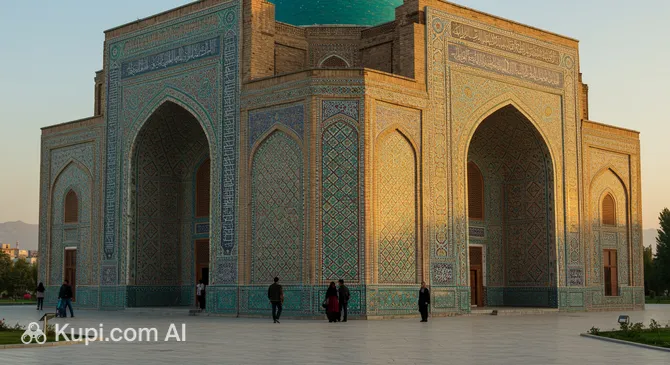
  • The majestic Ismail Samani Monument is a tribute to the founder of the Samanid dynasty and a display of genuine opulence. The golden crown atop the structure is reportedly covered in 10 kilograms of pure Tajik gold, shimmering brightly under the sun.

  • Dushanbe is home to Kohi Navruz, a complex originally planned as a traditional tea house that evolved into a stunning palace. It is widely considered one of the largest tea houses in the world, featuring halls intricately decorated by local artisans using wood carving and mosaics without the use of a single nail in the main decorative elements.

  • For several years, the city held the record for the world's tallest flagpole, which soars 165 meters into the sky. The flag flown here is massive, measuring 60 by 30 meters, and weighs hundreds of kilograms, requiring a dedicated team to manage it during high winds.

  • The city houses a remarkable archaeological treasure: a 13-meter-long statue of a "Sleeping Buddha" (Buddha in Nirvana). Discovered in the 1960s, it is the largest clay Buddha statue in Central Asia, highlighting the region's diverse pre-Islamic religious heritage.

Ismail Samani Monument. Source: Kupi.Binoculars

How to Get There

Reaching the capital of Tajikistan is most commonly achieved by air, as it serves as the primary entry point for international travelers. For a comprehensive overview of all travel methods, including land routes, you can read more about how to get to Dushanbe. The city is well-connected to major hubs in the region, making the journey relatively straightforward.

The main gateway is Dushanbe Airport (DYU), which is conveniently located just 3.8 km from the city center. Due to its proximity, a transfer to your hotel is quick and easy; a taxi ride typically takes about 10 to 15 minutes depending on traffic. If flights to the capital are unavailable, an alternative option is Qurghonteppa International Airport (KQT). Please note that this airport is situated in the city of Bokhtar, approximately 77 km away. From Bokhtar, you can reach Dushanbe by taxi or bus in roughly 1.5 to 2 hours.

For clarity, here is a summary of the main airports:

Airport Name City Passenger Traffic Km from City
Dushanbe AirportDushanbeLarge3.8
Kulyab AirportKulobMedium109.4
Termez AirportTermezMedium192.0
Qurghonteppa International AirportBokhtarSmall77.3
Zaamin AirportZominSmall157.9

Traveling by train offers a scenic and leisurely way to approach the city. The most significant hub is Dushanbe-1 Railway Station, located directly within the city limits, just 1.1 km from the center. It handles the majority of rail traffic and provides easy access to local transport. Another nearby option is Vahdat Station in the city of Vahdat. Although it is about 20 km from Dushanbe, it serves as a close regional link, with taxi transfers to the capital taking approximately 30 to 40 minutes.

Below is a list of the nearest railway stations:

Station City Passenger Traffic Km to Center
Dushanbe-1 Railway StationDushanbeMedium1.1
Pakhtaabad StationTursunzodaSmall57.3
Vakhsh Railway StationLevakantSmall61.0
Vahdat StationVahdat-20.2
Yavan Railway StationLohur-31.5

Main Attractions

Dushanbe is a city that invites exploration, offering a mix of serene green spaces, historical tributes, and modern developments. The capital's compact nature allows visitors to easily discover its most prominent landmarks, which reflect both its rich Persian heritage and its rapid modernization.

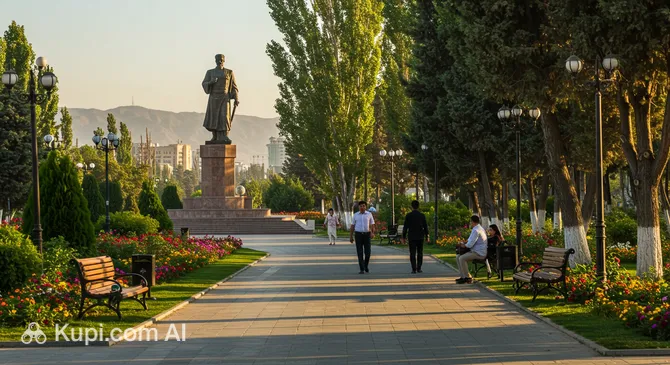
One of the most beloved spots in the city is Rudaki Park. Located in the heart of the capital, this beautifully landscaped garden is dedicated to Abu Abdullah Rudaki, the renowned Persian poet. It features vibrant flower beds, refreshing fountains, and majestic mature trees that provide welcome shade during the summer. Tourists and locals alike flock here to admire the prominent statue of the poet under a mosaic arch, making it a perfect place for a leisurely stroll or a picnic in a picturesque setting.

Rudaki Park. Source: Kupi.Binoculars

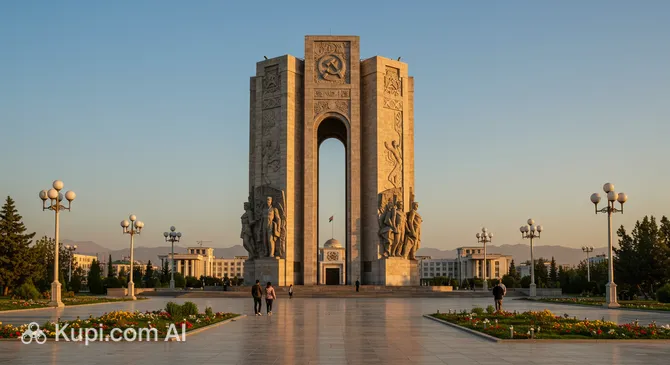
For those seeking panoramic views and a touch of history, the Victory Monument is an essential stop. Situated within Victory Park on a hilltop overlooking the city, this memorial honors the soldiers of the Second World War. The climb to the top rewards visitors with a stunning vantage point to see Dushanbe’s layout against the backdrop of the mountains. It is a quiet and contemplative site, ideal for watching the sunset and appreciating the scale of the capital from above.

Victory Monument. Source: Kupi.Binoculars

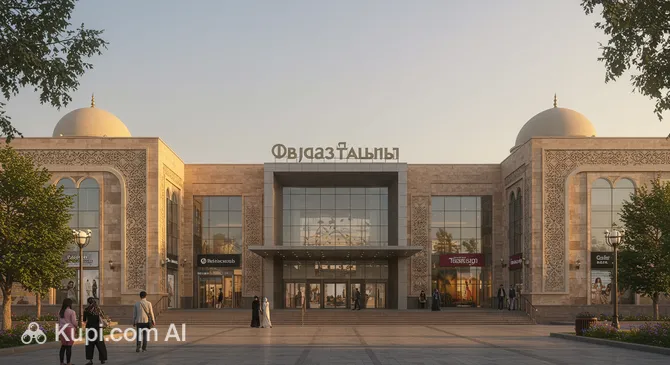
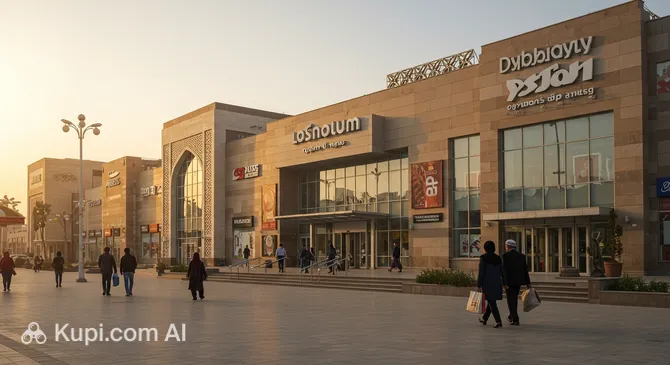
To experience the modern pulse of the city, a visit to Dushanbe Mall offers a different kind of attraction. As the first large-scale shopping and entertainment complex in Tajikistan, it serves as a bustling hub for lifestyle and leisure. Inside, travelers can find a wide array of international brands, a large hypermarket, and a food court offering diverse cuisines. It provides a comfortable, air-conditioned environment to relax, shop for souvenirs, or simply observe the contemporary daily life of Dushanbe's residents.

Dushanbe Mall. Source: Kupi.Binoculars

Local Cuisine

The culinary landscape of Dushanbe is a delightful journey through the flavors of Central Asia, deeply rooted in Persian traditions. The most iconic dish you must try is Oshi Palov (plov), often considered the king of Tajik cuisine. This hearty meal consists of rice slow-cooked with yellow carrots, onions, and tender chunks of meat, usually beef or mutton. It is more than just food; it is a cultural staple served at every significant gathering and is widely available throughout the city, from bustling bazaars to high-end establishments.

Another signature dish that defines the local palate is Qurutob, which is unique to Tajikistan. Unlike plov, this is traditionally eaten with hands from a large wooden communal plate called a tabaq. It features pieces of fatir (a flaky flatbread) layered with a sauce made from dissolved dried salty yogurt balls known as qurut, topped with fried onions and fresh herbs. It is a savory comfort food that offers a truly authentic taste of the region's pastoral history.

Tea culture is the heartbeat of social life in Dushanbe. Locals typically enjoy green tea (choi kabud), served in handleless cups called piyalas. It accompanies almost every meal and conversation, often paired with sweets, nuts, and dried fruits like apricots and raisins. For a traditional atmosphere, visitors should seek out a local chaikhana (tea house), where time slows down and hospitality takes center stage.

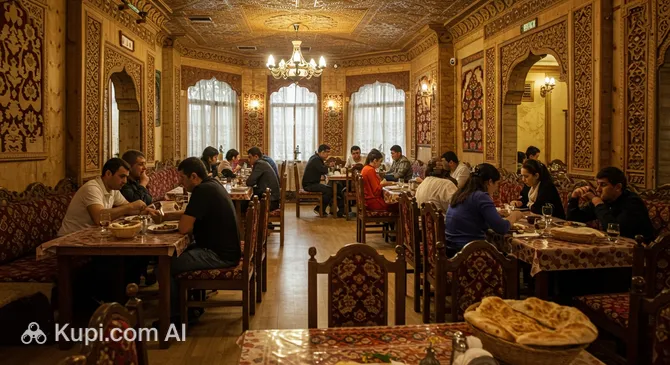
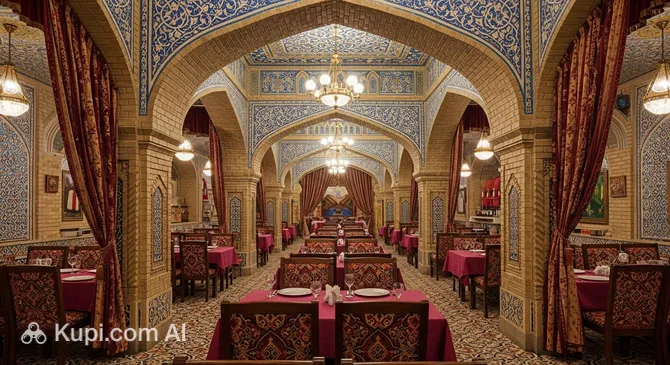
Yakkachinar Restaurant. Source: Kupi.Binoculars

When it comes to dining out, the city offers a mix of traditional eateries and modern venues. For a pleasant dining experience, you might visit the Yakkachinar Restaurant, which is known for its welcoming ambiance and diverse menu. It is an excellent spot to sample local specialties in a comfortable setting. The food scene here is vibrant, with many places staying open late to accommodate the local love for long, leisurely dinners.

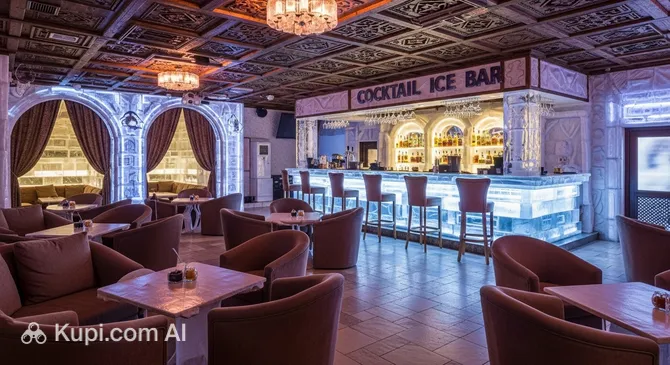
In addition to traditional fare, the city has seen a rise in international flavors. Al Sham is another popular destination, offering delicious dishes that cater to a variety of tastes. While tea is the dominant beverage, alcohol is readily available in the city, with local beers and vodka being common. For those looking to unwind with a drink after a day of exploring, the Cocktail Ice Bar provides a modern environment to enjoy refreshing beverages, contrasting with the traditional tea houses found elsewhere in the capital.

Travel Tips

Welcome to Dushanbe! To help you navigate the capital of Tajikistan with ease and confidence, we have gathered some essential practical tips that cover everything from local customs to getting around the city.

  1. Clothing and Gear. Tajikistan is a secular but conservative country. While the dress code in Dushanbe is more relaxed than in rural areas, it is best to dress modestly; men should avoid shorts, and women should cover their shoulders and knees, especially when visiting religious sites. Bring comfortable walking shoes for the uneven pavements and a universal travel adapter for Type C and F (European standard) power outlets.

  2. Transportation. The most convenient way to get around is by taxi; ride-hailing apps like Yandex Go or Rakhsh Taxi are reliable, affordable, and overcome language barriers. Public transport includes buses, trolleybuses, and marshrutkas (minibuses). While marshrutkas are very cheap, they can be crowded and confusing for first-time visitors. Car rental is generally not recommended for city driving due to chaotic traffic patterns.

  3. Finances. The local currency is the Tajik Somoni (TJS). Cash is king in Dushanbe; while major hotels and some upscale restaurants accept cards, you will need cash for bazaars, taxis, and smaller shops. ATMs are available in the city center but can occasionally run out of funds, so it is wise to carry a backup reserve of USD or EUR to exchange at banks. Tipping is not mandatory, but leaving around 10% is appreciated.

  4. Health and Safety. Do not drink tap water; always buy bottled water for drinking and brushing your teeth. Pharmacies (marked as Dorucona) are widespread, and many are open 24/7. Dushanbe is generally very safe for tourists, even at night, but you should exercise caution when crossing streets, as drivers often do not yield to pedestrians.

  5. Communication. The official language is Tajik (Persian), but Russian is widely spoken and understood as a lingua franca. English is not commonly spoken outside of major hotels and tourist agencies, so downloading an offline translator is highly recommended. Buying a local SIM card (Tcell, Megafon, or Babilon-M) is easy and cheap; simply visit an official store with your passport.

  6. Local Etiquette. The traditional greeting involves a handshake (usually between men) with the right hand, while placing the left hand over the heart as a sign of respect. Tajik hospitality is legendary; if you are invited to a local home for tea, it is polite to accept, and you must always take your shoes off at the entrance.

  7. What to Avoid. Avoid public displays of affection, such as kissing or hugging, as this is frowned upon in society. Additionally, refrain from photographing government buildings, military personnel, or police officers, as this is strictly prohibited and can lead to questioning by authorities.

  8. Market Tip. When visiting popular bazaars like Mehrgon or Korvon, try to go in the morning for the freshest produce. Don't be afraid to haggle; bargaining is a part of the culture and is expected in markets and with private taxi drivers.

Armed with this practical knowledge, you are all set to explore the vibrant streets and hidden corners of Dushanbe. Enjoy the warm hospitality and the unique rhythm of life in this beautiful Central Asian capital!

Entertainment & Nightlife

While Dushanbe may not be known as a global party capital, its nightlife scene has evolved significantly in recent years, offering a sophisticated and welcoming atmosphere for visitors. The city center, particularly along and around Rudaki Avenue, serves as the main artery for evening entertainment. As the sun sets, the pastel facades of the buildings are beautifully illuminated, and the streets fill with locals enjoying the cool evening air. The nightlife here leans towards trendy lounge bars, vibrant restaurants with live music, and a few energetic dance clubs.

For those looking to enjoy a modern drink in a stylish setting, the Cocktail Ice Bar is a standout venue. It offers a contemporary vibe that contrasts with the traditional tea houses, featuring a wide menu of creative cocktails and a lively crowd. It is a popular spot for both expats and locals to unwind, often playing a mix of Western and Russian pop music to keep the energy high.

Cocktail Ice Bar. Source: Kupi.Binoculars

Dining in Dushanbe is often a late-night affair, and many restaurants transition into lounge-style venues as the evening progresses. Al Sham is one such place where you can enjoy delicious Middle Eastern cuisine and then relax with a hookah (shisha), which is a popular pastime in the city. The atmosphere is generally laid-back, allowing for long conversations and people-watching.

Al Sham. Source: Kupi.Binoculars

For a more commercial entertainment experience, including evening shopping or catching a movie, modern complexes like Paykar Shopping Mall provide a variety of leisure options under one roof. These malls often remain bustling until late, serving as social hubs for families and young people.

When planning a night out, keep in mind that the dress code in Dushanbe is generally "smart casual." While not overly strict, looking neat and presentable is expected, especially in clubs and upscale bars where face control may be in effect. The best time to head out is around 9:00 PM or 10:00 PM. Prices are quite reasonable by international standards; a cocktail might cost between $5 and $8, and entry fees for clubs are usually nominal.

Safety is one of Dushanbe's strong points; the city is well-lit and secure for night walks in the central districts. However, for convenience and comfort, it is recommended to use a taxi to get back to your hotel. Ride-hailing apps like Yandex Go are the most reliable way to secure a ride late at night, ensuring a fixed price and avoiding language barriers.

During the day, the entertainment landscape shifts towards culture and relaxation. The Ayni Opera and Ballet Theatre is a must-visit for art lovers, hosting high-quality performances in a stunning classical building. Families and history enthusiasts can explore the impressive National Museum of Tajikistan or spend a fun afternoon at the various amusement parks scattered throughout the city's green zones.

Parks & Museums

Dushanbe is widely recognized as a "garden city," a title it earns through its numerous leafy avenues and expansive public parks. For travelers, these green spaces offer a peaceful retreat, while the city’s museums provide a window into the rich tapestry of Tajik history and art.

The National Museum of Tajikistan is the country’s premier cultural institution. Housed in a striking modern building with a distinctive elliptical roof, it features extensive exhibitions covering natural history, archaeology, and fine arts. Visitors can explore halls filled with ancient artifacts, including frescoes from Penjikent and exhibits detailing the nation's journey through the ages.

For a deeper dive into the region's ancient past, the National Museum of Antiquities is essential. Although smaller, it is home to one of the most famous artifacts in Central Asia: the 13-meter-long clay statue of the "Buddha in Nirvana." This museum focuses heavily on archaeological finds from pre-Islamic times, offering a fascinating perspective on the diverse civilizations that once thrived here.

Music enthusiasts should not miss the Gurminj Museum of Musical Instruments. This private collection, founded by the actor Gurminj Zavkibekov, showcases a variety of traditional Pamiri and Badakhshani instruments. It is an intimate space where the soulful sounds of Tajik music are preserved, and lucky visitors might even catch a live performance.

Among the city's green spaces, the Botanical Garden (Boghi Iram) stands out as a favorite for locals. It is a sprawling oasis featuring diverse flora, traditional wooden pavilions, and shaded paths that are perfect for a leisurely walk. On weekends, the garden comes alive with families and newlyweds taking photos, offering a glimpse into local social life.

While Rudaki Park and Victory Park serve as the central landmarks for sightseeing, places like Sadriddin Ayni Park provide additional venues for recreation and culture. Together, these parks and museums create a balanced itinerary that combines relaxation with cultural discovery.

Getting Around

Navigating Dushanbe is an authentic experience that allows travelers to immerse themselves in the daily rhythm of the city. The public transport system is extensive, affordable, and undergoing significant modernization. The primary modes of transportation are buses, trolleybuses, and the ubiquitous minibuses known as marshrutkas. While there is no underground metro system in the city, the surface network covers nearly every corner of the capital, making it relatively easy to get from one district to another.

For the most comfortable journey, modern buses and trolleybuses are the recommended choice for tourists. These vehicles are generally spacious and run on fixed routes along the main avenues, such as Rudaki and Somoni. In recent years, the city has introduced a fleet of new buses that are air-conditioned and wheelchair accessible. Trolleybuses, which have been a staple of the city for decades, offer a slower but eco-friendly and nostalgic way to see the sights.

The payment system on buses and trolleybuses has transitioned to a cashless method using the Dushanbe City Card. You cannot pay the driver with cash on these modern vehicles. Travelers should purchase a card from the specialized terminals or kiosks located at major bus stops. The card itself costs a nominal fee, and you can top it up with credit at the same terminals. To pay for your ride, simply tap the card on the electronic validators installed near the doors upon entry. One card can often be used to pay for multiple passengers by tapping it multiple times.

Minibuses, or marshrutkas, operate differently and serve as a faster, more flexible alternative. They dash through the streets and can stop almost anywhere along their route to pick up or drop off passengers. Payment for marshrutkas is typically made in cash directly to the driver upon exiting. Prices are slightly higher than buses but are still very inexpensive. While they are efficient, be prepared for them to be crowded, especially during peak hours, and note that destination signs are usually only in the local language.

Taxis are an extremely popular and convenient option for tourists, offering door-to-door service at prices that are very low by international standards. It is highly advisable to use mobile apps like Yandex Go or Rakhsh Taxi rather than hailing a cab off the street. These apps provide fixed prices, allow for credit card payments, and eliminate language barriers since you can input your destination on the map. If you do take a street taxi, always negotiate the fare before getting in to avoid overcharging.

Public transport generally operates from early morning, around 6:00 AM, until approximately 10:00 PM or 11:00 PM. However, the frequency of buses and trolleybuses drops significantly after 9:00 PM. For late-night travel, taxis are the only reliable option. While the city does not have a subway, visitors can enjoy a unique ride on the cable car (ropeway) at Victory Park. Although it is more of a recreational attraction than a transit tool, it offers a scenic link to the upper parts of the park with stunning views over the city.

Accommodation

Finding the perfect place to stay in Dushanbe is becoming increasingly easy as the city's hospitality sector expands. Travelers can choose from a wide range of accommodations, from luxurious 5-star hotels belonging to international chains to charming, family-run guesthouses that offer a glimpse into local life. The blend of Soviet-era architecture and modern developments is reflected in the hotel options, providing something for every taste and budget.

For those seeking top-tier comfort and extensive amenities, the city center is home to several premium hotels. These establishments are ideal for business travelers and those who appreciate facilities such as swimming pools, fitness centers, and multiple dining options. Staying in these high-end properties ensures a consistent standard of service, with English-speaking staff and reliable conveniences to make your trip smooth and relaxing.

If you prefer a more intimate or budget-friendly experience, Dushanbe offers a variety of boutique hotels and B&Bs. These smaller accommodations are often praised for their warm hospitality and traditional decor. Backpackers and solo travelers will also find well-maintained hostels that serve as great meeting points for exchanging travel stories. These options are typically located in quieter residential neighborhoods, yet remain accessible to the main sights.

Location is an important factor when booking your stay. The most desirable area is along or near Rudaki Avenue, the city’s main artery. Accommodation here puts you within walking distance of key attractions like Rudaki Park and the majestic Ismail Samani Monument, as well as numerous restaurants and shops. Alternatively, if you have a brief layover, there are several convenient hotels situated close to the airport, allowing for quick transfers.

When planning your visit, it is advisable to book in advance, especially during the spring and autumn tourist seasons. While major hotels readily accept credit cards, smaller guesthouses may prefer payment in cash, so having some local currency on hand is a good idea. Regardless of where you choose to stay, you can generally expect a complimentary breakfast, often featuring delicious local bread and seasonal fruits.

Nearby Cities

Dushanbe is centrally located in the Hissar Valley, making it an excellent base for exploring the surrounding region. The capital is connected to several key urban centers that offer a glimpse into the diverse industrial and agricultural life of Tajikistan. Whether you are heading west towards the border or south into the expansive river valleys, these nearby cities are easily accessible for day trips or onward travel.

To the west lies Tursunzoda, a city known for its large aluminum plant and the lush vineyards that grow in its vicinity. South of the capital, Bokhtar (formerly Qurghonteppa) serves as the vibrant administrative center of the Khatlon region. For those looking for a shorter journey, Vahdat is situated just east of Dushanbe, offering a quick connection to the countryside along the Kofarnihon River.

Below is a list of the closest cities and towns, sorted by their distance from Dushanbe:

City Population Distance (km)
Chimteppa 45,221 12
Vahdat 43,200 20
Tursunzoda 55,700 50
Levakant 48,300 77
Bokhtar 75,450 79

Shopping & Souvenirs

Shopping in Dushanbe offers a fascinating contrast between the traditional and the modern, reflecting the city's evolving identity. Visitors can experience the vibrant atmosphere of ancient bazaar culture, where bargaining is an art form, or enjoy the comfort of contemporary shopping centers that rival those in other capital cities. The city is particularly known for its high-quality textiles, intricate handicrafts, and fresh organic produce, making it a delightful destination for those looking to take a piece of Central Asian culture home with them.

The heart of the city's retail scene runs along the central Rudaki Avenue. This tree-lined boulevard is not only a scenic place for a walk but also home to numerous boutiques, bookstores, and souvenir shops. Here, tourists can find everything from high-end fashion to local artisan goods. Exploring the side streets branching off Rudaki often reveals smaller, hidden gems where local designers showcase modern takes on traditional Tajik clothing.

For a modern retail experience, the city boasts several large complexes. Dushanbe Mall is the largest and most prominent, famous for housing the country's first hypermarket. It serves as a one-stop destination for international brands, electronics, and clothing. Another popular spot is the Paykar Shopping Mall, which offers a curated selection of shops and a well-stocked supermarket that is popular among expats and locals alike. These malls provide a comfortable, air-conditioned environment, perfect for escaping the midday sun.

Paykar Shopping Mall. Source: Kupi.Binoculars

However, the true soul of shopping in Dushanbe lies in its markets. Mehrgon Bazaar is an architectural marvel in itself, with a stunning atrium and organized stalls. It is the best place to buy premium dried fruits, nuts, spices, and honey, all beautifully displayed. For a more intense and local experience, Korvon Bazaar on the outskirts of the city is the largest market in Tajikistan. It is a sprawling labyrinth selling textiles, clothes, and household goods at wholesale prices, though it can be overwhelming for the uninitiated.

When looking for souvenirs, keep an eye out for Suzani, the exquisite traditional embroidered tapestries that are a symbol of Tajik heritage. Other popular items include Atlas and Adras fabrics with their colorful ikat patterns, hand-carved wooden items, and warm, patterned socks from the Pamir region. Local ceramics and leather goods also make for unique and durable gifts.

Most shops in malls and the city center are open daily from around 9:00 AM to 10:00 PM. Bazaars typically start much earlier, often at sunrise, and wind down by late afternoon. While shopping malls and major supermarkets accept credit cards, cash is essential for bazaars and smaller souvenir shops. Currently, there is no formal tax-free refund system for tourists in Tajikistan, so the price you see or negotiate is the final price.

Reached the end of the page?

That means the route is fully explored