Support

Termez

About

Welcome to Termez, the southernmost city in Uzbekistan and a captivating destination where diverse cultures and eras intersect. As the administrative center of the Surxondaryo Region, this city offers a unique atmosphere distinct from the rest of the country. Situated on the right bank of the Amu Darya river, Termez serves as a quiet yet profound guardian of ancient secrets, inviting travelers to explore a side of the region that is rich in spirituality and archaeological wonders.

Geographically, Termez is known for its strategic location and its warm, dry climate, which is often warmer than other parts of the country. With a population of approximately 136,200 people, it maintains a welcoming, mid-sized city feel while providing modern amenities for visitors. The surrounding landscapes are characterized by sun-drenched plains and the distant, rugged beauty of mountain ranges, creating a stunning backdrop for exploration.
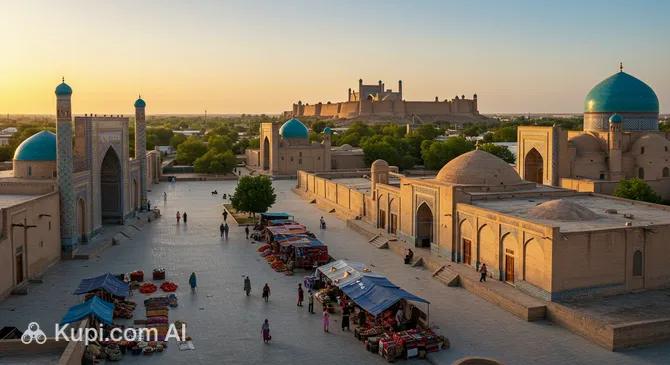
Termez. Source: Kupi.Binoculars

The city is renowned as one of the oldest in Central Asia, with a heritage that dates back more than 2,500 years. Exploring the history of Termez reveals its past as a significant hub of Buddhism during the Kushan Empire, a rarity in the predominantly Islamic architectural landscape of the region. Visitors can trace these ancient roots through the ruins of monasteries and stupas that dot the outskirts of the city, standing as silent witnesses to the Silk Road's vibrant past.

Among the key attractions, the Archaeological Museum of Termez stands out, housing one of the most impressive collections of artifacts in the country. For those interested in Islamic architecture, the Sultan Saodat Ensemble offers a serene complex of mausoleums with intricate brickwork, while the Mausoleum of Al-Hakim at-Termizi is a revered pilgrimage site surrounded by peaceful gardens. These landmarks provide a deep insight into the spiritual and cultural evolution of the area.

Whether you are an archaeology enthusiast or simply seeking a journey off the beaten path, Termez promises a memorable experience. We invite you to discover the hidden gems of this southern oasis, where ancient history and warm hospitality await every guest.

Weather Overview

Termez is known for its continental climate, characterized by long, sweltering summers and short, mild winters. Due to its location in the southernmost part of the country, it is typically warmer here than in many other Uzbek cities. Travelers should prepare for significant temperature variations depending on the season, with a distinct lack of rainfall during the peak travel months.

The summer months, particularly from June to August, are intensely hot and dry. Average temperatures during this period often exceed 30°C, with July seeing daily highs peaking around 41.2°C. Precipitation is virtually non-existent in summer, ensuring clear, sunny skies perfect for sightseeing, provided you stay hydrated and avoid the midday sun.

Winters are generally gentle compared to the north, with average temperatures in January sitting around 6.2°C and nighttime lows rarely dropping far below freezing. While the winter and spring months see a slight increase in "wet days," actual rainfall remains quite low year-round. For a more detailed breakdown to help you plan your trip, you can check the current weather in Termez.

Interesting Facts

Beyond the well-known archaeological sites and museums, Termez holds fascinating secrets that reveal its deep historical layers and unique position on the map. Here are some intriguing facts about this ancient city:

  • The Legend of the Forty Girls: The ruins of the Kirk-Kiz fortress are shrouded in a captivating local legend. It is said that the brave Princess Gulaim and her forty amazon companions ("Kirk Kiz" translates to "Forty Girls") defended this structure against invaders. While folklore celebrates their heroism, archaeologists are still debating whether the building was originally a fortress, a palace, or a spiritual khanqah.

  • A Greek Name for a Hot City: One popular historical theory suggests that the name "Termez" is derived from the Greek word "Thermos," meaning "hot." It is believed that soldiers of Alexander the Great gave the city this moniker, which remains entirely appropriate today, as Termez is officially the hottest city in Uzbekistan.

  • The Only Bridge to Afghanistan: The city is home to the "Friendship Bridge," a strategic structure spanning the Amu Darya river. This is the only bridge connecting the country directly to Afghanistan, making Termez a vital geopolitical gateway and a witness to significant modern history.

  • Underground Meditation Cells: The Kara Tepe archaeological site features a complex system of caves and man-made underground chambers. These were used centuries ago by Buddhist monks for retreat and meditation during the intense summer heat, representing a unique blend of Indian spiritual practices and local Bactrian architecture.

How to Get There

Planning a trip to the southernmost city of Uzbekistan is straightforward, with several transport options available to suit different itineraries. For a detailed overview of routes and travel tips, you can read more about how to get to Termez. Whether you prefer the speed of air travel or the scenic route by train, the city is well-connected to the region.

The most convenient entry point is the local Termez Airport (TMJ), situated just 2.8 km from the city center. As the primary air gateway for the Surxondaryo Region, it handles a medium volume of passenger traffic and offers a quick and easy transfer to downtown, taking approximately 25 minutes by taxi or bus. For travelers looking for more international flight connections, Dushanbe Airport (DYU) is a significant alternative. Located in Dushanbe, about 195 km from Termez, this large international airport serves a much higher volume of passengers. However, keep in mind that arriving here involves a longer overland transfer of roughly 5 hours to reach Termez.

For clarity, here is a summary of the main airports:

Airport Name City Passenger Traffic Km from City
Dushanbe AirportDushanbeLarge195.0
Mazar-I-Sharif AirportMazar-i-SharifMedium62.1
Termez AirportTermezMedium2.8
Karshi AirportKarshiMedium217.8
Qurghonteppa International AirportBokhtarSmall153.0

Traveling by train is another excellent way to reach the city, allowing you to observe the changing landscapes of the region. The main hub is Termez Railway Station, which is conveniently located only 2.2 km from the city center. This proximity ensures that once your train arrives, you are practically at your destination, with a very short taxi ride to your accommodation. Another regional option is Boysun Railway Station, located in Boysun, approximately 94.1 km away, which may serve as a stop for those exploring the wider province.

Below is a list of the nearest railway stations:

Station City Passenger Traffic Km to Center
Boysun Railway StationBoysunMedium94.1
Termez Railway StationTermez2.2
Kumkurgan Railway StationKumkurgan68.4
Jarkurgan Railway StationSariq27.9
Tangimush StationKumkurgan81.8

Main Attractions

One of the most intriguing sites in Termez is Fayaz Tepe, an ancient Buddhist monastery complex dating back to the 1st century AD. Unlike the blue-domed mosques typical of the region, this site offers a rare glimpse into the pre-Islamic past when Buddhism flourished under the Kushan Empire. Visitors can explore the well-preserved remains of the central temple, monastic cells, and a stupa, all while soaking in the quiet atmosphere of antiquity that permeates this desert landscape.

For lovers of Islamic architecture, the Sultan Saodat Ensemble is a must-visit destination. This majestic memorial complex served as the family burial vault for the influential Sayyids of Termez for several centuries. The site consists of a series of mausoleums and mosques built from baked brick, featuring intricate decorative patterns. Walking through its courtyards allows you to observe the evolution of architectural styles from the 11th to the 17th centuries in a respectful and serene setting.

To fully understand the depth of the region's history, a visit to the Termez Archaeological Museum is essential. It is considered one of the finest museums in Central Asia, housing a vast collection of artifacts that span thousands of years. The exhibits are particularly famous for their Greco-Bactrian and Kushan treasures, including stone sculptures, ancient coins, and wall paintings, providing the necessary context for all the archaeological sites scattered around the city.

The Mausoleum of Al-Hakim at-Termizi is not only an architectural landmark but also a deeply spiritual place. Dedicated to the famous Sufi scholar and patron saint of the city, this complex attracts pilgrims from all over the world. Uniquely located on the banks of the Amu Darya river, right on the border with Afghanistan, the site offers a peaceful garden environment and a chance to witness local religious traditions in practice.

Local Cuisine

The cuisine of Termez is a delightful discovery for any gourmet traveler, reflecting the agricultural richness and ancient traditions of the Surxondaryo region. The gastronomic card of the city is undoubtedly the famous Surkhandarya Tandir Kabob. Unlike other regional variations of meat dishes, this delicacy is prepared using a unique method where lamb is marinated with spices and lowered into a deep clay oven (tandir) heated by burning juniper branches. The meat is sealed inside and slow-cooked until it becomes incredibly tender and infused with a distinct smoky aroma, offering a taste that is difficult to find anywhere else in the country.

While Plov (Osh) is the national dish of Uzbekistan, the local version in Termez has its own character and is a staple at any large gathering. Another dish worth seeking out is Moshkichiri, a thick and comforting porridge made from mung beans and meat, which provides a hearty meal often enjoyed by locals. To accompany these dishes, you will always be served fresh, hot flatbread (non), often baked in the same tandirs used for the meat, featuring a crispy crust and soft interior.

The region's hot climate makes it an ideal place for growing sweet, sun-ripened fruits. Termez is particularly renowned for its pomegranates, which are celebrated for their size and sweetness. Visiting a local bazaar allows you to taste these, along with sweet figs, grapes, and melons that are stacked high in colorful displays. These markets are vibrant social hubs where you can experience the true flavor of the city's produce.

When it comes to drinks, the local culture revolves around hot green tea (kuk-choy). It is consumed throughout the day and is believed to be the best way to regulate body temperature in the intense southern heat. Meals are traditionally enjoyed in a Choykhana (tea house), where guests sit on tapchans (raised wooden platforms with low tables) covered with colorful rugs. This relaxed style of dining encourages long conversations and reflects the warm hospitality that defines the people of Termez.

Travel Tips

Visiting the southernmost outpost of the Surxondaryo Region requires a bit of specific preparation to ensure your journey is as smooth as it is memorable. These practical tips are designed to help you navigate the unique climate, cultural nuances, and logistics of this ancient city on the banks of the Amu Darya.

  1. Dress for the Desert Heat and Tradition: Since Termez is the hottest city in Uzbekistan, lightweight, breathable fabrics like cotton and linen are essential, especially in summer. However, remember to dress modestly; when visiting religious sites like the Sultan Saodat complex or the Al-Hakim at-Termizi Mausoleum, both men and women should cover their shoulders and knees to show respect.
  2. Navigating the City: The most convenient way to get around is by taxi. Ride-hailing apps are becoming more common in the country, but in Termez, you may often need to flag down a car or use local taxi stands. Always agree on the fare with the driver before starting your journey if there is no meter, and carry small change for payment.
  3. Cash is King: While high-end hotels may accept international cards (Visa or Mastercard), cash is absolutely necessary for bazaars, small restaurants, and taxi rides. ATMs are available in the city center, but they can occasionally run out of funds, so it is wise to exchange enough money into Uzbek Soms (UZS) upon arrival or at a bank.
  4. Health and Border Safety: Pharmacies are easy to spot by the green cross sign (Dorixona), but bring your own supply of specific prescription meds. As Termez is a border city, safety regulations are strict; always carry your passport with you, as you may be asked to show it at checkpoints or when entering certain tourist sites.
  5. Overcoming the Language Barrier: English is not widely spoken outside of the main tourist service sector. Knowing a few phrases in Uzbek or Russian will be incredibly helpful. We strongly recommend downloading an offline translation app and an offline map, as mobile data coverage can be spotty in remote archaeological areas.
  6. Local Etiquette: Greetings are taken seriously here; placing your right hand over your heart and slightly bowing is a polite and respected way to say hello (Assalomu Alaykum). When entering a local home or the inner sanctum of a mausoleum, always remove your shoes unless instructed otherwise.
  7. Strict Photography Rules: Be extremely cautious about what you photograph. Never take pictures of military personnel, checkpoints, or the "Friendship Bridge" connecting to Afghanistan. This is a sensitive border zone, and unauthorized photography can lead to confiscation of your camera or questioning by authorities.
  8. Beat the Midday Sun: A specific tip for Termez is to plan your sightseeing for the early morning or late afternoon. The midday sun between 1:00 PM and 4:00 PM can be intense; follow the local custom of taking a break or enjoying a long lunch in a shaded choykhana during these hours.

By keeping these practicalities in mind, you can focus on the incredible history and warm hospitality that define this southern oasis. Termez is a safe and welcoming destination for those who respect its rules and rhythms, promising an adventure unlike any other in the region.

Entertainment & Nightlife

Nightlife in Termez offers a distinct change of pace compared to the bustling energy of Tashkent or Samarkand. Instead of a Western-style clubbing scene, the evening entertainment here is deeply rooted in social dining and relaxed gatherings. As the sun sets and the desert heat subsides, the city comes alive with locals enjoying the cooler air. The atmosphere is generally laid-back and family-oriented, with the primary focus on good food, conversation, and traditional hospitality.

The heart of the city's "nightlife" beats in its restaurants, many of which transform into lively venues after dark. It is common for larger establishments to host live music performances, ranging from traditional Uzbek melodies to modern pop hits, turning a simple dinner into a dance party. Visitors often head to the restaurant and bar areas within major hotels, such as the Asson Hotel, which is a well-known hub for both travelers and locals seeking a comfortable environment and a selection of beverages. Another popular way to spend the evening is at a local Choykhana (tea house), where you can recline on tapchans under the stars, enjoying tea and shashlik late into the night.

For those who prefer a scenic walk, the area around Alisher Navoi Park and the city center's main promenades are bustling with activity in the evenings. During the warmer months, these parks act as open-air community centers where families stroll, children play, and street vendors sell ice cream and snacks. The vibe is safe and welcoming, making it a perfect spot to observe local life. While there isn't a designated "nightlife district" per se, the streets surrounding the central administrative buildings and the park tend to be the most illuminated and active.

When planning your evening, keep in mind that Termez is a conservative city. The dress code remains modest even at night; smart casual is appropriate for restaurants. Most venues close relatively early compared to Western standards, with many kitchens winding down by 11:00 PM or midnight. Prices are generally very affordable, and carrying cash (Uzbek Soms) is essential as card terminals can be unreliable. For transportation, it is best to use local taxis. They are inexpensive and plentiful, but since street hailing can be hit-or-miss late at night, asking your restaurant or hotel to call a car for you is the safest and most convenient option. The city is safe for night walks, particularly in well-lit central areas, but it is always wise to stay on main streets.

During the day, entertainment in Termez leans towards cultural and recreational activities. Beyond the famous archaeological sites, you can visit the Surkhandarya Regional Musical and Drama Theatre to catch a local performance or explore the city's amusement parks which offer simple rides and green spaces for relaxation. The local museums, including the aforementioned Archaeological Museum, provide a cool retreat from the afternoon sun, allowing you to immerse yourself in the region's rich heritage before the evening festivities begin.

Parks & Museums

While Termez is situated in a sun-drenched, arid region, the city offers a surprising number of refreshing green spaces and cultural institutions that provide respite from the heat and deep dives into history. The contrast between the surrounding desert landscapes and the irrigated, leafy parks of the city center creates a welcoming atmosphere for travelers, while its museums serve as treasure troves of the region's complex past.

The most prominent green space in the city is Alisher Navoi Park. Located in the heart of Termez, this sprawling park is a favorite gathering spot for locals and visitors alike. It features wide, tree-lined avenues, manicured flower beds, and refreshing fountains that help lower the ambient temperature during hot summer days. It is an ideal place for a leisurely evening stroll, offering a glimpse into the relaxed pace of local life. Another notable area is the Park of Culture and Rest, which often hosts local festivals and provides family-friendly attractions, making it a lively hub of activity on weekends.

For culture enthusiasts, the crown jewel is undoubtedly the Termez Archaeological Museum. It is widely regarded as one of the best museums in Central Asia, boasting a collection of over 27,000 artifacts. The museum is unique for its extensive display of Buddhist art and heritage, reflecting the city's role as a major center of Buddhism in antiquity. Visitors can admire exquisite Greco-Bactrian statues, ancient coins, and murals that tell the story of the Silk Road. The entrance hall alone, with its grand scale and historical maps, sets the stage for a fascinating journey through time.

Beyond the traditional indoor galleries, Termez itself acts as an open-air museum. The Kirk Kiz Fortress is a massive brick structure that fascinates visitors with its labyrinthine corridors and arched passageways. Although time has worn down its walls, walking through this 9th-century complex allows you to imagine the lives of the people who once resided within its protective embrace. Similarly, the Kokildor Khanaka offers a look at medieval Islamic architecture, characterized by its distinct portal and dome, standing as a quiet testament to the spiritual history of the region.

For an authentic experience, try to visit the Archaeological Museum early in the morning when it opens. Not only will you beat the midday heat, but exploring the exhibits first provides crucial context for the ruins you might visit later in the day, such as Fayaz Tepe or Kara Tepe. Understanding the artifacts beforehand brings the silent, dusty stones of the outdoor sites to life in a much more vivid way.

Getting Around

Navigating Termez is relatively straightforward due to its compact size and straightforward layout. The public transport system is primarily composed of buses and fixed-route minibuses, known locally as marshrutkas. There is no metro, tram, or trolleybus network in the city. For most visitors, the system offers an authentic and inexpensive way to get around, though it may lack the rigid schedules found in larger capitals.

The most common form of local transport you will encounter is the ubiquitous "Damas" van. These small, white minivans serve as the backbone of the city's transit, zipping along established routes that cover nearly every neighborhood. Standard mid-sized buses also operate on major avenues, connecting key landmarks like the railway station, the markets, and the city center. Destination signs are usually displayed in the front window, often in local script, so knowing the number of your route is helpful.

Payment for public transport is almost exclusively cash-based. There are no electronic travel cards or mobile ticketing apps currently in wide use for the local bus network. You simply pay the driver or the conductor directly. The fares are extremely affordable, typically costing just a few thousand local currency units. It is highly recommended to carry small change, as drivers may not always have change for large banknotes.

Taxis serve as a very popular and convenient alternative to buses. In Termez, you can easily flag down a taxi on the street, or you might find shared taxis waiting at major intersections and bazaars. While some ride-hailing apps are beginning to gain a foothold in the region, traditional street hailing remains the norm. Taxis are generally inexpensive, but since many do not use meters, it is customary and essential to agree on the fare with the driver before you get into the car.

For tourists, a few practical tips will ensure a smoother experience. Public transport typically operates from early morning until around 8:00 PM or 9:00 PM; after this time, the frequency of buses drops significantly, and a taxi becomes your best option. Stops are not always clearly marked with signage, so you can often hail a marshrutka by simply raising your hand along the route. When you wish to get off, just alert the driver verbally as you approach your destination.

Given the flat terrain and the concentration of attractions within the central area, walking is also a viable and pleasant option, especially during the cooler morning hours. However, for reaching the archaeological sites located on the outskirts, hiring a private taxi for a half-day or full-day excursion is often the most efficient and comfortable choice.

Accommodation

Finding a place to stay in Termez is relatively straightforward, although the options are more limited compared to the country's major tourist hubs like Samarkand or Bukhara. The city primarily offers a selection of mid-range hotels and smaller, family-run guesthouses. While you will not find sprawling luxury resorts or international 5-star chains here, the available accommodation is generally clean, comfortable, and well-suited for travelers passing through the Surxondaryo region.

The most convenient area to stay is undoubtedly the city center. Choosing a hotel near the central administrative district or Alisher Navoi Park places you within walking distance of the main museums, restaurants, and the local bazaar. Staying centrally also makes it easier to find taxis for day trips to the archaeological sites on the outskirts. Since Termez is not a very large city, most hotels are reasonably close to the action, but a central location saves you time and offers better access to evening dining options.

When selecting your accommodation, one non-negotiable amenity to look for is air conditioning. Given that Termez is the hottest city in Uzbekistan, functioning climate control is essential for a comfortable night's sleep, especially during the intense summer months. Many local hotels also feature on-site restaurants, which can be very convenient after a long day of sightseeing in the heat.

In terms of pricing, Termez is quite affordable. Most options fall into the budget to mid-range categories, making it an economical stop on your itinerary. Booking in advance is highly recommended if you plan to visit during the peak travel seasons of spring and autumn, as the best hotels can fill up quickly with tour groups. While major online booking platforms list several properties, some smaller guesthouses may still operate on a walk-in basis or require direct contact. Regardless of where you book, be prepared to pay in Uzbek Soms (cash), as card payment facilities can be inconsistent.

Nearby Cities

For those looking to explore the surroundings, Termez serves as an excellent base for day trips to several interesting nearby locations. The region south of the Hissar Range offers a mix of ancient history, bustling trade hubs, and scenic landscapes that contrast with the desert environment of the border city.

One of the most significant destinations within reach is Shakhrisabz. Although it requires a longer drive, this UNESCO World Heritage city is renowned as the birthplace of Amir Timur. Visitors can stand before the colossal ruins of the Ak-Saray Palace and explore the Dorus-Saodat memorial complex, making it a crucial stop for history buffs. Closer to Termez lies Denov, a vibrant commercial center known for its large bazaar and its proximity to the Hissar mountains. It serves as a gateway to natural wonders like the Sangardak Waterfall, offering a refreshing escape into nature.

Another notable city is Karshi, the administrative center of the Qashqadaryo Region. It is famous for its historic brick bridge and the ancient settlement of Yer-Kurgan. Karshi has undergone significant modernization but retains its historical charm, providing a glimpse into the development of urban life in southern Uzbekistan over the centuries.

City Population Distance (km)
Karshi278000222
Denov217274124
Shakhrisabz100300204
Urgut99675240
Kitob40800210

These nearby destinations offer a glimpse into the diverse culture and landscapes of the region, allowing travelers to extend their journey beyond the banks of the Amu Darya.

Shopping & Souvenirs

Shopping in Termez offers a distinct experience that contrasts with the polished, high-end retail scenes of larger capital cities. Here, commerce is deeply rooted in tradition, revolving around bustling bazaars and small, family-run shops rather than sprawling luxury complexes. Visitors will find that the city's shopping atmosphere is authentic and vibrant, providing a genuine glimpse into the daily lives of the local population. While you can find modern necessities, the true charm lies in exploring the colorful markets filled with regional produce and handicrafts.

The main shopping activity is concentrated along the central arteries of the city, particularly around At-Termizi Street and the areas surrounding the central market. These streets are lined with a variety of storefronts selling everything from clothing and electronics to household goods. Walking down these avenues allows tourists to browse through local fashion, discover small boutiques, and soak in the lively urban energy that defines the city center.

For those seeking a more modern retail experience, Termez has seen the development of several shopping centers. Indenim is one of the most notable destinations, offering a supermarket-style layout combined with departments for clothes, shoes, and home accessories. While not a "mega-mall" by international standards, it provides a comfortable, air-conditioned environment where you can purchase fixed-price goods, toiletries, and standard travel supplies.

The heart and soul of shopping in the city is undoubtedly the Central Dehkan Bazaar. This sprawling market is a sensory overload of sights, smells, and sounds. It is the best place to buy fresh, sun-ripened fruits, vegetables, and aromatic spices. The bazaar is also a social hub, where friendly bargaining is expected and smiles are exchanged freely. In the mornings, the aisles are packed with locals buying fresh non (bread) and dairy products, making it an essential stop for any traveler wanting to taste the region.

When looking for souvenirs, the Surxondaryo region offers unique handicrafts that differ from other parts of Uzbekistan. The local embroidery (suzani) is famous for its bold, vibrant colors, particularly deep reds and bright oranges. You should also look for the distinctive Surkhandarya skullcaps (doppi), which feature round shapes and colorful geometric patterns. For a delicious edible souvenir, Termez is legendary for its pomegranates. They are prized for their size and sweetness, and buying a few at the market to take home is a popular choice among visitors.

Most shops in Termez operate from around 9:00 AM to 8:00 PM, though bazaars start much earlier, often at sunrise, and wind down by late afternoon. Payment methods are largely cash-based. While modern centers like Indenim and some hotels may accept credit cards, the vast majority of vendors at the bazaar and smaller shops deal exclusively in Uzbek Soms. It is highly recommended to carry sufficient cash in small denominations for easier transactions.

Regarding tax-free shopping, tourists should be aware that a Tax-Free refund system is not widely available or operational in Termez. While the country is developing such systems for international visitors, they are currently limited to specific certified retailers in major tourist hubs and airports. Therefore, you should plan your budget assuming that the price you see is the final price, without the expectation of a VAT refund upon departure.

Reached the end of the page?

That means the route is fully explored