Welcome to Kulob, a captivating city that serves as a vital cultural and economic hub in the southern part of the country. With a population of approximately 107,000 residents, it offers a lively yet deeply traditional atmosphere, drawing travelers who seek an authentic experience away from the bustling capital.
Kulob
About
Weather Overview
Travelers to this region can expect a distinct continental climate characterized by hot, arid summers and cool winters. The warmest period occurs in July, where the average temperature hovers around 26.4°C and daily highs can reach 34.0°C. In contrast, January is typically the coldest month, featuring average temperatures of 1.6°C and minimums falling to -3.9°C.
Rainfall patterns vary significantly throughout the year. The summer months, specifically from June to September, are exceptionally dry with almost no recorded precipitation. Spring tends to be the wettest season in terms of frequency; March, for instance, records about 16 wet days, though the rainfall volume is often light. To help you pack appropriately for your visit, we recommend checking the current weather in Kulob before your departure.
Interesting Facts
Beyond the main attractions, Kulob holds many fascinating secrets and unique features that define its character and surprise visitors.
-
Just a short distance from the city lies the incredible Khoja Mumin, a mountain composed almost entirely of salt. Rising nearly a kilometer in height, this geological marvel contains caves with beautiful multicolored salt pillars and streams that are said to possess healing properties.
-
The city is widely regarded as the heart of Chakan, a distinctive style of embroidery recognized by UNESCO as Intangible Cultural Heritage. Local artisans create these vibrant, symbolic patterns on dresses and textiles, preserving a tradition that dates back centuries and remains a powerful symbol of national identity in Tajikistan.
-
While many ancient cities exist in the region, Kulob's age has been scientifically validated at over 2,700 years. This deep history was officially celebrated in 2006, confirming its status as one of the oldest continuous settlements in Central Asia, with roots stretching back to the Achaemenid era.
-
The name "Kulob" translates literally to "lake water" or "wetland," which offers a clue to the region's ancient geography. Historical analysis suggests that the area was once significantly marshier, with an abundance of water sources that determined the original settlement patterns long before the modern climate took hold.
How to Get There
Reaching this historic city is relatively straightforward, with options ranging from direct flights to scenic road trips from the capital. Whether you prefer the speed of air travel or the landscapes seen from a train window, there are several ways to arrive. For a comprehensive guide on all available routes and transport tips, you can read more about how to get to Kulob on our detailed page.
The most convenient entry point for many travelers is Kulyab Airport (TJU), located directly in the city, just 6.8 km from the center. This regional hub allows visitors to land close to their destination, with a short taxi or bus ride taking approximately 30 minutes to reach downtown. For those arriving from further afield, Dushanbe Airport (DYU) in the capital serves as the primary international gateway. Situated about 109 km away, it offers a wider range of flight connections. From Dushanbe, the journey to Kulob by road takes around 3 hours, offering a chance to see the beautiful Tajik countryside.
For clarity, here is a summary of the main airports serving the region:
| Airport Name | City | Passenger Traffic | Km from City |
|---|---|---|---|
| Dushanbe Airport | Dushanbe | Very High | 109.4 |
| Kulyab Airport | Kulob | Medium | 6.8 |
| Termez Airport | Termez | Medium | 231.2 |
| Qurghonteppa International Airport | Bokhtar | Medium | 82.6 |
| Faizabad Airport | Fayzabad | Unknown | 109.7 |
Travelers interested in rail transport can utilize stations in neighboring cities, as the railway network connects key regional centers. The Dushanbe-1 Railway Station in Dushanbe is a significant hub located approximately 112 km from Kulob. From there, you can catch a taxi or shared car, which takes about 3 hours to reach the city. Another option is the Danghara Railway Station in the town of Danghara, which is closer at roughly 48 km away. The transfer from Danghara typically takes about 1 hour and 30 minutes by road.
Below is a list of the closest railway stations:
| Station | City | Passenger Traffic | Km to Center |
|---|---|---|---|
| Dushanbe-1 Railway Station | Dushanbe | High | 112.0 |
| Danghara Railway Station | Danghara | Medium | 47.6 |
| Vakhsh Railway Station | Levakant | Medium | 83.2 |
| Yavan Railway Station | Lohur | Unknown | 85.8 |
| Vahdat Station | Vahdat | Unknown | 96.5 |
Main Attractions
Kulob offers a fascinating mix of deep spirituality, ancient history, and unique natural wonders. While the city itself is a gateway to the southern Khatlon Region, its specific landmarks provide a profound insight into the cultural tapestry of Tajikistan. Here are the main attractions that every visitor should explore.
Mausoleum of Mir Sayyid Ali Hamadani
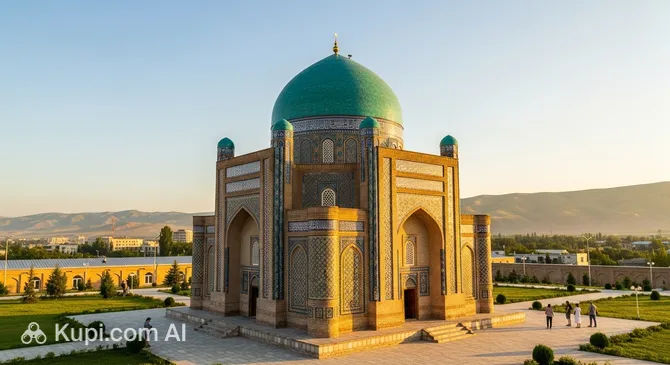
Undoubtedly the most iconic landmark in the city, this mausoleum is the final resting place of the revered 14th-century Islamic scholar, poet, and Sufi saint, Mir Sayyid Ali Hamadani. The complex is a masterpiece of medieval architecture, featuring a beautifully domed structure with intricate portal decorations. It serves as a major pilgrimage site, drawing visitors from across the region who come to pay their respects. For tourists, it is interesting not only for its spiritual significance but also for the serene park that surrounds it, offering a peaceful atmosphere and a chance to observe local traditions and architectural beauty up close.
Kulob Regional Museum of History and Local Lore
Located near the central park, this museum is an essential stop for history enthusiasts. It was significantly updated to celebrate the city's 2,700th anniversary and houses a rich collection of artifacts that trace the region's long timeline. The exhibits range from archaeological finds and ancient coins to traditional clothing and ethnographic displays. It is particularly interesting because it provides context to the city's claim as one of the oldest settlements in Central Asia, showcasing the evolution of culture and daily life in the Khatlon valley over millennia.
Hulbuk Fortress
Situated just a short drive from Kulob in the Vose district, Hulbuk is a remarkable archaeological complex that dates back to the 9th–11th centuries. It was once the capital of the Banijurid dynasty and a thriving center on the Silk Road. Today, visitors can walk through the reconstructed walls and explore the ruins of the ancient citadel and palace. It is a captivating site for those interested in archaeology, as the on-site museum displays fragments of wall paintings and decor that reveal the sophisticated lifestyle of the medieval rulers who once governed this land.
Khoja Mumin Salt Mountain
For travelers looking for a unique natural phenomenon, Khoja Mumin is a must-see attraction located nearby. This geological marvel is a mountain composed almost entirely of rock salt, rising hundreds of meters above the surrounding plain. It is famous for its intricate system of salt caves, where streams of water create "musical" sounds as they flow through the hollows. Exploring this area offers a rare opportunity to see multicolored salt pillars and experience a landscape that feels almost otherworldly, making it a highlight for nature lovers and adventurers.
Local Cuisine
The cuisine of Kulob is a hearty reflection of the Khatlon Region's agricultural abundance, characterized by rich flavors, fresh ingredients, and a deep sense of hospitality. As in much of Tajikistan, meals here are not just about sustenance but are a communal event, often centered around a shared plate and lively conversation.
The undisputed king of the local table is Qurutob. While found throughout the country, the southern variation is particularly celebrated. This vegetarian-friendly dish is a savory mixture of fatir (a flaky, layered flatbread) torn into pieces and soaked in a sauce made from qurut (dried salty yogurt balls dissolved in water). It is topped with onions fried in golden oil—often linseed or cotton oil for an authentic taste—and fresh vegetables like tomatoes, cucumbers, and herbs. Traditionally, Qurutob is served in a large wooden bowl called a tabaq and eaten with hands, a practice that locals believe enhances the flavor and communal bond.
Another staple is the local variety of Osh (plov). The Kulob style of this famous rice dish is distinct, often featuring sweeter yellow carrots, chickpeas, and sometimes garnished with pomegranate seeds or pistachios, giving it a unique texture and taste profile. For a lighter option, you might encounter Shurbo, a rich meat and vegetable soup that highlights the quality of local produce.
When it comes to drinks, green tea (choy kabud) is the lifeblood of social interaction. It is served in small bowls known as pialas before, during, and after meals. In the hot summer months, fermented dairy drinks like Chakka or diluted Cholob provide a refreshing way to cool down. For those interested in local alcoholic beverages, the city is known for its own local brewery that produces fresh draft beer, often simply referred to as "Kulob beer." You can try it at bustling local beer halls, offering a genuine taste of the region's brewing tradition.
The food culture in Kulob revolves around the Choykhona (teahouse). These are not merely places to eat but social hubs where people gather to relax on raised platforms (topchans), sip tea, and enjoy leisurely meals. For the freshest ingredients, the local bazaars are the place to be, offering everything from hot bread fresh from the tandyr oven to seasonal fruits like sweet melons and grapes that the Khatlon valley is famous for.
Travel Tips
Visiting Kulob offers a unique glimpse into the heart of southern Tajikistan, but a little local knowledge goes a long way in ensuring a smooth trip. These practical tips will help you navigate the city's customs and logistics, allowing you to focus on its rich history and warm hospitality.
-
Clothing and Dress Code: The climate here is continental, so pack lightweight, breathable fabrics like cotton or linen for the hot summers, and warm layers for the chilly winters. While the city is modernizing, it remains traditional; dress modestly by avoiding overly revealing clothing. When visiting religious sites like the Mausoleum of Mir Sayyid Ali Hamadani, both men and women must cover their shoulders and knees, and women are often expected to cover their heads with a scarf.
-
Transportation: There is no metro or tram system in the city. The most common way to get around is by marshrutka (minibus) or taxi. Taxis are plentiful and affordable, but they rarely use meters, so it is essential to negotiate and agree on the fare before you get into the car. For exploring the compact city center, walking is often the most pleasant option.
-
Finances and Cash: The local currency is the Tajik Somoni (TJS). While some larger hotels may accept credit cards, Kulob is primarily a cash-based economy. Make sure to carry enough cash for meals, bazaars, and transport. ATMs are available in the city center, but they can occasionally run out of money or reject international cards, so bringing backup cash (USD or EUR) to exchange at banks is a wise strategy.
-
Health and Safety: Tap water is generally not safe for tourists to drink; always opt for bottled water to avoid stomach issues. Pharmacies (marked as Dorucona) are easy to find, but few are open 24/7, so bring any specific prescription medications with you. The city is safe for travelers, but standard precautions apply—keep an eye on your belongings in crowded market areas.
-
Communication: The primary language is Tajik. Russian is widely understood and spoken, especially by the older generation and in business settings. English is not commonly spoken outside of tourism-specific establishments. It is highly recommended to download an offline translator app or carry a phrasebook. Buying a local SIM card (like Tcell or MegaFon) requires your passport and can be done at official stores in the center.
-
Local Etiquette: Greetings are important here. Men typically greet each other with a handshake, often placing their left hand over their heart as a sign of respect. If you are invited into a local home or enter a mosque, you must remove your shoes at the door. Hospitality is a core value; if offered tea, it is polite to accept at least one cup.
-
What to Avoid: Refrain from taking photographs of military personnel, police officers, or government buildings, as this is strictly prohibited and can lead to questioning. Also, avoid public displays of affection, which are frowned upon in this conservative region.
-
Bazaar Tip: For the best experience at the local bazaar, try to visit in the early morning. This is when the produce is freshest, the bread is hot from the tandyr, and the market is buzzing with authentic local life. Don't be afraid to bargain politely; it is part of the shopping culture.
By keeping these practical points in mind, you will be well-equipped to connect with the locals and enjoy the distinct rhythm of life in Kulob. Embrace the adventure with an open mind, and you are sure to have a memorable and comfortable stay.
Entertainment & Nightlife
Entertainment in Kulob is a reflection of the city's traditional and family-oriented culture. Unlike the bustling nightlife of international metropolises, the evening scene here is relaxed, centering on social dining, tea drinking, and leisurely strolls rather than loud nightclubs or dance parties. For visitors, this offers a unique opportunity to slow down and immerse themselves in the authentic local lifestyle, where conversations flow freely over delicious food and pots of hot green tea.
The heart of the city's evening activity beats along Ismoili Somoni Avenue. As the sun sets, this central thoroughfare becomes the main promenade where locals gather to walk, shop, and eat. The atmosphere is welcoming and safe, with families and groups of friends enjoying the cooler night air. While the city does not have a dedicated "bar district," you will find that many larger restaurants and teahouses stay open late, effectively serving as the social hubs for the night.
For a genuine taste of local evening culture, you should visit Choykhonai Istaravshan. This establishment captures the essence of the Tajik teahouse tradition, offering a comfortable space to relax on tapchans (raised platforms) while enjoying heavy meals and endless tea. Another popular spot is Shashliki Khochi Sayvali, which is highly regarded by locals for its grilled meats. It is an excellent place to experience the bustling dinner crowd and enjoy some of the best shashlik in town. If you are looking for a venue that bridges the gap between a café and a more lively evening spot, Kafe-Bar Sharora offers a pleasant environment to unwind with food and drinks.
Alcohol is available in most restaurants and specific bars, though it is not as prominent as in Western cities. The dress code for an evening out is casual but modest; it is best to avoid overly revealing clothing to respect local customs. Venues typically close earlier than in Europe, often winding down by 11:00 PM or midnight, so it is advisable to start your evening early.
Getting around at night is straightforward. The city center is compact enough for walking, which is generally considered safe for tourists. However, for longer distances or if you are out very late, it is recommended to take a taxi. There are no ride-hailing apps operating in the city, so you will need to flag down a car on the street. Always negotiate the price with the driver before getting in, as meters are rarely used.
During the day, the entertainment focus shifts to cultural and recreational activities. The city takes pride in its beautiful parks, which are perfect for afternoon relaxation. Culture lovers should not miss the local drama theater, which occasionally hosts performances showcasing Tajik storytelling and music. Additionally, the Kulob Regional Museum offers a quiet retreat where you can explore the area's rich history before heading out for your evening meal.
Parks & Museums
While Kulob is situated in a region known for its hot, arid summers, the city offers several refreshing green spaces and rich cultural institutions that provide a respite from the sun and a deep dive into Tajik history. From serene gardens shaded by ancient trees to museums housing millennia-old artifacts, these venues allow visitors to connect with the local heritage in a relaxed atmosphere.
City Park of Culture and Recreation
Located in the heart of the city, this is the primary green lung of Kulob and a favorite gathering spot for locals. The park is beautifully landscaped with wide alleys, flower beds, and fountains that offer a cooling mist during the hot summer months. It is an excellent place for families, featuring small amusement rides and playgrounds for children. For tourists, it provides a glimpse into everyday life; in the evenings, the park comes alive with people enjoying ice cream, playing chess, and socializing. It is the perfect spot for a leisurely stroll after a day of sightseeing.
Gardens of the Mir Sayyid Ali Hamadani Complex
Surrounding the famous mausoleum is a tranquil garden that serves as both a spiritual sanctuary and a natural retreat. The area is renowned for its majestic, centuries-old plane trees (chinars), which cast dense shade over the pathways. These trees are massive and are considered living monuments themselves. Visitors can sit on benches near the shrine, enjoying the peaceful silence and the scent of roses that often bloom here. It is a place for contemplation, contrasting sharply with the bustle of the city streets.
Kulob Regional Museum of History and Local Lore
This museum is the cultural crown jewel of the city, located within a modern complex built to commemorate Kulob's 2,700th anniversary. The collection is extensive, spread across several halls that guide visitors through the region's timeline. You can admire archaeological finds from the Bronze Age, medieval ceramics, and a fascinating array of coins that trace the trade routes of the Silk Road. The ethnographic section is particularly interesting for tourists, displaying colorful traditional clothing, jewelry, and musical instruments that showcase the unique artistic traditions of the Khatlon Region.
Museum of the Hulbuk Fortress
Although situated just outside the city in the Vose district, this site is an essential part of the Kulob cultural experience. The museum stands next to the excavated ruins of the ancient citadel and houses the treasures found within its walls. The highlight here is the collection of 9th-century wall paintings and carved ganch (alabaster) panels, which reveal the sophisticated lifestyle of the medieval governors. It offers a rare opportunity to see pre-Mongol Islamic art and architecture up close, making it a must-visit for history buffs.
Mausoleum of Mir Sayyid Ali Hamadani
While primarily a pilgrimage site, this architectural landmark is also a museum of medieval construction techniques. The structure itself, with its intricate portal and double dome, is a masterpiece of the 14th century. Inside, visitors can observe the detailed inscriptions and the solemn atmosphere that has been preserved for hundreds of years. It stands as a testament to the city's spiritual importance and offers a tangible connection to the Sufi traditions that influenced the entire region.
For a truly authentic experience, look for the small botanical corners or tea gardens often tucked away within the larger administrative complexes or near the university. These lesser-known spots are where students and intellectuals gather. A great insider tip is to visit the park areas in the late afternoon when the heat subsides; this is when the "golden hour" light illuminates the mountains in the distance, creating a stunning backdrop for photography.
Getting Around
Public transport in Kulob is straightforward and reflects the unhurried pace of life in this historic city. Unlike larger metropolises, there is no metro, tram, or complex heavy rail system here. The city is compact enough that many visitors find they can explore the central attractions on foot, but for longer distances, the local transit network is reliable and offers an authentic glimpse into daily life.
The backbone of the city's transportation is the marshrutka (minibus). These ubiquitous minivans follow fixed routes connecting the city center with residential neighborhoods and the airport. They are numbered and display their destination or key stops on a sign in the front window. Marshrutkas are the most popular choice for locals due to their frequency and affordability. They do not always stop at designated bus shelters; instead, you can often flag one down by waving your hand along the route, and request a stop by calling out to the driver as you approach your destination.
The payment system is entirely cash-based. There are no travel cards, mobile apps, or electronic passes for public transport in Kulob. Passengers pay the driver directly, usually upon exiting the vehicle. Fares are very low, typically costing just a few local coins or small notes. It is highly recommended to carry small denominations of the local currency, as drivers may not always have change for large bills. The cost is fixed regardless of the distance traveled within the city limits.
For those preferring more comfort or privacy, taxis are widely available and serve as the primary alternative to marshrutkas. Official taxis can be identified by their markings, but many private cars also operate as taxis. A crucial rule for tourists is to negotiate the fare before getting into the car, as meters are rarely used. Prices are generally reasonable, but agreeing on a sum upfront prevents misunderstandings. While ride-hailing apps are becoming popular in the capital, in Kulob, the traditional method of hailing a cab on the street or calling a local dispatch number is the standard.
Transport operating hours generally run from early morning, around 6:00 AM, until approximately 8:00 PM or 9:00 PM. After dark, the frequency of marshrutkas drops significantly, making taxis the only viable motorized option. If you plan to stay out late for dinner, be prepared to take a taxi back to your accommodation.
Walking remains one of the best ways to navigate the city center, particularly around the parks and the museum district. The terrain is relatively flat, and the distances between major landmarks like the Mausoleum of Mir Sayyid Ali Hamadani and the central bazaar are manageable. There are no formal bike-sharing or car-sharing schemes currently operating in the city, so relying on a mix of walking and taxis is the most practical strategy for tourists.
Accommodation
Accommodation options in Kulob are modest but welcoming, reflecting the city's status as a regional cultural hub rather than a mass tourism destination. Travelers will not find sprawling luxury resorts or international hotel chains here. Instead, the hospitality sector is dominated by mid-range hotels and family-run guesthouses. These establishments typically offer clean, comfortable, and practical lodging, often decorated with traditional Tajik textiles and carpets that add a sense of local charm to your stay.
The most convenient area to stay is the city center, particularly near Ismoili Somoni Avenue and the central park. Choosing a hotel in this vicinity places you within walking distance of key attractions like the Mausoleum of Mir Sayyid Ali Hamadani and the local history museum. Staying centrally also provides easy access to the main bazaar, restaurants, and transport links, making it simple to explore the city without needing a taxi for every outing.
Prices in Kulob are generally very affordable compared to the capital, Dushanbe. Accommodations range from budget-friendly guesthouses to reasonably priced mid-range hotels. While some larger establishments have begun to appear on major online booking platforms, many smaller guesthouses still rely on direct bookings or walk-ins. It is worth noting that payment is often expected in cash (Somoni), as credit card facilities may not be available at smaller front desks.
For a smooth experience, it is advisable to book your accommodation in advance, especially if you are visiting during the peak summer months or around major holidays like Navruz (Persian New Year). Since English is not widely spoken by staff at smaller guesthouses, having a translation app or a few key phrases in Tajik or Russian can be very helpful during check-in.
Nearby Cities
For those looking to explore the surroundings, Kulob serves as an excellent base for day trips to several interesting nearby locations:
Bokhtar
Formerly known as Qurghonteppa, this is the administrative capital of the Khatlon Region and the largest city in the Vakhsh Valley. A trip here offers a chance to experience a bustling regional hub with a distinct character. Visitors can explore the Bibikhonum Regional Museum to learn more about local history, stroll through well-maintained parks, and observe the contrast between Soviet-era architecture and modern Tajik developments.
Levakant
Situated along the banks of the powerful Vakhsh River, Levakant (formerly Sarband) is an interesting destination for those curious about the region's industrial heritage and river landscapes. It is home to the Head Dam of the Vakhsh cascade, the first hydroelectric power station built on the river. The town offers a quieter atmosphere compared to Bokhtar and provides scenic views of the water and surrounding hills.
Roghun
For travelers interested in engineering marvels and mountain scenery, Roghun is a compelling choice. It is best known for the massive Roghun Hydropower Plant project, which is set to be one of the tallest dams in the world. The journey to the town takes you through picturesque mountain roads, offering stunning vistas of the ranges that define Tajikistan's geography.
| City | Population | Distance (km) |
|---|---|---|
| Bokhtar | 75450 | 89 |
| Levakant | 48300 | 77 |
| Roghun | 44100 | 78 |
| Vahdat | 43200 | 98 |
| Vakhsh | 36700 | 89 |
These nearby destinations offer a glimpse into the diverse culture and landscapes of the region.
Shopping & Souvenirs
Shopping in Kulob offers a distinctively authentic experience that contrasts sharply with the polished, commercialized retail scenes of global capitals. Here, commerce is deeply social and traditional. You won't find high-end luxury boutiques or sprawling international chains; instead, the city invites you to explore vibrant bazaars, small family-run shops, and artisan workshops. It is the perfect place to find goods that carry the genuine spirit of the Khatlon Region.
The primary artery for retail activity is Ismoili Somoni Avenue. As you walk along this central thoroughfare, you will encounter a variety of small stores selling everything from electronics and household goods to clothing and fabrics. It serves as an open-air promenade where locals do their daily shopping, offering a lively atmosphere for tourists to observe local life and browse for everyday items.
Travelers should manage their expectations regarding modern shopping complexes. Kulob does not feature large, Western-style shopping malls with food courts and cinemas. Instead, you will find smaller trade centers (often referred to locally as "Savdo Markaz") scattered around the city center. These multi-story buildings typically house a collection of independent stalls selling imported clothes, shoes, and accessories, offering a functional rather than recreational shopping experience.
The beating heart of the city's commerce is the Central Bazaar. This is an essential stop for any visitor, providing a sensory overload of colors, smells, and sounds. Here, farmers from the surrounding fertile valleys sell fresh pomegranates, melons, and grapes. Beyond food, the market is a treasure trove for fabrics and traditional items. The atmosphere is energetic, and it provides the best opportunity to interact with local residents.
If you bring back one thing from Kulob, it should be Chakan embroidery. The city is the traditional center of this vibrant art form, which is recognized by UNESCO. You can find stunning Chakan dresses, wall hangings, and skullcaps (tubeteikas) featuring bold red backgrounds and intricate, colorful motifs representing the sun and nature. Other excellent souvenirs include locally forged knives and woodcarvings, which reflect the region's deep-rooted craftsmanship.
Most shops and trade centers operate from approximately 9:00 AM to 6:00 PM, though some may close earlier on Sundays. The bazaar starts much earlier, often buzzing with activity by 7:00 AM. It is crucial to carry cash in Tajik Somoni (TJS). Credit cards are rarely accepted outside of a few major hotels or banks. In the markets, bargaining is not just accepted but expected; approach it with a smile and a friendly attitude.
There is no formal tax-free or VAT refund system for tourists operating in Kulob. Prices are generally final once negotiated or displayed, and visitors should not expect to claim taxes back upon departure.
Reached the end of the page?
That means the route is fully explored
