Support

Fergana

About

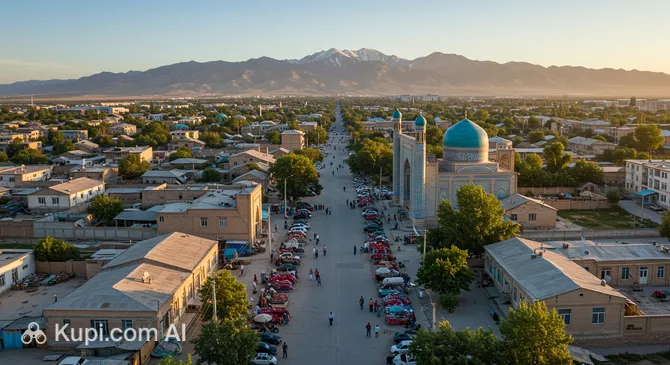
Fergana is a vibrant and leafy city located in the eastern part of Uzbekistan. Often referred to as the "Garden City," it serves as the administrative center of the Fergana Region. With a population of approximately 288,850 people, it stands out for its distinct atmosphere, characterized by wide, tree-lined avenues and colonial-style architecture that differs significantly from the ancient Silk Road aesthetic found elsewhere in the country.

Fergana. Source: Kupi.Binoculars

Although it was founded relatively recently in the late 19th century, the history of Fergana is fascinating. The city was planned with a radial pattern, resembling a wheel, which makes navigation easy and pleasant. The abundance of greenery, including plane trees and poplars, provides a refreshing shade during the hot summer months, creating a relaxing environment for travelers.

Visitors are often drawn to the Fergana Regional Museum of Local Lore, which houses an impressive collection of archaeological finds, handicrafts, and historical artifacts. Another highlight is the central Al-Fergani Park, a perfect spot for a leisurely stroll. The city also serves as an excellent gateway to nearby traditional craft centers, such as Margilan, famous for its silk production.

Whether you are interested in exploring the unique cultural blend of the Fergana Valley or simply looking for a peaceful stopover, Fergana offers a welcoming and comfortable experience. Its friendly locals and verdant streets make it a delightful destination to add to your travel itinerary.

Weather Overview

Fergana experiences a distinct continental climate, offering travelers clear seasonal changes throughout the year. To plan your trip effectively, it is helpful to check the weather in Fergana before you go, as conditions can vary significantly depending on the month. The city generally enjoys plenty of sunshine, making it a pleasant destination for most of the year.

Summers in the region are hot and relatively dry. From June to August, average temperatures range between 26.2°C and 29.0°C, with July being the peak of the heat, seeing highs around 35.9°C. This period is ideal for those who enjoy warmth, though August is particularly dry with only about 4 wet days on average.

In contrast, winters are cold but usually not extreme. January is typically the coldest month, with an average temperature of 2.0°C and lows dipping to around -1.6°C. Spring brings milder weather and a lush atmosphere, although it is also the wettest season in terms of frequency; April and May can see up to 12 wet days each, though the actual rainfall volume remains modest.

Expect warm summers with occasional rain and cold, dry winters.

Interesting Facts

Beyond the leafy avenues and relaxed atmosphere, Fergana holds several unique distinctions that set it apart from other destinations in the region. Here are a few little-known insights into this "Garden City" that reveal its multifaceted character.
  • A City of Many Names: Although it serves as the regional capital today, the city has changed its identity multiple times in its short history. Founded in 1876, it was originally known as New Margilan, then renamed Skobelev in 1907, before finally adopting the name Fergana in 1924.

  • A Study in Contrast: Fergana is unique in Uzbekistan for being a "young" city surrounded by ancient history. It sits just a few kilometers away from Margilan, a settlement with over 2,000 years of heritage. This proximity allows visitors to experience the sharp transition from modern, radial urban planning to the winding, historic streets of the Silk Road in a single afternoon.

  • Star-Studded Legacy: While the city features a park dedicated to Al-Fergani, few realize the global impact of this local figure. The 9th-century astronomer, born in the Fergana Valley, wrote elements of astronomy that were studied in Europe for centuries, and his contributions were so significant that a crater on the Moon is named in his honor.

How to Get There

Reaching this verdant city in the Fergana Valley is relatively straightforward thanks to its local airport and proximity to major regional transport hubs. Whether you prefer flying directly or taking a scenic train ride through the valley, there are several convenient options available. For a detailed guide on all transport options and routes, read more about how to get to Fergana.

The most direct way to arrive is via Fergana Airport (FEG), which is conveniently located just 4.8 km from the city center. As a regional hub with moderate passenger traffic, it offers a quick and easy entry point. The short commute from the terminal to the heart of the city typically takes about 27 minutes by taxi or shuttle.

Travelers can also consider Namangan Airport (NMA), situated in the neighboring city of Namangan, approximately 70.9 km away. This airport handles a larger volume of passengers and serves as a viable alternative if direct flights to Fergana are unavailable. The transfer by car from Namangan to Fergana generally takes around 2 hours and 5 minutes. Another significant option is Osh Airport (OSS) in Osh, located about 88.4 km away, which is a major transport node with high passenger traffic.

For clarity, here is a summary of the main airports:

Airport Name City Passenger Traffic Km from City
Osh AirportOshHigh88.4
Namangan AirportNamanganHigh70.9
Fergana AirportFerganaMedium4.8
Andijan AirportAndijanMedium57.6
KokandKokandLow69.2

Traveling by train is another popular way to visit the region, though the city of Fergana does not have a central railway station right in its downtown area. The primary rail gateway is Margilan Railway Station, located in the nearby town of Yangi Margilan, about 10.0 km from Fergana. It is a busy station serving hundreds of thousands of passengers annually. From there, you can get a taxi or bus to Fergana, which takes about 35 minutes.

Other nearby stations include Altyaryk Station in Oltiariq, situated roughly 25.2 km away, and Quva Railway Station in Quva, which is approximately 31.4 km from the city. These serve as additional access points depending on your direction of travel.

Below is a list of the nearest railway stations:

Station City Passenger Traffic Km to Center
Margilan Railway StationYangi MargilanMedium10.0
Andijan-1 StationAndijan63.7
Altyaryk StationOltiariq25.2
Quva Railway StationQuva31.4
TurtkulPaytug65.9

Main Attractions

While Fergana may not boast the ancient madrasas and mausoleums found in Samarkand or Bukhara, it offers a distinct charm centered on Russian colonial architecture, lush greenery, and modern cultural life. The city's attractions are best enjoyed at a leisurely pace, allowing visitors to appreciate the "Garden City" atmosphere that defines this unique corner of Uzbekistan.

A must-visit for anyone interested in the region's rich heritage is the Fergana Regional Museum of Local Lore. One of the oldest museums in the Fergana Valley, it houses a vast collection of over 80,000 exhibits. Tourists can explore displays ranging from ancient archaeological finds and rare photographs to exquisite examples of local handicrafts, including pottery and the famous Margilan silk. It provides a comprehensive overview of the valley's history, nature, and cultural evolution.

The heart of the city beats in Al-Fergani Park, a sprawling green space dedicated to the great 9th-century astronomer Ahmad al-Ferghani. This park is not just a place for walking; it is a social hub where locals gather, featuring fountains, flower beds, and shaded paths lined with towering plane trees. It is an ideal spot for travelers to relax, enjoy an ice cream, and observe the daily life of the city's residents in a serene setting.

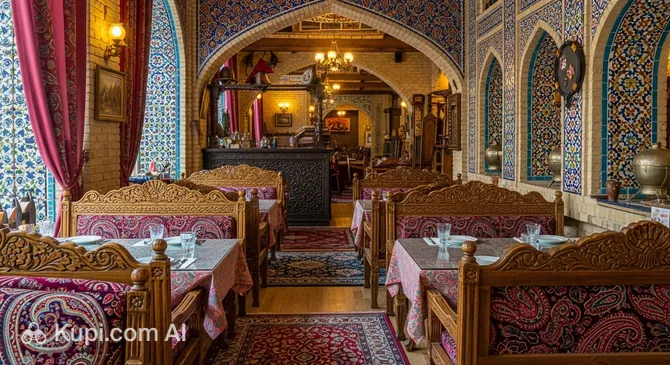
For those looking to experience the local social scene and enjoy a meal in a unique setting, the Treasure Island Tavern is a well-known establishment in the city. Often visited by both locals and tourists, this venue is appreciated for its distinct ambiance and decor, offering a pleasant environment to unwind after a day of sightseeing. It stands out as a popular dining and leisure spot where visitors can enjoy good food and conversation.

Treasure Island Tavern. Source: Kupi.Binoculars

Architecture enthusiasts should also take a walk through the city center to admire the historic Governor's House, which now houses the regional drama theatre. Built in the late 19th century, this building is a prime example of the colonial style that characterizes old Fergana. Its distinct design contrasts sharply with traditional Uzbek architecture, serving as a reminder of the city's origins as a planned administrative center during the Tsarist era.

Local Cuisine

To explore the local cuisine in Fergana is to dive into the heart of Uzbekistan's "breadbasket." The Fergana Valley is renowned for its fertile soil, meaning the food here is defined by the incredible freshness of its ingredients, from sun-ripened vegetables to succulent meats. The gastronomic scene is hearty, flavorful, and deeply rooted in tradition, with recipes that have been perfected over centuries.

The undisputed king of the table is Fergana Plov (Palov). Unlike versions found in other parts of the country, the Fergana style is typically made with Devzira rice, a local red-brown variety known for its nutty flavor and ability to absorb rich aromas. This dish is darker, richer, and often spicier, cooked with lamb, yellow carrots, garlic, and chili peppers. Another staple worth trying is Manti, large steamed dumplings filled with spiced meat and onions, often served with a dollop of sour cream or suzma.

For meat lovers, the local Shashlik (skewered grilled meat) is a highlight, marinated to perfection and cooked over hot coals. Street food enthusiasts should look for Samsa, flaky pastries baked in a clay oven (tandyr) and stuffed with meat, pumpkin, or potatoes. These are best enjoyed hot, straight from the oven at a local market.

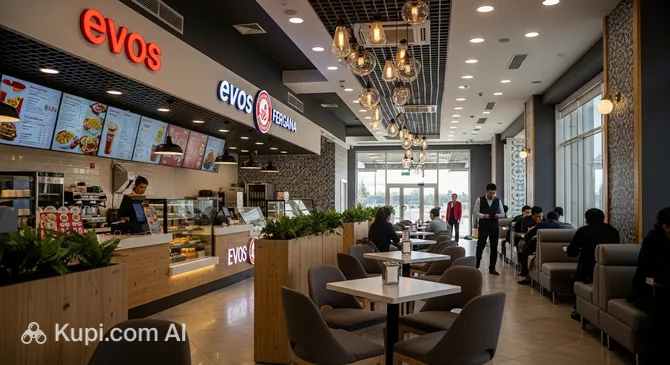
Evos. Source: Kupi.Binoculars

Dining in Fergana ranges from traditional open-air Chaikhanas (tea houses) to modern eateries. In a Chaikhana, you can relax on a tapchan (raised platform) while enjoying a pot of Green Tea (kuk-choy), which is the standard accompaniment to every meal. It aids digestion and is a symbol of hospitality. While alcohol is available in restaurants, the local culture heavily favors tea and fresh fruit compotes during meals.

If you are looking for a quick, reliable, and popular bite that blends local tastes with modern fast food, Evos is a great option. It is a well-known spot where you can try a local version of lavash or doner kebab, which are extremely popular among the younger crowd. Whether you are snacking at a bustling bazaar or dining in a quiet restaurant, the food in Fergana is sure to be a memorable part of your trip.

Travel Tips

Welcome to Fergana, the leafy and welcoming "Garden City" of the valley in Uzbekistan. To help you navigate the local customs and logistics smoothly, here is a set of practical tips designed to make your stay as comfortable and enjoyable as possible.

  1. Clothing and Gear: Fergana experiences a continental climate, so pack according to the season: breathable cottons and linens are essential for the hot summers, while warm layers and a heavy coat are necessary for the cold winters. Although Fergana is relatively modern, it is respectful to dress modestly; cover your shoulders and knees, especially when visiting religious sites or traditional neighborhoods. Comfortable walking shoes are a must for exploring the parks and bazaars.
  2. Transportation: The most convenient way to get around the city is by taxi. Ride-hailing apps like Yandex Go are increasingly popular and save you the hassle of negotiating, but regular taxis are also plentiful and affordable; just agree on the fare before getting in. For short trips between nearby towns (like Margilan), shared minivans known as Damas or marshrutkas are a cheap and authentic local experience.
  3. Finances: The local currency is the Uzbek Som (UZS). While major hotels and some modern restaurants may accept Visa or Mastercard, cash is king in Fergana. You will definitely need cash for bazaars, small shops, and taxis. ATMs are available in the city center and near banks, but it is wise to carry enough cash for daily expenses. Tipping is appreciated; leaving 10-15% in restaurants is standard practice.
  4. Health and Safety: Fergana is generally a very safe city for tourists. However, it is strictly recommended to drink bottled water rather than tap water to avoid stomach issues. Pharmacies (look for signs saying Apteka) are widespread and often marked with a green cross; many sell basic medications without a prescription, though carrying your own specific supplies is always a good idea.
  5. Communication: The main language is Uzbek, but Russian is widely understood and used for inter-ethnic communication. English is not commonly spoken outside of high-end hotels and tour agencies, so downloading an offline translator or a dictionary is highly recommended. Buying a local SIM card (providers like Ucell or Beeline) is easy at official stores with your passport and ensures you stay connected.
  6. Local Etiquette: Uzbek hospitality is legendary, and politeness is paramount. The traditional greeting involves placing your right hand over your heart and slightly bowing while saying "Assalomu Alaykum." If you are invited into a local home (or even some traditional tea houses), always remove your shoes at the entrance. Respect for elders is deeply ingrained in the culture, so give up your seat on public transport if necessary.
  7. What to Avoid: Avoid refusing a cup of tea or a piece of bread if offered, as this can be seen as rude; even a small sip or bite shows respect. Additionally, refrain from loud or aggressive behavior in public spaces, and be cautious about photographing government buildings or security personnel without asking for permission first.
  8. Market Tip: For the best experience at the local bazaar, try to visit early in the morning, preferably before 9:00 AM. This is when the produce is freshest, the air is cooler, and you can witness the vibrant daily life of the locals before the midday heat sets in. Don't forget to haggle politely—it's part of the fun!

Armed with these tips, you are ready to explore the charming streets and warm hospitality of Fergana with confidence. Enjoy your journey through this unique and verdant corner of the country!

Entertainment & Nightlife

Fergana is not a city of loud nightclubs or 24-hour parties; instead, it offers a more relaxed and social evening atmosphere that reflects its friendly, community-oriented character. The nightlife here centers largely around dining, live music, and leisurely promenades, making it a pleasant destination for those who enjoy good conversation and hearty food over wild raves. The city comes alive after sunset, particularly during the warmer months when the heat of the day subsides.

The main hub for evening activity is the area surrounding Al-Fergani Park and the central pedestrian zones. Here, you will find families, couples, and groups of friends enjoying the cool evening air. While there isn't a dedicated "bar district," many restaurants in the city center transform into entertainment venues at night, often featuring live bands performing a mix of Uzbek pop and international hits. The atmosphere is generally casual, and the dress code is relaxed, though smart-casual attire is appreciated in better establishments.

For those seeking a venue with a distinct character and a lively crowd, the Treasure Island Tavern is a standout option. It is one of the few places in the city that offers a pub-like ambiance, making it a favorite among both locals and visitors looking to unwind with a drink and dinner. The unique decor and friendly service create a welcoming environment that often stays busy until late in the evening.

If you find yourself hungry late at night after a walk or a show, options can be somewhat limited as many traditional kitchens close by 10:00 PM or 11:00 PM. However, Evos remains a reliable choice for a late-night snack. Popular with the younger crowd, it is the go-to spot for grabbing a quick, satisfying lavash or burger when other places have shut their doors. It serves as a convenient meeting point and a bright spot of activity in the quiet night streets.

Regarding practicalities, most entertainment venues in Fergana close around midnight. Prices are very reasonable compared to the capital, making a night out quite affordable. Getting around is easy; taxis are plentiful and cheap, but it is always best to use a ride-hailing app or have your hotel call one for you to ensure a fair price. The city is generally very safe for night walks, especially in the well-lit central avenues, but standard precautions should always apply.

During the daylight hours, the entertainment scene shifts towards culture and recreation. Visitors can enjoy performances at the Fergana Regional Musical Drama Theatre, which offers a glimpse into local artistic traditions. Additionally, the city's numerous parks and the local museum provide ample opportunity for leisurely exploration before the sun goes down and the evening lights turn on.

Parks & Museums

Fergana’s reputation as the "Garden City" of Uzbekistan is immediately apparent to any visitor. The city is defined not just by specific enclosed parks, but by its overall canopy of greenery that spans the entire urban area. Massive, century-old Chinar (plane) trees line the radial avenues, creating natural tunnels of shade that offer a refreshing microclimate distinct from the arid heat often found in other parts of the valley. This abundance of vegetation makes simply walking the streets a leisurely nature experience.

Beyond the well-known central hubs, the city offers several other recreational areas that are favorites among residents. Independence Park (Mustaqillik) stands out with its modern landscaping, fountains, and wide open spaces, often serving as the primary venue for public holidays and city celebrations. Nearby, Yoshlar Park (Youth Park) provides a more energetic atmosphere. It is designed with families and young people in mind, featuring walking paths and entertainment facilities that make it a lively spot for an afternoon outing.

While the city boasts a dedicated regional museum, the streets of Fergana function as an open-air museum of architecture in their own right. The "New City" district preserves a unique collection of Russian colonial-style buildings from the late 19th century. Structures like the former Governor's House and the surrounding yellow-brick administrative buildings offer a historical narrative that complements the indoor exhibits, showcasing the distinct Tsarist-era planning that sets Fergana apart from Uzbekistan's ancient Silk Road cities.

For a complete experience of the local culture, visitors should venture beyond the main radial roads to the smaller squares and the bustling Fergana Bazaar. Although not a park in the traditional sense, the market area is a vibrant sensory gallery of local life. Here, the colors of fresh produce and the sounds of commerce blend with the city's green backdrop, offering an authentic glimpse into the daily rhythm of the Fergana Valley.

Getting Around

The public transport system in Fergana is relatively simple and entirely road-based, consisting primarily of buses and fixed-route minivans. Unlike the capital, there is no metro, tram, or trolleybus network here. The city’s radial layout, resembling a wheel with spokes, makes navigation fairly intuitive, but for most locals and visitors, the backbone of daily mobility is the fleet of mid-sized buses and the ubiquitous small white vans known locally as Damas.

The most common way to get around is by using the marshrutkas (minibuses) and Damas vans. These small vehicles zip through the city streets and connect the center with residential districts and neighboring towns like Margilan. They are extremely frequent, cost-effective, and often faster than larger buses. While they follow specific routes, they can be flagged down from the roadside in many areas, and they will stop to let you off almost anywhere along their path if you ask the driver loudly enough.

Regarding payment, the system is traditional and straightforward: cash is king. There are no travel cards, turnstiles, or mobile ticketing apps for public transit in Fergana. Passengers simply pay the driver directly, usually upon exiting the vehicle. It is highly recommended to carry small denominations of the local currency, as drivers may not always have change for large banknotes. Fares are very affordable, typically costing just a few thousand soums per ride.

For tourists, navigating the bus network can be a bit of an adventure since route maps and schedules are rarely posted at bus stops. The best practical advice is to ask locals or use navigation apps like 2GIS, which is widely used in the region to check routes. Public transport generally operates from early morning, around 6:00 AM, until approximately 8:00 PM or 9:00 PM. After these hours, finding a bus becomes difficult, and you will likely need to switch to alternative modes of transport.

Given the low cost and high convenience, taxis are the most popular alternative for travelers. Ride-hailing apps like Yandex Go work well in the city, offering a transparent price and eliminating the language barrier. Alternatively, you can easily flag down a taxi on the street; just be sure to agree on the fare before starting the journey. Because Fergana is famously flat and shaded by massive plane trees, walking is also a delightful option for short distances within the city center.

Accommodation

Finding accommodation in Fergana is generally a straightforward and affordable experience, reflecting the city's role as a regional administrative hub rather than a mass tourism destination. The options typically range from renovated Soviet-era hotels to modern mid-range establishments and small, family-run guesthouses. While you may not find ultra-luxury international resort chains here, there is a decent selection of comfortable and clean places that offer good value for money and warm Uzbek hospitality.

For the most convenient stay, it is highly recommended to look for accommodation in the city center. Due to Fergana's unique radial planning, staying near the central axis—close to Al-Fergani Park or the regional administration buildings—puts you within walking distance of the best restaurants, shops, and the local museum. This area is leafy, safe, and well-lit at night, making it an ideal base for exploring the "Garden City" on foot.

Prices in Fergana are generally lower than in major tourist centers like Samarkand or Tashkent. Most travelers will find themselves in the budget to mid-range price bracket. Booking can usually be done through major online travel platforms for the larger hotels, though some smaller guesthouses may still prefer direct contact or payment in cash upon arrival. Since the city hosts many business travelers, it is a good tip to book your room in advance, especially if you plan to visit during the peak spring or autumn seasons when the weather is most favorable.

Nearby Cities

For those looking to explore the surroundings, Fergana serves as an excellent base for day trips to several interesting nearby locations. The Fergana Valley is densely populated and rich in history, meaning you don't have to travel far to experience a completely different atmosphere.

The most essential day trip is undoubtedly to Margilan, located just a short drive away. Unlike the relatively modern Fergana, Margilan is an ancient city with deep roots in the Silk Road trade. It is world-renowned as the center of Uzbekistan's silk production. Visitors can tour the famous Yodgorlik Silk Factory to watch the entire traditional process of silk manufacturing, from cocoon to finished ikat fabric. The city also boasts traditional bazaars and architecture that offer a sharp contrast to the Russian colonial style of its neighbor.

Another fascinating destination is Andijan, situated further east. As one of the oldest cities in the valley and the birthplace of Babur, the founder of the Mughal Empire, it holds significant historical weight. Travelers can visit the Jami Mosque and Madrasa, explore the Babur Literary Museum, or simply get lost in the vibrant and bustling Jahon Bazaar, which is one of the largest in this part of the country.

City Population Distance (km)
Andijan441,70064
Margilan215,40013
Quvasoy96,90016
Shakhrikhan71,40043
Asaka62,20050

These nearby destinations offer a glimpse into the diverse culture and landscapes of the region, allowing travelers to experience both the ancient craft traditions and the bustling urban life of the Fergana Valley.

Shopping & Souvenirs

Shopping in Fergana offers a relaxed and authentic experience that mirrors the city's overall "Garden City" atmosphere. Unlike the bustling commercial hubs of the capital, the retail scene here is a blend of modern convenience and traditional commerce. Visitors can expect a mix of contemporary trade centers, small boutiques lining the leafy avenues, and vibrant open-air markets where the true spirit of the Fergana Valley comes to life. While it is not a destination for high-end international luxury brands, it is an excellent place to discover high-quality local handicrafts and fresh regional produce.

The main shopping activity is concentrated in the city center, particularly along the radial streets that branch out from the central park area. Mustaqillik Street and the pedestrian zones near Al-Fergani Park are popular spots for a stroll. Here, you will find a variety of shops selling clothing, shoes, electronics, and books. The tree-lined sidewalks make window shopping a pleasant activity, even during the warmer parts of the day, as you move between small independent stores and larger retail outlets.

For a more modern retail experience, the city features several shopping centers and supermarkets that have sprung up in recent years. These multi-story complexes offer a comfortable, air-conditioned environment where you can find branded apparel, cosmetics, and household goods. They often house food courts and entertainment zones as well, serving as popular hangouts for the local youth and families on weekends.

However, the heart of local commerce beats strongest at the Fergana Dehkan Bazaar (Central Bazaar). This sprawling market is an essential stop for any tourist. It is a sensory delight filled with the aroma of freshly baked bread, mounds of colorful spices, and seasonal fruits. Apart from food, the bazaar has sections dedicated to clothing and household items. It is the best place to observe daily life, interact with friendly locals, and practice your bargaining skills.

When it comes to souvenirs, Fergana is strategically located to offer the best of the valley's artisanal heritage. Since the silk-producing city of Margilan is just a short drive away, silk and ikat (adras) fabrics are widely available and reasonably priced. You can find beautiful scarves, clothing, and raw fabric with mesmerizing traditional patterns. Additionally, look for Rishtan ceramics, known for their distinctive blue and green glazes, as well as locally carved wooden items. For edible souvenirs, the valley is famous for its dried apricots, almonds, and walnuts, which are easy to pack and bring home.

Opening hours in Fergana generally follow a standard pattern. Modern shops and malls typically open around 9:00 AM or 10:00 AM and stay open until 8:00 PM or 9:00 PM. The bazaars operate on a different schedule, starting very early in the morning (often by 7:00 AM) and winding down by late afternoon; they are usually busiest on Sundays. Regarding payment, cash is essential. While some modern stores and supermarkets accept Visa or Mastercard, the vast majority of vendors at the bazaar and smaller shops only trade in Uzbek Som (UZS).

Regarding tax refunds, a Tax-Free system for tourists is not currently widely implemented or operational in Uzbekistan. Visitors should not expect to claim VAT refunds at the airport for goods purchased in Fergana. It is best to assume that the price you pay at the register or agree upon at the market is the final cost.
Reached the end of the page?

That means the route is fully explored