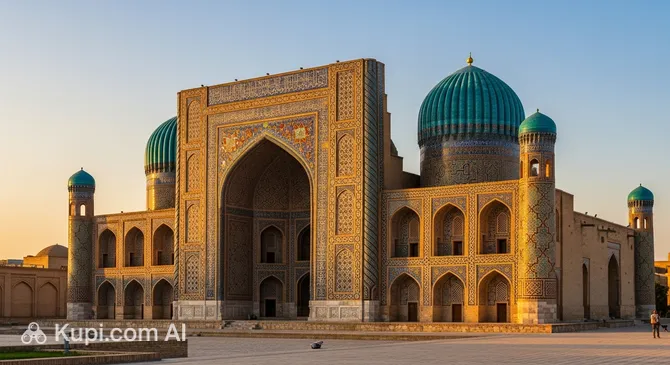
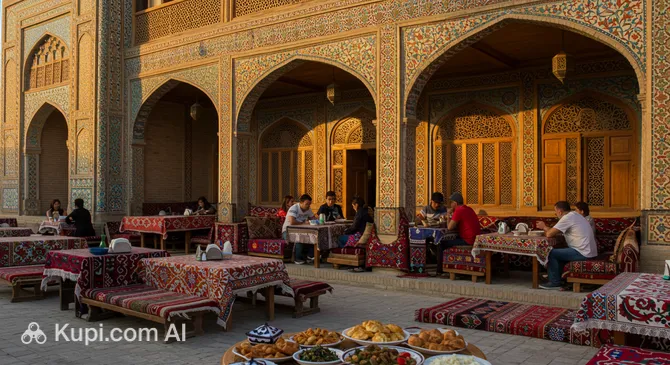
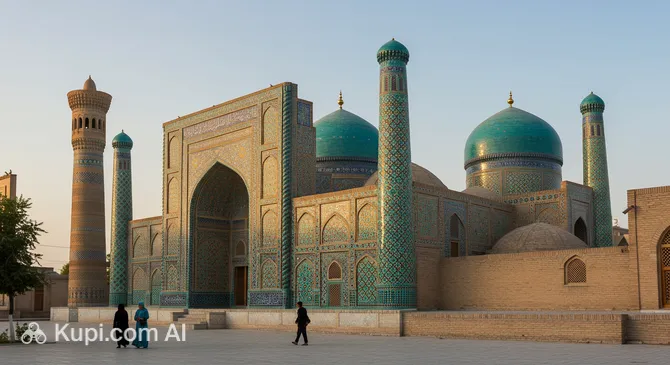
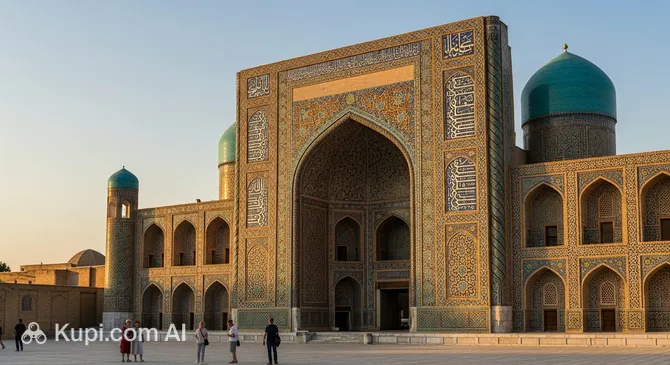
Stepping into Bukhara is like taking a journey back in time to the days of the Great Silk Road. This ancient city, often described as a huge open-air museum, is one of the most significant cultural and spiritual centers in Uzbekistan. Unlike other cities where old monuments are separated from modern life, here the historical fabric is seamlessly woven into the daily routine of its inhabitants, creating an incredibly authentic and magical atmosphere.
Geographically, the city is situated in the south-central part of the country, acting as an oasis in the vast Kyzylkum Desert. It serves as the capital of the Bukhara Region and is home to a population of approximately 280,000 people. The climate here is continental, characterized by hot, dry summers and relatively cool winters, which has influenced the unique architecture of the region, designed to provide shade and coolness.
The city boasts a rich heritage that spans more than two millennia. It was once a major center for trade, Islamic theology, and culture. Exploring the history of Bukhara reveals a fascinating timeline of dynasties, scholars, and merchants who transformed this desert settlement into a legendary "Holiness" of the East.
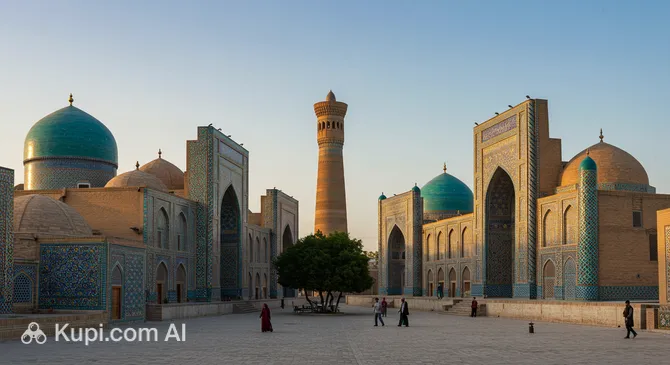
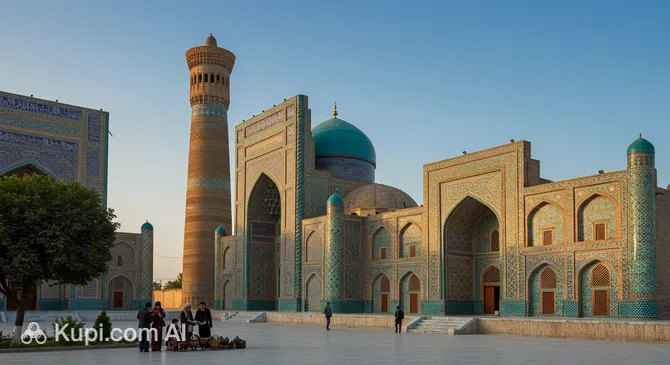
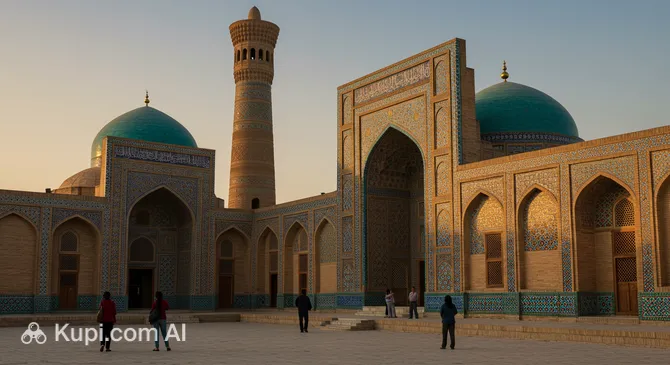
Travelers are drawn to Bukhara by its stunningly preserved architecture. The skyline is dominated by the impressive Poi Kalyan complex, with its towering minaret that has stood tall since the 12th century. Another must-visit landmark is the massive Ark Fortress, a city within a city that served as the residence of the Emirs. Visitors also love wandering through the ancient Trading Domes, where artisans still sell carpets, jewelry, and spices much like their ancestors did centuries ago.
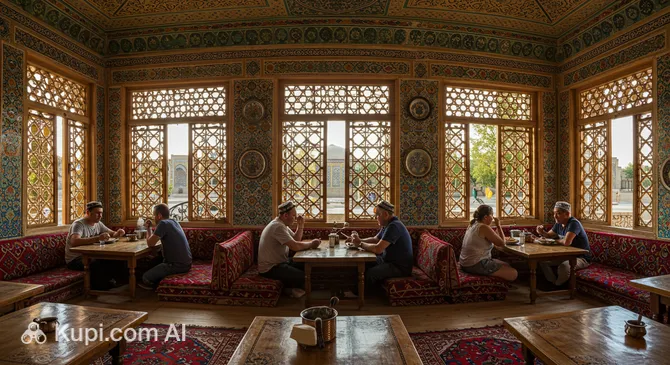
Whether you are admiring the intricate brickwork of the Samanid Mausoleum or enjoying a cup of tea by the Lyabi-Hauz pond, Bukhara offers an unforgettable experience. It is a destination that invites you to slow down, get lost in its winding streets, and immerse yourself in the timeless charm of Central Asia.