Support

Pakistan

About the Country

Pakistan, a country with a rich history and diverse culture, is located in South Asia at the crossroads of ancient civilisations. It is a land where majestic mountain ranges, including parts of the Himalayas, Karakoram, and Hindu Kush, meet the fertile valleys of the Indus River. The country's modern capital, Islamabad, is a well-planned and green city, reflecting Pakistan's dynamic development.
Islamabad. Source: Kupi.com Binoculars

Pakistan's cultural heritage is impressive in its diversity, with roots stretching back to the ancient civilisations of Harappa and Mohenjo-daro. As an Islamic republic, visitors from the UAE will appreciate the shared cultural values, the wide availability of halal food, and accessible prayer facilities throughout the country. Travellers can explore ancient forts, exquisite mosques, and mausoleums that testify to a rich past. Cities such as Lahore are true treasure troves of Mughal architecture and vibrant cultural centres. The country's natural beauty ranges from high mountain peaks in the north, ideal for trekking and mountaineering, to desert landscapes and coastal areas in the south.

Pakistan offers a unique experience for tourists seeking not only historical landmarks but also an introduction to a distinctive culture and the hospitality of its local people. Visiting iconic sites like the majestic Faisal Mosque in Islamabad, or immersing oneself in the lively atmosphere of local souks leaves a lasting impression. The country captivates with its authenticity and the opportunity to discover unexplored corners of Asia.
Currency

The national currency of Pakistan is the Pakistani Rupee (international code: PKR). Banknotes of various denominations are in circulation, many of which feature a portrait of Muhammad Ali Jinnah, the founder of Pakistan. For context, 1 UAE Dirham is equivalent to approximately 77 Pakistani Rupees, though it is always best to check the latest rates before your trip. Coins are also used for smaller transactions.

It is advisable to exchange currency at official banks or licensed exchange offices, which are found at airports and in major cities. Avoid exchanging money with street vendors, as this can carry the risk of fraud or unfavourable rates. Credit cards, such as Visa and Mastercard, are accepted in large hotels, restaurants, and some shops in major cities like Islamabad, Karachi, and Lahore. However, cash is preferred in smaller towns, local markets, and rural areas. Therefore, it is recommended to always carry a sufficient amount of local currency for daily expenses, especially if you plan to travel outside the main urban centres.

Visa Requirements

To visit Pakistan, visa requirements vary depending on your nationality. For citizens of the United Arab Emirates, a visa is not required for stays of up to 90 days. However, for most other nationalities residing in the UAE, a visa is required. The most convenient method is often the online e-Visa system, which allows residents to apply from home without visiting an embassy. It is important to note that while UAE diplomatic and official passport holders have visa-free arrangements, this does not extend to ordinary passports for tourism or business.

For entry into Pakistan, you will need a passport with a validity of at least six months beyond your planned departure date. It is also highly recommended to carry copies of your return flight tickets, hotel booking confirmations, and adequate travel medical insurance. As visa regulations can be updated, it is strongly advised to check the latest information on the official Pakistan visa portal (visa.nadra.gov.pk) or with the Embassy of Pakistan in Abu Dhabi before your trip.

We'll tell you if you need a visa

Specify where you are going, or
Your citizenship
Destination

Time Zones

When planning a trip to Pakistan, you will not have to worry about changing time zones within the country. The entire territory of Pakistan observes a single time zone – Pakistan Standard Time (PKT), which is UTC+5. This means that the time in Islamabad will be the same as in any other city or region in the country. For travellers from the UAE, it is useful to know that Pakistan is one hour ahead of the UAE.

Thanks to the absence of internal time borders, planning transfers and activities becomes much simpler. You will not need to adjust your watch when moving from one part of Pakistan to another, which makes for a more comfortable journey.

How to Get There

For travellers from the UAE, flying is the most practical and convenient way to reach Pakistan. Numerous direct flights connect major cities in the UAE with Pakistan daily. Airlines such as Emirates, Etihad Airways, Air Arabia, and Pakistan International Airlines (PIA) offer regular services. Direct flights from Dubai, Abu Dhabi, and Sharjah land in key Pakistani cities, including Karachi, Lahore, and the capital, Islamabad, making the journey quick and straightforward. As a brotherly Muslim country, visitors from the UAE will find a welcoming environment with readily available halal food and prayer facilities throughout Pakistan.

While Pakistan shares land borders with Iran, Afghanistan, China, and India, travel by land is not a practical option for visitors from the UAE. Similarly, international rail and sea connections are not common routes for tourists travelling from the Gulf region. It is always advisable to book your flights well in advance, especially if your trip coincides with peak tourist seasons or major public holidays like Eid, to secure the best fares and availability.

For clarity, here is a summary of the main airports:

Airport Name City Passenger Traffic
Jinnah International AirportKarachiMajor
Allama Iqbal International AirportLahoreMajor
Islamabad International AirportIslamabadMajor
Bacha Khan International AirportPeshawarMedium
Faisalabad International AirportFaisalabadMedium

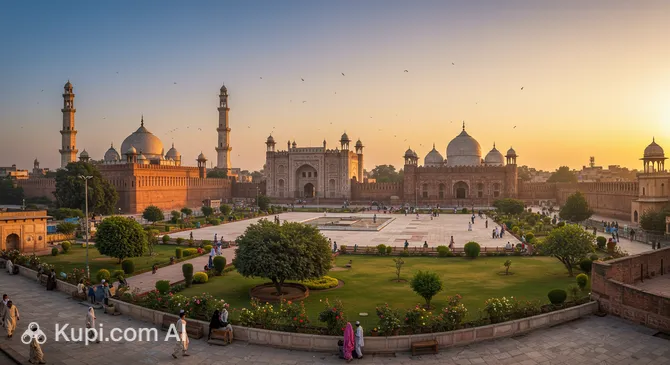
Pakistan offers travellers a remarkable diversity of cities and resorts, each with its own unique character. From ancient centres of culture and history to modern metropolises and picturesque mountain retreats, there is a destination to suit every taste. One of the most captivating cities is Lahore, the heart of the nation's cultural life, renowned for its rich Mughal history, magnificent architecture, and vibrant bazaars famous for their culinary delights.

Lahore. Source: Kupi.com Binoculars

Another key destination is Karachi, Pakistan's largest city and economic capital, situated on the coast of the Arabian Sea. This dynamic metropolis offers a blend of business opportunities and compelling attractions. For those seeking respite from the heat with beautiful mountain scenery, Murree is a popular choice. This well-known hill station attracts visitors with its stunning vistas and pleasant climate, especially during the summer months.

The nation's capital, Islamabad, is a modern, well-planned city nestled at the foot of the Margalla Hills. It is celebrated for its lush greenery, cleanliness, and tranquil atmosphere, serving as the perfect gateway for journeys into the stunning northern regions. These and many other cities and resorts across Pakistan await exploration, promising unforgettable experiences and discoveries.

Top Attractions

Pakistan offers travellers an amazing variety of attractions, from ancient monuments and modern architectural masterpieces to breathtaking natural beauty. There is something for everyone, whether you are interested in exploring a rich culture or enjoying picturesque landscapes.

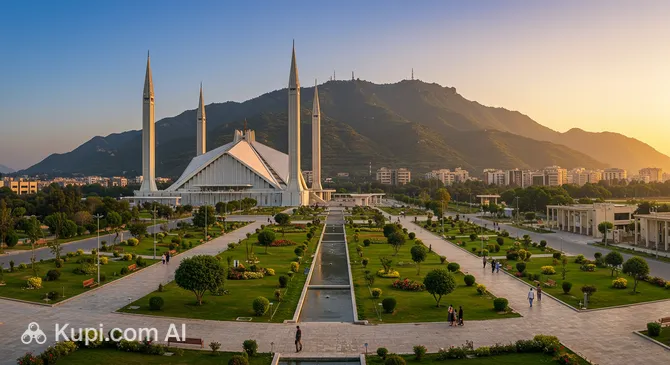
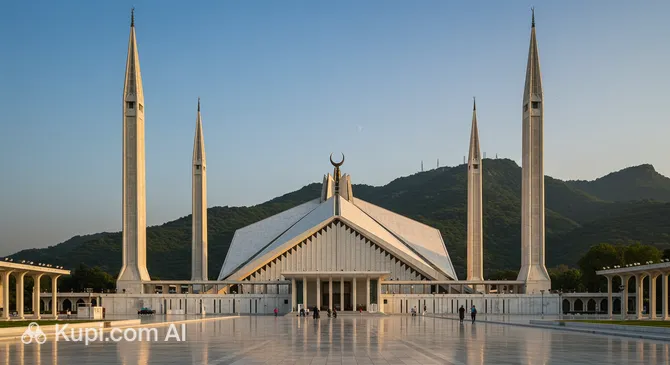
One of the most iconic landmarks is the Faisal Mosque in Islamabad. As one of the largest mosques in the world, it is an impressive example of contemporary Islamic architecture. Its unique design, which resembles a Bedouin tent, and its location at the foot of the Margalla Hills make it a truly unforgettable sight. The mosque is a symbol of unity for the Muslim world and represents the strong bond between Pakistan and Saudi Arabia, which funded its construction. Visitors are welcome, but it is important to dress modestly; women should cover their heads, and scarves are available at the entrance.

Faisal Mosque. Source: Kupi.com Binoculars

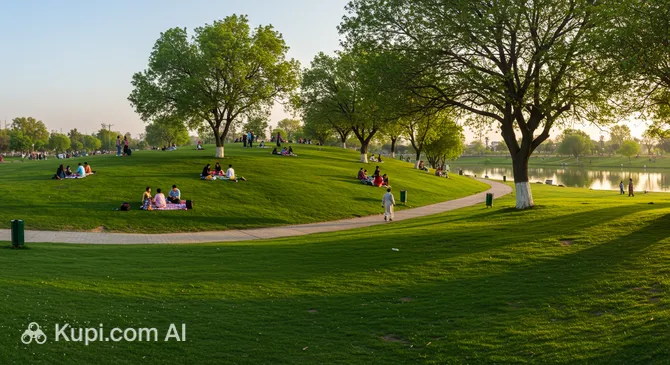
For lovers of nature and the outdoors, a visit to Ayub National Park is a must. Located in Rawalpindi, this vast park offers numerous activities, including strolls along scenic trails, boating on the lake, and opportunities to observe local wildlife. It is an excellent, family-friendly destination for a day out and picnics in the fresh air, with playgrounds and a variety of recreational facilities available.

Ayub National Park. Source: Kupi.com Binoculars

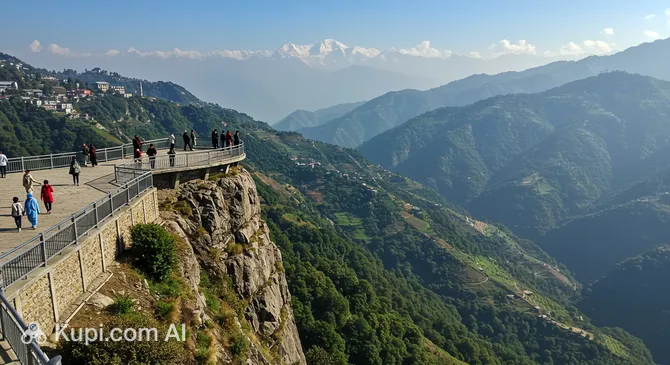
If you are seeking spectacular views and a cool mountain retreat, head to Kashmir Point in Murree. Standing at 7,500 feet, it is the highest viewpoint in the area, offering panoramic vistas of the surrounding valleys and the majestic snow-capped peaks of Kashmir. It is especially beautiful at sunset when the sun bathes the mountains in golden tones, providing a perfect opportunity for stunning photographs. This scenic spot attracts tourists with its natural beauty and tranquil atmosphere, making it a perfect escape.

Kashmir Point. Source: Kupi.com Binoculars

Best Time to Visit

Choosing the best time for a trip to Pakistan, just a short flight of around three hours from the UAE, largely depends on your plans and the region you intend to visit, as the country's climate is incredibly diverse. Generally, there are two main favourable periods. For exploring the rich cultural and historical attractions of the plains and southern regions — including the capital Islamabad, and cities like Lahore and Karachi — the ideal time is from October to March. Much like the UAE's own pleasant winter, the weather during this period is mild and comfortable, creating perfect conditions for sightseeing and discovering a shared Islamic heritage. However, if your goal is mountain trekking and enjoying the breathtaking landscapes of the northern territories, such as the areas around Chitral or the Swat Valley near Saidu Sharif, the best time to visit is from May to October.

The high season in the plains of Pakistan (October to March) is characterised by comfortable daytime temperatures and cool evenings, which creates excellent conditions for visiting historical monuments and strolling through the cities. Exploring these bustling urban centres is a delight, with an abundance of halal food options and prayer facilities readily available. In the northern mountainous regions (May to October), the high season means warm, sunny weather in the valleys and on the passes, perfect for trekking and mountaineering. The main advantage of travelling at this time is the ideal weather for your chosen holiday. However, during peak months, popular tourist spots can be more crowded, and prices for accommodation and services may be slightly higher.

The low season in Pakistan also varies significantly by region. On the plains, it falls during the hot months from April to September. While residents of the UAE are accustomed to summer heat, this period in Pakistan also brings high humidity and, from July to September, the possibility of monsoon rains. In the mountains, the low season is winter (from November to April), when many passes are closed due to snow and temperatures drop well below freezing. The benefits of travelling in the low season can include fewer tourists and potentially lower prices for accommodation. The downsides are less predictable weather and possible limited access to some attractions, especially in mountainous areas. When planning your trip, you should also consider the timing of major religious festivals such as Eid al-Adha and Eid al-Fitr, as the dates change annually according to the lunar calendar. You might also plan around unique events like the famous Shandur Polo Festival in July. Regardless of the season, it is advisable to dress modestly, particularly when visiting mosques and religious sites, as a sign of respect for the local culture. We strongly recommend always checking the weather forecast for the specific areas of Pakistan you plan to visit before your trip.

Traditions

The culture of Pakistan is deeply rooted in Islamic traditions and age-old customs, an understanding of which will help you feel more comfortable and show respect to the local people. The standard greeting is 'As-salamu alaykum' (peace be upon you), to which the reply is 'Wa alaykum as-salam' (and upon you be peace). Men often shake hands with each other, but when greeting women, it is best to wait for them to offer their hand first or simply offer a polite nod. Pakistanis are renowned for their incredible hospitality; being invited into a home is considered a great honour. A small gift, such as a souvenir from your country or some sweets (avoiding alcohol), is a thoughtful gesture, though not required. It is important to remember that the left hand is traditionally considered 'unclean', so always try to eat, pass, and receive items with your right hand.

When visiting Pakistan, it is important to dress modestly, particularly for women. In public places, clothing that covers the shoulders and knees is recommended. When visiting mosques and other religious sites, women are required to cover their heads, and all visitors should remove their shoes before entering. At the dining table, especially when eating traditional dishes with your hands, it is customary to use your right hand. Refusing an offer of food or drink may be seen as impolite, so it is best to accept at least a small amount. The key festivals that reflect the country's spirit are Eid al-Fitr, which marks the end of the holy month of Ramadan, and Eid al-Adha, the festival of sacrifice, which is celebrated with family feasts and acts of charity. To avoid awkward situations, refrain from public displays of affection between men and women, avoid photographing people (especially women) without their explicit permission, and try not to initiate discussions on sensitive topics like religion and politics unless they are brought up by your local hosts.

Entertainment

Pakistan offers travellers a diverse range of leisure opportunities to suit a wide variety of interests. Fans of outdoor activities will find impressive mountain landscapes, ideal for hiking and trekking, especially in the country's northern regions. Popular hill stations, such as Murree, attract visitors with their picturesque views and opportunities for refreshing nature walks.

For those who appreciate cultural entertainment, Pakistan provides an introduction to its rich historical heritage through numerous museums, art galleries, and architectural monuments. A notable example is the magnificent Faisal Mosque in Islamabad, a symbol of national pride and a gift from Saudi Arabia. Visitors are reminded to dress modestly when visiting this and other religious sites. Shopping is also an essential part of any trip; in bustling bazaars and modern shopping centres, like the Emporium Mall in Lahore or The Centaurus Mall in the capital, you can purchase traditional handicrafts, colourful textiles, aromatic spices, and other authentic souvenirs.

Evening entertainment in Pakistan is mainly centred around restaurants, where you can enjoy exquisite local cuisine in a pleasant atmosphere, especially in major cities like Karachi and Lahore, which are renowned for their culinary traditions. As a Muslim-majority country, halal food is the standard and is widely available everywhere. For family-friendly activities, the numerous city parks and gardens offer space for recreation and relaxation, while some larger cities also have dedicated entertainment centres for children.

Currency rates

Planning a trip? Excellent! To ensure the financial aspects of your journey don’t come as a surprise, it’s important to remember that currency exchange rates are constantly changing. Therefore, we strongly advise you to monitor the current rates both before you fly and throughout your trip. For this, you can use the data provided below—we monitor exchange rates 24/7 and strive to provide the most up-to-date information.

PKR currency exchange rate as of 02.01.2026

1 AED
~ 75.90 PKR
1.37 AMD
~ 1 PKR
1 AUD
~ 186.06 PKR
1 AZN
~ 163.98 PKR
1 BYN
~ 94.83 PKR
1 CAD
~ 203.11 PKR
1 EUR
~ 327.42 PKR
1 GBP
~ 375.62 PKR
1.17 HUF
~ 1 PKR
1 INR
~ 3.10 PKR
1 KGS
~ 3.19 PKR
5.18 KRW
~ 1 PKR
1.82 KZT
~ 1 PKR
1 PLN
~ 77.66 PKR
1 RUB
~ 3.53 PKR
1 SAR
~ 74.33 PKR
1 SGD
~ 216.83 PKR
1 TRY
~ 6.49 PKR
1 UAH
~ 6.59 PKR
1 USD
~ 278.80 PKR
43.09 UZS
~ 1 PKR

Reached the end of the page?

That means the route is fully explored