Support

Bahawalpur

About

Bahawalpur is a city that effortlessly blends royal grandeur with a serene atmosphere, earning it the well-deserved title of the "City of Nawabs." Located in the Punjab province of Pakistan, it stands as a testament to architectural brilliance and cultural richness. Unlike some of the more chaotic metropolises in the region, Bahawalpur offers a relaxed pace, inviting travelers to explore its orderly streets, lush gardens, and distinct heritage.

Geographically, the city is situated south of the Sutlej River and serves as a gateway to the vast Cholistan Desert. The climate here is typically hot and arid, particularly during the summer months, while winters provide a pleasant and mild environment perfect for sightseeing. With a population of over 760,000 residents, it is a significant urban center that manages to maintain a strong sense of community and tradition.

The history of Bahawalpur is deeply intertwined with the legacy of the Abbasi family, who ruled this former princely state for generations. This royal past is visible in the city's stunning palaces and well-preserved monuments, which reflect a unique mix of local, Islamic, and European architectural influences. Walking through the city feels like stepping back into an era of elegance and courtly refinement.
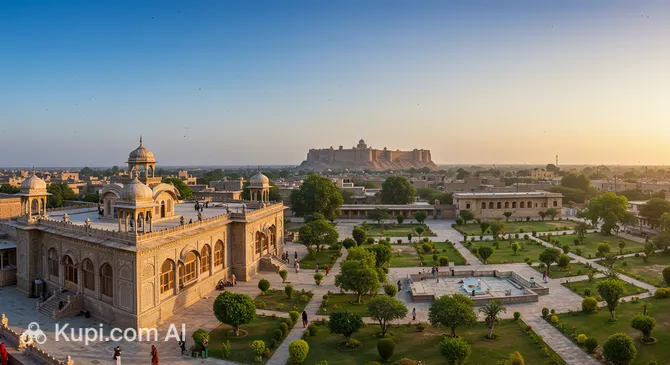
Bahawalpur. Source: Kupi.Binoculars

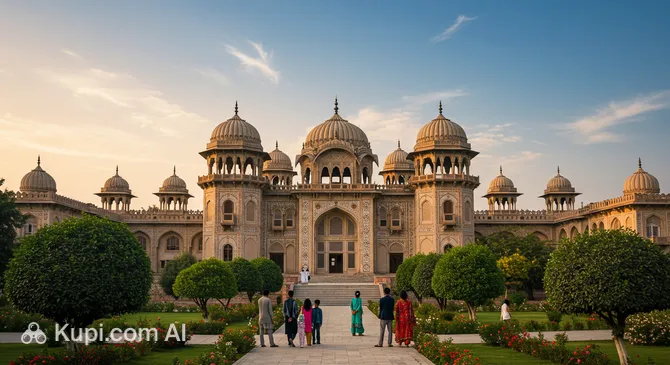
Visitors are often captivated by the magnificent Noor Mahal, a hidden gem of Italian chateau-style architecture that glows beautifully under the night sky. Another must-see is the imposing Derawar Fort, whose massive bastions rise dramatically from the desert sands of Cholistan, offering a spectacular sight for adventurers. For those interested in spiritual architecture, the Abbasi Mosque stands out with its intricate marble work and peaceful ambiance.

Whether you are drawn by the allure of desert safaris or the elegance of royal palaces, Bahawalpur promises an unforgettable journey. It is a destination that offers a perfect mix of adventure, culture, and hospitality, making it a worthy addition to any travel itinerary.
Weather Overview

Bahawalpur experiences a hot desert climate, characterized by distinct seasonal shifts and generally arid conditions. The city remains dry for most of the year, making it a reliable destination for sunny days, though travelers should be prepared for significant temperature fluctuations depending on the month of their visit.

Summers can be quite intense, with temperatures rising sharply from May through September. June is typically the hottest month, with average temperatures around 34.9°C and highs frequently reaching 40.6°C. In contrast, the winter season, spanning from November to February, offers a respite with much cooler and more comfortable weather. January sees average temperatures drop to approximately 13.3°C, with nights becoming quite chilly at around 7.0°C.

Rainfall is scarce throughout the year, though the late summer months of July and August bring a slight increase in humidity and cloud cover, with up to 9 wet days recorded. To choose the best time for your visit, it is helpful to review the detailed weather in Bahawalpur before booking your trip. Overall, expect scorching hot summers and pleasant, cool winters with minimal precipitation.

Interesting Facts

Beyond the well-known grandeur of its palaces, Bahawalpur conceals fascinating stories and unique features that often escape the casual observer. This city is not just about architecture; it is a treasure trove of history and ecological wonders waiting to be explored.

Noor Mahal. Source: Kupi.Binoculars
  • The stunning Noor Mahal was originally built for the Nawab's wife, but legend holds that she refused to stay there because the view from the balcony included a nearby graveyard, which she considered a bad omen. Today, the palace preserves the royal legacy, displaying period furniture and the Nawabs' collection of vintage cars.

  • Bahawalpur was once an autonomous princely state that maintained a distinct identity, issuing its own postage stamps and currency coins well into the 20th century, reflecting its significant political and economic independence before merging into the national system.

  • The city serves as the gateway to the Lal Suhanra National Park, one of the few places in South Asia recognized as a UNESCO Biosphere Reserve. It uniquely combines desert landscapes, lush forests, and wetland ecosystems to support rare wildlife like the blackbuck.

  • Preserving the region's deep roots, the Bahawalpur Museum offers a rich journey through time. Its galleries are filled with archaeological finds from the Indus Valley Civilization, intricate Islamic manuscripts, and historical coins, providing a scholarly perspective on the area's past.

How to Get There

Reaching this historic city is quite convenient thanks to its connectivity by both air and rail. Whether you prefer a direct flight or a scenic train journey, there are several viable options for travelers. For a detailed breakdown of routes and tips, you can read more about how to get to Bahawalpur.

The city is served by its own Bahawalpur Airport (BHV), which is the most direct entry point. Located just 2.7 km from the city center, it is a small domestic hub, and a taxi ride to the downtown area takes approximately 25 minutes. However, flight schedules here can be limited. For more extensive connections, including some international flights, many visitors fly into Multan Airport (IATA: MUX) in the neighboring city of Multan. This larger airport is situated about 98 km away. From Multan, you can hire a taxi or take a bus to Bahawalpur, a journey that typically takes around 2 hours and 45 minutes depending on traffic.

For clarity, here is a summary of the main airports in the region:

Airport Name City Passenger Traffic Km from City
Multan Airport Multan Large 97.7
Bahawalpur Airport Bahawalpur Medium 2.7
Bikaner Airport Bikaner Small 205.4
Dera Ghazi Khan Airport Dera Ghazi Khan Small 134.7
Rahim Yar Khan Airport Rahimyar Khan Very Small 174.7

Bahawalpur is also well-connected by rail, serving as a major stop on Pakistan's primary railway line. The Bahawalpur Railway Station is a busy hub with frequent trains arriving from major cities such as Karachi, Lahore, and Islamabad. Traveling by train is a popular choice for both locals and tourists, offering a comfortable and often more affordable way to experience the changing landscapes of the Punjab province.

Main Attractions

Bahawalpur is a city steeped in history, offering a mix of royal heritage and vibrant local culture. While the city is famous for its majestic forts and palaces, it also provides visitors with engaging museums and lively dining spots that reflect the modern spirit of the region.

One of the most iconic landmarks is the Noor Mahal, a palace that stands as a testament to the architectural brilliance of the Nawabs. Built in the 19th century with Italian chateau influences, it was designed for the royal family and is now open to the public. Tourists are captivated by its stunning facade, especially when illuminated at night, and the well-preserved interiors that offer a glimpse into the luxurious lifestyle of the former princely state.

For those interested in the rich past of the area, the Bahawalpur Museum is a must-visit destination. This institution houses an impressive collection of artifacts, including items from the Indus Valley Civilization, Islamic manuscripts, and remnants of the Bahawalpur State's unique history such as coins and stamps. It serves as an educational hub where visitors can learn about the cultural evolution of the region through well-curated galleries.

Bahawalpur Museum. Source: Kupi.Binoculars

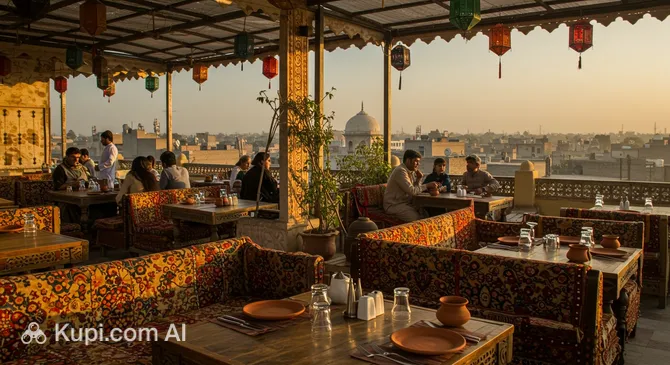
After a day of sightseeing, travelers can experience the local food scene at places like Oven X Restaurant. Popular among residents and tourists alike, this establishment offers a variety of dishes in a comfortable setting. It is a great spot to relax and enjoy a satisfying meal, adding a flavor of modern Bahawalpur hospitality to your journey.

Oven X Restaurant. Source: Kupi.Binoculars

Local Cuisine

The culinary landscape of Bahawalpur is a delightful reflection of its rich cultural heritage, blending traditional Saraiki flavors with classic Punjabi cuisine. The city is a paradise for meat lovers, where the food is often rich, spicy, and cooked to perfection in clay ovens or open fires. The dining scene here is unpretentious but deeply satisfying, focusing on fresh ingredients and time-honored recipes passed down through generations.

One cannot visit this city without trying its most famous sweet treat, Sohan Halwa. This dense, nutty, and caramelized dessert is renowned across Pakistan, and Bahawalpur is considered its true home. Visitors frequently buy boxes of this delicacy as souvenirs. On the savory side, Cholistani Karahi and Sajji (roasted lamb or chicken) are local staples. The meat is typically marinated with minimal spices to let the natural flavors shine, often served with hot naan bread fresh from the tandoor.

When it comes to beverages, the local preference leans heavily towards refreshing, non-alcoholic drinks to combat the desert heat. A tall glass of sweet or salty Lassi (a yogurt-based drink) is a breakfast favorite, while sugarcane juice and piping hot Chai are consumed throughout the day. Alcohol is generally not part of the local dining culture due to religious observances and is strictly regulated, available only in select high-end hotels for non-Muslim foreigners with permits.

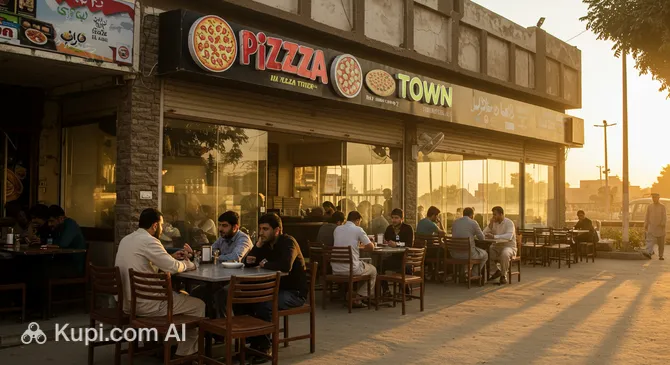
Pizza Town. Source: Kupi.Binoculars

The food culture in Bahawalpur ranges from bustling street food stalls near the old city gates to family-friendly restaurants that offer a mix of local and international dishes. For those looking for a break from traditional curries, modern establishments like Pizza Town provide a contemporary dining experience with fast food options. Whether you are seated on a traditional charpai at a roadside dhaba or in an air-conditioned dining hall, the hospitality of Bahawalpur ensures every meal is memorable.

Travel Tips

Visiting Bahawalpur is a journey into a land of royal heritage and desert mystique, but a little preparation goes a long way in ensuring a comfortable trip. Here are some practical tips to help you navigate the "City of Nawabs" with ease and confidence.

  1. Clothing and Gear: Given the hot desert climate, pack lightweight, breathable fabrics like cotton or linen. Modesty is highly valued here; both men and women should wear loose-fitting clothes that cover shoulders and knees. A scarf or dupatta is essential for women when visiting mosques or religious shrines, and comfortable walking shoes are a must for exploring the expansive forts.
  2. Transportation: The most common way to get around the city is by auto-rickshaw or "Qingqi," which are affordable and readily available. Ride-hailing apps like Careem or InDrive operate in the city but may have variable availability compared to larger metropolises. For excursions to the Cholistan Desert or Derawar Fort, it is strongly recommended to hire a private car with a local driver who knows the terrain.
  3. Finances: The local currency is the Pakistani Rupee (PKR). While high-end hotels and some modern restaurants accept credit cards, cash is king in local bazaars, small eateries, and for transport. ATMs are widely available in the city center, but it is wise to carry enough cash for daily expenses. Tipping is customary; leaving a small amount (5-10%) for waiters and porters is appreciated.
  4. Health and Safety: Bahawalpur is generally safe for tourists, but standard precautions apply. Avoid drinking tap water; always opt for sealed bottled water to prevent stomach issues. Pharmacies are easy to find in the main commercial areas, though few stay open 24/7. Due to the intense sun, especially in summer, always carry sunscreen, sunglasses, and a hat.
  5. Communication: The primary languages are Urdu and Saraiki. While English is understood by hotel staff and educated locals, it is less common in traditional markets. Learning a few basic phrases like "Assalam-o-Alaikum" (Peace be upon you/Hello) and "Shukriya" (Thank you) will go a long way in building rapport. SIM cards from providers like Jazz or Zong can be purchased at official franchises with your passport.
  6. Local Etiquette: Pakistanis are known for their hospitality. When greeting, a handshake (usually between same genders) or placing your right hand over your heart is a polite gesture. Always remove your shoes before entering a mosque or a local home. It is respectful to use your right hand for eating and passing money.
  7. What to Avoid: Strictly avoid public displays of affection, as this is considered culturally inappropriate. Additionally, do not take photographs of local women without explicit permission, and be cautious when photographing government buildings or military installations.
  8. Desert Excursions: If you plan to visit the Cholistan Desert, try to schedule your trip for the winter months (November to February) or early morning. The desert heat can be unforgiving during midday, and many attractions in the desert lack shade.

By keeping these tips in mind, you will be well-equipped to enjoy the architectural marvels and warm hospitality that Bahawalpur has to offer. Embrace the local rhythm, and your visit will surely be a memorable adventure.

Entertainment & Nightlife

Entertainment and Nightlife:

Nightlife in Bahawalpur is distinct from the bustling club scenes found in many Western or cosmopolitan cities. Here, the evening culture is deeply rooted in social dining, family outings, and vibrant late-night shopping. The atmosphere is conservative yet lively, with the city coming alive after sunset as temperatures drop. Instead of dance floors, you will find bustling food streets, illuminated historical landmarks, and tea houses filled with chatter.

One of the most spectacular ways to spend an evening is visiting the majestic Noor Mahal. While it is a historical site by day, at night it transforms into a visual marvel. The palace is often bathed in golden lights, and on weekends, it frequently hosts a captivating sound and light show that narrates the history of the Nawabs. It is a perfect spot for photography and a peaceful evening walk in the royal gardens.

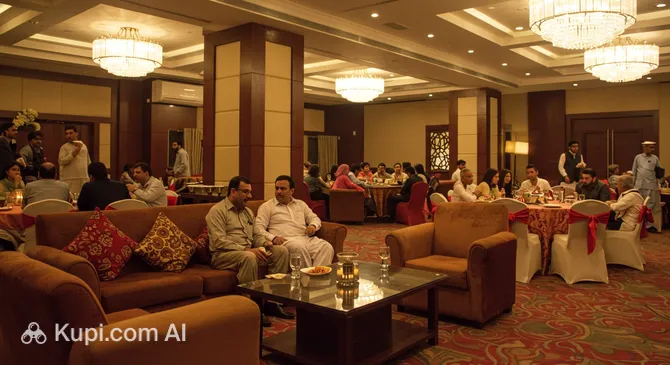
For those looking for a more specific venue to socialize, the New Premier Hotel Night Club offers a space for evening entertainment. While the name might suggest a Western-style disco, venues in this region often function more as lounges or event spaces where locals and visitors gather to relax. It provides a comfortable environment to unwind after a day of exploring the desert city.

New Premier Hotel Night Club. Source: Kupi.Binoculars

Shopping is another major nocturnal activity. The local markets remain open late into the night, buzzing with energy. Areas like the Mobiles Repairing Market might sound utilitarian, but in Pakistani cities, such specialized commercial hubs are often surrounded by juice stalls, snack vendors, and crowds of young people, offering a glimpse into the authentic local rhythm. It is a great place to experience the hustle and bustle of the city's modern commerce alongside traditional hospitality.

Practical Advice and Safety: Most shops and restaurants stay open until midnight or later, especially on weekends. The dress code is modest; smart casual is appropriate for dining out, but shorts and sleeveless tops should be avoided to respect local customs. The city is generally safe for night walks in populated areas, but it is advisable to use ride-hailing apps or official taxis rather than walking alone in dimly lit streets. If you need a ride, auto-rickshaws are plentiful and offer a breezy way to navigate the cool night air.

While the nights are for dining and socializing, daytime entertainment in Bahawalpur offers a different pace. Visitors can explore the cultural heritage at the local museums or enjoy family time at the Sherbagh Zoo. However, saving your energy for the cool, vibrant evenings is the best way to experience the true social heart of the city.

Parks & Museums

While Bahawalpur is frequently associated with the arid beauty of the Cholistan Desert, the city also prides itself on well-maintained green spaces and institutions that preserve its royal legacy. Visitors will find a refreshing contrast between the historic architecture and the lush gardens that offer respite from the heat, alongside museums that provide a deep dive into the region's fascinating past.

For nature enthusiasts, the crown jewel of the region is the Lal Suhanra National Park. Located just outside the city limits, this UNESCO Biosphere Reserve is one of the largest national parks in South Asia. It offers a unique landscape that blends desert terrain, forest land, and wetlands. The park is famous for its wildlife conservation efforts, particularly the breeding of the endangered blackbuck antelope. Visitors can enjoy a jungle safari to spot rhinos and lions or relax near the calm waters of Patisar Lake, making it an ideal spot for eco-tourism and picnics.

Within the city itself, Gulzar-e-Sadiq Park stands as a popular recreational hub for locals and tourists alike. Named after the former ruling family, this expansive garden features manicured lawns, walking tracks, and play areas for children. It serves as a communal lung for the city, coming alive in the evenings when families gather to enjoy the cooler air and vibrant atmosphere.

When it comes to history, the Bahawalpur Museum is the primary custodian of the region's heritage. Established in the 1970s, it houses a diverse collection that spans centuries. The galleries display everything from Gandhara art and Indus Valley pottery to personal belongings of the Nawabs, including swords, coins, and royal decrees. The museum’s section on the Pakistan Movement and the local history of the Bahawalpur State offers valuable context for understanding the city's unique political journey.

Another cultural landmark that functions as a living museum is the Noor Mahal. While primarily a palace, its interiors are a showcase of 19th-century luxury. Visitors can walk through halls adorned with imported crystal chandeliers, antique furniture, and rare paintings. The palace effectively narrates the lifestyle of the Abbasi dynasty, allowing guests to see the grandeur of the past up close, rather than just through glass cases.

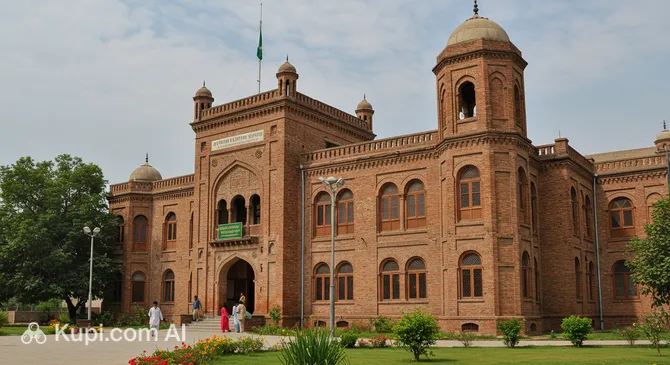
For a lesser-known cultural experience, consider visiting the Bahawalpur Central Library. Although it is a functioning library rather than a traditional tourist site, its architecture is stunning, featuring Victorian-style design with red brickwork and intricate arches. It houses a vast collection of books and newspapers, offering a quiet, intellectual retreat and a perfect backdrop for architecture lovers seeking a photo opportunity away from the crowds.

Getting Around

Navigating Bahawalpur is relatively straightforward, offering a mix of modern public transit and traditional local options that suit different travel styles. The backbone of the city's organized transport network is the **Bahawalpur Metro Bus Service**, often referred to locally as the "Speedo Bus." These distinct blue buses run on specific routes connecting key locations, including major educational institutions, hospitals, and the city center. They are air-conditioned, reliable, and provide a comfortable respite from the outdoor heat, making them the most tourist-friendly option for crossing the city.

For shorter distances and last-mile connectivity, **auto-rickshaws** and **Qingqis** (motorcycle-pulled rickshaws) are the most common vehicles on the road. You will find them at almost every intersection and market. While they lack the luxury of climate control, they are agile enough to navigate the narrow streets of the old city and bazaars where larger buses cannot enter. They offer a breezy, authentic experience of local life, though they can be quite noisy.

The payment system depends entirely on the mode of transport you choose. The Metro Bus utilizes an automated fare collection system; passengers must purchase a **token** for a single journey or a rechargeable **smart card** at the ticket counters located at each bus station. The fares are fixed and very affordable. In contrast, rickshaws and Qingqis operate exclusively on **cash**. There are no meters, so the fare is determined by bargaining. It is essential to carry small currency notes, as drivers often do not have change for large bills.

For tourists who prefer a private and hassle-free experience, **ride-hailing apps** such as Careem and InDrive are active in the city. These platforms allow you to book a car or a rickshaw with an upfront estimated price, eliminating the need to haggle in a local language. Traditional yellow taxis are not commonly found roaming the streets for passengers, so relying on apps or asking your hotel to arrange a private car rental with a driver is the best alternative for personalized excursions.

When using public transport, keep in mind a few practical tips. The Metro Bus service generally operates from **6:00 AM to 10:00 PM**, covering the majority of the day. Buses typically have designated sections, with the front compartment reserved for women and families to ensure comfort and privacy. If you choose to travel by rickshaw, always agree on the price with the driver before getting in to avoid disputes later. While the city lacks historic trams or subways, the vibrant, hand-painted art adorning the local rickshaws serves as a unique cultural feature on wheels.

Accommodation

Accommodation in Bahawalpur caters to a variety of travelers, ranging from those seeking economical stopovers to visitors looking for comfort and style. While the city does not host major international luxury hotel chains, it offers a solid selection of mid-range hotels, well-appointed guest houses, and budget-friendly lodges. The hospitality sector here is growing, providing clean and secure options that reflect the city's welcoming nature.

For the most convenient stay, tourists often prefer the Cantonment (Cantt) area. This neighborhood is known for its security, cleanliness, and proximity to key attractions. Staying here places you within a short distance of the museum and the zoo, while offering a quieter environment compared to the bustling inner city. Alternatively, the areas along Circular Road and near the Bahawalpur Railway Station are practical choices for backpackers and those relying on public transport, providing easy access to the main markets and transit hubs.

When planning your trip, it is important to consider the season. Bahawalpur is the gateway to the Cholistan Desert, and during the winter months—especially around the time of the famous Cholistan Jeep Rally—hotels can be fully booked weeks in advance. A useful booking tip is to secure your reservation at least a month ahead if you are traveling between December and February. For the rest of the year, last-minute bookings are generally easier to manage.

In terms of pricing, accommodation in the city is quite affordable compared to Pakistan's larger metropolises. Travelers can expect budget options to be very easy on the wallet, while mid-range hotels offer amenities like air conditioning, Wi-Fi, and on-site dining at reasonable rates. While some of the larger hotels are listed on international online booking platforms, many smaller guest houses and local inns still operate primarily through direct phone reservations or walk-ins. It is also advisable to carry cash, as credit card facilities may not be available at smaller establishments.

Nearby Cities

For those looking to explore the surroundings, Bahawalpur serves as an excellent base for day trips to several interesting nearby locations:

One of the most compelling destinations for a day trip is Multan, often referred to as the "City of Saints." Located less than 100 kilometers away, it is one of the oldest living cities in South Asia. Multan is renowned for its magnificent Sufi shrines, such as the Tomb of Shah Rukn-e-Alam and the Shrine of Bahauddin Zakariya, which showcase breathtaking architectural beauty. Visitors can also explore the bustling bazaars to find the city's famous blue pottery and intricate camel skin handicrafts, offering a vibrant contrast to the calmer atmosphere of Bahawalpur.

Another noteworthy stop is Dera Ghazi Khan, situated to the west across the Indus River. This city serves as a gateway to the tribal belt and the Sulaiman Mountains. While the city itself is a commercial hub, it is the starting point for travelers heading towards the hill station of Fort Munro, which offers a cool retreat during the hot summer months. The journey provides a chance to witness the changing landscapes of Southern Punjab, from fertile plains to rugged terrain.

City Population Distance (km)
Multan 1871843 94
Dera Ghazi Khan 399064 127
Khanewal 227059 106
Mandi Burewala 203454 132
Muzaffargarh 163268 94

These nearby destinations offer a glimpse into the diverse culture and landscapes of the region.

Shopping & Souvenirs

Bahawalpur offers a shopping experience that is deeply rooted in tradition and craftsmanship, making it a paradise for those seeking authentic cultural treasures. Unlike the generic high-street fashion found in many modern metropolises, the city's retail landscape is dominated by vibrant bazaars and skilled artisans. It is a place where you can watch products being made by hand and where the items you buy often carry a story of local heritage.

The most authentic shopping activity centers around the historic city gates, particularly Fareed Gate. This area serves as the entry point to the bustling Shahi Bazaar, a labyrinth of narrow lanes that has been the commercial heart of the city for generations. Here, tourists can find an array of goods ranging from colorful textiles to glittering jewelry. It is the perfect spot to immerse yourself in the local culture, surrounded by the sights and sounds of daily life in the Punjab province.

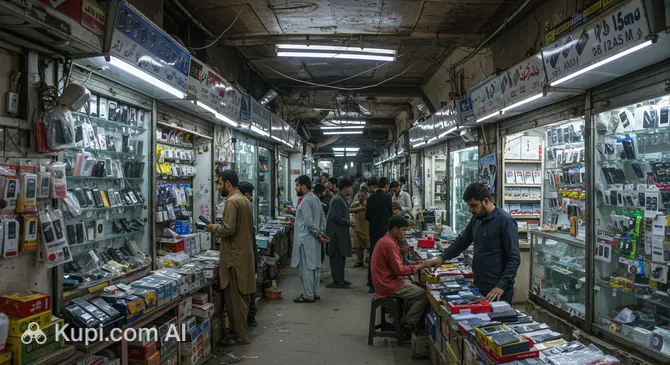
For a more specialized experience, the city features dedicated markets for various goods. While traditional crafts are the main draw, modern commerce is also thriving. The Mobiles Repairing Market is a prime example of this, functioning as a busy hub for electronics and technology. Although it is categorized as a shopping mall, it operates more like a specialized trade center where locals gather for gadgets and repairs, offering visitors a glimpse into the contemporary commercial hustle of the city.

Mobiles Repairing Market. Source: Kupi.Binoculars

When searching for souvenirs, Bahawalpur is famous for several distinct items. The city is renowned for its Khussas (traditional handcrafted leather shoes), which are often embroidered with gold or silver threads and are a staple of festive attire. Another excellent buy is Cholistani embroidery, found on shawls and kurtas, characterized by its intricate geometric patterns and bright colors. For a taste of the region, pick up a box of Sohan Halwa, a sticky, nutty sweet that is the city's most famous culinary export.

In addition to the open-air markets, there are several shopping plazas and smaller malls, particularly in the Cantonment area and along Circular Road. These venues offer a more comfortable, air-conditioned environment and a mix of local brands and general retail stores, providing a modern alternative to the heat of the bazaars.

Opening hours in Bahawalpur generally start later in the day, with most shops opening their doors around 11:00 AM and remaining open until late into the night, often past 10:00 PM. Payment is predominantly cash-based, especially in the traditional markets and for small purchases. While larger department stores and hotels may accept credit cards, it is highly recommended to carry sufficient Pakistani Rupees. Tourists should also be aware that tax-free shopping or VAT refund schemes are not available here; however, bargaining is a common and expected practice in the bazaars.

Reached the end of the page?

That means the route is fully explored