Support

Dera Ghazi Khan

About

Welcome to Dera Ghazi Khan, a bustling city situated in the Punjab province that serves as a vital cultural and commercial hub. Located on the western bank of the majestic Indus River, this city is geographically significant as it lies at the junction connecting all four provinces of Pakistan. With a population of approximately 400,000, it offers a lively atmosphere where traditional values blend seamlessly with modern development, making it an intriguing stop for travelers exploring the region.

The city's strategic location impacts its climate, which is generally characterized by hot summers and mild winters, typical of the area. Those interested in the past will find the history of Dera Ghazi Khan fascinating, as it was founded in the 15th century and has witnessed centuries of diverse cultural influences. The old city was unfortunately destroyed by river floods in the early 20th century, but the new city was meticulously planned and rebuilt, preserving the spirit of its heritage.
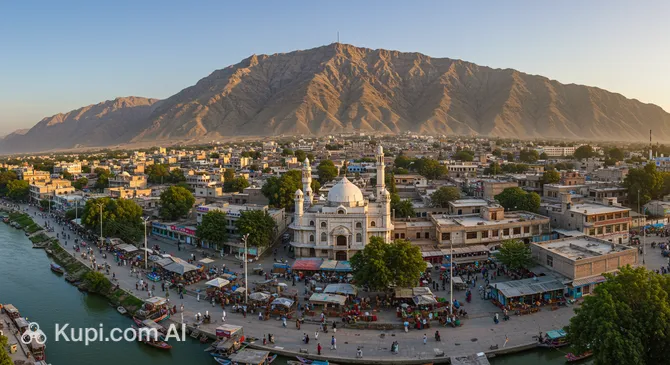
Dera Ghazi Khan. Source: Kupi.Binoculars

Travelers visiting Dera Ghazi Khan have the opportunity to explore several unique landmarks. One of the most prominent sites is the Tomb of Ghazi Khan, the city's founder, which stands as a testament to the region's architectural legacy. For those seeking a natural retreat, the city serves as the gateway to Fort Munro, a stunning hill station in the Sulaiman Mountains that offers cool breezes and panoramic views. Additionally, the nearby Taunsa Barrage is a haven for wildlife enthusiasts, particularly known for sighting the rare Indus river dolphin and various migratory birds.

Whether you are passing through on a cross-country journey or planning a specific visit to the southern Punjab region, Dera Ghazi Khan welcomes you with open arms. Its unique mix of historical depth, geographical importance, and proximity to natural wonders makes it a memorable destination worth experiencing.

Weather Overview

The climate in this region is generally arid, characterized by distinct seasonal shifts that travelers should consider when planning their trip. Summers are typically sweltering, with June being the hottest month, where average temperatures reach 34.5°C and daily highs frequently exceed 40°C. Conversely, the winter months offer a much milder and pleasant atmosphere, making it a popular time for visits. January is usually the coolest time of year, with average temperatures dropping to around 13.3°C and nighttime lows reaching approximately 7.7°C.

Precipitation is minimal for most of the year, though the late summer months bring a slight increase in humidity and cloud cover. While rainfall amounts remain low, July and August see the highest frequency of wet days, with about 9 to 10 days featuring some form of precipitation. For a comprehensive forecast and monthly averages, you can consult the detailed guide to the weather in Dera Ghazi Khan. Overall, visitors should expect very hot summers with occasional rain and cool, dry winters ideal for sightseeing.

Interesting Facts

Beyond the main attractions, Dera Ghazi Khan holds many fascinating secrets that reveal its unique character and resilience. While it is known for its strategic location, there are several lesser-known aspects of its culture and infrastructure that surprise many visitors.

  • A Masterpiece of Urban Planning: Unlike many older cities in the region that grew organically, the modern Dera Ghazi Khan was meticulously designed on a grid-iron pattern. After the original city was washed away by the Indus River in 1911, the new settlement was built with wide roads and organized blocks, making it one of the few planned cities in South Asia from the colonial era.

  • A Geographic Crossroads: The city holds a distinct position as a central junction linking diverse regions of Pakistan. Situated in Punjab, it serves as the primary gateway to the province of Balochistan and lies in close proximity to the borders of Sindh and Khyber Pakhtunkhwa, creating a vibrant melting pot of traditions and trade.

  • An Engineering Marvel Nearby: The journey from Dera Ghazi Khan to the hill station of Fort Munro features the spectacular Rakhi Gaaj steel bridges. This Japanese-engineered project on the N-70 highway consists of a series of zigzagging steel pillars and bridges that allow heavy traffic to climb the steep Sulaiman Mountains, resembling a giant rollercoaster amidst the rocky terrain.

  • A Hub of Syncretic Tradition: Just outside the city lies the shrine of Sakhi Sarwar, a 12th-century Sufi saint. This site is culturally significant because it has historically been a place of reverence for people of various faiths, symbolizing the deep-rooted harmony and spiritual diversity of the region.

How to Get There

Reaching Dera Ghazi Khan is quite convenient due to its central location in Pakistan. Whether you are traveling from within the country or arriving from abroad, there are several transport hubs nearby that facilitate easy access. For a complete overview of travel options, you can read more about how to get to Dera Ghazi Khan and plan your journey accordingly.

The city has its own air transport facility, the Dera Ghazi Khan Airport (IATA: DEA), which is the most direct way to arrive. Located approximately 18.2 km from the city center, it is a smaller airport primarily serving domestic routes. A taxi or shuttle from here to the heart of the city typically takes about 45 to 50 minutes. Although the passenger traffic is relatively low, the proximity makes it an excellent choice for travelers looking to minimize ground travel time.

For those seeking more flight connections, especially international ones, the Multan Airport (IATA: MUX) is the most significant major hub in the vicinity. Situated in the city of Multan, roughly 76.5 km away, it handles a large volume of passengers and offers a wider range of services. The journey from Multan to Dera Ghazi Khan involves crossing the Indus River and takes approximately 2 hours and 15 minutes by car. Additionally, travelers can consider Bahawalpur Airport (IATA: BHV) in Bahawalpur, located about 129.6 km away, with a travel time of around 3.5 hours.

For clarity, here is a summary of the main airports serving the region:

Airport Name City Passenger Traffic Km from City
Multan Airport Multan High 76.5
Faisalabad Airport Faisalabad Medium 268.2
Bahawalpur Airport Bahawalpur Low 129.6
Dera Ghazi Khan Airport Dera Ghazi Khan Low 18.2
Rahim Yar Khan Airport Rahimyar Khan Low 187.9

Main Attractions

Dera Ghazi Khan offers a fascinating mix of historical heritage, spiritual sanctuaries, and natural wonders that attract visitors from across the region. While the city itself is a bustling commercial center, its surroundings feature diverse landscapes ranging from the flowing waters of the Indus to the cool heights of the Sulaiman Mountains. Here are some of the most compelling places to visit during your stay.

One of the most popular getaways for locals and tourists alike is Fort Munro. Often referred to as the "Murree of the South," this scenic hill station is situated at an elevation of nearly 2,000 meters within the Sulaiman Mountain Range. It provides a refreshing escape from the summer heat of the plains, offering pine-covered hills and breathtaking panoramic views. The journey to the fort is an attraction in itself, featuring the spectacular steel bridges of the N-70 highway that wind up the steep rocky terrain.

For history enthusiasts, the Tomb of Ghazi Khan is a significant landmark representing the city's origins. Built in the late 15th century, this mausoleum houses the remains of Mir Ghazi Khan, the tribal chieftain who founded the city. Although the structure has weathered the passage of time, its imposing octagonal architecture and historical resonance make it a poignant site for those interested in the region's dynastic past and traditional building styles.

A short drive from the city leads to the Shrine of Sakhi Sarwar, a deeply revered spiritual site dedicated to the 12th-century Sufi saint Syed Ahmad Sultan, also known as Sakhi Sarwar. Nestled at the foothills of the Sulaiman range, the shrine is a masterpiece of Mughal-era architecture, adorned with intricate tile work and expansive courtyards. It draws thousands of devotees year-round, particularly during the annual Urs festival, offering a vivid glimpse into the local culture and religious devotion.

Nature lovers and birdwatchers should not miss a visit to the Taunsa Barrage. Located on the Indus River, this barrage is not only a vital irrigation infrastructure but also a designated wildlife sanctuary. It is one of the few places where you can spot the endangered Indus river dolphin in its natural habitat. The area serves as a habitat for migratory birds during the winter months, making it an excellent spot for photography and peaceful riverside picnics.

Local Cuisine

The local cuisine of Dera Ghazi Khan is a flavorful reflection of its unique geographic position at the crossroads of Punjab and Balochistan. The food here offers a distinct fusion of culinary traditions, combining the rich, spicy curries typical of Pakistan with the roasted, meat-centric dishes favored in the neighboring tribal regions. Visitors can expect hearty meals prepared with fresh ingredients, often cooked in traditional clay ovens or over open fires, imparting a smoky, rustic taste that defines the city's gastronomy.

One cannot talk about Dera Ghazi Khan without mentioning its most famous export, Sohan Halwa. This dense, nutty sweet is legendary across the country and serves as the city's signature delicacy. Made from milk, sugar, wheat germ, and clarified butter (ghee), it is often garnished with pistachios, almonds, and walnuts. It is not just a dessert but a cultural symbol, frequently bought by tourists as a gift for friends and family back home. For savory lovers, Sajji is a must-try dish. Influenced by Balochi traditions, it consists of whole chicken or lamb marinated in simple salt and spices, then slow-roasted around a fire, resulting in tender meat with a crispy skin.

When it comes to beverages, the locals have perfected the art of beating the scorching summer heat. Lassi, a traditional yogurt-based drink, is a staple here. It can be enjoyed sweet or salty and is often served in large, tall steel glasses, providing instant refreshment and energy. In the cooler months and during social gatherings, hot Chai (tea) and Doodh Patti (milk tea) are ubiquitous. These drinks are typically brewed strong and sweet, serving as the centerpiece for conversations in markets and homes alike.

The food culture in Dera Ghazi Khan is deeply rooted in hospitality and informality. While there are standard restaurants, the true essence of the city's dining scene is found in the roadside dhabas and open-air eateries. These spots are buzzing with activity late into the night, offering fresh tandoori naan, spicy karahis (meat stews), and grilled kebabs. The atmosphere is casual and communal, where sharing food is the norm, allowing tourists to experience the warmth and generosity of the local people firsthand.

Travel Tips

Visiting Dera Ghazi Khan offers a unique opportunity to experience the authentic culture and hospitality of Southern Punjab. To help you navigate the city with ease and make the most of your stay, here are some practical tips designed for travelers.

  1. Clothing and Gear: Due to the conservative nature of the region, modest clothing is essential. Men should opt for trousers and shirts or the local Shalwar Kameez, while women should wear loose-fitting clothes that cover the arms and legs, keeping a scarf handy for visiting religious sites. Since summers can be scorching, lightweight cotton or linen fabrics are best, whereas winters require warm layers and jackets.
  2. Transportation: The most common way to get around the city is by auto-rickshaw or "Qingqi" (motorcycle rickshaw). They are abundant and can navigate narrow streets easily. Ride-hailing apps are not widely reliable here compared to major metropolises, so it is best to hail a rickshaw. Always negotiate and agree on the fare before starting your journey to avoid misunderstandings.
  3. Finances: The local currency is the Pakistani Rupee (PKR). While some major hotels and banks may accept cards, Dera Ghazi Khan is primarily a cash-based economy. Small shops, local eateries, and transport providers will only take cash. ATMs are available throughout the city, particularly near bank branches on the main roads, but it is wise to carry enough small denominations for daily expenses.
  4. Health and Safety: It is highly recommended to drink only bottled or boiled water to avoid stomach issues. Pharmacies are widely available, especially near the DHQ Teaching Hospital, with some operating 24/7. The city is generally safe for tourists, but it is advisable to avoid poorly lit areas at night and keep your valuables secure in crowded markets.
  5. Communication: The primary local language is Saraiki, though Urdu is understood by almost everyone. English is spoken in banks, high-end hotels, and government offices, but less so by shopkeepers and drivers. Learning a few basic Urdu phrases like "Assalam-o-Alaikum" (Hello) and "Shukriya" (Thank you) will go a long way. For mobile data, SIM cards from providers like Jazz or Zong offer good coverage in this region.
  6. Local Etiquette: Dera Ghazi Khan is known for its hospitality. If a local offers you tea, it is a gesture of goodwill that is polite to accept. When greeting people of the same gender, a handshake is common, but interactions between opposite genders should remain formal and respectful of personal space. Always ask for permission before photographing people, especially women.
  7. What to Avoid: refrain from public displays of affection (PDA), as this is considered culturally inappropriate. Additionally, if you visit during the holy month of Ramadan, avoid eating, drinking, or smoking in public during daylight hours out of respect for those fasting.
  8. Sweet Souvenir Tip: You cannot leave the city without trying or buying Sohan Halwa. However, not all shops sell the authentic version. Ask a local for a recommendation to a reputable sweet shop to ensure you get the fresh, high-quality variety made with pure ghee and dry fruits, rather than the mass-produced options sold at bus terminals.

By keeping these practical points in mind, you will be well-prepared to enjoy the vibrant markets, historical sites, and warm hospitality of Dera Ghazi Khan. A little cultural awareness will ensure your interactions are positive and your journey through this historic city is a memorable one.

Entertainment & Nightlife

Nightlife in Dera Ghazi Khan offers a distinct cultural experience that differs significantly from the Western concept of clubs and bars. As a conservative city in Southern Punjab, there are no nightclubs, pubs, or venues serving alcohol. Instead, the "nightlife" here revolves around vibrant late-night markets, bustling food streets, and social gatherings at tea stalls. The atmosphere is family-oriented in the early evening and transitions into lively discussions among friends at roadside eateries as the night deepens. The city truly comes alive after sunset when the heat subsides, and locals head out to shop, eat, and socialize under the cool night sky.

The epicenter of evening activity is undoubtedly Traffic Chowk. This central intersection never seems to sleep and is surrounded by a myriad of restaurants, juice corners, and barbecue stalls. The energy here is chaotic but welcoming, with the aroma of grilled meats filling the air. Another key area is Saddar Bazar, the main commercial hub. Unlike in many European cities where shops close early, businesses here often remain open until late, allowing for a unique night shopping experience where you can buy everything from traditional embroidered clothes to local handicrafts amidst a colorful, noisy crowd.

For those looking to enjoy specific venues, Jinnah Family Park (historically known as Company Bagh) is a popular choice. In the evenings, it fills with families and walkers enjoying the green space and cooler temperatures. It is a safe and relaxed environment to observe local life. For a culinary night out, the city is famous for its open-air dining. You can visit the restaurants along the Quetta Road or near the bypass, where establishments like the local Shinwari restaurants serve huge platters of salt-roasted lamb and karahi well past midnight. These venues are casual, often featuring traditional charpai (woven beds) for seating, creating a rustic and authentic dining atmosphere.

Practical navigation at night requires some local know-how. The best time to experience the city's evening buzz is between 8:00 PM and midnight. Public transport in the form of buses stops running early, but auto-rickshaws and "Qingqis" are available throughout the night and are the primary mode of transport. Prices are generally low, but you should agree on a fare before hopping in. In terms of safety, the main bustling areas like Traffic Chowk and Saddar are safe for walking, but it is advisable to stick to well-lit, crowded streets and avoid wandering into quiet residential alleys or the outskirts after dark.

While the nights are for feasting and shopping, daytime entertainment in Dera Ghazi Khan is more low-key. The city lacks large amusement parks or modern cinemas, but cultural enthusiasts can visit the Dera Ghazi Khan Arts Council, which occasionally hosts local theater performances, exhibitions, and cultural shows. For a quiet afternoon, the libraries and small museums associated with local colleges offer a glimpse into the region's educational history, though most travelers prefer to spend their days exploring the historical tombs and shrines mentioned earlier.

Parks & Museums

While Dera Ghazi Khan is primarily known as a commercial and transit hub, it offers several refreshing green spaces and cultural landmarks that provide a glimpse into the region's lifestyle and heritage. The city may not be famous for extensive museum complexes, but its parks and historical sites serve as open-air galleries reflecting the rich history of Southern Punjab.

For those seeking relaxation within the city limits, Jinnah Family Park, historically known as Company Bagh, is the most prominent green lung. Situated in the heart of the city, this well-maintained park features lush lawns, walking tracks, and play areas for children. It is a favorite spot for locals to enjoy evening strolls and picnics, offering a peaceful respite from the bustling markets nearby. Another significant natural area, though located a drive away, is Fort Munro. Functioning as a hill station and a natural park, it sits at an altitude of nearly 2,000 meters in the Sulaiman Mountains. Visitors flock here to enjoy the cool climate, pine forests, and dramatic rocky landscapes, making it the premier destination for nature lovers in the region.

In terms of museums and galleries, the city’s cultural scene is anchored by the Dera Ghazi Khan Arts Council. This venue serves as the primary hub for promoting local art, literature, and crafts. It frequently organizes exhibitions showcasing the work of regional artists, as well as theater performances and cultural shows that highlight the traditions of the Saraiki belt. While there is no dedicated history museum, the Tomb of Ghazi Khan acts as a monumental custodian of the city's past. This 15th-century mausoleum, with its imposing architecture, offers visitors a tangible connection to the founder of the city and stands as a testament to the historical significance of the area.

Beyond these, the architectural landscape of Dera Ghazi Khan is dotted with sites of immense spiritual and historical value. The Shrine of Sakhi Sarwar is a marvel of design, located at the foothills of the mountains. Its intricate tile work and expansive courtyards attract not just pilgrims but also those interested in the fusion of Mughal and local architectural styles. Additionally, the city's layout itself, rebuilt in a grid pattern after the 1911 floods, is of architectural interest, representing one of the few planned urban developments from the colonial era in this part of the country.

For a truly authentic experience, head to the banks of the Indus River near the ghats at sunset. This area is not a formal park, but it offers a raw, unfiltered view of the majestic river that defines the region's geography. Watching the local fishermen return with their catch against the backdrop of the setting sun provides a serene and picturesque moment that few tourists get to see.

Getting Around

Navigating Dera Ghazi Khan is an experience defined by informality and local color rather than structured schedules and high-tech systems. Unlike major metropolises with extensive metro or tram networks, the public transport system here is entirely road-based. The city relies heavily on smaller, flexible vehicles that can weave through traffic, making the commute relatively fast but distinctively chaotic. For a tourist, understanding the hierarchy of these local vehicles is the key to moving around efficiently.

The most ubiquitous form of transport is the auto-rickshaw. These three-wheeled vehicles are the backbone of intracity travel, functioning as private taxis. You will find them at almost every street corner, market entrance, and bus station. A popular variation is the Qingqi (pronounced "chin-chi"), a motorcycle-based rickshaw that often runs on specific routes like a shared bus service. These are larger than standard rickshaws, capable of carrying six to eight passengers, and are an extremely affordable way to travel between main landmarks and residential areas.

For longer distances connecting the city center to the outskirts or nearby towns, minibuses and wagons are the primary option. These vans operate from designated stands, such as the General Bus Stand, and follow set routes. While they are cost-effective, they can get quite crowded and may not be the most comfortable choice for tourists carrying luggage. There are no trolleybuses, trams, or underground trains in the city, so travelers should not expect these facilities.

The payment system in Dera Ghazi Khan is exclusively cash-based. There are no travel cards, digital passes, or ticket machines for local transport. Fares are generally very low compared to international standards, often ranging from 50 to 300 PKR for rickshaw rides within the city, depending on the distance. For shared Qingqi rides or wagons, the fare is fixed and collected by the driver or a conductor during the journey. It is essential to carry small denominations of Pakistani Rupees, as drivers frequently do not have change for large banknotes.

Practical advice for using these services revolves around negotiation. Since standard auto-rickshaws do not use meters, you must agree on the fare before getting in. It is helpful to ask a local shopkeeper or hotel staff for an estimate of the price to your destination to avoid being overcharged. Transport services generally operate from early morning until late at night, though availability drops significantly after 10:00 PM. If you are traveling late, it is safer and more reliable to arrange transport through your accommodation.

Regarding alternatives, taxis are not commonly found roaming the streets for hailing. They are usually parked at specific stands like the airport or major intercity bus terminals. Car-sharing apps and ride-hailing services have a limited presence compared to larger cities like Lahore or Karachi; while you might find some availability, it is not guaranteed. Consequently, car rental with a driver is a popular and highly recommended alternative for tourists. This option offers the comfort of a private vehicle and the expertise of a local driver who knows the roads well.

While there is no historic funicular or cable car, the transport system itself offers a visual treat: Truck Art. Many rickshaws and buses are elaborately decorated with colorful motifs, poetry, and jingling bells. Riding in a brightly painted rickshaw is not just a commute but a cultural experience unique to Pakistan. For intercity travel, several private bus companies operate luxury liners from dedicated terminals, providing a stark contrast to the hustle of local transit and ensuring comfortable connections to the rest of the country.

Accommodation

Finding accommodation in Dera Ghazi Khan is relatively straightforward, though visitors should manage their expectations regarding luxury. The city primarily offers budget to mid-range lodging options suited for travelers passing through or visiting for short business trips. You will not find international five-star hotel chains here; instead, the hospitality landscape is dominated by locally run hotels, guest houses, and government rest houses that provide essential amenities and comfortable, albeit modest, environments.

For those who prefer to be in the heart of the action, the most popular area to stay is near Traffic Chowk and Saddar Bazar. Staying in this vicinity places you within walking distance of the city's vibrant food streets, bustling markets, and transport connections. Alternatively, travelers on a cross-country road trip often prefer hotels located along the Quetta Road or the main bypass. These locations offer ample parking space and allow for a quick departure the next morning without having to navigate the congested inner-city traffic.

Since the city serves as a major transit hub between provinces, many establishments focus on functionality. Typical rooms in the mid-range category come equipped with air conditioning, television, and attached bathrooms. It is worth noting that while some newer hotels are upgrading their standards to offer Wi-Fi and room service, many budget options remain basic. Government-run rest houses are also a viable option, particularly for families, as they often feature spacious lawns and secure perimeters, though these usually require prior booking through official channels.

Booking Tip: While walk-ins are generally accepted at most hotels, it is advisable to book in advance if you plan to visit during the winter months or during the annual Urs of Sakhi Sarwar, when the city sees a massive influx of pilgrims. Since many local hotels may not be listed on major international booking platforms, finding contact numbers online and calling directly is often the most reliable way to secure a reservation.

The cost of accommodation in Dera Ghazi Khan is very affordable compared to Pakistan's larger metropolitan areas. Prices typically range from budget-friendly rates for basic rooms to moderate prices for the best available suites in the city. Travelers should be prepared to pay in cash, as credit card facilities are not widely available at hotel reception desks. Always confirm the check-out time and clarify if taxes are included in the quoted rate upon arrival to ensure a smooth stay.

Nearby Cities

For those looking to explore the surroundings, Dera Ghazi Khan serves as an excellent base for day trips to several interesting nearby locations:

City Population Distance (km)
Multan 1,871,843 83
Bahawalpur 762,111 127
Rahimyar Khan 420,419 184
Khanewal 227,059 127
Muzaffargarh 163,268 52

One of the most compelling destinations for a day trip is Multan, located just east of the Chenab River. Known as the "City of Saints" (Madinat-ul-Auliya), it is one of the oldest cities in the Asian subcontinent. Visitors are drawn to its magnificent mausoleums, such as the Tomb of Shah Rukn-e-Alam and the Shrine of Bahauddin Zakariya, which showcase breathtaking architectural styles. Multan is also famous for its distinct blue pottery and traditional handicrafts, making it a perfect spot for cultural exploration and souvenir shopping.

A bit further away but well worth the journey is Bahawalpur. This city offers a glimpse into the royal history of the region, having been the capital of a former princely state. It is home to the stunning Noor Mahal, a palace known for its Italian chateau-inspired design and lavish interiors. The city acts as a gateway to the Cholistan Desert and the majestic Derawar Fort. The calm and orderly atmosphere of Bahawalpur provides a pleasant contrast to the bustling energy of other commercial hubs.

For a shorter excursion, Muzaffargarh is the closest neighbor, situated roughly an hour's drive away. Positioned between the Indus and Chenab rivers, the area is known for its lush agricultural lands and citrus orchards. It offers a more relaxed, rural vibe and is famous for the delicious "Muzaffargarh Peera," a local sweet treat that food enthusiasts should definitely try.

These nearby destinations offer a glimpse into the diverse culture and landscapes of the region, allowing travelers to experience the rich heritage of Southern Punjab beyond the city limits of Dera Ghazi Khan.

Shopping & Souvenirs

Shopping in Dera Ghazi Khan offers a vibrant and authentic experience that stands in stark contrast to the sterile environment of modern mega-malls. As a major commercial hub connecting Pakistan's Punjab province with Balochistan, the city is a melting pot of trade and tradition. Visitors will find that the shopping scene here is dominated by bustling open-air markets and traditional bazaars where the energy is infectious, and the variety of goods reflects the region's rich cultural heritage. While it may lack high-end luxury boutiques, it more than makes up for it with the warmth of its shopkeepers and the uniqueness of its local handicrafts.

The heartbeat of the city's commerce is undoubtedly Saddar Bazar. This sprawling marketplace is the primary destination for locals and tourists alike, offering everything from fabric and jewelry to electronics and household goods. Walking through its lively streets, you will encounter a kaleidoscope of colors and sounds. Another key area is the vicinity of Traffic Chowk, which serves as a central point for various smaller markets. Here, the shops are often open late into the night, catering to the city's nocturnal rhythm and offering a mix of general merchandise and local snacks.

Unlike the larger metropolitan cities of Lahore or Islamabad, Dera Ghazi Khan does not feature massive, western-style shopping malls. Instead, the retail landscape is dotted with smaller shopping plazas and arcades. Places like the City Centre and various plazas along the main roads provide a more organized shopping environment where you can find branded clothing, footwear, and mobile accessories. These centers are air-conditioned and offer a respite from the outdoor heat, making them popular spots for families on weekends.

For a deep dive into local culture, the specialized markets are a must-visit. Rani Bazar is particularly famous, especially for women's clothing, embroidered fabrics, and traditional jewelry. It is a colorful and crowded lane where bargaining is part of the experience. Additionally, the city is historically known for its grain markets, such as the Ghalla Mandi, which, while more industrial, offers a fascinating glimpse into the agricultural backbone of the region. Exploring these markets allows tourists to see the raw, unfiltered side of daily life in Southern Punjab.

When it comes to souvenirs, the most iconic item to bring back is Sohan Halwa. This dense, nutty sweet is the city's claim to fame and is available in beautifully packaged tin boxes that travel well. Beyond food, the region is known for its exquisite handicrafts, particularly those influencing Balochi culture, such as hand-woven rugs and embroidered shawls. Traditional leather footwear, known as Khussa, is also a popular buy, featuring intricate designs that are both comfortable and stylish.

Travelers should be aware that Dera Ghazi Khan is primarily a cash-based economy. While a few larger stores in the shopping plazas may accept credit cards, the vast majority of shops in Saddar Bazar and local markets deal exclusively in cash. ATMs are widely available, so it is wise to withdraw money beforehand. Store hours are generally from 11:00 AM to 10:00 PM, though many shops close for a break during Friday prayers. As for tax-free shopping, there is no VAT refund scheme available for tourists in the city, so the price you negotiate is the final price you pay.

Reached the end of the page?

That means the route is fully explored