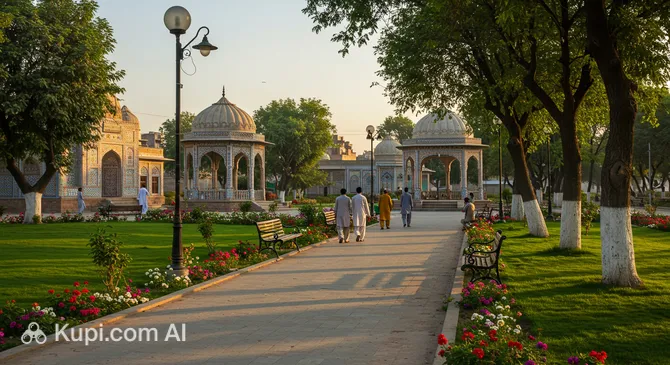
Multan, widely known as the City of Saints, is a historic and vibrant metropolis located in the Punjab province of Pakistan. Situated on the banks of the Chenab River, it is the seventh-largest city in the country, with a population of approximately 1.8 million people. This ancient city serves as a major cultural and economic hub, offering visitors a unique blend of spiritual heritage and bustling urban life.
The city boasts a legacy that spans millennia, making it one of the oldest continuously inhabited places in the region. Exploring the history of Multan reveals a fascinating narrative of ancient civilizations, conquerors, and mystics who have left their mark on the land. The climate here is generally arid, with hot summers that are famous for producing some of the sweetest mangoes in the world, a treat that every summer visitor must try.
Multan. Illustration.
Source: Kupi.com AI
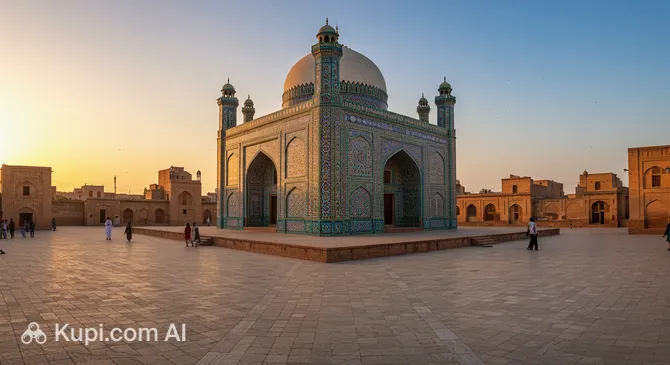
Multan is renowned for its stunning architecture, particularly the magnificent mausoleums of Sufi saints, such as the iconic Tomb of Shah Rukn-e-Alam. Beyond its spiritual sites, the city is celebrated for its exquisite blue pottery and intricate camel skin lamps, which make for perfect souvenirs. A trip to Multan offers an enriching experience filled with architectural wonders, aromatic cuisine, and the warm hospitality of its residents.
Weather Overview
Multan generally features an arid climate with distinct seasonal variations, shifting from intensely hot summers to mild winters. The heat peaks in May and June, with average temperatures reaching up to 35°C and maximums often exceeding 40°C. This period is followed by the monsoon season in July and August, which brings the majority of the city's rainfall, including up to 10 wet days in July.
Travelers visiting in winter will find much cooler conditions, particularly in January when the average temperature drops to approximately 13.2°C and nights can be as cold as 6.9°C. Overall, you can expect scorching summers with occasional monsoon rain and cool, dry winters. For more specific data on when to visit, you can consult the full guide to the weather in Multan.
Average monthly temperature
Average monthly precipitation
Interesting Facts
Beyond its spiritual reputation, Multan holds centuries of layered history and unique cultural quirks that often surprise visitors. From ancient conquerors to legendary sweets, the city offers plenty of fascinating details for the curious traveler.
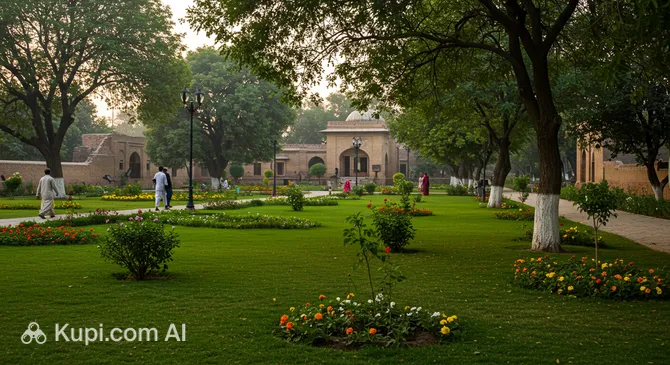
Fort Kohna and Qasim Garden. Illustration.
Source: Kupi.com AI
Traveler photos:
Alexander the Great's Siege: It is widely believed that Alexander the Great was famously injured by an arrow during the siege of the Malli people in this very city. Historical accounts suggest this pivotal event, which nearly cost the conqueror his life, took place near the site of the present-day Fort Kohna and Qasim Garden.
The City of Gold: Long before it became known as the City of Saints, Multan was famous for its ancient Sun Temple (Aditya). The temple was so wealthy and significant that early travelers and geographers often referred to Multan as the "House of Gold," making it a major pilgrimage site in antiquity.
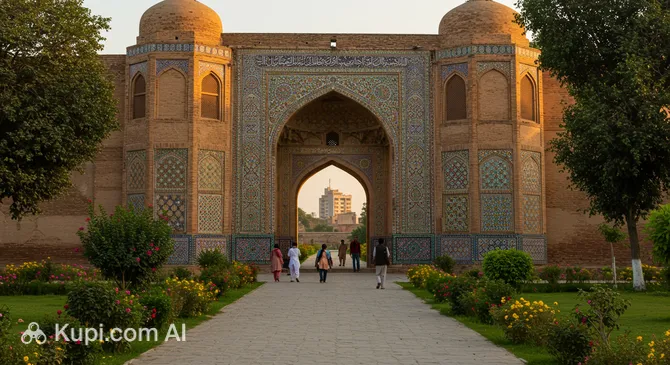
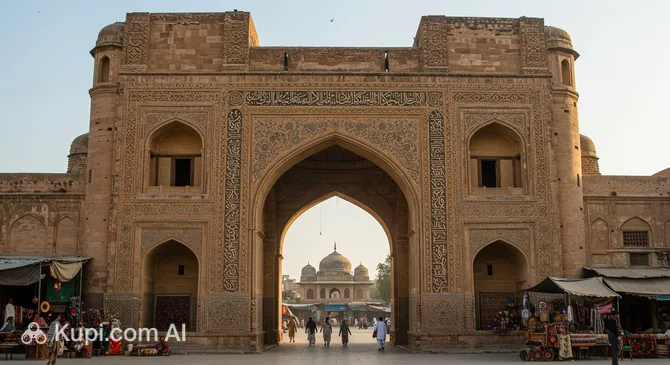
Remnants of the Walled City: The old city was originally protected by a massive wall and six gates, but most have vanished over time. The Haram Gate is one of the few surviving historical entryways, serving as a nostalgic portal into the bustling life of the inner bazaars.
A Unique Sweet Treat: Multan is the undisputed home of Sohan Halwa, a dense, sticky, and nutty confection that is unlike any other dessert in the region. It is traditionally cooked for hours to achieve its distinct caramel-like texture and is considered an essential gift for anyone visiting the city.
How to Get There
Reaching the "City of Saints" is relatively straightforward, with air travel being the most efficient option for international and domestic visitors. For a comprehensive guide on all available transport methods, you can read more about how to get to Multan. The city is well-connected to the rest of Pakistan, ensuring a smooth journey for travelers.
The primary gateway to the city is Multan Airport (IATA: MUX), which serves as a major international hub. Located conveniently within the city limits, it sits just 6.9 km from the center. A taxi or shuttle ride from the terminal to the heart of Multan typically takes around 30 minutes, depending on traffic. This airport handles a large volume of passengers annually, offering flights from key destinations across the region and beyond.
If direct flights are unavailable, an alternative option is to fly into Bahawalpur Airport (IATA: BHV), located in the neighboring city of Bahawalpur. This airport is approximately 95.5 km away from Multan. The journey by taxi or bus from Bahawalpur to Multan takes roughly 2 hours and 45 minutes. While it handles significantly less traffic than Multan's own airport, it serves as a viable regional entry point.
For clarity, here is a summary of the main airports serving the region:
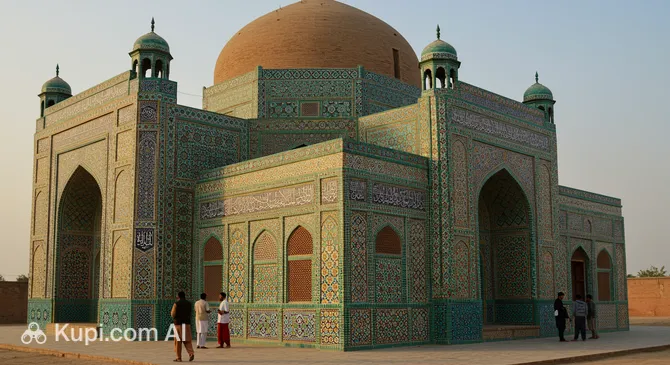
One of the most defining landmarks of the city is the Tomb of Shah Rukn-e-Alam. This architectural masterpiece, dating back to the 14th century, is celebrated for its massive octagonal structure and intricate geometric patterns. It is considered one of the finest examples of Tughlaq architecture in the world. Visitors are drawn to its spiritual ambiance and the stunning blue and turquoise glazed tiles that shimmer under the sun, making it a photographer's paradise.
Tomb of Shah Rukn-e-Alam. Illustration.
Source: Kupi.com AI
Traveler photos:
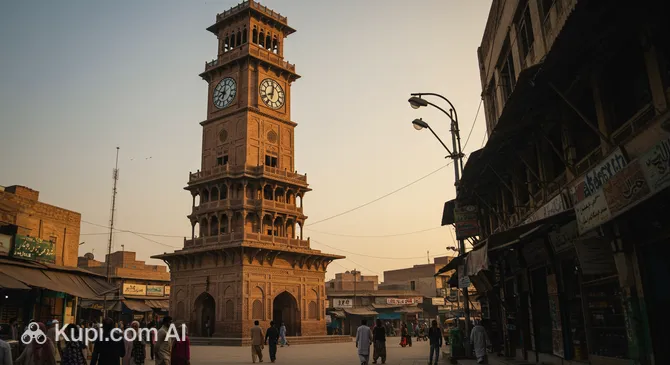
Standing in the heart of the city is the historic Clock Tower (Ghanta Ghar) Multan. Built during the British Raj, this imposing structure serves as a central hub and a reminder of the city's colonial past. Today, it houses a museum that showcases a collection of coins, medals, and artifacts reflecting the region's rich heritage. It is an excellent spot for tourists to learn about the local history while admiring the grand facade of the building.
Clock Tower (Ghanta Ghar) Multan. Illustration.
Source: Kupi.com AI
Traveler photos:
Perched on a high mound offering panoramic views of the city, Fort Kohna and Qasim Garden is a site of immense historical significance. Although much of the original fortification was destroyed over time, the remaining ramparts and the lush Qasim Garden provide a peaceful retreat from the urban bustle. The area is also home to several important shrines and monuments, making it a focal point for both history buffs and spiritual seekers exploring the ancient roots of Multan.
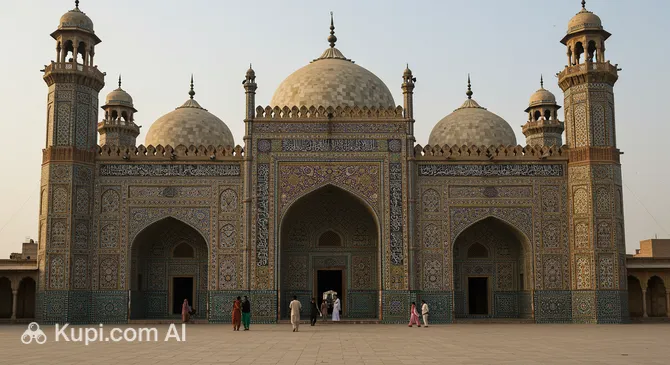
For those interested in religious architecture, the Shahi Eid Gah Mosque is a must-visit destination. This grand mosque, built in the 18th century, is renowned for its spacious courtyard and beautiful floral motifs. It remains an active place of worship and a symbol of the city's Islamic heritage. The serene atmosphere and the detailed craftsmanship of the prayer hall attract visitors who appreciate art, culture, and tranquility.
Shahi Eid Gah Mosque. Illustration.
Source: Kupi.com AI
Traveler photos:
Local Cuisine
The culinary landscape of Multan is as rich and layered as its history, offering a gastronomic journey that heavily features aromatic spices, tender meats, and centuries-old recipes. The city is particularly famous for its love of meat dishes, with Multani Mutton Chaamp (spicy lamb chops) being a standout delicacy. These chops are typically marinated in a special blend of local spices and grilled over charcoal to perfection, creating a smoky, succulent flavor that draws food lovers from all over the country. Another staple is the traditional Pulao, a rice dish often cooked with beef or chicken stock, known for its subtle yet fragrant taste.
No discussion of Multan's food is complete without mentioning its world-renowned dessert, Sohan Halwa. While you may have read about its history, tasting it fresh in the city is an entirely different experience. This dense, caramelized sweet, garnished with nuts like pistachios and walnuts, is available at numerous shops throughout the city, particularly in the old bazaars. It serves as the perfect end to a spicy meal or a delightful companion to evening tea.
Given the arid climate, local drinks play a crucial role in the daily diet. Lassi, a yogurt-based drink, is the beverage of choice to beat the heat. In Multan, you will often find it served in large clay cups, sometimes topped with a dollop of fresh cream (malai) or flavored with the region's famous mangoes during the summer season. Since alcohol is not part of the local culture, the beverage scene is dominated by fresh juices, sugarcane nectar, and endless cups of strong, milky chai (tea), which is consumed at all hours of the day.
Masoom Cafe. Illustration.
Source: Kupi.com AI
Traveler photos:
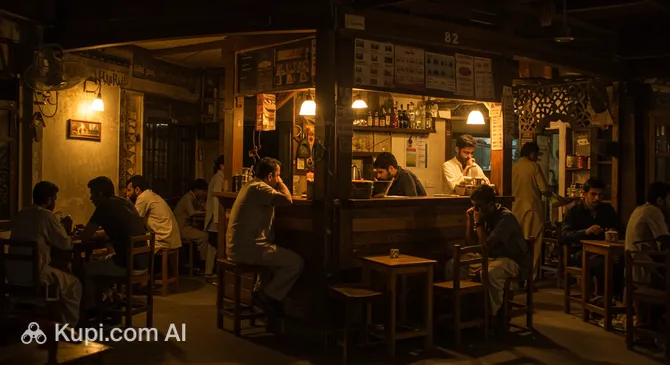
The dining culture in Multan ranges from vibrant street food stalls to comfortable modern establishments. For an authentic local experience, the areas around the old city gates come alive at night with vendors selling fried fish, kebabs, and savory snacks. However, for those looking for a contemporary dining atmosphere or a break from traditional spices, the city offers excellent modern venues. You can enjoy a diverse menu at Devour, a popular spot for families, or relax with a coffee and baked treats at Masoom Cafe. For visitors craving international fast food flavors, 14th Street Pizza Multan provides a familiar and hearty option.
Travel Tips
Welcome to Multan, a city where ancient spirituality meets the bustle of modern life in the heart of Pakistan. To ensure your journey through the "City of Saints" is as smooth and enjoyable as possible, we have compiled a set of essential practical tips for your visit.
Clothing and Modesty: Multan is a conservative city, so it is respectful and practical to dress modestly. For both men and women, loose-fitting clothing that covers the shoulders and knees is essential; the local Shalwar Kameez is the most comfortable option for the hot climate. If you plan to visit the famous shrines, women should carry a scarf to cover their heads, and everyone must remove their shoes before entering the prayer areas.
Transportation Options: The Multan Metrobus is a modern, air-conditioned, and affordable way to travel between key areas of the city. For door-to-door service, ride-hailing apps like Careem, Uber, or InDrive are highly recommended as they offer fixed prices and safety. Traditional auto-rickshaws are ubiquitous and great for short distances, but be prepared to negotiate the fare before you hop in.
Managing Finances: The local currency is the Pakistani Rupee (PKR). While high-end hotels and restaurants may accept credit cards, cash is absolute king in local bazaars, food streets, and for small purchases. ATMs are widely available throughout the city, but it is wise to carry small denominations for tips and rickshaw fares.
Health and Hydration: Due to the intense heat, staying hydrated is crucial, but you should stick strictly to bottled mineral water and avoid tap water. Pharmacies are easy to find in commercial areas, and many major hospitals offer 24-hour emergency services. Always carry sunscreen and a hat, especially if you are visiting open-air sites like the Fort.
Staying Connected: Urdu is the national language, while Saraiki and Punjabi are widely spoken locally. English is generally understood in hotels and by educated locals, but learning a few basic phrases like "As-salamu alaykum" (Peace be upon you) will go a long way. You can purchase a local SIM card (Zong, Jazz, or Telenor) at official franchises using your passport for registration to get reliable 4G data.
Local Etiquette: Multanis are known for their warmth and hospitality. When greeting, a handshake is common among men, but it is polite to wait for a woman to extend her hand first; otherwise, a verbal greeting with a hand over the heart is respectful. Always use your right hand for eating and giving or receiving money.
What to Avoid: Public displays of affection (PDA) are culturally frowned upon and should be avoided. Additionally, be very cautious about photography; never take photos of military installations, and strictly avoid photographing local women without their explicit permission, as this is considered highly offensive.
Shopping Tip: If you plan to buy the city's famous Blue Pottery (Kashi Gari), visit the workshops near the Daulat Gate or the Institute of Blue Pottery for authentic pieces. These items are fragile, so ask the shopkeepers to bubble-wrap them securely for your journey home.
By keeping these practicalities in mind, you can focus on soaking in the rich history and vibrant culture of this fascinating city. Multan’s charm lies in its people and its heritage, and a little preparation ensures you will experience the very best of both.
Entertainment & Nightlife
Entertainment and Nightlife:
Multan comes alive after sunset, but its nightlife is distinct from what you might expect in Western cities. As alcohol is prohibited in Pakistan, you will not find pubs, bars, or nightclubs here. Instead, the city's evening entertainment revolves around a vibrant culture of late-night dining, bustling shopping malls, and lively tea houses (chai dhabas). The atmosphere is family-friendly and energetic, with locals often staying out late to enjoy the cooler evening air, delicious food, and social gatherings.
The most upscale and popular district for an evening out is the Cantonment (Cantt) area. Here, the streets are wide, well-lit, and lined with modern restaurants and cafes. It is the perfect place for a safe and relaxed night walk. Another bustling hub is Gulgasht Colony, particularly the famous Gol Bagh area, which transforms into a food lover's paradise at night. The crowd is a mix of families, students, and professionals, and the dress code is generally smart-casual and modest.
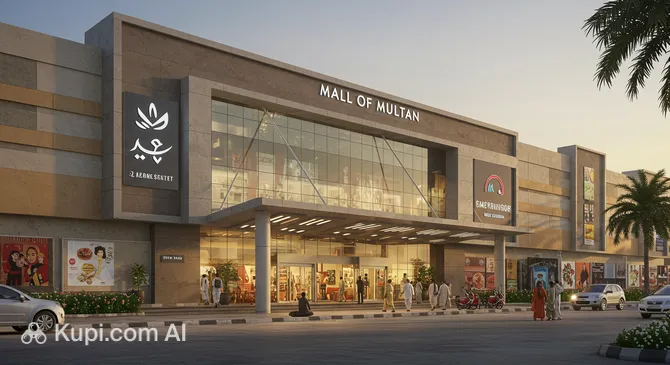
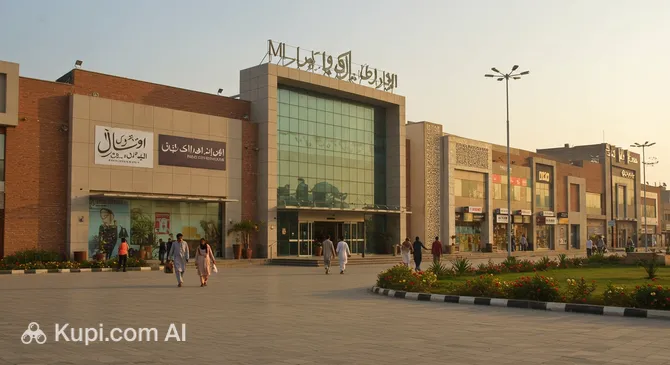
For a modern entertainment experience, the Mall of Multan is a top destination. It is not just a shopping center but a social hub where people gather to watch movies at the cinema, dine at the extensive food court, or simply stroll through the air-conditioned corridors. It stays open late and offers a secure environment for tourists to experience the contemporary side of the city.
Mall of Multan. Illustration.
Source: Kupi.com AI
Traveler photos:
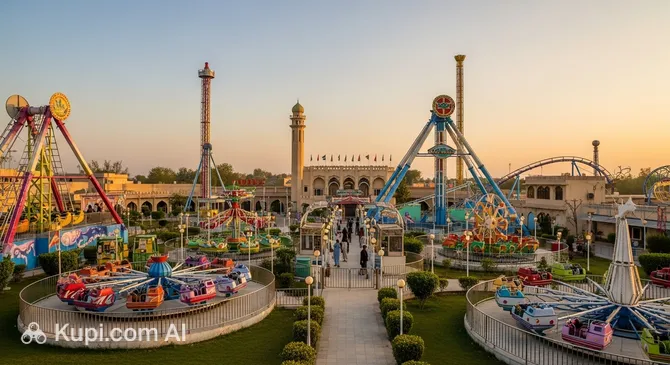
If you are looking for fun and excitement, the Super Space Sharif Complex is a fantastic option. This indoor amusement park features modern rides, arcade games, and attractions suitable for both adults and children. It is a popular spot for evening entertainment, offering a lively atmosphere that contrasts with the historical serenity of the old city. For everyday shopping needs or a quick snack during your night out, you can also visit KK Mart, which is well-stocked and convenient.
Super Space Sharif Complex. Illustration.
Source: Kupi.com AI
Traveler photos:
While the nights are for feasting and shopping, daytime entertainment in Multan offers a different pace. Visitors can explore various green spaces such as Shah Shams Park, which is ideal for a leisurely afternoon walk or a picnic by the lake. The city also offers cultural experiences through its museums and historical forts, though these are best visited during the daylight hours to fully appreciate their architecture.
When venturing out at night, safety is generally not a major concern in main commercial areas like Cantt and Gulgasht, but it is advisable to stay in well-lit, populated zones. The best time to head out is after 8:00 PM when the city truly wakes up. For transportation, ride-hailing apps like Uber, Careem, or InDrive are the safest and most convenient way to get around, as they track your journey and offer fixed prices, sparing you the hassle of negotiating with rickshaw drivers late at night.
Parks & Museums
While Multan is famous for its ancient shrines and bustling bazaars, the city also offers several refreshing green spaces and cultural repositories that provide a break from the urban heat. These parks and museums allow visitors to explore the artistic soul of the region and enjoy its natural beauty.
One of the most popular recreational spots for families is Shah Shams Park. Located near the shrine of Shah Shams Sabzwari, this expansive park features a large artificial lake where visitors can enjoy boating. It is a lively destination, especially in the evenings, offering children's rides, food stalls, and ample green lawns for picnics, making it a perfect spot to observe local family life.
Shah Shams Park. Illustration.
Source: Kupi.com AI
Traveler photos:
For a more serene and manicured environment, Company Bagh (Cantt Garden) is an excellent choice. Situated in the Cantonment area, this historic garden dates back to the colonial era and is known for its disciplined layout, beautiful flower beds, and jogging tracks. It serves as a peaceful retreat from the city's hustle, attracting morning walkers and nature lovers who appreciate its cleanliness and order.
Company Bagh (Cantt Garden). Illustration.
Source: Kupi.com AI
Traveler photos:
When it comes to history and culture, the Clock Tower (Ghanta Ghar) Multan is the city's primary museum venue. The building itself is a landmark, but inside, the Multan Museum houses a fascinating collection of artifacts, including coins, medals, and manuscripts that trace the region's history from antiquity to the British Raj. It provides a structured look at the timeline of this ancient metropolis.
Another significant cultural venue is the Multan Arts Council Park and its adjacent complex. This area serves as a hub for the city's artistic community, frequently hosting art exhibitions, literary gatherings, and cultural festivals. It is an excellent place to see contemporary local art and experience the literary heritage of the Punjab province.
Beyond formal museums, the city's historical architecture acts as an open-air gallery. The ancient Haram Gate stands as a testament to the city's defensive past. Walking through this surviving gateway offers a glimpse into the traditional lifestyle of the walled city, where history is etched into every brick. Similarly, the Fort Kohna and Qasim Garden area combines historical ruins with green space, offering panoramic views and a tangible connection to the city's conquerors and saints.
For an authentic experience, try visiting the public parks just before sunset. As the heat of the day subsides, these spaces fill with locals enjoying the cooler air, offering a wonderful opportunity to interact with the friendly residents of Multan.
Getting Around
Navigating Multan is a unique experience that blends modern infrastructure with traditional charm. The city's public transport system has seen significant upgrades in recent years, making it easier for visitors to explore both the historic walled city and the contemporary districts. Whether you prefer the comfort of an air-conditioned bus or the flexibility of a local three-wheeler, getting around is generally affordable and straightforward.
The backbone of the city's public transit is the Multan Metrobus. This Bus Rapid Transit (BRT) system features a dedicated elevated and ground-level corridor that cuts through the heart of the city, avoiding traffic congestion. The red buses are modern, air-conditioned, and safe, stopping at well-maintained stations that connect major landmarks, educational institutions, and commercial hubs. It is the most efficient way to travel long distances across the city, particularly during peak hours.
For the Metrobus, the payment system is designed to be user-friendly. You can purchase single-journey tokens or a rechargeable smart card at the ticket counters located at every station. The fares are highly subsidized and very affordable. You simply tap your card or deposit the token at the turnstiles to enter the platform. The buses typically operate from early morning, around 6:00 AM, until late evening, usually closing operations by 10:00 PM or 11:00 PM.
To reach destinations not covered by the Metrobus, or to navigate the narrow, winding streets of the old bazaars, auto-rickshaws (tuk-tuks) are the most popular option. These three-wheeled vehicles are ubiquitous and can be hailed from almost any street corner. They offer a breezy, authentic travel experience, but they do not run on meters. It is essential to negotiate and agree on a fare with the driver before starting your journey to avoid misunderstandings later. Cash is the only accepted payment method for rickshaws.
For tourists seeking a more comfortable and hassle-free alternative, ride-hailing apps such as Careem, Uber, and InDrive are widely available and highly recommended. These services allow you to book a car or a rickshaw with a fixed or estimated price, eliminating the need for bargaining. They also provide the added benefit of GPS tracking, which is helpful if you are unfamiliar with the local geography. Traditional taxis exist but are far less common than these app-based services.
A few practical tips will help you navigate smoothly: always carry small denominations of cash, as rickshaw drivers often do not have change for large bills. On the Metrobus, there are designated sections for women and families, usually at the front of the bus, which should be respected. Finally, while the Metro is reliable, traffic in the general lanes can be chaotic, so allow extra time if you are traveling by car or rickshaw during rush hours.
Accommodation
Accommodation in Multan caters to a wide spectrum of travelers, ranging from economical guesthouses to sophisticated, high-end hotels. As a major commercial and religious hub, the city has seen a significant improvement in its hospitality sector, ensuring that visitors can find comfortable lodging regardless of their budget. Whether you are looking for modern luxury or a simple place to rest after a day of exploration, the city offers plenty of choices.
For those seeking comfort, security, and modern amenities, the Cantonment (Cantt) area is the most recommended place to stay. This district is clean, well-organized, and home to the city's premier hotels and guest houses. Staying here places you close to upscale shopping areas and restaurants while remaining just a short drive away from the historical sights. Alternatively, the Gulgasht Colony area offers a lively atmosphere with numerous mid-range hotels and easy access to local food streets.
Travelers interested in immersing themselves in the city's rich history might prefer staying closer to the Walled City. While the accommodation options here are generally more modest and budget-oriented, the location offers unparalleled access to heritage sites like the Haram Gate and the bustling bazaars that surround it. Staying in this vicinity allows you to experience the authentic pulse of Multan, with centuries-old architecture right on your doorstep.
Haram Gate. Illustration.
Source: Kupi.com AI
Traveler photos:
Booking Tip: Multan attracts thousands of pilgrims during the annual Urs (death anniversaries) of its Sufi saints, particularly Shah Rukn-e-Alam and Bahauddin Zakariya. During these festivals, as well as in the pleasant winter months (November to February), hotels can fill up quickly. It is highly advisable to book your accommodation well in advance if your visit coincides with these peak times.
In terms of pricing, Multan is generally affordable compared to other major cities. Budget travelers can find clean rooms for a very reasonable cost, while high-end establishments offer luxury services at competitive rates. While major hotels accept credit cards and can be booked via international online platforms, many smaller guesthouses and budget hotels still prefer cash payments and direct telephone bookings.
Nearby Cities
For those looking to explore the surroundings, Multan serves as an excellent base for day trips to several interesting nearby locations:
One of the most compelling destinations for a day trip is Bahawalpur. Located just a few hours away, this former princely state is renowned for its architectural grandeur and royal heritage. Visitors can explore the magnificent Noor Mahal, a palace that showcases the opulence of the Nawabs, or use the city as a gateway to the majestic Derawar Fort in the Cholistan Desert. Its clean streets and rich history offer a delightful contrast to the ancient bustle of Multan.
For a quick escape into the agricultural heartland, Muzaffargarh is an ideal choice due to its close proximity. Situated between the Chenab and Indus rivers, the drive itself offers scenic views of the lush Punjab countryside. It is a great spot to experience the rural lifestyle of the province and is particularly famous for its citrus orchards and mango farms, which are best visited during the harvest seasons.
Another interesting option is Dera Ghazi Khan, which serves as a cultural bridge between the Punjab and Balochistan provinces. While the city itself is a bustling trade hub, it is the primary starting point for travelers heading towards the scenic hill station of Fort Munro in the Sulaiman Mountains. A visit here offers a glimpse into the diverse tribal culture and geography of the region.
These nearby destinations offer a glimpse into the diverse culture and landscapes of the region, ranging from royal palaces to river plains.
Shopping & Souvenirs
Shopping:
Shopping in Multan is a vibrant journey that takes you from centuries-old bazaars to contemporary retail hubs. The city is celebrated across Pakistan for its unique handicrafts and artistic heritage, offering visitors a chance to take home truly special souvenirs. Whether you are looking for traditional artifacts or modern fashion, the city's diverse markets cater to every taste and budget.
For an authentic experience, head to the bustling streets of the old city. The bazaars surrounding the historic Haram Gate and the Clock Tower are treasure troves of local culture. Here, you can find Multan’s famous Blue Pottery (Kashi Gari), characterized by its striking floral patterns in deep azure and turquoise. Another signature craft is the Camel Skin Lamp. These lightweight, hand-painted lamps are made by skilled artisans and emit a warm, magical glow, making them a perfect gift for art lovers.
If you prefer a modern shopping environment, the Mall of Multan is the ultimate destination. Situated on Bosan Road, this state-of-the-art complex features a wide range of international and local brands, a food court, and entertainment facilities. It provides a cool, comfortable escape from the city's heat and is the best place to shop for branded clothing, footwear, and electronics.
For daily necessities and a variety of household goods, KK Mart is a popular choice among locals and tourists alike. This well-stocked department store offers everything from groceries to general merchandise, ensuring you can easily find any essentials you might need during your trip.
KK Mart. Illustration.
Source: Kupi.com AI
Traveler photos:
Fashion enthusiasts should look out for Multani Khussas, traditional leather shoes known for their comfort and intricate embroidery. The city is also renowned for its textile industry, producing beautiful hand-embroidered fabrics and bed linens that reflect the region's rich aesthetic traditions. Finally, no visit is complete without buying a tin of Sohan Halwa. This dense, nutty sweet is the city's most iconic delicacy, and you will find many shops in the old bazaars specializing in this treat, which is famous throughout the country.