Support

Bikaner

About

Welcome to Bikaner, a captivating city nestled amidst the shimmering sands of the Thar Desert. Known for its imposing forts, intricate architecture, and vibrant culture, this desert jewel offers a glimpse into the royal grandeur of the region. Located in the northwestern state of Rajasthan, India, Bikaner is a bustling urban center with a population of approximately 529,000 residents, serving as a vital gateway to the vast desert landscapes that define the area.
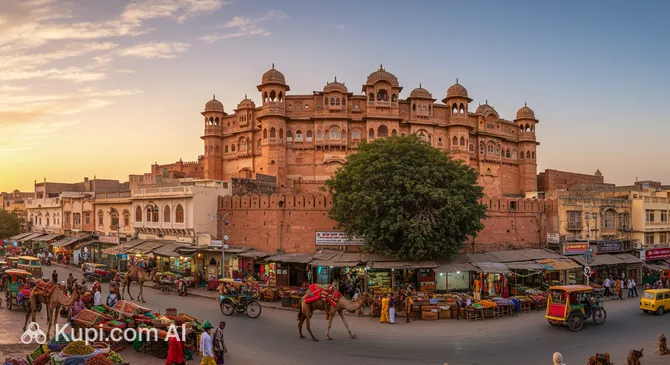
Bikaner. Source: Kupi.Binoculars

The city boasts a legacy that dates back to the late 15th century, founded by Rao Bika. Visitors interested in the origins of this princely state can delve deeper into the history of Bikaner to understand how it evolved from a barren wilderness into a thriving trade center. The atmosphere here is distinct, characterized by the golden hues of red sandstone buildings, traditional havelis, and the lively energy of its bazaars.

Travelers are often drawn to the magnificent Junagarh Fort, a structure that has remained largely unconquered throughout the ages and features a stunning blend of architectural styles. Another unique highlight is the Karni Mata Temple in nearby Deshnoke, famous worldwide for its revered population of rats. Additionally, the city is often referred to as "Camel Country" and is home to a renowned camel breeding farm, offering unparalleled opportunities to interact with these "ships of the desert."

Whether you are an architecture enthusiast or an adventurer seeking the rugged beauty of the dunes, Bikaner promises an unforgettable experience. Its unique charm, delicious local snacks like bhujia, and warm hospitality make it a must-visit destination for anyone exploring the colorful heritage of Rajasthan.
Weather Overview

Bikaner experiences a typical desert climate characterized by extreme temperature variations and distinct seasonal patterns. The city endures sweltering heat during the summer months, particularly from April to June, when average temperatures climb steadily, reaching a peak of around 35.0°C in June with daily maximums frequently exceeding 40°C.

The heat subsides slightly with the arrival of the monsoon season, which typically spans from July to September. While the rainfall volume is generally low in this arid region, the number of wet days increases significantly, with July seeing up to 12 days of rain. Travelers planning a visit during this time should check the detailed forecast for the weather in Bikaner to prepare for the occasional showers and humidity.

Winter is widely considered the best time to visit, offering pleasant and sunny days perfect for outdoor exploration. From November to February, the climate becomes much milder, with average temperatures ranging between 14.0°C and 22.0°C. However, visitors should pack layers, as nights can be quite chilly, with minimum temperatures dropping to around 7.3°C in January. Expect scorching summers with occasional monsoon relief and cold, dry winters.

Interesting Facts

Beyond the main attractions, Bikaner holds many fascinating secrets and unique traditions that often surprise visitors. From architectural oddities to rare historical artifacts, the city offers a deeper layer of history for those willing to explore.
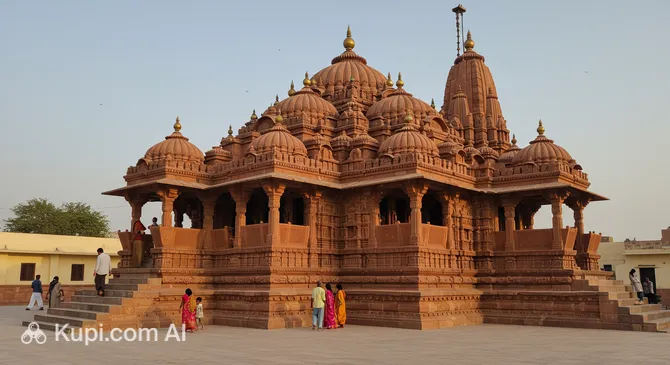
Seth Bhandasar Jain Temple. Source: Kupi.Binoculars
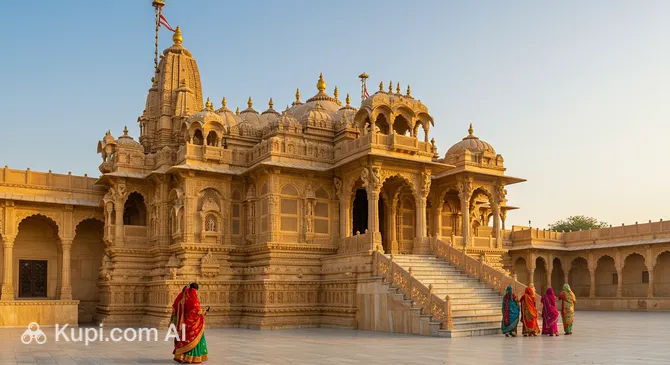
  • One of the most astonishing legends of the city surrounds the Seth Bhandasar Jain Temple. It is widely believed that during its construction in the 15th century, 40,000 kilograms of ghee (clarified butter) were used instead of water to mix the mortar. Locals claim that on hot summer days, the floor still becomes slippery as the ghee seeps through the stones.

  • While most massive fortifications in Rajasthan were constructed on hilltops for better defense, the magnificent Junagarh Fort is a rare exception built on plain ground. Despite this seemingly vulnerable location, the fort was known for its impregnable defenses and was never successfully conquered by enemies throughout its history.

  • The Ganga State Museum houses a surprising piece of aviation history: a well-preserved De Havilland DH-9 biplane from World War I. This rare aircraft was a gift to Maharaja Ganga Singh by the British government in recognition of the Bikaner Camel Corps' contribution to the war effort.

  • Bikaner is the center of the exquisite Usta Art, a specialized form of painting and embossing using real gold leaf on camel hide. This intricate craft has been practiced for centuries by local artisans and can be seen adorning the walls of the city's palaces and havelis.

How to Get There

Reaching Bikaner is relatively straightforward, with options to suit different travel preferences. To plan your journey effectively, you can read more about how to get to Bikaner and choose the route that best fits your itinerary. The city has its own domestic airport, but travelers often consider nearby major hubs for better connectivity.

The most direct entry point is Bikaner Airport (IATA: BKB), also known as Nal Airport, situated approximately 11.6 km from the city center. A taxi ride from here to the downtown area typically takes around 35 to 40 minutes. While convenient, this airport handles limited traffic. As a viable alternative, many visitors fly into Jodhpur Airport (IATA: JDH) in Jodhpur, which is about 198 km away. This airport is much busier and offers more frequent connections. The journey from Jodhpur to Bikaner by road takes roughly 5 hours and 20 minutes.

For clarity, here is a summary of the main airports:

Airport Name City Passenger Traffic Km from City
Jodhpur Airport Jodhpur High 198.1
Jaisalmer Jaisalmer Medium 272.6
Kishangarh Kishangarh Medium 217.4
Bikaner Airport Bikaner Small 11.6

Beyond air travel, Bikaner is well-integrated into India's extensive railway network. The city is served by two main stations, Bikaner Junction and Lalgarh Junction, which receive regular trains from major cities like Delhi, Jaipur, and Jodhpur. Additionally, the road network is excellent, with frequent state-run and private buses connecting Bikaner to other popular destinations in Rajasthan.

Main Attractions

Bikaner offers a splendid array of historical and cultural treasures that reflect the city's royal past and artistic heritage. From impregnable fortifications to spiritual sanctuaries, the city's landmarks provide a fascinating journey through time for every visitor.

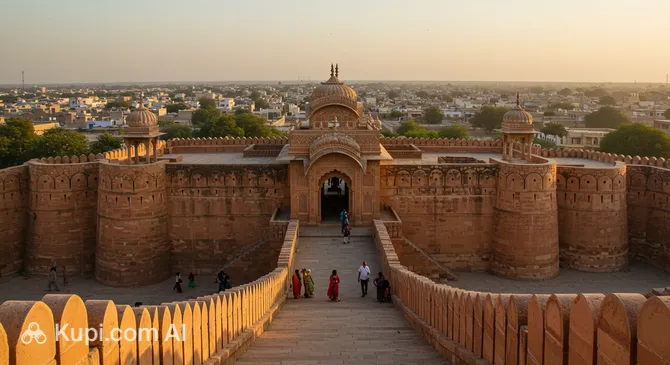
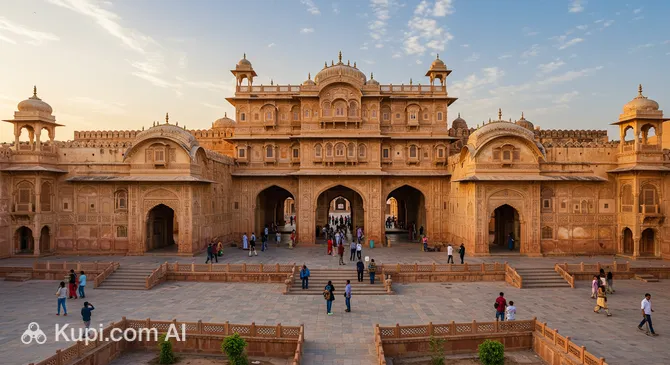
The crown jewel of the city is undoubtedly the majestic Junagarh Fort. Unlike many other forts in Rajasthan that are perched on hilltops, this formidable structure stands proudly on the plains, yet it remained unconquered throughout history. Built in the late 16th century, the fort complex is a labyrinth of palaces, courtyards, and pavilions adorned with intricate carvings, gold leaf work, and mirror art. Tourists are captivated by the stunning blend of Mughal, Gujarati, and Rajput architectural styles found within its massive red sandstone walls.

Junagarh Fort. Source: Kupi.Binoculars

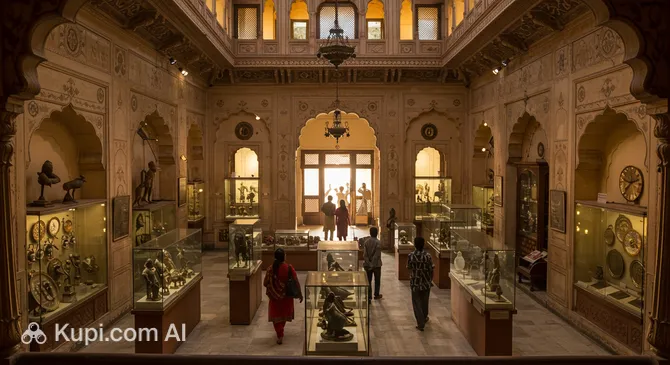
For those interested in the lifestyle and traditions of the royal family, the Prachina Museum is an essential stop. Located within the Junagarh Fort complex, this museum was established to preserve and showcase the cultural heritage of Bikaner. It houses a rich collection of royal costumes, textiles, portraits, and aristocratic accessories. Visitors appreciate the museum for offering a more intimate glimpse into the changing cultural values and the transition of the region from a princely state to modern times.

Prachina Museum. Source: Kupi.Binoculars

Devotion and artistry come together at the Shri Laxminath Temple, one of the oldest and most revered temples in the city. Dedicated to Lord Vishnu and Goddess Laxmi, this sacred site dates back to the foundation of Bikaner itself. Apart from its spiritual significance, the temple is a visual delight, renowned for its exquisite silver work and vibrant paintings that adorn the sanctum. It remains the heart of local religious festivals and a peaceful place for contemplation.

Shri Laxminath Temple. Source: Kupi.Binoculars

To understand the very origins of the city, travelers should visit Bikaji Ki Tekri. This historic structure is the first fort built by Rao Bika, the founder of Bikaner, after he left his father's kingdom in Jodhpur. Although smaller and less ornate than Junagarh, it holds immense historical value as the nucleus from which the city expanded. Exploring this site offers a unique perspective on the early days of the Rathore clan's rule in this desert region.

Bikaji Ki Tekri. Source: Kupi.Binoculars

Local Cuisine

Bikaner is a culinary haven in Rajasthan, famous for its distinct flavors that range from spicy savory snacks to rich, milk-based sweets. The city is the birthplace of the world-famous Bikaneri Bhujia, a crunchy snack made from moth beans and a blend of spices that gives it a unique kick. No trip to the city is complete without sampling this local staple, often enjoyed with a cup of hot chai in the bustling markets.

For a hearty meal, the local cuisine offers traditional Rajasthani dishes that are well-suited to the arid climate. Dal Baati Churma—lentils served with hard wheat rolls and crushed sweetened wheat—is a classic favorite. Another regional specialty is Ker Sangri, a nutritious vegetable dish made from dried desert beans and berries, typically served with Bajra Roti (millet bread). The generous use of buttermilk and ghee adds a delightful richness to the predominantly vegetarian menu.

Those with a sweet tooth will be delighted by the city's legendary desserts. Bikaner is renowned for its luscious Rasgullas, which are distinctively spongy and soaked in syrup. Ghevar, a disc-shaped sweet cake made from flour and soaked in sugar syrup, is another delicacy that is especially popular during festivals. The local sweet shops take great pride in these treats, often preparing them fresh throughout the day.

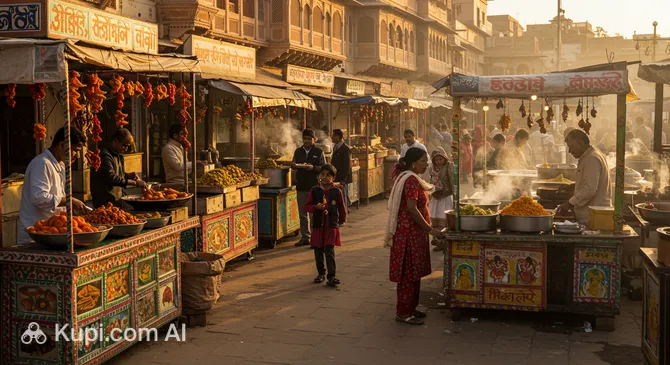
When it comes to dining out, the city offers a mix of street food hubs and comfortable restaurants. Bikaner Chowpatty is a vibrant spot where visitors can enjoy a variety of local fast food in a lively setting. It is an excellent place to experience the local snacking culture and soak in the evening atmosphere.

Bikaner Chowpatty. Source: Kupi.Binoculars

For a more formal dining experience, Sattvic Multi Cuisine Restaurant is a popular choice, known for its diverse vegetarian menu that caters to various palates. Travelers looking for a blend of flavors can also visit Mumbai Masala, which serves a range of dishes in a comfortable ambiance. Additionally, The Park Paradise offers a relaxing environment for those looking to unwind after a day of sightseeing.

Travel Tips

To ensure your journey through the "Camel Country" is as smooth as it is memorable, we have compiled a set of essential guidelines to help you navigate the city with ease. These practical tips cover everything from packing the right gear for the desert climate to understanding local customs, allowing you to focus purely on the vibrant culture of Bikaner.

  1. Clothing and Gear: The desert climate dictates your wardrobe here. If visiting in summer, pack lightweight, breathable cottons, a wide-brimmed hat, and high-SPF sunscreen to combat the intense sun. For winter trips (November to February), bring warm layers and a good jacket, as temperatures drop significantly at night. When visiting religious sites like the Karni Mata Temple, dress modestly by covering your shoulders and knees; carrying a scarf is always a smart idea.
  2. Transportation: The most convenient way to navigate Bikaner's narrow lanes and bustling markets is by auto-rickshaw. They are abundant and affordable, though you should agree on the fare before starting the ride. For a more traditional experience in the old city, try a tonga (horse-drawn carriage). Ride-hailing apps are less reliable here than in major metros, so it is often better to hire a private taxi for day trips to attractions on the outskirts.
  3. Finances: The official currency is the Indian Rupee (INR). While hotels and upscale restaurants accept credit cards, cash is king in local bazaars and smaller eateries. ATMs are widely available in the city center, but it is wise to carry smaller denominations for buying snacks, paying rickshaw drivers, or tipping. A standard tip of 10% is appreciated in restaurants if service is not included.
  4. Health and Safety: Dehydration is a real risk in the arid environment, so carry bottled water with you at all times and avoid tap water. Pharmacies are easily found near the main hospital areas and market centers, but few are open 24/7, so carry a basic first-aid kit. Bikaner is generally safe for tourists, but standard precautions like keeping valuables secure in crowded areas apply.
  5. Communication: Hindi and the local Rajasthani dialect are the primary languages spoken. English is understood by hotel staff, guides, and many shopkeepers in tourist areas, but learning a few basic phrases like "Namaste" (Hello) and "Dhanyavaad" (Thank you) will go a long way. For mobile data, major networks like Airtel and Jio provide good coverage; you can purchase a SIM card at official stores with your passport and visa.
  6. Local Etiquette: Greetings are usually exchanged with a polite "Namaste" and folded hands. When visiting temples, you must remove your shoes; in some specific Jain temples, you may also be asked to remove leather items like belts or wallets. Always use your right hand for eating or passing money, as the left hand is considered unclean in traditional contexts.
  7. What to Avoid: Do not show aggression or disrespect towards animals, especially at the Karni Mata Temple, where rats are revered; stepping on or harming one is considered a serious offense. Avoid public displays of affection, as Bikaner is a conservative city, and such behavior may draw unwanted attention or disapproval.
  8. Local Insight: If you are buying the famous Bikaneri Bhujia, skip the generic supermarkets and head to the authentic shops on Station Road or inside the old city near Kot Gate. The taste of freshly made bhujia from these heritage shops is vastly superior to the packaged versions found elsewhere.

Armed with these practical insights, you are ready to embrace the golden sands and royal heritage of Bikaner without hesitation. We hope these tips help you travel with confidence, allowing you to fully immerse yourself in the unique charm and hospitality of this desert city.

Entertainment & Nightlife

While Bikaner is renowned for its architectural marvels, the city also offers a vibrant array of entertainment options that go beyond historical sightseeing. Visitors looking to experience the local culture in a lively setting should plan their trip around the famous Camel Festival. Held annually in January, this exuberant event features camel races, folk dances, and fire-eating performances, transforming the desert landscape into a riot of color and celebration.

For families traveling with children or those with a keen interest in knowledge, the Science Park is an excellent destination to spend a few hours. This educational facility is designed to make learning fun through interactive exhibits and open-air models explaining various scientific principles. It provides a refreshing break from the heat and a stimulating environment for young minds to explore.

[IMAGE entity="attraction" id="137305"]

Shopping enthusiasts will find plenty to do in Bikaner, from navigating traditional bazaars to visiting modern commercial hubs. Panchshati Circle is a popular area that buzzes with activity, offering a mix of shopping and dining experiences. It is a great place to mingle with locals, shop for contemporary goods, or simply enjoy the evening atmosphere of the city.

[IMAGE entity="attraction" id="132880"]

For those seeking a fun photo opportunity to commemorate their visit, the Selfie Point – I Love Bikaner has become a trendy stop. Located in a prominent area, this installation allows tourists to capture a memorable snapshot against the backdrop of the city's name, serving as a perfect modern keepsake from this historic desert town.

Parks & Museums

While Bikaner is predominantly defined by its arid desert landscape and sandstone architecture, the city maintains a surprising dedication to preserving both its cultural history and pockets of greenery. Visitors looking to delve deeper into the region's heritage or find a respite from the heat will find a selection of well-curated museums and serene natural areas that offer a different perspective on this royal city.

For history enthusiasts, the Ganga State Museum is an unmissable repository of the region's past. Housed in a striking red sandstone building, this museum boasts a vast collection that includes archaeological artifacts from the Harappan civilization, Gupta period sculptures, and a formidable display of medieval weaponry. It is particularly noted for its section on local arts, featuring exquisite terracotta ware and paintings that highlight the craftsmanship of Bikaner.

[IMAGE entity="attraction" id="164955"]

Another significant cultural venue is the Prachina Museum, located within the Junagarh Fort complex. Established to showcase the cultural identity of Bikaner's aristocracy, this museum focuses on the lifestyle of the royal family. Its galleries are filled with intricate royal costumes, textiles, portraits, and accessories, offering an intimate glimpse into the changing traditions and aesthetic values of the princely state over the centuries.

When it comes to nature, the Gajner Wildlife Sanctuary stands out as a lush oasis located about 32 kilometers from the city. Once a hunting ground for the Maharajas, this sanctuary surrounds a scenic lake and serves as a haven for wildlife enthusiasts. Visitors can spot species such as blackbucks, chinkaras, and blue bulls, as well as huge flocks of migratory birds during the winter months. Closer to the city center, the Ganga Niwas Public Park provides a welcome green lung for the urban area. It is a popular spot for locals to enjoy evening strolls and features the imposing Kothari Haveli nearby, adding a touch of architectural beauty to the natural setting.

For a truly unique experience, consider visiting the Rajasthan State Archives. While not a traditional museum, it holds an incredible collection of administrative records and Mughal farmans (decrees) that are invaluable for anyone interested in scholarly history and the administrative past of the Rajput states.

Getting Around

Navigating Bikaner is an experience in itself, offering a mix of traditional charm and functional road-based transit. Unlike the major metropolitan hubs, this city does not have a metro or tram system. Instead, the public transport network relies heavily on road vehicles, ranging from colorful auto-rickshaws to local buses, making it relatively easy to get around once you understand the local dynamics.

The most ubiquitous and convenient mode of transport for tourists is the auto-rickshaw. These three-wheeled vehicles can navigate both the wide avenues and the narrower lanes of the city. You will find them waiting at railway stations, bus stands, and major tourist sites. For a more economical option, look for larger shared auto-rickshaws, often called "tempos." These run on fixed routes along major roads and are a popular choice among locals for daily commuting. While they are much cheaper than hiring a private rickshaw, they can be quite crowded.

City buses are available and connect the main suburbs with the city center and the railway stations. These buses are generally operated by the state transport corporation or private operators. While they are the most budget-friendly way to travel, they often lack clear signage in English and can get very packed during peak hours. For a tourist unfamiliar with the routes, buses are best used for longer, straightforward journeys across town rather than short hops between attractions.

A unique feature of Bikaner's transport landscape is the Tonga, a traditional horse-drawn carriage. While they are slowly becoming less common in favor of motorized vehicles, they are still a fantastic way to explore the winding alleys of the Old City where cars cannot pass. Riding a tonga offers a nostalgic glimpse into the past and is particularly recommended for a leisurely tour around the havelis and bazaars.

Regarding payments, cash is undeniably the king of the road here. There are no integrated travel cards, smart passes, or tap-to-pay systems for public transport. You must pay the driver or conductor directly. It is highly advisable to carry small denominations of the local currency, as drivers often do not have change for large bills. For private auto-rickshaws, the fare is rarely metered; you must negotiate and agree on a price before stepping into the vehicle to avoid disputes later.

For those who prefer a more modern approach, app-based cab aggregators like Ola and Uber do operate in the city, though their fleet availability can be inconsistent compared to larger cities. You might find it difficult to book a ride late at night or from the outskirts. As a reliable alternative, you can hire a private taxi or a car with a driver for the entire day. This is often the most comfortable option for tourists who want to visit multiple attractions like the camel farm or Deshnoke without the hassle of finding a new ride each time.

Most public transport options operate from early morning until around 10:00 PM. After this time, finding public transport becomes significantly harder, and you may have to rely on pre-booked taxis or hotel transfers. If you are staying near the city center, walking is often the best alternative, especially in the cooler winter months, allowing you to soak in the vibrant street life at your own pace.

Accommodation

Where to Stay:

Accommodation in Bikaner caters to a wide spectrum of preferences and budgets, reflecting the city's status as a major tourist destination in Rajasthan. The options range from authentic heritage hotels converted from old havelis and palaces, offering a taste of royal living, to modern luxury resorts and economical guesthouses. Whether you are looking for the opulence of the Rajput era or a simple, clean room for a backpacking trip, the city has something to offer.

When choosing a location, many tourists prefer staying near the Junagarh Fort or the city center, as this keeps them within walking distance of major attractions and markets. The area around the railway station is also popular, particularly for budget travelers and those arriving late by train, offering numerous functional hotels and lodges. For a quieter, more upscale experience, the neighborhoods surrounding the Lalgarh Palace offer a serene environment slightly removed from the bustle of the old city.

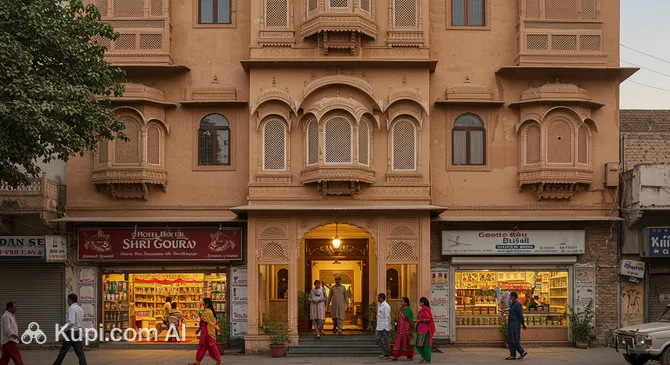
Among the available options, visitors often look for places that combine modern amenities with traditional hospitality. Hotel Shri Gourav is one such establishment that caters to travelers seeking a comfortable stay. It serves as a good example of the mid-range accommodation available in the city, providing a convenient base for exploring the surrounding desert sights.

Hotel Shri Gourav. Source: Kupi.Binoculars

Regarding costs and booking, prices in Bikaner are generally reasonable compared to other major tourist hubs in India. Budget rooms can be found at very affordable rates, while heritage properties and luxury resorts command higher prices. It is highly recommended to book your accommodation in advance, especially if you plan to visit during the winter months (October to March) or during the famous Camel Festival in January, when the city is packed with visitors. Most reputable hotels are listed on major online booking platforms, making it easy to secure a reservation before your arrival.

Nearby Cities

For those looking to explore the surroundings, Bikaner serves as an excellent base for day trips to several interesting nearby locations:

City Population Distance (km)
Sardarshahr 382,474 125
Nokha 120,000 54
Makrana 105,080 177
Sujangarh 101,528 120
Lachhmangarh 90,992 170

These nearby destinations offer a glimpse into the diverse culture and landscapes of the region. Makrana is globally renowned for its high-quality white marble, the very stone used to build the iconic Taj Mahal, making it a fascinating stop for geology and history enthusiasts. Lachhmangarh, located in the Shekhawati region, is an open-air art gallery famous for its grand havelis adorned with intricate frescoes and a commanding fort. Meanwhile, Sardarshahr charms visitors with its elegant clock tower and the spiritual serenity of the Iccha Purna Balaji Temple.

Shopping & Souvenirs

Shopping in Bikaner is a delightful experience that combines the charm of old-world bazaars with the vibrant culture of Rajasthan. The city is less about high-end global fashion brands and more about exquisite local craftsmanship and traditional goods. Visitors can expect to find unique items ranging from durable camel leather products to intricate artworks, all reflecting the region's rich heritage and artistic legacy.

The heart of the city's shopping scene beats at Kote Gate. This bustling area serves as the grand entrance to the old city and is lined with countless shops selling everything from traditional textiles to handicrafts. Walking through these busy streets offers not just a shopping spree but a sensory immersion into the local way of life. Another key area is Station Road, which is particularly famous for its heritage food stores offering authentic local snacks and sweets.

While Bikaner preserves its traditional market culture, modern commercial centers are also emerging to cater to contemporary needs. Panchshati Circle is a notable hub where visitors can find a mix of retail outlets, eateries, and general convenience stores. It provides a more organized and open shopping environment compared to the narrow, crowded lanes of the old city, making it a popular hangout spot for locals and tourists alike.

For a deeper dive into local trade, Bada Bazar is the place to go. It is one of the oldest markets in the city, known for its wholesale textile shops and traditional footwear. It is an excellent spot to find colorful Leheriya and Bandhani sarees, which are quintessential Rajasthani garments characterized by their vibrant tie-dye patterns. The market is also a good place to hunt for affordable fabrics and local accessories.

When it comes to souvenirs, Bikaner offers distinctive treasures that are hard to find elsewhere. The city is renowned for Usta Art, a specialized form of gold embossing on camel hide, often seen on decorative bottles, mirrors, and photo frames. Camel leather items such as bags, belts, and the traditional Mojari shoes are durable and stylish buys. Additionally, no trip is complete without buying a pack of the world-famous spicy Bikaneri Bhujia or the sweet, spongy Rasgullas to share with friends back home.

Most shops in the main markets open around 10:00 AM or 11:00 AM and remain busy until 9:00 PM. While larger showrooms, hotels, and modern stores accept credit and debit cards, cash remains the preferred mode of payment in the local bazaars and smaller stalls. ATMs are widely available across the city, so it is advisable to keep some cash handy for street shopping and bargaining.

Tourists should be aware that a formal tax-free shopping scheme or VAT refund system for visitors is generally not available in the local markets of Bikaner. The prices quoted usually include all applicable taxes, such as the Goods and Services Tax (GST). For expensive handicraft items, it is always a good practice to ask for a proper receipt, although bargaining is common and expected in the smaller shops of the old city.

Reached the end of the page?

That means the route is fully explored