Support

Kishangarh

About

Welcome to Kishangarh, a captivating city located in the Ajmer district of the vibrant state of Rajasthan. Known globally as the "Marble City of India," this destination serves as a major hub for the marble industry, yet it offers much more than just industrial prowess. Visitors are often charmed by its unique blend of artistic heritage, royal architecture, and the warm hospitality characteristic of India.

Geographically, the city is situated in a semi-arid region, experiencing the typical warm climate of Rajasthan. With a population of approximately 156,000 residents, it is a bustling urban center that maintains a connection to its traditional roots. The city is easily accessible and serves as an intriguing stopover for travelers exploring the rich cultural landscape between Jaipur and Ajmer.
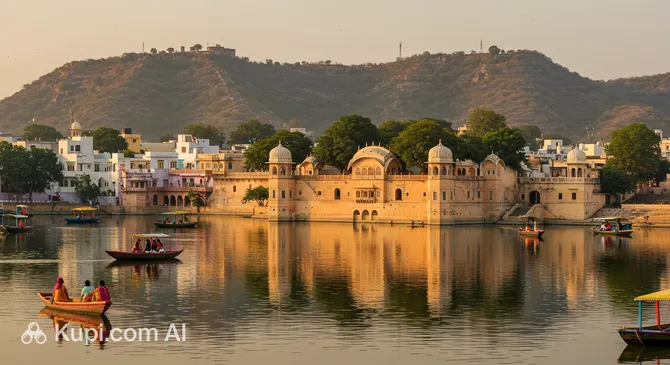
Kishangarh. Source: Kupi.Binoculars

The history of Kishangarh is deeply entwined with the Rathore dynasty and is celebrated for giving birth to the exquisite Kishangarh style of painting. Art lovers flock here to learn about the famous "Bani Thani" artwork, often referred to as India's Mona Lisa, which depicts a singer and poetess from the royal court in a distinctively elegant style.

Beyond its artistic legacy, Kishangarh offers unique attractions for the modern traveler. The Kishangarh Fort stands as a testament to the city's past glory, while the serene Gundolav Lake provides a peaceful escape from the city bustle. Perhaps the most unusual and photogenic spot is the Marble Dumping Yard, also known as "Moonland." This vast expanse of white marble slurry creates a surreal, snow-like landscape that has become a favorite location for photographers and filmmakers.

Whether you are an art enthusiast, a history buff, or simply looking for a unique travel experience, Kishangarh promises a memorable visit. Its fascinating mix of industrial might and delicate artistry makes it a truly distinctive destination worth adding to your Rajasthan itinerary.
Weather Overview

Kishangarh experiences a semi-arid climate typical of Rajasthan, characterized by significant variations between seasons. The summer months, particularly from April to June, are intensely hot, with May seeing average temperatures around 33.1°C and daily highs often reaching nearly 40°C. Travelers visiting during this time should be prepared for dry heat and strong sun.

The arrival of the monsoon brings a shift in the atmosphere, especially in July and August. While the total rainfall volume is often moderate, these months record the highest frequency of precipitation, with July seeing up to 19 wet days. For those planning a trip, checking the detailed weather in Kishangarh is recommended to avoid unexpected showers.

The most comfortable time to explore the city is during the winter season, from November to February. January is typically the coldest month, with average temperatures dropping to 15.0°C and nighttime lows reaching around 8.2°C. Overall, expect scorching summers with occasional rain during the monsoon and cool, dry winters perfect for outdoor activities.

Interesting Facts

Beyond the well-trodden paths of the marble market, Kishangarh hides a collection of intriguing details and cultural gems waiting to be discovered. Here are some lesser-known aspects that make this Rajasthani city truly unique.
Snow Yard Kishangarh. Source: Kupi.Binoculars
  • The city is the birthplace of the exquisite Kishangarh School of painting, famous for the "Bani Thani" portrait. Often called the "Indian Mona Lisa," this masterpiece was so culturally significant that the Indian government issued a commemorative postal stamp featuring it in 1973.

  • What appears to be a pristine, snow-covered landscape in the middle of the desert is actually the Snow Yard Kishangarh. This surreal white expanse is created by marble slurry, a byproduct of the stone cutting process, and has become a trendy location for shooting Bollywood movies and music videos due to its striking resemblance to snow.

  • Inside the majestic Kishangarh Fort, visitors can find the Phool Mahal, or Palace of Flowers. Built by Maharaja Prithvi Singh in 1870, this structure serves as a stunning example of the region's architectural transition, blending traditional fortification with leisurely palace aesthetics.

  • Kishangarh holds the prestigious title of being Asia's largest marble market. The city processes a staggering amount of stone, with over 1,000 gang saws and thousands of processing units operating in the industrial area to supply marble for projects across the globe.

How to Get There

Planning a trip to the Marble City? To help you organize your journey efficiently, you can check the detailed guide on how to get to Kishangarh, which covers various transport options.

For air travel, the most direct option is the local Kishangarh Airport (IATA: KQH). It is conveniently located just 4.1 km from the city center. Although it is a smaller regional hub, it offers proximity that is hard to beat, with a quick taxi or auto-rickshaw ride taking approximately 25 to 30 minutes to reach the heart of the city.

Alternatively, many international and domestic tourists fly into Jaipur Airport (IATA: JAI) in the city of Jaipur. As a major international airport, it serves a much larger volume of passengers and offers extensive connectivity. It is situated about 99 km from Kishangarh. From Jaipur, you can hire a taxi or take a bus, and the transfer usually takes around 2 hours and 50 minutes depending on traffic conditions.

For clarity, here is a summary of the main airports:

Airport Name City Passenger Traffic Km from City
Jaipur Airport Jaipur Large 98.9
Maharana Pratap Airport Udaipur Medium 238.4
Jodhpur Airport Jodhpur Medium 183.9
Kishangarh Kishangarh Small 4.1
Bikaner Airport Bikaner Small 231.5

Kishangarh is also well-connected by the vast Indian Railways network, which is often a preferred mode of transport for travelers exploring Rajasthan. The city lies on the main broad-gauge line connecting Jaipur and Ahmedabad, ensuring regular train services from major metropolises like New Delhi and Mumbai, as well as neighboring cities like Ajmer. Upon arrival at the railway station, visitors can easily find local transport to reach their hotels or the marble markets.

Main Attractions

Kishangarh is a destination that beautifully bridges the gap between its royal past and its industrial present. While the city is famous for its marble, its tourism appeal lies in a few distinct landmarks that offer diverse experiences, from exploring ancient fortifications to walking through surreal, snow-like landscapes. Here are the main attractions you should not miss.

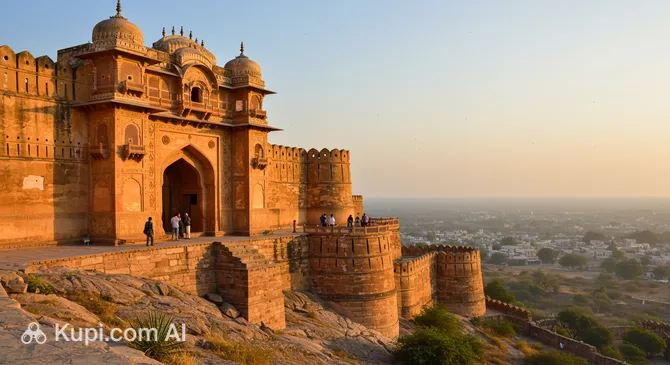
Dominating the landscape is the majestic Kishangarh Fort, a 17th-century marvel built by Maharaja Roop Singh. This imposing structure is a fine example of the fusion between Mughal and Rajput architectural styles. Visitors are often captivated by its massive walls and the deep moat that surrounds it, which was historically filled with water to protect the royalty within. Inside, the fort houses several palaces and courtyards that whisper tales of a bygone era, making it a fascinating stop for history enthusiasts and architecture lovers alike.

Kishangarh Fort. Source: Kupi.Binoculars

For a truly unique visual experience, a visit to the Snow Yard Kishangarh is essential. Often referred to as the "Moonland of Rajasthan," this area is actually a massive dumping ground for marble slurry, the white waste product from the local stone industry. Over time, it has formed a vast, white expanse that strikingly resembles a snow-covered valley. It is a surreal location that has become incredibly popular for photography, pre-wedding shoots, and music videos, offering a winter-like vibe in the heat of Rajasthan.

Snow Yard Kishangarh. Source: Kupi.Binoculars

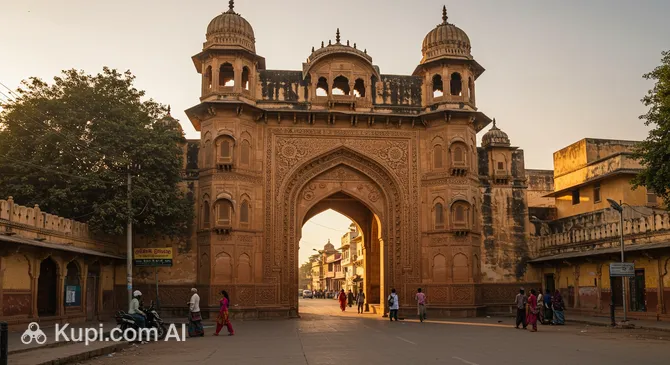
Another significant historical landmark is the Sarwadi Gate. Standing as a testament to the city's fortified past, this gateway served as a crucial entry point to the old town. It offers tourists a glimpse into the traditional urban planning of the region. The structure is not only a piece of history but also a great subject for those interested in the heritage architecture of Rajasthani cities, marking the boundary where the old world meets the new.

Sarwadi Gate. Source: Kupi.Binoculars

Local Cuisine

To explore the local cuisine of Kishangarh is to dive deep into the rich and spicy flavors of Rajasthan. The food culture here is predominantly vegetarian, influenced heavily by the arid climate and the royal heritage of the region. Meals are often hearty, prepared with generous amounts of ghee (clarified butter), dried lentils, and aromatic spices that create a distinct and memorable palate for any traveler.

The undisputed star of the local menu is Dal Baati Churma. This iconic Rajasthani platter consists of Baati (hard, baked wheat rolls), served with a spicy mixed lentil curry known as Dal, and accompanied by Churma, a sweet mixture of crushed wheat, sugar, and ghee. Another dish worth trying is Ker Sangri, a unique vegetable preparation made from dried berries and beans that grow in the desert, often enjoyed with Bajra Roti (millet bread).

For those who love street food, the markets of Kishangarh offer a variety of spicy snacks. Pyaaz Kachori is a local favorite—a deep-fried pastry filled with a spicy onion mixture that is best enjoyed hot with tamarind and mint chutneys. You will also find Mirchi Vada, large green chili peppers stuffed with a potato filling, coated in gram flour batter, and fried until golden crisp. These snacks are typically found at small stalls and are a staple breakfast or evening treat for locals.

To balance the heat of the spices, local beverages play a crucial role. A tall glass of Makhaniya Lassi is the perfect cooler; this thick, sweetened yogurt drink is often topped with a dollop of cream or butter. For something warm, especially during the cooler months or early mornings, Masala Chai (spiced tea) is brewed at almost every street corner, serving as a social lubricant where people gather to chat.

The dining scene in Kishangarh ranges from rustic roadside dhabas along the highway to bustling eateries in the city center. Tourists exploring the old city near the Sarwadi Gate can often find authentic sweet shops selling traditional desserts like Ghevar, a disc-shaped sweet cake made from flour and soaked in sugar syrup. Whether you are sitting in a simple eatery or a fine dining restaurant, the hospitality is warm, and the portions are always generous.

Travel Tips

To ensure your visit to Kishangarh is as smooth and enjoyable as possible, it helps to be prepared for the local customs and environment. Whether you are here to capture the surreal landscapes of the Dumping Yard or to explore the historic fort, these practical tips will help you navigate the city like a pro.

  1. Clothing and Gear: Since Rajasthan can get quite hot, loose-fitting cotton clothing is ideal for the summer months. If you are visiting in winter (November to February), pack a light jacket or sweater for the chilly evenings. Crucially, if you plan to visit the white Marble Dumping Yard, bring good quality sunglasses; the glare from the white marble under the sun can be as intense as snow blindness. Comfortable, closed-toe shoes are recommended as the terrain can be dusty and uneven.

  2. Transportation: The most common way to get around Kishangarh is by auto-rickshaw. They are readily available and perfect for short distances. However, they rarely run on meters, so it is essential to negotiate and agree on the fare before starting your journey. For visiting the Dumping Yard or exploring the outskirts, hiring a private taxi or a car with a driver for the day is often more convenient and comfortable.

  3. Finances: The local currency is the Indian Rupee (INR). While hotels and larger showrooms accept credit cards, cash is king in local markets, small eateries, and for transport fares. ATMs are widely available in the city center, but it is wise to carry enough small denomination notes for tips and minor purchases. A tip of about 10% is standard in restaurants if a service charge isn't included.

  4. Health and Safety: Kishangarh is generally a safe city for tourists. Pharmacies are easy to find in the main market areas, though few are open 24/7. Due to the fine marble dust in the air around industrial zones and the Dumping Yard, travelers with respiratory sensitivities might want to carry a face mask. As with most travel in the region, stick to bottled or filtered water to avoid stomach upsets.

  5. Communication: The main languages spoken are Hindi and the local Rajasthani dialect, Marwari. English is understood at hotels and major tourist spots, but auto-rickshaw drivers and local shopkeepers may have limited fluency. Learning a few basic words like Namaste (Hello) and Dhanyavaad (Thank you) will go a long way. Pre-paid SIM cards from providers like Airtel or Jio can be purchased at local mobile shops with your passport and visa.

  6. Local Etiquette: Rajasthanis are known for their hospitality. Greeting people with a Namaste and a smile is culturally appreciated. When visiting religious sites or entering someone's home, always remove your shoes. It is also polite to use your right hand for eating, shaking hands, or passing money, as the left hand is traditionally considered unclean for these activities.

  7. What to Avoid: Avoid public displays of affection, as conservative norms prevail in smaller cities. Also, refrain from photographing locals, especially women, without asking for their permission first. When visiting the Marble Dumping Yard, do not attempt to walk into wet or slurry-filled areas; they can be deep and dangerous despite looking solid.

  8. Additional Tip: Visiting the famous Marble Dumping Yard (Snow Yard) usually requires a permission slip or pass. You typically need to stop at the Marble Association office near the entrance to obtain this permit. It is often free or costs a nominal fee, but entering without it can lead to being turned away by security guards.

By keeping these simple tips in mind, you can focus on soaking up the unique atmosphere of the Marble City. From the artistic heritage of its paintings to the industrial wonder of its white landscapes, Kishangarh is ready to offer you a warm and memorable Rajasthani welcome.

Entertainment & Nightlife

Kishangarh, being a traditional and industrial city, does not boast the high-energy nightclub scene found in metropolitan hubs like Delhi or Mumbai. Instead, the nightlife here is centered around relaxed evenings, culinary delights, and the vibrant culture of highway dining. The atmosphere is generally laid-back and family-oriented, offering a chance to unwind after a day of sightseeing or business dealings.

The heart of the evening action lies along the Ajmer-Jaipur Highway (NH-8). This stretch is famous for its bustling dhabas (roadside eateries) that stay open late into the night. These venues are not just places to eat but social hubs where locals, truckers, and travelers converge. The vibe is rustic and energetic, often featuring outdoor seating on charpais (traditional cots). For a quintessential experience, a visit to Pahari Dhaba is highly recommended. It is renowned for its lively crowd and delicious vegetarian fare, making it a perfect spot to experience the local "nightlife" flavor.

For those seeking a more refined evening with a touch of history, the dining options within the city's hotels offer a sophisticated alternative. Phool Mahal Palace, located near the Kishangarh Fort, provides a royal setting where guests can enjoy dinner and drinks in a peaceful, heritage ambiance. Another popular venue is the restaurant at Hotel Crystal Park, which offers a modern setting and is a favorite among local families and business travelers for a comfortable night out.

When planning your evening, it is best to head out between 7:00 PM and 10:00 PM, as most city establishments close relatively early compared to bigger cities. The highway eateries, however, often operate well past midnight. Dress codes are generally casual, but modest attire is appreciated in family restaurants and traditional settings. In terms of safety, Kishangarh is quite secure, but the industrial areas can get deserted at night. It is advisable to stick to well-lit main roads and the highway area. If you need to get around, arranging a taxi through your hotel is the most reliable option, as auto-rickshaws may be scarce late at night.

During the daylight hours, entertainment in Kishangarh shifts towards cultural and leisurely pursuits. Apart from the major historical sites, visitors can explore local markets for marble handicrafts or catch a Bollywood movie at one of the local cinemas. The city also has a few shopping complexes where you can spend a relaxed afternoon before the evening sets in.

Parks & Museums

While Kishangarh is predominantly known as an industrial powerhouse for marble, it harbors a softer side defined by serene water bodies and a profound artistic legacy. The city does not boast a multitude of manicured public gardens or vast state museums found in larger metropolises; instead, its cultural and natural heritage is preserved within historical fortifications, lakeside promenades, and the living traditions of its local artists.

The most significant natural area in the city is undoubtedly Gundolav Lake. This expansive water body serves as the refreshing heart of Kishangarh, offering a stark contrast to the arid surroundings. It is a favorite spot for locals and tourists alike to enjoy a peaceful morning walk or an evening of birdwatching, as the lake attracts various migratory birds and waterfowls. In the center of the lake stands the Mokham Vilas, a historical pleasure pavilion that appears to float on the water, surrounded by trees and providing a picturesque setting that connects visitors with the city's royal relationship with nature.

Another unique open space is the area surrounding the Kishangarh Fort. While not a conventional park, the precincts of the fort and the nearby Phool Mahal Palace feature courtyards and garden areas that reflect the landscape architecture of the Rajput era. The Phool Mahal, now a heritage hotel, sits by the lake and is enveloped by lush greenery, offering a tranquil environment where nature and history blend seamlessly. It is an ideal location for travelers seeking a quiet retreat to admire the flora and the architectural grandeur of the past.

When it comes to museums and galleries, the city is an open-air exhibit of the world-renowned Kishangarh School of Miniature Painting. While there is no single large public museum dedicated solely to this art, the Kishangarh Fort itself acts as a custodian of the region's history. The fort houses impressive Durbar halls and interiors adorned with ancient murals and frescoes that depict the life of the Rathore kings. A visit here offers a curated glimpse into the opulent lifestyle and artistic patronage of the bygone era.

For art enthusiasts, the true "gallery" experience lies in the narrow lanes of the old city, particularly near the Sarwadi Gate. Here, numerous small studios and workshops are run by local artisans who continue the tradition of the Kishangarh style. Visitors can watch artists meticulously create intricate paintings, including replicas of the famous "Bani Thani," using squirrel-hair brushes and natural stone colors. These intimate spaces allow for a direct interaction with the culture that a conventional museum glass case cannot provide.

For a truly authentic experience, try to visit the studios in the old town during the afternoon when the light is best for painting. Engaging with the artists often reveals fascinating stories about the symbolism in their work, such as the distinct elongated eyes and sharp features of the figures, which are the hallmarks of this exquisite art form.

Getting Around

Kishangarh is a relatively compact industrial city, and unlike major metropolitan hubs, it does not possess a complex public transport network comprising metros, trams, or extensive city bus fleets. Instead, the local transportation system is informal, relying heavily on intermediate public transport modes that are well-suited to the city's size and street layout. For a tourist, navigating the city is straightforward, though it requires a willingness to engage with local drivers and use cash-based payments.

The backbone of daily commuting in the city is the Auto-rickshaw. These three-wheeled vehicles are ubiquitous and serve as the most convenient way to travel between the railway station, the marble market, and the city center. You will encounter two main types: the "reserved" auto, which you hire exclusively for your destination, and the "shared" auto (often larger vehicles known locally as Tempos). Shared tempos run on fixed routes along main roads and are an extremely affordable way to get around, though they can get quite crowded. They operate much like a hop-on, hop-off bus service where you pay for the specific distance traveled.

Regarding the payment system, digital travel passes, smart cards, or NFC payments are not used for local transport here. Cash is the only accepted method of payment for auto-rickshaws and tempos. Fares for shared tempos are fixed and very low. For private auto-rickshaws, vehicles rarely run on meters. It is standard practice to negotiate and agree on the fare before entering the vehicle. Tourists should carry plenty of small denomination notes and coins, as drivers often do not have change for large bills.

While there is no dedicated intra-city municipal bus service, state-run buses pass through the city frequently. These are primarily useful for moving between Kishangarh and nearby cities like Ajmer rather than for short trips within the town itself. If you need to travel to the outskirts or the industrial zones, these buses can be boarded at the main bus stand, but they are less flexible than auto-rickshaws for sightseeing.

For those seeking more comfort, Taxis and private car rentals are available. Unlike in larger cities where app-based services are reliable, their availability here can be sporadic. It is far more reliable to hire a taxi for the day or arrange a drop-off through your hotel or a local taxi stand. Renting a car with a local driver is highly recommended for tourists, especially if you plan to visit the Marble Dumping Yard, as it provides the flexibility to stop at will and the comfort of air conditioning.

A practical tip for visitors is to be mindful of operating hours. Public transport options like tempos and auto-rickshaws are abundant from early morning until around 9:00 PM or 10:00 PM. Late at night, finding a ride on the street becomes difficult, so you should pre-arrange transport if you plan to be out late. Additionally, walking is a viable option for exploring the narrow, bustling lanes of the old city, where vehicles may struggle to navigate.

Accommodation

Where to Stay:

Accommodation in Kishangarh caters primarily to two distinct groups: business travelers visiting the marble industrial zones and leisure tourists exploring the region's history. The options range from functional budget guesthouses and modern mid-range hotels to exquisite heritage properties. Unlike the expansive resort scenes in larger Rajasthani cities, the hospitality sector here is more compact but offers sufficient variety for a comfortable stay.

For most visitors, the choice of location depends on the purpose of the trip. The area along the Ajmer-Jaipur Highway (NH-8) is the most popular hub for accommodation. This strip is lined with modern hotels that offer convenient access to the marble market and transport links, making it ideal for those seeking efficiency and modern amenities. These hotels typically provide ample parking, in-house dining, and air-conditioned rooms suited for short stays.

Travelers looking for a more atmospheric experience should consider staying near Gundolav Lake and the old city. This area is home to heritage properties, including converted palaces that allow guests to live like royalty. Staying here offers a scenic backdrop and close proximity to historical sites, providing a peaceful retreat away from the dust and noise of the industrial highway.

When planning your booking, it is important to consider the season. While room availability is generally good throughout the year, the winter months (November to February) and the wedding season can see a surge in demand. During these peak times, it is advisable to book your accommodation at least a few weeks in advance to secure your preferred choice.

In terms of pricing, Kishangarh is generally more affordable than its neighbors, Jaipur and Ajmer. Budget and mid-range options are plentiful and offer excellent value for money. Bookings can be easily made through major online travel platforms for the larger hotels, while smaller guesthouses and budget lodges may prefer direct contact or walk-ins. Most established hotels accept digital payments and credit cards, ensuring a hassle-free check-in process.

Nearby Cities

For those looking to explore the surroundings, Kishangarh serves as an excellent base for day trips to several interesting nearby locations:

Located just a short drive away is the historic city of Ajmer. Situated only about 26 km from Kishangarh, it is famous for the Ajmer Sharif Dargah, a Sufi shrine that attracts pilgrims from all over the world. The city is nestled in the Aravalli Mountains and offers a profound spiritual atmosphere, along with beautiful sites like the Ana Sagar Lake, making it a perfect spot for a quick and culturally rich excursion.

For a dive into royal grandeur, the state capital, Jaipur, is approximately 100 km away. Known globally as the Pink City, it boasts magnificent hill forts like Amer and Nahargarh, along with architectural marvels such as the Hawa Mahal. A day trip here allows travelers to experience the bustling bazaars, grand palaces, and the rich heritage that defines Rajasthan.

Given the region's industrial fame, a visit to Makrana (roughly 52 km away) is also fascinating. This town is the source of the high-quality white marble used to build the Taj Mahal. It offers a unique insight into the mining and extraction processes that fuel the stone industry, complementing the processing units seen in Kishangarh.

City Population Distance (km)
Jaipur 3,073,350 100
Ajmer 551,101 26
Tonk 165,326 105
Beawar 151,472 75
Makrana 105,080 52

These nearby destinations offer a glimpse into the diverse culture and landscapes of the region.

Shopping & Souvenirs

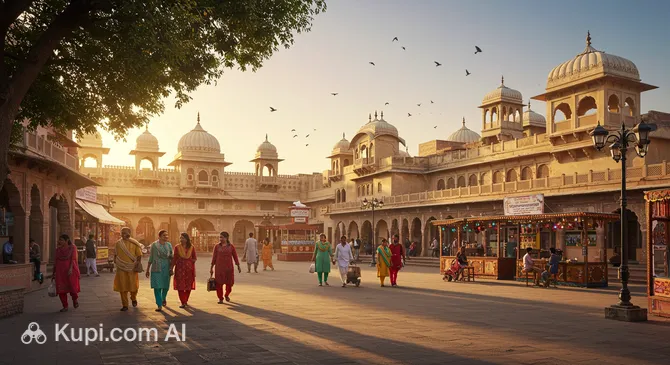
Shopping in Kishangarh offers a distinct mix of industrial scale and artistic delicacy. While the city is renowned as the marble capital of India, a walk through its markets reveals a rich tradition of handicrafts and fine arts that make for perfect souvenirs. Whether you are looking for heavy stone décor or delicate miniature paintings, the local bazaars have something unique to offer.

The most sought-after purchase for cultural travelers is undoubtedly the Kishangarh style painting. Originating from the royal courts, this art form is famous for its depiction of the "Bani Thani," characterized by elegant features and elongated eyes. You can find authentic miniature paintings on silk, paper, and even marble slabs in the narrow lanes of the old city, particularly in the areas surrounding the Sarwadi Gate. Many of these are sold directly by the artists' families, allowing you to take home a piece of history.

As Asia's largest marble market, the city is the ultimate destination for stone products. While shipping large slabs might be impractical for the average tourist, there are countless showrooms and workshops selling marble handicrafts. You can find beautifully carved statues, vases, tabletops, and small decorative items made from high-quality white marble. These make for durable and elegant gifts that reflect the city's primary industry.

Beyond art and stone, the local markets are vibrant with traditional Rajasthani wares. The bazaars offer colorful textiles, including Bandhani (tie-dye) and block-printed fabrics, which are staples of the region's attire. You might also find wooden toys, furniture, and traditional jewelry that showcase the craftsmanship of local artisans.

For a successful shopping experience, remember that bargaining is a common practice in the smaller shops and street markets. While fixed-price showrooms exist for marble exports, local vendors expect some negotiation. It is also advisable to carry cash, as many traditional artisans and smaller stalls may not accept digital payments.

Reached the end of the page?

That means the route is fully explored