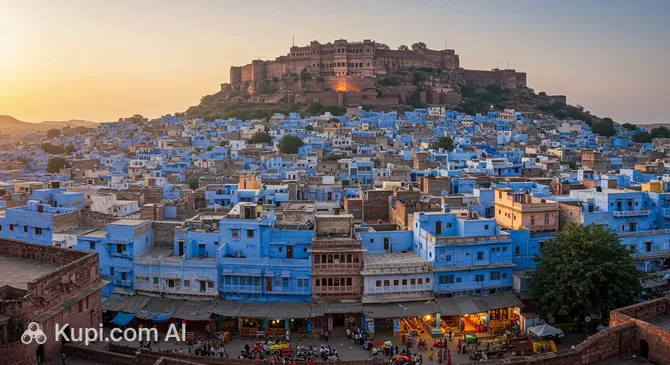
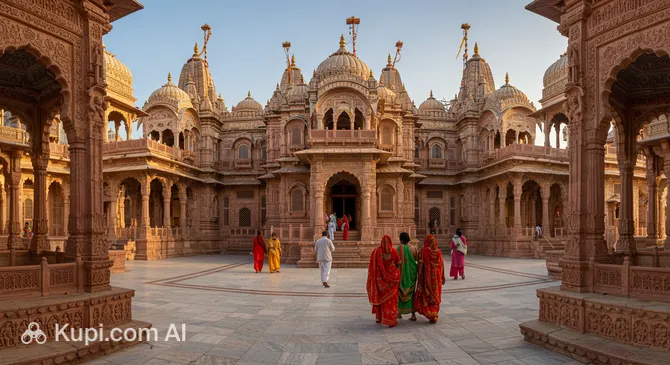
Welcome to Jodhpur, a mesmerizing destination often referred to as the "Blue City" due to the vivid indigo hue of its traditional houses. Located in the majestic state of Rajasthan, India, this city offers a stunning blend of royal heritage, vibrant culture, and architectural marvels. Standing at the edge of the vast Thar Desert, Jodhpur serves as a gateway to the desert landscape while bustling with the energy of modern life and ancient traditions.
Jodhpur. Illustration.
Source: Kupi.com AI
Geographically, the city is characterized by its sunny climate, earning it the nickname "Sun City," as the sun shines brightly here almost every day of the year. With a population exceeding one million, it stands as the second-largest metropolitan area in the state. The fascinating history of Jodhpur is deeply etched in its massive fortifications and palaces, which tell tales of the Rathore clan's valor and artistic patronage since the city's founding in the 15th century.
Dominating the skyline is the magnificent Mehrangarh Fort, one of the largest forts in the country, which offers panoramic views of the blue cityscape below. Visitors are also drawn to the opulent Umaid Bhawan Palace, a portion of which still serves as a royal residence, and the serene Jaswant Thada, a marble cenotaph often called the Taj Mahal of Marwar. Whether you are exploring the winding medieval streets or admiring the grandeur of its monuments, Jodhpur promises a truly unforgettable travel experience.
Weather Overview
Living up to its nickname as the "Sun City," Jodhpur experiences a hot, semi-arid climate typical of the desert region. The summer months from March to June are characterized by intense heat, with May being the hottest month, seeing average highs reach 40.6°C. Travelers planning a trip during this period should be prepared for soaring temperatures and dry conditions.
The heat subsides slightly with the arrival of the monsoon season, which spans from July to September. During this time, the weather in Jodhpur becomes more humid, with July and August experiencing the highest frequency of rainfall, averaging around 14 to 15 wet days per month. Despite the rain, average temperatures remain warm, hovering around 29°C to 31°C.
Winter, lasting from November to February, is widely considered the best time to explore the city. The climate becomes delightful with cool nights and sunny days; in January, the average temperature drops to around 16.5°C, with lows dipping to 9.4°C. Expect scorching summers, a brief but refreshing monsoon, and pleasant, dry winters perfect for sightseeing.
Average monthly temperature
Average monthly precipitation
Interesting Facts
Beyond the main attractions and the famous blue skyline, Jodhpur holds many fascinating secrets and unique stories that add depth to its royal charm. Here are some intriguing facts about the city that you might not find in a standard guidebook.
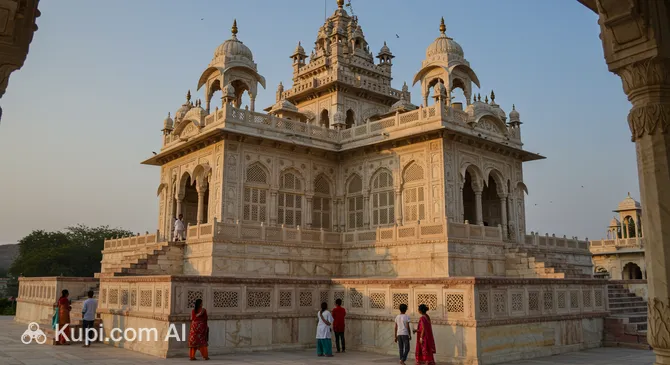
Jaswant Thada. Illustration.
Source: Kupi.com AI
Traveler photos:
The magnificent Umaid Bhawan Palace is not just a royal home; it was actually commissioned as a massive famine relief project. The maharaja initiated its construction in 1929 to provide employment to thousands of farmers stricken by a severe drought, and today, a section of this architectural marvel houses the Umaid Bhawan Museum.
While known as the Blue City, the indigo color of the houses serves a practical purpose beyond aesthetics. Locals originally used a mixture containing copper sulphate to paint their homes, believing it helped repel termites and insects while keeping the interiors cool under the scorching desert sun.
The intricate marble used to build Jaswant Thada is polished so finely that it is actually translucent. If you visit when the sun is shining brightly, the outer walls of the cenotaph seem to emit a warm, golden glow from within.
Jodhpur has made its mark on Hollywood cinema; the imposing Mehrangarh Fort served as the dramatic backdrop for the "Pit" prison scenes in the blockbuster movie "The Dark Knight Rises," where Bruce Wayne makes his escape.
How to Get There
Reaching the "Blue City" is convenient thanks to its good connectivity with major Indian destinations. Whether you prefer air travel or a scenic train journey, there are several options available. For a comprehensive guide on planning your arrival, you can read more about how to get to Jodhpur on our detailed page.
The most direct way to arrive is by flying into Jodhpur Airport (JDH). Located just 2.8 km from the city center, it is a domestic airport that shares its airside with the Indian Air Force. Due to its proximity, a taxi ride to the main tourist areas and hotels typically takes only about 25 minutes. While it is not a massive international hub, it handles a significant number of passengers annually and offers connections to major cities like Delhi and Mumbai.
If direct flights are unavailable, you might consider arriving at Maharana Pratap Airport (UDR) in the city of Udaipur. However, please note that this airport is located approximately 199.9 km away from Jodhpur. The journey from Udaipur to Jodhpur by taxi or bus is quite long, taking around 5 to 5.5 hours depending on traffic conditions. This option is usually best for those planning a broader itinerary across Rajasthan.
For clarity, here is a summary of the main airports in the region:
Traveling by train is another popular and authentic way to reach the city. Jodhpur Junction is a major railway station within the North Western Railway zone and is well-connected to major metros across India. Trains like the Mandore Express from Delhi or the Suryanagari Express from Mumbai are common choices for travelers. The station is located right in the heart of the city, making it easy to find auto-rickshaws or taxis upon arrival to reach your accommodation.
Main Attractions
Jodhpur is a treasure trove of architectural wonders and cultural landmarks that captivate visitors from around the world. While the imposing forts often steal the spotlight, the city offers a diverse range of sites, from serene marble memorials to bustling market squares and panoramic viewpoints. Here are some of the top attractions you should include in your itinerary.
One of the most serene spots in the city is Jaswant Thada, a beautiful marble cenotaph built in memory of Maharaja Jaswant Singh II. Often described as the "Taj Mahal of Marwar," this architectural marvel sits by a tranquil lake and offers a peaceful retreat from the city's hustle. Visitors can admire the intricate carvings, the stunning gazebo, and the lush gardens that surround the main monument. It serves not only as a royal cremation ground but also as a stunning example of Rajput architecture.
Jaswant Thada. Illustration.
Source: Kupi.com AI
Traveler photos:
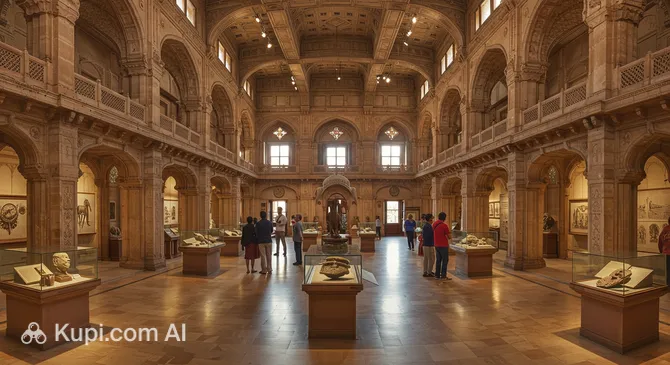
For history enthusiasts, the Umaid Bhawan Museum is an absolute must-visit. Located within the premises of the colossal Umaid Bhawan Palace, the museum showcases the opulent lifestyle of the Jodhpur royalty. The collection includes vintage clocks, intricate crockery, royal weaponry, and a fascinating array of stuffed leopards and trophies. A highlight for many is the display of classic vintage cars used by the Maharajas, offering a glimpse into the grandeur of a bygone era.
Umaid Bhawan Museum. Illustration.
Source: Kupi.com AI
Traveler photos:
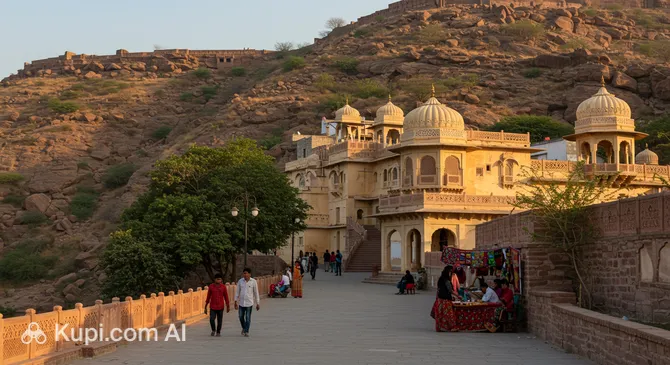
If you are looking for the best vantage point to see the city's famous blue houses, head to Masuria Hills. Situated on a hilltop, this garden offers spectacular 360-degree panoramic views of Jodhpur, making it a favorite spot for photographers and nature lovers, especially during sunset. At the summit, you will find a prominent statue of Veer Durgadas Rathore, a legendary warrior, standing guard over the city he protected.
Masuria Hills. Illustration.
Source: Kupi.com AI
Traveler photos:
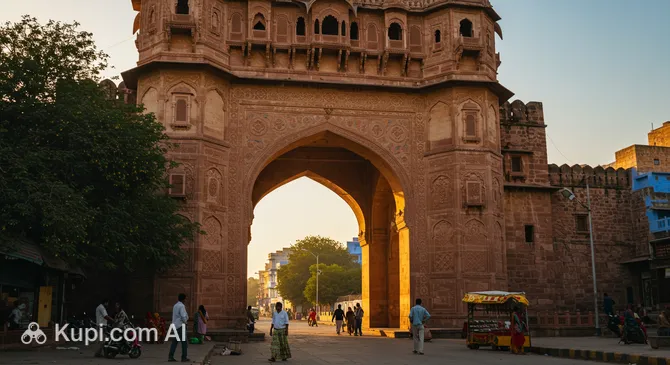
To experience the vibrant local life, a visit to Sojati Gate is essential. This historical gateway marks the separation between the modern city and the old walled city. It is famously known as the hub for traditional Henna (Mehendi) art; you will find rows of skilled artists ready to apply intricate designs to your hands. The surrounding market is bustling with activity, offering everything from Rajasthani handicrafts to delicious street food.
Local Cuisine
The culinary landscape of Jodhpur is as vibrant and colorful as its streets, offering a gastronomic adventure that is famous throughout Rajasthan. Known for its rich flavors, generous use of spices, and heavy reliance on dairy products, the local cuisine caters to both those who love fiery heat and those with a sweet tooth. A quintessential part of the food culture here is the street food; no trip is complete without trying the legendary Mirchi Bada, a large green chili stuffed with spicy potato filling, dipped in gram flour batter, and deep-fried to golden perfection. Another savory snack that locals swear by is the Pyaaz Ki Kachori, a crispy pastry filled with a flavorful onion mixture.
For a substantial meal, the traditional Rajasthani platter known as Dal Baati Churma is an absolute must-try. It consists of baked wheat balls (Baati) served with spicy lentils (Dal) and a sweet crumbled wheat mixture (Churma), all drenched in ghee. Meat lovers should not miss Laal Maas, a fiery mutton curry prepared with red chilies and yogurt, originally a favorite of the Rajput warriors. To experience authentic local flavors in a traditional setting, you can visit Maa Ki Dhani, a restaurant that specializes in regional Rajasthani dishes and offers a glimpse into the rustic food heritage of the area.
Maa Ki Dhani. Illustration.
Source: Kupi.com AI
Traveler photos:
To balance the spiciness of the main courses, Jodhpur offers delightful beverages and desserts. The city is famous for Makhaniya Lassi, a thick, creamy yogurt drink flavored with saffron and cardamom, often topped with a dollop of cream or butter. It is incredibly refreshing, especially during the hot afternoons. For dessert, indulge in Mawa Kachori, a pastry filled with sweetened condensed milk and nuts, dipped in sugar syrup. While traditional drinks dominate, you can also find modern beverages and spirits at places like The Olive Court, which offers a relaxed atmosphere for an evening drink.
The dining culture in Jodhpur is a mix of bustling street stalls and scenic rooftop restaurants that overlook the majestic Mehrangarh Fort. Tourists often flock to these elevated spots to enjoy dinner with a view of the illuminated city. If you are looking for a place that combines good food with a lively ambiance, The Flamingo is a popular choice among visitors. Whether you are eating from a leaf plate in a busy market or dining under the stars, the food in Jodhpur promises to be a highlight of your travel experience.
Travel Tips
Exploring Jodhpur's winding blue alleys and majestic forts is an adventure, but a little preparation goes a long way to ensure a smooth journey. Here are some practical tips to help you navigate the "Sun City" with ease and confidence.
Clothing and Gear: Given the semi-arid desert climate, lightweight and breathable cotton clothing is your best friend. Modesty is key when visiting religious sites; ensure your shoulders and knees are covered to show respect. Since you will likely be walking up steep ramps at forts or navigating uneven cobblestones, bring sturdy, comfortable walking shoes. Don't forget a hat, sunglasses, and high-SPF sunscreen to protect against the intense sun.
Transportation: The narrow, winding lanes of the old city are often inaccessible to cars. The best way to get around these areas is by auto-rickshaw (tuk-tuk) or simply walking. While ride-hailing apps like Uber and Ola are available in Jodhpur, they are more reliable for longer distances or trips to the airport. Always agree on a fare with auto-rickshaw drivers before starting your ride if they refuse to use the meter.
Finances: The currency used is the Indian Rupee (INR). While credit cards are accepted at hotels and upscale restaurants, cash is king in local bazaars like Sardar Market and for small street food purchases. ATMs are widely available across the city. It is customary to leave a tip of around 10% at restaurants if a service charge isn't already included.
Health and Safety: To stay healthy, avoid drinking tap water; stick strictly to sealed bottled water. Pharmacies are common and usually well-stocked, but carrying a basic medical kit is smart. Jodhpur is generally safe for tourists, but like any busy city, keep your valuables secure in crowded areas. Be cautious around stray dogs and monkeys, especially near temples.
Communication: The primary languages are Hindi and the local dialect, Marwari. However, English is widely spoken and understood in the tourism sector, including hotels, restaurants, and major shops. Wi-Fi is standard in most hotels and cafes. For reliable connectivity on the go, consider buying a local SIM card (Airtel or Jio) upon arrival, for which you will need your passport and a passport-sized photo.
Local Etiquette: The traditional greeting is "Namaste" with palms pressed together. It is mandatory to remove your shoes before entering temples and private homes. When eating traditional food with your hands or exchanging money, always use your right hand, as the left is traditionally considered unclean for these activities.
What to Avoid: Public displays of affection are generally frowned upon in conservative areas and should be avoided. Additionally, never take photographs of locals—especially women—without asking for their permission first; it is a matter of privacy and respect.
Shopping Insight: Bargaining is an art form in Jodhpur's markets. Vendors often quote higher prices for tourists, so do not hesitate to negotiate politely. A good rule of thumb is to start with a counter-offer of about half the asking price and settle somewhere in the middle.
With these practical insights, you are well-equipped to immerse yourself in the vibrant culture and royal heritage of Jodhpur. Embrace the lively atmosphere, enjoy the warm Rajasthani hospitality, and make unforgettable memories in the Blue City!
Entertainment & Nightlife
Nightlife in Jodhpur is a delightful mix of regal charm and modern leisure. While it may not have the frenetic energy of a metropolis like Mumbai, the city offers a sophisticated evening scene that revolves around rooftop lounges, open-air restaurants, and stylish bars. The experience here is often defined by breathtaking views of the illuminated Mehrangarh Fort, which provides a majestic backdrop to your evening drinks, creating an atmosphere that is both romantic and relaxing.
The primary hubs for evening entertainment are the districts of Ratanada and Sardarpura. These areas are located slightly away from the crowded lanes of the old city and are home to a variety of upscale hotels, lounge bars, and cafes. The crowd is typically a blend of international tourists and the city's trendy youth, creating a cosmopolitan vibe. Most venues operate until around 11:00 PM or midnight, so it is best to head out shortly after sunset to make the most of the evening.
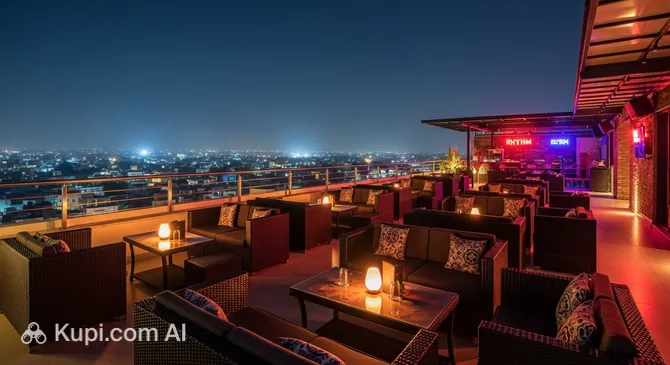
For those seeking a lively atmosphere with good music and a view, Rhythm Rooftop Cafe and Lounge is a fantastic choice. It offers a vibrant setting where you can enjoy a wide range of beverages and snacks while soaking in the cool desert breeze. The venue is known for its energetic vibe and is a great place to unwind and socialize after a day of sightseeing.
Rhythm Rooftop Cafe and Lounge. Illustration.
Source: Kupi.com AI
Traveler photos:
If you are looking for something with a unique thematic twist, you should visit Flintstone. As the name suggests, this bar features distinctive cave-themed decor that sets it apart from standard venues. It creates a fun and quirky environment perfect for hanging out with friends. Another popular spot in the city's nightlife circuit is The Blue Mist, which is well-regarded for its comfortable ambiance and service, making it a staple for locals looking for a relaxed night out.
When it comes to practicalities, a "smart casual" dress code is appropriate for most lounges and bars in Jodhpur. Prices are generally moderate and lower than in India's biggest cities, making a night out quite affordable. For transportation, auto-rickshaws are widely available, but drivers often charge a premium at night, so be prepared to negotiate or ask your hotel to arrange a trusted taxi. While the city is generally safe, the narrow lanes of the old city can be poorly lit; it is advisable to stick to main roads or take a cab door-to-door, especially late at night.
Beyond the nightlife, daytime entertainment in Jodhpur offers a different pace. Visitors looking to escape the midday heat can head to Reliance Mall, which provides a modern shopping experience, food courts, and entertainment options. For families or those interested in learning, the Sub Regional Science Centre (Science Park) offers interactive exhibits and open spaces that are perfect for a leisurely afternoon.
Parks & Museums
While Jodhpur is globally renowned for its arid beauty and magnificent sandstone architecture, the city also offers refreshing pockets of greenery and institutions dedicated to preserving its rich heritage. Beyond the bustling bazaars and majestic forts, visitors can find tranquility in well-maintained gardens and explore museums that delve deeper into the artistic and martial history of the Marwar region.
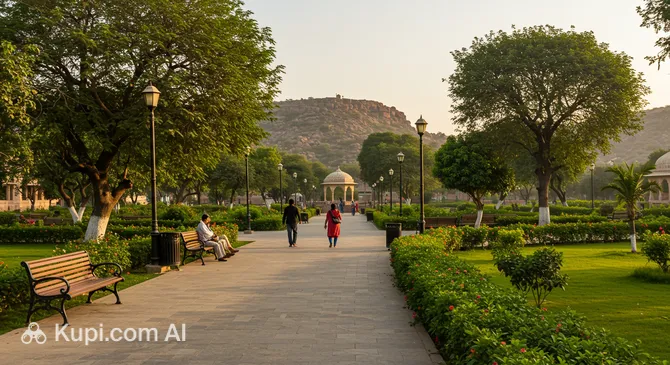
One of the most popular green spaces in the city is Nehru Park, a sprawling garden that serves as a favorite recreational spot for locals and tourists alike. Spanning nearly 14 acres, this park was originally developed as a children's park but has grown into a versatile space featuring fountains, ponds, and lush lawns. It is an ideal place for a family picnic or a quiet evening walk, offering a welcome respite from the desert heat.
Nehru Park. Illustration.
Source: Kupi.com AI
Traveler photos:
For those interested in the region's natural history, the Rao Jodha Desert Rock Park is a must-visit ecological wonder situated at the foot of the Mehrangarh Fort. Created to restore the natural ecology of a rocky wasteland, the park features walking trails that wind through native volcanic rock formations and indigenous plant species. Another significant site is the Mandore Gardens, located just outside the main city. This historic garden houses the chhatris (cenotaphs) of many rulers of Jodhpur, set amidst landscaped lawns and ancient temples, combining nature with architectural beauty.
Jodhpur's cultural narrative is further enriched by its museums. The Sardar Government Museum, located within the Umaid Public Gardens, is a treasure trove for history buffs. Built during the reign of Maharaja Umaid Singh, it houses a fascinating collection of artifacts, including ancient inscriptions, miniature paintings, terracotta pottery, and a diverse armory section. It provides a comprehensive overview of the artistic traditions and military history of Rajasthan.
While the fort itself is a monument, the Mehrangarh Museum housed within its walls is often cited as one of the best-stocked museums in Rajasthan. It features a stunning series of galleries displaying royal palanquins, intricate howdahs (elephant seats), and personal heirlooms of the Rathore clan. The Turbans Gallery and the Cradle Gallery are particularly unique, offering insights into the social customs and daily life of the royalty.
For a truly unique cultural experience, consider visiting Arna Jharna: The Thar Desert Museum of Broom. Located in the village of Moklawas, this open-air museum explores the relationship between the desert environment and its people through the humble broom, showcasing hundreds of varieties and the local grasses used to make them.
Getting Around
Navigating Jodhpur is an adventure in itself, characterized by an informal yet effective network of vehicles rather than a structured rapid transit system. Unlike some of India's larger metropolises, Jodhpur does not currently have a metro or tram network. Instead, the city relies heavily on road-based transportation, with auto-rickshaws (tuk-tuks) serving as the primary lifeline for both locals and tourists. These three-wheeled vehicles are agile enough to maneuver through the narrow, winding lanes of the historic Blue City, where larger vehicles simply cannot fit.
For budget-conscious travelers and those looking to travel like a local, minibuses and shared tempos are the main forms of mass transit. These large, modified auto-rickshaws run on fixed routes throughout the city and are incredibly affordable, often costing just a few rupees. While there is a city bus service operated by Jodhpur City Transport Service Limited, the buses can be infrequent and crowded, making them somewhat challenging for tourists to navigate without local knowledge. Shared tempos are generally more frequent and can be hailed from the roadside by simply waving your hand.
When it comes to payment, the system is almost exclusively cash-based. There are no electronic travel cards, tap-to-pay terminals, or validated tickets for rickshaws and tempos. You simply pay the driver directly at the end of your journey. It is essential to carry smaller denominations of Indian currency (10, 20, 50, and 100 rupee notes), as drivers often do not have change for large bills. For city buses, a conductor will collect the fare and issue a paper ticket once you board.
A crucial piece of advice for using auto-rickshaws is to negotiate the fare before you step into the vehicle. Most autos in Jodhpur do not run on meters, or drivers may refuse to use them. Ask a local or your hotel reception for a rough estimate of the cost to your destination so you have a baseline for bargaining. Transport is generally available from early morning (around 6:00 AM) until late evening (10:00 PM or 11:00 PM). However, be prepared for drivers to ask for significantly higher fares—sometimes double—during night hours.
For those seeking a more comfortable and hassle-free experience, app-based cab services like Uber and Ola are active in Jodhpur. These offer the convenience of air-conditioning, fixed pricing, and GPS tracking, which eliminates the need for bargaining. They are particularly recommended for airport transfers or traveling between the old city and newer districts. Traditional unmetered taxis are also available at major transport hubs like the railway station and airport, but they tend to be more expensive than the app-based alternatives.
For independent travelers who prefer to explore at their own pace, renting a motorbike or scooter is a popular alternative. Several rental agencies are located near the Clock Tower and Sardarpura areas. This option gives you the freedom to visit attractions on the outskirts, such as Mandore Gardens, without waiting for transport. However, driving in Jodhpur requires alertness due to the chaotic traffic. While not a public transport feature, the city's unique geography means that walking is often the only way to explore the deepest parts of the old walled city, where the lanes are too narrow for even a rickshaw to pass.
Accommodation
Where to Stay:
Accommodation in Jodhpur is as diverse and colorful as the city itself, catering to every type of traveler, from backpackers on a shoestring budget to luxury seekers looking for a royal experience. The city is particularly famous for its heritage hotels—restored havelis (mansions) and palaces that allow guests to live like the nobility of a bygone era. Alongside these historic properties, you will find a wide range of modern hotels, cozy guesthouses, and budget-friendly hostels.
When choosing where to stay, location is a key factor. The Old City, centered around the Clock Tower and the base of Mehrangarh Fort, is the most atmospheric area. Staying here means you are within walking distance of the main markets and attractions, often with stunning rooftop views of the illuminated fort at night. However, the streets can be narrow and noisy. For a quieter and more spacious environment, travelers often prefer the Ratanada and Cantonment areas. These neighborhoods are home to many upscale hotels and resorts, offering easier access for vehicles and a more relaxed pace.
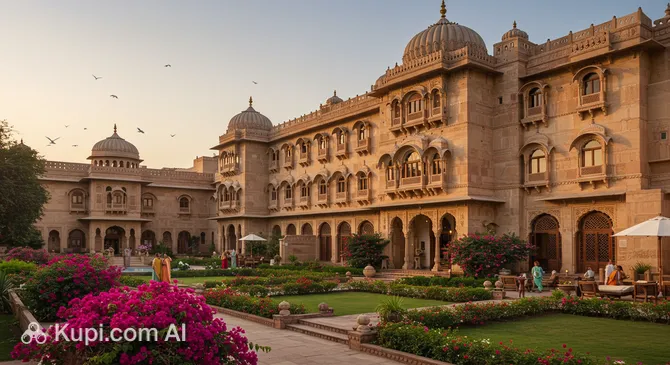
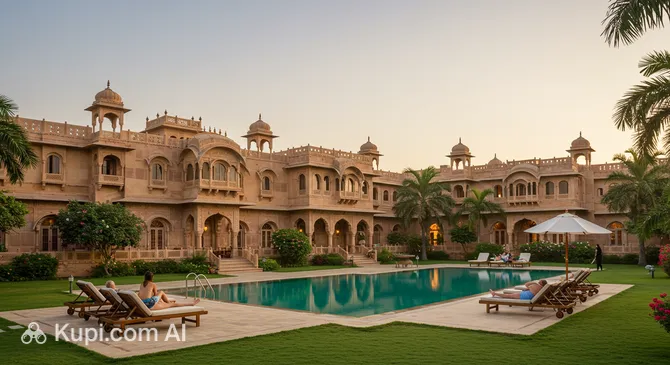
If you are looking for a stay that combines modern amenities with traditional Rajasthani architecture, the city has several notable resort hotels. One excellent example is Hari Mahal. This property is designed to reflect the grandeur of the region's royal past while providing contemporary comforts, making it a popular choice for those seeking a touch of luxury.
Hari Mahal. Illustration.
Source: Kupi.com AI
Traveler photos:
Another well-regarded option in the mid-to-high range is Hotel Shri Ram Excellency. Located conveniently in the city, it offers a blend of professional service and comfortable lodging, suitable for both business travelers and tourists who prioritize reliability and facilities.
Hotel Shri Ram Excellency. Illustration.
Source: Kupi.com AI
Traveler photos:
Booking Tips and Prices: Jodhpur is a major tourist destination, so it is highly recommended to book your accommodation in advance, especially if you are visiting during the peak season from October to March. During the Christmas and New Year holidays, prices can spike, and the best heritage rooms sell out months ahead.
In terms of cost, the city is quite accommodating. Budget travelers can find clean hostel beds or guesthouse rooms for as little as 500 to 1,500 INR per night. Mid-range hotels typically range from 3,000 to 6,000 INR, offering air-conditioning and en-suite bathrooms. Luxury and heritage properties can start from 10,000 INR and go up significantly depending on the exclusivity. Most accommodations can be easily booked via major online travel platforms, though some smaller family-run guesthouses in the Old City also accept direct bookings via phone or email.
Nearby Cities
Nearby Cities:
While Jodhpur serves as a magnificent destination in its own right, its location in central Rajasthan makes it a strategic starting point for exploring the wider region. If you have extra time on your itinerary, visiting the neighboring towns can provide a deeper understanding of the state's diverse culture and geography. From industrial hubs to historic settlements, the areas surrounding the "Blue City" offer a variety of experiences for the curious traveler.
The closest major urban center is Pali, situated approximately 60 km south of Jodhpur. Known as the "Industrial City," it has played a significant role in the history of Marwar and is famous for its textile industries. A short drive here allows you to witness a different facet of life in Rajasthan, away from the main tourist trail.
For those planning to travel further, here is a list of other cities within a driving distance, along with their approximate populations and distances from Jodhpur:
Shopping in Jodhpur is an exhilarating experience that transports visitors back in time to the era of the caravans. The city is a vibrant hub for traditional Rajasthani craftsmanship, famous for its exquisite textiles, leather goods, and antique furniture. Walking through the bazaars, you will be surrounded by a kaleidoscope of colors, from the bright turbans of the locals to the vivid hues of dyed fabrics. It is the perfect place to find authentic hand-crafted items that reflect the rich cultural heritage of the Marwar region.
One of the most prominent shopping districts is Nai Sarak, which is the go-to destination for textiles. This street is lined with shops selling the city's signature Bandhani (tie-dye) and Leheriya fabrics, which are fashioned into beautiful sarees, dupattas, and turbans. Another key area is the bustling street around Sojati Gate. While it is renowned for its henna artists, the surrounding market is also a treasure trove for souvenirs, handicrafts, and local trinkets, making it a lively spot to soak in the local atmosphere.
Sojati Gate. Illustration.
Source: Kupi.com AI
Traveler photos:
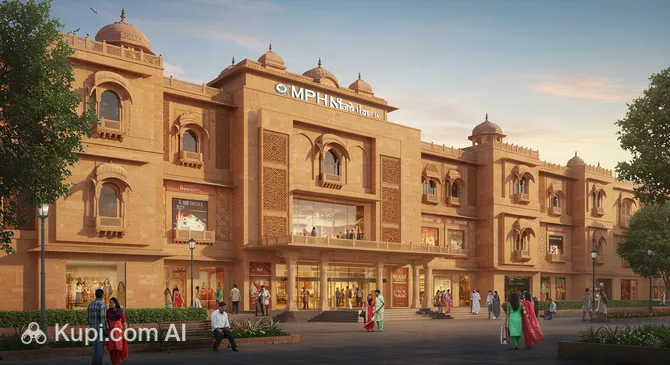
For those who prefer a more modern and air-conditioned shopping environment, Jodhpur has a few malls that offer a mix of national and international brands. Mega Mall is a popular choice located between the majestic Umaid Bhawan Palace and the Ajit Bhawan. It provides a contemporary retail experience with a variety of clothing stores and lifestyle outlets. You can also visit Reliance Mall, which offers a wide range of products from fashion to electronics under one roof, providing a comfortable break from the heat of the open markets.
Mega Mall. Illustration.
Source: Kupi.com AI
Traveler photos:
The heart and soul of Jodhpur's shopping scene, however, lies in its traditional markets. Sardar Market, located near the iconic Clock Tower, is the oldest and most chaotic market in the city. Here, you can wander through narrow alleys filled with the aroma of spices and the sound of bargaining. Mochi Bazaar (Cobblers Market) is another fascinating stop, famous specifically for Jodhpuri Mojaris—traditional leather footwear featuring intricate embroidery. Whether you are looking for spices, silver jewelry, or clay figurines, these markets offer an authentic slice of life.
When it comes to souvenirs, there are certain items that are synonymous with Jodhpur. The Jodhpuri Mojaris mentioned earlier are a must-buy for their comfort and style. The region is also famous for its spices, particularly the Mathaniya red chilies, which add a distinct flavor and color to dishes. Other popular keepsakes include colorful Bandhej textiles, handcrafted wooden antiques, and silver trinkets. If you have a sweet tooth, pick up a box of Mawa Kachori to take a taste of Jodhpur home with you.
Most shops in the main markets open around 10:00 AM or 11:00 AM and stay open until 9:00 PM or 10:00 PM. While modern malls and larger emporiums accept credit and debit cards, cash is still the preferred mode of payment in the smaller stalls and traditional bazaars like Sardar Market. It is also worth noting that bargaining is expected in the street markets; vendors often quote higher prices to tourists, so feel free to negotiate politely to get a fair deal.
Regarding tax-free shopping, India does not have a standardized VAT refund system for tourists similar to those found in Europe or other parts of Asia. The price you see on the tag generally includes the Goods and Services Tax (GST). While some high-end emporiums might offer shipping services where taxes are handled differently for export, for most over-the-counter purchases, you should not expect a tax refund at the airport.