Support

Jaisalmer

About

Rising like a mirage from the heart of the Thar Desert, Jaisalmer is a mesmerizing destination often referred to as the "Golden City." This nickname comes from the distinctive yellow sandstone used in its architecture, which glows with a honey-gold hue as the sun sets. Located in the northwestern state of Rajasthan in India, the city offers a unique blend of desert culture, royal heritage, and architectural brilliance that captivates travelers from around the globe.
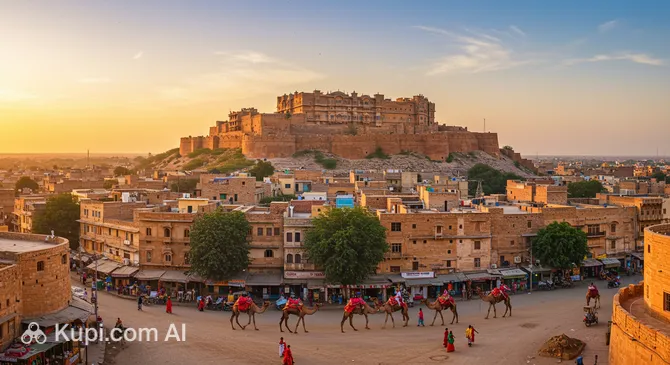
Jaisalmer. Source: Kupi.Binoculars

Geographically, Jaisalmer is situated close to the country's border, serving as a gateway to the vast desert landscapes. Despite its somewhat remote location, it is a vibrant settlement with a population of approximately 65,000 residents, making it bustling yet intimate enough to explore comfortably. The climate is typically arid, characterized by hot summers and pleasant, cool winters, which is the ideal time for tourists to experience the magic of the dunes.

The city's origins are steeped in legends of valor and trade. Founded in the 12th century, it served as a crucial stop on ancient trade routes, bringing wealth and cultural diversity to the region. Visitors fascinated by the tales of Rajput warriors and wealthy merchants should definitely take the time to discover the history of Jaisalmer, which explains how this desert outpost transformed into an architectural jewel.

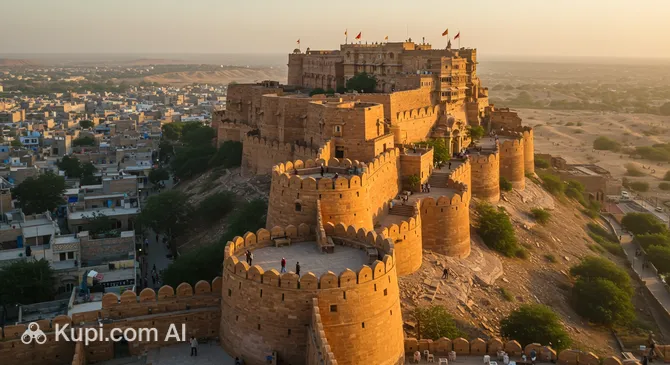
Among its most iconic attractions is the Jaisalmer Fort, also known as Sonar Quila. Unlike many other forts in the region, this is a "living fort" where a significant portion of the city's population still resides within its ancient walls. Wandering through its narrow, winding lanes reveals exquisite havelis (mansions) like Patwon Ki Haveli, famous for their intricate stone carvings and latticework. For nature lovers, an excursion to the Sam Sand Dunes offers an unforgettable experience of camel safaris and sleeping under the starlit desert sky.

Whether you are an architecture enthusiast, a history buff, or simply seeking the romance of the desert, Jaisalmer promises an enchanting journey. Its timeless beauty and warm hospitality make it a must-visit stop on any Rajasthani itinerary.
Weather Overview

Jaisalmer experiences a typical arid desert climate characterized by extreme temperature variations between seasons. Generally, the city faces scorching summers and pleasant, cool winters, making the timing of your visit crucial for a comfortable trip. The dry atmosphere dominates most of the year, with clear skies being the norm.

The summer months, particularly from April to June, can be intensely hot. May is typically the warmest month, with average maximum temperatures soaring to 41.4°C. Following the peak heat, the region experiences a brief monsoon period in July and August. Although these months record the highest frequency of wet days—peaking at 9 days in July—the actual precipitation volume remains low, often resulting in only fleeting showers rather than heavy downpours.

Winter is widely considered the best time to explore the Golden City. From November to February, the weather becomes delightful, with January being the coldest month, seeing average lows of 8.7°C and comfortable highs of 21.4°C. For a more detailed breakdown of seasonal trends and to help you pack appropriately, you can view the current weather in Jaisalmer.

Interesting Facts

Beyond the main attractions, Jaisalmer holds many fascinating secrets that reveal the depth of its history and geological past. Here are some intriguing aspects of the city that often go unnoticed by the average traveler:
Nathmal Ki Haveli. Source: Kupi.Binoculars
  • The exquisite Nathmal Ki Haveli features a unique architectural quirk resulting from a sibling rivalry of sorts. It was commissioned to two Muslim architect brothers, Hathi and Lulu, who began construction from two different sides simultaneously; because they did not work from a unified blueprint, the left and right wings of the building are not identical, though they appear symmetrical at first glance.

  • Just a short distance from the city lies the abandoned village of Kuldhara, which is shrouded in mystery and local lore. According to legend, the residents of Kuldhara and 83 surrounding villages vanished overnight in the 19th century to escape a tyrannical minister, leaving behind a curse that ensures the village remains uninhabited to this day.

  • While Jaisalmer is famous for its desert landscape, the region was actually submerged under the sea millions of years ago. Evidence of this geological history can be found at the nearby Akal Wood Fossil Park, which houses fossilized tree trunks and seashells dating back to the Jurassic period, approximately 180 million years ago.

  • Much of the city's traditional architecture, including the massive fortifications, was constructed without the use of cement or mortar. The yellow sandstone blocks were expertly cut and shaped to interlock with one another, a technique that not only provides structural stability but also allows the buildings to "breathe," keeping interiors cooler during the intense summer heat.

How to Get There

Reaching the Golden City is an adventure in itself, offering a journey through the scenic landscapes of Rajasthan. While the city is well-connected by road and rail, flying is often the fastest option for international and domestic travelers. You can read more about how to get to Jaisalmer to plan the best route for your itinerary.

The most convenient entry point is Jaisalmer (IATA: JSA), located just 5.2 km from the city center. It is a domestic airport with a civil enclave, primarily offering connections during the tourist season. The drive to the city center takes approximately 30 minutes by taxi. Since flight schedules can be seasonal, many travelers choose to fly into Jodhpur Airport (IATA: JDH) in the city of Jodhpur, which serves as a major gateway to the region. It is situated about 225.6 km from Jaisalmer. From Jodhpur, you can hire a taxi or take a bus, a journey that typically takes around 6 hours. Another viable option is Bikaner Airport (IATA: BKB) in Bikaner, located roughly 260.7 km away, with a travel time of approximately 7 hours by road.

For clarity, here is a summary of the main airports serving the region:

Airport Name City Passenger Traffic Km from City
Jodhpur AirportJodhpurHigh225.6
JaisalmerJaisalmerMedium5.2
Bikaner AirportBikanerLow260.7

Main Attractions

Attractions:

The Golden City offers a treasure trove of architectural marvels and desert experiences that transport visitors back to a bygone era of royalty and trade. From massive fortifications to intricate stone mansions, the city's landmarks are best explored at a leisurely pace to fully appreciate the craftsmanship and history embedded in every stone.

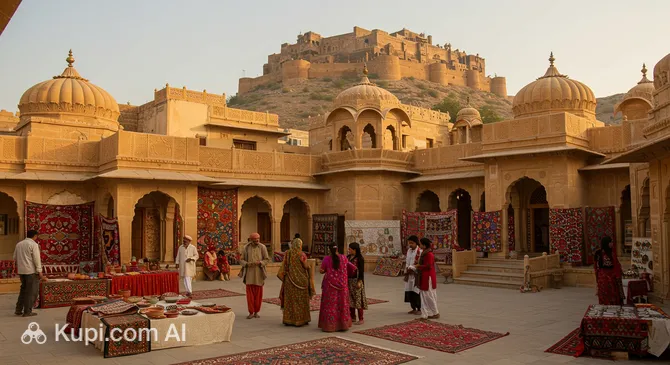
Dominating the skyline is the majestic Jaisalmer Fort, a UNESCO World Heritage Site that rises from the desert sands like a golden mirage. Unlike most forts in India, this is a "living fort" where thousands of people continue to live, work, and trade within its ancient walls. Tourists are drawn here not just for the panoramic views from the ramparts but to wander through its winding alleyways, lined with shops, temples, and centuries-old houses that pulse with daily life.

Jaisalmer Fort. Source: Kupi.Binoculars

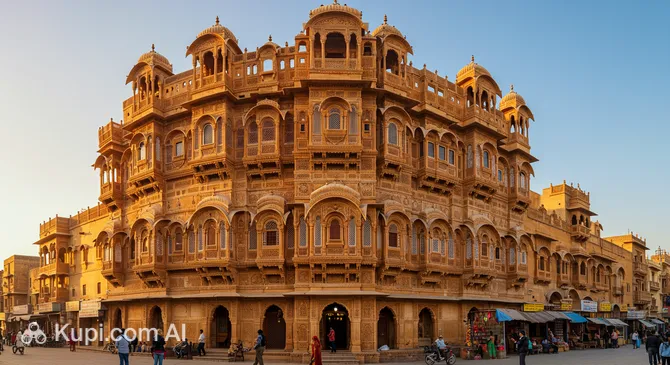
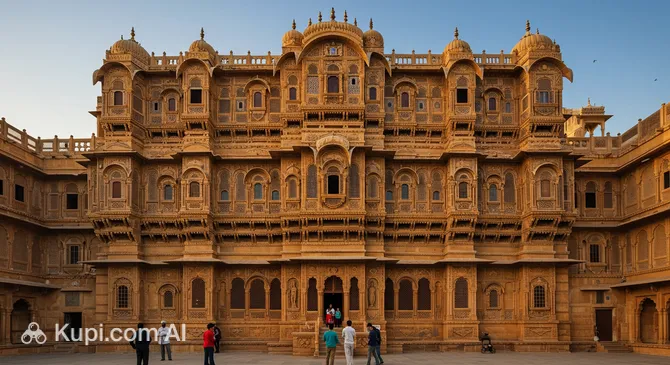
For those interested in the opulent lifestyle of wealthy merchants from the past, Patwon Ki Haveli is an absolute must-visit. It is not just a single building but a cluster of five different mansions, making it the largest and most elaborate haveli complex in Jaisalmer. Visitors are often left spellbound by the incredibly intricate stone carvings, jharokhas (balconies), and wall paintings that adorn every inch of this architectural masterpiece, showcasing the artistic peak of the era.

Patwon Ki Haveli. Source: Kupi.Binoculars

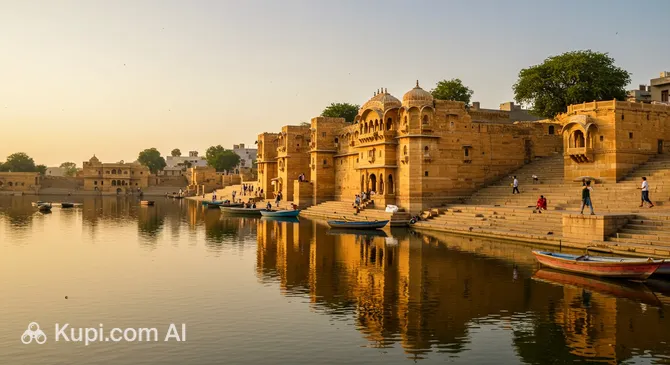
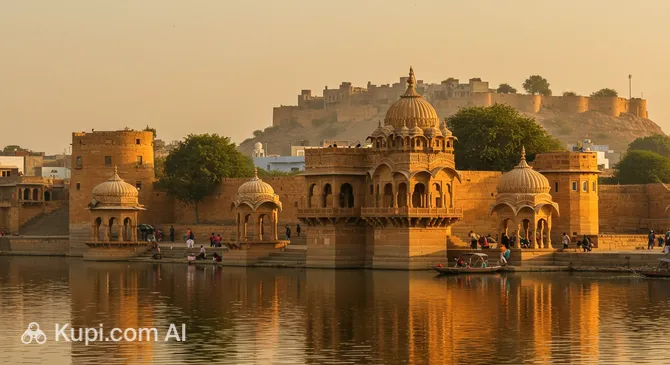
A serene escape from the desert heat can be found at Gadisar Lake. Originally built as a water conservation tank in the 14th century, it was once the sole water source for the entire city. Today, it is a picturesque spot surrounded by small temples and shrines. It is particularly interesting for photographers and nature lovers who can enjoy a peaceful boat ride while observing the catfish and migratory birds that frequent the waters.

Gadisar Lake. Source: Kupi.Binoculars

No trip to this region is complete without experiencing the vast Thar Desert firsthand. Camel Safari Jaisalmer offers travelers the quintessential desert adventure. Riding a camel across the rolling sand dunes, especially during sunset, provides a magical perspective of the landscape. Many visitors choose to extend this experience by camping overnight to enjoy local folk music and the stunning canopy of stars unique to the desert sky.

Local Cuisine

The culinary landscape of Jaisalmer is a delightful reflection of its desert geography, offering rich flavors that have evolved to suit the arid climate. Traditional Rajasthani cuisine here relies heavily on milk, buttermilk, and clarified butter (ghee), as fresh vegetables were historically scarce in the Thar Desert. The result is a menu full of hearty, spicy, and savory dishes that provide sustenance and comfort to travelers.

No visit to the Golden City is complete without trying the region's signature dish, Dal Baati Churma. This wholesome meal consists of spicy lentils (dal), baked wheat balls (baati), and a sweet, crumbled wheat mixture (churma), all generously topped with ghee. Another unique local specialty is Ker Sangri, a tangy and spicy vegetable dish made from dried desert beans and berries. It was originally a staple for villagers during droughts but is now a gourmet delicacy served with millet bread known as Bajra Roti.

For meat lovers, the fiery Laal Maas is a gastronomic highlight. This spicy mutton curry, prepared with red chilies and yogurt, was once a favorite among Rajput warriors and hunters. Those with a sweet tooth should look for Ghotua Ladoo, a traditional sweet unique to Jaisalmer made from gram flour, sugar, and ghee, often found in the older parts of the city.

To beat the desert heat, locals and tourists alike turn to Makhaniya Lassi. This is not just a drink but a dessert in itself—a thick, creamy yogurt shake flavored with saffron, cardamom, and rose water, often topped with a dollop of cream and dry fruits. It is widely available in the markets near the fort and is the perfect way to cool down after a day of sightseeing.

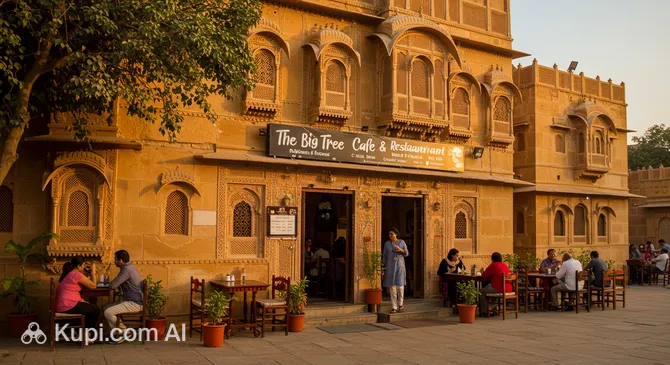
The Big Tree Cafe and Restaurant. Source: Kupi.Binoculars

The dining culture in Jaisalmer is vibrant and often comes with a view. Many eateries are situated on rooftops, allowing diners to enjoy their meals while gazing at the illuminated sandstone walls of the fort. Places like The Big Tree Cafe and Restaurant offer a relaxed atmosphere where you can sample both local and international fare. Similarly, The Turban Restaurant and Cafe provides a great setting to enjoy authentic Rajasthani hospitality and flavors amidst the golden hues of the city.

Travel Tips

To ensure your journey to the "Golden City" is as smooth as it is memorable, a little preparation goes a long way. These practical tips are designed to help you navigate the unique desert environment and cultural nuances of Jaisalmer with ease.

  1. Dress for the Desert Climate. Since Jaisalmer is located in the Thar Desert, the sun can be intense. Pack loose, breathable cotton or linen clothing to stay cool during the day. However, desert temperatures drop significantly at night, especially in winter, so bringing a warm jacket or layers is essential. Don't forget a wide-brimmed hat, sunglasses, and high-SPF sunscreen. If you plan to visit Jain temples, remember to dress modestly, covering your shoulders and knees.
  2. Navigating the City. The best way to explore the Jaisalmer Fort and the old city is on foot, as the lanes are too narrow for cars. For travel outside the fort or to reach the sand dunes, auto-rickshaws and taxis are readily available. Always negotiate the fare with auto-rickshaw drivers before starting your journey. Car rentals are available, but hiring a car with a local driver is recommended over self-driving due to the chaotic traffic and narrow roads.
  3. Cash and Currency. The local currency is the Indian Rupee (INR). While high-end hotels and restaurants accept credit cards, cash is king in local bazaars, small eateries, and for paying rickshaw drivers. ATMs are available in the main city area (outside the fort), but they can occasionally run out of cash, so it is wise to withdraw sufficient money in larger cities like Jodhpur or Jaipur before arriving, or keep a reasonable stock of cash on hand.
  4. Health and Hydration. The dry heat can cause dehydration quickly, so carry a water bottle at all times. It is strongly advised to drink only bottled or filtered water and avoid tap water. Pharmacies are generally found in the main market areas like Gandhi Chowk and near the government hospital. Jaisalmer is generally safe, but stick to well-lit areas at night and be cautious of "bhang" (edible cannabis) shops if you are unfamiliar with its potent effects.
  5. Communication and Connectivity. Hindi and Rajasthani are the primary languages, but English is widely understood in hotels, restaurants, and tourist spots. Purchasing a local SIM card (like Airtel or Jio) is easy at mobile shops with a passport and visa copy, ensuring you have reliable data for maps and translation apps. Wi-Fi is standard in most guesthouses and cafes.
  6. Local Etiquette. The traditional greeting is "Namaste" with folded hands. When entering temples or local homes, you must remove your shoes. Jaisalmer is a somewhat conservative city, so public displays of affection should be avoided. Always use your right hand for eating or passing money, as the left hand is considered unclean in traditional contexts.
  7. Beware of Touts. One specific annoyance to avoid is engaging too much with aggressive touts who may approach you at the train station or bus stand offering "cheap" hotels or camel safaris. These offers often come with hidden costs or subpar services. It is best to book your accommodation and safaris in advance or through reputable agencies and firmly say "no" to unsolicited offers.
  8. Respect the "Living Fort". Remember that Jaisalmer Fort is not just a monument but a home to thousands of people. When exploring the residential quarters within the fort, be mindful of noise levels and respect the privacy of the locals. Avoid photographing people inside their homes without explicit permission.

By keeping these practicalities in mind, you can focus entirely on soaking up the golden hues and enchanting history of this desert jewel. Jaisalmer is a welcoming city, and a little cultural awareness will ensure your interactions with the locals are warm and rewarding.

Entertainment & Nightlife

Entertainment in Jaisalmer is deeply rooted in its vibrant culture and desert surroundings. Unlike the bustling nightlife of metropolitan cities, the Golden City offers immersive experiences that celebrate folklore, music, and the timeless beauty of the Thar Desert. From mesmerizing puppet shows to starlit gatherings on the dunes, the evenings here are as enchanting as the days.

For a dive into the region's artistic heritage, the Desert Cultural Centre is a must-visit. Located conveniently within the city, this museum and performance venue comes alive after sunset. It is renowned for its traditional puppet shows (Kathputli) and live folk music performances. These nightly events offer a captivating glimpse into local legends and history, making it a perfect spot for families and culture enthusiasts to spend an evening.

Desert Cultural Centre. Source: Kupi.Binoculars

The true heartbeat of Jaisalmer's entertainment scene, however, is found in the sand dunes. Desert camps provide a complete package of adventure and festivity. Places like Karan Desert Safari transform the quiet desert night into a lively celebration. Guests can enjoy traditional Rajasthani buffet dinners, gather around bonfires, and watch energetic Kalbelia dance performances under the vast, starry sky.

Karan Desert Safari. Source: Kupi.Binoculars

Another excellent venue for experiencing this desert hospitality is Jaisalmer Dekho Desert Camp. These camps often organize cultural programs where local musicians play soulful tunes on the Ravanahatha and Khartal. It is an ideal setting to relax, socialize with fellow travelers, and soak in the cool desert breeze after a hot day of sightseeing.

Back in the city, the area around Gadisar Circle serves as a lively hub for evening activities. This landmark is a gateway to bustling markets where you can enjoy a leisurely stroll. The streets are often filled with the aroma of local snacks and the chatter of locals, offering a laid-back atmosphere where you can shop for colorful handicrafts, leather goods, and souvenirs to remember your trip.

Parks & Museums

Beyond its fortified walls and golden havelis, Jaisalmer offers a variety of open spaces and cultural institutions that provide a deeper understanding of the Thar region's ecology and history. Exploring these parks and museums allows visitors to step away from the bustling city center and connect with the natural and ancestral roots of the desert.

For nature enthusiasts, the Desert National Park is a remarkable destination located approximately 40 kilometers from the city. As one of the largest protected ecosystems in India, it showcases the unique biodiversity of the Thar Desert. The park is a haven for wildlife photographers and birdwatchers, offering a chance to spot the critically endangered Great Indian Bustard, as well as desert foxes, chinkaras, and various birds of prey amidst the rolling dunes and craggy rocks.

Closer to the city lies Bada Bagh, a historical garden complex that serves as a serene retreat. Literally translating to "Big Garden," this site is famous for its royal cenotaphs (chhatris) built in memory of the majestic rulers of Jaisalmer. The golden sandstone structures stand in dramatic contrast to the stark desert surroundings, and the area is particularly enchanting at sunset when the monuments glow in the fading light. It was historically a green oasis, featuring a mango orchard and a dam, remnants of which can still be seen.

To delve into the rich folklore and traditions of the area, a visit to the Thar Heritage Museum is highly recommended. This private museum, founded by a local historian, houses an eclectic collection of artifacts that tell the story of the common people of the desert. Exhibits include traditional turbans, musical instruments, fossils, and ancient kitchen equipment, providing an intimate glimpse into the daily life and culture that has thrived in this arid landscape for centuries.

Getting Around

Navigating Jaisalmer is relatively straightforward due to its compact size and the concentrated nature of its main attractions. Unlike major metropolitan hubs, this desert city does not possess a complex metro or tram network. Instead, the public transport system is informal and relies heavily on smaller vehicles that are better suited to the narrow, winding streets of the historic district.

The most popular and convenient mode of transport for getting around the city is the auto-rickshaw. These three-wheeled vehicles are ubiquitous and can navigate the tight lanes where larger cars cannot go. They are perfect for short trips between the bus stand, the railway station, and the fort area. Since auto-rickshaws in the city rarely run on meters, it is standard practice to negotiate and agree on the fare with the driver before stepping inside. Prices are generally affordable, but tourists should have a rough idea of the distance to avoid overpaying.

For exploring the heart of the city, particularly the Jaisalmer Fort and the surrounding havelis, walking is the best and often the only option. The fort is a living pedestrian zone with alleyways too narrow for most vehicles. Exploring on foot allows you to soak in the atmosphere and admire the intricate architecture at your own pace without the hassle of traffic.

If you plan to visit attractions located further afield, such as the Sam Sand Dunes, the Desert National Park, or the airport, hiring a taxi is the most practical choice. Taxis can be booked through hotels or found at designated stands near the railway station and Hanuman Circle. While ride-hailing apps are becoming more common in larger cities, they may not be reliable or available here, so arranging a taxi through your accommodation or a local operator is often safer and more certain.

For travelers seeking more independence, renting a motorbike or scooter is a popular alternative. Several rental shops are located near the fort entrance and in the main market areas. This option gives you the freedom to explore the outskirts of the city and the desert roads at your leisure. Ensure you have a valid driving license and always wear a helmet, as traffic rules are enforced.

Regarding payments, the transport system in Jaisalmer operates almost exclusively on cash. Electronic travel cards or passes do not exist here. It is essential to carry small denominations of the local currency, as drivers often do not have change for large bills. Transport services generally operate from early morning until late evening, but availability drops significantly after dark, so it is wise to arrange your return journey in advance if you are out late.

Accommodation

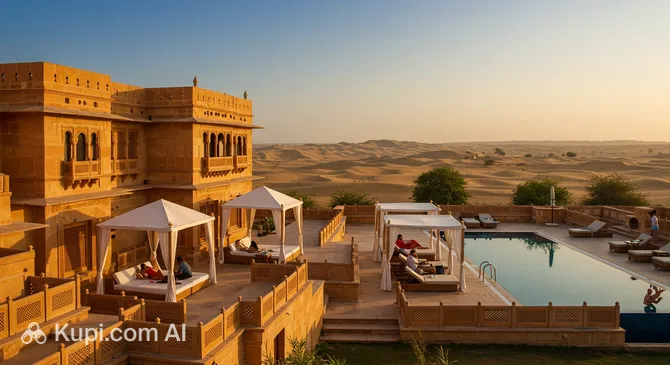
Accommodation in Jaisalmer caters to a wide spectrum of preferences and budgets, ranging from humble backpacker hostels to luxurious heritage hotels. What sets the "Golden City" apart is the opportunity to stay in converted havelis (traditional mansions) that offer a taste of royal living with intricate architecture and antique decor. Whether you are looking for modern amenities or a rustic cultural experience, the city has plenty of options to ensure a comfortable visit.

When choosing an area to stay, location plays a key role in the experience. Staying inside the Jaisalmer Fort is a popular choice for those who want to be in the heart of the action, surrounded by history and stunning views, though accessibility can be a challenge with luggage. The area outside the fort, particularly near Hanuman Circle and the main market, offers better vehicular access and a wider range of modern hotels. For a completely different vibe, the Sam Sand Dunes area, located about 40 kilometers away, is the go-to spot for desert camps and tented accommodation.

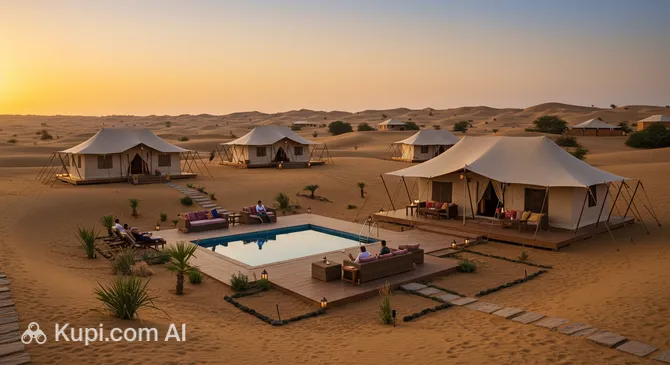
For travelers seeking the quintessential Thar Desert experience, staying in a desert camp is highly recommended. These resorts combine the thrill of camping with the comforts of a hotel. Karan Desert Safari is one such option where guests can enjoy Swiss tents and cultural evenings right amidst the dunes. Similarly, Jaisalmer Dekho Desert Camp offers a blend of adventure and relaxation, providing a unique base for exploring the desert landscape overnight.

Jaisalmer Dekho Desert Camp. Source: Kupi.Binoculars

Booking Tip: Jaisalmer is a seasonal destination, with the peak tourist influx occurring during the winter months from October to March. During this time, and especially around the Desert Festival in February, the best properties and desert camps fill up quickly. It is advisable to book your accommodation several weeks in advance to secure your preferred spot and rates.

The price range for accommodation is quite broad. Budget travelers can find decent guesthouses and hostels for very affordable rates, while mid-range heritage hotels offer excellent value for money. Luxury camps and high-end resorts command higher prices, particularly during the peak season. Most properties can be easily booked through major online travel platforms, though contacting smaller guesthouses directly can sometimes yield a better deal or a more personalized room selection.

Nearby Cities

For those looking to explore the surroundings, Jaisalmer serves as an excellent base for day trips to several interesting nearby locations:

City Population Distance (km)
Jodhpur 1,033,918 224
Bikaner 529,007 267
Tharad 327,289 288
Bali 293,373 305
Pali 229,956 273

While the vast distances of the Thar Desert mean that "nearby" is a relative term, Jodhpur is one of the most popular next stops or extended excursions from Jaisalmer. Known as the "Blue City" due to its azure-painted houses, it is dominated by the colossal Mehrangarh Fort. Visitors can explore the fort's museums, wander through the vibrant Sardar Market near the Clock Tower, and experience a bustling atmosphere that contrasts with the quieter desert vibe of Jaisalmer.

Another significant destination within reach for a short visit is Bikaner. Often less crowded than other Rajasthani cities, Bikaner boasts the impressive Junagarh Fort, one of the few major forts in the state not built on a hilltop. It is also the gateway to the unique Karni Mata Temple in Deshnoke, famous globally as the "Rat Temple." The city is also celebrated for its culinary heritage, particularly its savory snacks and sweets.

These nearby destinations offer a glimpse into the diverse culture and landscapes of the region.

Shopping & Souvenirs

Shopping:

Shopping in Jaisalmer is a vibrant and colorful experience that mirrors the rich cultural heritage of the "Golden City." Unlike modern metropolises filled with glass-and-steel complexes, the shopping scene here is dominated by bustling open-air bazaars, narrow lanes lined with heritage shops, and government emporiums. The city is renowned for its exquisite craftsmanship, particularly in leather goods, textiles, and stone carving, offering tourists a chance to take home a piece of Rajasthani artistry.

The main shopping districts are concentrated around the historic city center. Sadar Bazar is one of the most popular areas, offering a wide variety of goods ranging from camel leather items to colorful puppets. Another significant street is Bhatia Bazaar, known for its traditional textiles and souvenirs. Walking through these streets allows visitors to interact with local artisans and shopkeepers who have been plying their trade for generations.

Travelers looking for large, air-conditioned shopping malls might be disappointed, as Jaisalmer preserves its old-world charm and lacks typical modern malls. However, for a more organized shopping experience, one can visit government-run emporiums like Rajasthali or the Khadi Gram Udyog Bhavan. These places offer fixed prices and authentic quality, making them a safe bet for tourists who prefer to avoid the haggling that is common in the street markets.

The local markets are the true heart of the city's commerce. Manak Chowk, located just outside the fort gates, is a treasure trove for handicrafts and antiques. It is an excellent place to find intricate jewelry and decorative items. For a more local flavor, Pansari Bazaar is the oldest market in the city, often referred to as the "villager's market," where one can find everything from spices to traditional ethnic wear. The area around Gadisar Circle also buzzes with activity, featuring numerous shops selling handicrafts and textiles that attract visitors on their way to the lake.

Gadisar Circle. Source: Kupi.Binoculars

When it comes to souvenirs, Jaisalmer is famous for its high-quality camel leather products. Bags, wallets, and traditional footwear known as Mojaris are durable and stylish buys. Another unique item to look for is the Habur stone, a fossilized yellow stone found in the region; cups and bowls made from this stone are said to have medicinal properties and can curdle milk into yogurt. Additionally, the city is a hub for mirror-work embroidery, silver jewelry, and colorful tie-dye fabrics (Bandhani).

Most shops in Jaisalmer open around 10:00 AM and close by 9:00 PM. While many larger stores and hotels accept credit and debit cards, cash is still the preferred method of payment in smaller shops and street stalls. Bargaining is an essential part of the shopping culture in the bazaars, so do not hesitate to negotiate the price. Tax-free shopping or VAT refunds are generally not available for tourists in these local markets, as the tax is usually included in the final negotiated price.

Reached the end of the page?

That means the route is fully explored