Support

Larkana

About

Larkana is a city that holds a special place in the heart of the Sindh province in Pakistan. Often referred to as the "Eden of Sindh," this city is known for its fertile surroundings and significant cultural heritage. With a population of approximately 490,000, it serves as a bustling hub that bridges the gap between the ancient world and modern life.

The city is situated on the south bank of the Ghar canal, giving it a unique agricultural landscape. The climate here is typically hot, which contributes to the region's productivity, making it particularly famous for its delicious guavas and berries. As a major city in the northwest of Sindh, it acts as a vital commercial center for the surrounding areas.

Travelers are often drawn here to explore the rich history of Larkana. Just a short distance away lies the archaeological site of Mohenjo-daro, a UNESCO World Heritage site that offers a fascinating glimpse into the Indus Valley Civilization, one of the earliest urban settlements in the world. Another prominent landmark is the majestic Mausoleum of the Bhutto Family in Garhi Khuda Bakhsh, which is admired for its impressive white-domed architecture.

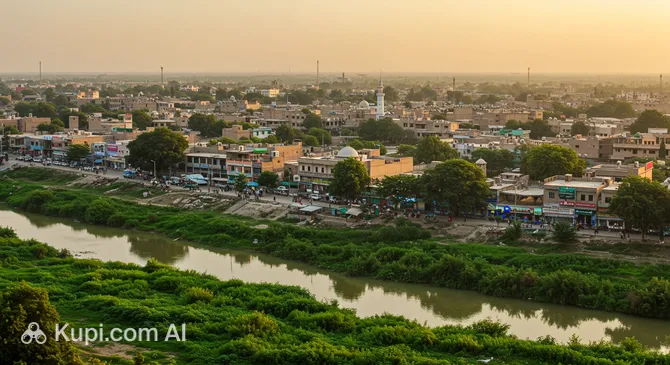
Larkana. Source: Kupi.Binoculars

Whether you are an archaeology enthusiast or someone interested in the local culture of Sindh, Larkana offers a meaningful journey. The city's blend of historical depth and lively local atmosphere makes it a noteworthy destination for any traveler seeking to understand the heritage of the region.

Weather Overview

Larkana features a climate defined by distinct seasonal contrasts, ranging from intense heat to mild coolness. To help plan your visit effectively, it is advisable to consult the detailed guide on the weather in Larkana. Generally, the city remains dry for most of the year, making it accessible for travel, provided you are prepared for the specific seasonal conditions.

The summer season, spanning from May through September, is characterized by soaring temperatures. June is typically the hottest month, with an average temperature of 36.6°C and highs that can climb to 43.0°C. While July and August see a minor increase in wet days, precipitation remains minimal, with only about 2mm to 4mm of rainfall recorded during these months.

Winters, specifically December and January, offer a welcome respite with much cooler conditions. During this time, average temperatures drop to around 15°C to 17°C, and nights can be chilly with lows reaching 8.5°C. Expect scorching summers with occasional humidity and cool, dry winters that are ideal for sightseeing.

Interesting Facts

Beyond the main attractions, Larkana holds many fascinating secrets that reveal the depth of its cultural and historical landscape. Here are some intriguing facts about this vibrant city in Sindh:
  • Named After a Tribe: The city derives its name from the Larak tribe, who were the original inhabitants of the area. This connection anchors the modern city deeply in its indigenous roots and tribal history.

  • The Sweetest Guavas: Larkana is widely acclaimed for producing some of the finest guavas in Pakistan. The specific soil composition of the region allows farmers to grow both pink and white varieties that are renowned for their exceptional sweetness and fragrance.

  • Ancient Neighbors: While Mohenjo-daro is the star attraction, the lesser-known archaeological site of Jhukar-Jo-Daro is located just a few miles west of the city. This site offers valuable insights into the Jhukar phase, a period that followed the decline of the Indus Valley Civilization.

  • Historic Identity: In historical records, the region was traditionally known as Chandka. This ancient name is still preserved today in major local institutions, such as the Chandka Medical College, serving as a reminder of the area's administrative past during the Kalhora and Talpur dynasties.

How to Get There

Reaching Larkana, the historic heart of Sindh, can be an adventure in itself, offering travelers a chance to witness the diverse landscapes of Pakistan. Whether you are planning to arrive by air or exploring overland routes, understanding the logistics is key to a smooth journey. For a comprehensive breakdown of all transport options and routes, you can read more about how to get to Larkana on our detailed page.

For air travelers, the most common and convenient gateway is Sukkur Airport, located approximately 80 km from Larkana. It serves as a primary regional hub with frequent connections to major cities like Karachi and Islamabad, followed by a drive of about 1.5 to 2 hours to reach Larkana. Alternatively, you might consider Rahim Yar Khan Airport (RYK), though it is significantly further away. The transfer from Rahim Yar Khan involves a much longer road journey of approximately 6 hours, making it a less common choice for direct access but a viable option for those exploring the wider region.

Below is a summary of the airport data available for the broader area:

Airport Name City Passenger Traffic Km from City
Rahim Yar Khan AirportRahimyar KhanSmall223.9

Larkana is also well-integrated into Pakistan's railway network, making train travel a popular alternative. The city is served by the Larkana Junction railway station, which connects it to major urban centers such as Karachi and Quetta. Traveling by train offers an economical and scenic way to traverse the distance, allowing visitors to enjoy views of the Sindhi countryside. It is recommended to check the latest train schedules and ticket availability locally or through the official railway website before planning your trip.

Main Attractions

Mohenjo-daro

Undoubtedly the most significant site in the region, Mohenjo-daro is a UNESCO World Heritage site located just a short drive from Larkana. Dating back to around 2500 BCE, it stands as a testament to the advanced urban planning of the Indus Valley Civilization. Visitors can explore the fascinating ruins, which include the famous Great Bath, a sophisticated ancient drainage system, and the Buddhist Stupa that sits atop the citadel. A nearby museum displays a collection of artifacts, such as seals, jewelry, and tools, offering a deeper understanding of life in one of the world's earliest cities.

Mausoleum of the Bhutto Family

Located in the nearby settlement of Garhi Khuda Bakhsh, this mausoleum is a striking example of modern architectural grandeur in Sindh. The complex is dominated by vast white domes and intricate marble work, making it visible from miles away. While it serves as the resting place for a prominent political family, it attracts tourists primarily for its sheer scale and the craftsmanship involved in its construction. The site is beautifully illuminated at night, creating a serene and majestic atmosphere.

Shahnawaz Bhutto Public Library

For a glimpse into the city's intellectual and cultural life, the Shahnawaz Bhutto Public Library is a key stop. It is one of the most well-stocked libraries in the province, serving as a hub for students and researchers. The building itself is architecturally pleasant, offering a quiet refuge from the bustling streets. It often hosts local cultural events, making it a great place to interact with the local community and learn more about the literary heritage of Sindh.

Allah Wala Chowk

To experience the daily rhythm of Larkana, a visit to Allah Wala Chowk is essential. This iconic monument is located at a busy intersection in the city center and features a distinct circular structure adorned with calligraphy. It is a popular landmark that symbolizes the city's identity. Surrounding the chowk are vibrant local markets where travelers can shop for traditional handicrafts, taste local street food, and observe the lively urban atmosphere.

Local Cuisine

The culinary landscape of Larkana is a delightful reflection of traditional Sindhi cuisine, known for its rich flavors, aromatic spices, and generous use of local ingredients. Visitors will find that food here is not just sustenance but a celebration of culture. The city offers an authentic taste of the province, distinct from the culinary styles found in the northern parts of the country, with a heavy emphasis on slow-cooked curries and rice dishes.

No trip to this region is complete without trying the iconic Sindhi Biryani. Unlike other variations, this version is spicier and typically includes potatoes, prunes, and a distinct sourness from dried plums or yogurt, making it a flavorful explosion. Another local favorite is Sai Bhaji, a healthy and hearty spinach-based dish cooked with lentils and seasonal vegetables, often served with Bhugga Chawal (browned onion rice). For seafood lovers, fried river fish from the nearby freshwater sources is a popular winter delicacy, often marinated in a blend of spicy local herbs.

Given the hot climate of Larkana, local beverages play a crucial role in daily life. The most traditional drink is Thadal, a cooling concoction made from almonds, poppy seeds, cardamom, and rose petals. It is revered for its ability to beat the heat and is widely available at street stalls. Lassi, a yogurt-based drink, is also a staple, particularly during breakfast or lunch, served either sweet or salty to complement the spicy meals.

The food culture in Larkana revolves around vibrant street life and hospitality. Locals often frequent open-air dhabas (roadside eateries) and bustling markets where the aroma of freshly grilled kebabs and frying samosas fills the air. The city is also famous for its sweet tooth; traditional sweet shops offer treats like Rabri (thickened sweetened milk) and fresh jalebis. Since Larkana is renowned for its guavas, visitors should not miss the chance to enjoy this fresh fruit, often sold by vendors sprinkled with a pinch of salt and masala for a quick, refreshing snack.

Travel Tips

Visiting Larkana offers a unique opportunity to dive deep into the heritage of Sindh, but like any travel destination with a distinct culture and climate, a little preparation goes a long way. To ensure your trip to this historic city is as smooth and enjoyable as possible, here are some practical tips to keep in mind before you pack your bags.

  1. Clothing and Gear: Given the region's intense heat, especially in summer, pack loose-fitting, breathable cotton or linen clothes to stay cool. The local culture is conservative, so it is respectful for both men and women to dress modestly, covering shoulders and knees; women may find a lightweight scarf or dupatta useful for visiting shrines. Don't forget a universal power adapter, sturdy walking shoes for archaeological sites, and a high-SPF sunscreen.
  2. Transportation: The most common way to navigate the city is by auto-rickshaws or Qingqis (motorcycle rickshaws), which are affordable and readily available. Ride-hailing apps are not as reliable here as in major metropolises like Karachi, so be prepared to negotiate fares with rickshaw drivers before starting your journey. For excursions to Mohenjo-daro or outside the city, hiring a private car with a driver for the day is the most comfortable option.
  3. Finances: The currency used is the Pakistani Rupee (PKR). While there are ATMs in the city center, Larkana is primarily a cash-based economy. Small shops, local eateries, and transport providers will not accept cards, so always carry sufficient cash in smaller denominations. International credit cards may only work in a few high-end hotels or large banks.
  4. Health and Safety: It is strongly advised to drink only bottled mineral water and avoid tap water or ice from street vendors to prevent stomach issues. Pharmacies are available in the main city areas, often near the Civil Hospital, but it is wise to bring a personal medical kit with basic painkillers and stomach medication. Larkana is generally safe for tourists, but stick to well-lit, busy areas at night and keep your valuables secure.
  5. Communication: Sindhi is the primary language spoken locally, while Urdu is widely understood; English is spoken by hotel staff and educated locals but may be less common in the markets. Learning a few basic phrases like "As-salam-alaikum" (Peace be upon you) or "Meherbani" (Thank you) goes a long way. For internet access, purchase a local SIM card (Zong or Jazz usually have good coverage) at the airport or an official franchise shop upon arrival in Pakistan.
  6. Local Etiquette: Hospitality is a cornerstone of Sindhi culture, and locals are often very welcoming. When greeting people of the same gender, a handshake is common, but it is polite to wait for a woman to extend her hand first if you are male. Always remove your shoes before entering a mosque, a shrine, or a local home, and accept tea if offered, as refusing can be seen as impolite.
  7. What to Avoid: Public displays of affection are culturally inappropriate and should be avoided to respect local norms. Additionally, refrain from taking photographs of local women or military installations without explicit permission, as this is considered sensitive and disrespectful.
  8. Timing Your Visits: If you plan to visit the open-air ruins of Mohenjo-daro, try to arrive as early as possible in the morning, right when the gates open. The midday sun in Larkana can be unforgiving, and exploring the site before the heat peaks will make the experience much more pleasant.

By keeping these practicalities in mind, you can focus on the incredible history and warm hospitality that Larkana has to offer. A respectful and well-prepared approach will open doors to authentic interactions and ensure your journey through the heart of Sindh is a memorable one.

Entertainment & Nightlife

Nightlife in Larkana offers a distinct cultural experience that revolves around social dining, vibrant street markets, and the region's deep-rooted tea culture rather than Western-style bars or nightclubs. As a conservative city in Sindh, you will not find dance clubs or pubs here. Instead, the city comes alive after sunset as the heat of the day dissipates, prompting families and friends to gather at open-air eateries, bustling bazaars, and tea houses to enjoy the cooler evening air and lively conversation.

The epicenter of evening activity is undoubtedly the area surrounding Allah Wala Chowk and the historic Shahi Bazar. As dusk falls, these districts transform into a hive of energy where shops stay open late, and the streets fill with locals shopping for everything from textiles to traditional handicrafts. The atmosphere is energetic and authentic, filled with the aroma of spicy street food and the sounds of a busy city. For a calmer experience, Jinnah Bagh serves as a popular green space where people enjoy evening walks and families relax under the open sky.

For those looking to dine out, the culinary scene is the main attraction of the night. The area around VIP Road and Sheikh Zayed Colony features several restaurants and roadside BBQ spots that stay open late. The restaurant at the Sambara Inn is a well-known venue for travelers, offering a comfortable environment to enjoy traditional Sindhi cuisine in the evening. Additionally, the local dhabas (roadside tea stalls) are the true social hubs of the city, where patrons sit for hours sipping strong, sweet tea and discussing the day's events.

To enjoy Larkana's nightlife safely and comfortably, it is best to venture out between 7:00 PM and 11:00 PM. The dress code is conservative; modest clothing is essential for both men and women to blend in and show respect for local customs. Auto-rickshaws are the primary mode of transport at night and are easy to find, but always negotiate the fare before starting your journey. While the main market areas are safe and welcoming, it is advisable to stay in well-lit, populated zones and avoid walking alone in secluded neighborhoods after dark.

During the daylight hours, the pace of entertainment is different, focusing more on cultural and historical appreciation. Visitors can explore local landmarks or visit the small Larkana Museum to see artifacts that complement the major archaeological sites nearby. There are also a few small amusement parks and gardens in the city that offer simple recreational activities for families, providing a pleasant way to spend the afternoon before the city's evening rhythm begins.

Parks & Museums

Larkana offers a fascinating blend of leisure and learning, where the dusty echoes of ancient civilizations meet the green respite of modern recreational spaces. While the city is primarily celebrated for its archaeological significance, it also features several parks and cultural institutions that provide a deeper understanding of the region's heritage and a break from the bustling urban pace.

Jinnah Bagh

Located in the heart of the city, Jinnah Bagh is the most prominent green space in Larkana and a favorite gathering spot for locals. It serves as a refreshing oasis with well-maintained lawns, walking tracks, and colorful flower beds that bloom vividly in the spring. In the evenings, the park transforms into a social hub where families enjoy picnics and children play, making it an excellent place for tourists to observe local life in a relaxed setting.

Benazir Bhutto Municipal Park

Another key recreational area is the Benazir Bhutto Municipal Park, which offers a spacious environment for outdoor activities. It features designated play areas for children and ample seating for those looking to unwind. The park is particularly popular during the cooler winter months, providing a pleasant atmosphere for jogging or simply enjoying a quiet afternoon away from the city's traffic.

Mohenjo-daro Museum

Situated just a short drive from the city at the archaeological site, the Mohenjo-daro Museum is an essential stop for history buffs. While the ruins tell the story of the city's layout, the museum houses the tangible treasures of the Indus Valley Civilization. Visitors can marvel at an impressive collection of artifacts, including the famous seals, jewelry, terracotta toys, and pottery that reveal the artistic and technological advancements of this ancient society. It provides crucial context that brings the silent ruins outside to life.

Sir Shahnawaz Bhutto Memorial Library

Although primarily a library, this institution stands as a significant cultural venue in Larkana. It is not only an architectural landmark but also a repository of knowledge regarding Sindhi literature and history. The library often hosts cultural events and exhibitions, making it a quiet yet enriching stop for those interested in the intellectual heritage of the province.

Historical and Architectural Landmarks

Beyond the museums, the region is dotted with sites that function as open-air galleries of history. The Jhukar-Jo-Daro mounds, located nearby, offer a raw look at the archaeological layers succeeding the Indus Valley period. Additionally, the vast courtyards and intricate white marble work of the Mausoleum of the Bhutto Family in Garhi Khuda Bakhsh resemble a grand monument, surrounded by open spaces that are open to the public for reflection and sightseeing.

For a truly authentic experience, take a sunset stroll along the banks of the Rice Canal. While not a formal park, the canal banks are a popular local retreat where the cool breeze from the water provides relief from the heat, offering a scenic and unguarded glimpse into the daily rhythm of rural Sindh.
Getting Around

Public transport in Larkana is quite different from the structured systems found in major global capitals. The city does not have a metro, tram, or large-scale municipal bus network. Instead, the local transit system relies heavily on an informal yet effective network of paratransit vehicles. The most common and iconic mode of transport is the Qingqi (pronounced "ching-chi"), a motorcycle-based rickshaw that pulls a carriage seating up to six passengers. These run along fixed main roads and act as the city's shared shuttle service, offering a very frequent and economical way to travel between neighborhoods.

For those seeking a private ride without sharing space with strangers, traditional auto-rickshaws are the standard alternative. These three-wheelers are ubiquitous and can be hailed from almost any street corner. They offer door-to-door service and are better suited for tourists carrying luggage or traveling in small groups. While minibuses and vans operate in the area, they typically serve routes connecting the city to nearby towns and rural settlements rather than providing dense intra-city coverage.

The payment system across all forms of local transport is entirely cash-based. There are no electronic travel cards, mobile tap-to-pay systems, or paper tickets to validate. For shared Qingqi rides, the fare is usually a fixed, nominal amount per person, paid directly to the driver at the end of the journey. For private auto-rickshaws, there are no meters; the price must be negotiated and agreed upon before you start your trip. It is highly recommended to carry small denominations of currency, as drivers often do not have change for large bills.

Regarding alternatives, modern ride-hailing apps have a growing but variable presence in the region, often allowing users to book rickshaws or cars, though availability can be less reliable than in larger metropolitan hubs. Traditional taxi cabs are rare on the streets. If you prefer the comfort of a car, the most practical option is to rent a vehicle with a driver for the day through your hotel or a local travel agency. This is a popular choice for tourists visiting archaeological sites outside the city limits.

Transport generally operates from early morning until late evening, roughly around 10:00 PM, after which finding a ride becomes significantly more difficult. A unique feature of the local transport culture is the vibrant decoration of the vehicles; many rickshaws are adorned with colorful art, bells, and poetry, making the commute a visually lively experience. When using shared transport, be aware of local etiquette, where women usually sit in the front or separate from unrelated male passengers to ensure comfort and privacy.

Accommodation

Accommodation in Larkana is generally modest and functional, catering primarily to local travelers, government officials, and visitors heading to the nearby archaeological sites. The city does not feature international luxury hotel chains or high-end resorts. Instead, tourists will mostly find budget guesthouses, government-run rest houses, and mid-range local hotels that offer essential amenities for a comfortable, short-term stay.

When choosing where to stay, location plays a key role in the quality of your experience. The most desirable area for tourists is generally along VIP Road and the Civil Lines district. This part of the city is relatively quieter, cleaner, and home to better-maintained properties compared to the congested city center. Conversely, the areas near the Larkana Railway Station and the main bazaars offer more budget-friendly options but can be quite noisy and chaotic due to heavy traffic and market activity.

For those seeking the most reliable standard of accommodation, the Sambara Inn is widely considered the premier choice in the city. Located on VIP Road, it is often the preferred lodging for foreign tourists and dignitaries, offering a secure environment, a restaurant, and spacious grounds. Another notable option is Hotel Royal City, situated closer to the commercial heart of Larkana, which provides a convenient base for those who want to be within walking distance of local markets and eateries.

Booking accommodation in Larkana requires a bit of flexibility. While a few properties may be listed on major international booking platforms, their online availability is often not updated in real-time. It is highly recommended to book in advance via phone or to have a local guide arrange your reservation to ensure your room is ready upon arrival, especially during the cooler winter months when tourism peaks.

In terms of pricing, Larkana is an affordable destination. Most stays fall into the budget to lower-mid-range category, with prices typically ranging from modest sums for basic guesthouses to slightly higher rates for the better hotels on VIP Road. Be prepared to pay in cash (Pakistani Rupees), as credit card acceptance is rare and usually limited to the top one or two establishments in the city.

Nearby Cities

For those looking to explore the surroundings, Larkana serves as an excellent base for day trips to several interesting nearby locations:

City Population Distance (km)
Sukkur 499,900 64
Rahimyar Khan 420,419 227
Nawabshah 263,102 147
Jacobabad 200,815 84
Sibi 200,000 223

Sukkur

Located just a short drive away, Sukkur is arguably the most popular day-trip destination from Larkana. Sitting on the western bank of the Indus River, it is famous for the magnificent Sukkur Barrage (formerly Lloyd Barrage), a colossal feat of British engineering that controls the irrigation network of the province. Visitors can also admire the historic Lansdowne Bridge, an architectural marvel of iron that connects Sukkur to its twin city, Rohri. The city is also home to the picturesque Sadhu Bela temple complex, situated on an island in the river, offering a serene escape with unique views.

Jacobabad

To the north lies Jacobabad, a city with a distinct colonial history founded by General John Jacob in the 19th century. It is known for its unique Victorian architecture, including the prominent Victoria Tower in the city center. While the city is famous for its intense summer heat, the cooler winter months make it a fascinating place to explore the legacy of the British Raj in Sindh. The town's layout and old structures provide a glimpse into the administrative past of the region.

These nearby destinations offer a glimpse into the diverse culture and landscapes of the region.

Shopping & Souvenirs

Shopping in Larkana offers a vibrant and authentic glimpse into the traditional lifestyle of Sindh. Unlike the glitzy mega-malls of larger metropolitan cities, the retail experience here is centered around bustling bazaars, narrow commercial lanes, and open-air markets. The city is particularly famous for its textiles and agricultural produce, providing tourists with an excellent opportunity to purchase locally made handicrafts and fresh goods at very reasonable prices.

The heartbeat of the city's commercial activity is Shahi Bazar. This historic market is a labyrinth of shops and stalls that has served the community for generations. It is the best place to wander and soak in the local atmosphere while browsing for clothes, jewelry, and household items. Adjacent to this area is Resham Gali, a specialized lane dedicated to fabrics and textiles. Here, visitors can find a dazzling array of unstitched cloth, intricate embroidery, and colorful materials that reflect the rich artistic heritage of the region.

While Larkana does not feature large international-style shopping malls, the city has seen the development of several modern shopping plazas and centers. These multi-story buildings typically house mobile phone shops, electronics dealers, and readymade garment stores. They offer a more air-conditioned and organized alternative to the street markets, though they are generally smaller in scale compared to those in Karachi or Lahore.

For a taste of the region's agricultural fame, a visit to the local fruit markets is essential. Larkana is renowned across Pakistan for its exceptional guavas. During the winter season, you will find street vendors and market stalls piled high with this sweet, fragrant fruit. It is a common sight to see locals buying them by the crate, and tasting fresh guavas sprinkled with masala is a must-do experience for any visitor.

When it comes to souvenirs, the most iconic items to bring back are the traditional Sindhi Ajrak and Sindhi Topi. The Ajrak is a unique block-printed shawl featuring geometric patterns in deep crimson and indigo, symbolizing the culture of the Indus Valley. Combined with the embroidered Sindhi cap, these make for meaningful and culturally significant gifts. Additionally, look for Ralli quilts, which are colorful, hand-stitched patchwork blankets made by local artisans, showcasing incredible craftsmanship.

Most shops in Larkana open around 10:00 AM or 11:00 AM and remain busy until late into the night, often closing around 10:00 PM. It is important to note that Friday is the weekly holiday, and many businesses may be closed or open only in the late afternoon. Cash is the primary mode of payment throughout the city. Credit cards are rarely accepted, except perhaps in a few high-end fabric stores or gold shops, so it is essential to carry sufficient Pakistani Rupees. Bargaining is a standard practice in bazaars, so feel free to negotiate politely to get the best price.

Tax-free shopping or VAT refund schemes for tourists are not available in Larkana. The prices displayed or quoted are generally final regarding taxes, though the base price itself is often negotiable in informal markets.

Reached the end of the page?

That means the route is fully explored