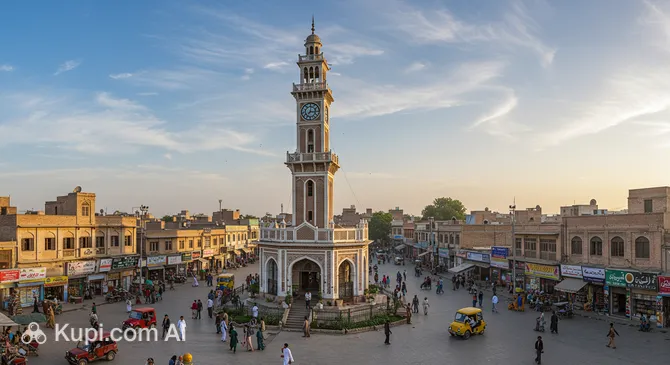
Faisalabad is a vibrant industrial hub and the third-largest city in Pakistan. Often referred to as the "Manchester of Pakistan," this bustling metropolis in the Punjab province is renowned for its massive textile industry and dynamic commercial spirit. It offers a unique blend of colonial heritage and modern urban energy, making it a significant destination for business and culture alike.
The city is situated in the rolling flat plains of northeast Punjab and is home to a population of over 3 million people. While it is primarily known as an industrial center, the history of Faisalabad reveals a well-planned city originally designed around a central point during the British Raj. The climate is generally hot, with distinct summer and winter seasons, making the cooler months the most comfortable time to explore its busy streets.
Faisalabad. Illustration.
Source: Kupi.com AI
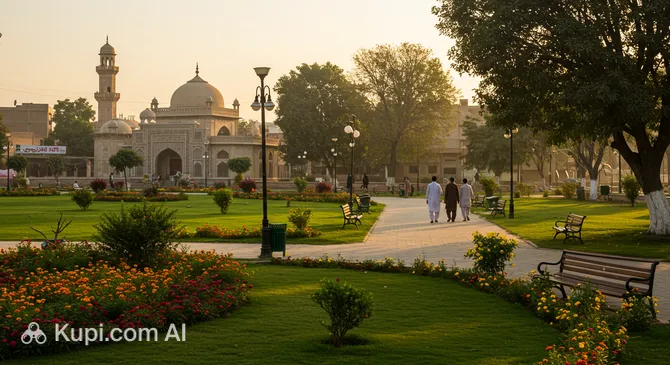
At the heart of the city stands the iconic Clock Tower (Ghanta Ghar), a majestic symbol of Faisalabad connecting eight bustling bazaars that radiate outward. These markets are a paradise for shoppers, offering everything from high-quality fabrics to traditional crafts. Visitors can also enjoy the lush greenery of Jinnah Garden, a perfect spot for a relaxing stroll away from the urban hum.
Whether you are visiting for business or to experience the authentic local culture, Faisalabad welcomes travelers with open arms. Its rich culinary scene and the warm hospitality of its people make it a memorable stop on any journey through the region.
Weather Overview
The climate in this region is characterized by extreme variations, offering distinct experiences depending on when you visit. To help plan your activities, it is advisable to consult the forecast for the weather in Faisalabad before your trip. Generally, the city experiences scorching heat during the peak of summer, while the winter months provide a much cooler and drier atmosphere suitable for outdoor exploration.
Summer arrives in full force by May and June, which are the hottest months of the year. During this period, average temperatures range from 31.5°C to 33.3°C, with daytime highs frequently approaching 39°C. Following this dry heat, the monsoon season sets in during July and August. July is the wettest month, featuring approximately 15 wet days, which brings some humidity and relief from the intense sun.
In contrast, the winter season from December through February is significantly milder. January is the coldest month, with an average temperature of 12.2°C and nighttime lows that can drop to around 6.3°C. Precipitation is minimal during this time, resulting in crisp, clear days. Expect very hot summers with occasional monsoon rain and cool, dry winters.
Average monthly temperature
Average monthly precipitation
Interesting Facts
Beyond the bustling markets and industrial prowess, Faisalabad holds fascinating secrets and historical nuances that often surprise visitors. This city, with its colonial roots and cultural depth, offers several unique details that distinguish it from other metropolitan areas in the region.
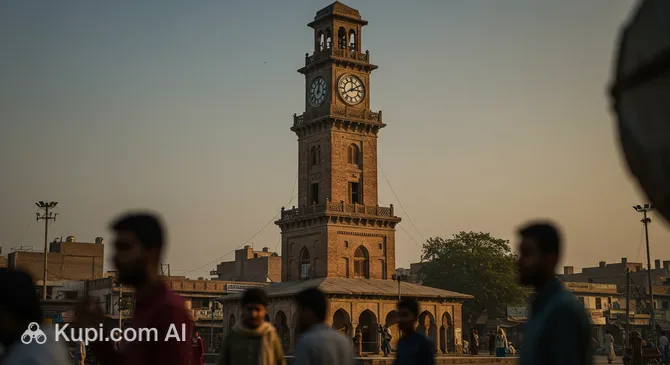
Faisalabad Clock Tower. Illustration.
Source: Kupi.com AI
Traveler photos:
The city's urban layout is a remarkable example of British colonial planning. The eight bazaars that radiate from the central Faisalabad Clock Tower were designed to form the shape of the Union Jack flag when viewed from above, a symbolic architectural decision made by Captain Poham Young during the British Raj.
For decades, the city was known as Lyallpur, named after the Lieutenant Governor of the Punjab, Sir James Lyall. It was renamed in the late 1970s to honor King Faisal of Saudi Arabia, but you can still explore its original heritage at the Lyallpur Museum, which preserves the region's rich history.
Faisalabad is the birthplace of the legendary "King of Qawwali," Nusrat Fateh Ali Khan. His unparalleled contribution to Sufi music brought global recognition to the city, making it a significant site for music history enthusiasts.
While famous for textiles, the city is also a major agricultural hub. It houses one of the oldest and largest agricultural universities in Asia, established in 1906. The campus is a landmark in itself, featuring the distinct UAF Clock Tower and lush green grounds.
How to Get There
Reaching this industrial hub is relatively convenient thanks to its central location in the Punjab province and good transport connections. Whether you are arriving by air or rail, there are several options to suit your itinerary. For a comprehensive guide on all available routes and transport modes, you can read more about how to get to Faisalabad.
The most direct way to arrive is via the city's own Faisalabad Airport (LYP). It is a regional hub located approximately 16.3 km from the city center. A taxi or shuttle from here typically takes around 45 minutes to reach the downtown area. While it handles a moderate amount of traffic, it offers essential connections for domestic and some international travelers.
Alternatively, many international visitors choose to fly into Allama Iqbal International Airport (LHE) in Lahore. This is a major international gateway situated about 120.8 km from Faisalabad. Due to the distance, the journey by road from Lahore to Faisalabad can take approximately 2 to 3 hours via the motorway. This airport handles a very large volume of passengers annually, offering a wider range of flight options.
Another accessible option is Sialkot Airport (SKT), which is located about 167.2 km from the city. It serves as an alternate entry point for travelers visiting the northern and central parts of Punjab.
For clarity, here is a summary of the main airports:
Regarding rail travel, Faisalabad is well-integrated into the national railway network. The city is served by the historic Faisalabad Railway Station, which acts as a key junction connecting it to major destinations such as Karachi, Lahore, and Rawalpindi. Trains are a popular and affordable mode of transport, offering regular services that make accessing the city straightforward from various parts of the country.
Main Attractions
Faisalabad offers a diverse array of points of interest, ranging from historical monuments that whisper tales of the colonial past to modern recreational centers perfect for family outings. While the iconic Clock Tower is the city's center, there are several other fascinating locations worth adding to your itinerary.
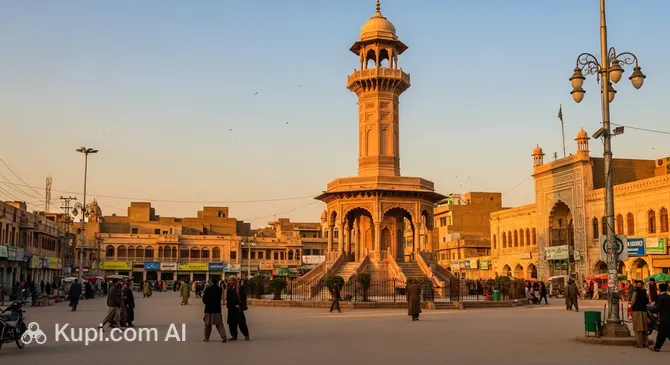
One of the notable historical structures is Gumti Square. Situated at a busy intersection, this monument is a preserved remnant of the colonial era, distinct from the main clock tower but equally significant in local heritage. It features a small, domed structure that serves as a roundabout and a landmark. It is an excellent spot for photography enthusiasts interested in the city's architectural evolution and offers a vantage point to witness the daily hustle of the city.
Gumti Square. Illustration.
Source: Kupi.com AI
Traveler photos:
For those seeking an escape from the urban environment, Gatwala Park is a vast recreational area located on the outskirts of the city. It is more than just a park; it houses a wildlife breeding center and expansive forest areas. Families often visit for picnics near the lakes, and it provides a refreshing green space where tourists can enjoy nature walks, spot various bird species, and relax in a serene atmosphere away from the industrial noise.
Gatwala Park. Illustration.
Source: Kupi.com AI
Traveler photos:
To experience the modern lifestyle of the city, a visit to Lyallpur Galleria is highly recommended. This contemporary shopping mall stands as a symbol of Faisalabad's development, offering a wide range of local and international brands. Beyond retail, it features a diverse food court and entertainment facilities, providing a comfortable, air-conditioned environment where visitors can shop, dine, and unwind.
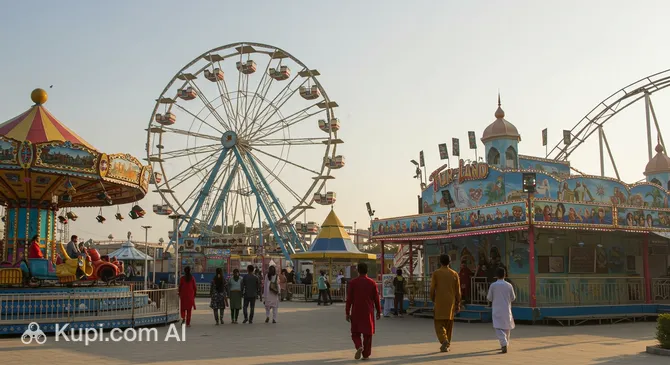
If you are traveling with family, Sindbad Wonderland is a popular amusement park that promises a fun-filled day. It features a variety of rides suitable for different ages, from thrilling swings to gentler attractions for younger children. It is a lively spot where locals and tourists alike gather to enjoy the vibrant atmosphere, carnival-style games, and snacks.
Local Cuisine
Faisalabad is a true haven for food enthusiasts, offering a culinary landscape deeply rooted in Punjabi traditions. The city is celebrated for its rich, spicy flavors and generous hospitality, but it is perhaps most famous for its unique street food culture. The "Faisalabadi Samosa" is legendary here; unlike the standard version, it is typically served submerged in a savory chickpea curry and topped with fresh salads and tangy chutneys, creating a distinct taste experience that defines the local palate.
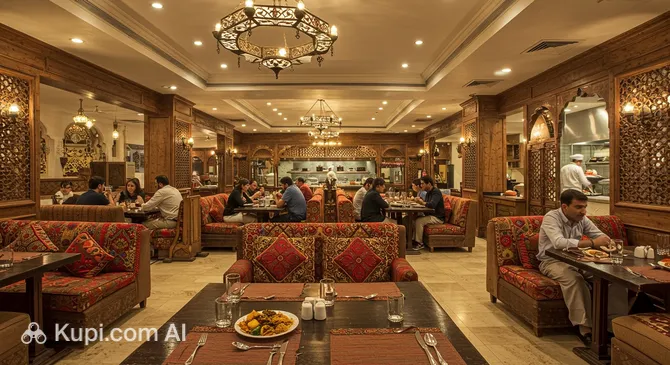
For those seeking an authentic sit-down meal, Silver Spoon Restaurant is a staple of the city's dining scene. Known for its high-quality traditional Pakistani cuisine, this establishment serves everything from aromatic biryanis to succulent barbecue dishes. It is a favorite among locals for family gatherings, offering a reliable place to taste the classic flavors of the region in a comfortable setting.
Silver Spoon Restaurant. Illustration.
Source: Kupi.com AI
Traveler photos:
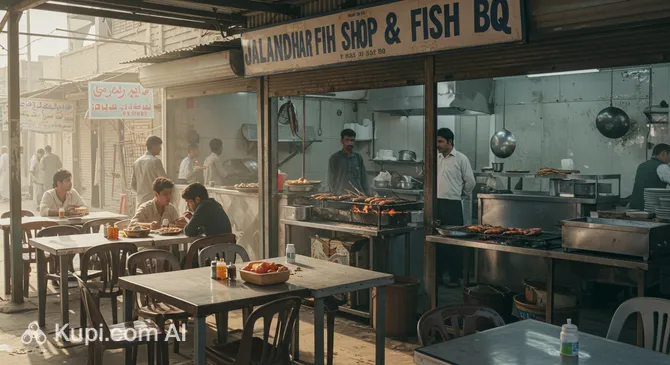
During the cooler months, the demand for seafood rises, and Jalandhar Fish Shop & Fish BBQ becomes a culinary hotspot. Famous for its fried fish marinated in a secret blend of spices, this eatery delivers a perfect crunch and burst of flavor that draws crowds from all over the city. It is an excellent spot to experience how simple ingredients are transformed into a delicacy through decades of expertise.
Jalandhar Fish Shop & Fish BBQ. Illustration.
Source: Kupi.com AI
Traveler photos:
Travelers looking for modern dining options or international fast food will find plenty of choices as well. Ranchers offers a cowboy-themed atmosphere with a menu focused on hearty burgers and western-style comfort food. Alternatively, for a variety of options under one roof, the food court at Lyallpur Galleria provides a mix of global chains and local favorites, making it a convenient stop for a meal during a shopping excursion.
Ranchers. Illustration.
Source: Kupi.com AI
Traveler photos:
Travel Tips
To help you navigate the bustling streets of Faisalabad with ease, we have compiled a set of essential guidelines. These practical tips are designed to ensure your visit is comfortable, culturally respectful, and full of memorable experiences.
Clothing and Gear: Due to the conservative nature of the region, it is best to dress modestly. For both men and women, loose-fitting clothing that covers the shoulders and knees is recommended. Cotton and linen fabrics are ideal for the hot summer months, while a light jacket is necessary for the cool winter evenings. If you plan to visit religious sites, women should carry a scarf to cover their heads.
Transportation: The most convenient way to get around the city is by using ride-hailing apps like Uber, Careem, or InDrive. They offer fixed prices and save you the hassle of negotiating. Auto-rickshaws are ubiquitous and great for short distances, but be prepared to bargain fare prices in advance. Public buses exist but can be crowded and confusing for first-time visitors.
Finances: The local currency is the Pakistani Rupee (PKR). While high-end hotels and modern shopping malls like Lyallpur Galleria accept credit cards, cash is king in the local bazaars and smaller eateries. ATMs are widely available, but it is wise to carry small denominations for tips and street purchases.
Health and Safety: Always drink bottled or boiled water to avoid stomach issues; tap water is generally not safe for consumption. Pharmacies are common throughout the city, but carrying your own basic medical kit is a good idea. In terms of safety, Faisalabad is generally welcoming, but keep an eye on your belongings in crowded markets like the Clock Tower bazaars.
Communication: Urdu is the national language, and Punjabi is widely spoken locally. However, English is understood in most hotels, banks, and business districts. Buying a local SIM card (Jazz, Zong, or Telenor) upon arrival is highly recommended for accessing maps and translation apps, which can be lifesavers.
Local Etiquette: Pakistanis are known for their hospitality. When greeting someone of the same gender, a handshake is common, but a nod with a hand over the heart is a respectful way to greet the opposite gender. Always use your right hand for eating or giving and receiving money, as the left hand is considered unclean.
What to Avoid: Avoid Public Displays of Affection (PDA), as this is culturally frowned upon. Additionally, do not take photographs of people—especially women—without asking for their explicit permission first. It is also advisable to avoid discussing sensitive political or religious topics with casual acquaintances.
Shopping Insight: Unlike in some Western countries, the day starts late here. Most shops in the main bazaars do not open fully until around 11:00 AM or 12:00 PM, but they remain open late into the night. Plan your shopping sprees for the afternoon or evening to see the markets at their liveliest.
By keeping these simple tips in mind, you will be well-prepared to immerse yourself in the local culture and enjoy everything this dynamic city has to offer. Faisalabad’s charm lies in its people and its energy, so embrace the experience with an open mind and a friendly smile.
Entertainment & Nightlife
Nightlife in Faisalabad is a vibrant, family-oriented affair that contrasts sharply with the western concept of clubbing. Instead of dance clubs and bars serving alcohol, the city comes alive after sunset through its bustling food streets, late-night shopping bazaars, and lively recreational parks. The atmosphere is energetic and communal, with locals gathering to enjoy tea, grilled delicacies, and conversation well past midnight.
One of the most popular districts for evening activities is the D Ground area in People’s Colony. This neighborhood transforms into a hub of activity at night, lined with fashion boutiques, cafes, and snack stalls. At the center of this district lies D Ground Park, a favorite spot for locals to take evening strolls or enjoy ice cream with friends. The area is well-lit and crowded, making it a safe and exciting place to experience the city's modern social scene.
D Ground Park. Illustration.
Source: Kupi.com AI
Traveler photos:
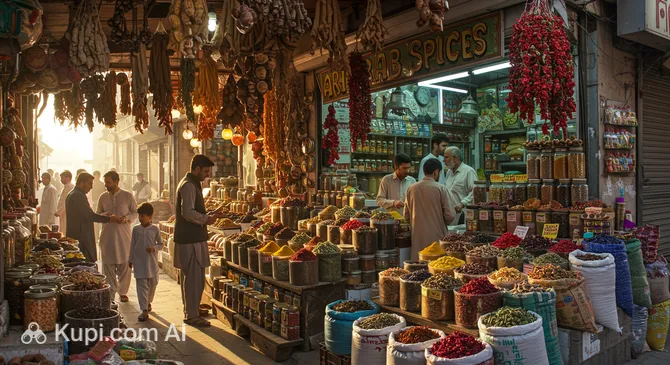
For a taste of the local evening dining culture, you can visit Arab Spices. While the term "bar" is often used loosely for juice or snack bars in the region, venues like this offer a relaxed environment where you can enjoy diverse flavors and refreshing beverages. It is a great place to unwind after a day of sightseeing, offering a comfortable setting that reflects the city's evolving culinary landscape.
Arab Spices. Illustration.
Source: Kupi.com AI
Traveler photos:
Another bustling area is Kohinoor City near Jaranwala Road. This district caters to a younger, more trendy crowd and features upscale cafes and shopping centers. If you are looking for active entertainment, Fun Land Faisalabad is a popular amusement park that remains active into the evening. It offers a variety of rides and games, providing a fun atmosphere for groups and families looking to enjoy the cooler night air.
Fun Land Faisalabad. Illustration.
Source: Kupi.com AI
Traveler photos:
When venturing out at night, it is best to dress in smart casual, modest attire to blend in with the local crowd. The peak time for nightlife is between 8:00 PM and 12:00 AM. For transportation, ride-hailing services like Uber or Careem are the safest and most convenient options, as they provide tracked journeys and fixed prices. While the main commercial areas like D Ground and Kohinoor City are safe for walking, it is advisable to avoid dimly lit streets and stay within the busy zones.
While the nights are lively, the daytime in Faisalabad offers its own set of attractions. Visitors can explore the city's rich history at local museums or spend a relaxing afternoon at Canal View Park Zoo, which is a delightful spot for nature lovers. Whether day or night, the city offers a warm welcome to those who explore its streets.
Parks & Museums
Beyond its industrial hustle and bustling bazaars, Faisalabad surprises visitors with a collection of serene green spaces and cultural institutions that offer a glimpse into the city's softer side. Whether you are looking to escape the urban heat in a shady garden or dive deep into the region's rich history, the city provides several spots where heritage and nature blend seamlessly.
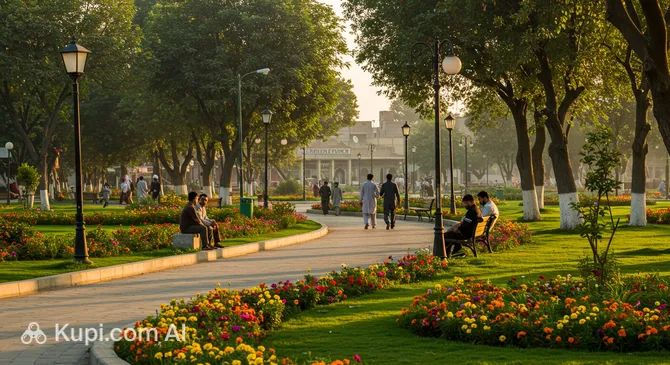
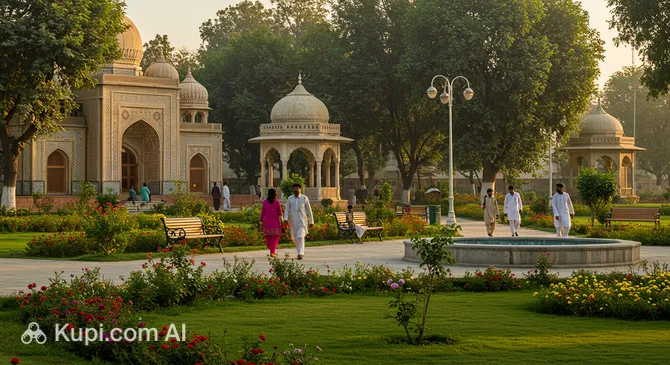
The most prominent green space in the city is Jinnah Garden, often considered the central park of Faisalabad. Historically known as "Company Bagh," this expansive garden houses a monument dedicated to Sir James Lyall, the city's founder, honoring his contribution to the planned development of the region. It features well-maintained walking tracks, lush lawns, and vibrant flower beds that bloom spectacularly in the spring. It serves as a communal hub where locals gather for morning jogs and evening strolls, offering a peaceful retreat right in the heart of the metropolis.
Jinnah Garden. Illustration.
Source: Kupi.com AI
Traveler photos:
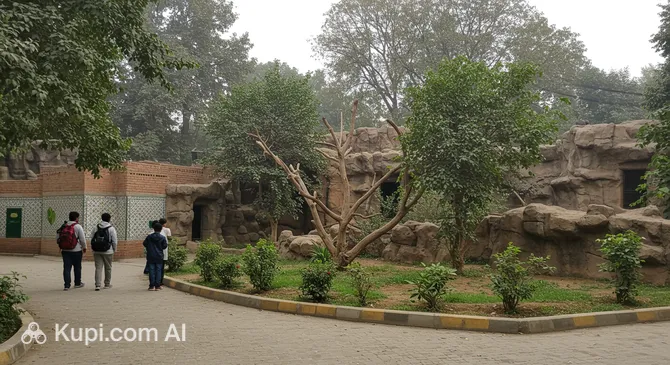
For a more dynamic outdoor experience, Canal View Park Zoo offers a unique combination of recreation and nature. Located along the banks of the canal on Samundri Road, this park is a favorite for families. Visitors can enjoy boating on the water or explore the mini zoo, which houses a variety of birds and animals. The park's layout, with its riverside benches and play areas, makes it an excellent spot for a picnic while watching the water flow by.
Canal View Park Zoo. Illustration.
Source: Kupi.com AI
Traveler photos:
Another notable recreational area is Kashmir Park, situated on the main boulevard. Spanning over nine acres, it is designed to cater to all ages, featuring dedicated jogging tracks, open gyms, and playgrounds for children. Its central location and clean environment make it a convenient stop for tourists looking to stretch their legs or enjoy a quiet moment amidst their city exploration.
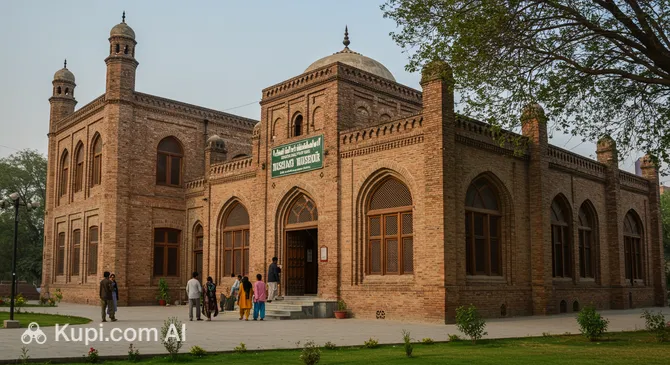
When it comes to cultural heritage, the Lyallpur Museum is the city's premier institution. Located on University Road, this museum is a treasure trove of history, housing ten distinct galleries that trace the region's timeline from the ancient Sandal Bar era to the modern day. Highlights include the Regional Archaeological Gallery and the Chenab Colony Gallery, which showcase artifacts, photographs, and maps detailing the planned development of the city during the British Raj. It is an essential stop for anyone wanting to understand the transformation of a small colonial settlement into a textile giant.
Lyallpur Museum. Illustration.
Source: Kupi.com AI
Traveler photos:
Architectural enthusiasts should also visit the UAF Clock Tower, located within the University of Agriculture. Distinct from the main city clock tower, this red-brick structure is a splendid example of colonial-era academic architecture. Surrounded by the university's vast and manicured grounds, it offers a scholarly and picturesque atmosphere that contrasts with the commercial chaos of the city center.
For an authentic local experience, try visiting the parks in the late afternoon or early evening. This is when the heat subsides, and the gardens come alive with families and friends enjoying tea and snacks, offering a perfect opportunity to observe the friendly social culture of Faisalabad.
Getting Around
The public transport system in Faisalabad is predominantly road-based and informal, differing significantly from the structured metro networks found in some other major cities. For tourists, navigating the city is an adventure in itself, relying heavily on a vast network of auto-rickshaws, minibuses, and an increasing number of modern ride-hailing services. Currently, the city does not have a metro train or tram system, so getting around involves immersing yourself in the local flow of traffic on the streets.
The most ubiquitous form of transport is the auto-rickshaw. These three-wheeled vehicles are the lifeline of the city, capable of weaving through the narrow bustling streets of the bazaars around the Clock Tower as well as cruising on main avenues. You will also see "Qingqi" rickshaws, which are larger motorcycle-driven hybrids that operate on fixed routes like shared taxis. For longer distances across the city, privately operated minibuses and wagons serve as the main mass transit option. While these are very affordable, they can be crowded and may be challenging for first-time visitors to navigate due to a lack of fixed schedules and designated stops.
When it comes to payment, cash is king throughout the public transport network. There are no electronic travel cards, passes, or ticketing machines for rickshaws or local wagons. Fares are generally very low, but for auto-rickshaws that do not use meters, the price is open to negotiation. It is essential to agree on a fare with the driver before you step inside the vehicle. For shared transport like wagons, the conductor collects the fare during the journey, and the rates are fixed and non-negotiable.
For a more comfortable and predictable experience, ride-hailing apps are the best alternative for tourists. Services like Uber, Careem, and inDrive are widely available and extremely popular in Faisalabad. These apps bridge the gap between the chaotic local transport and modern convenience, offering air-conditioned cars, tracked journeys, and fixed upfront pricing. Using these apps eliminates the language barrier and the need to haggle, making them the most stress-free way to explore the city.
Traditional taxis are less common for street-hailing compared to rickshaws, but you may find them near major transport hubs like the railway station or the airport. Car rentals are also available, though they typically come with a driver included, which is highly recommended given the local driving style. If you are feeling adventurous and want a taste of history, you might still spot a traditional tanga (horse-drawn carriage) in the older parts of the city, though these are now mostly a novelty rather than a primary mode of transport.
Practical advice for using the transport system includes carrying plenty of small denomination bills, as drivers often do not have change for large notes. Transport generally operates from early morning until late at night, but availability drops significantly after 10:00 PM. If you choose to travel by rickshaw, be prepared for a breezy and noisy ride; it is the most authentic way to feel the pulse of the city, but keep your belongings secure and hold on tight.
Accommodation
Where to Stay:
As a major industrial and commercial hub, Faisalabad offers a range of accommodation options that primarily cater to business travelers and visiting families. The city’s hospitality sector has expanded significantly, providing a mix of modern luxury hotels, comfortable mid-range guesthouses, and budget-friendly lodges. While it may not have the extensive resort culture of some tourist-heavy cities, visitors will find clean and well-equipped facilities suitable for both short and long stays.
For those seeking convenience and access to modern amenities, the D Ground and Civil Lines areas are the most popular choices. Staying in these neighborhoods places you close to upscale shopping centers, diverse dining options, and parks, all while offering a relatively quieter environment than the congested city center. The Canal Road area is another prime location, often hosting the city's higher-end hotels and offering easy access to the main arterial routes, making it ideal for travelers with their own transport.
Travelers on a tighter budget or those who wish to be in the thick of the action might prefer the accommodations near the Clock Tower and the surrounding bazaars. Hotels here are generally more affordable and offer an authentic experience of the city's hustle, though guests should be prepared for higher noise levels and heavy traffic. This area is perfect for backpackers or those who prioritize proximity to historical sites and local markets over luxury.
Booking Tip: Since Faisalabad frequently hosts textile exhibitions and business conferences, the best hotels can fill up quickly during these events. It is highly recommended to check the local event calendar and book your room at least a few weeks in advance if your visit coincides with a major trade show or the busy wedding season.
In terms of pricing, accommodation in Faisalabad is generally more affordable compared to Pakistan's larger metropolises like Lahore or Karachi. Luxury and high-end business hotels are priced reasonably by international standards, while mid-range options offer excellent value for money. Most major hotels are listed on international booking platforms, but for smaller guesthouses, it is often effective to contact them directly or book upon arrival.
Nearby Cities
For those looking to explore the surroundings, Faisalabad serves as an excellent base for day trips to several interesting nearby locations. The region of Punjab is dotted with cities that boast rich histories, unique crafts, and agricultural significance, all within a few hours' drive.
One of the most popular short excursions is to Chiniot, located just a short distance away on the banks of the Chenab River. This ancient city is world-renowned for its exquisite wooden furniture and intricate craftsmanship. Visitors often flock to see the breathtaking Omar Hayat Mahal, a wooden palace that stands as a testament to the city's architectural heritage. It is a perfect destination for art lovers and those looking to buy high-quality traditional furniture.
Another fascinating destination is Sheikhupura, a city steeped in Mughal history. It is home to the famous Hiran Minar, a unique monument and water tank built by Emperor Jahangir in memory of his pet antelope. The city also features the Sheikhupura Fort, offering history enthusiasts a chance to explore the grandeur of the Mughal era amidst a quieter setting than Lahore.
For those interested in agriculture and local produce, Sargodha is known as the "City of Eagles" due to its air base, but it is equally famous for being the citrus capital of Pakistan. A trip here during the winter harvest season offers the chance to see endless orchards of "Kinnow" (a variety of mandarin orange) and experience the rural charm of the province.
These nearby destinations offer a glimpse into the diverse culture and landscapes of the region, making for enriching additions to any travel itinerary.
Shopping & Souvenirs
Shopping in Faisalabad is an experience deeply woven into the city's identity as the "Manchester of Pakistan." As the country's textile capital, the city offers an unparalleled variety of fabrics, clothing, and home textiles at prices that are often significantly lower than in other major cities. While it may not have the glitz of a massive international metropolis, it compensates with the authenticity of its bustling markets and the sheer quality of its locally produced goods.
For a mix of high-street fashion and local brands, the D Ground area in People's Colony is one of the main shopping districts. This vibrant neighborhood is lined with boutiques, shoe stores, and sweet shops, making it a favorite destination for families. It offers a more relaxed, pedestrian-friendly environment compared to the congested old city, allowing visitors to browse through modern retail outlets and traditional shops side by side.
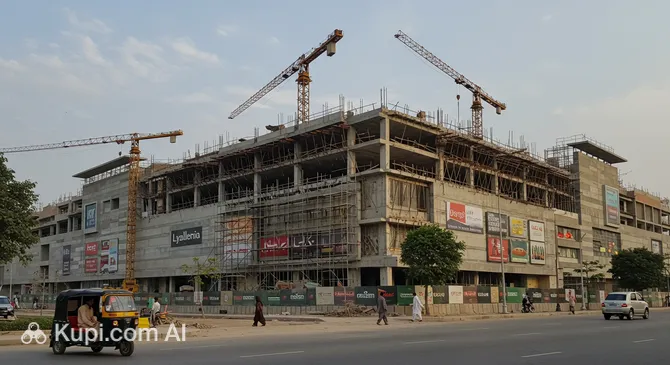
Travelers looking for a contemporary shopping experience should head to Lyallpur Galleria on Canal Road. This is the city's premier shopping mall, housing a wide array of top Pakistani fashion brands, international chains, and a well-stocked supermarket. Another notable destination for household goods and groceries is the Al-Fatah Departmental Store, which offers a modern retail environment where you can find everything from cosmetics to imported food items under one roof.
Lyallpur Galleria. Illustration.
Source: Kupi.com AI
Traveler photos:
The most iconic shopping experience, however, lies in the eight bazaars radiating from the historic Faisalabad Clock Tower. Each of these bazaars specializes in different goods, creating a massive open-air market that has served the city for over a century. For instance, Rail Bazaar is famous for gold and jewelry, while Karkhana Bazaar is the go-to place for wholesale goods and herbal medicines. Navigating these crowded, energetic alleys offers a true taste of local commerce.
When it comes to souvenirs, textiles are the undisputed choice. Visitors should look for high-quality unstitched cotton and "lawn" suits, which are famous across the region for their intricate designs and breathability. Bed linen and home textiles are also excellent buys here, often available at factory prices. Additionally, traditional leather "khussa" shoes and embroidered handicrafts make for lightweight and memorable gifts.
Store hours in Faisalabad typically start later in the day, with most shops opening around 11:00 AM or 12:00 PM and remaining open until 10:00 PM or 11:00 PM. On Fridays, many businesses may close for a break during the afternoon prayers (Jummah) between 1:00 PM and 3:00 PM. In terms of payment, cash is the primary method of transaction in the bazaars and smaller shops. Credit and debit cards are generally accepted only in shopping malls, large department stores, and high-end boutiques.
Regarding tax refunds, Pakistan generally does not offer a standardized VAT refund system for tourists at city stores. Visitors should not expect tax-free shopping services in Faisalabad, and the prices displayed or negotiated are typically the final amount payable.