Support

Pathankot

About

Pathankot is a vibrant and strategically important city located in the state of Punjab. Often referred to as the gateway to the northern hills, it serves as a major travel hub for tourists heading to the picturesque valleys of Himachal Pradesh and Jammu & Kashmir. Situated in India, this bustling city offers a unique blend of culture, commerce, and natural beauty, making it a welcoming stop for travelers.

Geographically, the city is nestled at the foothills of the Shivalik range, where the vast plains begin to rise into the mountains. With a population of approximately 155,000 residents, it maintains a lively yet manageable atmosphere. The climate here is sub-tropical, characterized by hot summers and pleasant winters, which is when most visitors prefer to explore the region. Those interested in the local heritage will find the history of Pathankot fascinating, as it has long been a meeting point for diverse cultures and trade routes.
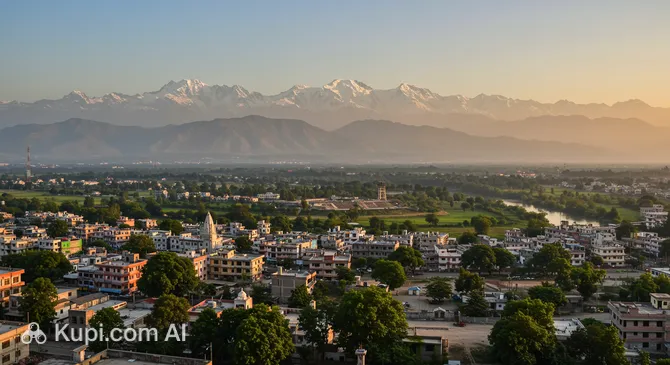
Pathankot. Source: Kupi.Binoculars

While many travelers pass through on their way to hill stations like Dalhousie or Dharamshala, Pathankot has its own set of attractions worth visiting. The magnificent Ranjit Sagar Dam, built on the Ravi River, is a favorite spot for picnics and offers breathtaking views of the reservoir. For spiritual seekers and history buffs, the ancient Mukteshwar Mahadev Temple is a must-visit; these cave temples are perched atop a hill and provide a serene environment for reflection.

Whether you are looking for a short break during your journey or want to experience the authentic hospitality of Punjab, Pathankot is a delightful destination. Its lush green surroundings, river views, and friendly locals make it a memorable place to start your Himalayan adventure.

Weather Overview

Pathankot experiences a distinct sub-tropical climate characterized by significant seasonal variations in temperature and rainfall. The weather pattern typically shifts from cool winters to hot summers, followed by a period of frequent precipitation. Understanding these changes is helpful for planning outdoor activities and sightseeing in the region.

The summer months of May and June are the warmest, with average temperatures hovering around 27°C to 29°C and daily highs peaking at approximately 35.3°C. Following the heat, July and August bring a shift in conditions with a high frequency of rainy days; July alone can see up to 27 wet days. In contrast, the winter season from December to February is much cooler, with average temperatures dropping to between 10.9°C and 13.7°C, and nightly lows reaching around 5.6°C in January.

For travelers seeking the most comfortable conditions, the months of October and March offer a pleasant balance with moderate temperatures and very few wet days. To help you pack appropriately for your specific travel dates, you can consult the detailed guide on the weather in Pathankot.

Interesting Facts

Beyond its reputation as a transit hub, Pathankot holds fascinating secrets that surprise many visitors exploring this part of India. From ancient legends to unique industrial heritage, the city offers a deeper layer of history for those willing to look closer.

  • Ancient Cave Dwellings: The Mukteshwar Mahadev Temple is not just a spiritual site; it is steeped in mythology. Legend has it that the Pandavas from the epic Mahabharata carved these caves out of solid rock to use as a shelter during their final year of exile.

  • A Historic Weaving Center: While many know the region for its natural beauty, Pathankot was historically renowned for its textile industry. It was particularly famous for the production of 'Lois'—soft, woven woolen sheets that were traded extensively across the northern territories.

  • Asia's Pioneering Research: Just a few kilometers from the city lies the Hydraulic Research Station at Malikpur. Established in the early 20th century, it is one of the oldest research facilities of its kind in Asia and played a crucial role in designing major irrigation works and dams in the region.

  • The Timber Capital: Before modern highways transformed trade, Pathankot served as a massive timber market. Logs from the forests of the high Himalayas were floated down the Ravi and Chakki rivers to be collected here, making it a bustling center for wood commerce.

How to Get There

Pathankot acts as a crucial gateway to the northern Himalayas, strategically positioned for travelers heading into the mountains. Whether you are planning a pilgrimage or a hill station vacation, there are several convenient ways to arrive. You can explore all ways to reach the city in our comprehensive transport guide. While the city itself is a major hub for rail and road transport, air travel generally involves landing at neighboring airports and completing the short journey by taxi or bus.

The closest facility for air travelers is Gaggal Airport (DHM) in Dharamshala, located approximately 59 km away. It is a convenient option for domestic flights, with a drive time of under 2 hours to Pathankot. For those seeking better international connectivity or more frequent domestic flights, Sri Guru Ram Dass Jee International Airport (ATQ) in Amritsar is the primary choice. Situated about 102 km away, it takes roughly 3 hours to reach the city by road. Another viable alternative is Satwari Airport (IXJ) in Jammu, which is around 89 km away and offers a transfer time of about 2.5 hours.

Below is a summary of the most practical airports for reaching the city:

Airport Name City Passenger Traffic Km from City
Sri Guru Ram Dass Jee International Airport Amritsar High 102.2
Satwari Airport Jammu Medium 89.4
Gaggal Airport Dharamshala Low 58.8

For those preferring rail travel, Pathankot is exceptionally well-connected to the rest of India. It boasts two key railway stations: Pathankot Junction and Pathankot Cantonment. These stations serve as major stops for numerous express and mail trains originating from cities like Delhi, Mumbai, and Amritsar. Unlike the air travel options which require a transfer, the railway network brings you directly into the heart of the city, making it a favorite mode of transport for many visitors.

Main Attractions

Pathankot is a treasure trove for travelers who appreciate a mix of historical grandeur, spiritual serenity, and natural beauty. The city’s location at the confluence of three northern states makes it a melting pot of cultures, reflected in its diverse points of interest. From ancient forts that whisper tales of bygone eras to modern engineering marvels set against the backdrop of the Himalayas, there is much to explore here.

Mukteshwar Mahadev Temple is perhaps the most iconic spiritual site in the region. Perched atop a hill overlooking the Ravi River, this cave temple is dedicated to Lord Shiva and is surrounded by stunning panoramic views. It is particularly interesting to tourists because of its association with the Mahabharata; legend holds that the Pandavas resided in these caves during their exile. The combination of ancient rock-cut architecture and the peaceful sound of the flowing river makes it a perfect spot for meditation and photography.

For nature lovers and those seeking a relaxing day out, the Ranjit Sagar Dam (also known as the Thein Dam) is a must-visit destination. As one of the highest earth-fill dams in India, it creates a massive reservoir that serves as a beautiful lake. Visitors flock here for picnics, enjoying the lush green surroundings and the cool breeze coming off the water. The drive to the dam is equally enchanting, winding through scenic landscapes that offer a refreshing break from the city bustle.

History enthusiasts will find the Shahpurkandi Fort to be a fascinating stop. Located about 20 kilometers from the city center, this 16th-century fortress was built by a Rajput chief and stands as a testament to the region's strategic military importance. Although parts of it are in ruins, the fort offers a commanding view of the river and the surrounding valley. It provides a unique glimpse into the architectural style of the period and is a great place to imagine the historical battles that once took place in this border region.

Another significant historical attraction nearby is the Nurpur Fort. While technically a short drive from Pathankot, it is an integral part of the local tourism circuit. The fort is famous for its massive walls and deep carvings, but its most unique feature is the Brij Raj Swami Temple located inside. This temple is one of the few places where Lord Krishna is worshipped alongside Meera Bai, making it a site of immense cultural and religious curiosity.

Local Cuisine

The local cuisine in Pathankot is a delightful reflection of authentic Punjabi culture, offering rich, robust flavors that are sure to satisfy any traveler. As a major transit hub, the city is famous for its roadside eateries, locally known as dhabas, which serve hearty meals meant to energize visitors for their journey into the hills. The food here is characterized by the liberal use of desi ghee (clarified butter), aromatic spices, and fresh clay-oven baking, creating a gastronomic experience that is both comforting and indulgent.

When exploring the city's food scene, you must try the classic North Indian staples that define the region. Dal Makhani, a creamy dish made of black lentils simmered overnight, is a local favorite often paired with crisp, buttered Naan or Tandoori Roti. Another signature dish is Chole Bhature, featuring spicy chickpeas served with fluffy, deep-fried bread, which makes for a popular breakfast or lunch option. For meat lovers, the Tandoori Chicken and Mutton Curry offered at local restaurants are renowned for their succulent texture and smoky flavor profiles.

No meal in this part of India is complete without the traditional beverages that accompany the rich food. The most iconic drink is Lassi, a thick, yogurt-based refreshment that can be enjoyed sweet or salted. In Pathankot, it is often served in large steel tumblers, topped with a generous dollop of fresh cream or malai. For those preferring something warm, particularly during the cooler winter months, a steaming cup of Masala Chai (spiced tea) is the perfect way to end a meal or start the day.

The dining culture in Pathankot is less about fine dining and more about warmth and hospitality. While there are standard restaurants available, the true essence of the city's food is found in the bustling markets and open-air dhabas along the highways. Here, tourists rub shoulders with locals, enjoying freshly prepared food served quickly and with a smile. Don't forget to visit the local sweet shops to try Pinni, a traditional sweet made from wheat flour, jaggery, and almonds, which is a regional specialty often bought as a souvenir.

Travel Tips

To make the most of your visit to this bustling gateway of Punjab, a little preparation goes a long way. Whether you are stopping over before heading to the hills or exploring the local heritage, these practical tips will help ensure a smooth and enjoyable experience in Pathankot.

  1. Clothing and Gear: The wardrobe you pack depends entirely on when you visit. For the scorching summers (May to June), bring loose, breathable cotton clothing and a hat to protect against the sun. If you are traveling during winter (December to February), heavy woolens and jackets are essential as nights can get quite cold. Since you will likely visit religious sites like the Mukteshwar Mahadev Temple, ensure you have clothes that cover your shoulders and knees to respect local customs.

  2. Transportation: The city does not have a metro system, so the most convenient way to get around is by auto-rickshaw or cycle-rickshaw. They are readily available at the railway stations and markets. Ride-hailing apps like Ola or Uber may have limited presence compared to bigger metros, so it is often better to hire a local taxi for day trips to the dam or nearby forts. Always agree on the fare before starting your journey if the vehicle lacks a meter.

  3. Finances: The local currency is the Indian Rupee (INR). While hotels and larger restaurants accept credit cards, cash is king in Pathankot, especially at local dhabas (roadside eateries) and small shops. ATMs are widely available throughout the city, but it is wise to carry small denominations for transport and tips. A daily budget of around 2,000 to 3,000 INR is usually sufficient for a comfortable mid-range experience.

  4. Health and Safety: Pathankot is generally safe for tourists, but standard precautions apply. Stick to bottled or filtered water to avoid stomach issues. Pharmacies are easily found near the main markets and the Civil Hospital area. As the city is a transit hub, keep an eye on your belongings in crowded places like the railway station or bus stand.

  5. Communication: The primary languages spoken are Punjabi and Hindi. While English is understood at hotels and by transport operators catering to tourists, it is less common in local markets. Learning a few basic phrases like "Sat Sri Akal" (a respectful greeting) or "Kitne ka hai?" (How much is this?) can be very helpful and appreciated by the locals.

  6. Local Etiquette: Hospitality is a core part of Punjabi culture. When greeting people, a slight bow with folded hands (Namaste) or a warm smile works well. Always remove your shoes before entering temples or private homes. If you are invited to share a meal, it is polite to accept, as refusing food can sometimes be seen as disrespectful.

  7. What to Avoid: Pathankot has a significant military presence due to its strategic location. Strictly avoid taking photographs of military cantonments, checkpoints, or personnel, as this is prohibited and can lead to questioning by authorities. Also, avoid public displays of affection, which are generally frowned upon in more conservative areas of India.

  8. Local Insight: Do not limit yourself to hotel food. The true flavor of the region lies in its highway dhabas. These establishments are open late into the night and offer some of the freshest, most authentic Punjabi dishes you will ever taste. It is a safe and highly recommended dining experience for travelers.

By keeping these simple tips in mind, you can navigate the city with confidence and ease. Pathankot is a friendly destination where a respectful attitude and a sense of adventure will open many doors, allowing you to enjoy the warm hospitality and rich culture of the region.

Entertainment & Nightlife

While Pathankot is not characterized by the high-energy nightclubs or pulsing discotheques found in metropolitan hubs like Delhi or Mumbai, it offers a relaxed and enjoyable evening scene centered around dining, socializing, and entertainment. The nightlife here is distinctively Punjabi—warm, hospitable, and largely focused on good food and family-friendly gatherings. For tourists, the evening hours are best spent exploring the city's culinary landscape or enjoying a quiet drink in the comfortable settings of upscale hotels.

The heart of the city's evening activity beats strongest along Dalhousie Road and Dhangu Road. These commercial arteries are bustling with activity well into the evening, lined with restaurants, modern shopping complexes, and eateries. The atmosphere is generally casual and laid-back. You won't find a strict dress code in most places, though smart-casual attire is recommended if you plan to visit the bars located within 4-star hotels. Most venues begin to wind down around 11:00 PM, so it is advisable to start your evening early.

For those looking to enjoy a drink or a sophisticated meal, the city's hotels offer the best options. Best Western La Vista is a popular choice for travelers seeking a refined atmosphere; its in-house bar and restaurant provide a comfortable setting to unwind after a day of travel. Another notable venue is Hotel Venice, which is well-regarded for its hospitality and dining facilities, making it a great spot for a relaxed evening with friends or family. These venues typically attract a mix of tourists, business travelers, and local families.

If you prefer entertainment over dining, the Novelty Mall on Dalhousie Road is the premier destination. It houses a multiplex cinema (PVR), offering a chance to catch the latest Bollywood or Hollywood releases. The mall also features a food court and gaming zones, making it a lively spot for evening entertainment that transitions seamlessly from daytime shopping. Speaking of daytime activities, while the sun is up, visitors often explore the city's parks or museums, but as dusk falls, the crowds shift towards these modern entertainment hubs.

A quintessential part of the local nightlife experience is visiting the highway dhabas (roadside eateries). Located on the outskirts and along the main highways connecting to Jammu and Himachal Pradesh, these establishments often stay open late. They offer a rustic yet vibrant atmosphere where you can enjoy hot parathas and tea under the open sky. It is a unique experience that captures the true spirit of the region.

Regarding safety and logistics, Pathankot is a heavily guarded city due to its military significance, making it generally very safe for night walks in main commercial areas. However, it is important to avoid wandering near military cantonments or restricted zones at night. Public transport like auto-rickshaws becomes scarce after 9:00 PM. Therefore, it is highly recommended to arrange a taxi through your hotel or have a personal vehicle if you plan to stay out late. Average prices for dining and drinks are quite reasonable compared to larger cities, offering great value for money.

Parks & Museums

While Pathankot is primarily known as a bustling transit hub, the city and its surroundings harbor serene green spaces and historical landmarks that offer a glimpse into the region's rich cultural tapestry. Visitors willing to pause their journey can discover scenic spots perfect for relaxation and sites that preserve the area's engineering and architectural heritage.

One of the most significant natural areas is the precinct of the Ranjit Sagar Dam. Beyond its utility as a hydroelectric project, the area functions as a massive recreational space. The lush greenery surrounding the reservoir, coupled with the expansive blue waters of the lake, creates a picturesque setting ideal for day picnics. It is a favorite spot for locals and tourists alike to enjoy the fresh air, birdwatching, and the tranquil atmosphere of the foothills.

Another popular green retreat is the Madhopur Headworks on the Ravi River. Located a short distance from the city center, this site is much more than an irrigation facility; it serves as a scenic park-like destination. The area is dotted with trees and offers stunning views of the rushing river against the backdrop of the mountains. It is a traditional stopover for travelers heading to Jammu or Kashmir, offering a refreshing break amidst nature.

In terms of museums and cultural history, the Hydraulic Research Station at Malikpur stands out as a unique institution. Established in the pre-independence era, it is one of the premier research facilities in Asia. While not a conventional museum, it features large-scale outdoor models of various dams and irrigation systems. These intricate models provide a fascinating insight into the engineering history of India and the development of the region's river systems.

For a dive into the architectural culture of the past, the Shahpurkandi Fort serves as an open-air museum of history. Though parts of it are in ruins, the structure reflects the strategic military architecture of the 16th century. Walking through its remnants allows visitors to visualize the grandeur of the Rajput era, making it an essential stop for history enthusiasts wanting to understand the cultural defense lines of ancient Punjab.

For an authentic local experience, head to the banks of the river near Madhopur around sunset. It is a lesser-known activity where you can watch the waters turn golden and enjoy freshly fried fish from the small local stalls, a simple yet delightful culinary tradition of the area.

Getting Around

The public transport system in Pathankot is straightforward and informal, differing significantly from the complex networks found in larger metropolitan areas. There is no metro, tram, or extensive city bus network within the city limits. Instead, local transportation relies heavily on intermediate public transport modes, primarily auto-rickshaws and cycle-rickshaws, which provide last-mile connectivity and navigate the city's bustling streets with ease.

Auto-rickshaws, often referred to as tuk-tuks, are the backbone of daily commuting. They are readily available at major transit points like the railway stations (Pathankot Junction and Pathankot Cantonment) and the bus stand. For shorter distances within crowded markets or narrow lanes, cycle-rickshaws are a popular and eco-friendly alternative. They offer a slower, more leisurely pace, allowing you to soak in the local atmosphere while moving between shops or hotels.

Regarding payment, the system operates almost exclusively on cash. There are no travel passes, smart cards, or digital ticketing systems for local transport. Visitors should carry sufficient small denominations of the local currency. Fares for auto-rickshaws are rarely metered; instead, they are based on a fixed rate for shared routes or negotiated beforehand for private hires. It is highly advisable to ask a local or your hotel reception for the approximate fare to your destination before hailing a ride to ensure you pay a fair price.

For those preferring more comfort, taxis are available, usually found at designated stands near the railway stations or arranged through hotels. While ride-hailing mobile apps do exist in the region, their availability can be sporadic compared to bigger cities. Therefore, relying on pre-booked taxis or hotel transfers is often a safer bet, especially if you have early morning or late-night travel plans. Car rentals are generally available with a driver, which is a convenient option for day trips to nearby dams or forts.

A unique feature of the city's transport heritage is the Kangra Valley Railway. While technically a train service, this narrow-gauge "Toy Train" starts from Pathankot and is a charming, albeit slow, mode of transport used by both locals and tourists heading towards the hills. It is not a city metro, but riding it for a few stations offers a nostalgic journey and scenic views that are distinct to this region.

Travelers should note that public transport availability decreases significantly after 9:00 PM. If you are arriving late or planning an evening out, it is essential to arrange your return transport in advance. Buses operated by the state transport corporation connect the city to neighboring towns, but for intra-city movement, the trusty auto-rickshaw remains the most practical choice.

Accommodation

Accommodation in Pathankot is primarily designed to cater to the steady stream of travelers passing through to the mountains of Himachal Pradesh and Jammu & Kashmir. The city offers a wide array of options ranging from economical guest houses and lodges to comfortable mid-range hotels. While you will not find ultra-luxury 5-star international chains here, there are several well-appointed properties that provide modern amenities, ensuring a restful stopover for families and solo travelers alike.

For those prioritizing convenience and quick transit, the area surrounding the Pathankot Junction railway station is the most popular place to stay. This locality is packed with budget-friendly hotels and lodges, making it easy to catch an early morning train or bus. Travelers seeking a quieter and more upscale experience often prefer the hotels located along Dalhousie Road and Dhangu Road. These areas are slightly removed from the chaotic station buzz and offer better access to restaurants, shopping centers, and the city's evening entertainment spots.

In the mid-range to upper segment, the city boasts a few reputable establishments known for their hospitality. Properties like Best Western La Vista are frequently chosen by tourists for their consistent service standards and comfortable rooms. Similarly, Hotel Venice is a well-known option that offers a blend of good dining and cozy accommodation. These hotels typically feature amenities such as air conditioning, in-house restaurants, and Wi-Fi, making them suitable for business travelers and families looking for a stress-free stay.

When planning your visit, it is advisable to book your accommodation in advance, especially during the peak tourist seasons of summer (May-June) and early winter. As a transit hub, hotels can fill up quickly with travelers heading to hill stations like Dalhousie and Dharamshala. Regarding costs, Pathankot is a wallet-friendly destination. Most budget rooms are very affordable, while the top-tier local hotels remain reasonably priced compared to metropolitan standards. Booking can be done easily through major online travel platforms, though many smaller lodges near the station also accept walk-in guests.

Nearby Cities

For those looking to explore the surroundings, Pathankot serves as an excellent base for day trips to several interesting nearby locations:

One of the most popular short excursions is to Nurpur, located just across the border in Himachal Pradesh. Famous for its historical fort and the unique Brij Raj Swami Temple, it offers a quick immersion into the hill state's culture and architecture. For travelers interested in spiritual heritage, Kathua in Jammu & Kashmir is known as the "City of Sufis" and provides a serene atmosphere with its numerous shrines. Meanwhile, a trip to Gurdaspur allows visitors to delve deeper into the rich history of Punjab, serving as a central point for exploring various regional heritage sites.

City Population Distance (km)
Mukerian 129,841 36
Gurdaspur 120,564 35
Kathua 59,866 18
Sujanpur 50,000 6
Nurpur 38,806 22

These nearby destinations offer a glimpse into the diverse culture and landscapes of the region.

Shopping & Souvenirs

Shopping in Pathankot offers a distinct experience that blends the charm of traditional Punjabi bazaars with the convenience of modern retail. As a major supply hub for the neighboring hill states of Himachal Pradesh and Jammu & Kashmir, the city is well-stocked with a variety of goods. While it may not compete with the high-end fashion capitals, it is an excellent place to purchase winter wear, authentic local handicrafts, and travel essentials before heading into the mountains.

The city's retail lifeblood flows through its main commercial arteries, with Dalhousie Road being the most prominent shopping district. This bustling street is lined with a mix of branded showrooms, electronics stores, and clothing boutiques, making it the go-to destination for both locals and tourists. Another key area is Mission Road, which connects various parts of the city and offers a range of general stores, pharmacies, and utility shops, perfect for travelers needing to restock supplies.

For those who prefer a more organized shopping environment, the city has embraced modern mall culture. Novelty Mall, located on Dalhousie Road, is the premier shopping complex in Pathankot. It houses several national and international brands under one roof, providing a comfortable air-conditioned escape from the heat. Here, you can find everything from fashion apparel to footwear, along with a food court to relax in after a shopping spree.

To experience the authentic pulse of the city, a visit to the local markets is essential. The Main Bazaar and the area around Gandhi Chowk are vibrant, chaotic, and full of character. These traditional markets are where you will find the best bargains on local textiles, spices, and household goods. The narrow lanes are packed with vendors selling colorful fabrics and daily necessities, offering a sensory overload that is typical of North Indian market towns.

When it comes to souvenirs, Pathankot has a few regional specialties that make for perfect gifts. The city was historically famous for Lois, which are soft, light woolen sheets or shawls that are perfect for mild winters. You can also look for Phulkari items, a traditional embroidery technique from Punjab featuring vibrant floral patterns on dupattas and shawls. Additionally, boxes of Pinni, a rich local sweet made of wheat flour, nuts, and sugar, are a popular edible souvenir to take home.

Most shops in Pathankot operate from approximately 10:00 AM to 9:00 PM, though some smaller vendors in the bazaars may close earlier. Many shops are closed on Sundays or open only in the evening. While shopping malls, hotels, and larger showrooms on Dalhousie Road readily accept credit and debit cards, cash remains the primary mode of payment in the local bazaars and smaller stalls. It is advisable to carry sufficient cash in smaller denominations when exploring the street markets.

Regarding taxes, prices displayed in shops are typically inclusive of the Goods and Services Tax (GST). There is no specific tax-free shopping refund scheme available for international tourists in Pathankot. Bargaining is common and expected in the open markets and with street vendors, but prices in branded stores and malls are fixed.

Reached the end of the page?

That means the route is fully explored